If you’re googling “car engine shops near me”, something under your hood doesn’t sound, feel, or smell right, or a check engine light just lit up your dashboard. In 2025, with repair costs climbing and used-car prices still elevated, choosing the right shop (and deciding whether to fix the car at all) matters more than ever.
Local search = urgent need
Why “car engine shops near me” matters in 2025
Repair bills have been rising for years. Parts cost more, labor rates are up, and modern engines are packed tightly into smaller engine bays with complex electronics. That means the wrong shop can turn a fixable issue into a drawn‑out, expensive headache. The right shop, on the other hand, will walk you through options, show you clear diagnostics, and help you decide whether to repair the engine, replace it, or put that money toward a different vehicle, possibly a used EV with predictable running costs.
Why the shop you pick matters for your wallet
Think beyond this repair
7 signs you need an engine shop now
Not every noise means a blown engine, but certain symptoms are serious. If you notice any of these, start searching for car engine repair near me and plan a diagnostic visit soon.
- Check engine light stays on or flashes. A steady light can mean emissions or sensor issues; a flashing light usually signals a misfire that can damage the catalytic converter if you keep driving.
- Loss of power or poor acceleration. The car feels sluggish, struggles to climb hills, or hesitates when you merge or pass.
- Rough idling or stalling. The engine shakes at stoplights, revs up and down by itself, or stalls unexpectedly.
- Unusual noises. Knocking, ticking, grinding, or metallic clunks that rise and fall with engine speed often point to internal wear or low oil pressure.
- Excess exhaust smoke. Blue (oil burning), black (too much fuel), or white (coolant) smoke is a red flag.
- Overheating or constant low coolant. Temperature gauge creeping up, warning lights, or sweet smells under the hood can mean head-gasket or cooling problems.
- Visible leaks or low oil. Puddles under the car or a low dipstick between oil changes are signals you shouldn’t ignore.
When to stop driving immediately
Types of car engine shops near you
When you search “car engine shops near me”, you’ll see more than just one kind of business. Knowing the difference helps you pick the right fit for your situation and budget.
Common shop types you’ll see in local results
Each has strengths and trade‑offs, match them to your needs.
Franchise & chain shops
Examples include national auto repair brands. They’re easy to find, often with standardized pricing and warranties.
- Good for routine services and light engine work.
- Warranty policies are usually clear and nationwide.
- Skill levels can vary by location and technician.
Independent engine specialists
Locally owned shops that handle everything from timing chains to full rebuilds.
- Often have deep experience with certain brands or engine families.
- Can be more flexible on parts choices and pricing.
- Reputation and reviews matter a lot, do your homework.
Dealership service departments
Brand‑specific technicians trained directly by the automaker.
- Best access to OEM tools, software, and technical bulletins.
- Good choice for late‑model vehicles under warranty or recalls.
- Typically higher labor rates than independents.
Engine rebuilders & machine shops
These shops specialize in major engine work: rebuilding short blocks, machining cylinder heads, and supplying remanufactured engines. If your engine is truly worn out, a general repair shop may partner with a rebuilder or recommend one.
Ask who actually builds the engine: the shop itself, a third‑party rebuilder, or a national remanufacturer. Warranty terms can differ.
Mobile mechanics
Mobile techs come to your home or office. They’re ideal for diagnostics, minor repairs, and pre‑purchase inspections, but most can’t handle full engine replacements in a driveway.
Use them to confirm a diagnosis before you commit to towing the car to a shop for big jobs.
How to compare car engine shops near me
Once you have a shortlist of engine repair shops near me, treat this like any big purchase. A little homework can easily save you hundreds, or even steer you away from a bad decision entirely.
Quick checklist to vet local engine shops
1. Verify certifications and experience
Look for ASE‑certified technicians, factory training for your brand, and specific experience with engines like yours (turbo, diesel, high‑mileage, etc.).
2. Read recent, detailed reviews
Focus on reviews from the last 6–12 months that mention engine work, communication, and how the shop handled problems, not just oil changes.
3. Ask for itemized written estimates
A serious shop will list parts, labor hours, shop fees, and taxes. You should be able to understand exactly what you’re paying for.
4. Compare warranties on parts and labor
Many quality shops offer 12–36 months of coverage. Get it in writing, and ask what’s excluded (towing, diagnostics, consequential damage).
5. Look at diagnostics process, not just price
If one shop quotes a flat number without scanning the car or doing tests, that’s a red flag. You want a data‑driven diagnosis, not guesswork.
6. Evaluate communication and transparency
Do they send photos or videos? Do they explain options in plain language? Good shops treat you like a partner, not a nuisance.
Beware of the suspiciously cheap quote
What proper engine diagnostics should include
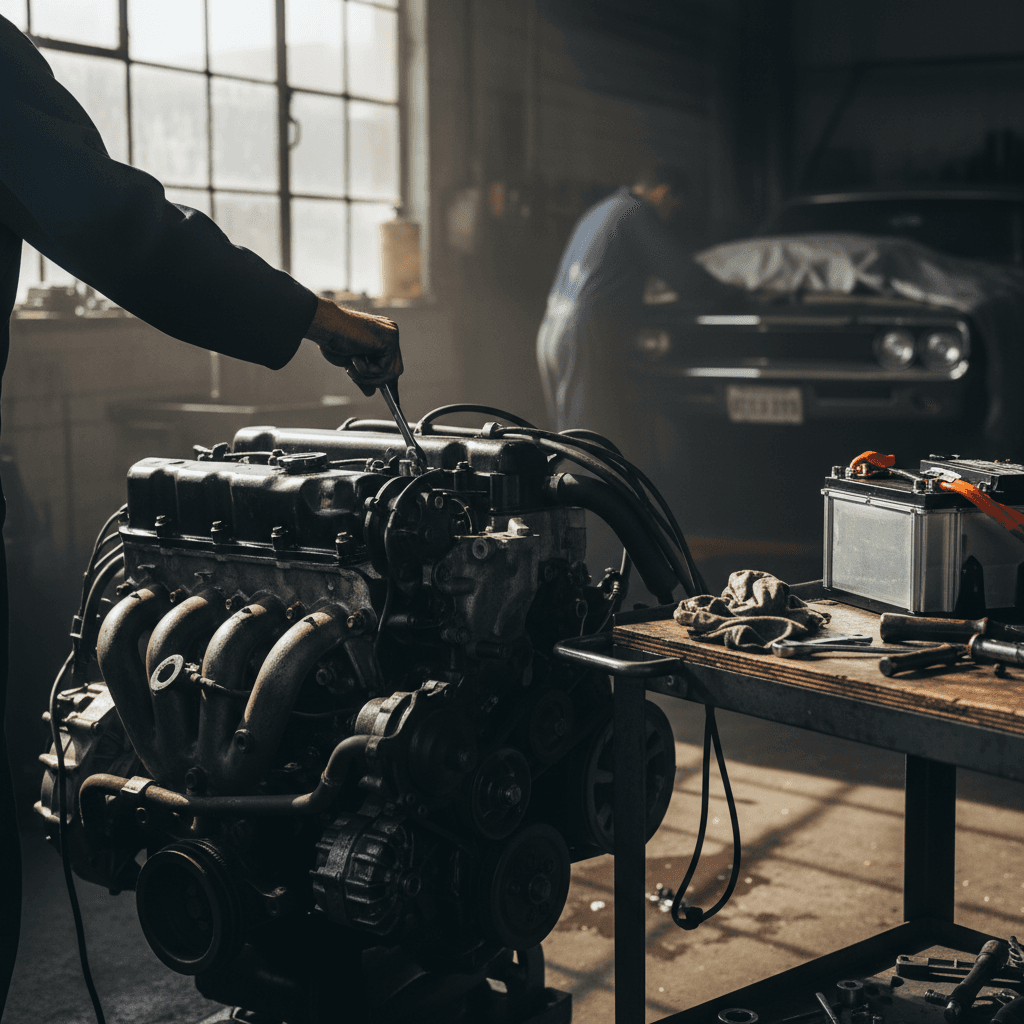
Before anyone talks about replacing your engine, they should prove it needs replacing. A legitimate shop will follow a structured diagnostic process rather than jumping straight to a worst‑case scenario.
Core steps in a solid engine diagnostic
Ask which of these the shop will perform and what the results mean.
Electronic diagnostics
- Scan for diagnostic trouble codes with an OBD‑II or factory tool.
- Check live data (fuel trims, misfire counts, sensor readings).
- Verify software updates or known technical service bulletins.
Mechanical testing
- Compression and/or leak‑down tests to assess internal wear.
- Oil‑pressure test to spot bearing or pump issues.
- Cooling‑system pressure test to find head‑gasket leaks.
Visual inspection
- Look for oil/coolant leaks, damaged hoses, and broken mounts.
- Inspect belts, timing covers, and accessory drive components.
- Check fluid condition for glitter, sludge, or contamination.
Clear explanation & next steps
- You should receive test results in plain English.
- Shop should outline multiple options where possible.
- All of this should inform a written estimate, not replace it.
Paying for diagnostics is usually worth it
Engine repair vs replacement vs used EV
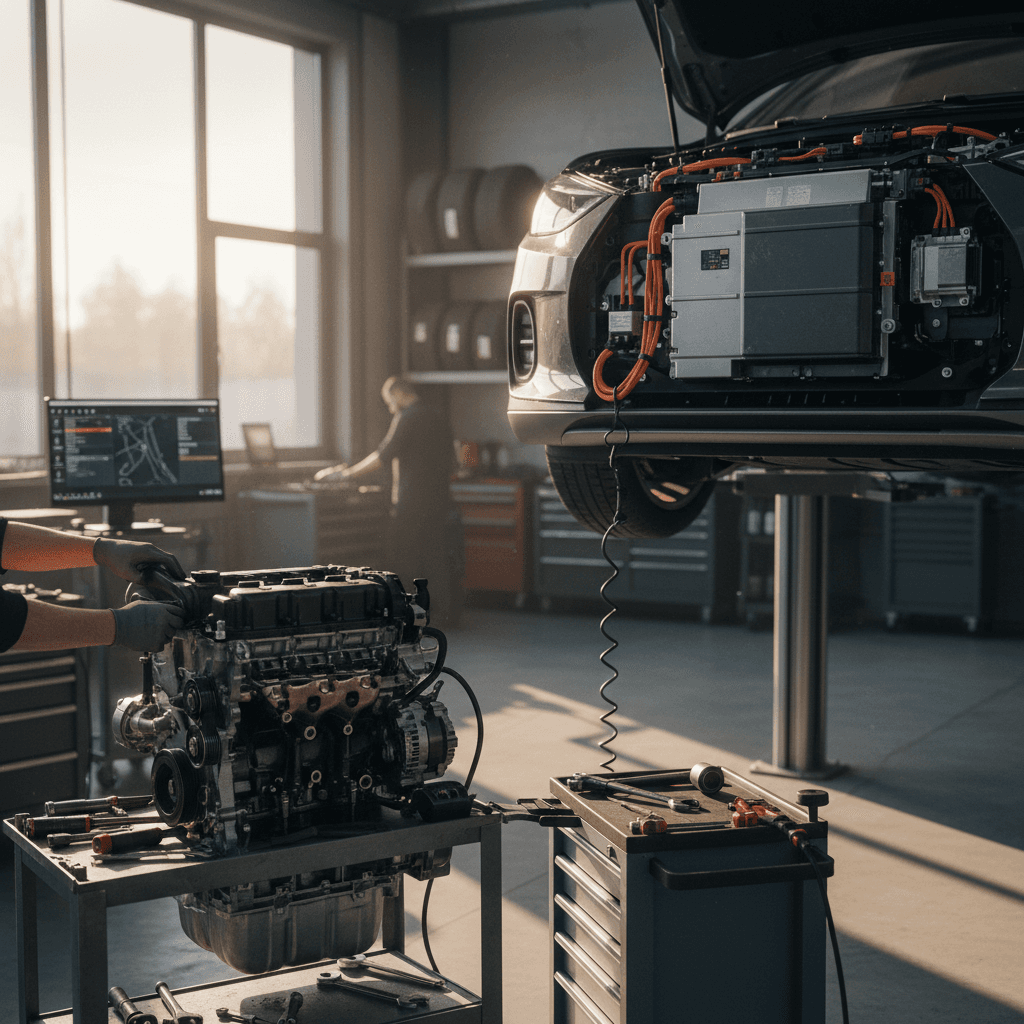
The big decision often isn’t which engine shop, it’s whether to keep feeding money into a high‑mileage gas car at all. When a shop says you need a major engine job, step back and compare three paths.
Repair the engine, replace it, or switch to a used EV?
Use this high‑level comparison as a starting point before you commit thousands of dollars.
| Option | Typical Upfront Cost (USD) | Pros | Cons | Best For |
|---|---|---|---|---|
| Targeted engine repair | $500–$3,000+ | Fixes specific issues while keeping the car you know; lower upfront cost than replacement or another vehicle. | May not address underlying wear on a high‑mileage engine; big repairs can snowball. | Cars with solid overall condition and moderate mileage. |
| Engine replacement or rebuild | $3,000–$8,000+ | Essentially resets the heart of the car; can add years of life if the rest of the vehicle is sound. | High upfront cost; resale value may not fully reflect what you spent; downtime for parts and labor. | Well‑maintained vehicles you like with otherwise strong bodies and interiors. |
| Move into a used EV | Down payment + monthly payment | Lower fuel and maintenance costs; no oil changes, fewer moving parts; quiet, smooth driving; incentives in some states. | Requires good charging access; battery health must be verified; different maintenance profile. | Drivers facing multiple big repairs or owning older gas cars with declining reliability. |
Always plug in your own numbers, shop quotes, insurance, and financing, to see what’s best in your situation.
Where Recharged fits in this decision
Typical engine repair costs and timelines
Exact numbers vary wildly by vehicle, region, and parts availability, but it helps to know ballparks when you’re evaluating quotes from car engine shops near me.
Common engine-related jobs: cost and downtime ranges
Treat these as directional ranges, not quotes, your numbers may differ.
Minor repairs
Examples: sensors, ignition coils, spark plugs, small oil leaks.
- Rough cost: $150–$700
- Typical downtime: same day to 1 day
- Often done without major disassembly.
Medium repairs
Examples: timing belt/chain service, water pump, head‑gasket on small engines.
- Rough cost: $800–$3,000+
- Downtime: 1–3 days in many cases
- Requires more labor and precision.
Major repair or replacement
Examples: full engine rebuild, remanufactured engine, severe internal damage.
- Rough cost: $3,000–$8,000+
- Downtime: 2–7+ days depending on parts.
- Performance or luxury models can run higher.
Ask about parts availability up front
Questions to ask any engine shop before you say yes
Before you authorize a big engine job, treat the conversation like an interview. Quality shops will welcome these questions and answer them clearly.
- What exact tests did you perform, and what were the results? (Ask to see printouts or screenshots.)
- What are my best, middle, and worst‑case options, and what happens if I do nothing for now?
- Are you using OEM, remanufactured, or aftermarket parts, and what warranties come with each?
- How long will the repair take if parts arrive on time, and what could delay it?
- What labor and parts warranty do you provide in writing?
- Who will actually work on my car, your in‑house techs or another shop/rebuilder?
- Can you text or email photos and updates as you go?
- How does this repair compare to the current market value of my car? (You can cross‑check using online value tools.)
“The best shops don’t just fix cars; they manage expectations. They tell you what they know, what they don’t know yet, and what the realistic outcomes look like.”
For EV owners: the engine-equivalent issues to watch
If you already drive an EV, you don’t have a traditional engine, but you still have components that play a similar role in keeping the car moving and safe. As more drivers transition from “car engine shops near me” to “EV service near me,” it helps to know what to watch.
Key EV components that replace engine work
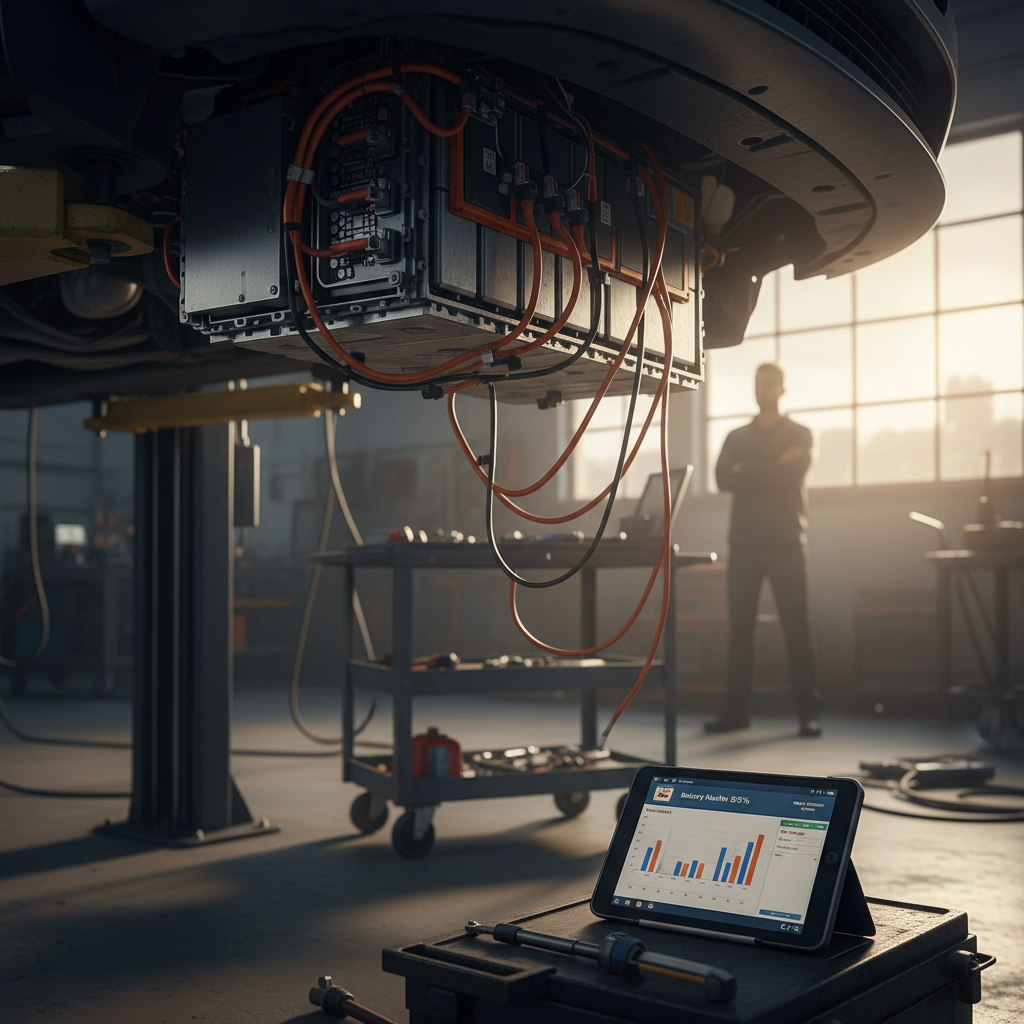
- Battery pack: The EV equivalent of the engine in terms of cost and importance.
- Electric motors: Generally robust but still require proper cooling and drivetrain care.
- Power electronics & inverters: Control how power flows from battery to motor.
- Thermal management system: Keeps the battery and electronics in a safe temperature range.
Why verification matters when buying used
A used EV with a weak battery can feel like a gas car with a worn‑out engine: limited range, questionable reliability, and low resale appeal.
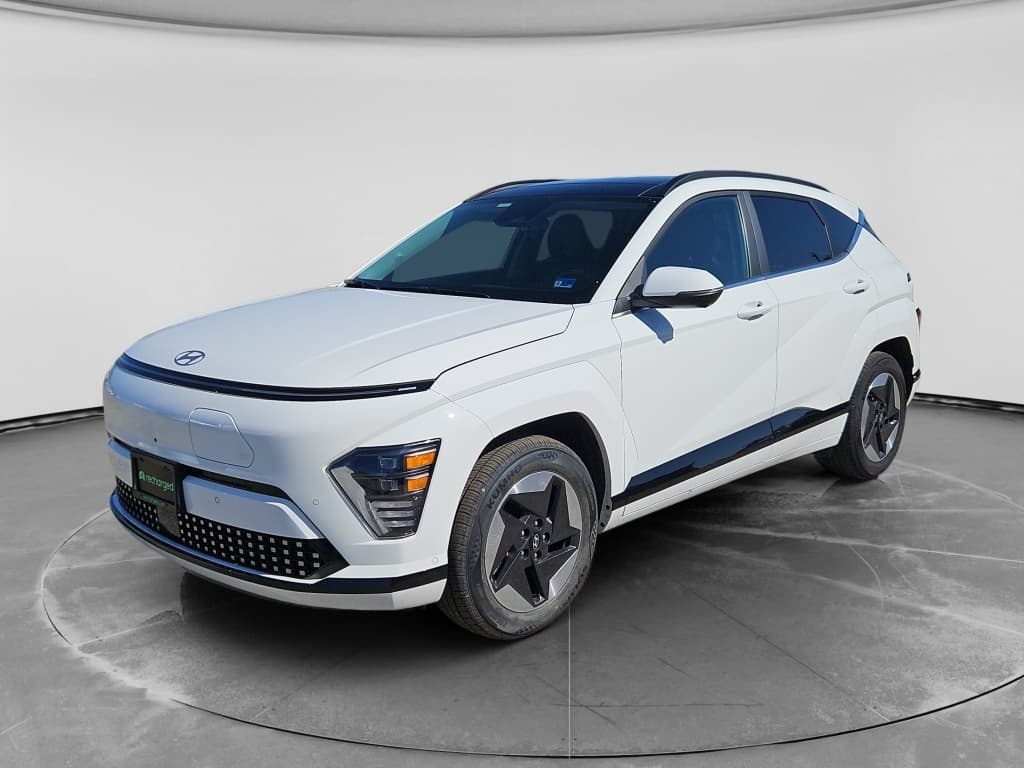
That’s why Recharged provides a Recharged Score battery health report on every EV we sell, using diagnostics to verify real‑world range and pack condition, before you sign anything.
Thinking about switching from an engine to an EV?
Ready to find your next EV?
Browse VehiclesFAQ: car engine shops near me
Frequently asked questions about car engine shops near me
Key takeaways and next steps
Searching for car engine shops near me is about more than finding the nearest garage on a map. The shop you choose, and whether you decide to repair, replace, or move on from your current engine, can reshape your total cost of ownership for years.
- Use symptoms like knocking, smoke, or overheating as your signal to get diagnostics sooner, not later.
- Compare shop options based on testing quality, transparency, and warranties, not just the headline price.
- Insist on a data‑driven diagnosis and a written estimate before approving major engine work.
- Always weigh a big engine bill against the value of the car and the alternative of changing vehicles.
- If you’re already curious about EVs, a major engine repair is the perfect time to run the numbers and see whether a used EV with a verified battery might be the smarter long‑term play.