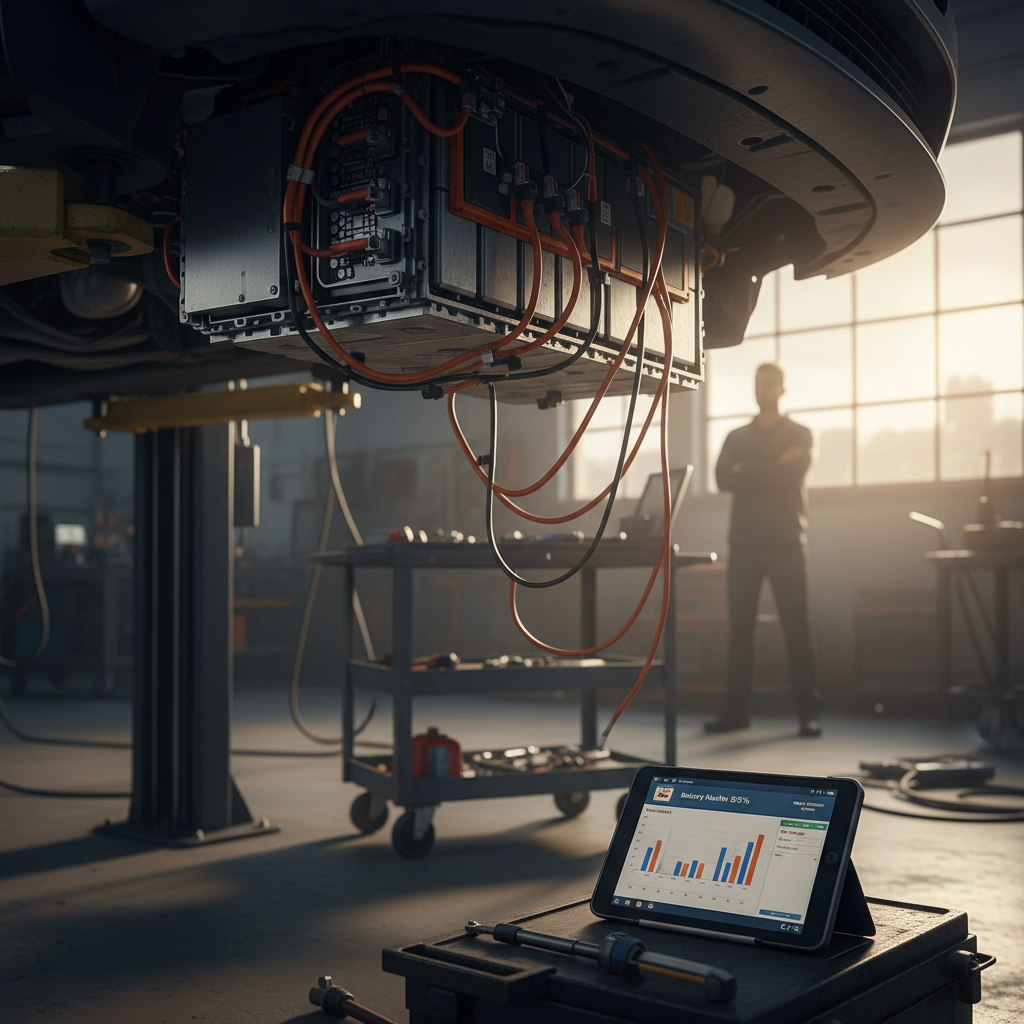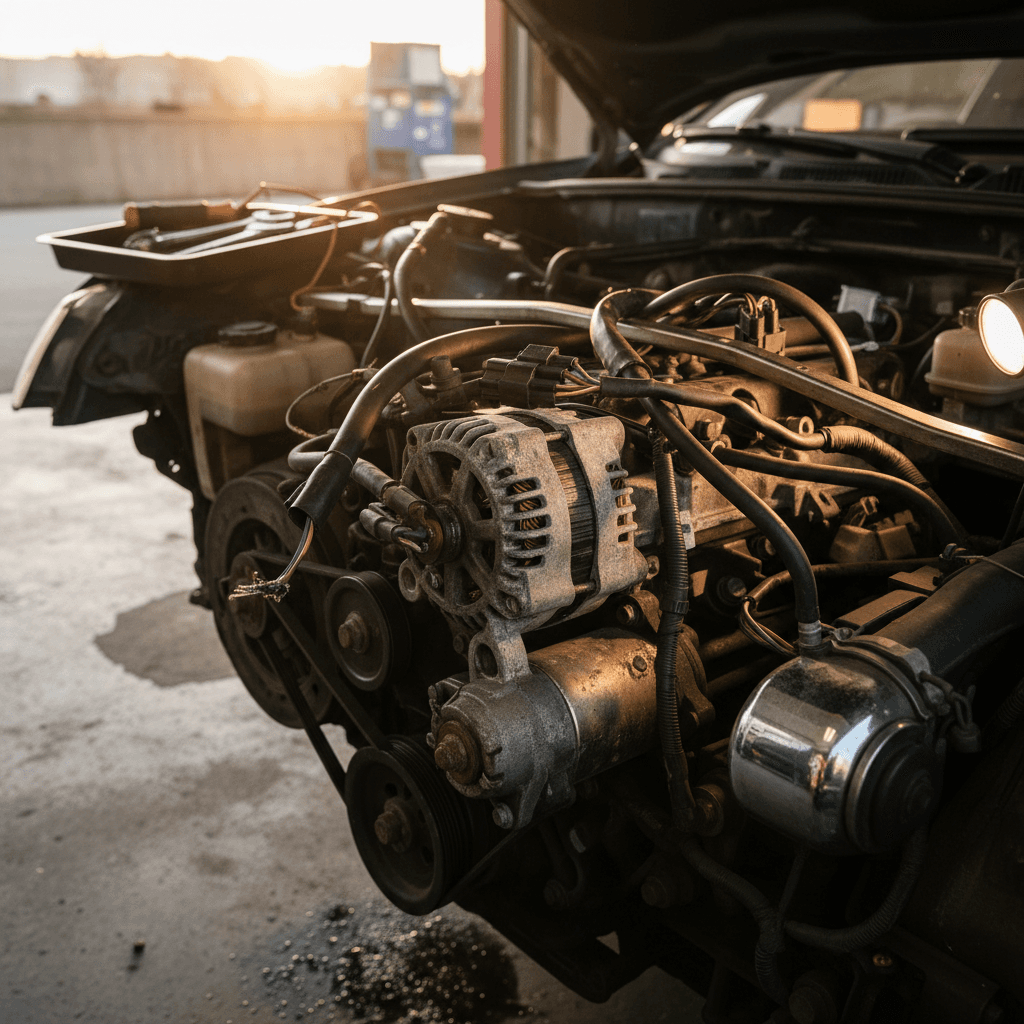
If you’re Googling “car electrical repairs near me”, there’s a good chance your vehicle is already warning you: dim headlights, random warning lights, dead battery, or a car that just won’t crank. Modern vehicles are rolling computers, which means electrical problems are more common, and often more complex, than they used to be.
Modern cars are 40–50% electronics by value
Why car electrical problems are on the rise
Today’s cars and SUVs carry dozens of control modules, advanced driver-assistance systems, connected infotainment, and increasingly powerful alternators and batteries to support them. That complexity has pushed electrical faults near the top of the list for common breakdown causes.
Electrical issues: small components, big impact
Electrical issues can cascade fast
Common car electrical issues and warning signs
Even if you’re not an electrician, you can spot patterns that point toward the most common faults. The goal isn’t to diagnose every detail, that’s your technician’s job, but to know when to search for car electrical repairs near you immediately.
7 common car electrical problems
What they look like, what they mean, and how urgent they are
1. Weak or dead battery
Symptoms: Slow cranking, click–click but no start, dim interior lights, corrosion on battery terminals.
What it likely is: An aging or discharged 12V battery, sometimes combined with poor terminal connections.
Urgency: High if the car won’t start. Tow to a shop or battery service if jump‑starts don’t hold.
2. Failing alternator
Symptoms: Battery light on, dimming headlights at idle, power windows slow, burning rubber smell, car dies after driving.
What it likely is: Alternator not charging the battery, worn belt, or internal alternator failure.
Urgency: Very high, if the alternator quits, the car may shut off while driving.
3. Bad starter motor
Symptoms: Single click or rapid clicking when you turn the key or press Start, no crank, lights stay bright.
What it likely is: Worn starter motor or solenoid, sometimes a bad relay or wiring.
Urgency: High, but the car is usually stuck where it is. You’ll need a tow or mobile mechanic.
4. Blown fuses
Symptoms: One accessory (radio, power windows, cigarette lighter, seat heater) suddenly stops working.
What it likely is: Overloaded circuit or shorted wiring blowing a fuse.
Urgency: Moderate. Replacing a fuse is easy, but repeated failures mean you need an auto electrician.
5. Wiring shorts & bad grounds
Symptoms: Random warning lights, intermittent power loss, flickering displays, odd behavior when you hit bumps or use other accessories.
What it likely is: Corroded connectors, rodent damage, or loose ground points.
Urgency: Medium to high. Shorts can escalate into fires; don’t ignore a burning smell.
6. Sensor & module issues
Symptoms: Check engine light, ABS/airbag lights, odd shifting, limp mode, or driver‑assist features dropping out.
What it likely is: Failing sensors, corroded connectors, or a control module needing reprogramming or replacement.
Urgency: Varies. Safety systems and drivability issues should be addressed quickly.
7. Lighting & accessory failures
Symptoms: Headlights dim or flicker, brake lights out, interior lights dead, infotainment reboots.
What it likely is: Blown bulbs, bad switches, low voltage, or wiring faults in those circuits.
Urgency: Anything involving brake/turn lights is a safety and legal issue, fix ASAP.
Quick self-check before you call a shop
How much car electrical repairs cost in 2025
When you look for car electrical repairs near me, you’ll see wildly different prices. Part of that is geography and shop overhead, but a lot depends on how hard your specific alternator, starter, or wiring fault is to reach and diagnose. Here’s what typical 2025 pricing looks like in the U.S. for common jobs at independent shops.
Typical 2025 car electrical repair costs (U.S.)
Approximate price ranges for common auto electrical repairs at independent repair shops. Luxury or specialty vehicles can run higher.
| Repair type | What’s included | Parts cost (typical) | Labor cost (typical) | Total ballpark |
|---|---|---|---|---|
| Battery replacement | New 12V battery, install, charging check | $100–$200 | $0–$50 | $100–$250 |
| Alternator replacement | New or reman alternator, belt inspection | $150–$400 | $150–$400 | $300–$800 |
| Starter motor replacement | Starter, relays as needed | $150–$400 | $150–$300 | $300–$700 |
| Basic electrical diagnostic | Scan, voltage tests, basic tracing | – | $100–$200 | $100–$200 |
| Fuse & minor wiring repair | Fuse, minor connector or wire repair | $10–$80 | $80–$200 | $90–$280 |
| Control module reprogram/replace | Module plus programming | $200–$800+ | $150–$300 | $350–$1,100+ |
Actual costs depend on your vehicle, location, and how complex the fault is. Always ask for a written estimate.
Why diagnostic fees are worth it
DIY vs professional: when to call an auto electrician near you
What’s usually safe to DIY
- Replacing a 12V battery on most vehicles (as long as you follow the owner’s manual, keep polarity correct, and watch for cars that require scan tools to register a new battery).
- Swapping a blown fuse with the same amperage, after checking your manual for the correct location.
- Cleaning battery terminals with baking soda and a brush, wearing eye protection and gloves.
- Replacing simple bulbs like low‑beam headlights or tail lights, where access is straightforward.
If the fix doesn’t hold or the same fuse blows twice, stop. That’s your signal to search for professional car electrical repairs near me instead of chasing ghosts.
When you should call a pro immediately
- Repeated dead batteries even after replacement or jump‑starts.
- Burning smells, smoke, or melted plastic from under the dash or hood.
- Alternator or starter replacement on modern, tightly packaged engines.
- Random warning lights or limp mode that comes and goes.
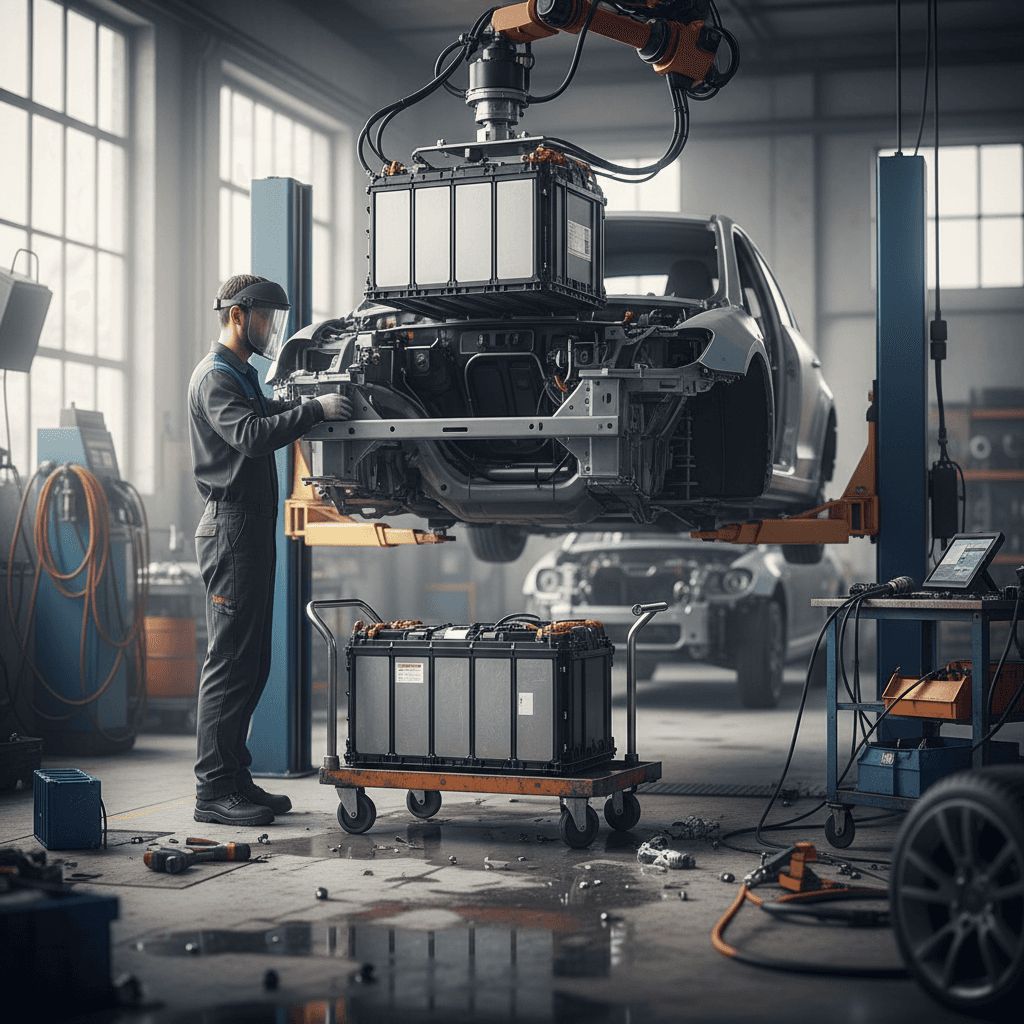
- Any work on hybrid or EV high‑voltage systems (orange cables, battery packs, inverters).
Electrical shorts can start fires, and high‑voltage components in hybrids and EVs can be lethal. If you’re not 100% sure, this is a job for a trained technician, not YouTube alone.
Do NOT experiment with high voltage
How to choose a trustworthy car electrical repair shop near you
Electrical faults are unforgiving: guesswork gets expensive fast. Here’s how to separate serious auto electricians from shops that just clear codes and hope for the best.
Checklist: finding the right auto electrical repair near you
1. Look for diagnostics, not just parts swapping
Ask how the shop diagnoses electrical problems. A good answer mentions multimeters, load testing, wiring diagrams, and scan tools, not “we’ll try a new alternator and see.”
2. Ask about experience with your make and model
Electrical architecture varies hugely between brands. If you drive a European luxury car, EV, or hybrid, prioritize shops that see those vehicles every week, not once a year.
3. Check certifications and equipment
ASE certifications, manufacturer training, and modern scan tools are table stakes. For EVs and hybrids, ask specifically about high‑voltage safety training and insulated tools.
4. Read recent reviews that mention electrical work
Search reviews for phrases like “electrical,” “wiring,” “no‑start,” or “diagnostic fee.” You’re looking for stories where the shop traced a tricky problem correctly, not just changed a battery.
5. Get a clear written estimate
A credible shop will separate diagnostic time, parts, and labor on your estimate. Be wary of vague, all‑in prices with no breakdown, those are hard to compare and harder to dispute later.
6. Ask about parts quality and warranty
Cheaper isn’t always cheaper. A low‑quality alternator or starter can fail in a year. Ask whether they use OEM or reputable aftermarket parts and how long the parts and labor are guaranteed.
How Recharged fits in if you’re driving or buying an EV
Ready to find your next EV?
Browse VehiclesSpecial considerations for EV and hybrid electrical repairs
EVs and hybrids are fundamentally electric vehicles sitting on top of a conventional 12‑volt system. You still have the familiar battery, fuses, and accessories, but you also have a high‑voltage pack, power electronics, and battery management systems that demand specialized care.
ICE vs EV: how electrical repairs differ
Why the shop you choose matters even more for electric and hybrid vehicles
Conventional gas vehicles
- Primary electrical issues: 12V battery, alternator, starter, basic wiring faults.
- Any competent general repair shop can handle most problems.
- Parts are widely available and relatively inexpensive.
- Diagnostic gear is simpler and more standardized.
EVs & hybrids
- Two systems: 12V network plus high‑voltage traction battery and inverter.
- Unique failure modes: onboard charger issues, DC‑DC converter faults, battery contactors.
- Repairs often require OEM‑level scan tools and brand‑specific procedures.
- High‑voltage safety procedures are mandatory, not optional.
Used EV? Make electrical health part of the buying decision
Maintenance tips to prevent future electrical problems
You can’t eliminate every electrical gremlin, but a few simple habits dramatically lower your odds of getting stranded or chasing intermittent issues that eat time and money.
Simple habits that protect your car’s electrical system
1. Test your battery proactively
Have your 12V battery load‑tested at least once a year, and especially before winter or a long road trip. Replace it every 3–5 years or sooner if tests show it’s weak.
2. Keep terminals clean and tight
Corrosion at the battery terminals is one of the most common, and most preventable, electrical issues. Clean them periodically and make sure clamps are snug.
3. Watch for early warning signs
Dimming lights, slow windows, erratic gauges, and infotainment glitches are your early warning system. Don’t wait until the car dies; book an inspection as soon as you notice a pattern.
4. Go easy on aftermarket add‑ons
Big stereos, light bars, and other accessories can overload circuits if they’re not wired correctly. Use proper relays, fuses, and wiring, or have a professional install them.
5. Protect wiring from rodents and moisture
If you park outside or near fields/wooded areas, rodents can chew wiring. Parking in a garage when possible and occasionally inspecting under‑hood wiring helps you catch damage early.
6. Schedule regular electrical checkups
Ask your shop to check charging voltage, grounds, and key connections during oil changes or annual inspections. A 10‑minute check can catch alternator or wiring problems before they snowball.
FAQ: car electrical repairs near me
Frequently asked questions about car electrical repairs
Bottom line: getting the right electrical repair at the right place
Electrical problems are one area where modern cars and EVs don’t forgive guesswork. When you search for car electrical repairs near me, focus less on the cheapest ad and more on who can diagnose accurately, explain clearly, and stand behind their work.
If you’re committed to your current car, use the checklists in this guide to choose a trustworthy local shop and stay ahead of future issues with simple maintenance habits. If recurring electrical problems are nudging you toward an EV, remember that with Recharged you get verified battery health, fair pricing, and EV‑specialist support baked in, so your next car starts with clarity instead of electrical uncertainty.