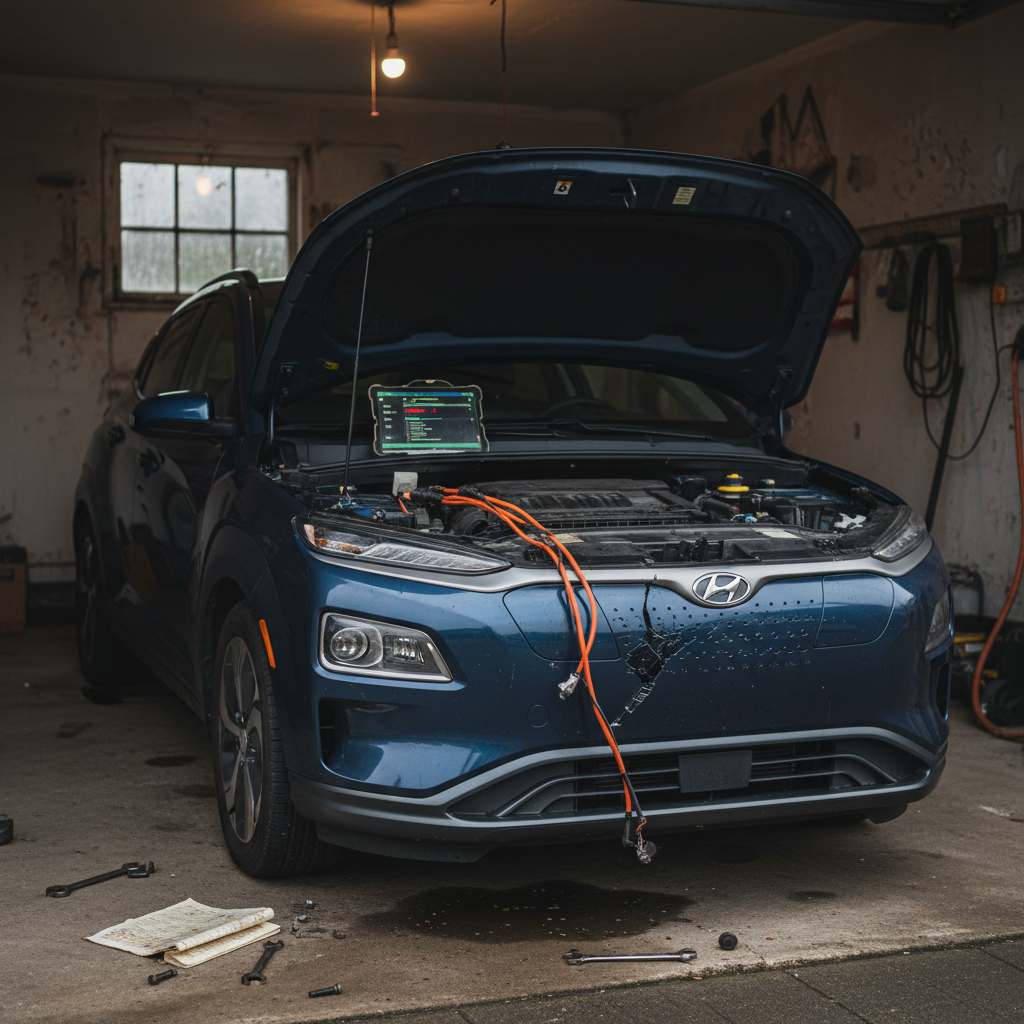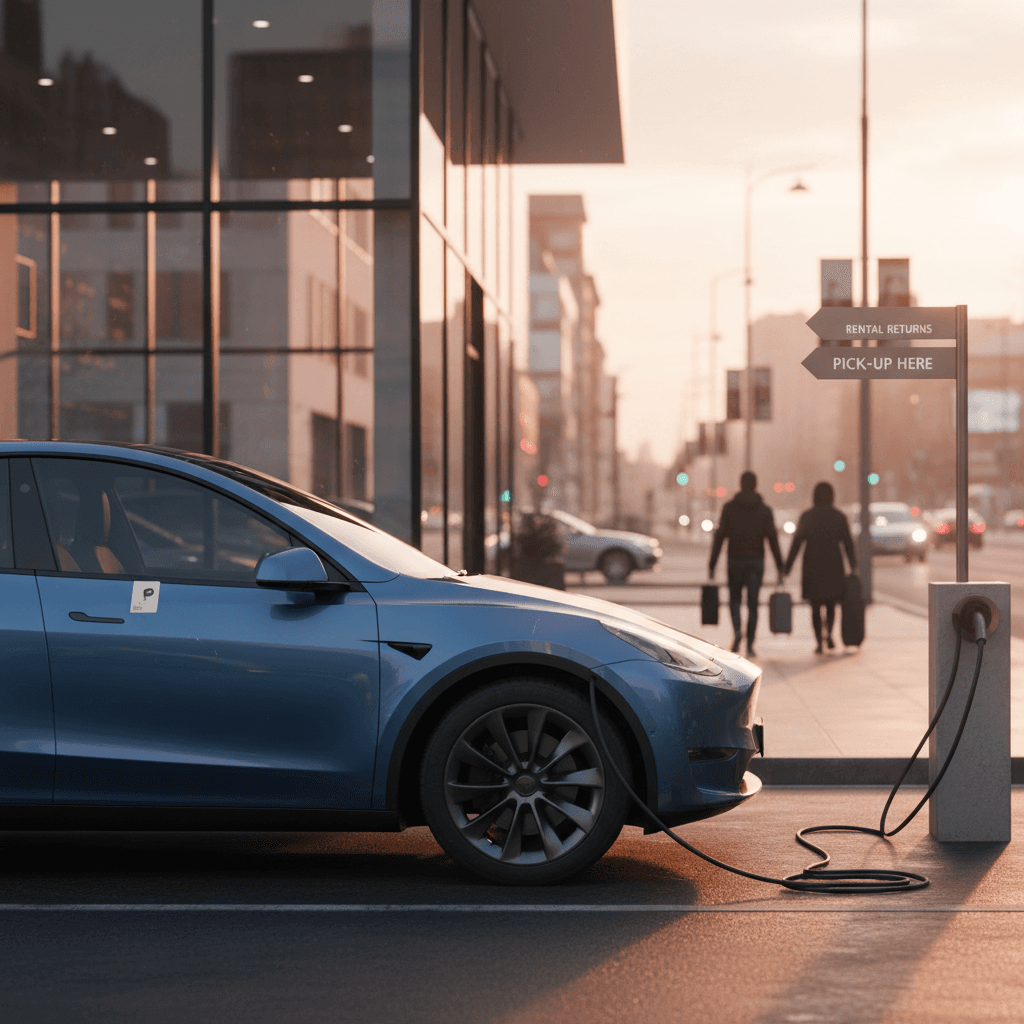
Search “car dealerships that rent cars near me” and you’ll find a mixed bag: traditional rental brands, dealer websites, and third‑party marketplaces. Underneath that clutter is a simple reality, more franchised dealerships are quietly running their own rental fleets, from Toyota stores to Tesla locations and local independents. The trick is knowing how these programs work, where to find them, and when a dealer rental actually beats a standard rental agency or even makes a case for buying a used EV instead.
Big picture
How car dealership rentals actually work
Most car dealerships that rent cars don’t advertise themselves like airport rental counters. Their rental fleets typically serve three purposes: keeping customers mobile during service visits, offering extended test drives to serious shoppers, and filling local short‑term needs when traditional agencies are sold out or inconvenient. That’s why the inventory is almost always late‑model vehicles from the brand on the sign out front.
How a dealer rental usually starts
- Your own car is in the shop and the service advisor offers a rental or loaner.
- You call the dealer’s main number and ask for the rental department.
- You’re shopping a specific model and want more than a 10‑minute test drive.
What makes it different from a rental agency
- Fleet is mostly one brand, often all current‑generation models.
- Pick‑up and return are tied to dealer business hours.
- Policies can vary store‑to‑store even under the same brand badge.
Not every dealer rents to the public
Common types of dealer rental and loaner programs
Three ways dealers put you in a temporary car
Same building, different rules and expectations
Service loaners
Vehicles you use while your own car is in the shop. Typically free or heavily discounted, but limited to the time of the repair order and often restricted by mileage or geography.
Formal rental programs
Branded programs like Toyota’s rental network or Tesla’s new dealership rental pilots. These act much closer to a traditional rental agency with daily rates, insurance checks, and written contracts.
Extended test drives
Some dealers will let serious shoppers rent a specific model for a day or weekend as a ‘try before you buy’ experience, sometimes crediting rental fees toward a later purchase.
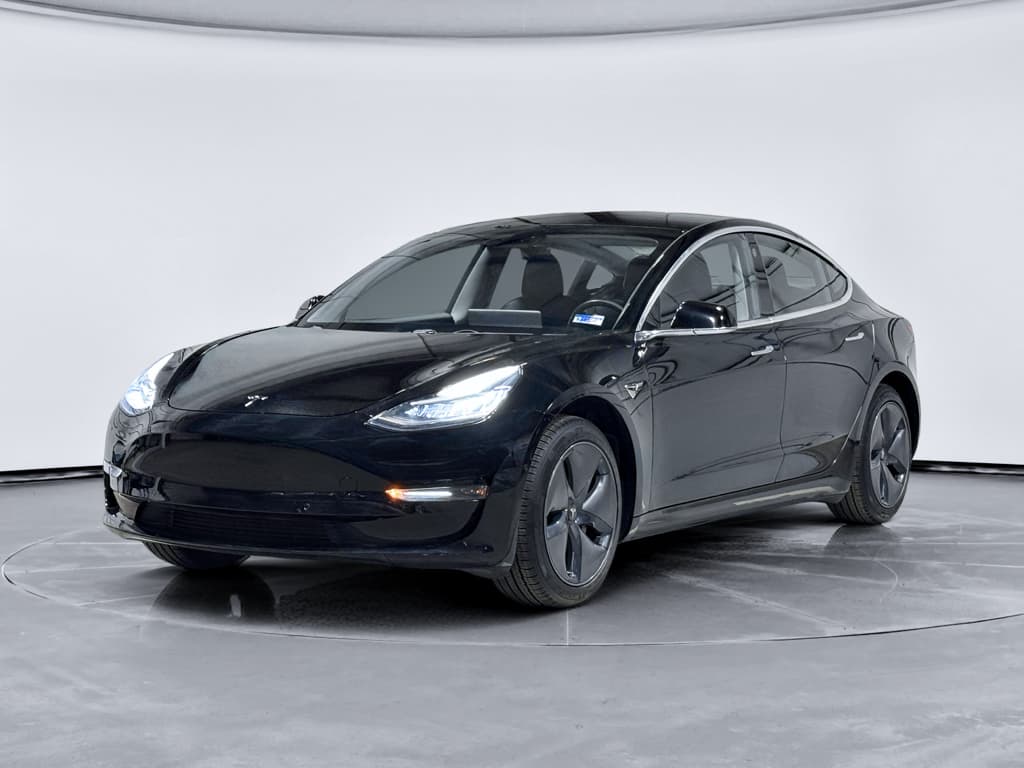
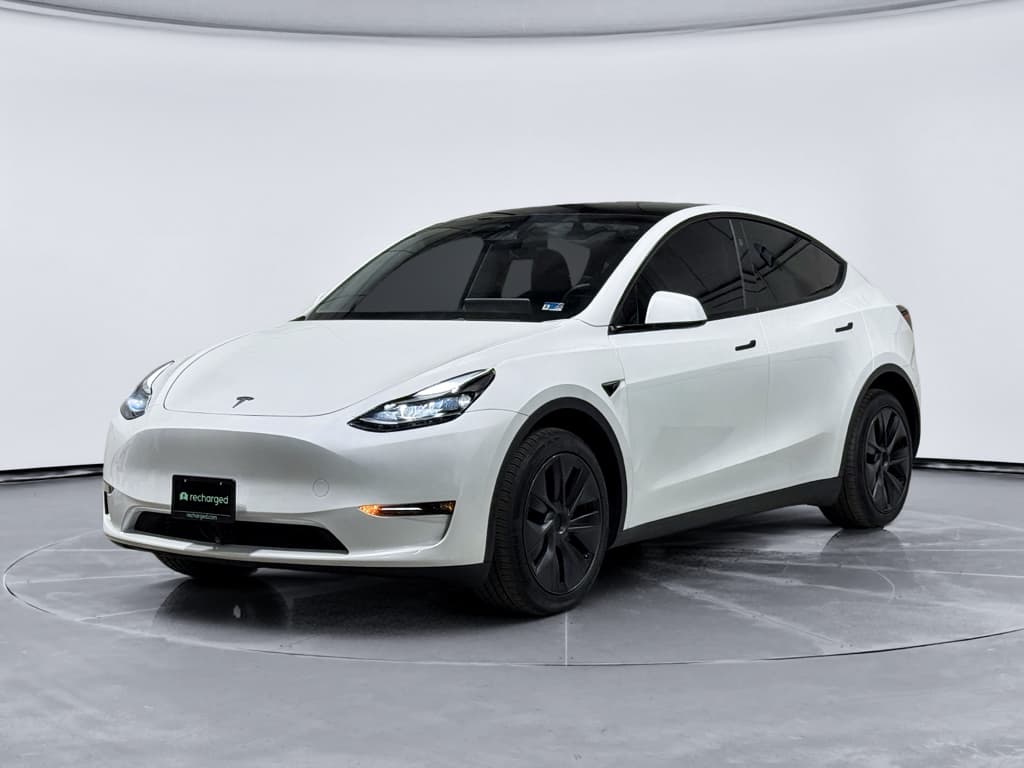
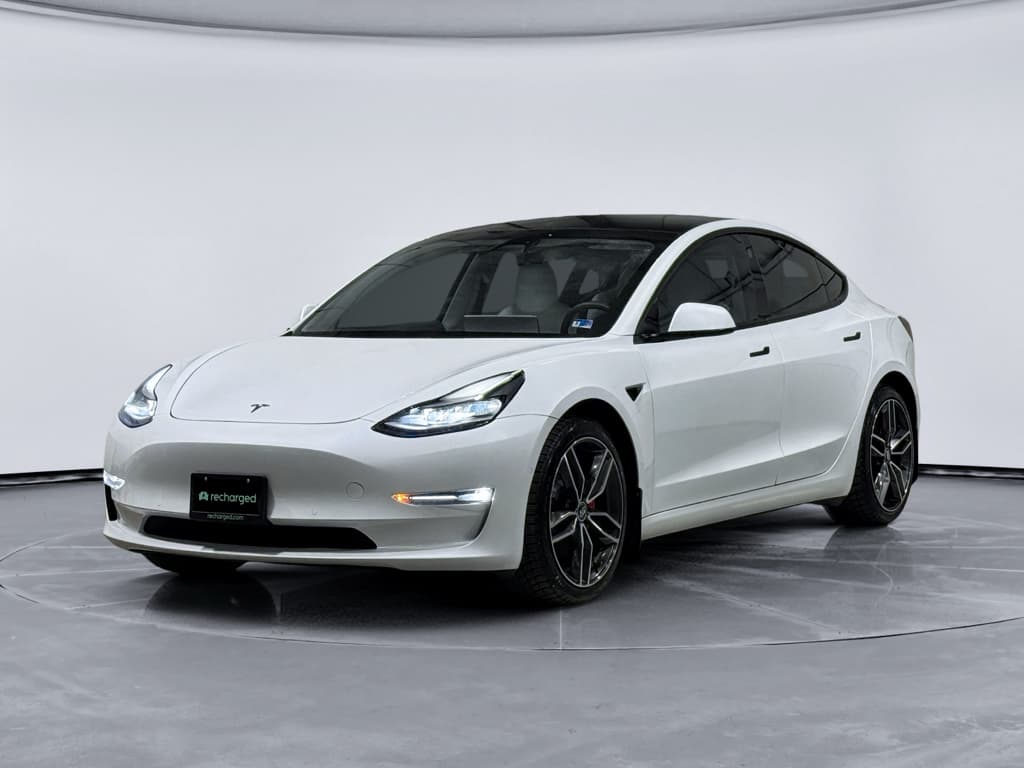
From a shopper’s standpoint, the lines blur. You might book a Toyota rental to cover a road trip, then later decide you liked the hybrid enough to buy a similar used model. Or you might be in a Tesla service bay and discover the store is running a limited‑time rental program on new Model 3 or Model Y vehicles, effectively turning a loaner into a multi‑day test drive.
Major brands where dealerships rent cars
Where dealer rentals are easiest to find
Toyota’s program is the most formalized: participating dealers run a dedicated Rent a Toyota fleet of current‑model cars, SUVs, and trucks, typically at competitive daily prices and with roadside assistance baked in. Tesla’s approach is newer and more experimental, limited‑time rental offers at select locations, aimed at getting more drivers into EVs without a full purchase commitment.
Ask about local twists
Dealer rentals vs. traditional rental agencies
How dealership rentals compare with big rental agencies
Use this side‑by‑side look to decide which route suits your next trip or service visit.
| Factor | Dealership rentals | Traditional rental agencies |
|---|---|---|
| Location | Suburban or city dealerships; rarely at airports | Airports, city branches, neighborhood locations |
| Vehicle mix | Mostly one brand, late‑model fleet | Multi‑brand, wide range of sizes and trims |
| Best for | Service coverage, extended test drives, local errands | Airport travel, one‑way trips, long vacations |
| Hours | Dealer business hours | Longer hours; some 24/7 locations |
| Pricing | Often competitive locally; fewer coupons | Highly dynamic pricing, loyalty programs, corporate rates |
| One‑way trips | Typically not allowed | Common, but with added fees |
Dealer rentals tend to shine for local and brand‑specific needs; agencies still dominate airport and one‑way travel.
Where dealer rentals win
How to find car dealerships that rent cars near me
Step‑by‑step: finding dealer rentals near you
1. Start with brand rental locators
If you’re flexible on brand, check manufacturer sites that list rental‑participating dealers, Toyota is the clearest example, but regional groups sometimes host their own locators.
2. Search within maps, not just the web
In Google Maps or Apple Maps, search for the brand plus “rental” or “loaner.” Many dealerships list rental services in their profile even if their main website doesn’t emphasize it.
3. Call the service department, not just sales
Rental and loaner fleets are usually managed by service or a dedicated rental desk. Ask if they rent to the public, what’s in the fleet, and whether EVs are available.
4. Ask about EV availability specifically
If you’re EV‑curious, ask whether the dealer will rent an electric model or plug‑in hybrid. Some will prioritize EVs for shoppers considering a purchase.
5. Confirm rates, mileage and geography
Before you drive over, confirm daily or weekly pricing, mileage limits, where you can travel, and what’s required for insurance and deposits.
- If you already service your vehicle at a particular dealer, start there, they’re more likely to prioritize you for loaner or rental access.
- Try a few different brands within a reasonable radius; policies and inventory change quickly, especially during busy travel seasons.
- If you specifically want to sample an EV, focus on brands with strong electric lineups or specialty EV retailers.
Age limits, insurance, costs and the fine print
Once you’ve found car dealerships that rent cars near you, the next hurdle is qualifying to actually drive away. Dealer rental desks tend to be conservative: they’re using high‑value inventory, and rentals aren’t their core business. Expect requirements that look a lot like a traditional agency, with a few twists.
Typical dealership rental requirements
Always verify locally, rules vary store to store
Driver qualifications
- Valid driver’s license, usually held for at least 1 year.
- Minimum age often 21–25 depending on the program.
- Major credit card in your own name; some accept debit with extra checks.
Insurance and deposits
- Proof of full‑coverage auto insurance that transfers to a rental vehicle.
- Security deposit or credit‑card hold sized to the vehicle value.
- Optional add‑on coverage may be limited compared with big rental brands.
Cost structure
- Daily or weekly rates that are often similar to local rental agencies.
- Taxes and fees applied just like any other rental car.
- Fuel, tolls, and tickets are your responsibility.
Restrictions to watch
- Mileage caps or per‑mile surcharges.
- Geographic limits (in‑state only, no border crossings, no off‑road).
- Return strictly during dealer business hours, late returns can add full extra days.
Don’t assume you’re entitled to a loaner
When a dealership rental is the smartest move
Dealership rentals aren’t a universal replacement for Hertz, Enterprise, or the rest of the rental majors. But there are clear cases where a dealer‑run fleet is exactly the right tool for the job.
- Your car is in the shop and the dealer is willing to put you in a comparable model for the duration of the repair, sometimes at a reduced rate or no charge.
- You’re considering a specific model, say a Toyota RAV4 Hybrid or a Tesla Model Y, and want to live with it for a few days before committing to a purchase or long‑term lease.
- Traditional rental supply is tight in your area and the dealer has inventory sitting on the lot that they’re willing to monetize for short‑term use.
- You want a nearly new vehicle with the latest safety tech for a family trip, and your local dealer’s rental fleet is refreshed every few months.
For dealers, rentals and loaners are a chess piece. They help close sales, soften the pain of a major repair, and keep customers in the brand’s ecosystem. For you, they’re a low‑commitment way to see whether the car, and increasingly, the EV, actually fits your life.
Use rentals to negotiate later
From renting to owning: when a used EV makes more sense
Short‑term mobility is one story. But if you find yourself renting vehicles from dealerships more than a few times a year, especially EVs so you can dodge gas costs, it’s worth asking whether it’s time to shift from renting to owning. That’s exactly the gap companies like Recharged are trying to fill with transparent, used‑EV‑focused marketplaces.
When renting still makes sense
- You only need a car or EV a few times a year.
- Parking or charging at home is a challenge.
- You’re in a true test‑drive phase across multiple brands.
When a used EV is the better play
- You’re routinely spending hundreds on rentals and ride‑hail each month.
- You want predictable monthly payments and to stop worrying about availability.
- Ownership benefits like HOV access, home charging, and tax incentives matter to you.
How Recharged helps if you’re ready to move past rentals
From dealership loaners to your own electric driveway car
Verified battery health
Transparent pricing & financing
Nationwide delivery & trade‑ins
Ready to find your next EV?
Browse VehiclesFAQ: Car dealerships that rent cars near me
Frequently asked questions
Car dealerships that rent cars sit in a gray zone between service support and traditional car rental. If you’re deliberate, calling ahead, asking the right questions, and knowing whether you’re testing the waters for a future purchase, they can be a smart, under‑the‑radar option. And if that extended test drive convinces you that living with an EV or a specific model works, the next logical step is moving past rental calendars and into ownership, ideally with transparent data on battery health, pricing, and support so you know exactly what you’re getting.