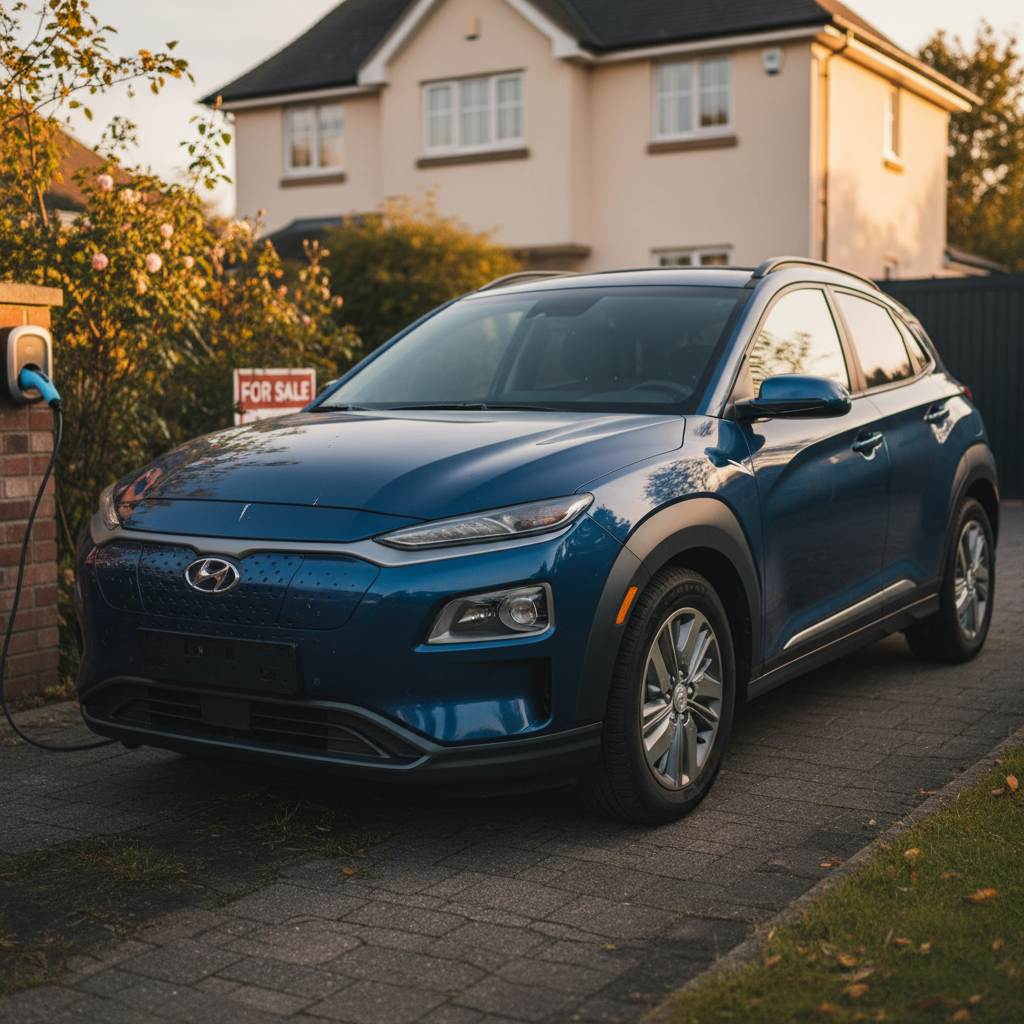
Search terms like “car charger to home charger converter” and “car charger for electric car” usually come from a simple question: can you use one charger, plus some kind of adapter, to handle everything, from road trips to daily home charging? The short answer is “sometimes,” but the details matter if you care about safety, speed, and your EV’s battery health.
Before we start
Why “car charger to home charger converter” is confusing
When people say “car charger to home charger converter”, they’re usually mixing together three ideas: 1. The portable cable that comes with the car (often a Level 1 charger that plugs into a standard outlet). 2. A faster home wallbox or plug-in Level 2 charger that uses 240 volts. 3. Adapters that let a charger plug into different outlets (for example, a NEMA 5-15 household plug vs. a NEMA 14-50 RV-style outlet). These are related, but they’re not interchangeable. You can adapt plugs; you can’t magically convert a slow charger into a fast one without changing the voltage and circuit behind it.
Three pieces of the EV home charging puzzle
Understanding terms makes the rest of this guide much easier.
Charger / EVSE
Outlet & Circuit
Adapter / Converter
Don’t confuse adapters with voltage converters
“Car charger for electric car”: what people actually mean
If you just bought, or are shopping for, a used EV, “car charger for electric car” could mean any of the setups below. Knowing which one fits your life is more important than the label on the box.
Common meanings of “car charger for electric car”
Four real‑world scenarios behind a very broad phrase.
| What you say | What it really is | Typical use | Pros | Cons |
|---|---|---|---|---|
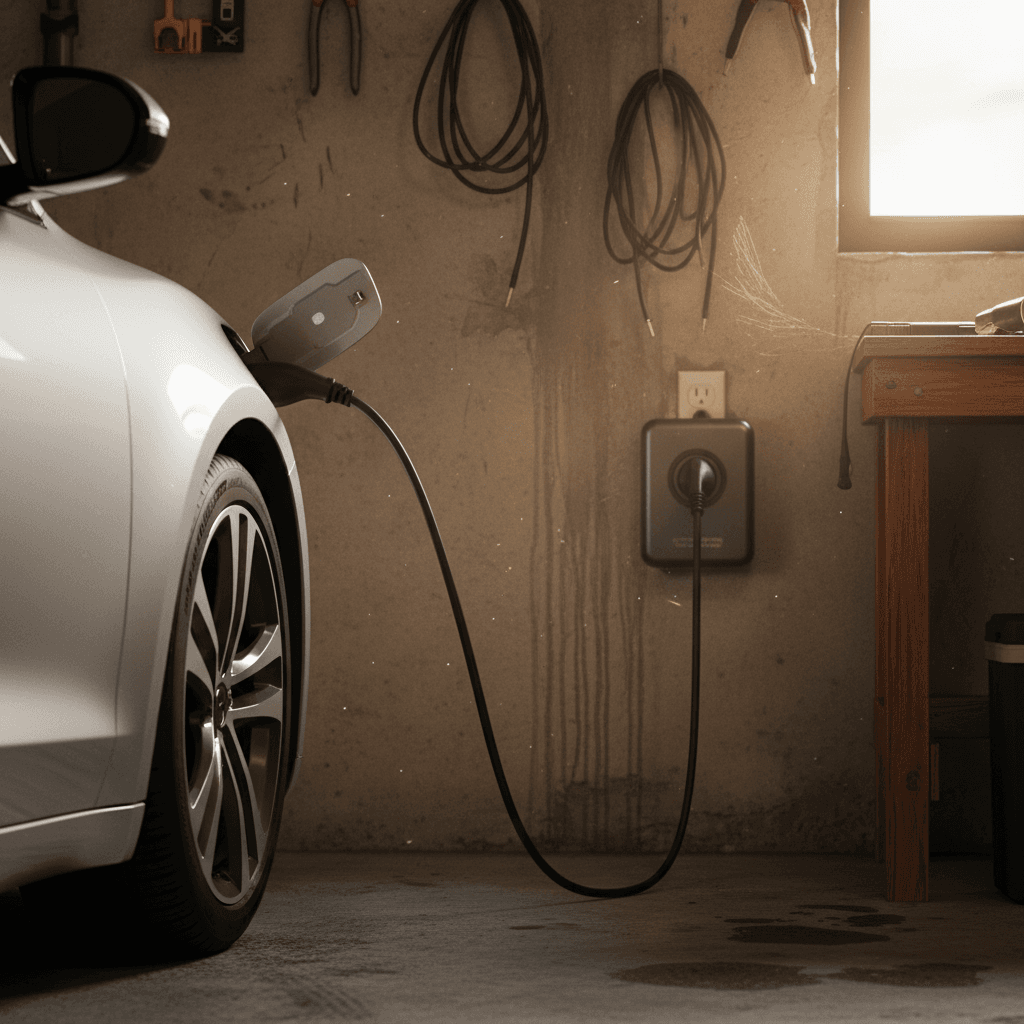
| The charger that came with my car | Portable Level 1 EVSE (120V wall plug) | Overnight charging, backup or low mileage drivers | No installation, works almost anywhere | Very slow, often 3–5 miles of range per hour |
| Fast home charger | Level 2 home charger (240V, wallbox or plug-in) | Daily home charging for most EV owners | 15–40+ miles of range per hour, convenient | Needs 240V circuit, higher upfront cost |
| Charger I keep in the trunk | Portable Level 1/2 EVSE with interchangeable plugs | Apartments, travel, visiting friends/family | Flexible, can work on 120V or 240V with right outlet | You still need the correct outlet and safe wiring |
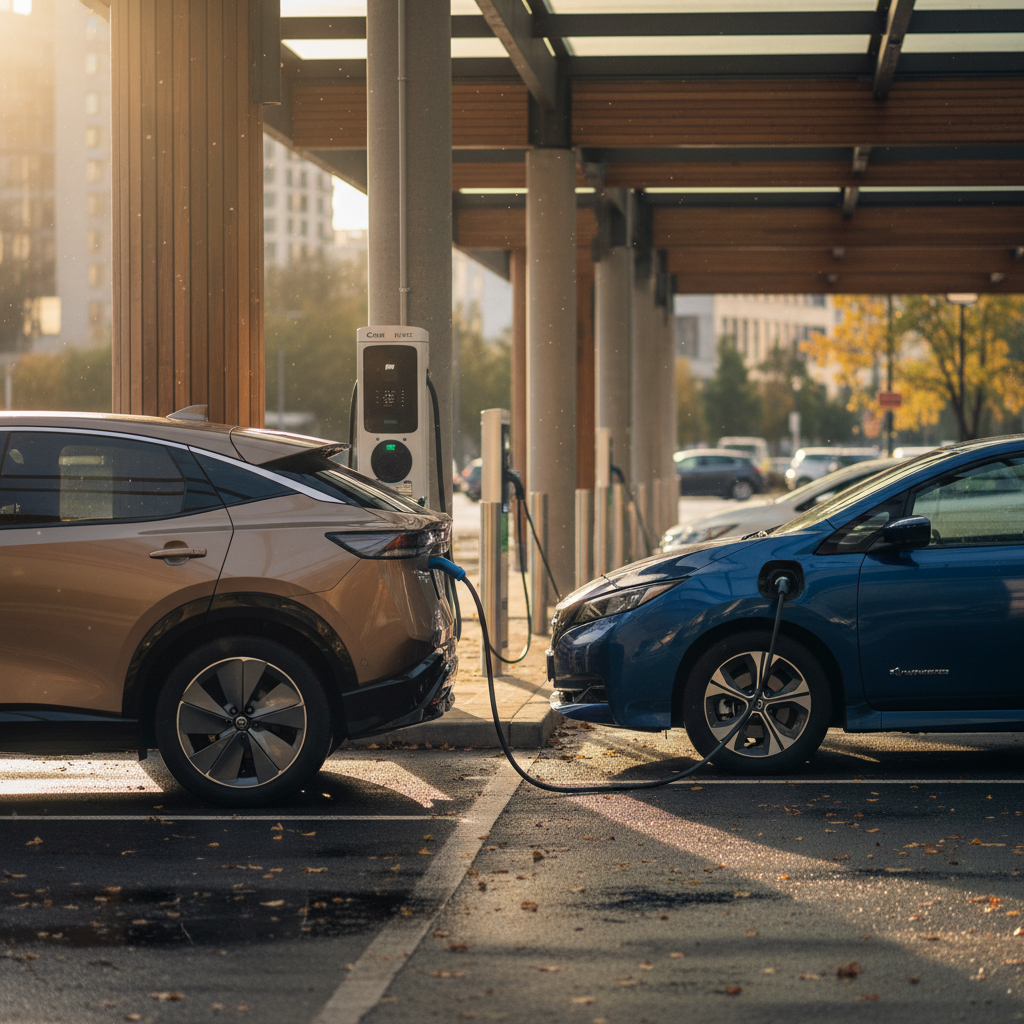
| Public station “car charger” | Level 2 or DC fast charger in parking lots & highways | Top-ups while shopping or road‑tripping | No installation at home, very fast on DC | You pay per session, depends on network coverage |
Match the description that sounds most like your daily driving to narrow down what you actually need.
How to translate product marketing
EV charging levels at home: Level 1 vs Level 2
Most home setups use either Level 1 (120V) or Level 2 (240V) charging. The voltage and circuit, more than the brand name, drive how fast your EV fills up.
Realistic home charging speeds in 2025
Level 1 charging uses a standard 120V household outlet and is often fine if you drive less than 30–40 miles per day and can leave the car plugged in every night. Level 2 uses a 240V circuit, the same voltage as an electric dryer or oven, and is what most daily drivers eventually choose for home charging because it can refill a typical battery overnight instead of over several days.
Never “DIY” higher-power circuits
When you can use a car charger as a home charger
Good news: in many cases you can use the same portable “car charger” that rides in your trunk as your everyday home charger, at least for a while. Here’s when it makes sense and when it doesn’t.
Scenarios where a portable car charger works fine at home
1. You drive relatively few miles per day
If you’re adding only 20–30 miles daily, a Level 1 charger on a dedicated 120V outlet may keep up, especially if the car sits overnight or while you work from home.
2. You have a high‑quality portable Level 2 unit
Some portable EVSEs are dual‑voltage (120V/240V) and can plug into different outlets with the right adapter. On a 240V circuit, they can charge almost as fast as a wall‑mounted Level 2 charger.
3. You want to delay installation costs
Using the included charger for a few months lets you understand your real daily range needs before spending on a permanent home charger and electrical work.
4. You’re renting or likely to move soon
A portable charger plus the correct outlet can be a smart compromise for renters who can’t permanently modify the property but still want faster charging than a standard 120V plug.
Safe use checklist
What a car charger to home charger converter can and can’t do
Type "car charger to home charger converter" into a marketplace and you’ll see everything from simple plug adapters to sketchy‑looking “voltage converter” bricks. Here’s what’s actually going on behind the marketing.
What a converter / adapter can do
- Change the physical plug shape so your charger fits outlets like NEMA 5-15, 6-20, or 14-50.
- Limit current via built‑in settings on some smart EVSEs, so they don’t overload smaller circuits.
- Make a dual‑voltage portable charger more flexible when traveling or visiting family.
What it cannot do
- Turn a 120V Level 1 charger into true 240V Level 2 power just by changing the plug.
- Overrule your home’s breaker size or wiring limitations.
- Make an unsafe or worn‑out outlet “good enough” for high‑current charging.
Red flags when shopping for converters
Choosing the right home charger for your used EV
Instead of chasing the perfect “converter,” it’s usually smarter to ask a simpler question: What home charging setup actually fits my driving and my panel? From there, you can decide if a trunk‑friendly car charger, a dedicated wallbox, or both make the most sense.
Three common home charging paths
Each option can work, your daily mileage and budget decide which is best.
Stick with Level 1
Install Level 2 at home
Portable Level 2 + outlets
Comparing “car charger” options for home use
How the most common choices stack up for cost and convenience.
| Option | Upfront cost (approx.) | Install needed | Typical speed | Best for |
|---|---|---|---|---|
| Use included Level 1 charger | $0–$200 | None (existing 120V outlet) | 3–5 mi/hr | Low‑mileage drivers, plug‑in hybrids, backup charging |
| Wall‑mounted Level 2 | $400–$1,200 for hardware, plus $500–$2,000 install | Yes – new 240V circuit or upgrade | 15–40+ mi/hr | Most daily drivers, multi‑EV households |
| Portable dual‑voltage Level 2 | $300–$800, plus outlet work if needed | Often a 240V outlet install | Up to 15–30+ mi/hr on 240V | Renters, frequent travelers, driveway parking |
Numbers are typical, not guarantees. Your home’s wiring and your EV’s onboard charger will influence actual performance.
Match the charger to your EV’s onboard limit
Installation, safety, and real-world costs
Whether you’re plugging in a simple Level 1 charger or stepping up to Level 2, it pays to think like an electrician for a moment. The right converter or adapter is useless if the wiring behind the outlet isn’t up to the job.
Home charging safety checklist
Verify outlet and breaker ratings
Check the label on the breaker feeding the outlet you plan to use (15A, 20A, 30A, etc.) and make sure your charger’s maximum current is set at or below 80% of that rating for continuous use.
Inspect outlets before plugging in
Look for discoloration, loose plugs, or cracked faceplates. These are signs of heat or wear. Have an electrician replace suspect outlets before running an EV charger for hours at a time.
Avoid extension cords and power strips
Most are not designed for continuous high‑current loads. If you absolutely must use an extension, it should be heavy‑gauge, outdoor‑rated, and as short as possible, better yet, install an outlet where you need it.
Use GFCI where required
Garage and outdoor outlets usually need GFCI protection by code. This helps protect against shock in damp environments, especially important when you’re standing on concrete next to a metal vehicle.
Get a pro for 240V work
Any new 240V circuit, outlet relocation, or panel upgrade should be handled by a licensed electrician who understands EV charging loads and local code.
Typical cost ranges
How home charging impacts your used EV shopping
If you’re eyeing a used EV, your home charging plan shouldn’t be an afterthought. It’s part of the total ownership picture, just like insurance or tires. A car that looks like a bargain can feel like a headache if you realize later that you need a major electrical upgrade just to charge it comfortably at home.
Questions to ask before you buy
- What’s my realistic daily mileage, including side trips?
- Do I park in a private driveway, shared lot, or street?
- Is there an existing outlet near my parking spot? 120V or 240V?
- Can my electrical panel support a new 240V circuit if I want Level 2?
How Recharged fits in
Every vehicle on Recharged comes with a Recharged Score Report, including verified battery health. That means you know how much usable range you’re really working with, so you can decide whether a portable car charger, a full home charger, or both make sense for your situation.
Our EV‑specialist team can also help you estimate home charging needs as part of the buying process.
Align range, charging, and budget
FAQ: Car and home chargers for EVs
Frequently asked questions
Key takeaways
You don’t need a magical car charger to home charger converter to charge an electric car comfortably at home. What you do need is a clear view of your daily driving, your home’s wiring, and your EV’s battery health. From there, choosing between a simple portable car charger, a dedicated home Level 2 charger, or a flexible mix of both becomes straightforward, and you can avoid risky adapters and overspending on hardware you won’t fully use.
If you’re still in the shopping phase, buying through Recharged means every used EV comes with a Recharged Score Report, verified battery health, and expert guidance on home charging options, financing, and delivery. That way, the charger you pick, and the car you plug into it, fits your real life from day one.