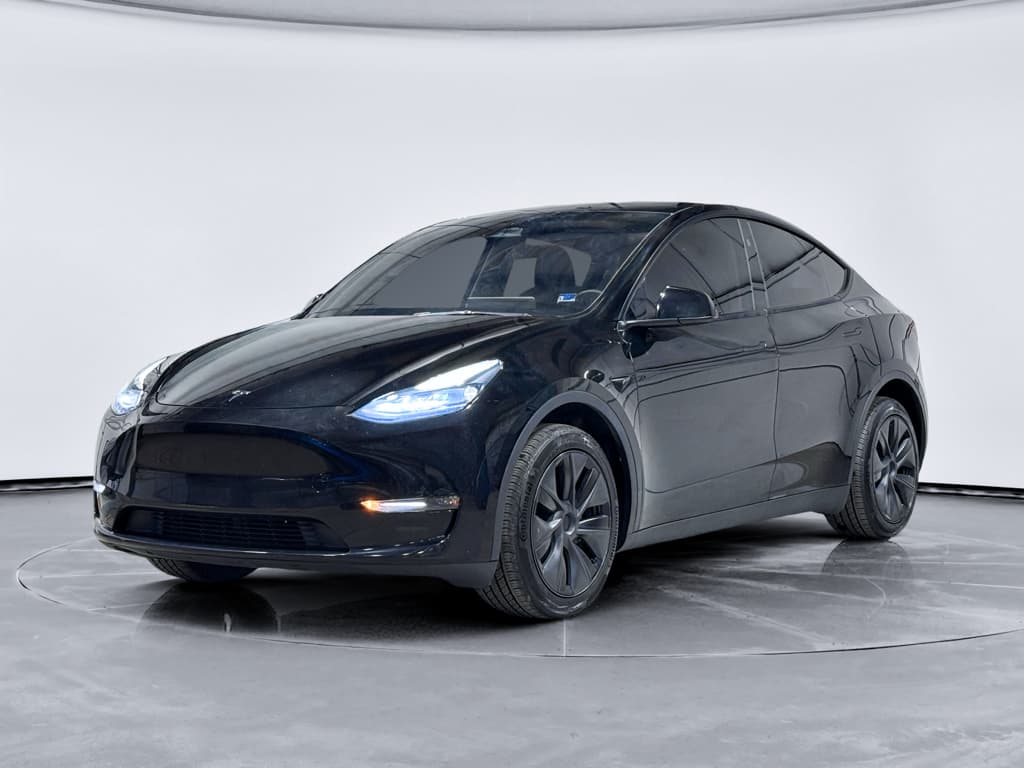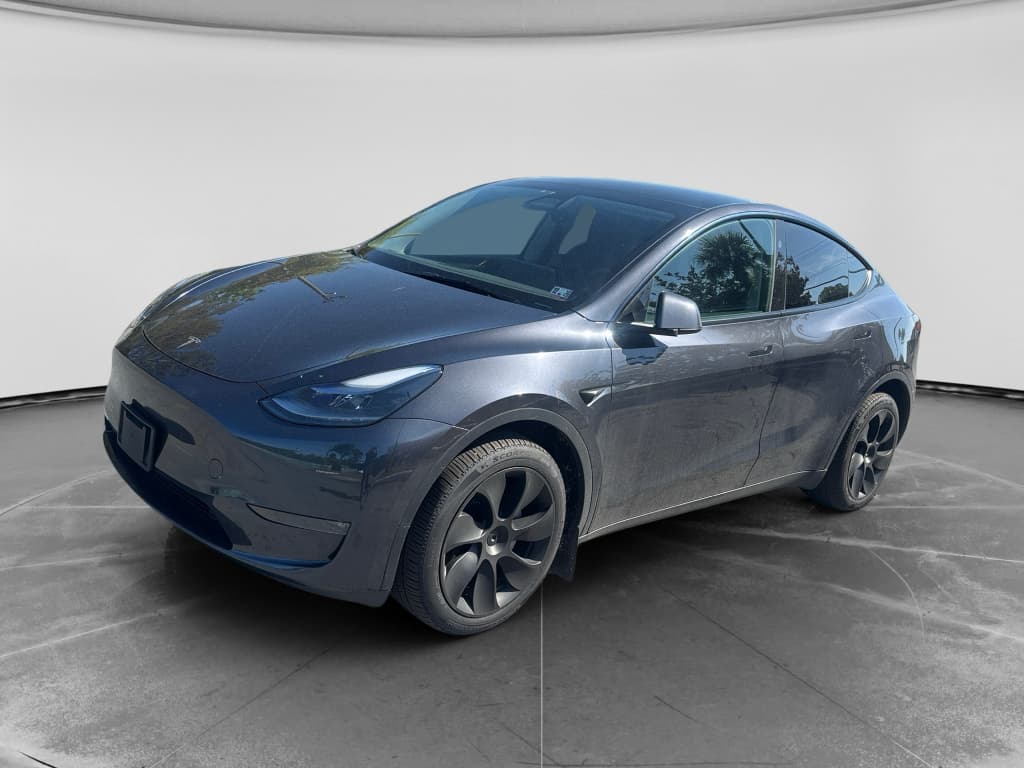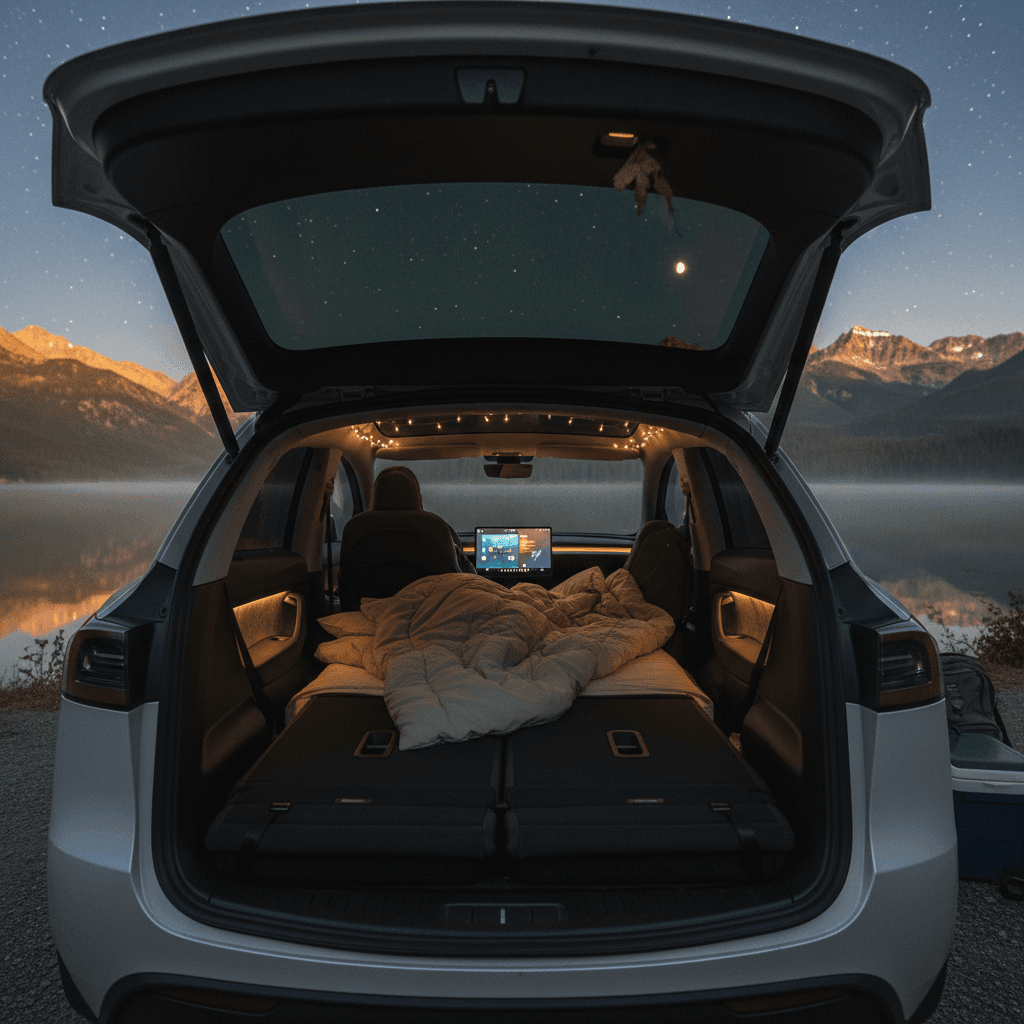
Yes, you can absolutely sleep in a Tesla Model Y, and in many situations it’s more comfortable, quieter, and safer than a tent. Between the flat‑folding rear seats, generous cargo length, and Tesla’s unique Camp Mode, the Model Y is one of the easiest EVs to turn into a rolling bedroom. The trick is understanding space, battery use, and a few comfort and safety details before you try it.
Short answer
Can you really sleep in a Tesla Model Y?
From an ownership standpoint, the question isn’t just “can you sleep in a Tesla Model Y,” but whether it’s comfortable and sustainable to do so on real trips. The Model Y checks the key boxes: it has a long, mostly flat cargo area, independent rear climate control via Camp Mode, and enough battery capacity to run HVAC for a full night while preserving driving range. Owners routinely use their Model Y for overnight sleeping on road trips, at campgrounds, and even as an emergency backup when home HVAC goes down.
- Rear seats fold nearly flat to create a long, continuous sleeping area.
- Camp Mode keeps the cabin at a set temperature while you sleep.
- Battery drain is typically in the 5–15% range over an 8–10 hour night, depending on weather.
- You don’t have idling exhaust or carbon‑monoxide risk like a gas car.
Think of it as a hard‑shelled tent
How much room do you actually have to sleep?
Space is the first constraint when you’re deciding if you can sleep in a Tesla Model Y, especially if you’re tall or sharing the space. Official interior dimensions focus on cargo volume, but owners and independent measurements give us a good picture of usable sleeping space.
Tesla Model Y sleeping space at a glance
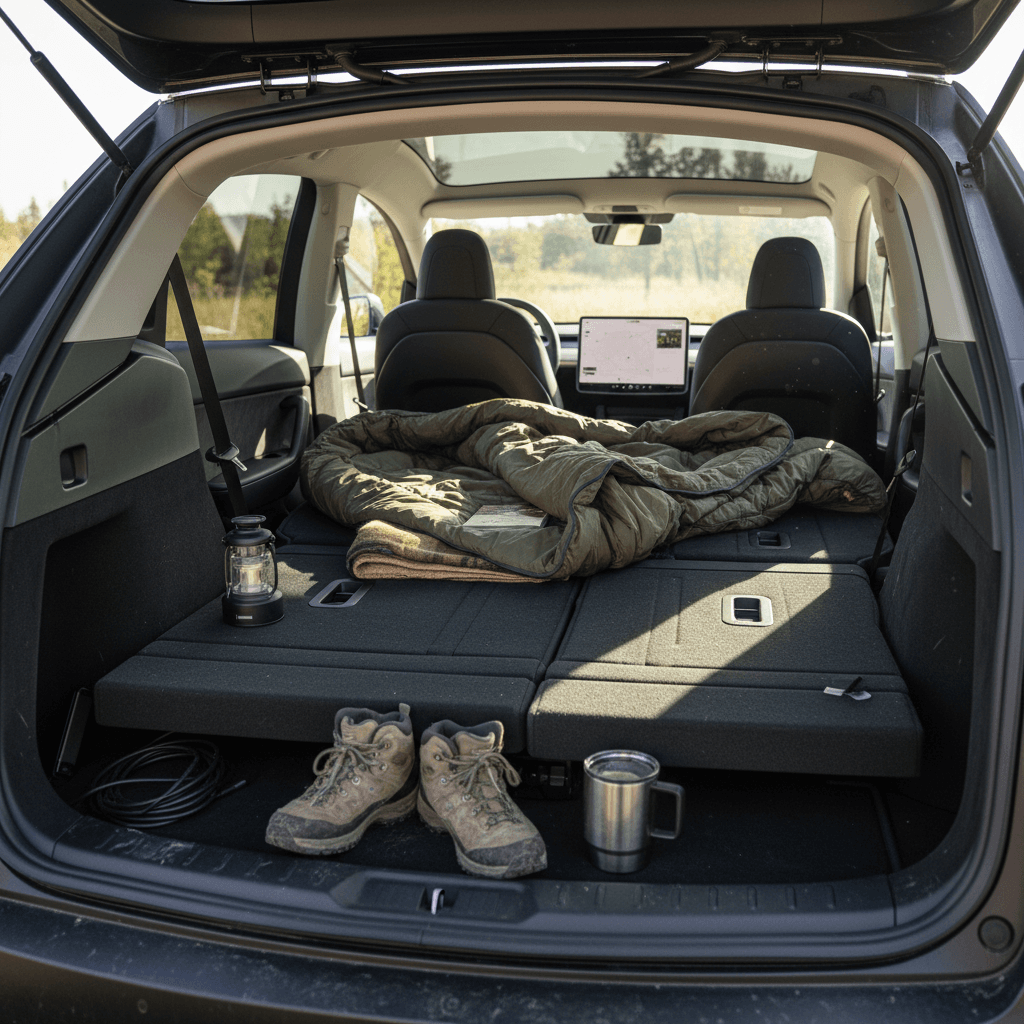
In practical terms, a typical adult up to around 6'2" can lie flat diagonally or straight with the front seats moved forward. Two adults can sleep side by side on a mattress about 48–50 inches wide. The floor is not perfectly level from hatch to back of the front seats, but a good camping mattress smooths out most of the transition and the under‑floor storage cavity lets you stash gear out of the way.
5‑seat vs 7‑seat Model Y
Camp Mode: how sleeping in a Tesla stays comfortable
What makes a Tesla fundamentally different from sleeping in a regular SUV is Camp Mode. Instead of idling an engine all night or draining a 12‑volt battery, the Model Y can run its heat pump or A/C, fans, USB ports, and infotainment screen directly from the high‑voltage battery while managing energy efficiently.
What Tesla Camp Mode does while you sleep
Features that turn your Model Y into a usable bedroom
Keeps climate stable
Maintains your chosen cabin temperature for hours without you having to wake up and restart the car. That includes heating, cooling, and ventilation.
Keeps power flowing
USB ports, 12V outlets, and the main screen stay powered, so you can run a phone charger, small fan, or stream shows while winding down.
Prevents auto shut‑off
Normally, the car would shut climate off after a short time when parked. In Camp Mode, it stays on until you turn it off or the battery gets low.
To turn on Camp Mode, park, shift to Park, tap the climate control panel, set your desired temperature, and select Camp. You can also enable it from the Tesla app if you’ve already parked and want to finish your nightly routine outside before climbing in.
Ideal temperature range
Battery drain: how much range you lose overnight
Running a full HVAC system off your traction battery sounds scary at first, but real‑world data from owners and Tesla’s own guidance paint a reassuring picture. A Model Y’s large pack means that an overnight in Camp Mode usually costs you far less energy than the drive to your campsite.
Typical Camp Mode battery usage in a Model Y
Approximate overnight battery loss for 8–10 hours in Camp Mode. Your actual numbers will vary with weather, wind, and how often doors are opened.
| Conditions | Cabin Setting | Estimated Overnight Drain | What It Means in Practice |
|---|---|---|---|
| Mild (55–70°F) | 68°F, moderate fan | ~5–8% | Plenty for a weekend night at a campground if you arrive with 40–60% charge. |
| Warm (75–85°F) | 68°F, A/C active | ~8–12% | Common for summer nights in many U.S. regions; still manageable with decent arrival charge. |
| Hot (90°F+) | 65–68°F, strong A/C | ~10–15%+ | Expect higher drain; consider shading windows and pre‑cooling before bed. |
| Cold (20–35°F) | 68–70°F, heat pump | ~10–20% | In deep cold snaps you might see higher consumption, but many owners still report usable overnight comfort. |
These are ballpark figures; always leave extra buffer for the next morning’s drive.
Watch the 20% cutoff
A simple planning rule is to aim to park for the night with at least 40–60% state of charge. That gives you room for a comfortable night, some vampire drain, and a reasonable drive the next morning without hunting desperately for the nearest charger.
Step‑by‑step: how to set up your Model Y for sleeping
Model Y sleep setup checklist
1. Pick a legal, level place to park
Choose a spot where overnight parking is allowed, campground, designated car‑camp area, or private property with permission. A roughly level surface makes a big difference in comfort.
2. Manage your charge before you park
Use a Supercharger or Level 2 charger beforehand so you can arrive with 40–60% battery or more. If a plug‑in spot is available, even a regular 120V outlet can offset some overnight drain.
3. Fold the second row and move front seats forward
From the trunk or rear side switches, fold the second‑row seatbacks flat. Slide the front seats forward and slightly recline them to create maximum length while still keeping emergency access to the driver’s seat.
4. Lay down your mattress and bedding
Place an inflatable or foam mattress that fits the cargo area (roughly 72–75" long, 48–50" wide works well). Add sheets, a sleeping bag, or duvet plus pillows. Use the under‑floor storage to hide harder items like shoes or cookware.
5. Set climate, turn on Camp Mode
With the car in Park, turn climate on, choose a comfortable temp (around 68°F is a good starting point), then tap Camp Mode. Dim the screen or use the built‑in screen‑off option to reduce light.
6. Block light and maintain privacy
Use window shades or custom sunshades to cover side and rear glass. This keeps the cabin darker, improves insulation, and helps your valuables stay out of sight.
One quick night on a road trip
If you’re just crashing for a few hours between long highway stints, you can get away with a simpler setup:
- Compact inflatable mattress or even a thick camping pad
- Minimal gear in the cabin, keep luggage in the frunk and under‑floor well
- Arrive with ~40–50% charge, leave with at least ~20–30%
Multi‑night basecamp setup
For several nights in the same spot, comfort matters more:
- Full‑size tailored mattress plus decent bedding
- Dedicated bins for clothes and cooking gear
- Reflective window covers to improve insulation and privacy
- Small USB fan or reading light for added comfort
Comfort gear: mattresses and setups that work
Once you know you can sleep in a Tesla Model Y, the next question is how to make it feel less like a crash pad and more like a tiny studio apartment. The right mattress and a few small upgrades go a long way.
Popular Model Y sleeping setups
From budget pads to dedicated Tesla mattresses
Generic camping mattress
A standard 2–3" thick camping pad or inflatable mattress in the 72–75" by 48" range is often the best value. It’s multi‑purpose and easy to move between car and tent.
Tesla‑specific mattresses
Several brands sell Model Y–shaped mattresses that fill the cargo space edge‑to‑edge and account for the seat step. They’re pricier but maximize comfort and make setup easier.
Foam topper + modular pads
Some owners stack modular foam pads or folding futon cushions to level the floor, then add a topper. It’s bulkier to store but can be very comfortable for longer trips.
Dial in the thickness, not just length
Beyond the mattress, small items add a lot of livability: a soft storage cube that doubles as a nightstand, a compact battery‑powered lantern or USB light, and a microfiber towel to deal with condensation on cooler nights. If you’re car‑camping regularly, a dedicated bag with your Tesla bedding and shades makes spontaneous trips easier.
Safety, privacy, and legal considerations
Sleeping in a Tesla Model Y is fundamentally different from sleeping in an idling gas car, but you still need to think about basic safety, both mechanical and legal. The electric powertrain eliminates tailpipe emissions, yet where you park and how visible you are still matter.
- Carbon monoxide: There’s no exhaust from an idling engine, so the classic CO risk from running a gas car in a garage doesn’t apply. Still, never run any fuel‑burning heater or stove inside the car.
- Ventilation and condensation: Camp Mode keeps air moving, but you may still see some condensation on cool nights. Crack a window slightly if conditions allow and you’re in a secure location.
- Parking laws: Many cities restrict sleeping in vehicles on public streets or in certain lots. Check local rules and campground policies, and when in doubt, ask permission.
- Security: Lock the car as usual. Window shades not only add privacy; they also keep electronics and gear out of sight.
- Animals and weather: In bear country or severe weather, treat the car like hard‑sided shelter, but still follow park guidance on food storage and campsite behavior.
Never treat a garage like a campground
When sleeping in a Tesla Model Y makes sense (vs a tent or hotel)
Sleeping in your Model Y isn’t a universal replacement for tents or hotels, but there are clear scenarios where it shines. Thinking about it in economic and practical terms helps you decide when it’s genuinely the best tool for the job.
Great use cases for sleeping in a Model Y
- Interstate road trips: Pull off near a Supercharger, sleep 6–8 hours, and roll out early without a hotel bill.
- Shoulder‑season camping: Cold nights, wet ground, or heavy bugs make a sealed, climate‑controlled cabin very attractive.
- Urban or event parking: Multi‑day festivals or overflow parking lots where hotels are sold out.
- Emergency backup: When home heating or cooling fails, a Model Y in Camp Mode can be a safe, temporary refuge in the driveway.
When a tent or lodging still wins
- Large families or pets: One Model Y only holds so many bodies and sleeping bags comfortably.
- Long stays in one place: A cabin or RV quickly becomes better value for week‑long trips.
- Remote, unserviced areas: If there’s no practical way to charge for several days, you may not want to burn battery on overnight HVAC.
- Strict local rules: Some towns or HOAs explicitly ban sleeping in vehicles overnight.
Used Model Y owners: what to check before you camp
If you bought your Tesla Model Y used, or you’re shopping for one with occasional camping in mind, there are a few extra checks worth doing before you trust it as a bedroom and life‑support system for the night.
Pre‑camp checklist for a used Model Y
Confirm Camp Mode and software features
Make sure the car is on a reasonably recent software version and that Camp Mode appears in the climate menu. If you’re considering a purchase, ask the seller to demonstrate it.
Test HVAC performance while parked
On a mild day, run climate in Park for 30–60 minutes and watch energy use. You’re looking for stable temps and no unusual noises or error messages.
Inspect seals and water leaks
Check hatch and door seals, especially if the car has seen a lot of winters. Damp carpets or musty smells can be a red flag for comfort and long‑term durability.
Evaluate battery health
Healthy usable range matters more if you’re trading driving miles for overnight HVAC. Recharged’s <strong>Score Report</strong> includes verified battery health data, so you know how much real‑world range you’re working with before planning car‑camping trips.
Think about storage and layout
On a test drive, fold the seats, toss in a duffel or two, and visualize how your sleeping setup and gear will actually fit. It’s cheaper to discover limits during a demo than halfway through a stormy night.
How Recharged helps if you plan to camp
Ready to find your next EV?
Browse VehiclesFAQ: sleeping in a Tesla Model Y
Frequently asked questions about sleeping in a Model Y
If you’re willing to think about your car a little differently, the answer to “can you sleep in a Tesla Model Y?” is a resounding yes. With a thoughtful sleep setup, smart battery planning, and respect for local rules, your Model Y can double as a low‑friction, climate‑controlled shelter that turns long road trips and quick weekend escapes into something a little more flexible, and a lot more fun. And if you’re still shopping for the right Model Y to build those trips around, a used example with a documented battery and interior condition from Recharged can give you the confidence to make EV camping part of your ownership story.