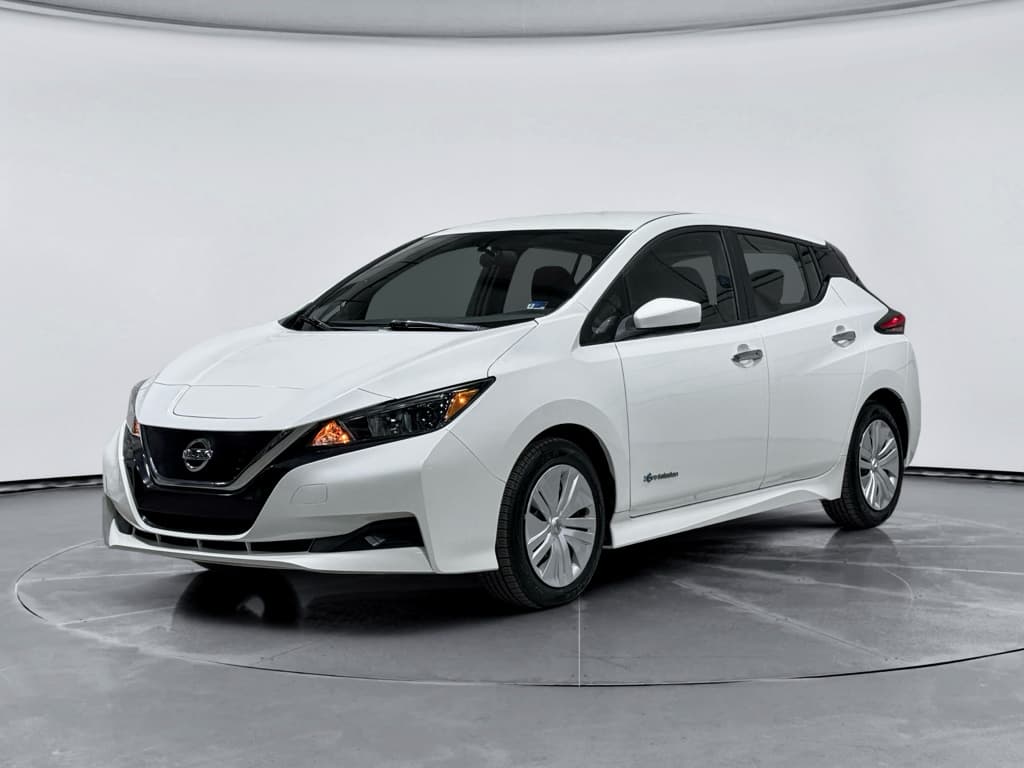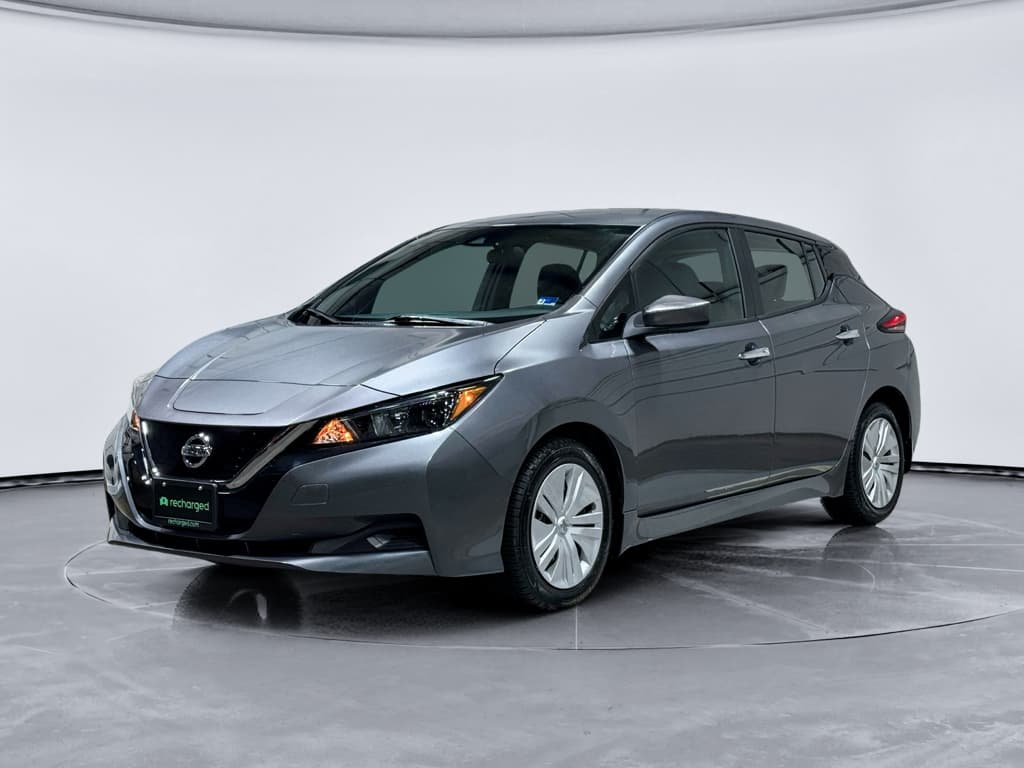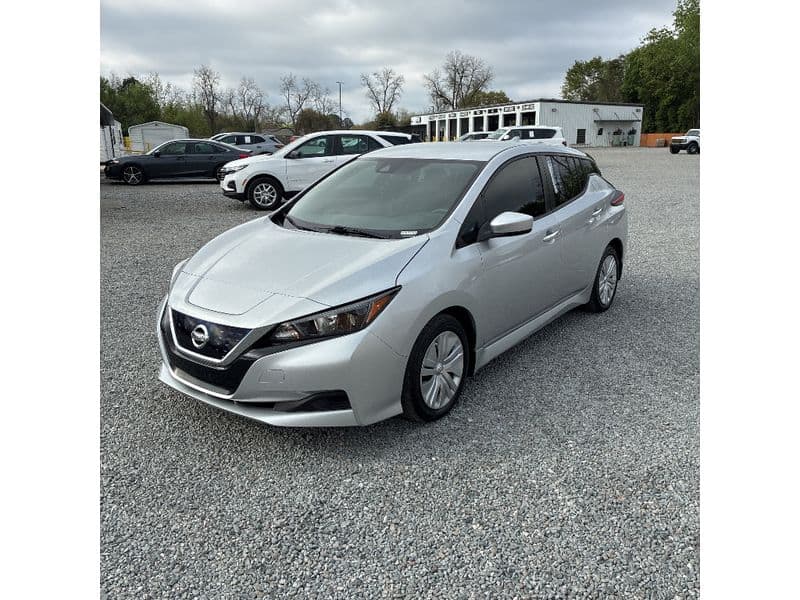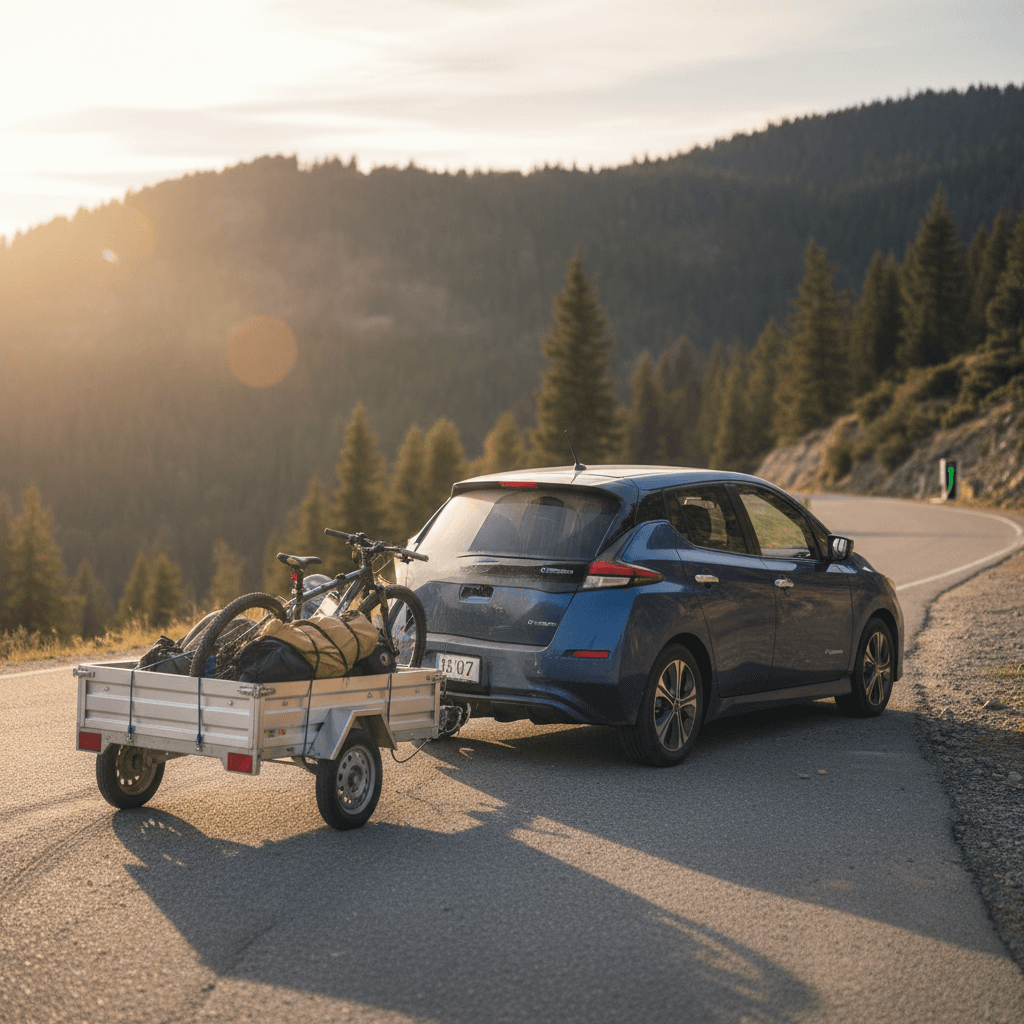
If you own a Nissan Leaf and occasionally need to move a small trailer, you’re not alone in wondering: can a Nissan Leaf tow a trailer without destroying range, voiding your warranty, or breaking any laws? The short answer is that Nissan officially says “no” in North America, and only allows very light towing in some European markets. But the longer answer is more nuanced, and if you’re smart about it, there are safer ways to carry what you need, or to step up to an EV that truly can tow.
Key takeaway up front
Can a Nissan Leaf Tow a Trailer at All?
The honest answer is that the Leaf has the electric torque to move a small trailer, and plenty of owners have done exactly that for short distances. But there’s a huge difference between what a car is physically capable of and what the manufacturer has engineered, tested, and certified it to do.
- In the U.S. and Canada, Nissan gives the Leaf no official tow rating (towing capacity = 0).
- Owner’s manuals for many model years explicitly say “Do not tow a trailer with your vehicle.”
- Some European Leaf variants have a small official braked trailer rating, but it’s strictly light‑duty and often paired with low tongue‑weight limits.
- Aftermarket hitches exist, but a hitch does not magically grant legal or safe towing capacity.
So if you’re asking whether a Leaf can tow a trailer in the sense of “Is this an approved, warrantied use?” the answer in North America is no. If you’re asking whether people have pulled small utility trailers or boats behind a Leaf in real life, the answer is yes, but at their own risk.
Official Nissan Leaf Towing Ratings by Market
To understand what’s realistic, it helps to separate official ratings from owner experiments. Here’s how Nissan positions the Leaf for towing in different regions:
How Nissan Rates (or Doesn’t Rate) the Leaf for Towing
Why the answer depends a lot on where your car was sold
North America (U.S. & Canada)
No approved towing. Nissan does not publish a tow rating for the Leaf here. Manuals either provide no trailer data or explicitly say not to tow.
That means any trailer you pull is strictly at your own risk from a safety, legal, and warranty standpoint.
Europe & UK
Some Leaf configurations in Europe have a very low braked trailer rating (often in the 300–500 kg / ~660–1,100 lb ballpark) with tight tongue‑weight limits.
These ratings are still intended for light utility loads or very small campers, not heavy towing.
Why the Difference?
Towing rules and market expectations differ by region. European automakers sometimes certify light towing for compact cars; U.S. liability culture pushes OEMs to be more conservative.
Structurally, the Leaf is the same basic car, but the legal and warranty context is different.
Registration and insurance matter
Hitch for Racks vs. Hitch for Towing
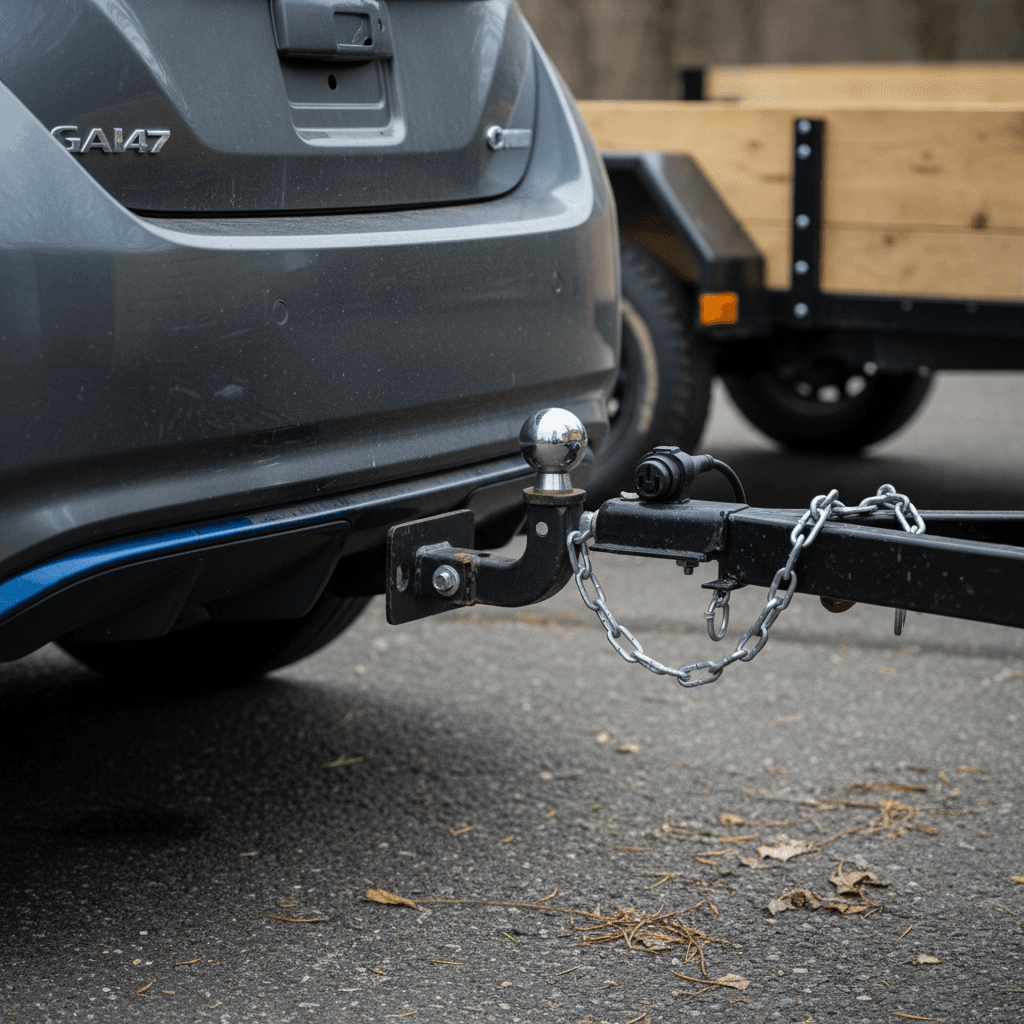
Part of the confusion comes from the fact that you can absolutely buy a hitch receiver for a Nissan Leaf. Several aftermarket companies sell Class I/II hitches that bolt to factory mounting points. But these hitches are usually marketed for bike racks and cargo carriers, not true trailer towing.
Hitch as a gear carrier
- Common use: rear‑mount bike racks, cargo baskets, or small platforms.
- Vertical tongue load is relatively low (often 50–75 kg / 110–165 lb).
- Doesn’t add the dynamic braking, stability, and legal complexity that trailers do.
- Often compatible even where the car has a 0 kg trailer rating.
Hitch for towing a trailer
- Requires a real tow rating from the manufacturer to be truly “approved.”
- Adds significant load to suspension, brakes, tires, and cooling systems.
- Requires trailer lights and often trailer brakes as weight increases.
- Can create insurance and liability problems if your vehicle is not rated to tow.
Smart compromise for Leaf owners
What a Nissan Leaf Can Realistically Pull (If You Choose to Tow Anyway)
You will find plenty of photos and posts of Leafs towing small boats, tiny campers, and utility trailers. That doesn’t make it a good idea, but it does give us some real‑world boundaries for what’s physically possible when owners accept the risk.
Real‑World Owner Towing Scenarios (Not Endorsed, But Common)
These are typical setups Leaf owners report using at their own risk. None of these are officially approved in North America.
| Setup | Approx. Trailer Weight | Typical Use Case | Common Owner Limits |
|---|---|---|---|
| Foldable utility trailer + yard waste | 400–700 lb (181–318 kg) | Short trips to the dump or hardware store | Keep speeds low (<45 mph), stay under ~10 miles each way. |
| Small single‑jet‑ski or aluminum fishing boat trailer | 800–1,200 lb (363–544 kg) | Seasonal trips to a nearby lake | Plan for much higher energy use and conservative braking distances. |
| Tiny camping trailer / teardrop | 1,000–1,500 lb (454–680 kg) | Short‑range camping within 20–40 miles | Aero drag, not just weight, becomes the limiting factor. Range can collapse quickly. |
Use this as a reality check, not as a recommendation. When in doubt, assume you should tow less, not more.
This is all firmly “at your own risk” territory
How Towing Affects Nissan Leaf Range
Even a light trailer can turn an efficient commuter into a surprisingly thirsty EV. Compared with aero‑optimized crossovers and trucks that are designed for towing, the Leaf’s compact hatchback profile and modest battery options leave less margin when you hang a big, bluff object behind it.
What Towing Does to EV Range (and Why the Leaf Feels It More)
The problem isn’t just weight. A tall trailer punches a bigger hole in the air, which an EV has to fill with energy. Because the Leaf’s battery is relatively small compared with newer long‑range EVs, you feel that penalty sooner and more dramatically. Trips that were once easy one‑way drives can start to require a mid‑trip fast‑charge stop, or simply become impractical.
If you ever tow with a Leaf, drive it like a moving truck
Safety, Warranty, and Legal Risks of Towing with a Leaf
Power isn’t the only concern. Towing changes how every part of the car works, from brakes and tires to cooling systems and stability control. When you tow with a vehicle that wasn’t designed or rated for it, you’re operating outside the guardrails that engineers and lawyers built around the product.
Key risks to understand before you ever hook up a trailer
1. Braking performance and fade
The Leaf’s brakes were sized for the car itself, passengers, and normal cargo, not a loaded trailer pushing from behind. Long downhill grades or emergency stops can overwhelm them, especially if the trailer lacks its own brakes.
2. Axle, suspension, and tire loads
Tongue weight from the trailer adds to the rear axle load, which can over‑compress suspension and overload tires. This can hurt handling, stability, and tire life, particularly on uneven roads or at highway speeds.
3. Cooling and drivetrain stress
Climbing hills or towing at higher speeds means higher sustained power output. On an EV like the Leaf, that’s more heat in the motor, inverter, and battery. The thermal system wasn’t validated for trailer duty in North America.
4. Warranty gray areas
If your manual or local spec sheet says not to tow, it gives Nissan broad latitude to deny related warranty claims. Even if nothing fails right away, a later drivetrain or suspension issue could invite extra scrutiny.
5. Liability in a crash
If a crash investigator or insurer finds that your vehicle was towing against manufacturer instructions, it can complicate claims. In the worst case, it could be cited as negligence in civil litigation.
Check your paperwork, not just online forums
Safer Ways to Haul Gear With a Nissan Leaf
For most Leaf owners, the real need isn’t “tow a trailer cross‑country,” it’s “move more stuff than fits neatly in the hatch.” The good news is that you can cover a lot of these use cases without ever touching a trailer coupler.
Trailer‑free Ways to Expand Your Leaf’s Utility
How to carry bikes, boxes, and bulky items without towing
Hitch‑mount bike racks
Install a Class I or II hitch and use it strictly for bike racks. This keeps vertical load within modest limits and avoids the extra kinetic energy of a rolling trailer.
Cargo carriers & baskets
Rear‑mounted cargo baskets or enclosed boxes add space for coolers, tools, or camping gear. They do affect efficiency, but not as dramatically as a full trailer, and they stay within the car’s design envelope.
Rent a van or truck on towing days
If you only move large loads a few times a year, renting a small van or pickup is often cheaper and much safer than pushing a Leaf beyond its design brief.
Match the tool to the job
When You Really Need to Tow: Better EV Options
If towing isn’t an occasional “dump run” but a real requirement, maybe you’ve bought a small camper, own a boat, or regularly haul construction gear, then the most rational move is to choose an EV that was designed and certified to tow.
Examples of EVs That Are Built to Tow
Approximate factory tow ratings for popular EVs that can handle real trailer duty, compared with the Leaf’s effective 0 rating in North America.
| Model | Type | Typical Max Tow Rating | Best For |
|---|---|---|---|
| Hyundai Ioniq 5 | Compact crossover | Up to ~2,300 lb | Small campers, utility trailers, light boats |
| Kia EV6 | Compact crossover | Up to ~2,300 lb | Weekend camping, toys, home‑improvement runs |
| Volkswagen ID.4 | Compact crossover | Up to ~2,700 lb | Utility trailers, small campers, cargo boxes |
| Ford F‑150 Lightning | Pickup | Up to ~10,000 lb (with right package) | Serious towing, larger campers, work trailers |
| Rivian R1T / R1S | Pickup / SUV | Up to ~11,000 lb | Boats, big campers, off‑road trailers |
| Nissan Ariya | Crossover | Moderate tow ratings by trim | Nissan owners who want to stay in the family but tow legally |
Always check the exact trim, year, and market. Ratings below are ballpark figures and can vary by configuration.
Used EVs can make tow‑capable setups affordable
How Recharged Can Help You Find the Right EV for Towing
If you bought your Leaf for its affordability and simplicity, that logic still holds. Where it breaks down is when you try to make a non‑tow‑rated hatchback double as a pickup. That’s where a marketplace built around transparent EV data and real‑world use cases becomes valuable.
- Every vehicle on Recharged includes a Recharged Score Report with verified battery health, so you’re not guessing about capacity before you ever hook up a load.
- Our EV‑specialist team can help you understand tow ratings, tongue‑weight limits, and realistic range for the models you’re considering.
- If you’re moving on from a Leaf, you can trade in or get an instant offer and roll that value into a tow‑capable EV.
- Nationwide delivery and a fully digital process make it easy to upgrade from a commuter EV to a light‑duty tow vehicle without visiting multiple dealerships.
From commuter to tow‑ready EV, without the guesswork
Ready to find your next EV?
Browse VehiclesNissan Leaf Towing FAQ
Frequently Asked Questions About Towing With a Nissan Leaf
At the end of the day, the Nissan Leaf is a great urban and suburban EV, not a secret tow rig. It can physically move a small trailer, but doing so means stepping into a gray area that Nissan’s engineers and lawyers have carefully avoided, especially in North America. If you only need more cargo capacity, a hitch rack or occasional rental keeps your Leaf in its comfort zone. If towing is becoming part of your lifestyle, it’s time to look at an EV that’s actually rated to do the job, and that’s where a transparent, EV‑focused marketplace like Recharged can make the upgrade far less daunting.