Yes, in most cases you **can sell your electric car to a dealer**, either as a straight sale or as a trade‑in toward your next vehicle. The real question isn’t *“can I?”* but *“is that actually the smartest way to sell my EV in 2026?”* With used EV prices whipsawing over the last few years and dealers still climbing the learning curve on battery health and incentives, it pays to understand how this part of the market really works before you hand over your keys.
Quick answer
Can you sell an electric car to a dealer?
If your EV is titled in your name (or a lender’s name, if you have a loan) and you’re in the U.S., you can almost always **sell your electric car to a dealer** the same way you would a gas car. That includes:
- Franchised brand dealers (Ford, Hyundai, VW, etc.)
- Independent used‑car dealers
- Online dealers and car‑buying services
- Specialized EV marketplaces that partner with dealers, like Recharged
Where EVs are different is in the **appetite and expertise** of the buyer. Some local dealers still see used EVs as risky inventory, so they’ll only buy if they can flip your car straight to auction. Others, especially in EV‑heavy markets, have figured out how to retail them and will compete more aggressively for your trade. That’s why you’ll often see a **wider spread in offers** on a used EV than you would on a mainstream gas crossover.
Tax credit twist for used EVs
How dealers actually make money on used EVs
To understand the offer you’ll get, you have to understand how a dealer treats your car on their balance sheet. Whether it’s gas or electric, a dealer is buying your vehicle as **inventory**, something they expect to resell quickly at a profit, or at least without a loss.
Why dealers bid cautiously on used EVs
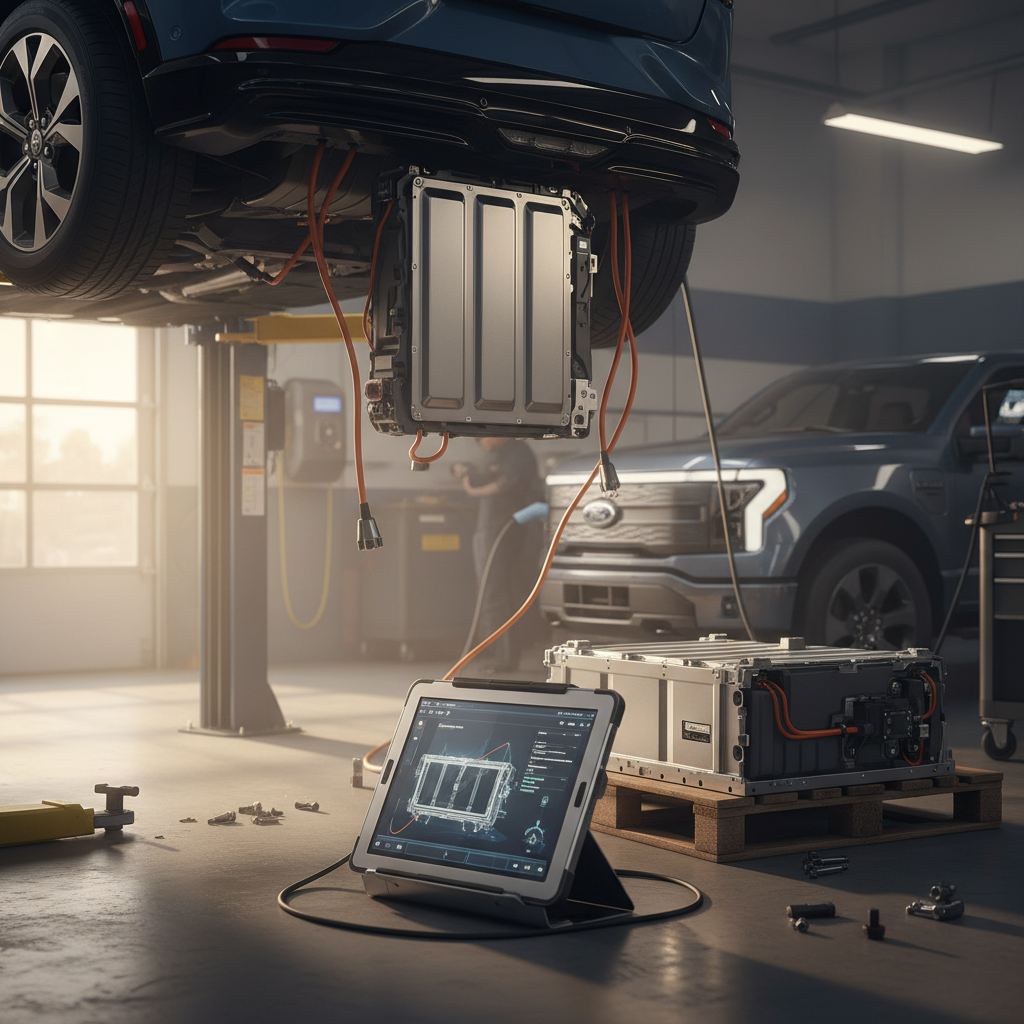
With EVs, that risk profile is magnified. A dealer has to worry about **battery health, software history, charging hardware, and fast‑changing market prices**. If they don’t have in‑house EV expertise or a way to read your car’s battery data, they’re going to **price in more uncertainty**, which shows up as a lower offer to you.
Why Recharged exists
Pros and cons of selling your EV to a dealer
Dealer sale vs. other ways to sell your EV
Convenience on one side, potential money left on the table on the other.
Upsides of selling to a dealer
- Fast exit: In many cases you can walk in with an EV and walk out the same day with a check or trade‑in credit.
- Simple paperwork: Dealers handle payoff, title, temp tags, and state forms, especially helpful if you still have a loan or your state has complex DMV rules.
- Safer than private sale: No meeting strangers in parking lots, no test drives with people you don’t know, no dealing with scammers on classifieds.
- Easy trade‑in math: If you’re buying another car, you can roll everything into one transaction and potentially reduce taxable price in states that tax the difference.
Downsides of selling to a dealer
- Lower offers: Dealers need room for profit and risk, so their number is usually lower than what a well‑presented car can bring in a retail or marketplace sale.
- Uneven EV expertise: Many rooftops are still learning how to price used EVs. Some managers simply avoid them or send them straight to auction.
- Add‑ons and pressure: When it’s tied to a purchase, the trade‑in process can be used to distract you from the out‑the‑door price on the next car.
- Limited network effects: A single local dealer only has so many EV‑interested buyers. Wider digital marketplaces can reach far more targeted shoppers.
When a dealer sale actually makes sense
What affects a dealer’s offer for your EV
The same factors that drive any car’s value, age, miles, condition, still matter for EVs. But there are a few **EV‑specific elements** that can move a dealer’s offer up or down by thousands of dollars.
Key factors in your EV trade‑in value
What most dealers look at, explicitly or implicitly, when they price your electric car.
| Factor | Why it matters for dealers | How you can influence it |
|---|---|---|
| Battery health & range | Battery capacity and usable range drive almost all of an EV’s long‑term value. A weak pack is expensive to replace. | Bring any battery health reports (from your OEM app or a Recharged Score) and be ready to explain real‑world range. |
| Model & trim | Some EVs are in hot demand as used cars; others have flooded the market or earned a bad reputation. | Research recent used pricing for your specific trim so you recognize a lowball bid. |
| Mileage & usage pattern | High‑mileage EVs aren’t always bad news, but they do narrow the buyer pool and make dealers cautious. | If you’ve mostly done highway or gentle commuting, say so, especially if the car hasn’t lived on DC fast chargers. |
| Charging history & hardware | Cars that lived on DC fast charging or have damaged ports, frayed cables, or missing charge equipment are riskier to resell. | Include the original charge cable and any aftermarket Level 2 equipment; tidy and photograph your home charging setup. |
| Software history & recalls | Missed recalls or outdated software can flag potential headaches for the next owner, and for the dealer’s service department. | Make sure your car is on current software and that open recalls are addressed before you ask for offers. |
| Cosmetic condition | Used EV shoppers are like anyone else: they prefer clean, well‑presented cars. Dealers know this. | Have the car detailed, fix obvious curb rash or inexpensive trim issues, and remove personal decals before appraisal. |
| Market timing & incentives | Local EV demand, gas prices, and the state of federal and state incentives all move values up or down. | If you’re flexible, get quotes over a few weeks instead of taking the first offer during a soft market. |
Use this list as a mental checklist when you request offers from multiple buyers.
Don’t rely on a generic book value
Step-by-step: how to sell your EV to a dealer
Practical steps to get the best dealer offer on your EV
1. Gather your EV‑specific paperwork
Collect your title (or loan info), registration, ID, and **EV‑specific records**: charging receipts if you used public fast charging a lot, warranty paperwork, and any battery health or inspection reports.
2. Clean, photograph, and document the car
Detail the interior, wash the exterior, and take clear photos. Note range at 100% and 80% state of charge, tire tread depth, and any recent service. This makes it easier to comparison‑shop offers online.
3. Get online quotes from multiple buyers
Don’t just drive to the nearest lot. Submit your VIN and photos to a mix of franchised dealers, online car‑buying services, and EV‑specific marketplaces like <strong>Recharged</strong> to see how wide the spread is.
4. Understand your payoff and equity
If you still owe money, ask your lender for the current payoff. A dealer can roll that into the deal, but you’ll want to know whether you’re positive, break‑even, or underwater before you walk in.
5. Separate the trade‑in from the purchase
If you’re buying another vehicle from the same dealer, negotiate your EV’s **sale or trade‑in value independently** of the new car price. This makes it easier to compare what other buyers offered you.
6. Read the numbers, not just the monthly payment
Ask for a simple buyer’s order showing the purchase price of the new vehicle, your trade allowance, fees, and taxes. That transparency is the only way to know whether the dealer is truly honoring your EV’s value.
Alternatives to selling your EV to a dealer
If the first dealer offers you thousands less than you expected, you’re not imagining things. EVs have seen **steeper depreciation than comparable gas cars**, which can make dealer offers feel especially painful. The good news is that in 2026 you have more ways than ever to sell a used electric car.
1. EV‑focused marketplaces
Platforms like Recharged exist specifically for used EVs. Instead of selling your car to a single local dealer, you’re tapping into a broader **national network of EV‑curious buyers and dealers** who understand battery health, software, and charging.
This often means a higher sale price than a single wholesale‑oriented bid, without you having to manage dozens of tire‑kickers yourself.
2. Consignment / retail‑style sale
With consignment, a specialist lists and markets your EV like a dealer would, but you retain ownership until it sells. You pay a fee or a percentage of the sale price, and in return you get professional photography, listing management, test drives, and paperwork handling.
Recharged offers this model for EVs, combining its Recharged Score report with transparent pricing so you can reach retail buyers without becoming a used‑car dealer yourself.
3. Traditional private sale
Selling privately through classifieds or local listings can yield the **highest possible price**, but at the cost of your time and risk. You’ll vet buyers, manage test drives, handle payment security, and navigate title transfer on your own.
For higher‑value EVs, sophisticated buyers increasingly expect **battery health documentation**, so you may want a third‑party report or a Recharged Score to back up your asking price.
Think like a wholesaler for a minute
How Recharged helps you sell a used EV
Recharged is built around a simple idea: **used EVs deserve their own playbook**, not hand‑me‑down processes from gas cars. Whether you want to sell outright, trade in, or maximize value through consignment, Recharged is designed to make the process transparent and EV‑specific.
What selling through Recharged looks like
Capture more of your EV’s real value, with less hassle than a private sale.
Recharged Score battery health report
Every vehicle sold through Recharged gets a Recharged Score Report with verified battery health diagnostics, driving data, and vehicle history.
That lets buyers and dealers see beyond mileage and model year and helps justify higher prices for well‑cared‑for EVs.
Multiple selling paths
- Instant offer / trade‑in: Get a quick bid for your EV and, if you like, use it toward another vehicle.
- Consignment: Let Recharged market and sell your EV on your behalf for retail money.
- Marketplace listing: Tap into a nationwide audience of EV shoppers instead of just your local zip code.
EV‑specialist support & delivery
From the first valuation to final paperwork, Recharged’s EV‑specialist team helps you navigate financing, trade‑ins, and logistics. They can even coordinate nationwide delivery or accept drop‑off at the Recharged Experience Center in Richmond, VA.
Ready to find your next EV?
Browse VehiclesDealer convenience, marketplace upside
FAQ: selling an electric car to a dealer
Frequently asked questions
Bottom line: should you sell your EV to a dealer?
You absolutely **can sell your electric car to a dealer**, and in plenty of situations, tight timing, complex payoff, or just wanting a clean slate, it’s the right move. The trade‑off is that you’re being paid a **wholesale‑oriented price** in exchange for speed and simplicity, and with EVs’ steeper depreciation, that haircut can be especially noticeable.
If you’re willing to spend a bit more time to **capture more of your EV’s true value**, look beyond a single local bid. Get online quotes, talk to at least one brand‑aligned dealer, and seriously consider EV‑focused options like Recharged that combine **battery‑aware pricing, transparent reports, and nationwide reach**. That way, whether you end up taking a dealer offer or choosing a marketplace sale, you’ll know you made a deliberate trade, rather than leaving money on the table because the used‑EV world still looks opaque from the outside.