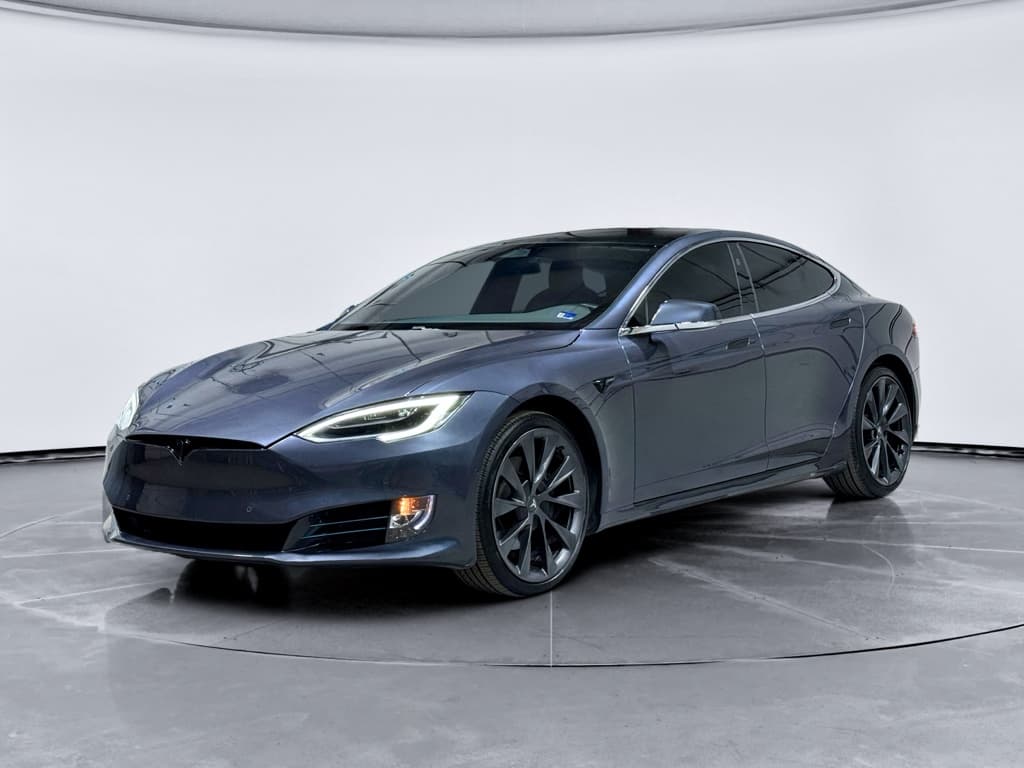
If you own a Tesla Model S, you’re sitting on one of the most desirable used EVs on the market, but *when* you sell can easily mean a difference of several thousand dollars. Understanding the best time to sell a Tesla Model S comes down to depreciation curves, mileage, tax-credit changes, and what’s happening in the EV market in 2026.
Big picture
Why timing matters for Tesla Model S sellers
The Model S generally holds value better than most luxury sedans, but it still follows a predictable pattern: **heavy early depreciation**, then a slower slide. If you sell too early, you give away that expensive first-owner depreciation. If you sell too late, you’re competing with newer tech, longer-range rivals, and aging batteries.
Tesla Model S value snapshot
Rule of thumb
How Tesla Model S depreciation really works
Like most luxury vehicles, a new Model S takes its steepest hit in the first few years. Data from pricing sites such as Kelley Blue Book and Edmunds shows that recent Model S examples can lose around **25–30% of their value in roughly the first two years**, with depreciation tapering to smaller annual losses after that.
Years 0–3: Fast drop
- Largest percentage loss in value happens here.
- Buyers expect near-perfect condition and up-to-date software.
- OTA updates help, but new features and hardware changes still undercut prices.
Years 4–8: Slower slide
- Depreciation moderates but continues steadily each year.
- Battery health and range become much bigger concerns.
- Competing EVs catch up on range, performance, and ADAS features.
Watch for value cliffs
Best mileage and age to sell a Tesla Model S
Age and mileage are the two numbers every buyer (and every pricing algorithm) cares about. For a Tesla Model S, you’re trying to sell **while you’re still in the “normal use” comfort zone**, but before the car begins to look like a high-mileage luxury sedan.
Ideal selling windows by age and mileage
Use these as guideposts, not hard rules, when planning your sale.
Under 3 years / <36,000 miles
Great condition, but heavy early depreciation already baked in.
- Best if you want out of the vehicle early.
- Appeals to shoppers who want "almost new" at a discount.
- You may still owe close to what it’s worth if financed.
3–6 years / 36,000–80,000 miles
Sweet spot for many sellers.
- Depreciation curve has flattened.
- Still within or just beyond powertrain warranty for some years.
- Battery health usually strong if well cared for.
7–10+ years / 80,000–150,000+ miles
Value driven by condition and battery health.
- Buyers become more cautious about long-term reliability.
- Any visible wear or range loss hurts price more.
- Still a market, but it’s more price-sensitive.
Battery health is the tie‑breaker
2026 market factors that affect when to sell
You can’t control the market, but you can absolutely let it guide your timing. In early 2026, three things matter most for Model S sellers: **the end of federal EV tax credits, the rebound in used Tesla pricing, and competition from newer EVs.**
Key 2026 factors for Tesla Model S resale
How current policy and market shifts impact the best time to sell.
| Factor | What changed | What it means for you | Timing takeaway |
|---|---|---|---|
| Federal EV tax credits | Federal credits for new and used EVs ended for purchases after September 30, 2025. | Buyers no longer expect a $4,000 used-EV credit on your car, but they also aren’t discounting your asking price to account for it. | Don’t wait hoping for credits to return; price and market conditions matter more now. |
| Used Tesla prices | Used Tesla values fell into 2024–2025, then moved higher in late 2025 and early 2026, with Model S leading the rebound. | Model S resale prices recently climbed several percent in just a few months as supply tightened and buyers shifted back toward Teslas. | If your car fits the mainstream sweet spot (3–6 years, reasonable miles), selling during this rebound can be smart. |
| New EV competition | More long‑range luxury EV sedans and crossovers are arriving with competitive pricing. | As buyers have more options, older Model S examples must be priced right and present well to stand out. | The longer you wait, the more head‑to‑head competition your older Model S faces. |
| Interest rates & payments | Higher rates have made monthly payments more sensitive; shoppers increasingly look at total cost of ownership. | EVs like the Model S still shine on fuel and maintenance savings, but principal price must feel fair. | Well‑priced, well‑documented cars sell fastest; overpricing can leave you chasing a softening market. |
Consider these dynamics before deciding whether to sell now or wait.
How to read the rebound

Seasonal and lifecycle timing: month-by-month strategy
Even in the EV world, **seasonality still matters.** Buyers shop harder at certain times of year, and your Tesla Model S can command better attention, and sometimes better money, if you ride those waves.
Best seasons to sell your Tesla Model S
1. Late winter to early spring (February–April)
Tax refunds, new‑year budgets, and fresh listings make this a strong selling window. In 2026, it also lines up with the early‑year rebound in used Tesla pricing, which favors well‑kept Model S inventory.
2. Early summer (May–June)
Road‑trip season pushes interest in long‑range EVs. A Model S with healthy range and Supercharger access looks especially attractive to buyers planning summer travel.
3. Late summer slump (July–August)
Vacations and heat can cool buyer urgency. If you’re not in a rush, consider waiting for fall instead of discounting heavily just to move the car.
4. Fall reset (September–October)
Families are done with summer trips and back into routine. Buyers who delayed a purchase earlier in the year often re‑enter the market now, especially if they’re eyeing year‑end deals.
5. Year‑end (November–December)
Historically strong for new‑car deals, but used shoppers can be distracted by holidays. You’ll need sharp photos, a strong listing, and realistic pricing to stand out.
Stack the odds in your favor
When you should wait, and when you should sell now
Situations where it may pay to wait
- You just bought it. Selling a Model S you bought new within 12–18 months usually locks in steep depreciation you’ve already paid for.
- You’re far ahead on tech. If you own a very recent, high‑spec model with latest hardware and low miles, you might enjoy it a bit longer while depreciation slows.
- You have cheap insurance and charging. If your running costs are low, holding for another year can be cheaper than switching into an unknown used vehicle.
Situations where you should consider selling now
- Your odometer is approaching a value cliff. For many buyers, the difference between 78,000 and 102,000 miles feels bigger than it actually is, but it absolutely affects offers.
- A major refresh or price cut just hit. When Tesla drops new‑car prices or releases a substantial update, used values follow. Listing sooner can soften the blow.
- Your needs changed. If you’re not using the performance, size, or range you’re paying for, freeing that equity now and downsizing may make financial sense.
Don’t chase the market down
Pricing and prep tips to maximize your Model S offers
Choosing the right moment is only half the battle. To get top dollar when you do sell your Tesla Model S, you need to **present it better than competing cars** and **price it where serious buyers actually transact**, not just where optimistic sellers list.
Four levers you control when selling
Dial these in before you list your Model S.
Realistic pricing
Use multiple sources, online instant offers, dealer appraisals, and marketplace listings, to triangulate a realistic price. Aim for the top of the fair‑market range only if your condition, mileage, and battery health justify it.
Detail & cosmetics
Professional detailing, paint touch‑ups, and a clean interior can move your car from “average” to “desirable,” which is exactly where buyers are willing to stretch.
Battery health proof
Buyers worry about hidden range loss. Showing recent range screenshots is good; providing a formal battery health report, like the Recharged Score, is even better.
Documentation
Complete service history, recall documentation, tire receipts, and charger/cable details all support a stronger price and reduce haggling.
Pre‑sale checklist for your Tesla Model S
1. Pull recent value estimates
Get values from at least two major pricing guides plus 1–2 instant offers. This gives you a realistic range and helps you recognize a strong bid when you see one.
2. Schedule a deep clean and minor reconditioning
Fix curb rash if it’s inexpensive, address obvious dings, replace worn wiper blades, and have the car professionally detailed. Photos (and buyers) will notice.
3. Capture battery and range evidence
Take photos of a full charge and typical daily range. If you sell through Recharged, your listing will include a <strong>Recharged Score Report</strong> with verified battery diagnostics, something private listings usually lack.
4. Collect all keys, cables, and accessories
Missing key cards or charging cables give buyers easy excuses to negotiate. Having everything neatly organized communicates that the car has been cared for.
5. Plan your pricing strategy
Decide your ideal price, your walk‑away number, and whether you’re open to a slightly lower price for a fast, low‑friction transaction (for example, selling directly through Recharged).
Selling options: dealer, private party, or Recharged
Once you’ve decided the timing is right, your next big decision is *how* to sell. Each path, traditional dealer, private party, or a specialized EV marketplace like Recharged, handles timing, effort, and pricing a little differently.
Where to sell your Tesla Model S
How common selling routes compare for a Model S owner in 2026.
| Option | Pros | Cons | Best for |
|---|---|---|---|
| Traditional dealer trade‑in | Fast, simple, apply value directly to your next car; no strangers meeting at your home. | Usually the lowest dollar amount; many dealers still under‑value EVs and battery health. | You’re already buying another car from that dealer and value convenience over every last dollar. |
| Private‑party sale | Often brings the highest headline price; you control the story and can wait for the right buyer. | Takes time and effort; you handle showings, paperwork, and screening; some buyers remain wary of used EVs. | You enjoy negotiating, are comfortable selling vehicles, and have a prime‑spec Model S that’s easy to market. |
| Recharged marketplace | EV‑specialist valuations, verified battery health with a Recharged Score, nationwide buyer reach, and options for financing, trade‑in, or consignment. | You may pay a small fee or accept a market‑realistic price instead of an above‑market wish number. | You want expert guidance, transparent pricing, and a **digital, low‑stress sale** tailored specifically to used EVs. |
Think about your priorities: maximum price, minimal hassle, or somewhere in between.
How Recharged helps with timing
Ready to find your next EV?
Browse VehiclesFAQ: Best time to sell a Tesla Model S
Frequently asked questions
Timing the sale of a Tesla Model S isn’t about guessing the market’s next twist; it’s about recognizing **where your car sits on its depreciation curve, how it compares to what buyers can get new, and what your own needs look like for the next few years.** In 2026, many owners will be best served selling a 3–6‑year‑old Model S under 80,000–90,000 miles during the February–June window, especially while used Tesla prices are enjoying a rebound. If you want help reading the signals or simply prefer a smoother, more transparent process, Recharged can give you data‑driven guidance, a verified battery health report, and a clear path to selling your Model S with confidence.