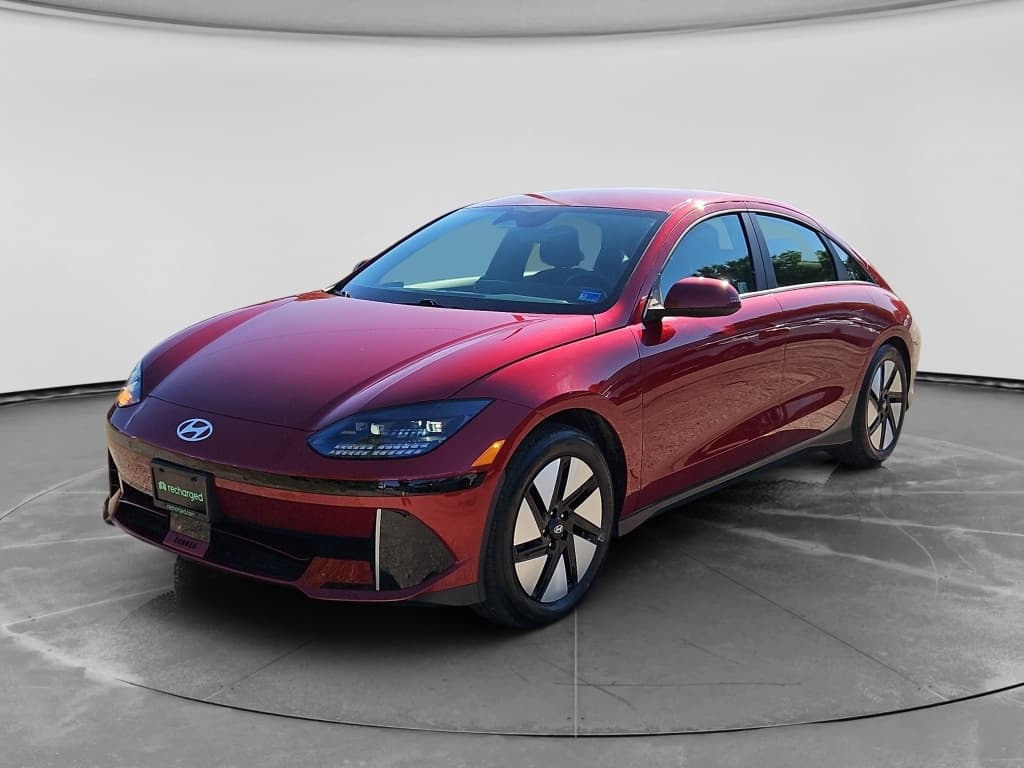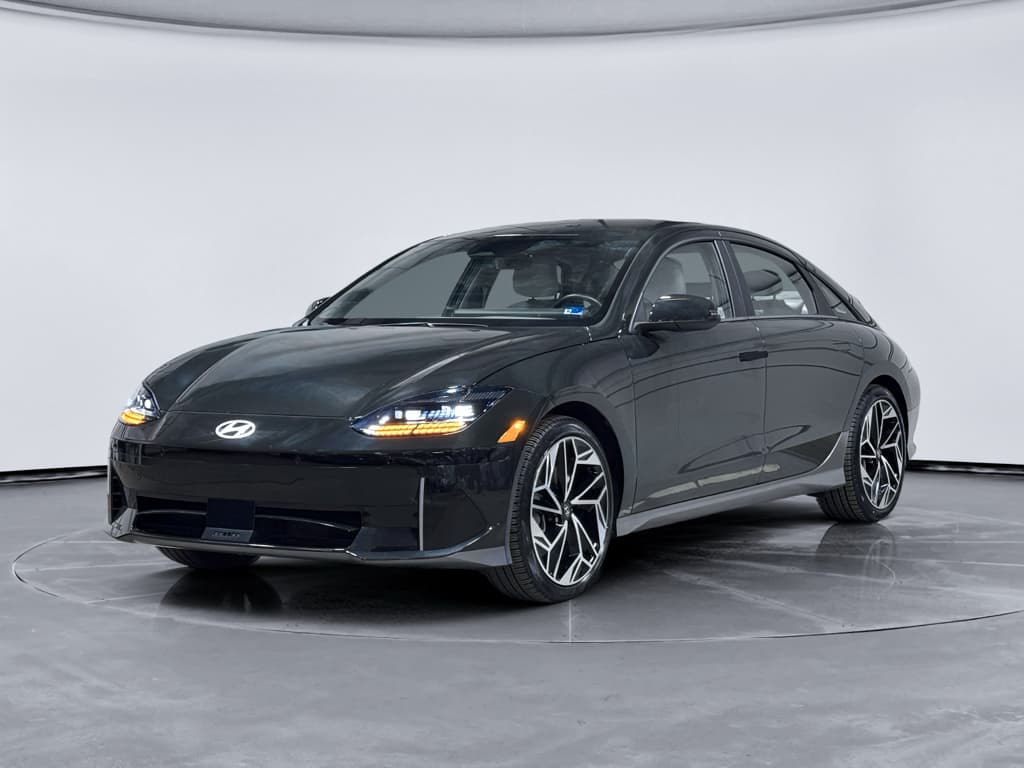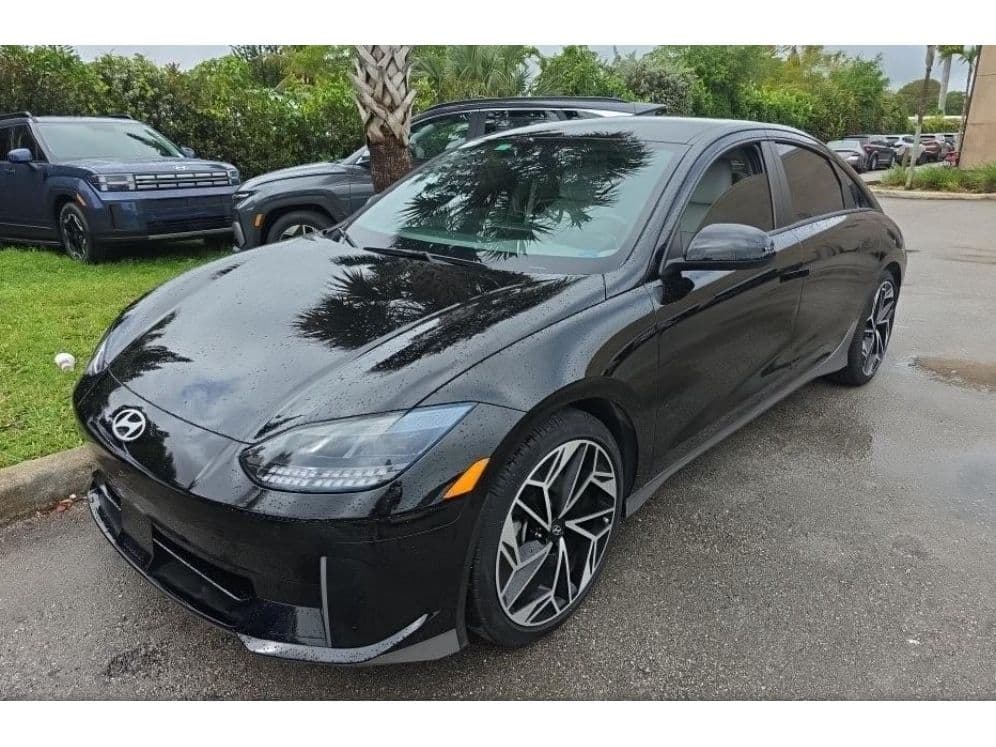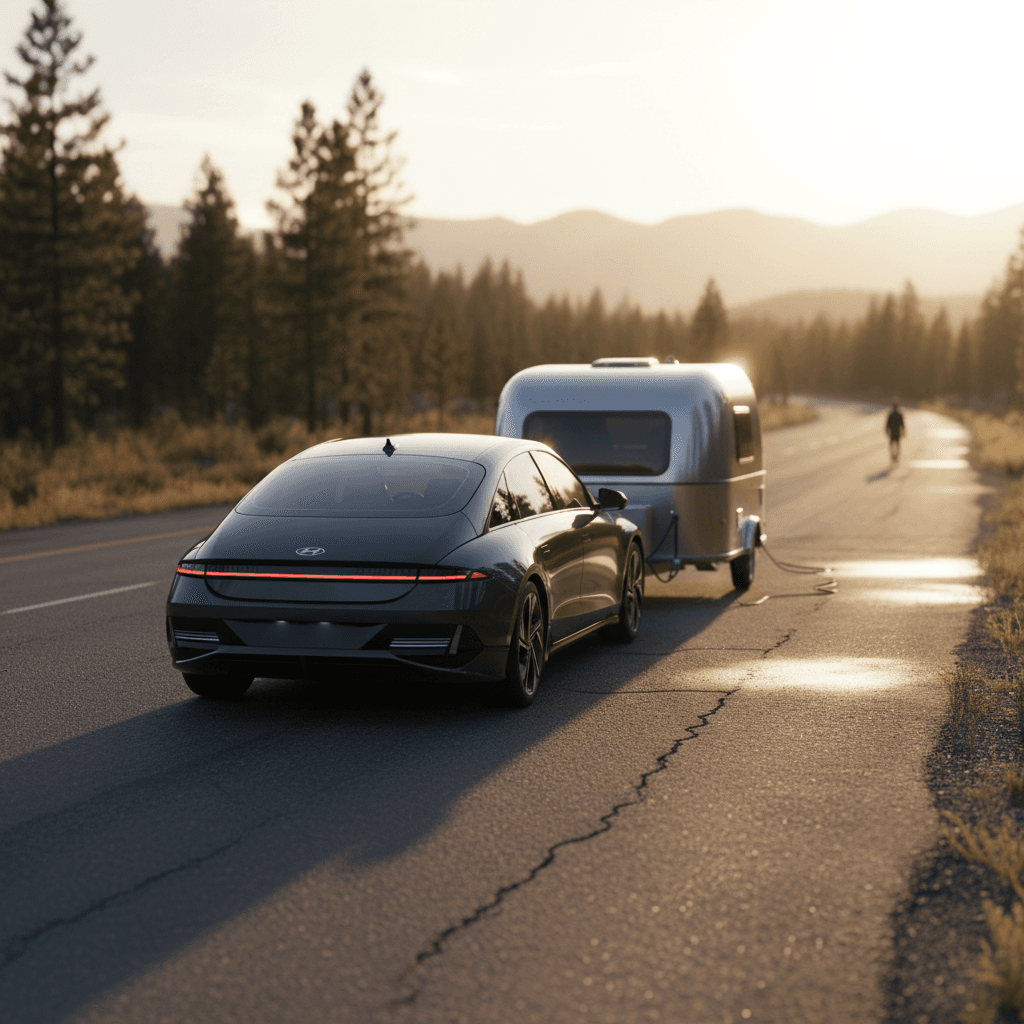
You absolutely can tow a trailer with a Hyundai Ioniq 6, but how you do it, and where you live, makes all the difference. In some markets the Ioniq 6 is rated to tug a respectable small camper; in the U.S., Hyundai keeps things more conservative on paper. If you’re wondering “can a Hyundai Ioniq 6 tow a trailer without ruining range, safety, or your warranty?”, this guide walks you through the realities instead of the brochure fantasy.
Quick answer
Can the Hyundai Ioniq 6 Tow a Trailer?
From an engineering standpoint, the Ioniq 6 is very much tow‑capable. It shares the E‑GMP platform with the Ioniq 5 and Kia EV6, both of which are openly rated for towing in many markets. In Europe, Australia and New Zealand, the Ioniq 6 is sold with a factory tow rating and a dealer‑fit hitch. Owners are happily pulling teardrop campers, small caravans and utility trailers without drama.
Where it gets complicated is North America. For the U.S. and often Canada, Hyundai doesn’t list an official towing capacity for the Ioniq 6, and you won’t find a factory hitch on the options sheet. That doesn’t mean the car will fold up like a lawn chair if you pull a 1,000 lb utility trailer; it means Hyundai’s lawyers have opted out. If you tow here, you’re relying on aftermarket hardware and your own risk tolerance.
Manual vs. reality
Official Ioniq 6 Tow Ratings: U.S. vs. Europe and Other Markets
Typical Ioniq 6 Tow Ratings (Non‑US Markets)
Outside North America, Hyundai’s own materials typically list a 750 kg unbraked and up to 1,500 kg braked trailer capacity for higher‑spec Ioniq 6 models. That’s squarely in compact‑SUV territory and enough for a lightweight camper or a single‑axle box trailer.
In the U.S., spec sheets are silent on towing. The platform, motors and brakes haven’t suddenly become weak; what’s changed is the liability climate. Hyundai would rather leave the tow‑rating business to the insurance adjusters.
How to read non‑US tow specs
What Kind of Trailer Can a Hyundai Ioniq 6 Tow?
Trailer Types the Ioniq 6 Handles Best
Think light, slick, and sensible, this is still an aero‑obsessed EV sedan.
Bike racks & small utility trailers
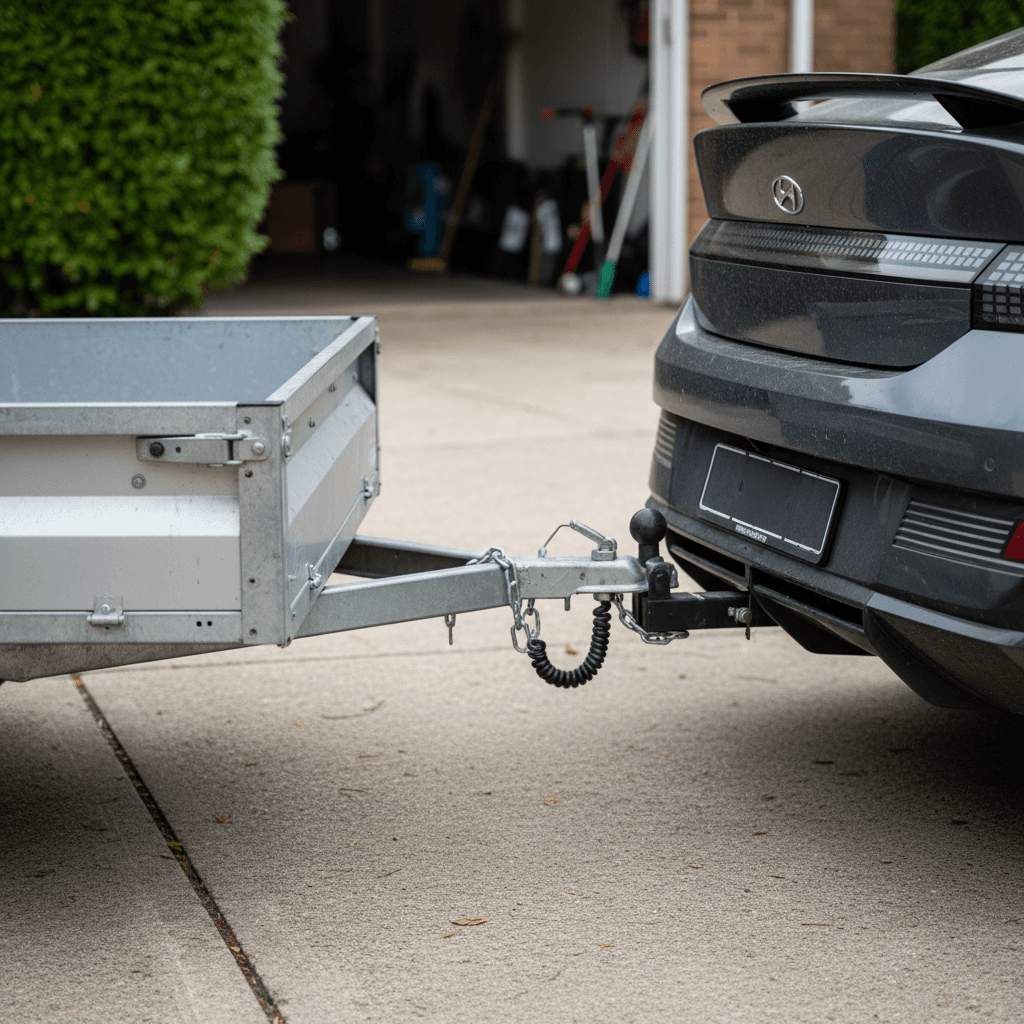
Perfect use case. A hitch‑mounted bike rack or a 4x8 utility trailer loaded with lawn gear, furniture, or a pair of e‑bikes is squarely in the Ioniq 6’s comfort zone, especially under 1,000–1,500 lb total.
Micro‑campers & teardrops
In tow‑rated regions, owners routinely pull light teardrop campers and compact caravans. Keep the trailer narrow, low and within the published tow limit, and the Ioniq 6’s instant torque makes hills a non‑issue.
Small enclosed cargo trailers
A short, low enclosed trailer is doable, but aero drag climbs fast. Stay well under the weight limit and expect a bigger range hit than with an open utility trailer carrying the same load.
Where the Ioniq 6 starts to look overmatched is with big, square‑shouldered travel trailers, the sort of rolling billboard you see behind HD pickups. The sedan’s modest ride height, relatively soft rear suspension and short rear overhang simply weren’t designed for a 25‑foot sail area catching crosswinds.
What you really shouldn’t tow
Hyundai Ioniq 6 Towing Capacity Cheat Sheet
Ioniq 6 Towing Scenarios At a Glance
Approximate guidance based on commonly published non‑US ratings. Always defer to your local owner’s manual and hitch documentation.
| Scenario | Region with Tow Rating | North America | Notes |
|---|---|---|---|
| Bike rack only | Well within limits | Common aftermarket use | Weight is mostly tongue load; check hitch tongue spec. |
| Small utility trailer (under 1,000 lb / 450 kg) | Generally allowed | Physically feasible but not officially rated | Drive gently; braking distance and range are main concerns. |
| Teardrop camper (~1,500–2,200 lb / 700–1,000 kg) | Usually allowed if braked and within 1,500 kg limit | Legally gray area; may affect warranty | Essential to have trailer brakes and good weight distribution. |
| Full‑height camper (~3,000+ lb / 1,350+ kg) | Upper edge of rating, not ideal | Not recommended | Weight + drag can overwhelm an EV sedan’s comfort and range. |
These figures are illustrative, not a substitute for your specific vehicle’s tow label.
Use your axle and GVWR stickers
How Towing Affects Hyundai Ioniq 6 Range
The Ioniq 6’s whole pitch is efficiency. That gorgeous teardrop body and slick underfloor are there to minimize drag. Bolt a boxy trailer to the back and you undo a lot of that work. With EVs, towing is less about whether the car can move the weight, it can, and more about how often you want to stop for electrons.
- With a light, low trailer (small utility or teardrop), expect 30–40% less range at highway speeds compared to driving unladen.
- With a tall, blunt trailer, the hit can easily be 50% or more, especially above 65 mph.
- City speeds are kinder. At 30–45 mph, weight matters more than aero drag, so the penalty often shrinks into the 20–30% range.
Plan your charging stops differently
Charging with the trailer attached
Public DC fast chargers rarely have drive‑through lanes, so you’ll often need to unhitch or park awkwardly to plug in. Factor the hook‑up time into your route planning. At home, a Level 2 charger and overnight top‑offs make light towing life much easier.
Battery health considerations
Towing modest loads occasionally is unlikely to hurt a modern EV battery, especially if you keep speeds reasonable and avoid repeated 0–100% charge cycles. Long term, the bigger enemies of battery health are heat and calendar age, not a few summer weekends with a teardrop in tow.
Choosing a Hitch for Your Ioniq 6 (and Warranty Realities)
If you live in a market where Hyundai offers a factory towing package, that’s the cleanest solution: integrated wiring, rated hardware, and no awkward conversations at the dealer. In the U.S., where that’s not on the menu, owners turn to aftermarket hitches from companies that specialize in hidden or removable setups.
Common Hitch Options for the Ioniq 6
Form follows function, decide first what you’re really trying to do with the hitch.
Bike‑rack / accessory hitch
Designed mainly for bike racks or cargo trays. Often carries a low tongue‑weight rating (e.g. 200 lb). Great if you never plan to tow but want hitch utility.
Light‑duty towing kit
Similar receiver, but sold with wiring and hardware that can support small trailers. The hitch may be capable of more than Hyundai officially endorses in your region.
Stealth / hidden hitches
Receivers that retract or hide when not in use preserve the Ioniq 6’s aero and aesthetics. Functionally they can tow like any other properly engineered Class I/II hitch.
About your warranty
Safe Towing Practices With an EV Sedan
EV Towing Basics for the Ioniq 6
1. Know your real weights
Get your trailer weighed loaded, water tanks, gear, bikes, everything. Compare that against the published tow limit in your region (if any), the hitch rating, and your car’s payload.
2. Keep tongue weight in the sweet spot
Aim for <strong>10–15% of trailer weight</strong> on the hitch ball, without exceeding the tongue limit. Too light and the trailer can sway; too heavy and you overload the rear axle and soften steering feel.
3. Use trailer brakes above ~1,500 lb
On anything heavier than a lightweight utility trailer, independent <strong>trailer brakes</strong> are a must. They shorten stopping distances and reduce stress on the Ioniq 6’s friction brakes and regen system.
4. Moderate your speed
Drag rises with the square of speed. Cruising at 60–65 mph instead of 75 mph dramatically improves range and keeps trailer sway in check.
5. Watch temps and weather
Long uphill pulls in hot weather with a loaded trailer can warm battery and motors. If the car starts to limit power, treat that as a polite request to slow down and take a break.
6. Practice emergency maneuvers
Before a big trip, find an empty lot and feel how your Ioniq 6 behaves under firm braking and quick lane changes with the trailer. Better to discover quirks at 25 mph than 70.
Insurance checkup
Is Towing With an Ioniq 6 Right for You?
Great fit
- You mostly tow light trailers, bikes, kayaks, a 4x8 utility trailer, or a micro‑camper.
- You’re willing to drive at sane speeds and plan your charging stops a bit more carefully.
- Your region has a published tow rating and dealer‑approved hitch option, or you’re comfortable with the gray area in North America.
Better off with something else
- You want to tow a large travel trailer or enclosed cargo hauler regularly.
- You expect pickup‑like range while towing at 75 mph in summer crosswinds.
- You’re deeply risk‑averse about any possible warranty or insurance complications.
The Ioniq 6 is an efficiency freak, arguably the most aero‑obsessed mass‑market sedan on sale, and it makes a remarkably composed light‑duty tow vehicle if you play to its strengths. Think elegant, minimalist camper life, not three‑axle toy hauler.
FAQ: Hyundai Ioniq 6 Towing Questions Answered
Frequently Asked Questions About Ioniq 6 Towing
Shopping a Used Ioniq 6 for Towing? What to Look For
If you’re planning to tow with a used Hyundai Ioniq 6, you want a car that’s been treated like a touring sedan, not a rented mule. Moderate, occasional towing is fine; a life of overdemanded hauling and fast‑charging abuse is less appealing.
Used Ioniq 6 Tow‑Ready Checklist
Check for existing hitch hardware
Inspect the rear for a hitch receiver. A clean, well‑installed hitch from a reputable brand is a plus; a rusty, bent universal bar bolted into mystery sheet metal is a walk‑away sign.
Look for wiring quality
Trailer wiring should be routed cleanly with proper connectors and fusing, not Scotch‑locked into the taillight harness. Poor wiring can cause electrical gremlins.
Review service and charging history
Ideally, the car has a documented service history and a sensible pattern of DC fast charging. Pair that with a <strong>battery health report</strong> so you know you still have the capacity to spare for towing.
Inspect tires and brakes
Towing loads up tires and friction brakes. Uneven wear, cheap mismatched tires or thin pads suggest hard use. Budget replacements before your first big trip.
How Recharged can help
The Hyundai Ioniq 6 can be a superb light‑duty tow partner: quiet, stable, and effortlessly torquey. The catch is that you need to respect its limits, legal, mechanical, and aerodynamic. If your idea of fun is a low, tidy trailer and well‑planned road trips, the Ioniq 6 is game. If you’re dreaming of a two‑bedroom fifth wheel, it’s time to shop in a different category. Either way, going in with clear expectations about towing capacity, range impact, and warranty realities will make your next EV adventure a lot smoother.