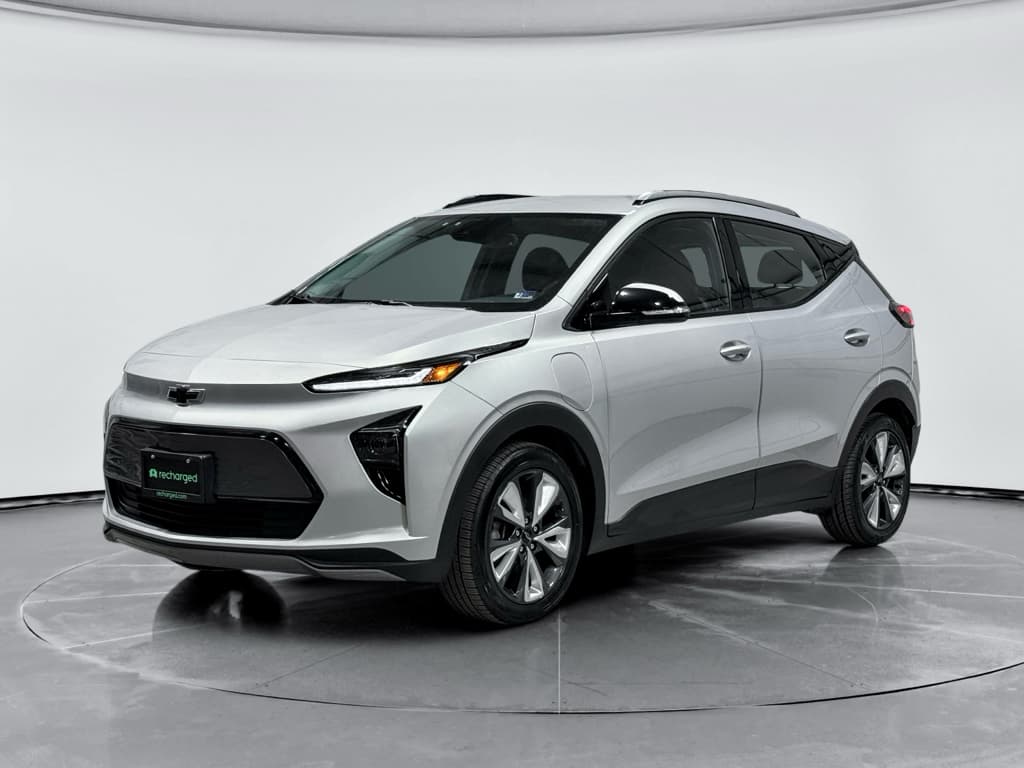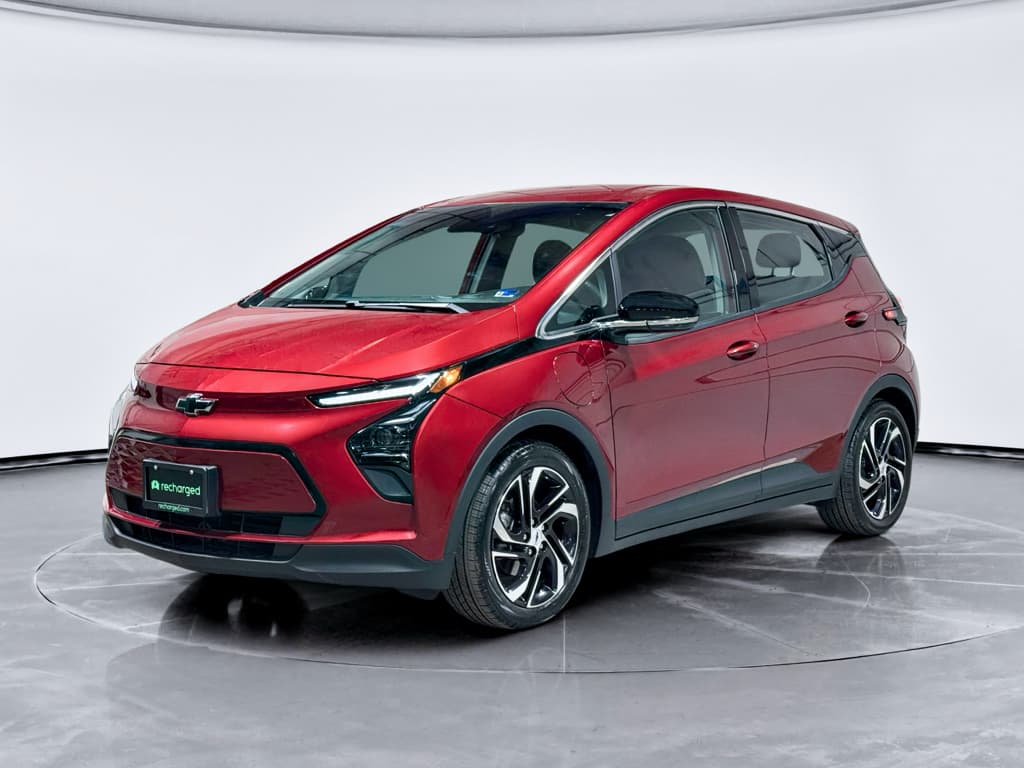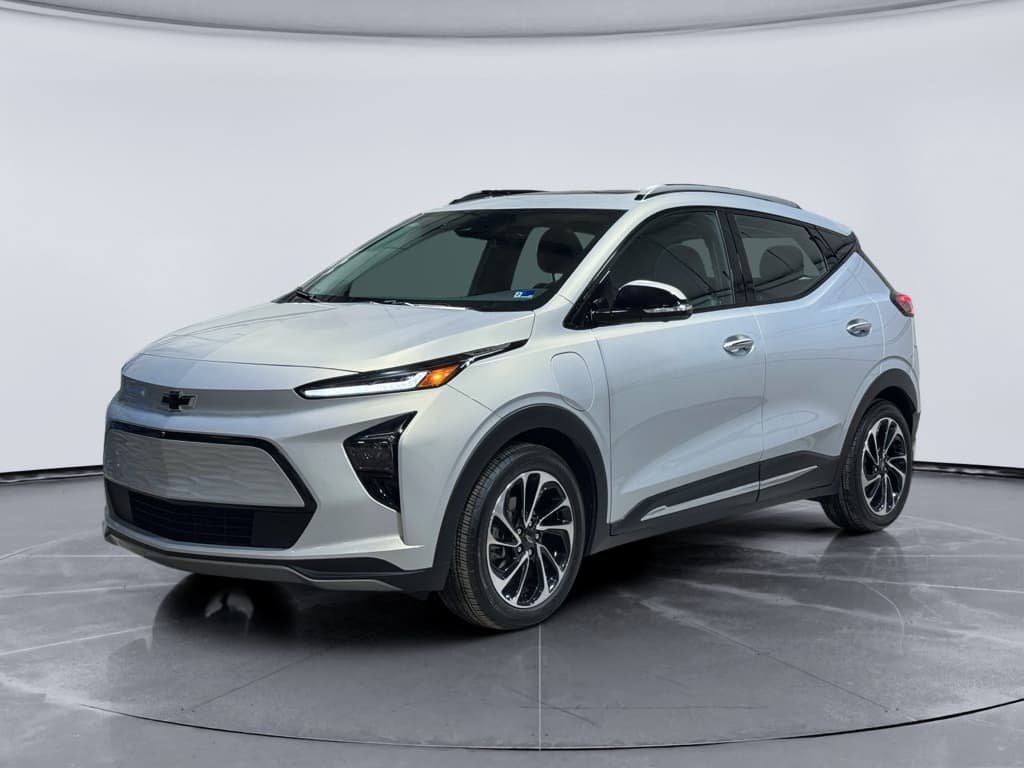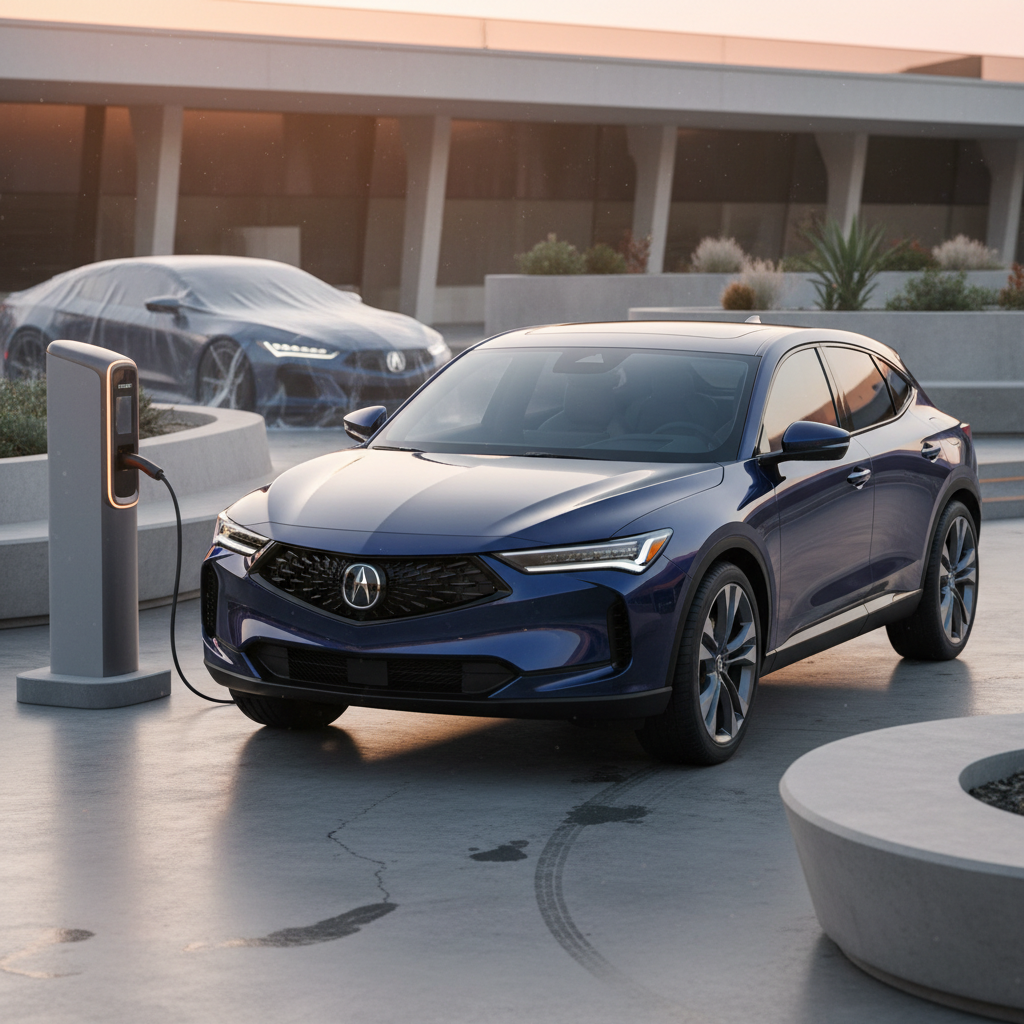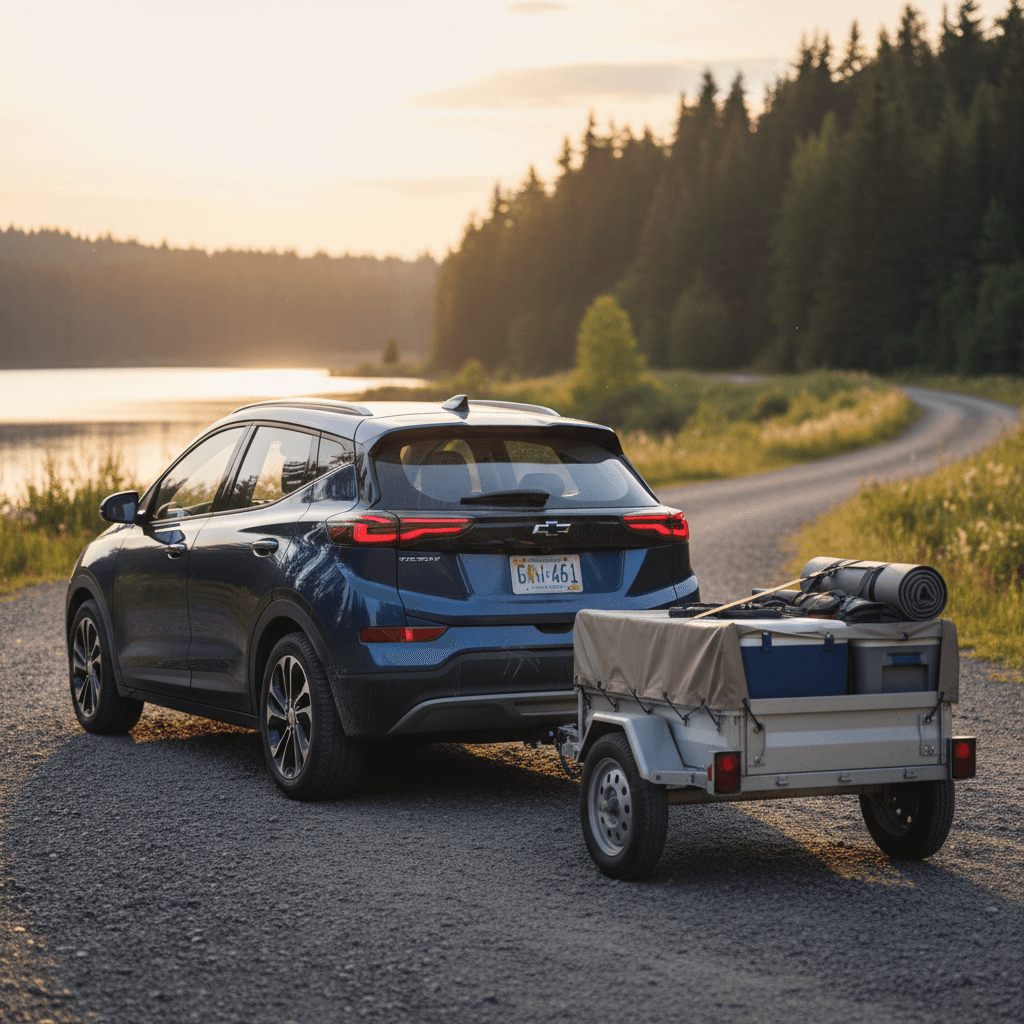
If you own or are shopping for a Chevrolet Bolt EV or Bolt EUV, you may be wondering: can a Chevrolet Bolt EV tow a trailer for bikes, a small utility load, or a lightweight camper? The short answer is that the Bolt wasn’t designed as a traditional tow vehicle, but with the right expectations and setup, many owners do use it for light-duty hauling.
Key takeaway
Can a Chevrolet Bolt EV tow a trailer at all?
From the factory, U.S.-spec Chevrolet Bolt EV and Bolt EUV models are sold with “no tow rating.” That means GM doesn’t publish an official towing capacity, and the owner’s manual generally advises against it. In practice, though, the car’s torque-rich electric powertrain and stiff rear structure make it physically capable of pulling a small load, provided you stay conservative and understand the trade-offs.
- GM does not rate the Bolt EV/EUV for towing in the U.S.
- Aftermarket hitches are widely available and can be safely installed by a qualified shop.
- Owners most often tow light, low-drag trailers (bikes, cargo boxes, small utility trailers).
- Towing will reduce range and adds heat and stress to the battery, brakes, and driveline.
Important disclaimer
What GM says about towing with the Bolt EV and EUV
Understanding the factory position is the starting point for any towing decision. For U.S. and Canadian models, the Bolt EV and Bolt EUV manuals typically state that the vehicle is not designed or rated for trailer towing. You won’t find a tow rating on the door jamb label, and Chevrolet dealers generally won’t install a hitch.
GM’s stance vs. owner practice
Why manuals say “no towing” but hitches still exist
Official guidance
- No published towing capacity for U.S.-spec Bolt EV or EUV.
- Manual language focuses on protecting components and safety.
- Dealers rarely support hitch installs for towing.
Real-world behavior
- Owners routinely install 1.25" or 2" hitches.
- Many tow small trailers under ~1,000 lbs loaded.
- Others use hitches only for bike racks or cargo carriers.
Why the cautious language?
Real-world towing: what Bolt owners actually haul
Talk to Bolt owners and you’ll see clear patterns. Most aren’t trying to pull a ski boat. Instead, they’re using the car like a practical compact crossover that occasionally needs to move awkward or dirty items they don’t want inside the cabin.
- Two to four bikes on a hitch rack or small bike trailer.
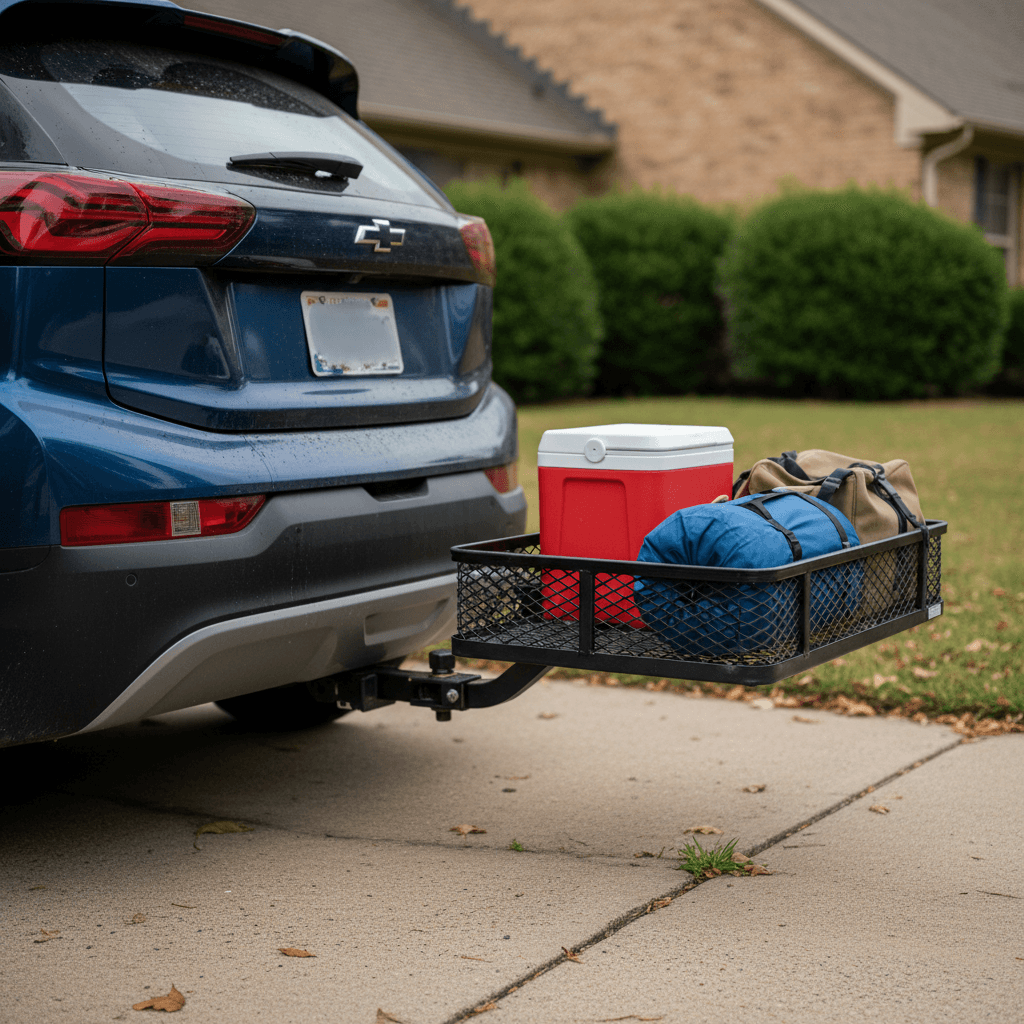
- A lightweight cargo tray carrying coolers, camping gear, or luggage.
- A 4x8 or smaller utility trailer from a big-box store for mulch, lumber, or yard waste.
- An ultra-light teardrop or micro-camper, typically well under 1,500 lbs loaded, on short, flat trips.
Where the Bolt shines
How much weight can a Chevy Bolt EV safely tow?
Because GM doesn’t publish an official tow rating in the U.S., you’ll need to work from conservative rules of thumb and the hardware limits of the hitch you install. Popular aftermarket hitches for the Bolt EV often advertise tongue weights around 200–250 lbs and trailer weight ratings around 2,000 lbs, but that doesn’t mean you should max them out.
Practical towing and loading guidelines for the Chevy Bolt EV/EUV
Ultra-conservative limits many owners follow for occasional towing and hitch use.
| Use case | Suggested max trailer weight (loaded) | Suggested max tongue weight | Notes |
|---|---|---|---|
| Bike rack or cargo tray only | N/A (no trailer) | Up to 150–200 lbs on hitch | Stay under hitch’s published tongue limit and consider dynamic loads on bumps. |
| Small utility or bike trailer, in-town | 500–1,000 lbs | 100–150 lbs | Keep speed modest, use gentle acceleration and braking. |
| Short-trip micro-camper, flat terrain | 1,000–1,500 lbs | 100–150 lbs | Only for experienced drivers; expect major range loss. |
| Long-distance highway towing | Not recommended | Not recommended | Range, heat, and safety concerns make this a poor fit for the Bolt. |
These are practical, not factory-official, limits, aim to stay on the low end, especially for long trips or hot-weather driving.
Don’t exceed axle and payload limits
How towing affects your Bolt’s range and charging stops
On any EV, towing is really a story about aerodynamic drag and rolling resistance. The Bolt EV’s 65 kWh pack (and the EUV’s similar capacity) gives solid daily-driving range, but that margin shrinks quickly when you add a boxy trailer or heavy load.
Typical range impact when towing with a Chevy Bolt
Put differently, a Bolt EV that might give you 230 miles in gentle, solo highway driving could drop to 120–150 miles between charges when pulling a small, non-aero trailer at 65–70 mph. At that point, your trip pacing will feel more like early EV road-tripping, frequent DC fast-charging stops, conservative speeds, and carefully planned routes.
Trip-planning tip
Hitch, wiring, and braking: hardware you’ll need
If you decide that light towing fits your use case, your next step is choosing and installing hardware that’s appropriate for the Bolt’s size and weight. This isn’t the job for a universal clamp‑on bumper hitch or DIY wiring taps.
Core hardware for Bolt EV/EUV light towing
Think in terms of safe attachment, legal lighting, and added braking if needed
1. Quality receiver hitch
Look for a Bolt-specific Class I or II hitch from a reputable brand with:
- Frame-mounted attachment points.
- Clear installation instructions.
- Ratings that exceed your intended use.
2. Trailer wiring harness
You’ll need a powered wiring module that:
- Ties into rear light signals without overloading circuits.
- Provides a 4‑pin connector for basic trailers.
- Is professionally installed and tested.
3. Brakes for heavier trailers
If you’re approaching ~1,000 lbs loaded, strongly consider:
- Trailers with their own brakes.
- A small, EV‑friendly brake controller.
- Cautious, increased following distances.
Use pro installers
Checklist: setting up your Bolt for light-duty towing
Pre‑tow checklist for Chevy Bolt EV and EUV owners
1. Confirm your use case is realistic
Are you hauling bikes, a small cargo carrier, or a very light utility trailer? If you’re picturing a big camper or heavy boat, the Bolt EV probably isn’t the right tool.
2. Choose a conservative hitch and load
Select a hitch whose ratings comfortably exceed your expected trailer and tongue weight. Then <strong>plan to use only a fraction</strong> of that rating, not the maximum.
3. Weigh your trailer and cargo
Use a scale at a truck stop, landscaping supply yard, or RV park at least once. Knowing your actual loaded weight and tongue weight is far better than guessing.
4. Practice local, unloaded driving first
Drive your Bolt with the hitch installed and no trailer, then with an empty trailer, to feel how braking, acceleration, and regen change before you fully load it.
5. Monitor temperatures and behavior
On longer or hotter trips, watch for abnormal smells, warning lights, or changes in charging behavior. If anything feels off, slow down, shorten the day, or shed weight.
6. Re-check fasteners regularly
After the first few towing trips, re‑torque hitch bolts and inspect wiring and connectors. Vibrations and bumps can loosen hardware over time.
Warranty, insurance, and legal fine print
Any time you operate a vehicle outside its stated design envelope, you’re stepping into a gray zone. For most Bolt EV and EUV owners, the concern isn’t a dealership scolding you for a bike rack, it’s what happens if you have a major warranty claim or a collision while towing.
Warranty considerations
- GM could, in theory, deny coverage for a failure they believe was caused by towing against guidance, especially on driveline, suspension, or brake components.
- Routine battery‑health issues or unrelated electronics problems are less likely to be blamed on your hitch.
- Keep records of professional installs and conservative use if you’re worried about future discussions.
Insurance and liability
- Insurers care about whether your vehicle was overloaded or obviously misused.
- Staying well under reasonable weight limits and using proper lights and safety chains strengthens your position.
- Call your insurer if you plan to tow regularly; some may want it documented.
Read your paperwork
Bolt EV vs. Bolt EUV: any towing differences?
The Bolt EUV is a slightly longer, SUV‑styled variant of the Bolt EV. It shares the same fundamental electric platform and similar battery capacity, but offers a bit more rear overhang and space for hitch mounting.
Chevy Bolt EV vs. EUV for towing and cargo duty
How the two Bolt variants compare when you add a hitch.
| Feature | Bolt EV | Bolt EUV | Towing implications |
|---|---|---|---|
| Overall length | Shorter | Slightly longer | EUV’s extra length can help with hitch clearance and cargo carriers. |
| Rear overhang | Shorter | Longer | EUV may keep carriers further from the bumper and hatch. |
| Ride height | Slightly lower | Slightly higher | EUV’s extra height can help with driveway and ferry ramps when loaded. |
| Official tow rating (U.S.) | None | None | Both are treated the same by GM in North America. |
| Cabin space | Smaller | Larger | More room inside could reduce how often you even need a trailer. |
Neither Bolt variant is officially tow‑rated in the U.S., but the EUV’s slightly larger body can make hitch fitment and cargo management easier.
Shopping angle for used buyers
Ready to find your next EV?
Browse VehiclesWhen you should not tow with a Bolt
For all the stories of successful light towing, there are plenty of scenarios where the safer, simpler move is to rent a truck or ask a friend with a pickup for help. The Bolt EV is a talented compact EV, but it has limits.
- Pulling heavy boats, car haulers, or large RVs, even if a hitch rating says it’s possible on paper.
- Long, mountainous road trips with a trailer, especially in hot weather.
- Situations where braking distance or stability is critical, such as steep downhill grades with a full load.
- Any trip where exceeding the vehicle’s GVWR (gross vehicle weight rating) or axle load is even a possibility.
- If your Bolt has existing suspension, brake, or battery‑health concerns.
Be honest about your needs
FAQ: common questions about towing with a Chevy Bolt EV
Chevy Bolt EV towing FAQs
Bottom line: is towing with a Chevrolet Bolt EV worth it?
If your question is “can a Chevrolet Bolt EV tow a trailer?” the honest answer is: yes, in specific, light‑duty scenarios, but it’s not a traditional tow rig. For bikes, cargo trays, and the occasional small utility trailer, a properly equipped Bolt EV or EUV can be a clever, efficient workhorse as long as you respect weight, speed, and range limits.
If, on the other hand, you dream of long‑distance RV trips or regularly haul heavy loads, it’s wise to shop for a vehicle with a factory tow rating instead of trying to force the Bolt into a role it wasn’t built for. When you’re comparing used EV options, a retailer like Recharged can help you weigh those trade‑offs, explain what a hitch on a used Bolt really means, and show you a Recharged Score report so you know exactly what kind of life the battery and driveline have already lived.
Used or new, the best towing experience is the one that feels uneventful: the car is stable, the brakes are confident, and your range behaves roughly how you expected. With a measured approach, the Chevrolet Bolt EV can absolutely play a supporting role in your hauling plans, just don’t ask it to be something it’s not.