If you’re eyeing Cadillac’s bold electric SUV, you’ve probably heard two very different stories about Cadillac Lyriq reliability in 2026. On one side are owners who say it’s the best vehicle they’ve ever driven. On the other are horror stories about blank screens, repeated dealer visits and buybacks. The reality sits in the middle: the Lyriq isn’t a disaster, but it’s not a set‑and‑forget appliance either, especially if you’re shopping used.
First things first
Cadillac Lyriq reliability in 2026: the big picture
Cadillac Lyriq reliability snapshot (as of early 2026)
From a 10,000‑foot view, the Lyriq looks like what it is: a first‑wave Ultium luxury EV launched quickly into a fast‑moving market. That means strong fundamentals, quiet ride, good efficiency, solid range, but also immature software and service processes that can turn glitches into long stay‑overs at the dealer. If you’re coming from Toyota‑like dependability, this will feel like a step down. If you’ve lived with early Teslas or German luxury brands, the trade‑offs will feel more familiar.
How reliable is the Cadillac Lyriq so far?
Because the Lyriq only arrived for 2023 and volumes were modest at first, long‑term reliability data is still thin. But by 2026 we do have three important signals:
- Owner reviews: Consumer platforms and owner forums show a split personality. Many 2024–2025 owners report zero issues beyond minor glitches, while a meaningful minority report repeated trips for software, screen and charging problems.
- Brand‑level dependability: Cadillac as a brand now sits near the top of major dependability rankings, which helps, but those scores are still dominated by gasoline models, not the Lyriq specifically.
- Law‑firm and buyback cases: Lemon‑law firms have begun publicizing Lyriq buybacks tied to repeated electrical or display failures. These cases are still a fraction of total sales, but they highlight how bad things can get when issues aren’t resolved quickly.
Interpret the data carefully
Common Cadillac Lyriq problems by model year
Because the 2023–2026 Lyriq shares the same basic Ultium platform, battery and 33‑inch display architecture, many problems show up across multiple model years. Here’s how the pattern looks as of 2026:
Typical Cadillac Lyriq problem pattern by model year
Issues can vary by individual vehicle and build date, but this table summarizes the themes emerging by 2026.
| Model year | Status in 2026 | Most common complaints | What to watch for when shopping |
|---|---|---|---|
| 2023 | Early build, lowest volume | Frequent software bugs, display glitches, charge‑port hardware issues, early Super Cruise quirks | Full recall history, repeated dealer visits, any evidence of buyback or extended stays for electronics. |
| 2024 | Volume ramps up | Blank or frozen main display, phantom braking or driver‑assist misbehavior, intermittent charging session failures, 12V battery drain, slow dealer software fixes | Screen behavior on test, smooth operation of adaptive cruise / lane‑keeping, consistent charging at both DC fast and Level 2. |
| 2025 | Running changes start | Many of the same software and display issues as 2024, though often less frequent; some reports of annoying update cycles and minor hardware rattles | Build date (later is better), proof that major recalls and display updates have been completed, any patterns of "no‑fix" visits in the service history. |
| 2026 | Still very new | Too early for clear patterns, but early owners are already reporting scattered electronics and lighting issues, plus the same software ecosystem | Dealer support quality, cosmetic build, and whether the individual vehicle has any early warning lights, error messages or inoperable features. |
Use this as a directional guide, not a guarantee of what any specific Lyriq will do.
Model year vs. build date
Recalls and safety issues to know about
By 2026 the Lyriq has accumulated several recalls, most of them software‑heavy but some tied to core safety functions. Exact campaign IDs change as new recalls are issued, but the major themes include:
- Blank or failed center display: A large recall covers thousands of Lyriqs whose main screen can go dark or fail to boot properly. That’s not just annoying, it can affect backup camera views and important warning messages.
- Low‑speed braking and driver‑assist behavior: Some campaigns address situations where the Lyriq may not brake or assist as intended under specific conditions, or where automatic braking activates unexpectedly.
- Software update and OTA calibration fixes: Several recalls boil down to updating modules that control the display, propulsion or safety systems. These should be straightforward, but in practice some dealers have struggled with update reliability and scheduling.
- Isolated hardware issues: A smaller set of recalls and service bulletins address items like seatbelts, suspension components or lighting, just as you’d see on many modern vehicles.
Recall due diligence for a new or used Lyriq
1. Run the VIN through the NHTSA site
Before you fall in love with any Lyriq, plug its VIN into the official NHTSA recall search and confirm that <strong>all open recalls are either completed or scheduled</strong>.
2. Ask for a printout of completed campaigns
Dealers can print a warranty/recall summary that shows what’s been done. For private sales, ask the seller to pull this from their service portal or dealer.
3. Test the display like you mean it
On your test drive, power‑cycle the vehicle multiple times, play with navigation, camera views and settings to see if the 33‑inch display ever lags, freezes or goes dark.
4. Stress‑test driver‑assist features
On a safe road, carefully test adaptive cruise, lane‑keep and automatic braking. You’re looking for <strong>predictability</strong>, not gadgets that keep surprising you.
5. Confirm software is current
Have the seller or dealer show you the current software version and last update date. A Lyriq miles behind on updates is a red flag for both reliability and support.
Battery and charging reliability on the Lyriq
The encouraging news: despite all the drama around screens and software, the Lyriq’s Ultium battery pack itself has not emerged as a widespread weak point as of 2026. The problems you hear about most often are how the car talks to chargers, not batteries failing outright.
What owners actually report about Lyriq batteries and charging
Differentiate between scary stories and real failure modes.
Pack durability so far
Most Lyriqs on the road are still low‑mileage, but there’s no broad pattern of rapid battery degradation yet. Range loss over the first 1–2 years looks in line with other luxury EVs.
Charging quirks, not failures
Many owners report intermittent fast‑charging quirks: sessions that won’t start on the first try, inconsistent peak speeds, or particular public stations the car "doesn’t like." These are annoying but rarely terminal.
Thermal and long‑trip behavior
The Lyriq’s cooling system generally keeps DC fast‑charge speeds reasonable on road trips, though not class‑leading. On very hot or cold days you should expect some tapering and plan your stops accordingly.
Good news on battery coverage
Software and electronics: the Lyriq’s weak spot
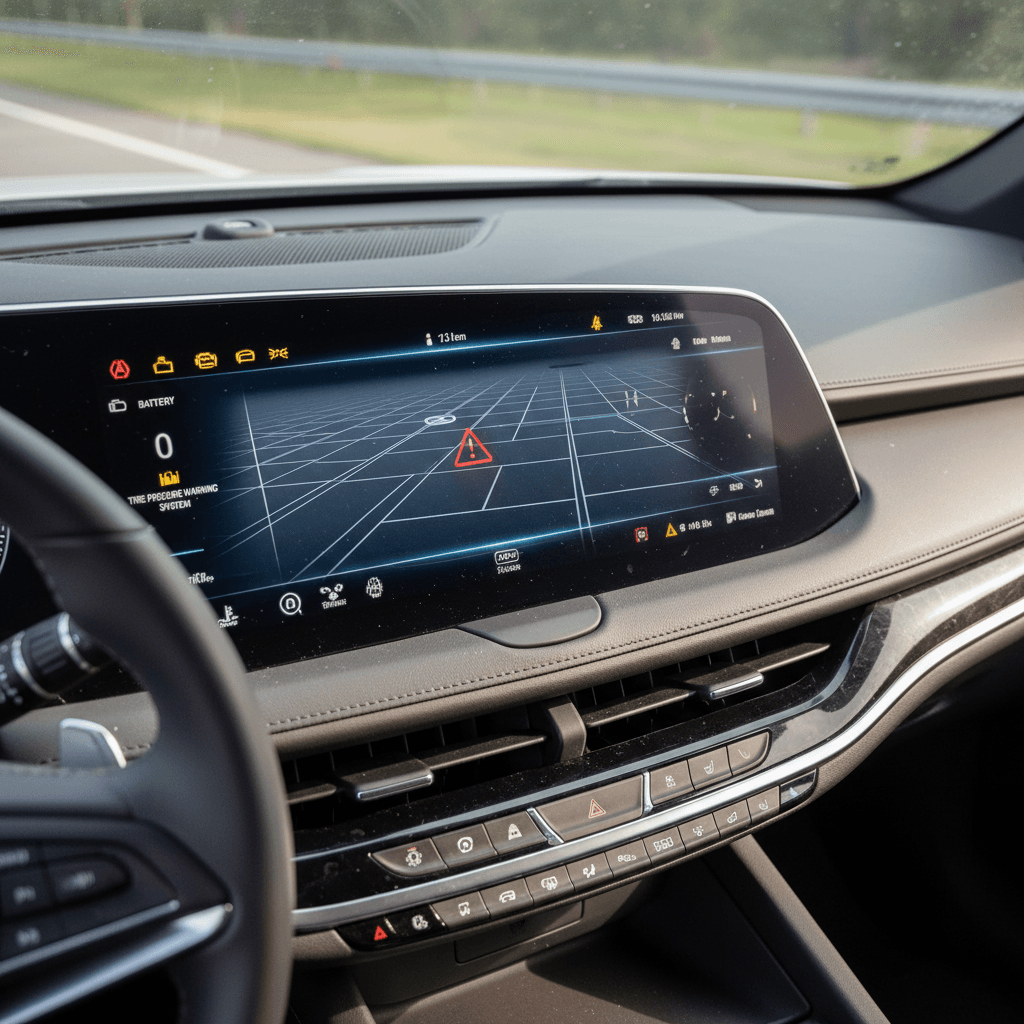
If you had to point to a single theme for Cadillac Lyriq reliability issues in 2026, it would be: the car is a rolling computer that occasionally forgets it’s also transportation. Owners who run into trouble typically describe one or more of these patterns:
- Display and infotainment glitches: Frozen home screens, laggy responses, Apple CarPlay/Android Auto that disconnects unexpectedly, or a completely blank display at startup.
- Driver‑assist misbehavior: Adaptive cruise or lane‑keeping that cuts out suddenly, phantom braking, or systems that won’t activate even when conditions seem right.
- Lighting and minor electronics gremlins: Odd turn‑signal or exterior‑lighting behavior, erratic chimes, or warning messages that come and go.
- Dealer update roulette: Vehicles sitting for days while dealers attempt software updates, sometimes returning “fixed” only for the same bug to reappear weeks later.
Why electronics issues matter so much
2026 Cadillac Lyriq reliability: what’s changed?
By the 2026 model year, Cadillac has had several iterations to address early complaints. Hardware changes tend to be subtle, but we can already see a few trends emerging:
Early 2026 Cadillac Lyriq reliability signals
What’s getting better, and what still needs work.
Incremental fixes, not a reboot
So far, 2026 Lyriqs appear to build on the 2025 formula rather than reinvent it. That means many underlying systems are more mature, but the car is still reliant on complex software that will continue to evolve via updates.
Dealer and concierge learning curve
Cadillac’s EV concierge and a growing number of EV‑savvy service departments are doing a better job triaging issues quickly. That doesn’t eliminate glitches, but it reduces the pain for owners who do hit snags.
The uncomfortable truth is that no one yet knows what a 2026 Lyriq will look like at 8–10 years and 120,000+ miles. What we can say is that the trajectory is improving year by year, and that later‑build vehicles should benefit from both software updates and behind‑the‑scenes hardware tweaks.
How Lyriq reliability compares to Tesla, BMW, Audi and others
Versus Tesla Model Y / Model X
Tesla has more EV experience and a simpler software stack in some ways, but it also has a long history of build‑quality and service frustrations. If you’re cross‑shopping a Lyriq and a Tesla:
- Software maturity: Tesla still has the edge overall, especially in how the car talks to its own charging network.
- Build & noise: Many owners find the Lyriq’s cabin quieter and materials nicer.
- Service: Tesla’s mobile service is convenient when it works; Cadillac’s concierge and dealer network can be great or painful depending on your local store.
Versus Audi Q8 e‑tron, BMW iX, Genesis GV60
German and Korean luxury EVs tend to have more mature infotainment systems, but they’re not flawless either.
- Audi/BMW: Solid highway manners and polished cabins, but complex electronics and air suspensions can get expensive out of warranty.
- Genesis: Strong reliability reputation overall, but fewer long‑term EV data points.
- Lyriq: Draws closer to these rivals each model year, but still carries more first‑generation risk than their most established platforms.
The honest comparison
Used Cadillac Lyriq reliability checklist
Shopping a used Lyriq in 2026 is all about filtering. You’re not just buying a model; you’re buying the history of that individual vehicle. Here’s a step‑by‑step way to manage the risk:
Reliability‑focused checklist for buying a used Lyriq
1. Start with the right model years
If you’re risk‑averse, prioritize late‑build 2024 and 2025 Lyriqs with clear service records. Early 2023 builds and brand‑new 2026s may carry more unknowns.
2. Demand a full service and recall history
Ask for documentation of all dealer visits, recall campaigns and software updates. Multiple visits for the same electronics issue are a major red flag.
3. Test every electronic system
On the test drive, spend as much time stress‑testing screens, cameras, audio, Bluetooth, wireless CarPlay/Android Auto and driver‑assist as you do enjoying the torque.
4. Charge it two ways
If possible, test both a DC fast‑charge session and an AC Level 2 charge. Look for sessions that start reliably, reach reasonable speeds and don’t throw error messages.
5. Scan for warning lights and stored faults
Have a trusted EV‑savvy shop or seller use a diagnostic tool to check for stored error codes, even if no warning lights are on during your drive.
6. Get an independent EV‑oriented inspection
A traditional pre‑purchase inspection is good; an inspection that includes <strong>high‑voltage, charging and software checks</strong> is better. If the inspector shrugs at EV questions, find another one.
How Recharged helps you manage Lyriq reliability risk
Because the Lyriq is such a software‑heavy vehicle, buying one blindly, especially used, isn’t a great idea. This is exactly the gap Recharged is built to close.
What you get with a Lyriq from Recharged
More signal, less guesswork.
Recharged Score battery & health report
Every Lyriq on Recharged comes with a Recharged Score Report that includes verified battery health, charging behavior observations and key diagnostics. You’re not guessing about pack condition or hidden fault codes.
History and pricing transparency
We pair service history, recall completion data and real market comps to show you whether a particular Lyriq is fairly priced for its age, mileage and reliability profile.
EV‑specialist guidance
Our EV‑savvy team can walk you through which Lyriq model years and options fit your risk tolerance, what to look for on a virtual walk‑around, and how to use your test drive to shake out potential problems.
Ready to find your next EV?
Browse VehiclesIf you already own a Lyriq and are thinking of moving on, Recharged can also help you sell or trade‑in your EV, with options for an instant offer or a higher‑value consignment listing. Either way, you’re working with people who understand EV‑specific issues, not just book values.
Cadillac Lyriq reliability 2026: FAQ
Frequently asked questions about Cadillac Lyriq reliability
Bottom line: is the Cadillac Lyriq reliable enough to buy?
In 2026, the Cadillac Lyriq is not the horror story some online threads make it out to be, but it’s also not the safest choice for someone who treats cars like appliances. The core EV hardware looks solid, while software and electronics remain the wild card. If you’re drawn to the Lyriq’s design, quiet road manners and luxury feel, the smartest move is to shop patiently, insist on transparency, and lean on tools like a detailed battery and diagnostics report rather than vibes and paint color.
Whether you’re comparing a 2024 used Lyriq against a 2026 factory order or weighing it against rival luxury EVs, your reliability outcome will come down to the specific vehicle you choose and the support behind it. Platforms like Recharged exist to tilt those odds in your favor, by surfacing the healthiest examples, flagging problem histories early, and backing your decision with real data instead of wishful thinking.