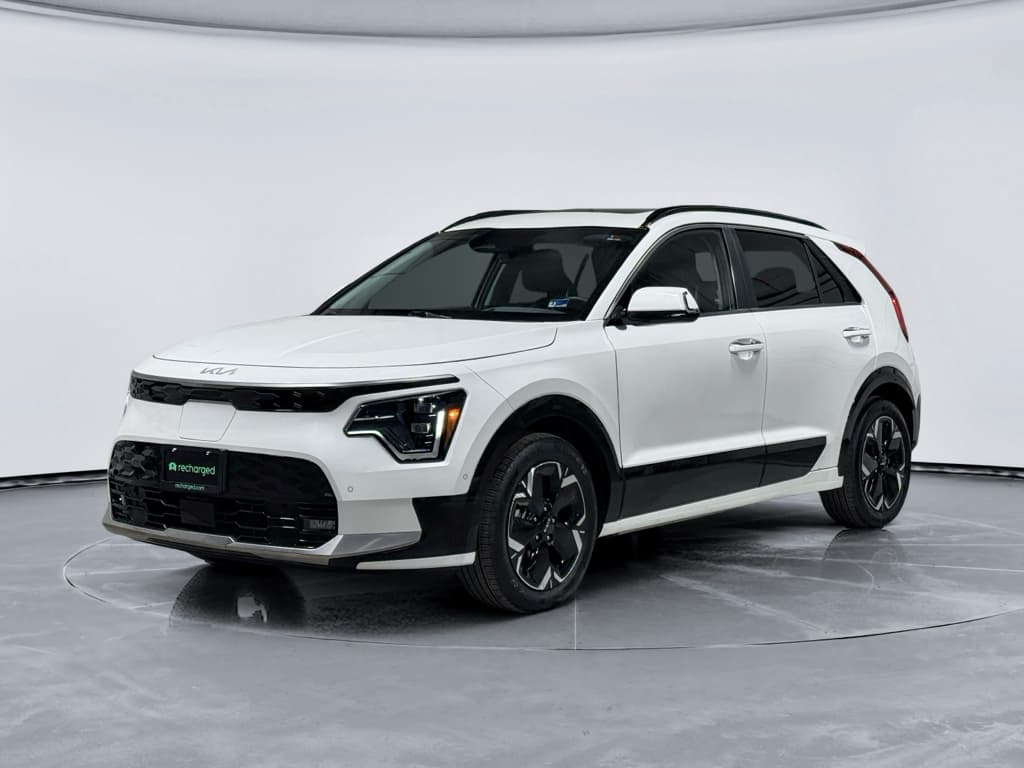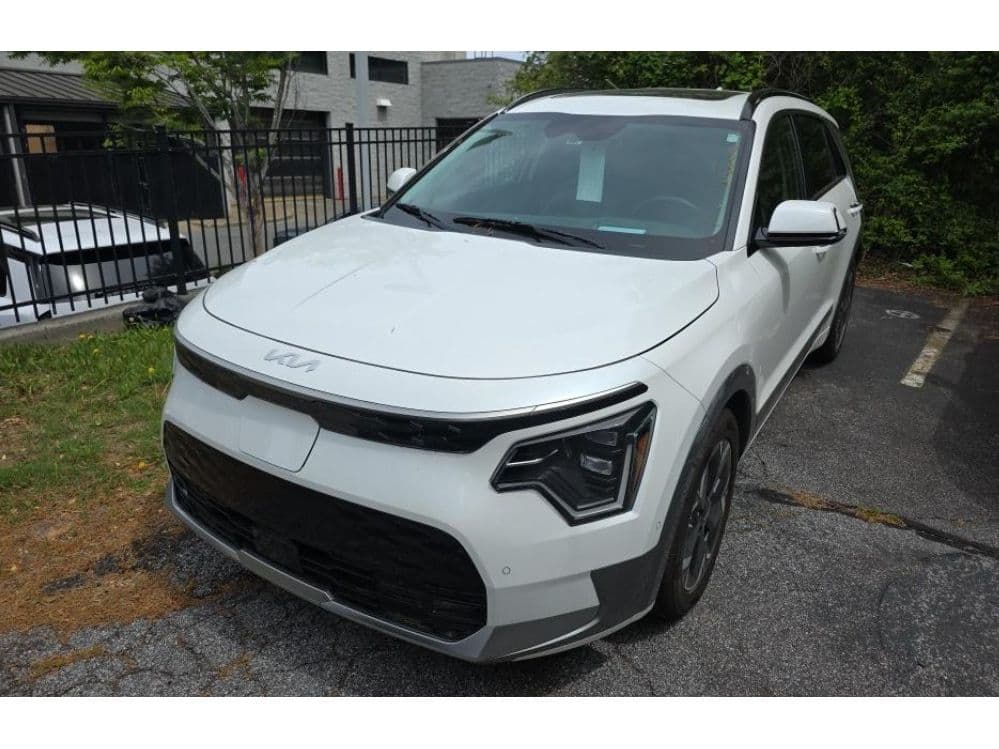
If you’re looking at a 2024 Kia Niro EV, or you already own one, you’re probably hearing two very different stories. On one hand, owners praise its efficiency, practicality, and low running costs. On the other, you’ll find posts about drivetrain noises, intermittent heat, and recall notices. This guide pulls together what we know so far about 2024 Kia Niro EV problems and fixes, so you can separate real red flags from normal EV quirks.
Quick take
Overview: 2024 Niro EV reliability in the real world
Because the 2024 Niro EV is part of the second generation (launched for 2023), we’re still in the "early read" phase on long‑term reliability. Owner reviews on major listing sites skew positive, with many drivers giving the car 4–5 stars for comfort, efficiency, and tech, and more mixed feedback on performance and refinement. In online owner forums, you’ll see plenty of posts that say some version of, “I love my Niro EV, zero issues so far,” right alongside a smaller number of detailed problem reports.
- Most common complaints so far: drivetrain noises or vibrations, intermittent HVAC performance, glitchy infotainment, and odd clusters of warning lights.
- Major safety issues involve a wiring recall that can disable the passenger airbag/pretensioner and earlier drive-shaft concerns that also touch some 2024s.
- Battery packs themselves have not emerged as a widespread failure point; most range complaints are about cold weather or fast‑charging behavior, not hard failures.
Gen 1 vs. Gen 2 matters
Known recalls on the 2024 Kia Niro EV
Before we dig into day‑to‑day problems, start with the official stuff. By spring 2026, two recall themes stand out for the Niro lineup that include many 2024 Niro EVs:
Key recalls affecting 2024 Kia Niro EV
Always run your exact VIN through the NHTSA recall lookup and Kia’s site, recalls apply to specific build ranges, not every car.
| Issue | Model years affected | What can happen | Typical fix |
|---|---|---|---|
| Passenger airbag/seatbelt wiring under front seat | 2023–2025 Niro Hybrid, PHEV, EV with manual passenger seat | Passenger airbag and/or pretensioner may not work in a crash | Dealer inspects and protects or repairs under‑seat wiring harness |
| Drive shaft / loss of drive power | 2023–2024 Niro EV (specific VIN ranges) | Improperly heat‑treated drive shaft could break, causing loss of drive | Dealer replaces affected drive shaft(s) |
| Other campaign/TSB updates (noise, software, etc.) | 2023–2024 Niro EV | Noise, calibration, or component life concerns rather than acute safety defects | Dealer performs TSBs: software updates, component replacement as needed |
Recall information changes over time; use this as a starting point, not a substitute for an official VIN search.
Action item: Check your VIN
Drivetrain noise and drive-shaft issues
One of the longest‑running Niro EV storylines, dating back to the first generation, is reduction‑gear and drive‑shaft noise. Owners describe it as everything from a “card in the spokes” sound to a high‑pitched whine or rhythmic ticking that changes with road speed. On earlier years, Kia issued technical service bulletins (TSBs) and repair procedures; similar complaints have surfaced on 2023–2024 cars as well.
- “Wheel of fortune” or card‑in‑spokes noise between about 40–60 mph.
- Clicking or knocking from the front end under light acceleration.
- Vibration or shudder at steady cruise that doesn’t feel like a wheel‑balance issue.
- In extreme cases covered by recall: sudden loss of drive if a drive shaft fails.
Recall vs. TSB: what’s the difference?
How to diagnose drivetrain noise on a test drive
If you’re test‑driving or trying to document a concern, find a smooth road and turn the radio off. Gently accelerate up to 60 mph, then coast, then apply light throttle again. Pay attention to whether noises track with vehicle speed (more likely drivetrain or tires) or motor load (more likely motor/inverter).
What to do if you notice drivetrain noise
1. Rule out simple causes
Start with tire pressures and wheel balance. Cupped or cheap tires can mimic drivetrain noise. Have a trusted shop or dealer check these before assuming the worst.
2. Document the sound
Record short clips on your phone and note the exact speeds, throttle position, and conditions when it happens. This can make or break a successful dealer diagnosis.
3. Ask the dealer about TSBs and campaigns
When you book service, mention that Niro EVs have known reduction‑gear and drive‑shaft concerns and ask them to check for applicable TSBs or recalls on your VIN.
4. Insist on a road test with a tech
If the service advisor says, “couldn’t replicate,” request a ride with a technician so you can point out the noise in real time.
5. Buying used? Walk if dealer shrugs it off
On a used 2024 Niro EV, unexplained drivetrain noises with a reluctant seller are a perfectly good reason to move on to a different example.
HVAC and heat pump problems
Across 2022–2025 Kia EVs, including the second‑gen Niro EV, owners have reported inconsistent heat and A/C. In many cases, the heat works intermittently in cold weather or the A/C loses effectiveness over time, especially on high‑mileage cars or in very hot climates.
- Cabin heat that cuts in and out in winter, especially at highway speeds.
- A/C that won’t blow cold at idle but improves slightly while driving.
- Heat pump that makes unusual whirring or groaning noises.
- Kia Connect pre‑conditioning that fails to start or runs without actually heating/cooling the cabin.
Don’t overlook simple HVAC settings
Likely causes and dealer fixes
Common root causes
- Refrigerant leaks or contamination in the heat pump circuit.
- Faulty expansion valves or sensors causing the system to shut down.
- Software logic that over‑protects the system in extreme temps.
- In rare cases, a failing compressor or supplemental PTC heater.
Typical fixes at the dealer
- Leak test and recharge, sometimes with component replacement.
- Heat pump or A/C line replacement if a leak is confirmed.
- Software updates to HVAC and battery thermal management.
- Replacement of faulty sensors or the PTC heater under warranty.
On a warrantied 2024 Niro EV, most HVAC repairs should be covered, aside from cabin filters or obvious physical damage.
When to push for warranty coverage
Infotainment glitches and random warning lights
A newer theme on 2023–2024 Niro EVs is software weirdness, black infotainment screens, frozen navigation, Android Auto/Apple CarPlay dropping out, or a Christmas tree of warnings when you start the car. In many cases, these events are one‑offs tied to a weak 12V battery (we’ll get to that next) or a software bug that’s later patched.
- Infotainment screen boots up black and comes back several minutes later.
- Touchscreen works but some hard buttons (Map, Home, media) don’t respond.
- Multiple safety and driver‑assist warnings at startup that vanish after a restart.
- Kia Connect app shows the car online, but remote commands fail or lag heavily.
Think "computer crash," not "transmission failure"
- Take photos of the warnings and note the mileage and weather.
- Perform a full power‑down: lock the car, walk away for several minutes, then restart.
- Check for over‑the‑air or dealer‑installed software updates.
- If issues repeat, schedule dealer service and bring your screenshots.
12V battery and electrical gremlins
An outsized number of EV headaches, from dead cars in the morning to glitchy screens, trace back to the humble 12‑volt battery. Even though the Niro EV has a big high‑voltage pack, it still relies on a conventional 12V system to boot computers, unlock doors, and power accessories. A weak or defective 12V can cause all sorts of phantom issues.
- Car is completely dead in the morning after sitting overnight.
- Cluster of random warnings that disappear after a restart.
- Infotainment reboots itself while driving or after hitting bumps.
- Owners replacing 12V batteries surprisingly early in the car’s life.
Have the 12V tested early and often
Parasitic drains and control modules
A handful of owners across Niro variants have chased persistent 12V drains to specific modules (for example, pedestrian warning sound systems or telematics units that don’t go to sleep). These are tedious to diagnose but legitimate warranty issues. If your fresh 12V keeps dying and the dealer simply throws another battery at it, politely push for a more thorough parasitic‑draw test.
Battery health, range, and charging complaints
So far, there’s no pattern of widespread high‑voltage battery failures in the 2024 Niro EV. What you do see are predictable EV themes: cold‑weather range loss, inconsistent DC fast‑charging speeds, and occasional charge‑station handshake issues, especially on busy or older public networks.
- Range dropping sharply in winter, particularly on short trips.
- DC fast‑charging sessions that taper early or never reach the advertised peak rate.
- Public chargers that refuse to start a session even though the car charges fine elsewhere.
- Mild battery degradation over time that owners sometimes interpret as a “problem” rather than normal aging.
Normal vs. abnormal battery behavior
How to protect your Niro EV’s battery and charging experience
A few habits go a long way toward preventing real problems
Avoid 0–100% daily swings
Use the Niro EV’s charge‑limit features. Day to day, keeping the battery mostly between about 20–80% is easier on the pack than charging to 100% every night.
Warm up in cold weather
Pre‑condition the cabin and battery while plugged in when it’s very cold. This improves both range and DC fast‑charging performance.
Log repeat charging issues
If your 2024 Niro EV consistently charges slowly or fails sessions on multiple DC fast‑chargers, document station locations, outside temps, and charge levels, then have the dealer check for software updates and fault codes.
Safety concerns: airbags, seatbelts, and brakes
The headline safety story for 2023–2025 Niros, including many 2024 Niro EVs, is the under‑seat wiring recall that can disable the front passenger airbag and/or seatbelt pretensioner on cars with manually adjustable seats. There are also isolated owner complaints about airbags not deploying in specific crashes, which underscores why recall work and post‑accident inspections are so important.
- If your Niro EV falls in the recall range, the dealer must inspect and protect or repair the under‑seat wiring at no cost.
- After any significant crash, you should have a qualified shop scan the airbag and restraint modules, even if bags didn’t deploy, to confirm the system is still fully functional.
- ABS and brake‑system warning lights on an EV are not optional; they may indicate sensor faults or real brake issues that can compromise stopping distance.
Don’t ignore safety lights
Preventive maintenance tips for smoother ownership
One upside with the Niro EV is that, apart from the usual Kia quirks, it doesn’t demand much maintenance. There’s no oil to change and no transmission to flush. But that doesn’t mean you should ignore it until a warning light pops up. A little proactive care can head off many of the most common complaints.
Why prevention matters on an EV
Simple habits to reduce 2024 Niro EV problems
1. Keep software current
Ask the dealer to check for control‑unit updates during scheduled service. Many bugs in driver‑assist, infotainment, or HVAC behavior are improved by newer software.
2. Inspect tires and rotate regularly
Uneven or noisy tires can masquerade as drivetrain problems. Rotate on schedule and avoid no‑name replacements if you value road‑noise refinement.
3. Test the 12V battery annually
Have the 12V load‑tested before winter each year. Proactive replacement is cheaper than repeated tows and diagnostics for “ghost” issues.
4. Service brakes even if pads last long
EVs use regenerative braking, so pads can last a long time, but calipers and slides can still seize. A periodic brake service keeps everything moving freely.
5. Follow coolant and reduction‑gear fluid guidance
Even if some dealers are reluctant, it’s worth asking about reduction‑gear oil and coolant inspection intervals, especially as mileage climbs.
6. Document everything under warranty
Any repeated symptom, noise, warning, HVAC quirk, should be logged and addressed while you’re well inside Kia’s warranty window.
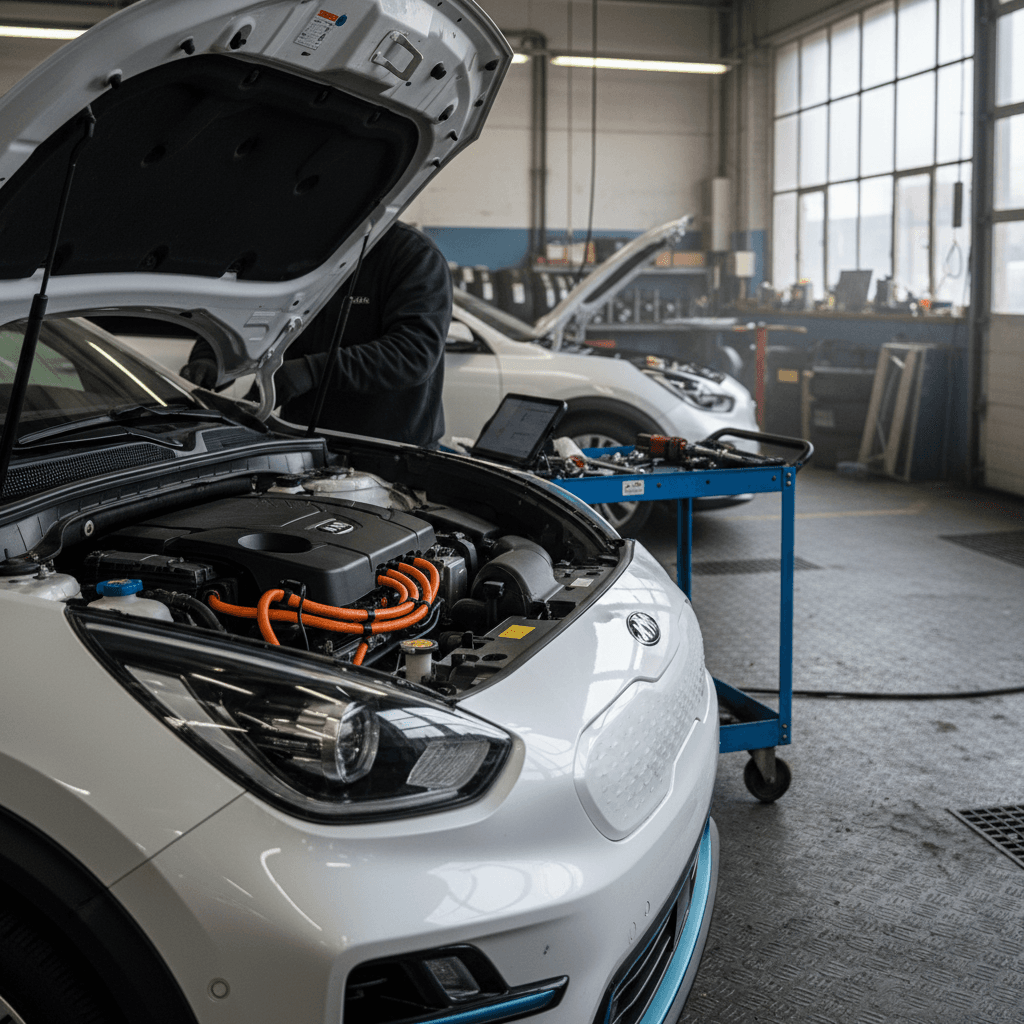
Buying a used 2024 Niro EV: inspection checklist
Shopping used? The 2024 Niro EV can be an excellent value, but like any relatively new EV, problems and recalls haven’t all had time to surface. Your goal is to buy the car that’s boringly reliable, not the one that’s about to become your technician’s science project.
Key items to check on a used 2024 Niro EV
Bring this list with you when you inspect and test‑drive a Niro EV.
| Area | What to check | Why it matters |
|---|---|---|
| Recall & TSB history | Ask for a printout of recall/completed campaign work and check VIN on NHTSA and Kia sites. | Confirms safety issues (airbag wiring, drive shaft) have been addressed. |
| Drivetrain noise | Listen between 40–60 mph for ticking, whining, or “card in spokes” sounds. | Can indicate reduction‑gear or drive‑shaft concerns. |
| HVAC performance | Test heat and A/C at multiple temps and fan speeds; try defrost and auto modes. | Flags weak heat pumps, refrigerant issues, or control faults. |
| 12V battery age | Check build date on the 12V battery and look for replacement records. | Older or cheap replacement batteries are more likely to cause glitches. |
| Charging behavior | Plug into Level 2 and, if possible, a DC fast‑charger; verify normal operation. | Reveals communication issues, charge‑port problems, or battery‑thermal quirks. |
| Body and crash history | Look for misaligned panels, overspray, and ask for Carfax/inspection reports. | Poorly repaired collisions can affect airbag and sensor performance. |
How Recharged helps if you’re buying used
Ready to find your next EV?
Browse VehiclesFAQ: 2024 Kia Niro EV problems and fixes
Frequently asked questions
Bottom line: Should you avoid the 2024 Niro EV?
You don’t need to avoid the 2024 Kia Niro EV, but you do need to buy or own it with eyes open. The car’s core strengths, efficiency, packaging, and a generally solid track record so far, are real. So are the recurring trouble spots: drivetrain noise and drive‑shaft concerns, HVAC and heat‑pump performance, 12V‑related gremlins, and a couple of important recalls.
If you’re already an owner, your playbook is straightforward: stay on top of recall and software updates, treat HVAC issues and safety lights as priority repairs, and don’t be shy about documenting noises or intermittent problems under warranty. If you’re shopping used, insist on a thorough test‑drive, a clean recall history, and proof that any odd noises or HVAC complaints have been properly addressed, not just dismissed as “normal.”
Done right, a 2024 Niro EV can be exactly what many shoppers want: a quietly competent, efficient EV that just gets on with the job. And if you’d like backup from specialists who live and breathe used EVs, Recharged can help you find, evaluate, and finance a Niro EV with verified battery health and transparent pricing, so you spend your miles enjoying the car instead of worrying about what might go wrong next.