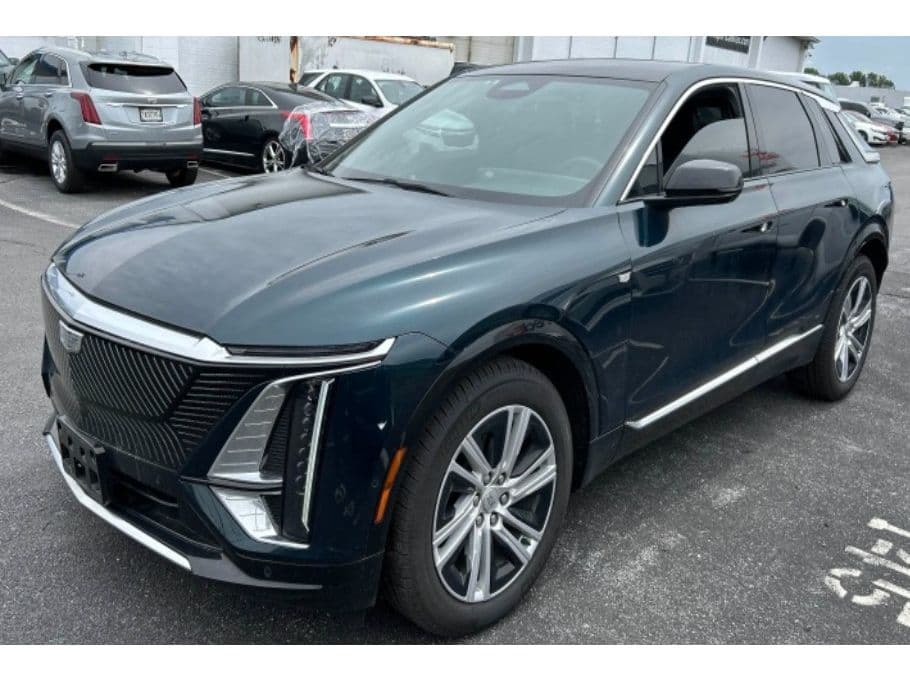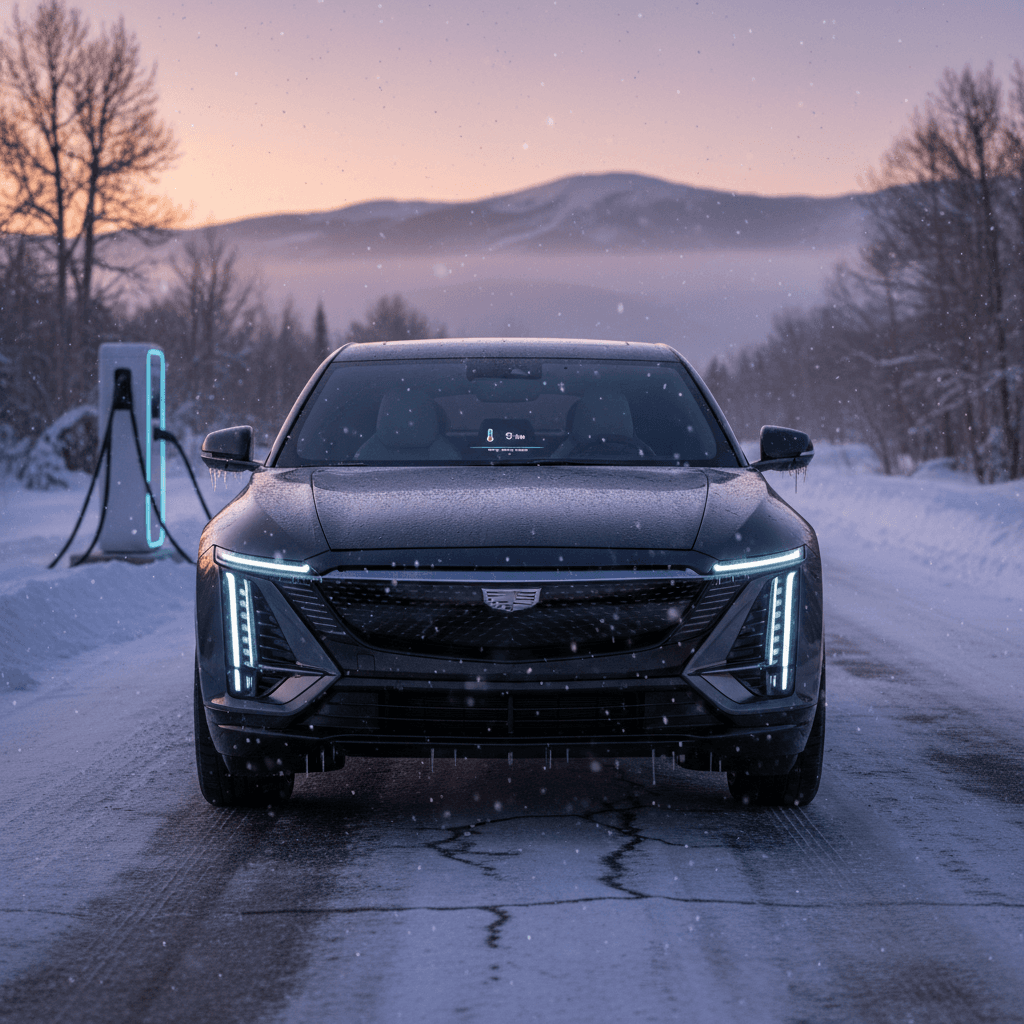
If you live where winter actually means snow, ice, and single-digit temperatures, it’s natural to wonder how much the Cadillac Lyriq range in cold weather will really be. The EPA sticker might say 303–326 miles, but January in Minnesota or upstate New York is a very different story. This guide translates the lab numbers and early owner reports into practical, real-world expectations, and shows you how to keep your Lyriq usable and enjoyable when the thermometer drops.
Cold weather changes the rules
Cadillac Lyriq range basics before winter hits
Before you look at winter range loss, it helps to know what your Lyriq can do in mild weather. Current U.S. Lyriq models use a roughly 102 kWh battery pack and, depending on model year and configuration, carry EPA ratings from about 303 to 326 miles for most RWD and AWD trims, and around the mid‑280s for the high‑performance V variants. In everyday mixed driving at moderate temperatures, many owners and independent tests report something in the neighborhood of 260–310 miles between charges when driven sensibly at highway speeds.
Cadillac Lyriq baseline range snapshot
Those numbers are your starting point. In winter, your usable range becomes a moving target based on temperature, speed, wind, elevation, and how you use the climate controls. That’s where understanding EV physics, and the Lyriq’s specific hardware, really matters.
Why EVs lose range in cold weather
Cold weather hits EV range from a few different angles at once. The Lyriq uses modern battery thermal management, but it still obeys the same basic laws of chemistry and aerodynamics as every other electric SUV.
Four main reasons your Lyriq loses range in the cold
Understanding the causes helps you manage them
1. Battery chemistry slows down
At low temperatures, lithium‑ion batteries can’t accept or deliver energy as efficiently. The Lyriq’s pack has to warm itself, which burns energy before you even move. Until the pack is up to its ideal temperature window, efficiency drops noticeably.
2. Cabin heat is energy‑hungry
Unlike a gas engine, there’s no "free" waste heat. Your Lyriq uses a heat pump and resistive heaters to warm the cabin, and at 0–20°F that can draw several kilowatts for long stretches, especially on short trips.
3. Higher rolling and air resistance
Cold, dense air increases aerodynamic drag, and winter tires plus slushy roads increase rolling resistance. If you cruise at 70–80 mph on a frigid day, both of those penalties stack on top of battery and cabin‑heat losses.
4. Lots of short trips
If you do multiple short drives from a cold-soaked start, the car spends a disproportionate amount of energy reheating the cabin and battery each time. That can be much worse than one long drive at steady speed.
Watch your first 30 minutes
How much range does the Lyriq lose in winter?
There’s no single number that fits every driver, but owner reports and broader EV data give a reasonable window for Cadillac Lyriq range in cold weather. Think in terms of percentage compared with your mild‑weather baseline, not just the EPA sticker.
Cadillac Lyriq winter range: ballpark expectations
Approximate share of mild‑weather range you might see in different cold‑weather scenarios, assuming healthy tires and normal driving.
| Conditions | Typical Temperature | Driving Pattern | Approx. Usable Range vs Mild Weather |
|---|---|---|---|
| Cool, not brutal | 35–45°F | Mixed city/highway, heater on moderate | ~85–95% |
| Normal winter | 20–32°F | Commuting, some highway, cabin kept warm | ~70–85% |
| Deep winter, steady highway | 5–20°F | 65–75 mph highway, heat on, dry roads | ~60–75% |
| Severe cold & short trips | Below 10°F | Multiple short hops with full heat, snow/slush | ~50–65% or worse |
Use this as a planning tool, not a guarantee, your driving style, terrain, and climate settings still matter a lot.
For a Lyriq with a 310‑mile mild‑weather reality, that can translate to something like 220–260 miles on a typical winter day and potentially as low as 150–200 miles in sustained, sub‑freezing highway driving with a warm cabin. In extreme cold (near or below 0°F) with lots of short drives, some owners of comparable EVs report seeing closer to half their usual summer range. The Lyriq generally falls into the same band as other mid‑size luxury EV SUVs.
EPA rating vs real life
Lyriq features that help (and hurt) in the cold
On paper, the Lyriq has a solid cold‑weather toolkit: a liquid‑cooled battery with active thermal management, a heat pump–based HVAC system, and software‑controlled preconditioning. But how you use those tools can make your winter experience either satisfying or frustrating.
Cadillac Lyriq winter strengths and weaknesses
Where the hardware helps, and where owners still struggle
Heat pump HVAC
Every Lyriq generation to date uses a heat‑pump‑based climate system. At moderate cold (say 25–45°F), that’s more efficient than pure resistive heating and can noticeably reduce range loss, especially on longer drives.
Battery thermal management
The Lyriq actively heats and cools its battery pack. That protects long‑term health and improves DC fast‑charge speeds once the pack is up to temperature, though warming the pack still costs energy upfront.
Preconditioning while plugged in
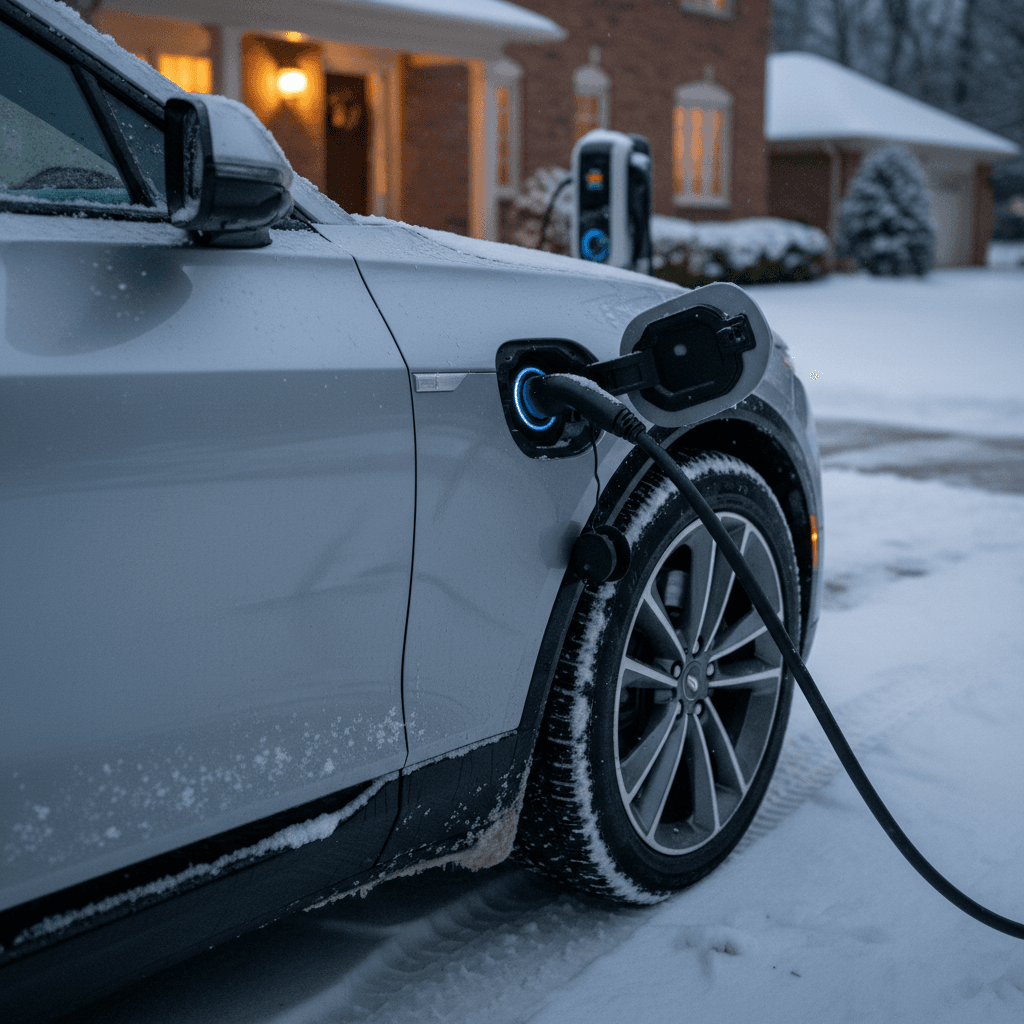
You can schedule departure times so the Lyriq warms the cabin (and often the battery) while it’s still connected to home power. That shifts a big chunk of winter energy use off the battery and back onto your utility bill instead.
Not the most efficient SUV
Even in summer, the Lyriq isn’t a hyper‑miler. It’s a heavy luxury SUV, and in deep cold that weight and wind profile mean more energy burned per mile than a smaller, sleeker EV. Think comfort first, efficiency second.
Heat pump ≠ magic
Real-world winter scenarios for Lyriq owners
Daily commuting in cold suburbs
If your routine is a 15‑ to 40‑mile round‑trip commute with some errands, the Lyriq’s winter range is unlikely to be a deal‑breaker. The biggest threat here is lots of cold starts. Schedule departure preconditioning, keep the car plugged in overnight, and consider dialing cabin temperature back a couple of degrees.
Most drivers in this scenario still end the day with plenty of buffer, even after a 30–40% hit to the EPA number.
Long highway stretches at 70+ mph
High, steady speeds plus frigid temperatures are a tougher test. Owners of similar‑sized EVs often report winter highway consumption in the 2.0–2.3 mi/kWh range when it’s truly cold, compared with 3.0–3.3 mi/kWh in summer. On a 102 kWh pack, that’s a big swing.
If you regularly run 150–200‑mile legs between chargers in winter, assume you’ll need to stop more often or slow down slightly to keep a comfortable buffer.
You’ll also see a difference between Midwest–style cold (dry, very low temperatures, higher speeds) and coastal or urban cold (wet, near freezing, often slower traffic). Both cost range, but in different ways. The Lyriq’s strong highway comfort can tempt you to run fast; in winter, easing back even 5 mph can be worth dozens of miles of extra usable range.
Drivers who feel Lyriq winter range the most
1. High‑speed interstate commuters
If you run 70–80 mph every day, winter hits your efficiency hardest. Combine that with cold temps and you’ll see bigger drops than a city driver.
2. Owners without home charging
If you rely on public charging and park outside, you’ll start many drives with a cold‑soaked battery. That magnifies range loss and can slow DC fast charging in winter.
3. Rural drivers with long gaps between chargers
If your nearest DC fast charger is 80–120 miles away, you can’t assume summer‑like range numbers in January. You’ll need larger buffers and backup plans.
4. Frequent short‑trip drivers
Parents doing school runs, errands, and activities at 10°F will see inefficient energy use because the car keeps reheating the cabin and pack.
Trip planning with a Lyriq in cold weather
A Cadillac Lyriq can absolutely handle winter road trips, but you need to plan differently than you would for a July vacation. The key is building conservative assumptions into your route planning tools and leaving extra buffer on both ends of each leg.
Winter trip‑planning rules of thumb for Lyriq owners
How to translate EPA range into realistic winter planning numbers for a typical 102 kWh Lyriq.
| Scenario | Outside Temp | Highway Speed | Planning Assumption |
|---|---|---|---|
| Mild winter leg | 35–45°F | 65 mph | Plan on ~75–80% of EPA |
| Typical cold snap | 20–30°F | 65–70 mph | Plan on ~65–75% of EPA |
| Very cold road trip | 0–20°F | 70+ mph | Plan on ~55–65% of EPA and use shorter legs |
| Mountain passes, snow tires | Below freezing | Variable speeds | Add another 5–10% buffer over the numbers above |
These are intentionally conservative to keep your day low‑stress, especially in unfamiliar territory.
Use conservative settings in route planners
Also remember that in many parts of North America, winter weather impacts charging infrastructure too. A DC fast charger that’s technically “online” might be delivering lower power in the cold, or you may arrive with a pack that’s still too cold to accept full speed. That’s another reason to aim for more frequent, shorter charging stops instead of trying to stretch to the limit of the gauge.
How to maximize Cadillac Lyriq range in winter
You can’t control the weather, but you have a lot of influence over how your Lyriq behaves in it. These habits and settings can easily mean the difference between a tense winter drive and one that feels almost like summertime.
Practical steps to stretch Lyriq range in cold weather
1. Precondition while plugged in
Set departure times so the Lyriq heats the cabin and brings the pack closer to ideal temperature before you unplug. That pushes a big chunk of energy use to the grid instead of your battery.
2. Use seat and steering‑wheel heaters
Heated seats and wheel use much less energy than blasting hot air. You can often drop cabin temperature 2–3°F while staying just as comfortable.
3. Dial back top speeds a bit
Aerodynamic drag rises quickly with speed. Dropping from 75 to 65 mph can extend winter highway range by tens of miles with no other changes.
4. Avoid repeated short, cold trips
If possible, chain errands into one longer drive instead of lots of 5‑minute hops. Each cold start forces the car to spend energy reheating the pack and cabin.
5. Keep tires properly inflated
Tire pressure falls as temperatures drop. Under‑inflated tires increase rolling resistance and hurt both range and safety. Check pressures regularly in winter.
6. Limit DC fast charging on a cold, low battery
Try to arrive at fast chargers with at least some warmth in the pack, after a bit of driving, not straight from an overnight cold soak, so sessions are faster and less stressful on the battery.
Set yourself up at home
Protecting your Lyriq battery in cold climates
Cold weather is hard on range, but it’s not necessarily hard on long‑term battery health. In fact, extreme heat is usually more damaging over time. Still, there are a few habits that help your Lyriq’s pack stay healthy if you live with long winters.
- Avoid charging to 100% and letting the car sit for days in cold or hot weather; use 70–85% for daily use when you don’t need full range.
- When possible, finish fast‑charging sessions close to your departure time instead of hours before, so the pack doesn’t stay at a high state of charge while hot or cold‑soaked.
- Use garage parking when you can. Even an unheated garage keeps the battery and cabin noticeably warmer than street parking during long cold snaps.
- Don’t panic if regeneration is limited in cold weather, the car is protecting the pack. As the battery warms, regen will gradually return.
Avoid hard DC fast charging on a frozen battery
Is the Cadillac Lyriq good for cold-climate drivers?
If you’re cross‑shopping luxury EV SUVs and wondering whether the Cadillac Lyriq range in cold weather is a deal‑breaker, the honest answer is that it behaves much like its peers. You should expect noticeable winter range loss, often 25–40% vs EPA on real highway drives and sometimes more in extreme cold or short‑trip duty, but not a fundamental inability to live with the car in snow country.
Where the Lyriq works well in winter
- Daily commuting with home charging: If you can plug in at home, schedule preconditioning, and your round‑trip is under 80–100 miles, winter range will rarely limit you.
- Comfort and quiet: The Lyriq’s strength is serene, quiet cruising. In foul weather, that sense of calm can be worth as much as a few extra miles of range.
- Occasional cold‑weather road trips: With conservative planning and flexible stops, most winter road trips are very doable.
Where you should think twice
- Very long rural commutes without charging: If you routinely drive 140–180 miles one‑way at highway speeds in deep cold with no chargers en route, any current EV, not just the Lyriq, will be a compromise.
- No home or workplace charging: Relying solely on public infrastructure in a harsh winter climate makes cold‑weather range loss more painful.
- Regular towing in winter: Towing already cuts range; combine that with cold weather and you’ll be stopping often. If you tow frequently, plan with extra caution.
Ultimately, the Lyriq is a comfortable, capable winter EV so long as you treat its range numbers as a dynamic estimate, not a promise. If you’re looking at a used Lyriq, or comparing it to other electric SUVs, focus on how its real‑world winter behavior matches your actual routes and charging options, not just the headline EPA figure.