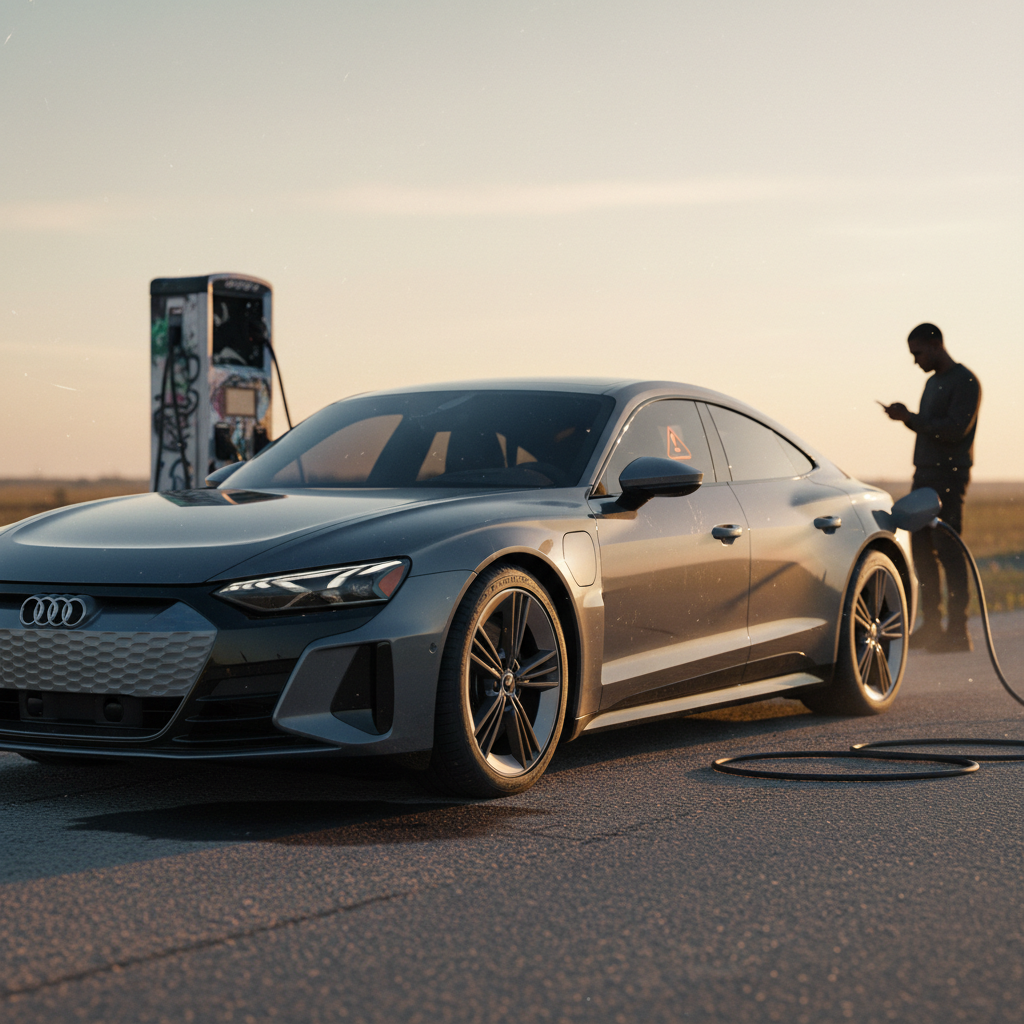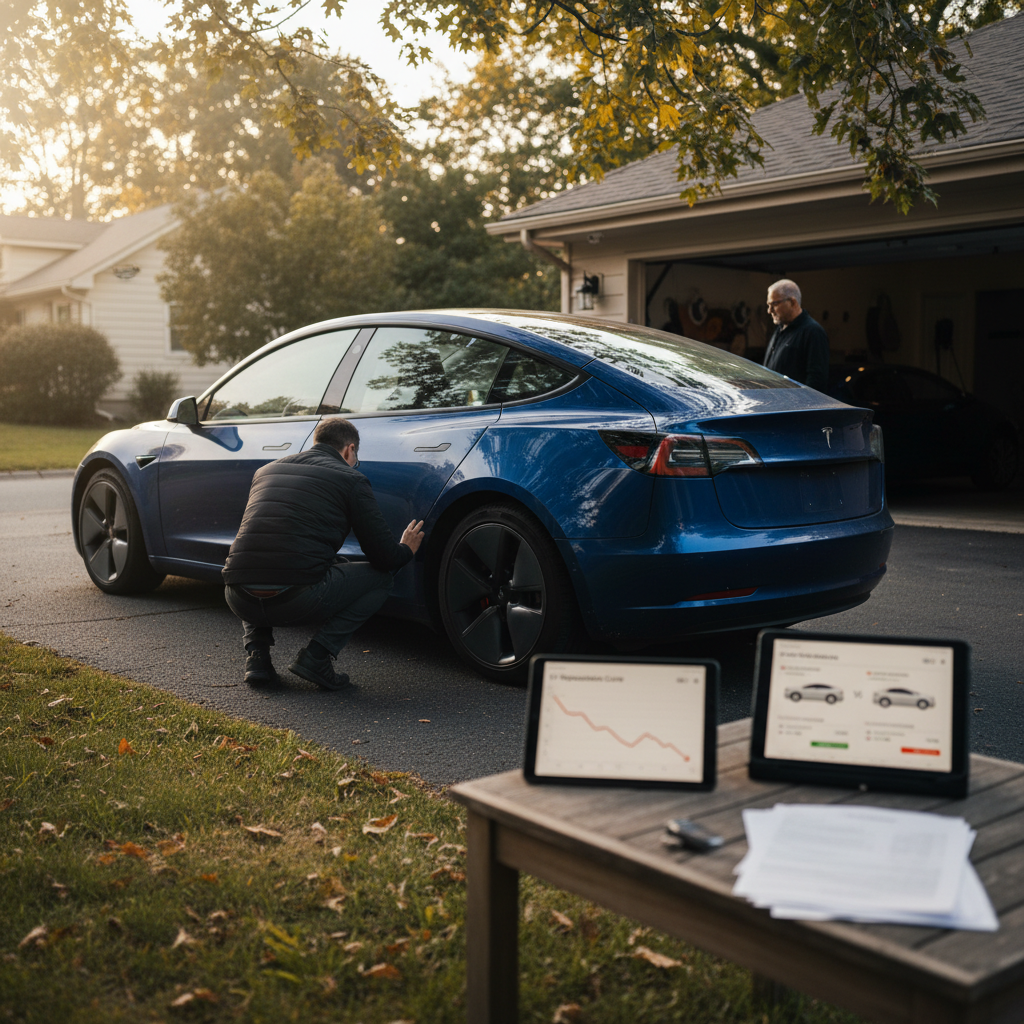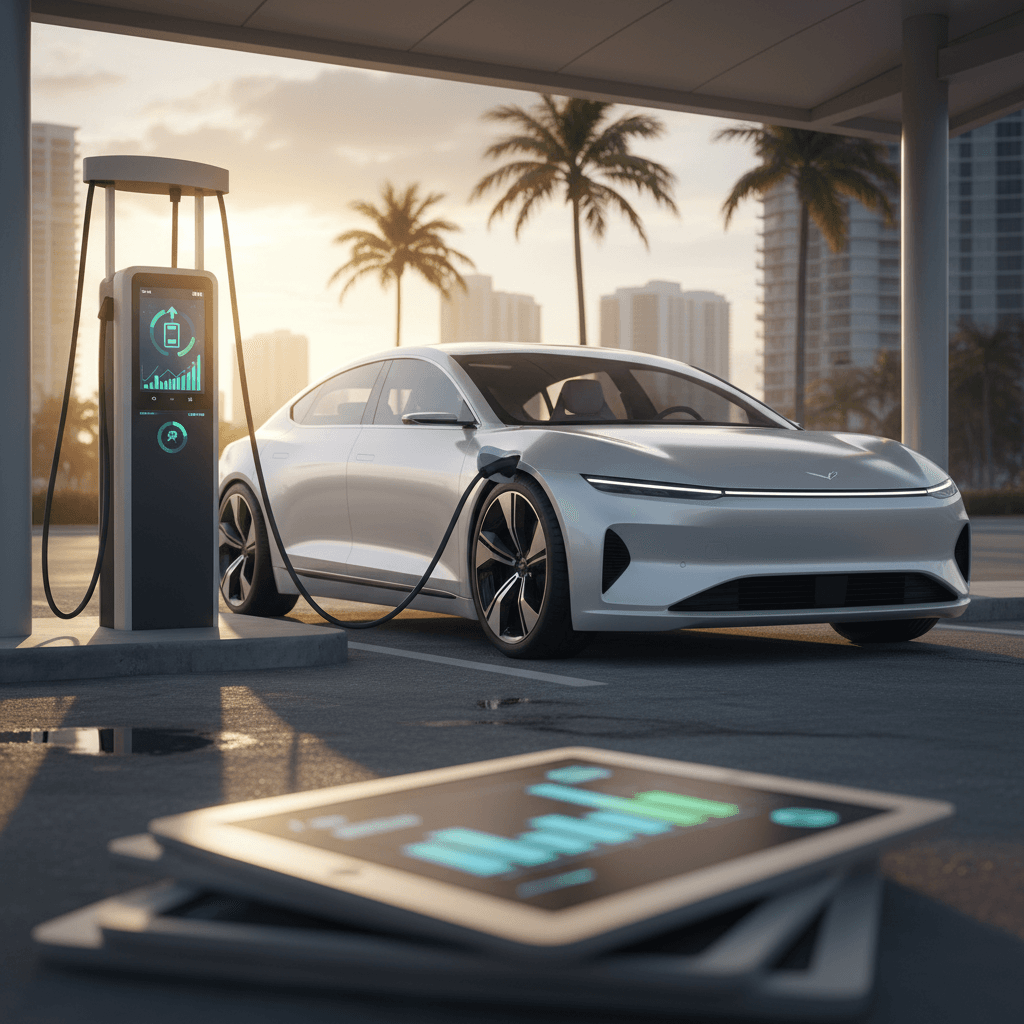
You don’t have a driveway, your landlord isn’t interested in EV chargers, and curbside outlets are a fantasy. Yet you’re still seriously considering **buying a used EV with no charging at home**. Is that realistic, or a recipe for constant stress? The answer depends less on where you live and more on how you plan.
Why this question matters now
Can You Buy a Used EV Without Home Charging?
Yes, you *can* successfully own a used EV without a home charger, but only if you’re honest about your driving patterns, local charging options, and tolerance for a little extra planning. Think of it this way: instead of plugging in while you sleep, you’ll be refueling the way you already do with gas, just less often, and often while you’re doing something else.
Why Home Charging Access Shapes EV Ownership
Start with a map, not a spec sheet
Who Should, and Shouldn’t, Buy a Used EV With No Home Charger
Good candidates for a no‑home‑charging EV
- Predictable daily driving – Your commute and errands are usually under 50–70 miles per day.
- Reliable public chargers nearby – You regularly pass Level 2 or DC fast chargers at work, a favorite grocery store, gym, or parking garage.
- Flexible schedule – You can leave the car charging for a couple of hours once or twice a week.
- Multi‑car households – You have another gas or hybrid vehicle as a backup for road trips or busy days.
People who should think twice
- Unpredictable, high‑mileage days – Rideshare drivers or sales reps logging 150–250 miles daily with no guaranteed charger near home.
- Charge desert neighborhoods – Very few stations within a reasonable radius, or chronic reports of broken/occupied chargers.
- No backup vehicle, frequent road trips – You often drive 250–400 miles on short notice and can’t easily plan charging stops.
- Rigid schedules – Shift work or childcare that leaves little slack to sit while the car charges.
Don’t rely on a single charger
How to Choose the Right Used EV for a Public-Charging Life
When you can’t plug in at home, the *right* used EV can make your life easy, while the wrong one will magnify every weakness in the charging network. Here’s what deserves extra attention when your charging happens away from your driveway.
Key Used EV Features When You Can’t Charge at Home
Prioritize charging speed, range, and thermal management over 0–60 times.
Fast DC charging capability
Look for an EV that can sustain at least 100–150 kW on DC fast chargers (or the best available for its class/year). That means:
- Shorter top‑ups during grocery runs.
- More realistic 10–80% charge times on road trips.
- Less time babysitting the car at public stations.
Usable range, not brochure range
A healthy buffer matters when stations are across town. After battery aging, aim for:
- Realistic 150–220 miles for city and apartment use.
- More if you do frequent highway trips in cold weather.
That’s where verified battery health on a used EV becomes crucial.
Good thermal management
EVs with active liquid cooling handle fast charging and extreme temperatures better.
- Less rapid‑charging slowdown in summer.
- More consistent winter range.
- Lower long‑term battery stress when you DC fast charge more often.
Used EV Types: Which Work Best Without Home Charging?
How different EV types fit a lifestyle built around public charging.
| Type | Best For | Pros With No Home Charging | Watch Out For |
|---|---|---|---|
| Long-range BEV (250+ mi rated) | Frequent highway trips, single-car households | Fewer charging stops, more flexibility if a charger is busy or down | Higher purchase price, may still see big range drops in winter |
| Mid-range BEV (200–250 mi rated) | Typical commuters, city driving, 2-car households | Strong value on used market, enough buffer for weekly public top‑ups | Needs more careful planning for long trips, especially in cold climates |
| Short-range BEV (<200 mi rated) | Urban driving, 2nd car, short commutes | Often very affordable, easy parking, great for city errands | Can feel tight if your local public chargers are sparse or unreliable |
| Plug-in hybrid (PHEV) | Renters who can’t count on public chargers | Gas backup for long days, many trips stay electric if you can occasionally plug in | Smaller battery and EV range, more moving parts and maintenance than a BEV |
This table is a general guide, individual models vary. Always check real‑world owner reports and battery health on the exact vehicle you’re considering.
Think like a commuter, not a road tester
Building a Realistic Charging Routine Without a Driveway
A used EV without home charging lives or dies on routine, not luck. The goal is to fold charging into errands you’re already running, so sessions feel like background tasks rather than special trips.
Sample Weekly Charging Routine for Apartment EV Owners
1. Pick your “home base” charger
Choose one primary Level 2 or DC fast charger near home or work that you can use at least once or twice a week, ideally at a supermarket, office garage, or mall where you already spend time.
2. Add at least two backup stations
Identify a second and third charger on different networks or locations (for example, near your gym and near a friend’s place) so you’re not stranded if your favorite spot is broken or busy.
3. Top up, don’t always fill up
Rather than waiting until you’re nearly empty, plug in when you’re around 30–50% and add 20–60% at a time. Shorter top‑ups are faster and more efficient than always charging 5–100%.
4. Align charging with your schedule
Plan to charge while you’re doing something else, working a few hours, grocery shopping, going to the movies, or having dinner. Treat it like paid parking that also fills your “tank.”
5. Watch peak hours and pricing
Some urban chargers are slammed right after work. If possible, shift to off‑peak times, early mornings, late evenings, or mid‑day, to reduce waits and take advantage of lower rates where available.
6. Practice your plan before you buy
For a week or two, pretend you already have an EV: note which days you *could* have charged at a public station and for how long. If it looks painful on paper, it will be worse in real life.
If your plan works on a bad week, you’re ready
Costs and Time: How Public Charging Changes the Math
One of the biggest perks of EVs is low “fuel” cost when you charge at home on cheap electricity. When you rely more on public charging, especially DC fast charging, the picture changes. You may still save versus gas, but margins are tighter and vary more by location and provider.
How Public Charging Affects Your Wallet and Your Time
Used EV economics can still make sense without home charging, but expectations need a tune‑up.
Fuel cost vs. gas
- Level 2 public charging is often priced per kWh or per hour; in many markets it’s still cheaper than gasoline on a per‑mile basis, especially for efficient EVs.
- DC fast charging is usually the most expensive way to refuel an EV, sometimes approaching or exceeding local gas‑car cost per mile if you use it exclusively.
- You’ll likely blend the two: Level 2 for weekly top‑ups, DC fast for trips and emergencies.
Time investment
- Expect to spend 1–3 hours a week connected to a charger for typical commuting, ideally overlapped with other activities.
- DC fast charging adds 80–150 miles in 20–40 minutes for many modern EVs.
- The key is **not** driving somewhere *just* to charge; combine sessions with errands whenever possible.
Watch idle fees and parking rules
Why Battery Health Matters Even More Without Home Charging
Every used EV buyer should care about battery health, but if you can’t charge at home, it becomes absolutely central. You’ll lean more on DC fast charging, and you’ll appreciate every extra mile of usable range when your favorite station is occupied or offline.
- A degraded battery shrinks your real‑world range, which means more frequent trips to public chargers and fewer backup options if one is down.
- Batteries that have been abused with too many high‑power fast charges, or always stored at 100%, may charge more slowly or lose range more quickly over the next few years.
- Healthy batteries make it much easier to run a “top‑up often” strategy, adding 20–60% at a time instead of limping from 5% to 95% every session.
How Recharged’s battery data helps here
Checklist: Buying a Used EV When You Can’t Charge at Home
Essential Checks Before You Commit
1. Map your real charging options
Confirm there are multiple Level 2 and at least one DC fast charger in your normal orbit, home, work, gym, grocery store. Read recent user reviews to spot reliability issues.
2. Audit your actual mileage
Track a few typical weeks of driving. How many miles per day and per week? Add a buffer for winter and unexpected trips; then choose a used EV with comfortable range *after* battery degradation.
3. Prioritize strong charging performance
On the specific model and year you’re considering, look up its DC fast‑charging curve and on‑board Level 2 charger (kW). Faster charging means shorter, less stressful sessions when you can’t plug in overnight.
4. Demand real battery health data
Ask for third‑party or in‑house battery diagnostics, not just a guess from the dashboard. With Recharged, the Recharged Score gives you verifiable battery condition and pricing that reflects it.
5. Test‑drive your charging routine
During your test drive window, actually charge the car at your primary station. Check access, payment, speed, and how easy it is to wait there for 30–60 minutes.
6. Decide on a backup plan
If a storm, outage, or long line knocks your main charger offline, what will you do, use a different station, borrow a family car, rent for the weekend? Have that plan in mind before you buy.
Common Pitfalls to Avoid
Mistakes First-Time EV Buyers Make Without Home Charging
Avoid these and life gets much easier.
Overtrusting a single nearby charger
That DC fast charger two blocks away looks like a dream, until it’s blocked or broken on a night you really need it. Always build redundancy into your plan.
Ignoring winter range loss
Cold climates can temporarily shave 20–40% off your effective range. If you’re already cutting it close to reach your charger, winter will turn “close” into “not enough.”
Underestimating public charging costs
Assuming all electricity is cheap leads to disappointment. Check actual prices at your local networks and factor them into your monthly budget before deciding what you can afford.
The riskiest scenario
How Recharged Helps Buyers Without Home Charging
If you’re trying to make a used EV work from an apartment or street parking space, you don’t just need a good car, you need good information. That’s where Recharged is built to help.
Why Shop for a Used EV Through Recharged When You Lack Home Charging?
Tools and support designed to de‑risk the decision.
Verified battery health
Every car comes with a Recharged Score that includes battery diagnostics and real‑world range estimates. If you’ll be leaning on public chargers, you’ll know exactly what kind of buffer you’re working with.
Guidance on fit for your charging reality
Recharged’s EV specialists can help you think through your local charging landscape, what networks are common in your area, how your commute fits, and whether a particular model is a match for your routine.
Flexible buying and ownership options
From financing and trade‑ins to nationwide delivery and an in‑person Experience Center in Richmond, VA, Recharged can help you upgrade into an EV designed for your lifestyle, even if your parking situation is less than ideal.
Make your used EV work for your life, not the other way around
FAQs: Used EVs When You Don’t Have Home Charging
Frequently Asked Questions
Owning a used EV without home charging isn’t about being an early‑adopter hero, it’s about matching the right car to the life you actually live. If your local charging network is decent, your mileage is predictable, and you take battery health seriously, a used EV can still be a smart, lower‑maintenance, lower‑emissions choice. Take the time to map your chargers, test your routine, and choose a vehicle whose range and battery health give you a comfortable buffer. With those boxes checked, and with transparent tools like the Recharged Score behind you, you can enjoy EV ownership even if your “garage” is a city street.