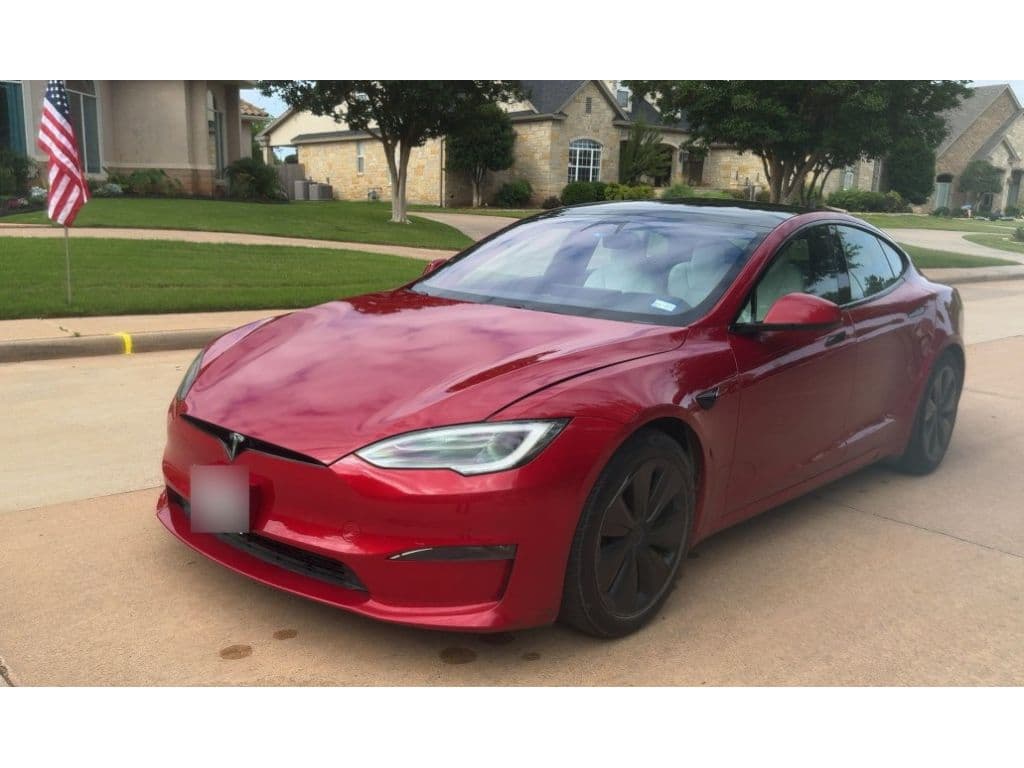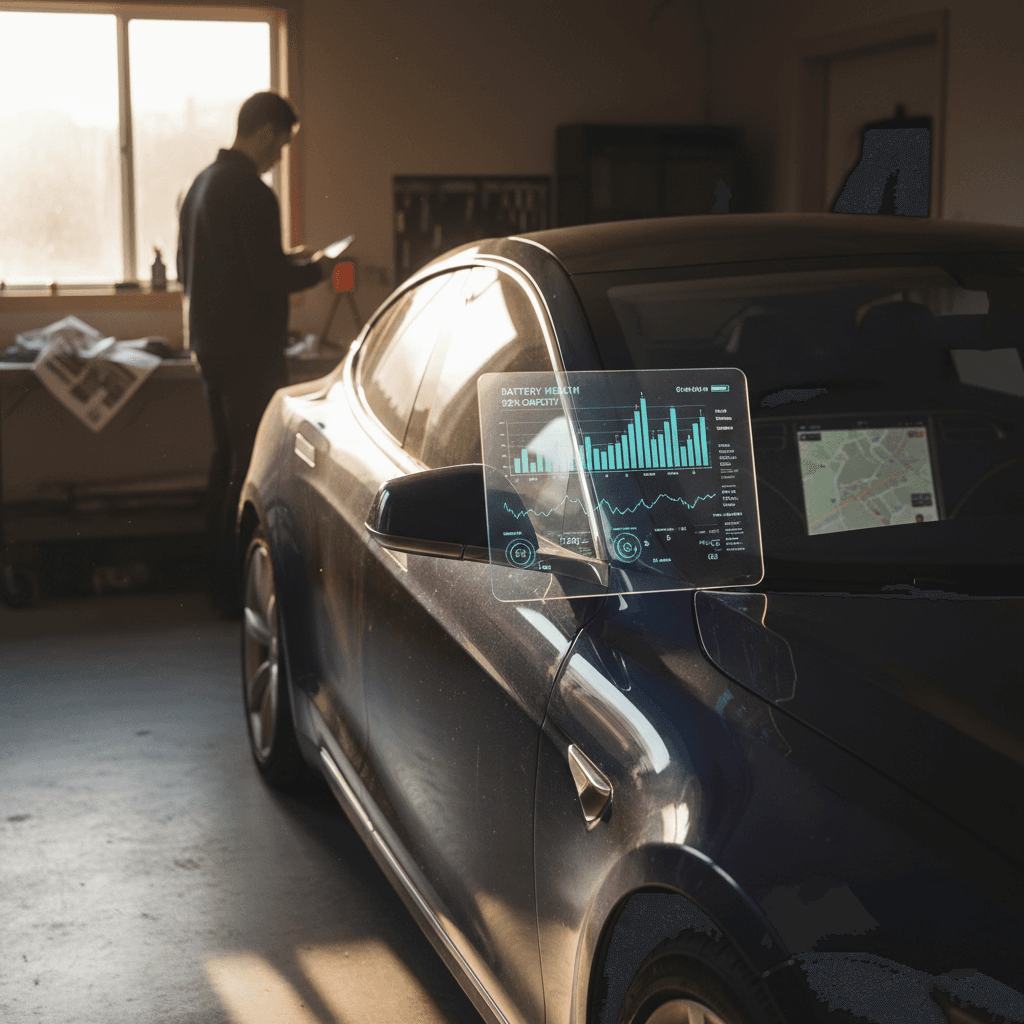
If you’ve been dreaming of owning a Tesla flagship but don’t love the six‑figure price tag of a new one, buying a used Tesla Model S in 2025 is more appealing than ever. Used Tesla prices have fallen faster than the rest of the market, turning what used to be a splurge into a very reachable luxury EV, if you know what you’re looking at.
The short version
Why buying a used Tesla Model S is attractive right now
Why the used Model S market favors buyers in 2025
Two big trends make a used Model S compelling right now. First, used Tesla prices have softened as more cars hit the market and competition from other EV brands has intensified. Second, real‑world data continues to show that Model S batteries age better than many shoppers fear, provided they’ve been treated reasonably well.
Why values softened (and why that’s good for you)
Model S generations, trims, and best years to buy
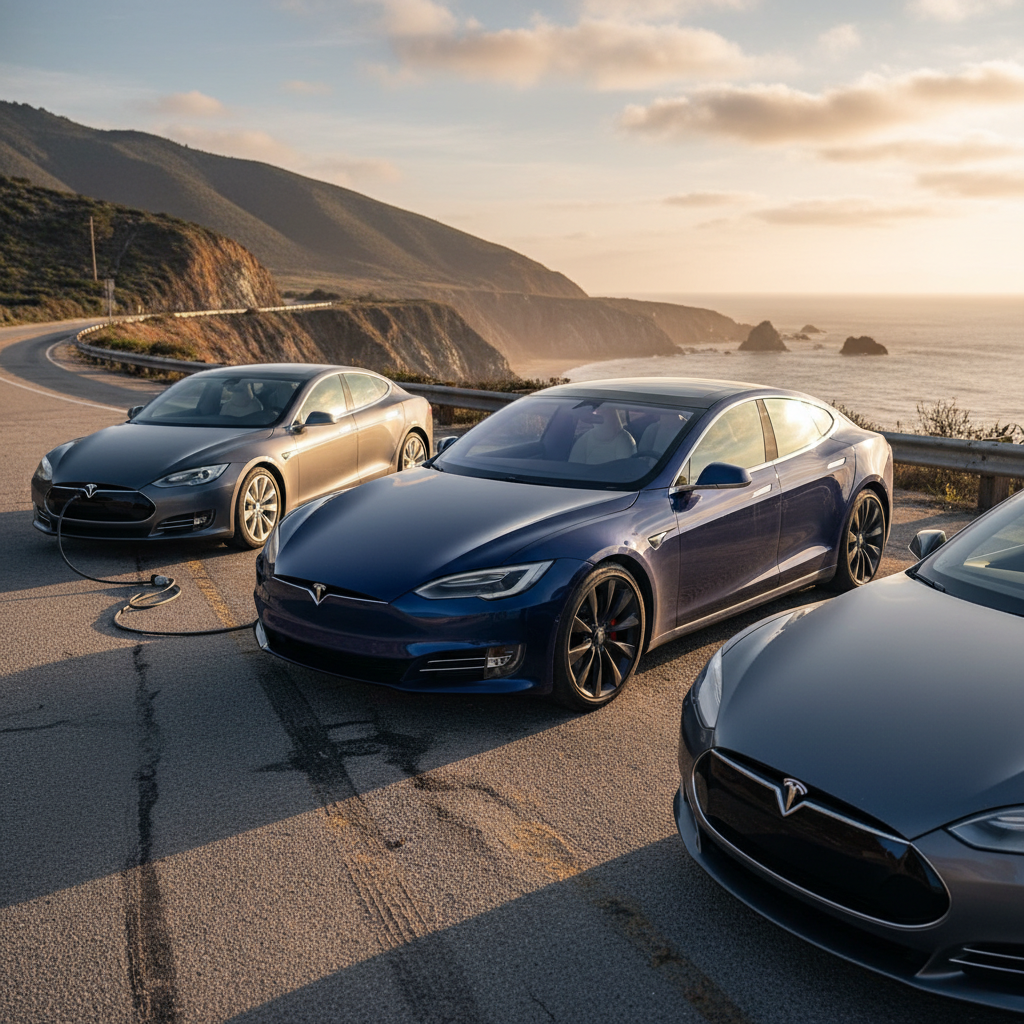
Before you shop, it’s worth understanding how the Model S has evolved. The car has been around since 2012, but not all years are equal in terms of hardware, tech, and reliability. Here’s a quick roadmap so you know what you’re looking at when you scroll listings.
Key Model S eras at a glance
Use this to match your budget and expectations
2012–2016: Early cars
Pros: Lowest prices, classic design, still quick and comfortable.
- Rear‑wheel drive and early dual‑motor options
- Some cars have free unlimited Supercharging
- Best if budget is tight and you don’t need the latest tech
2016–2020: Sweet‑spot years
Pros: Updated nose, better build quality, Autopilot hardware, bigger batteries.
- Popular 75D, 90D, 100D, and P100D trims
- More range and performance for the money
- Great balance of price, tech, and battery life
2021–present: Refresh & Plaid
Pros: New interior, yoke or round wheel, Plaid performance.
- Long Range and Plaid with huge power
- EPA ranges over 400 miles when new
- Still pricey but falling compared with new
Model S years: What most buyers should target
All years can be good with the right inspection, but some are easier to recommend than others.
| Model years | Typical price band* | Why consider it | Watch for |
|---|---|---|---|
| 2012–2014 | Lowest | Cheapest entry into a Model S; good if you drive modest miles and accept older tech. | Shorter range, out‑of‑date infotainment, more wear, many out of basic warranty. |
| 2015–2016 | Budget sweet spot | Better reliability than very early cars; many with Autopilot hardware. | Check MCU (screen) history, suspension wear, and battery warranty end date. |
| 2017–2019 | Best value | Strong range, mature hardware, more modern interior and driver‑assist tech. | Verify software options (Autopilot/FSD) and look for panel/suspension noises. |
| 2020–2022 | Newer tech | Longer range and more refinements, some early refresh examples. | Higher asking prices; make sure they’re discounted enough vs. new pricing. |
| 2023+ | Nearly new | Closest to new‑car experience, often with remaining comprehensive warranty. | Price premium, compare closely against a new build with current incentives. |
Use this as a starting point, then judge each car on its own condition and history.
Performance vs. practicality
Battery health and range on a used Model S
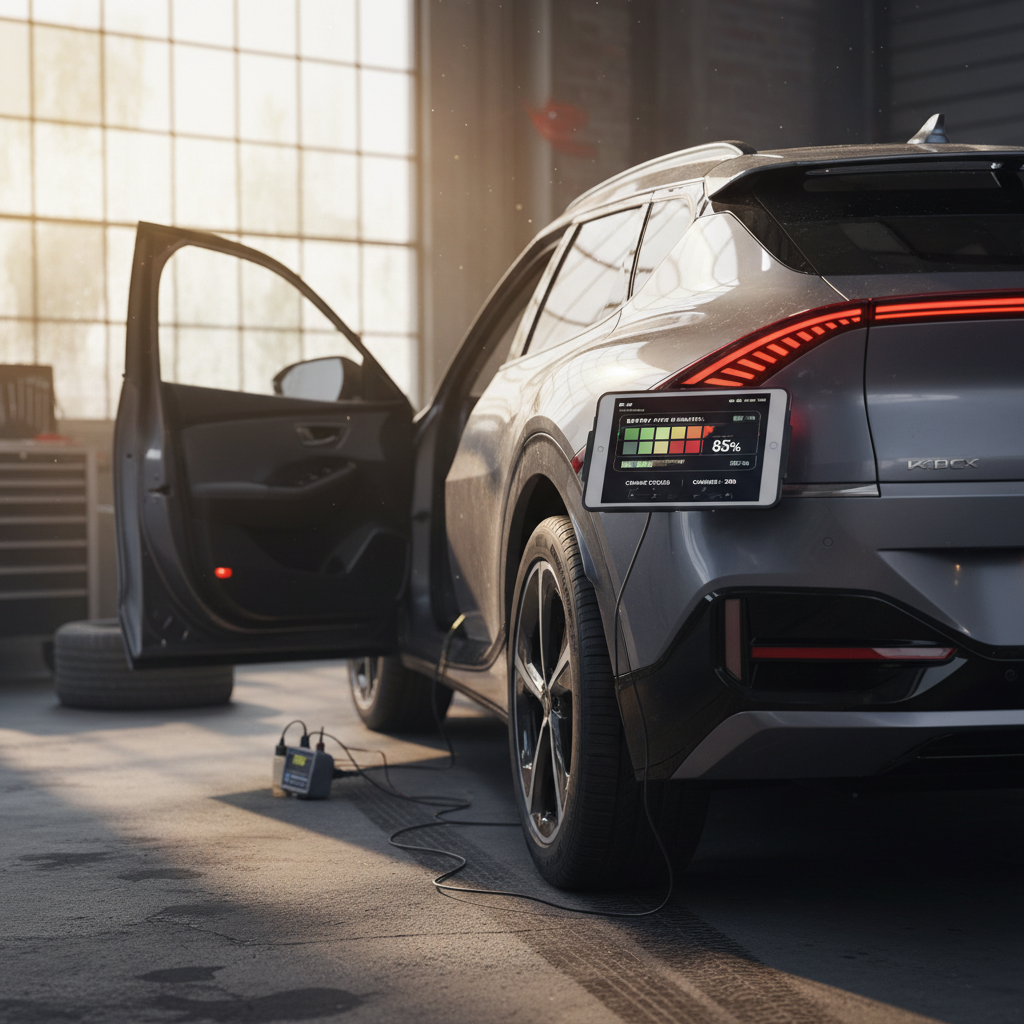
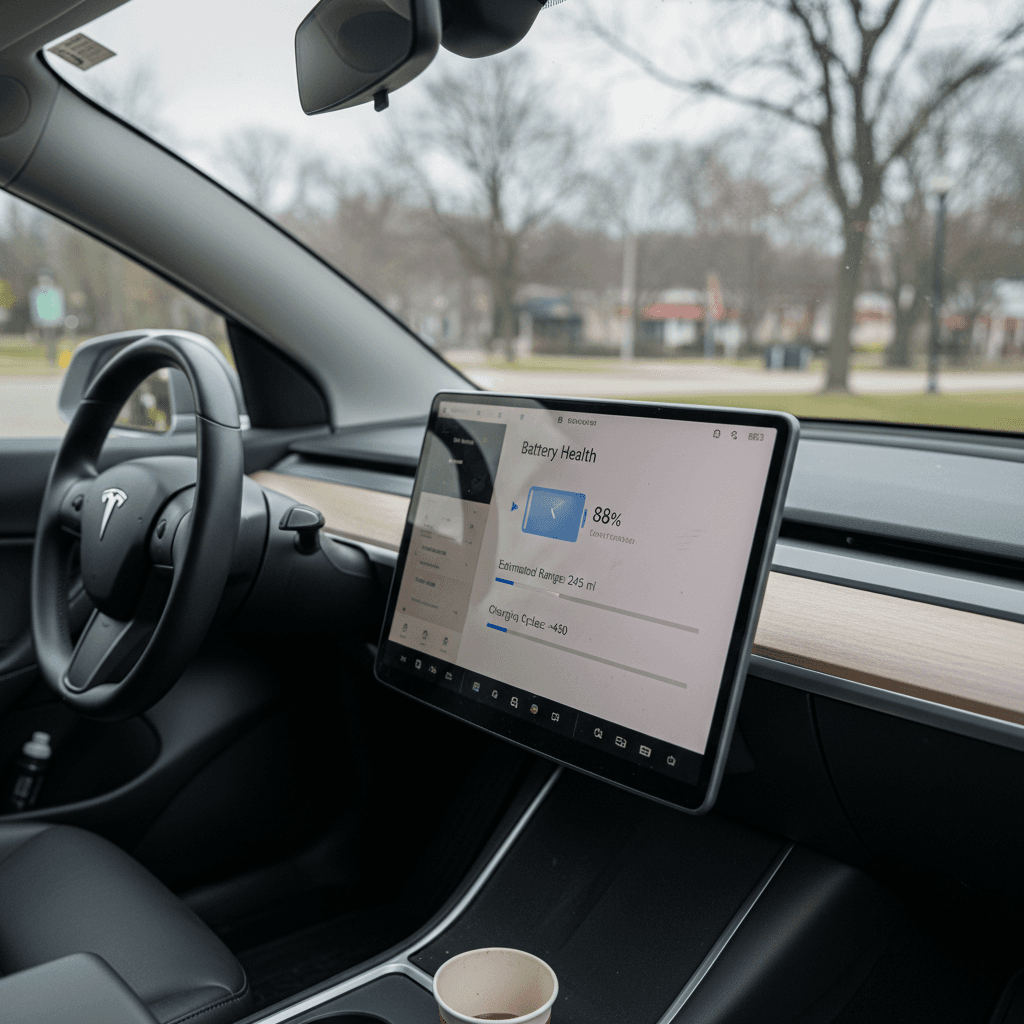
The single biggest question with any used EV is the battery. The good news: long‑term data from high‑mileage Model S owners shows modest degradation when the cars are charged sensibly. Many 8–10‑year‑old cars still retain well over 80% of their original capacity, especially those mostly charged at home instead of relying on fast charging.
What healthy battery behavior looks like
- Modest degradation: A 2016–2018 car that started around 250–270 miles of rated range may now show 220–240 miles at 100% charge.
- Predictable charging: The car reaches expected charge levels without major swings in estimated range.
- Normal charging speeds: DC fast‑charge speeds taper over time, but shouldn’t be dramatically slower than similar cars.
Battery red flags to investigate
- Big capacity drop: A car showing 30%+ loss vs. original rated range, without obvious explanation.
- Pack warnings: Any battery or high‑voltage system warnings in the instrument cluster.
- Unusual history: Heavy DC fast‑charging use or frequent 100% charges for daily driving without road‑trip justification.
How to quickly assess battery health on a test drive
1. Ask for recent full‑charge photos
Have the seller show a recent photo of the car at 100% charge with the rated range displayed. Compare that number with the model’s original EPA range to estimate degradation.
2. Check the energy screen
Use the car’s energy or trip screen to see consumption over your test drive. Extremely high Wh/mi at modest speeds can point to alignment, tire, or battery issues.
3. Look for warnings in the cluster
Before you drive, turn the car fully on and watch for any battery, charging, or drivetrain warnings. Walk away from cars with unresolved high‑voltage alerts unless priced for a major repair.
4. Ask about charging habits
Ideally, the previous owner charged mostly at home, kept daily charge levels around 70–90%, and only charged to 100% for trips. That pattern is kinder to the battery than constant fast charging.
What about the famous Tesla battery warranty?
Warranty coverage and service history
A used Model S can still have meaningful warranty coverage, especially on the battery and drive unit, even after the basic 4‑year/50,000‑mile coverage has expired. Knowing exactly what’s left (and what’s not) helps you value the car correctly.
Model S warranty pieces you should know
Don’t just ask "Is it still under warranty?", ask which warranties.
Basic vehicle warranty
Originally 4 years/50,000 miles from first in‑service date.
- Covers most non‑wear components
- Many used cars are now beyond this
- Still a plus if any time/mileage remains
Battery & drive unit
Covers the high‑voltage battery and motor(s), typically for 8 years/150,000 miles on Model S.
- Includes 70% minimum capacity guarantee on newer coverage
- Huge factor in peace of mind
Service & repair history
Equally important, even if out of warranty.
- Shows prior repairs and recurring issues
- Look for regular service and firmware updates
- Confirm any major repairs (battery, MCU, suspension)
Mind the aftermarket warranties
What a used Tesla Model S really costs in 2025
The days of used Teslas selling above original sticker are over. As of late 2025, the average used Tesla now sells for slightly less than the overall U.S. used‑car average. The Model S, as a large luxury sedan, still commands more than a used compact EV, but far less than it did just a couple of years ago.
Typical used Model S price bands in 2025
Approximate retail asking ranges in the U.S. for clean‑title cars bought from reputable dealers or platforms.
| Vehicle type | Model years | Approx. price range* | Who it fits |
|---|---|---|---|
| Early cars | 2012–2014 | $18,000–$28,000 | Buyers who want the Tesla experience at the lowest price and drive moderate miles. |
| Value sweet spot | 2015–2018 | $25,000–$38,000 | Most shoppers: good range, decent tech, and manageable monthly payments. |
| Newer non‑Plaid | 2019–2022 | $35,000–$55,000 | Drivers who want more range and newer interiors, but don’t need brand‑new. |
| Plaid & high‑spec | 2021+ | $60,000–$85,000+ | Enthusiasts who care about maximum performance more than minimizing cost. |
Private‑party deals may run lower, but factor in your risk and the cost of a thorough independent inspection.
Why ranges vary so much
Used Tesla Model S inspection checklist
Even with digital diagnostics, a used car is still a used car. The Model S has a few specific areas you’ll want to look at in addition to the usual used‑vehicle checks. If you’re not comfortable doing this yourself, budget for an inspection by a Tesla‑experienced shop.
Physical and digital checks before you buy
Verify VIN, build date, and options
Match the VIN on the car, title, and listing. Use the infotainment screen and the seller’s documentation to confirm year, battery size, motor configuration, and options like Autopilot and premium audio.
Inspect tires, wheels, and suspension
Look for uneven tire wear (a clue to alignment or suspension issues), curb‑rashed wheels, and clunks or pops over bumps. The Model S is heavy; worn control arms and bushings are common on higher‑mileage cars.
Check the brakes and underbody
Surface rust on rotors from light use can be normal, but deep grooves or pulsing under braking are not. Have a shop look for underbody damage from improper jacking or road debris, especially under the battery pack.
Test every door handle and window
Earlier Model S cars are known for flaky door handles. Run around the car and operate each one several times. Replacements are manageable but not cheap, so factor any issues into your offer.
Drive at highway speeds
On the test drive, get to highway speeds to check for vibrations, wind noise from misaligned doors/glass, and how the car tracks in a straight line. These can hint at prior damage or worn suspension.
Scan for error messages after the drive
When you return, leave the car on and check again for any new warning messages. Sometimes faults appear only after the car has fully warmed up.
Walk away from undisclosed accident or salvage history
Don’t forget software features and subscriptions
Unlike most used cars, a used Tesla Model S can gain or lose value based on software alone. Some cars include paid‑up features like Enhanced Autopilot or Full Self‑Driving Capability, while others have them only as subscriptions, or not at all. Because Tesla can change how these features transfer over time, you want clarity before you buy.
Features you should confirm
- Autopilot level: Basic Autopilot, Enhanced Autopilot, or Full Self‑Driving Capability.
- Connectivity: Premium connectivity (live traffic, streaming) vs. standard.
- Acceleration upgrades: Some dual‑motor cars have paid acceleration boosts that materially change performance.
- Charging perks: Grandfathered free Supercharging on older cars, valuable, but verify if it truly transfers.
How to verify what’s included
- Check the "Software" and "Upgrades" pages on the car’s main screen.
- Have the seller show their Tesla app with the car selected.
- Get in writing which features are expected to remain with the vehicle after transfer.
Think in monthly cost, not just sticker price
Financing and total cost of ownership
One of the big appeals of a used Model S is that your total cost of ownership can rival a much cheaper gasoline car once you factor in fuel and maintenance savings. That said, luxury EVs still come with bigger‑ticket repair items, so plan for both sides of the ledger.
Where a used Model S saves you money, and where it doesn’t
Helpful when comparing against a gas luxury sedan
Areas of savings
- Fuel: Home charging typically beats gasoline per mile by a wide margin, especially with off‑peak rates.
- Routine maintenance: No oil changes, fewer fluids, and less brake wear thanks to regenerative braking.
- Resale value hit taken: You let the first owner absorb the biggest depreciation.
Costs to budget for
- Tires: Powerful, heavy EVs can chew through performance tires quickly.
- Out‑of‑warranty repairs: Suspension, door handles, MCU screens, and HVAC can be pricey at retail rates.
- Charging setup: A 240‑volt home circuit or wallbox may require an electrician.
Using financing strategically
How Recharged makes buying a used Model S simpler
Shopping the used EV market can feel like detective work, especially when you’re trying to gauge battery health and fair pricing from scattered listings. That’s exactly the problem Recharged was built to solve.
What you get when you shop for a used Model S with Recharged
Built specifically around the questions EV buyers actually have
Recharged Score battery report
Every vehicle on Recharged comes with a Recharged Score Report that includes verified battery health, charging history insights, and how the car compares to similar EVs.
Transparent, fair pricing
Recharged analyzes current market data so pricing reflects real‑world conditions, not last year’s Tesla hype. You see how each car stacks up against comparable listings.
EV‑specialist support
From choosing the right Model S year to understanding warranty and home charging options, Recharged’s EV specialists can walk you through details by chat, phone, or at the Richmond, VA Experience Center.
Ready to find your next EV?
Browse VehiclesYou can buy 100% online, arrange nationwide delivery, trade in your current vehicle, or even get an instant offer on the Tesla you’re replacing. If you want to maximize value instead, Recharged can help you sell on consignment while you shop for your next EV.
FAQ: Buying a used Tesla Model S
Frequently asked questions
Bottom line: Is a used Tesla Model S right for you?
If you’re willing to do your homework, or partner with a platform that’s already done it, buying a used Tesla Model S can be one of the smartest ways to get into a long‑range, high‑performance EV without spending new‑car money. Focus on battery health, warranty status, history, and the specifics of each model year instead of just chasing the lowest price, and you’ll dramatically improve your odds of owning a car you love for years.
When you’re ready to move from research to reality, browsing Model S inventory on Recharged gives you transparent battery data, pricing grounded in today’s market, and EV‑savvy experts who can help you compare options, secure financing, and arrange delivery, so your first (or next) Tesla experience starts on the right foot.