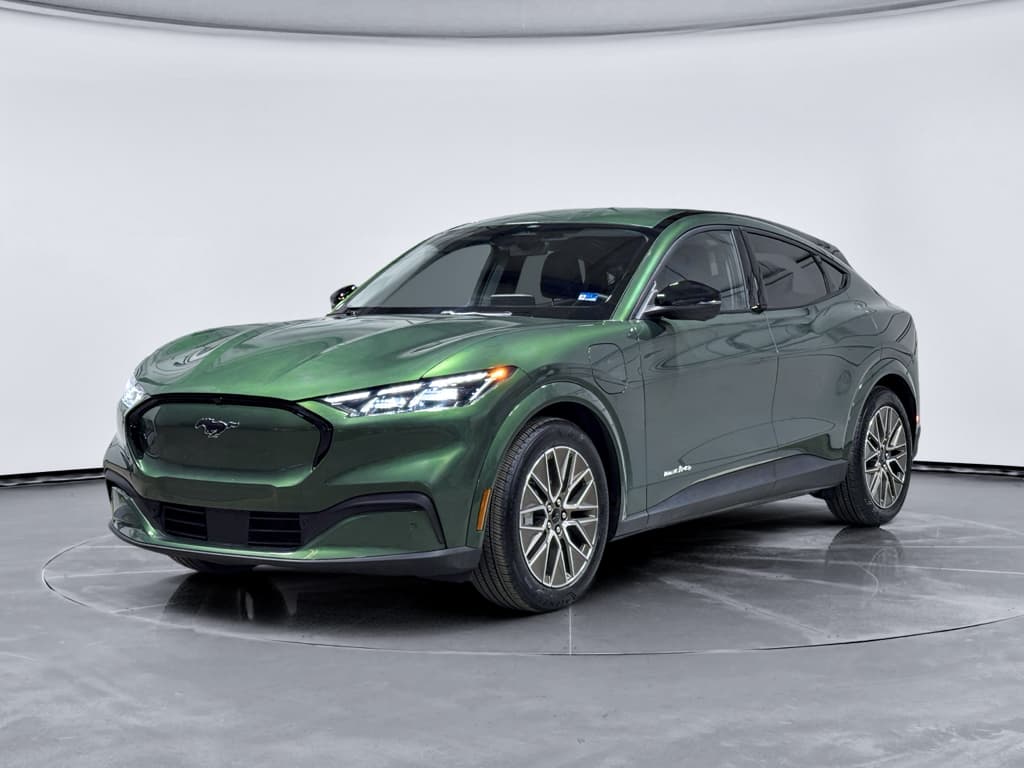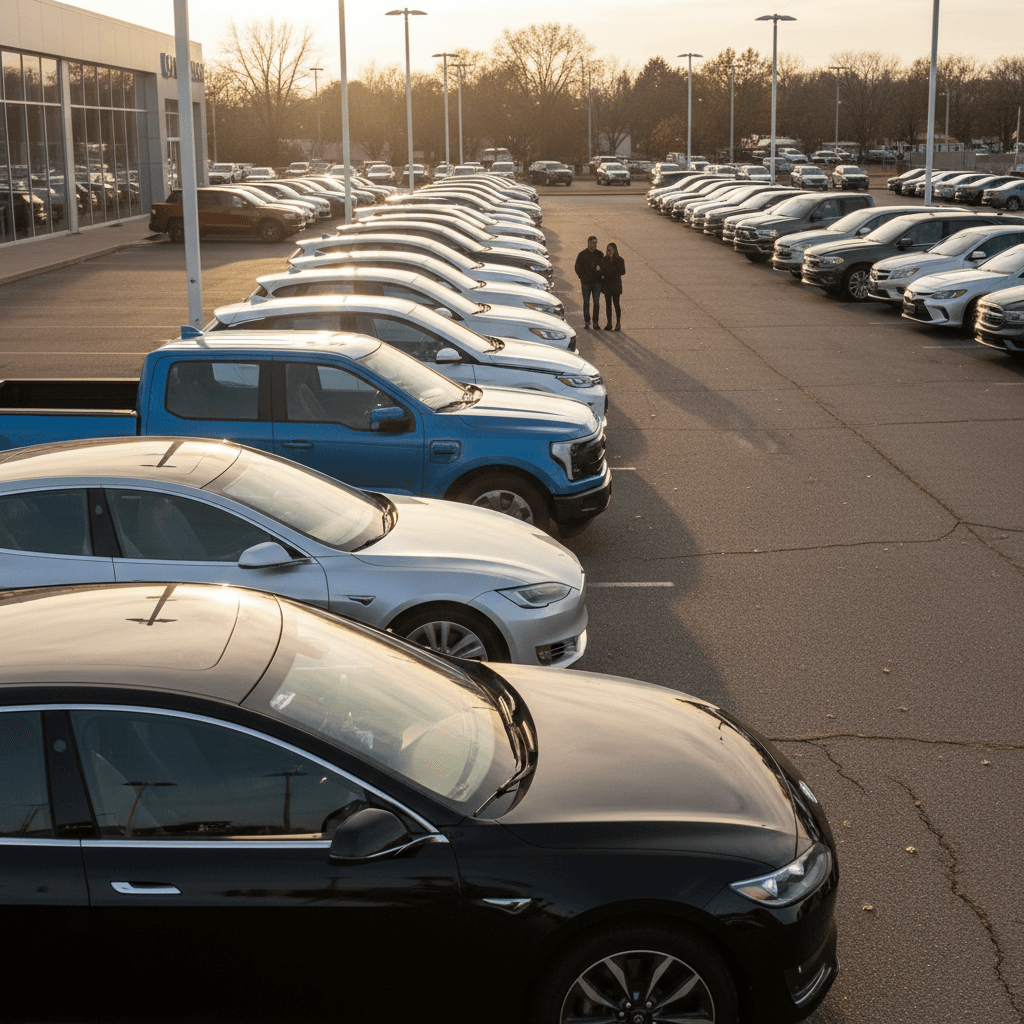
If you’ve ever tried to list all the brands of cars in the USA, you know it adds up fast. Between mainstream badges, luxury marques and fast‑growing EV players, more than 40 passenger‑vehicle brands now compete for American buyers’ attention, and your driveway.
Why brand matters less than it used to
Overview: How many brands of cars are in the USA?
In 2025, U.S. shoppers can choose from 40+ light‑vehicle brands when you include mainstream, luxury and dedicated EV marques. Some, like Ford and Toyota, sell in the millions of units per year. Others, like Lucid or Rivian, deliver far fewer vehicles but punch above their weight in technology or brand buzz.
- Roughly 20 mainstream brands (Ford, Toyota, Chevrolet, Honda, Hyundai, Kia, Nissan, Subaru, Jeep, etc.)
- Around 15 established luxury or premium brands (BMW, Mercedes‑Benz, Lexus, Audi, Cadillac, Acura and more)
- A growing handful of EV‑only players (Tesla, Rivian, Lucid, Polestar, VinFast and others entering or expanding
Shopping used? Focus on the <em>model</em>, not just the badge
Top selling car brands in the USA (2025 snapshot)
Let’s start with scale. Looking at 2024 full‑year results and 2025 year‑to‑date sales, the U.S. market is still dominated by a familiar cast of brands. General Motors (through Chevrolet, GMC, Buick and Cadillac) held the largest overall share in 2024, while Toyota, Ford and Chevrolet remain the most visible badges on American roads.
U.S. light‑vehicle sales by major brand
Top mainstream brands of cars in the USA (2025 YTD)
Major brands ranked by sales in the first three quarters of 2025. Numbers rounded for readability.
| Rank | Brand | 2025 YTD U.S. sales* | Trend vs. 2024 | Notable strengths |
|---|---|---|---|---|
| 1 | Toyota | ≈1.6M | + | Hybrids, reliability, resale value |
| 2 | Ford | ≈1.6M | + | Trucks, commercial vehicles, expanding EV lineup |
| 3 | Chevrolet | ≈1.4M | + | Trucks/SUVs, value, wide dealer network |
| 4 | Honda | ≈1.0M | + | Efficiency, reliability, strong compact cars |
| 5 | Hyundai | ≈0.7M | + | Tech features, long warranty, EVs like IONIQ 5 |
| 6 | Nissan | ≈0.7M | + | Crossovers, price promotions |
| 7 | Kia | ≈0.6M | + | Design, value, new EVs like EV6/EV9 |
| 8 | Subaru | ≈0.5M | ≈ | All‑wheel drive, safety, outdoors brand image |
| 9 | GMC | ≈0.5M | + | Trucks, SUVs, upscale feel vs. Chevrolet |
| 10 | Jeep | ≈0.45M | ≈ | Off‑road image, Wrangler and Grand Cherokee |
| 11 | Mazda | ≈0.32M | + | Driving dynamics, upscale interiors |
| 12 | Ram | ≈0.31M | – | Pickup‑truck focused, highly loyal owners |
| 13 | Lexus | ≈0.27M | + | Luxury reliability, hybrids |
| 14 | BMW | ≈0.25M | + | Sporty luxury cars and SUVs, growing EV range |
| 15 | Volkswagen | ≈0.25M | – | Compact cars and crossovers, ID EV line |
These brands represent the bulk of new‑vehicle sales in the U.S. as of 2025.
Sales leaders aren’t always best for <em>you</em>
American vs. foreign brands: What actually matters
The old question “Should I buy American or foreign?” is harder to answer cleanly today. Many so‑called "foreign" brands build large portions of their U.S. volume in American plants, while “domestic” brands assemble vehicles in Canada, Mexico and beyond.
Examples of “American” brands
- Ford, Lincoln – Headquartered in Michigan, strong in trucks and commercial vehicles.
- Chevrolet, GMC, Buick, Cadillac – Under General Motors, with a broad lineup from affordable crossovers to luxury SUVs.
- Chrysler, Dodge, Ram, Jeep – Part of Stellantis; known for minivans, muscle cars and trucks/SUVs.
- Tesla – U.S.-based EV manufacturer with its own fast‑charging network.
Examples of “foreign” brands with deep U.S. roots
- Toyota & Lexus – Japanese parent, but many vehicles built in U.S. plants and engineered for American tastes.
- Honda & Acura – Japanese brands with long U.S. manufacturing and a strong reliability record.
- Hyundai & Kia – Korean brands with growing U.S. production and aggressive EV investments.
- BMW, Mercedes‑Benz, Volkswagen, Audi – European brands with U.S. factories and long dealer footprints.
Think “where it’s built” and “how it’s supported”
Major car brand groups in the U.S. market
Behind the badges, most brands of cars in the USA belong to larger automotive groups. That’s useful to know because vehicles from sibling brands often share platforms, engines and tech, especially true for EVs and hybrids.
Biggest automotive groups and their U.S. brands
Knowing who owns whom helps you understand shared tech and parts commonality.
General Motors (GM)
- Chevrolet
- GMC
- Buick
- Cadillac
Large truck and SUV portfolio, expanding EVs like Equinox EV and Cadillac Lyriq.
Ford Motor Company
- Ford
- Lincoln
Dominant in pickups and commercial vehicles; growing EV presence (F‑150 Lightning, Mustang Mach‑E).
Toyota Motor Corp.
- Toyota
- Lexus
Hybrid leaders, now adding more EVs while maintaining strong reliability scores.
Stellantis
- Chrysler
- Dodge
- Jeep
- Ram
Heavy on trucks and SUVs, with plug‑in hybrids and EVs rolling out across Jeep and Ram.
Hyundai Motor Group
- Hyundai
- Kia
- Genesis (luxury)
Fast‑growing EV portfolios, long warranties and strong value positioning.
Others
- Honda Motor Co. – Honda, Acura
- Volkswagen Group – VW, Audi, Porsche, Lamborghini, Bentley
- BMW Group – BMW, Mini, Rolls‑Royce
- Mercedes‑Benz Group – Mercedes‑Benz, Smart (limited)
EV car brands in the USA you should know
Electric vehicles are the fastest‑changing part of the market. In 2024, Americans bought nearly 1.3 million new EVs, and more than 70 distinct EV models are now on sale in the U.S. That has reshaped which car brands get the most attention, especially in the used market, where EV bargains and depreciation gaps are widening.
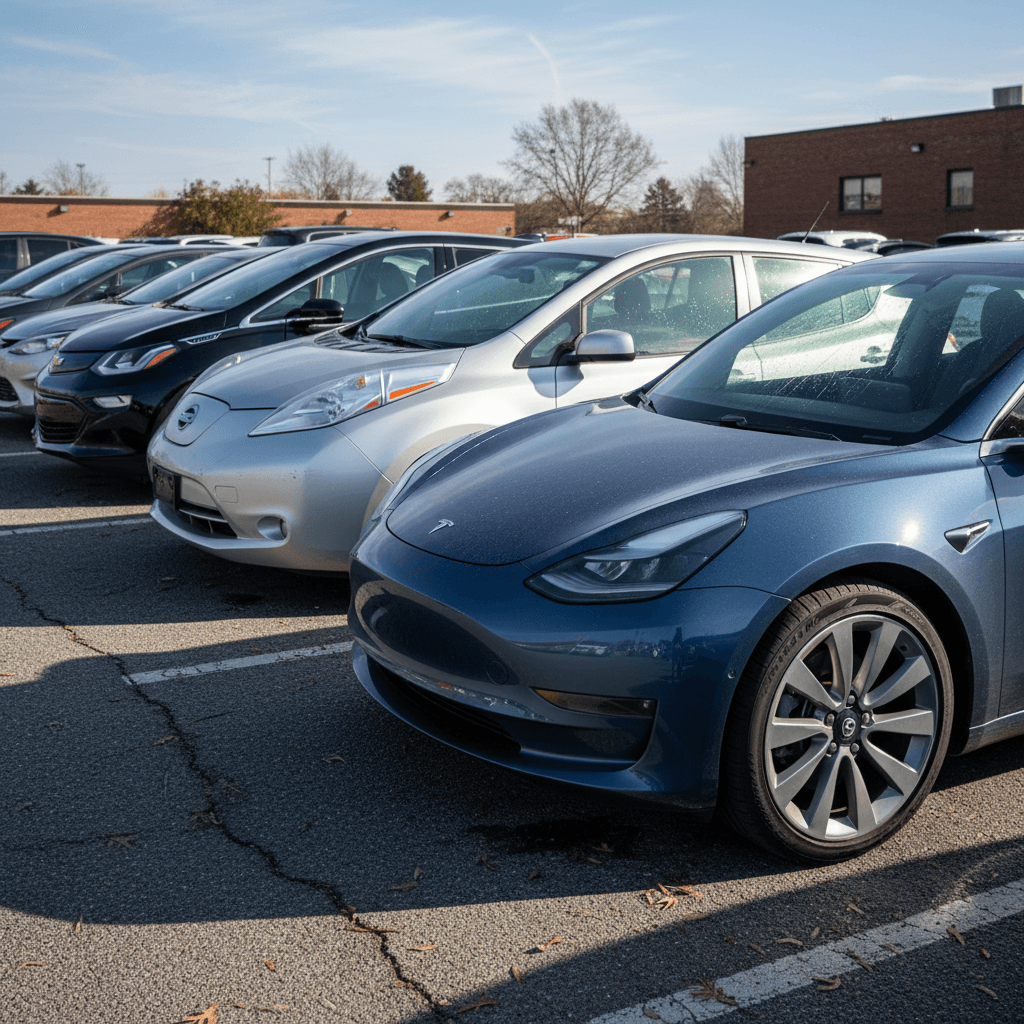
- Tesla – Still the most recognizable EV brand, with the Model Y and Model 3 dominating EV registrations. Strengths: Supercharger network (opening to more brands), software, efficiency. Watch for: fast‑moving pricing and feature changes.
- Hyundai & Kia – IONIQ 5/6 and EV6/EV9 have helped reposition these brands as EV leaders, thanks to 800‑volt architectures and strong fast‑charging performance.
- Ford – Mustang Mach‑E and F‑150 Lightning put Ford firmly in the EV conversation, particularly for pickup shoppers.
- GM (Chevrolet, Cadillac, GMC) – Rolling out Ultium‑based EVs such as the Chevrolet Blazer EV, Equinox EV and Cadillac Lyriq, with more volume expected through 2025–2026.
- Volkswagen Group (VW, Audi, Porsche) – Offers EVs from mainstream (ID.4) to luxury (Audi Q4 e‑tron) and performance (Porsche Taycan).
- Rivian – Adventure‑oriented EV trucks and SUVs (R1T, R1S) along with a growing delivery‑van business.
- Lucid – Luxury EV sedans with a focus on range and efficiency, though volumes remain low.
- Polestar – Volvo‑related EV brand with stylish compact and midsize EVs.
- Others entering or testing the waters – VinFast, Fisker (status evolving) and other startups are attempting to establish a foothold but can carry higher long‑term risk in the used market.
Used EV buyers: brand stability matters
Luxury and premium car brands in the USA
Luxury badges remain powerful status symbols, but in 2025 many mainstream brands offer near‑luxury trims and tech that blur the lines. Still, certain brands are firmly recognized as premium or luxury in the U.S. market.
- BMW – Sport‑oriented luxury cars and SUVs, with a growing i‑branded EV range.
- Mercedes‑Benz – Broad premium lineup from compact sedans to high‑end SUVs, plus EQ electric models.
- Audi – Design‑forward interiors, Quattro all‑wheel drive, expanding e‑tron EV family.
- Lexus – Toyota’s luxury arm, known for reliability, quiet cabins and hybrid leadership.
- Cadillac – GM’s luxury brand, now repositioning around EVs like the Lyriq and upcoming Optiq/Escalade IQ.
- Acura – Performance‑oriented division of Honda, competing with entry luxury brands.
- Genesis – Hyundai’s luxury marque, quickly gaining ground with design and value.
- Volvo & Polestar – Scandinavian design, safety focus and increasingly electric lineups.
- Porsche, Jaguar, Land Rover, Alfa Romeo – Niche players with passionate followings but relatively small U.S. volumes.
Why used luxury EVs can be smart buys
How to choose the right brand for you (especially used EVs)
With so many brands of cars in the USA, narrowing your search can feel overwhelming. A practical way to decide is to work backward from how you’ll use the car, then filter by brand strengths, charging options and total cost of ownership rather than just reputation or marketing.
Smart steps for choosing a car brand
1. Start with your use case
Daily commute, road trips, towing, urban errands, clarify your primary use. For example, if you drive mostly short urban trips, a compact EV or hybrid from brands like Hyundai, Kia, Tesla or Nissan may fit well.
2. Decide on powertrain first
Gas, hybrid, plug‑in hybrid or full EV? Your home charging options and driving patterns should drive this choice. Once you’ve chosen a powertrain, your brand short list often becomes obvious.
3. Check reliability and support
Look at long‑term reliability data, warranty coverage and how dense the dealer or service network is. Brands like Toyota, Honda, Lexus, Hyundai and Kia often score well here; Tesla leans more on mobile service and over‑the‑air updates than traditional dealerships.
4. Evaluate charging and battery tech (for EVs)
For EV brands, look at battery size, charging speed (kW), connector type (NACS vs. CCS) and access to fast‑charging networks. That’s where brands like Tesla, Hyundai, Kia, Ford and GM are heavily investing.
5. Consider resale and depreciation
High‑volume brands with strong reputations usually hold value better. But if you’re buying used, steep depreciation on certain EVs and luxury brands can work in your favor, provided the vehicle’s battery health checks out.
6. Use independent verification
For used EVs, don’t rely solely on the badge or seller claims. A detailed battery‑health report and pricing benchmark, like the Recharged Score report on every vehicle we list, give you an objective view of pack health and market value.
Brand comparison at a glance
Quick comparison of selected brands in the U.S.
How common brands stack up on reliability perception, EV depth and typical ownership costs. Generalized view, individual models can differ substantially.
| Brand | Typical perception | EV lineup depth (2025) | Ownership cost tendency* |
|---|---|---|---|
| Toyota | Highly reliable, conservative | Growing (bZ4X, more coming) | Low to medium |
| Honda | Reliable, efficient | Early stage (Prologue, others) | Low to medium |
| Hyundai / Kia | High value, tech‑heavy | Strong (IONIQ/EV series) | Low to medium |
| Ford | Truck and fleet strength | Strong (Mach‑E, F‑150 Lightning, more coming) | Medium |
| Chevrolet / GM | Trucks/SUVs, broad reach | Strong, ramping Ultium | Medium |
| Tesla | Tech‑forward, minimalist | All‑EV lineup | Medium (variable insurance/repair) |
| Subaru | Safety and AWD | Limited (Solterra) | Medium |
| BMW / Mercedes / Audi | Premium comfort and performance | Moderate but growing | Medium to high |
| Lexus | Luxury plus reliability | Strong hybrids, emerging EVs | Medium |
| Rivian / Lucid / Polestar | Niche, tech‑driven | All‑EV | Medium to high (brand‑specific) |
Use this as a starting point, then drill down to specific models and years.
Remember: model‑level differences matter
FAQ: Brands of cars in the USA
Frequently asked questions about car brands in the U.S.
Final thoughts: How Recharged can help
Knowing the major brands of cars in the USA is a helpful starting point, but it’s only that: a start. The real decision comes down to the specific vehicle in front of you, how it’s been cared for, how healthy its battery is (for EVs), and whether the price matches the current market.
That’s where Recharged comes in. Every used EV on our marketplace includes a Recharged Score report with verified battery health, fair‑market pricing and expert commentary, so you’re not guessing based on a badge alone. You can shop entirely online, get help with financing and trade‑ins, and even arrange nationwide delivery or visit our Experience Center in Richmond, VA if you prefer to see vehicles in person.
Next step
Ready to find your next EV?
Browse Vehicles