You don’t really think about body shop work near me until somebody rear‑ends your Tesla at a stoplight or you misjudge a parking bollard in your Ioniq 5. With an electric vehicle, that innocent little dent can involve batteries, sensors, and software, and the wrong body shop can turn a cosmetic fix into a very expensive science experiment.
EV body work is not just paint and filler
Why body shop work is different for EVs
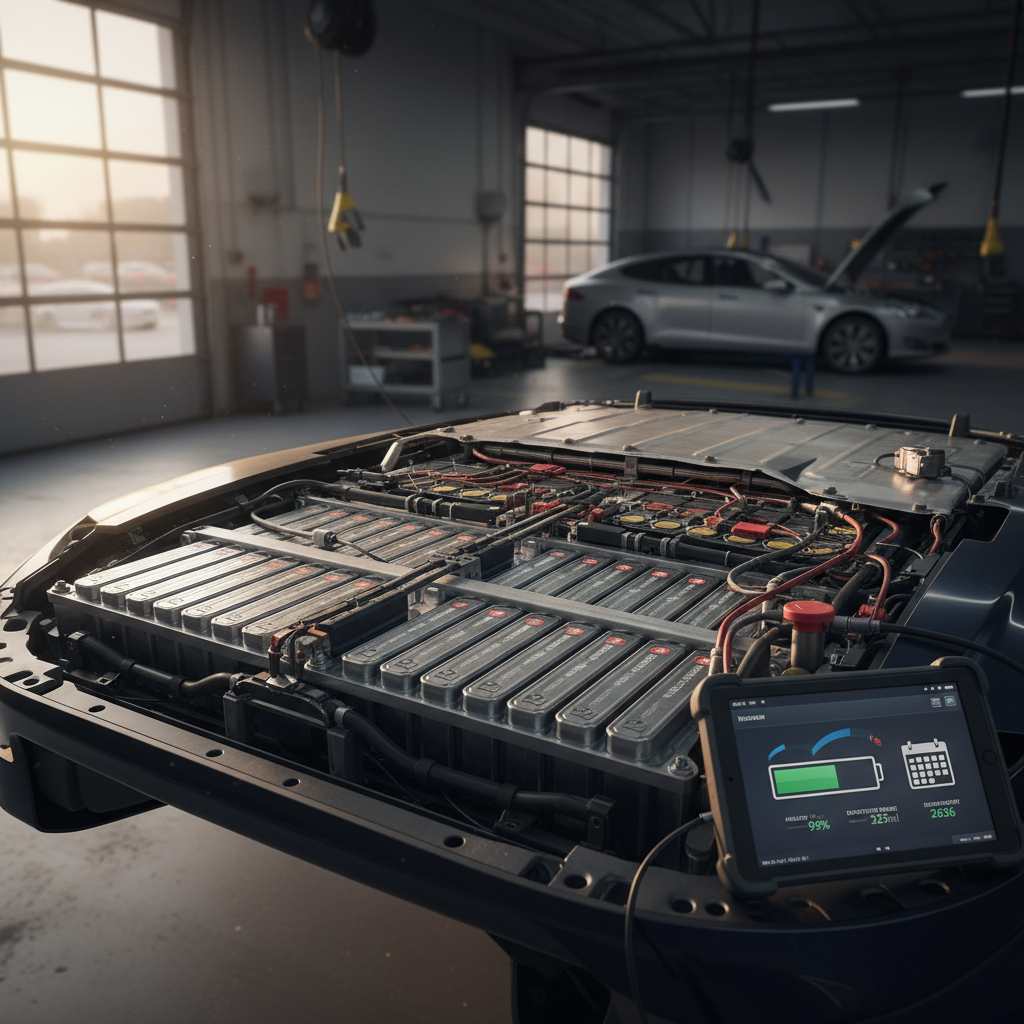
Under the skin, your EV is not a warmed‑over gas car. You’ve got a high‑voltage battery often weighing close to half a ton, sandwiched into the floor. Around it, aluminum and mixed‑material structures, glued and riveted together like an airliner. Layer in radar, cameras, ultrasonic sensors and the software that stitches it all together, and collision repair becomes closer to rebuilding a laptop that’s been in a bar fight.
What makes EV body work higher‑stakes
The hidden risk with “cheap” repairs
Start with your search: “body shop work near me”
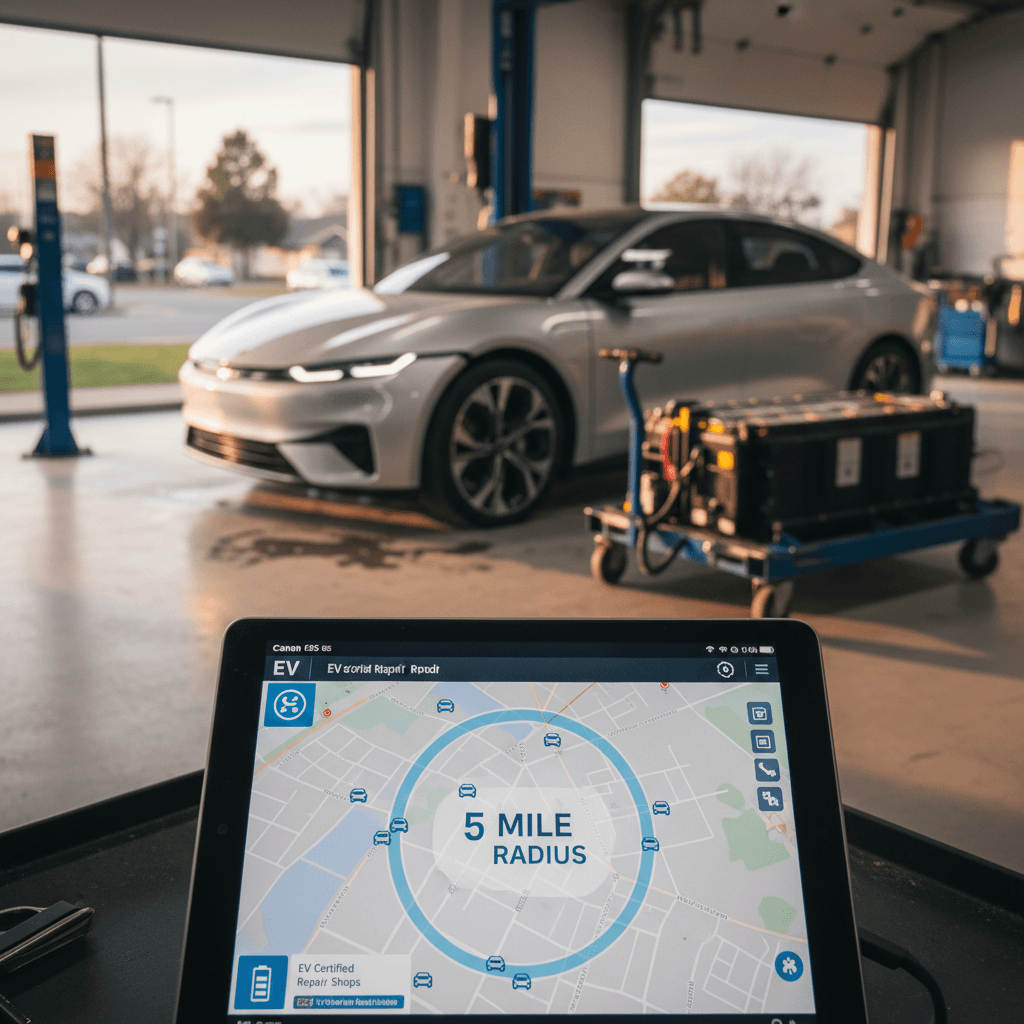
Type body shop work near me into your map app and you’ll see dozens of pins. The trick isn’t finding a shop, it’s finding one that understands EVs and won’t learn on your car. Here’s how to turn that messy search result into a short list worth calling.
First steps when you search for body shop work near you
Use your browser results as a starting point, not the final answer.
1. Filter by EV language
Open the top few results and look for “electric vehicle”, “EV collision repair”, or for your brand name, Tesla, Rivian, Hyundai, Kia, Ford, etc. If their site never mentions EVs, they’re probably not investing in the training or gear.
2. Check certifications
Look for OEM badges like Tesla Approved, Rivian Certified Collision Center, or brand‑specific programs from Ford, GM, Hyundai, VW, and others. I‑CAR Gold Class with EV courses is another good sign.
3. Read recent reviews
Skip the decade‑old five‑stars about a Civic. Sort by most recent and look for mentions of EVs, insurance communication, and repair timelines. Long delays and communication complaints are a red flag.
Use the OEM shop locators
How to tell if a body shop is EV‑ready
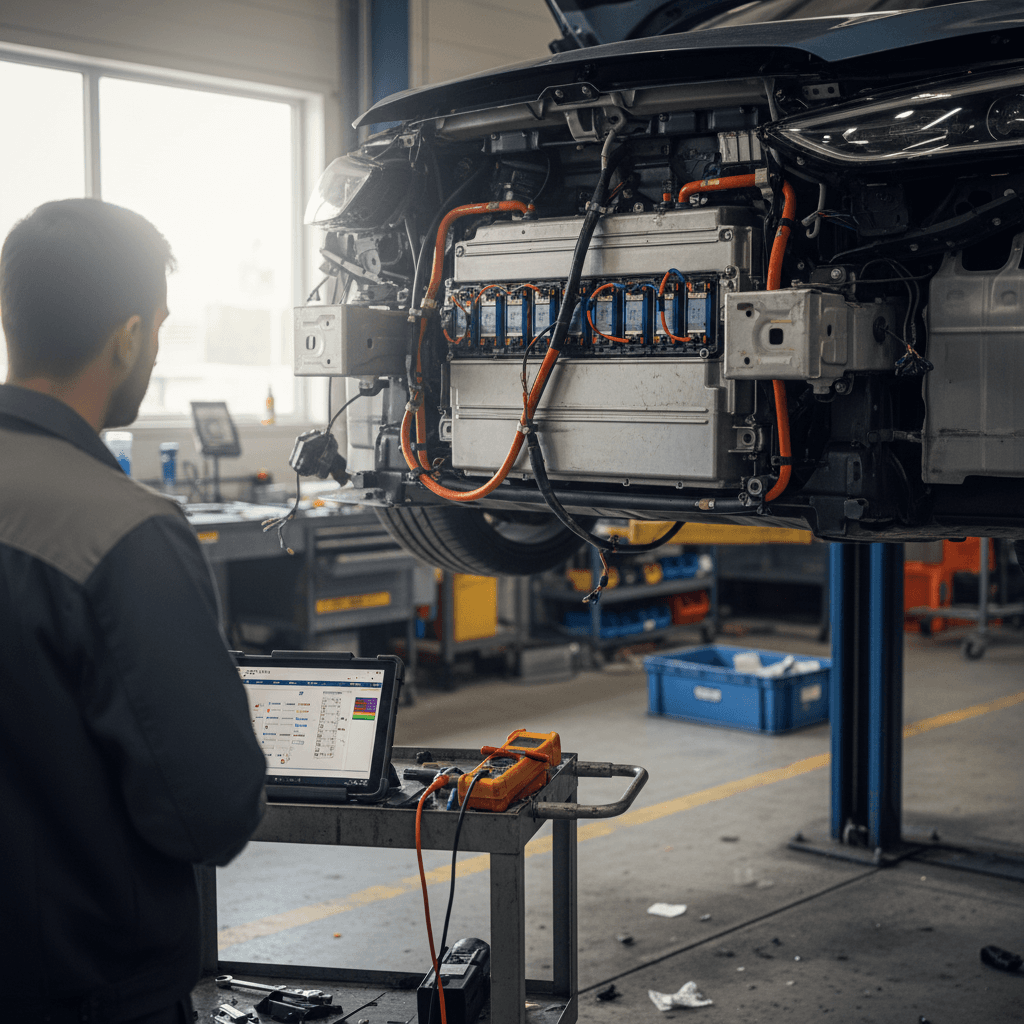
An EV‑ready body shop is more lab than back‑alley garage. You’ll see dedicated aluminum work areas, insulated tools, battery‑handling gear, and technicians who can speak in full sentences about high‑voltage safety–not just shrug and say, “Yeah, we’ve done a few Teslas.”
EV‑ready collision center vs ordinary body shop
Use this cheat sheet when you’re calling around or visiting shops.
| What to look at | EV‑ready body shop | Ordinary body shop |
|---|---|---|
| Technician training | OEM and EV‑specific training documented; can explain high‑voltage shut‑down procedures | Generic I‑CAR classes, maybe; no EV specifics |
| Battery handling | Has lifts, quarantine procedures, and written battery safety protocols | No clear process; may treat EV like any other car |
| Diagnostics | Performs pre‑ and post‑repair scans, ADAS calibration, and test drives with logs | Might skip scans or use generic tools without documentation |
| Parts sourcing | Orders OEM parts tied to your VIN; explains any used/non‑OEM parts | Buys what’s cheapest or available; vague about sourcing |
| Facility setup | Clean, organized bays; separate aluminum or EV zone; chargers on site | Crowded, mixed repairs; no obvious EV‑specific equipment |
| Certification badges | OEM or network certifications kept current | Old plaques, or none at all |
You don’t need to become an engineer, just learn how to tell a true EV specialist from an optimistic amateur.
Do not compromise on high‑voltage safety
Questions to ask before you book repairs
7 questions that separate pros from pretenders
1. Are you certified for my EV brand?
Ask specifically: <strong>“Are you approved for structural repairs or cosmetic only, and for which models?”</strong> Structural approval implies they can safely work around the battery pack, crash structures, and aluminum.
2. How do you handle high‑voltage safety?
You should hear a clear process: powering down the system, verifying zero volts, using insulated tools, and keeping non‑techs out of the bay while HV work is underway.
3. Do you perform pre‑ and post‑repair scans?
Every EV should be scanned before and after repairs to catch module faults, sensor issues, or software errors. Ask that the scan reports be attached to your final paperwork.
4. Who calibrates the cameras and sensors?
Advanced driver‑assist systems (ADAS) often need recalibration after glass, bumper, or structure work. Some shops do this in‑house; others coordinate with a dealer or service center. Either is fine, silence is not.
5. Will you use OEM parts, and will you tell me if you don’t?
OEM panels and battery‑adjacent parts are strongly preferred on EVs. If your policy allows aftermarket parts, insist the shop explain exactly where they’re used and why.
6. What’s the realistic timeline, given parts availability?
EV parts can be slow, especially for newer brands. A good shop will separate time‑waiting‑on‑parts from actual labor time so you can plan your life and rental car accordingly.
7. Can you send photos and status updates?
Your EV might be in the shop for weeks. Ask for a contact person and how often they’ll update you, email with photos every few days is ideal.
Working with insurance on EV body shop work
Insurers love a low estimate. EVs hate being repaired on the cheap. Your job is to keep those two facts from colliding. When you’re searching for body shop work near me, you’re also choosing the shop that will argue, on your behalf, about what “proper repair” actually means.
Understand your policy
- Look for language about OEM parts coverage and “like kind and quality” parts.
- Check rental coverage limits; EV repairs can outlast 30‑day rentals.
- If you’re financing or leasing, confirm any gap coverage or required repair standards.
Use the shop as your translator
- A strong EV shop will push back on lowball estimates that skip critical steps.
- Ask the shop to note every OEM procedure and one‑time‑use fastener in their estimate.
- Request copies of all supplements so you can see where the job expanded once the car was apart.
Don’t be bullied by “preferred shop” lists
Minor damage vs structural repair: what really needs a shop
Not every scar on your EV requires a full‑tilt collision center. Some dings are emotionally devastating but technically simple. Others look harmless and quietly threaten the battery enclosure. The trick is knowing which is which.
Common EV damage scenarios and where to go
Use this as a sanity check before you panic, or before you shrug something off.
Parking lot door ding
Likely fix: Paintless dent repair (PDR) if paint isn’t broken. These specialists massage the metal from behind. Quick and relatively inexpensive.
Ask your EV body shop who they recommend; many work closely with a trusted PDR tech.
Bumper or quarter hit
Likely fix: Certified collision center. Behind that plastic bumper live radar sensors, impact absorbers, and sometimes high‑voltage cabling.
Insist on pre‑ and post‑repair scans plus sensor calibration paperwork.
Floor, rocker, or underbody strike
Likely fix: OEM‑approved structural shop only. Impacts near the battery tray, sills, or crossmembers can affect crash integrity and cooling.
If a shop says “we’ll just pull it straight,” without referencing OEM procedures, that’s your cue to leave.
Respect anything near the pack
Timelines, costs, and why EV repairs take longer
If you’re used to steel‑sedan repairs, EV timelines feel absurd. Parts are more specialized, training is deeper, and every step is documented. That’s good for safety, terrible for your calendar.
- Parts bottlenecks. Battery trays, sensors, cameras, and trim pieces for new EVs often ship from a handful of warehouses. A single back‑ordered camera can sideline a finished car.
- Extra diagnostics. Proper EV repair includes electrical isolation, scan tools, and ADAS calibration. None of this is quick, and it all has to be done in order.
- Fewer qualified shops. In many markets there are only a few EV‑competent collision centers. They’re busy, and they know it.
- Higher labor mix. Structural aluminum work and composite repair require slower, more methodical processes than “pull, weld, fill, and paint.”
Plan for weeks, be grateful for days
Should you repair or trade in your damaged EV?
At a certain point, fixing a heavily damaged EV starts to look like renovating a flooded house, you can do it, but maybe you shouldn’t. High repair bills, long downtime, and uncertain future value all push you toward an uncomfortable question: repair, or get out?
When repair makes sense
- Damage is mostly cosmetic; no floor, rocker, or battery‑adjacent structures are touched.
- Your insurer approves OEM parts and the car has a strong pre‑accident value.
- The shop is OEM‑certified for your brand and shows you scan and calibration reports.
- You plan to keep the car for several more years, so short‑term value hit matters less.
When it’s time to consider trading out
- Estimated repairs creep toward a large share of the vehicle’s current market value.
- Battery or structural components near the pack need replacement or repair.
- You’re uncomfortable owning a previously hit car, even if repaired correctly.
- You’re already thinking about switching brands or moving into a newer EV.
How your battery’s health factors in
How Recharged helps when your EV has body damage
Recharged lives at the intersection of used EV value and battery health, which is exactly where collision repair decisions get interesting. Whether you’re repairing your car or thinking about moving on, you want clear numbers, not vibes.
Where Recharged fits into your body‑shop decision
From battery diagnostics to selling or trading a damaged EV, you don’t have to guess.
1. Understand your battery health
Every vehicle on Recharged comes with a Recharged Score Report that verifies battery condition and fast‑charge performance. That same thinking applies to your current EV: battery health is a huge part of deciding whether a repair is worth it.
2. Explore trade‑in or instant offer
If the repair saga is starting to feel like a part‑time job, you can get a trade‑in value or instant offer for your EV from Recharged. Compare that number to the cost, downtime, and hassle of collision repair.
3. Find your next EV, fully transparent
Shopping used on Recharged, you’ll see pricing, battery health, and history laid out clearly, plus EV‑specialist support, digital paperwork, and nationwide delivery. If you’re stepping out of a damaged car, the replacement shouldn’t be a mystery box.
Ready to find your next EV?
Browse VehiclesThink of it as your exit ramp
FAQ: body shop work near me for EVs
Frequently asked questions about EV body shop work
Key takeaways before you book that body shop
- When you search “body shop work near me”, filter hard for EV experience and OEM certifications, this isn’t just about paint quality, it’s about battery and crash safety.
- Ask pointed questions about high‑voltage procedures, diagnostics, and ADAS calibration. If a shop can’t answer clearly, keep looking.
- Don’t let insurance convenience override proper repair. The right shop will advocate for OEM procedures even if it means more back‑and‑forth with your adjuster.
- Respect anything that even sniffs of battery or structural damage near the pack: that’s specialized, high‑stakes work.
- If the repair cost, downtime, and stress start to outweigh the joy of owning the car, get real numbers on a trade‑in or instant offer from Recharged and compare paths. Your EV doesn’t have to be a forever relationship, especially after a hard hit.
Body damage is emotional, particularly on a car you chose precisely because it felt like the future. But in 2025, you have options. Use your “body shop work near me” search as the start of a careful selection process, not the end of it. Demand EV‑specific expertise, insist on transparent documentation, and be honest with yourself about whether to repair or move on. Either way, treating collision repair as a rational decision, not a panic move, will save you money, time, and a lot of late‑night Googling down the road.