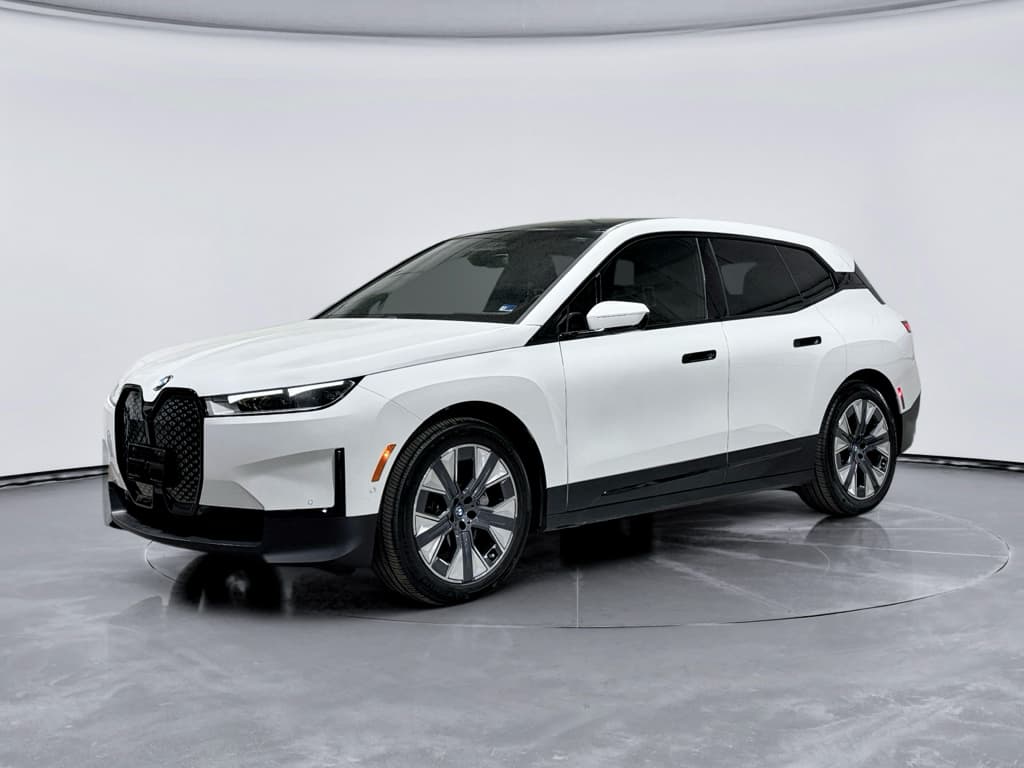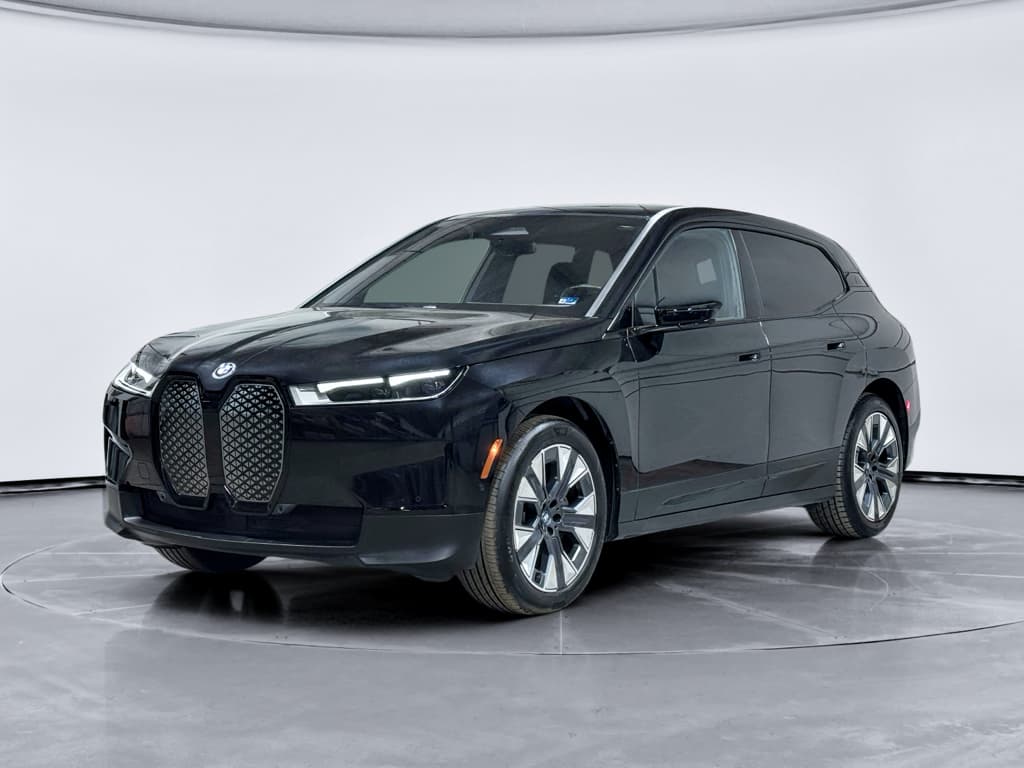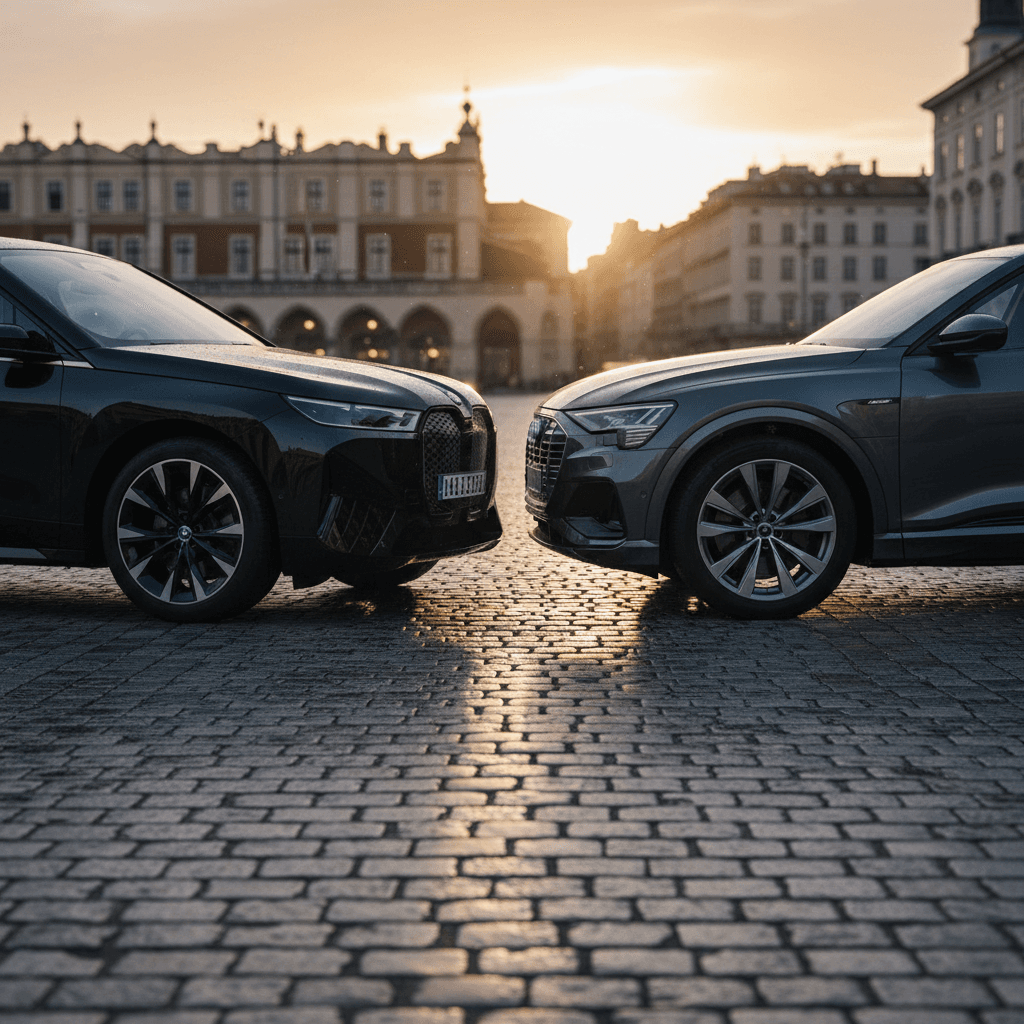
Cross-shopping the BMW iX vs Volvo EX90 puts two very different flavors of luxury electric SUV on your radar. One is a bold, tech-forward BMW that’s been on the road for a few years and is now common in the used market. The other is Volvo’s new flagship three-row EV built around safety and family duty. If you’re trying to decide which one belongs in your driveway, or whether a used iX makes more sense than a brand‑new EX90, this guide breaks it down in plain English.
2026 context matters
BMW iX vs Volvo EX90: Who Each SUV Is For
Positioning at a glance
Same segment, very different personalities
BMW iX: Design-forward, 2-row luxury EV
The BMW iX is a two-row, mid-to-large electric SUV with a focus on refinement and performance. Most U.S. shoppers see xDrive50, M60, or the updated xDrive45/xDrive60 models, with EPA ranges typically around the low‑ to mid‑300‑mile mark depending on wheel size and trim.
- Seats five, generous rear legroom
- More nimble and efficient than many three-row rivals
- Plenty of examples now on the used market, often at a steep discount from MSRP
Volvo EX90: Tech-heavy three-row family hauler
The Volvo EX90 is a full-size, three-row electric SUV, the successor to the XC90. Twin Motor and Twin Motor Performance versions use a ~111 kWh pack (slightly smaller for 2026) and target up to about 300–310 miles of EPA range, depending on wheels and tune.
- Standard three-row layout (6- or 7-seat)
- Strong safety and driver‑monitoring focus
- New to the market, so used inventory is still thin
In short: if you need three usable rows and Volvo’s safety-first approach, the EX90 goes to the top of your list. If you’re fine with two rows and want more range per kWh, sportier dynamics, and better used value, the BMW iX is tough to ignore.
Quick Specs: Range, Power, and Charging
BMW iX vs Volvo EX90: headline numbers
Key specs for popular dual‑motor variants U.S. shoppers are most likely to see in 2025–2026.
| Spec | BMW iX (xDrive50 / xDrive45/60) | Volvo EX90 (Twin / Performance) |
|---|---|---|
| Drivetrain | Dual‑motor AWD | Dual‑motor AWD |
| Battery capacity (usable, approx.) | ~100–111 kWh depending on variant | ~102–107 kWh depending on model year |
| EPA range (best‑case trims) | Around 305–324 mi for xDrive50; facelifted xDrive60 targets similar or better | Up to ~300–310 mi depending on wheels and year |
| 0–60 mph (quicker trims) | As low as mid‑3s in M60; high‑4s for volume trims | Around mid‑4s in Twin Motor Performance (quicker for 2026 800‑V models) |
| Max DC fast‑charge rate | Roughly 175–195 kW depending on generation | 250 kW (early years), moving to 350 kW with 800‑V update |
| Approx. DC 10–80% time | About 30–35 minutes under ideal conditions | About 22–30 minutes depending on model year |
| Max AC charging | 11–22 kW depending on market and options | Up to 11 kW typical in U.S. |
| Seats | 5 | 6 or 7 |
| Towing capacity | Up to ~5,500 lb (check specific trim) | Up to 4,850 lb |
Always confirm exact specs for the trim, model year, and wheels you’re actually buying, especially on used BMW iX models, which span multiple battery sizes and software updates.
Charging and architecture snapshot
Think in trips, not just specs
Space, Seating, and Practicality
BMW iX: Lounge for five
The iX rides on a long wheelbase and feels almost like an electric 5‑Series SUV inside. You get:
- Two-row layout with generous rear legroom and a flat floor
- Cargo area around 500 L behind the second row, expanding to well over 1,700 L with seats folded
- Optional lounge‑style rear seating and panoramic roof that make the cabin feel more like a tech loft than a traditional SUV
The trade‑off: no third row. For families who truly need to carry more than five people regularly, that’s a hard limit.
Volvo EX90: True three-row family hauler
The EX90 is closer in footprint to a full‑size SUV.
- Standard three-row layout with 6‑ or 7‑seat configurations
- Third row sized realistically for kids or shorter adults on medium trips
- Cargo space shrinks with all three rows up, but expands significantly with the third row folded
If you’re replacing a gas XC90, Tahoe, or Atlas, the EX90 feels like familiar territory, just electrified.
Test the third row in person
Driving Experience: Comfort vs Sport
Neither SUV is a raw sports car, but their personalities are distinct. BMW leans into silky, confident performance with a hint of its traditional sport-sedan DNA; Volvo aims for calm, predictable stability with a strong safety net.
How they feel from behind the wheel
Subjective impressions matter as much as spec sheets
Acceleration
BMW iX: Even the mainstream dual‑motor trims are brisk, and performance versions genuinely shove you back in the seat. BMW tunes the throttle and traction control to feel seamless and refined.
Volvo EX90: Twin Motor versions are quick enough for confident merging. The Twin Motor Performance, especially with the 2026 power bump, is properly rapid, but Volvo still presents it as a family SUV, not a drag racer.
Ride & handling
BMW iX: Feels smaller than it looks. Optional air suspension and rear‑steer (on some configurations) help it shrink around you in traffic and parking lots. Steering is light but precise.
Volvo EX90: Prioritizes comfort and control. It’s heavy, and you feel the size more than in the iX, but the ride is well‑damped and composed over broken pavement.
Noise & comfort
BMW iX: One of the quietest EV cabins on the market, helped by double glazing and extensive sound deadening.
Volvo EX90: Also very quiet, with a Scandinavian minimalism that feels relaxing. The difference is more flavor than quality; both are road‑trip‑ready.
Daily driving takeaway
Real-World Range and Charging Experience
On paper, the BMW iX and Volvo EX90 live in the same range neighborhood. In practice, software updates, wheel choices, and weather will move your real‑world number by 10–20% either way. Here’s how to think about them:
- On highway drives at 70–75 mph, many owners will see something in the 260–290‑mile window in mild weather from both SUVs.
- Volvo builds a heat pump into the EX90 from the start, which helps winter efficiency. The iX also offers heat‑pump tech, but efficiency still drops more in harsh climates, especially with big wheels.
- The EX90’s move to an 800‑volt architecture for 2026 shortens DC sessions dramatically, Volvo is targeting roughly 22 minutes from 10–80% on a strong 350‑kW charger.
- The iX typically peaks around 175–195 kW and takes closer to 30–35 minutes for a similar 10–80% window under good conditions. That’s still competitive but no longer class‑leading.
Home charging is the real game changer
Tech, Infotainment, and Driver Assistance
BMW iX: Curved display, iDrive, and optional theater touches
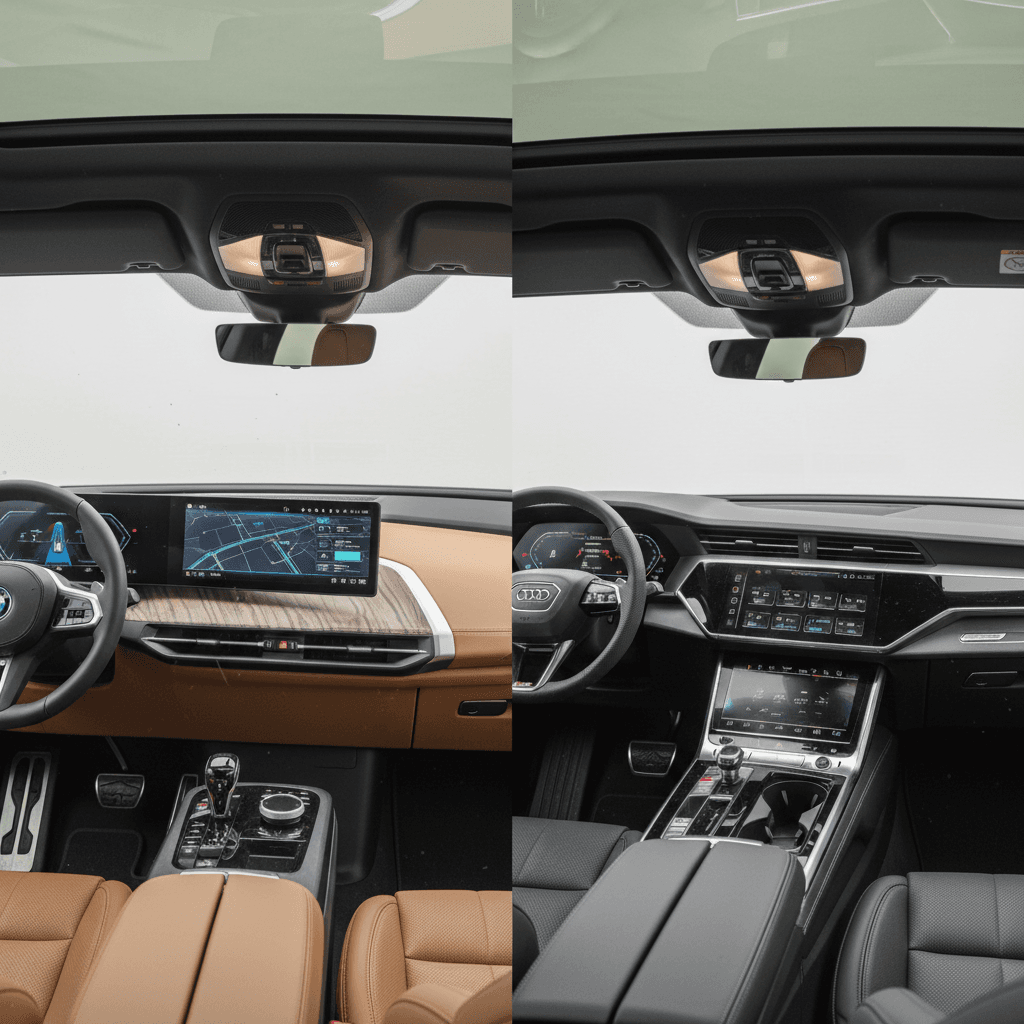
The iX pairs a large curved display panel (instrument cluster + central touchscreen) with BMW’s latest iDrive interface and voice control.
- Rich graphics and responsive hardware
- Wireless Apple CarPlay and Android Auto on most U.S. models
- Optional high‑end audio (Bowers & Wilkins on many trims)
Earlier software builds felt busy to some drivers, but BMW has steadily refined the UI via over‑the‑air updates. On used examples, it’s worth checking the software version and confirming that OTA updates are enabled.
Volvo EX90: Google built-in and a central portrait screen
The EX90 leans into a Google built‑in ecosystem, with Google Maps, Assistant, and Play Store integrated into a large portrait‑oriented touchscreen.
- Simple, Scandinavian look with a focus on minimal physical buttons
- Google mapping is excellent for EV routing and charger search
- Volvo’s newer hardware and Nvidia‑powered compute leave headroom for future software features
If you’re already living in Google’s world, the EX90’s interface feels familiar. If you prefer physical controls, budget time to adapt.
Screen fatigue is real
Safety, Sensors, and Driver Monitoring
You won’t find a clear loser on safety here, both are packed with airbags, crash‑structure engineering, and active‑safety tech. But their philosophies diverge.
How they approach safety
Traditional BMW confidence vs Volvo’s safety-as-a-brand identity
BMW iX safety approach
The iX includes the suite you’d expect: automatic emergency braking, lane‑keeping assistance, blind‑spot monitoring, surround‑view cameras, and available semi‑automated highway assist on many trims.
BMW’s systems tend to feel less intrusive day‑to‑day, but that also means they may intervene less aggressively than Volvo’s when you wander or get distracted.
Volvo EX90 safety approach
Volvo bakes safety into the EX90’s identity. You get extensive sensor coverage, lidar on some trims, and an emphasis on driver‑monitoring to ensure you’re paying attention.
The brand explicitly talks about designing the EX90 to prevent serious crashes, not just survive them, and the new computing hardware supports more advanced driver‑assist logic over time.
Watch for camera and sensor repairs
Ownership Costs: Depreciation, Incentives, and Used Options
This is where the BMW iX vs Volvo EX90 story shifts from spec sheets to your wallet. The EX90 is just starting its life cycle; the iX has already done a couple of years of luxury‑EV depreciation, and that’s an opportunity if you’re willing to buy used.
Key cost considerations before you choose
1. New vs used pricing
New EX90s generally command higher MSRPs today than many used BMW iX examples with similar or better equipment. In the U.S., a well‑optioned used iX can often be tens of thousands below its original window sticker, while EX90 pricing is still closer to MSRP with limited discounts.
2. Incentives and taxes
Federal EV incentives in the U.S. change frequently, and eligibility can differ between new and used vehicles. Check current rules for both SUVs and consider state‑level rebates, which may favor one or the other depending on assembly location and battery sourcing.
3. Insurance costs
Large luxury EVs are not cheap to insure. The EX90’s newer sensors and lidar may push repair estimates higher on some claims; the iX’s big wheels and glass roof can do the same. Get real quotes for your ZIP code and driving record before you commit.
4. Battery health and warranties
On a new EX90, you’re getting a fresh pack with a full factory warranty. On a used iX, ask for a <strong>battery health report</strong>, check remaining warranty, and review any history of fast‑charging‑heavy use. Battery replacements are rare but extremely expensive.
5. Depreciation curve
The iX has already taken its biggest depreciation hit. That can make a well‑vetted used iX a compelling value play, especially if you don’t need a third row. The EX90 is early in its curve; expect steeper losses over the first three to five years.
Where Recharged fits in
Ready to find your next EV?
Browse VehiclesBMW iX vs Volvo EX90: Which One Should You Buy?
Choose the BMW iX if…
- You don’t truly need three rows and mostly carry four or five people.
- You want a more agile, range‑efficient luxury EV that still rides quietly and comfortably.
- You’re value‑conscious and open to a late‑model used iX with a big depreciation discount.
- High‑end audio and a more driver‑centric feel matter more than maximum cargo volume.
In the real world, the iX hits a sweet spot for couples, empty‑nesters, and smaller families that road‑trip often but don’t bring a full soccer team and their gear.
Choose the Volvo EX90 if…
- You need a true three-row EV on a regular basis, kids, in‑laws, or carpool duty.
- Volvo’s safety story, driver‑monitoring, and calm demeanor matter more than 0–60 times.
- You like Google’s software ecosystem and want an 800‑volt platform for the fastest DC charging.
- You’re buying new and plan to keep the SUV long enough to ride out the early depreciation years.
If your life looks like a rotating cast of kids’ seats, road‑trip luggage, and family events, the EX90’s packaging and safety focus make a lot of sense.
Viewed purely as machines, the BMW iX vs Volvo EX90 matchup is surprisingly even: similar range, similar charging windows, and premium cabins that feel like rolling living rooms. The real deciding factors are your seating needs and your appetite for used value. If you want a sharper‑driving, two‑row luxury EV and don’t mind buying pre‑owned, a well‑inspected iX is hard to beat. If you need three rows and Volvo’s belt‑and‑suspenders safety ethos, the EX90 justifies its place at the top of your list, especially as the 800‑volt models roll out and later find their way onto the used market, where Recharged will be ready to help you compare them side‑by‑side.