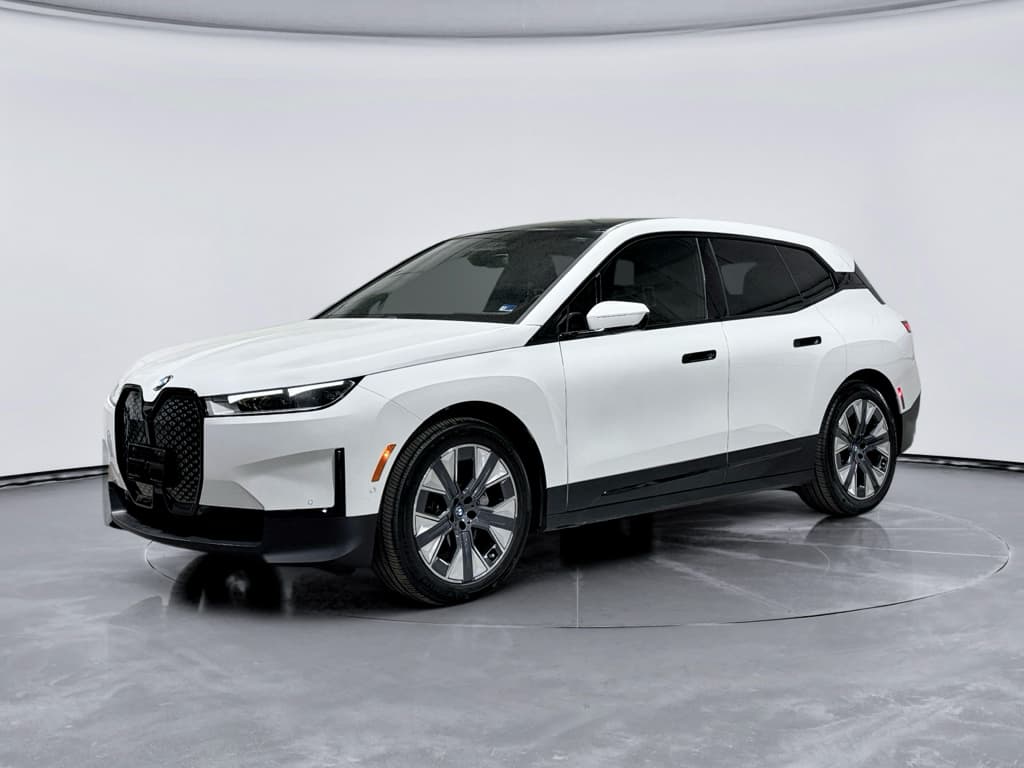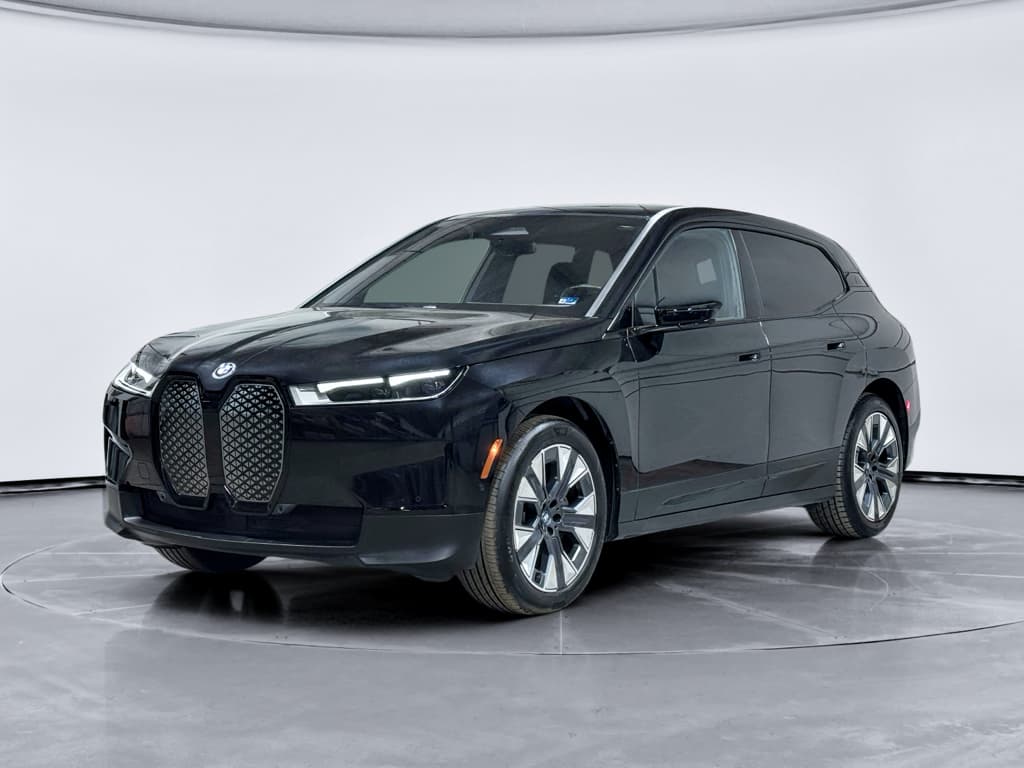
If you own a BMW iX, you’re sitting on one of the most desirable luxury electric SUVs on the used market. But when it’s time to upgrade or switch brands, figuring out the BMW iX trade in value can feel like peering into a black box: every site shows a different number, every dealer has a different story, and the market for used EVs is moving fast.
Quick snapshot
BMW iX trade‑in value basics
Let’s start with what “trade‑in value” actually is. When a dealer or marketplace gives you a trade number on your BMW iX, they’re not guessing. They’re backing into a figure based on what similar iX models are really selling for at auction and retail, minus their risk and reconditioning costs, plus a profit margin.
- Trade‑in value: what a dealer or platform will pay you for your BMW iX when you hand over the keys, usually as part of a purchase or lease of another vehicle.
- Private‑party value: what you might expect to get if you sell the iX yourself to another individual.
- Retail value: what a dealer will list a similar iX for on their lot or website after detailing, repairs, and marketing.
Online estimates vs. real offers
What is my BMW iX worth right now?
Exact numbers depend on your model year, mileage, trim, options, and where you live. But we can sketch the current ballpark from recent data.
BMW iX value snapshot (early 2026)
Pricing tools like Edmunds, KBB, and CARFAX show trade‑in ranges for late‑model iX SUVs stretching from the mid‑$50,000s into the high‑$70,000s, with M60 models naturally bringing more money than an equivalently aged xDrive50. Those are national averages: a loaded iX in San Diego may be worth more than a base truck in the Midwest with the same mileage.
Use multiple valuation sources
How BMW iX depreciation really works
EV depreciation has been a moving target. Tesla values slid sharply after a wave of price cuts on new cars and a flood of used inventory. The BMW iX tells a different story: a pricey, low‑volume luxury SUV with strong brand cachet and limited supply. That cocktail has helped it hold value better than many mass‑market EVs.
Years 0–3: The steep drop
Most of the iX’s depreciation happens up front. Like other luxury vehicles, it can shed a third of its MSRP in the first 36 months, especially if it was heavily optioned. That sounds brutal until you realize this is normal luxury‑SUV behavior, not an EV catastrophe.
Lease returns hitting the market around year 3 also create a wave of supply that nudges trade‑in values down.
Years 4–7: The leveling off
After the initial cliff, depreciation tends to slow. Buyers who want a BMW iX but don’t want to fund someone else’s new‑car experiment start hunting for well‑kept used examples.
At this stage, mileage, battery health, and accident history matter more than age. A 6‑year‑old, low‑mile iX with a clean battery report can command a surprisingly strong trade‑in number.
EV vs gas: different fears, similar math
The factors that move your iX trade‑in value
What buyers really look at on a BMW iX
The five levers that actually move your trade‑in number
1. Mileage
A 10,000‑mile‑per‑year iX will almost always beat a 20,000‑mile‑per‑year twin. High mileage doesn’t kill the deal, but it will trim the offer to reflect added wear.
2. Battery health
For EVs, this is the main event. A healthy pack with minimal capacity loss keeps your range strong and your BMW iX trade in value high. A tired pack or DC‑fast‑charging abuse will drag it down.
3. Accident & service history
Clean CARFAX, consistent maintenance, and up‑to‑date software are worth real money. Structural repairs, flood damage, or airbag deployment will follow the car for life.
4. Trim and options
Higher‑spec M60 models, big‑battery versions, premium audio, and popular interior packages tend to lift resale. Extremely niche option combos can sometimes narrow your buyer pool.
5. Condition & presentation
Wheels, glass, upholstery, carpets, smells, this is where buyers form their gut impressions. One afternoon with a detailer can add far more to your offer than it costs.
6. Region & timing
Cold‑weather states love AWD luxury SUVs. Urban markets with HOV perks love EVs. Tax‑credit changes, interest rates, and new‑model launches can also nudge trade‑in values up or down.
Biggest value killers
Steps to maximize your BMW iX trade‑in offer
Pre‑trade checklist for your BMW iX
1. Pull your records
Gather digital or paper records for scheduled maintenance, recalls, tire rotations, and any repairs. A neat folder (or PDF bundle) is an easy way to signal that the car has been cared for.
2. Get a battery‑health report
Because the iX is an EV, your pack is your portfolio. A third‑party diagnostic, like the <strong>Recharged Score</strong> battery‑health report that comes with vehicles on Recharged, quantifies pack health for buyers and keeps lowball tactics in check.
3. Fix the cheap stuff
Touch‑up obvious items: cracked windshield chips, burned‑out bulbs, a badly curbed single wheel, a missing key, or a worn wiper. Don’t sink thousands into cosmetic perfection, but do eliminate easy reasons to discount your car.
4. Detail like you mean it
A professional interior and exterior detail is almost always worth it on a premium SUV. Clean leather, fresh carpets, and a clay‑barred exterior can make your iX feel $1,000 newer to the next buyer.
5. Get multiple offers
Get numbers from at least one franchise dealer, one national car‑buying site, and a specialty EV buyer or marketplace. When you have competing offers, you gain leverage and clarity about your real trade‑in value.
6. Time your move
If you can, avoid dumping your iX in the middle of a wave of lease returns or right after a big incentive or price cut on new models. When possible, list or trade it <strong>before</strong> the next batch of incentives hits the headlines.
Where Recharged fits in
BMW iX vs Tesla and other EVs on resale
Every EV owner eventually wonders: did I buy the model that’s going to tank in value, or the one everyone will be scrambling to find used in five years?
Resale themes: BMW iX vs other luxury EVs
Broad patterns we’re seeing in the luxury EV SUV segment as of 2025–2026.
| Model | Original MSRP band (new) | Resale story so far | Trade‑in reality |
|---|---|---|---|
| BMW iX | High‑$80ks to low‑$110ks | Lower volume, strong brand equity, high spec. Holding up better than many mass‑market EVs. | Demand is solid for clean, well‑equipped examples; trade offers can be strong if battery health checks out. |
| Tesla Model X | Roughly high‑$80ks to six figures | Once king of the hill; recent price cuts and sentiment shifts have pushed used values down faster. | Many sellers are seeing steeper drops than expected; trade‑in offers often reflect a glut of used Teslas. |
| Audi Q8 e‑tron / Mercedes EQE SUV | $70ks–$90ks | More conservative styling, fewer headlines. Used pricing is often softer than BMW, but also started lower. | Trade‑in numbers can be attractive to buyers, but don’t typically match iX for retained percentage of MSRP. |
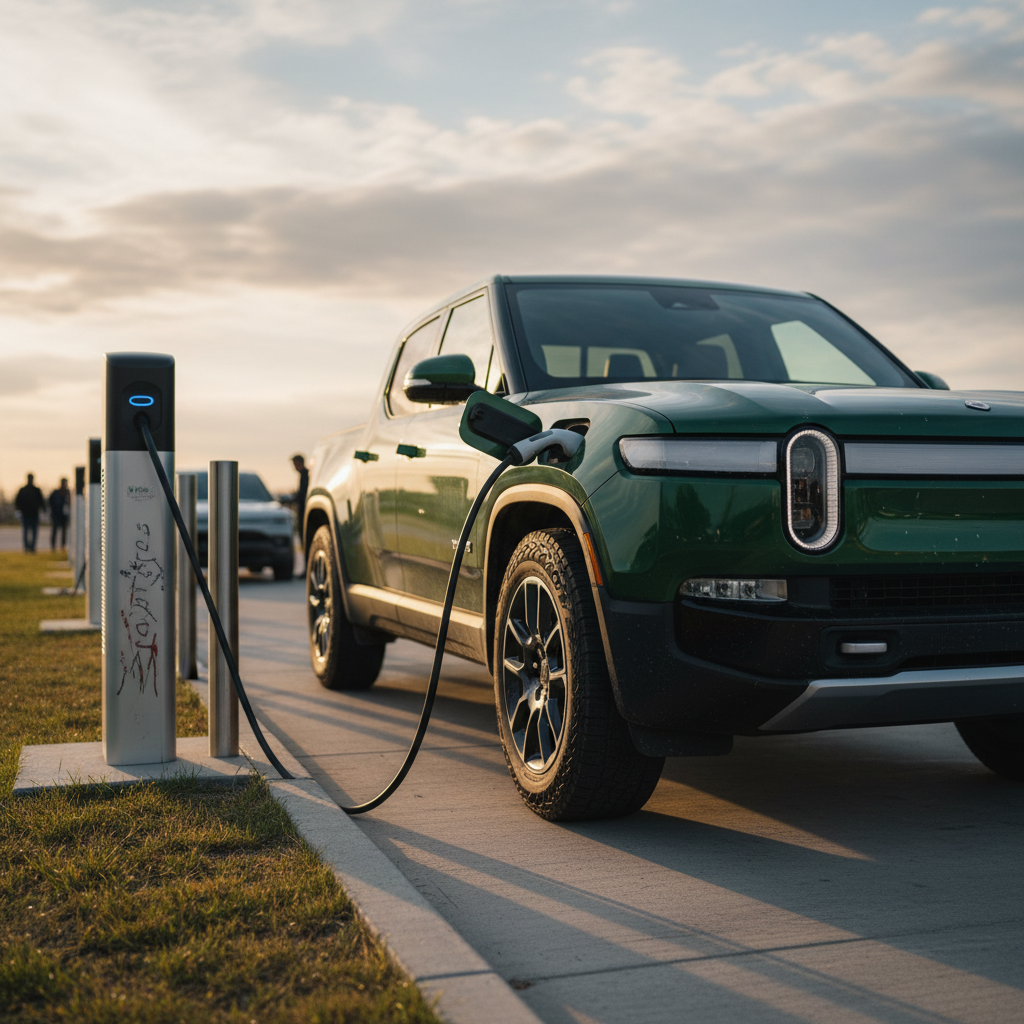
| Rivian R1S | Upper‑$70ks and up | Younger brand with adventurous image. Early used prices have been volatile as production and demand find equilibrium. | Some strong offers on desirable specs; others discounted when new‑vehicle incentives rise. |
These are directional market observations, not guaranteed future values. Your specific vehicle may perform differently.
Why the iX has an edge
Should you trade in or sell your BMW iX?
Trading in your iX
- Pros: Fast, convenient, and in many U.S. states, you only pay sales tax on the price difference between the new vehicle and your trade. That tax advantage alone can be worth thousands.
- Cons: Dealers build in margin and risk. You’re unlikely to see the absolute top‑end dollar amount that a patient private‑party sale could bring.
Selling your iX outright
- Pros: Potentially higher net proceeds, especially if your iX is a rare spec in excellent condition with documented battery health.
- Cons: Time, tire‑kickers, test drives, financing logistics, and the joy of meeting strangers from the internet in a bank parking lot.
A middle path: consignment
How Recharged looks at BMW iX trade‑in value
Traditional trade‑in appraisals focus on year, mileage, and auction results. With EVs like the iX, that’s no longer enough. The single most important component, the battery, has to be evaluated on more than just age and odometer readings.
What goes into a Recharged BMW iX valuation
Why two similar‑looking iX SUVs can earn very different offers
Deep battery diagnostics
Every iX we buy, sell, or consign gets a Recharged Score battery‑health assessment. That checks pack health, charge behavior, and more, so we can reward vehicles with strong, verifiable batteries.
Full history review
We look at accident history, title status, recall completion, and service records. Clean, well‑documented trucks earn stronger offers because they’re easier to stand behind.
Real‑world market data
Instead of guessing from one auction lane, we track national used‑EV listings, actual transaction data where available, and regional demand patterns to price your BMW iX competitively.
Ready to find your next EV?
Browse VehiclesFrom there, you can choose how you want to move on from your iX: take an instant offer, apply the value toward a different EV, or consign the vehicle and aim for a higher retail sale price. Either way, the goal is the same, transparent, data‑driven pricing that doesn’t treat your iX like just another generic used SUV.
BMW iX trade‑in value FAQ
Frequently asked questions about BMW iX trade‑in value
The BMW iX is not the kind of EV that quietly disappears into the wholesale lanes. It’s big, bold, opinionated, and when it comes time to move on, those same qualities can work in your favor. Understand how BMW iX trade in value is really set, document your battery’s health, polish the presentation, and get more than one offer. If you want expert EV support from start to finish, Recharged can help you turn that iX into your next great electric daily without leaving money on the table.