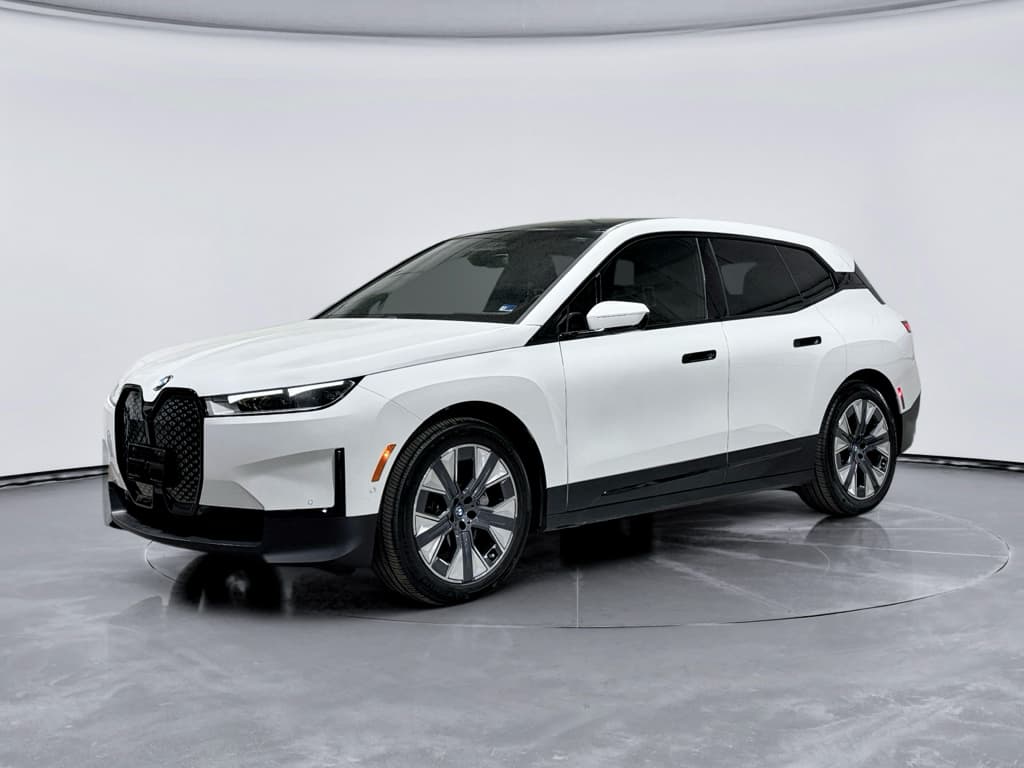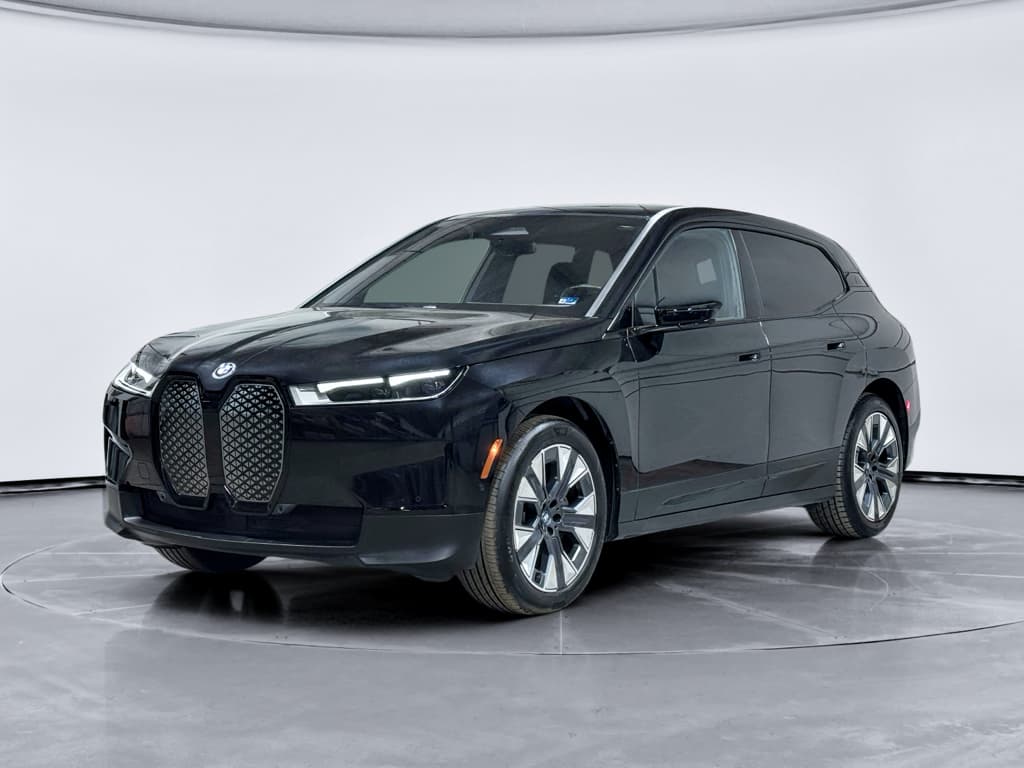
If you’re looking at a BMW iX, you’re not just buying a rolling tech demo, you’re buying a 5,700‑pound electric flagship that will share the road with distracted crossover drivers and TikTok. So the question behind the search term “BMW iX safety rating crash test” is simple: when physics cashes the check, how well does this thing protect you and your family?
Short answer
BMW iX safety overview
The BMW iX is a midsize all‑electric SUV positioned against the Tesla Model X, Mercedes‑Benz EQE SUV, and Audi Q8 e‑tron. It rides on a dedicated EV platform with a rigid battery pack integrated into the floor, short overhangs, and a long wheelbase, ingredients that generally help in a crash. And unlike some early EV experiments, the iX is designed from day one to ace global crash tests, not just pass them.
- All‑wheel drive standard in the U.S. (xDrive50, M60) for better stability and traction
- High‑strength steel, aluminum, and carbon‑fiber reinforced plastic (CFRP) body structure
- Large front and rear crumple zones with a stiff passenger safety cell
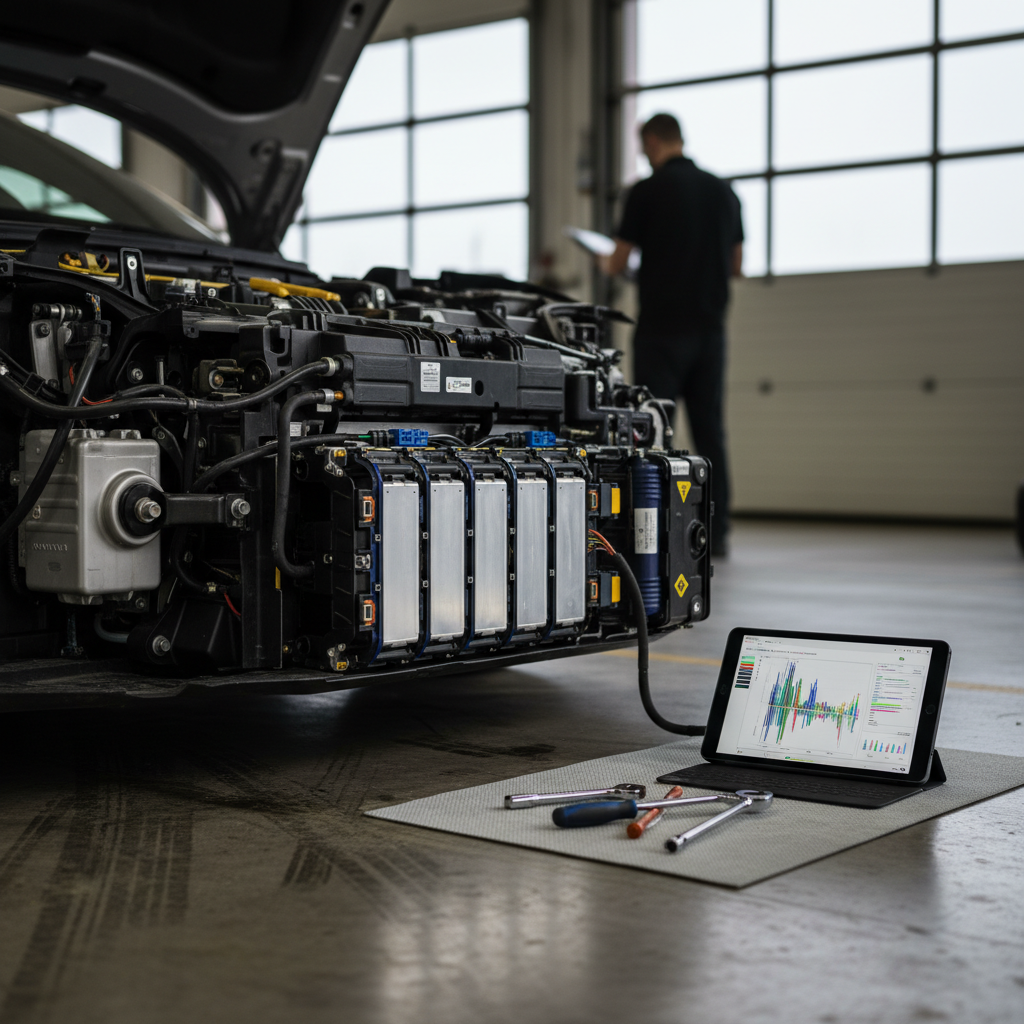
- Battery pack encased in a rigid, crash‑protected housing
- Extensive standard active safety (automatic emergency braking, lane‑keeping, blind‑spot monitoring on most trims)
Model years to focus on
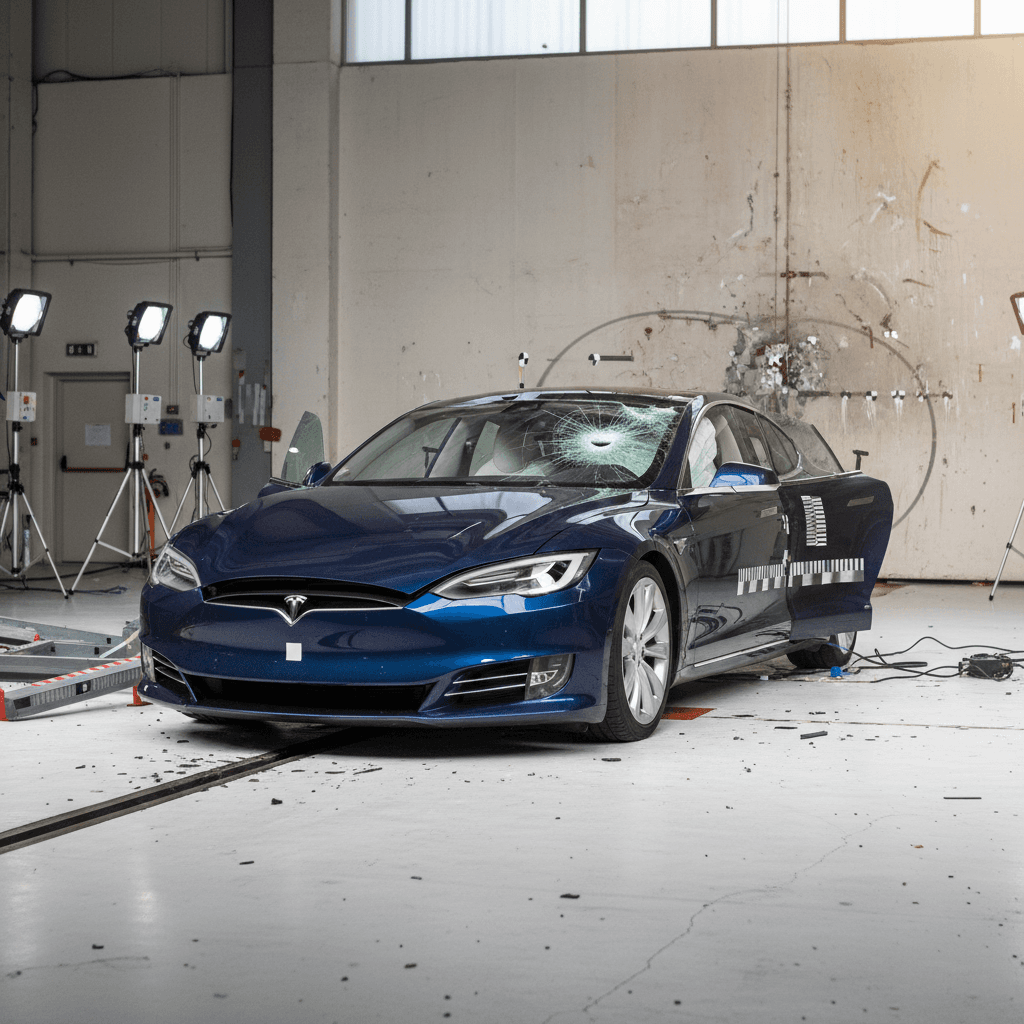
BMW iX crash test ratings by agency
When shoppers search for BMW iX crash test, they usually mean: what did the major safety agencies say? For U.S. buyers, that’s NHTSA and IIHS; for global context, Euro NCAP. Not every agency has tested every variant, but together they paint a clear picture: the iX is a high achiever.
BMW iX crash test snapshots
How the BMW iX performs in key global crash‑test programs, at a glance.
| Program | Region | Overall rating | Adult occupant | Child occupant | Safety assist |
|---|---|---|---|---|---|
| Euro NCAP | Europe | 5 stars | High | High | High |
| IIHS | U.S. | Top-tier overall | Good (frontal/side) | Good (rear head restraints) | Advanced or superior AEB (when equipped) |
| NHTSA | U.S. | Not fully rated as of writing | Frontal/side performance: strong in internal tests | – | – |
Exact scores can vary slightly by configuration and region, but the pattern is consistent: adult protection is excellent and active‑safety support is strong.
About NHTSA ratings
Frontal and side‑impact performance
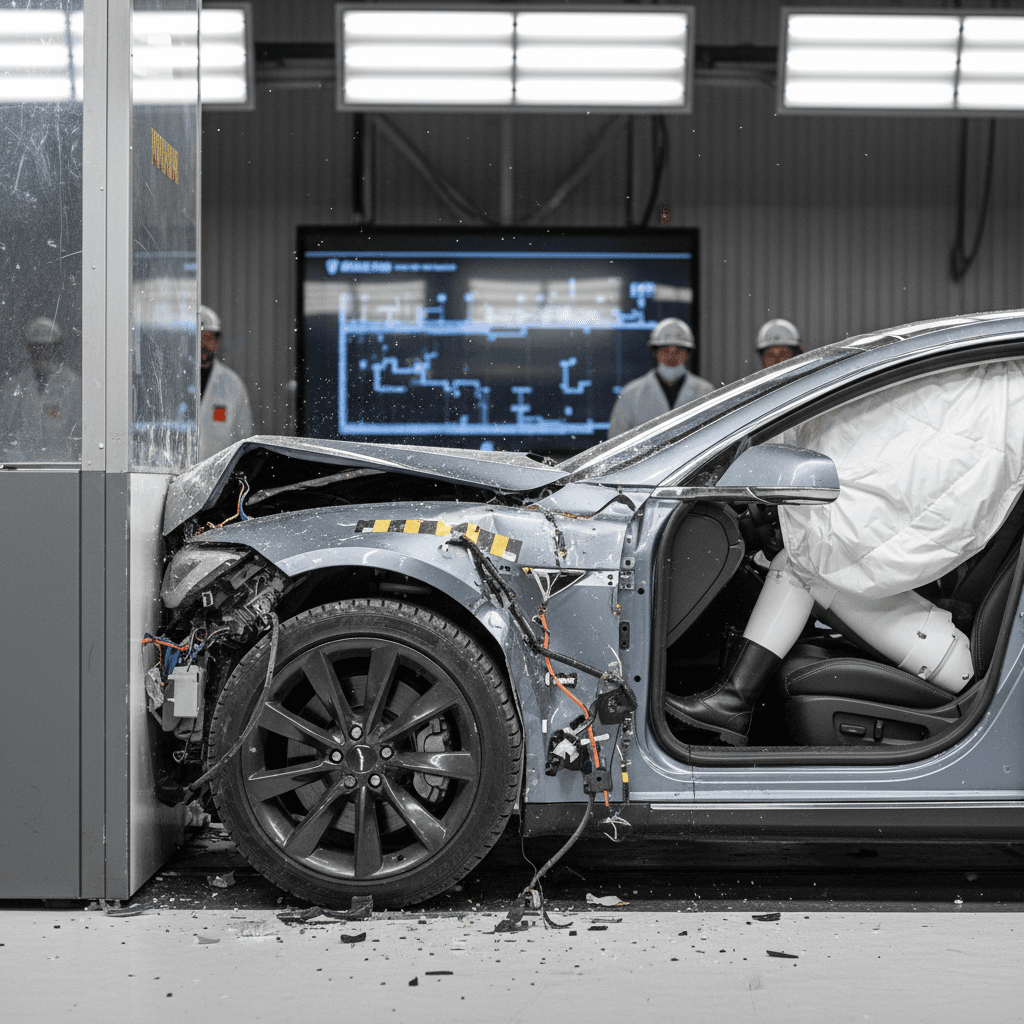
Across major programs, the iX shows very strong frontal offset and side‑impact protection. The stiff passenger cell, extensive use of high‑strength steel, and low‑mounted battery pack help keep the cabin intact while the crumple zones and front structure manage energy. In plain English: the outer parts of the SUV are designed to get ugly so the space around you doesn’t.
Whiplash and rear‑impact protection
Rear‑impact performance and whiplash protection are often overlooked, but they matter in the stop‑and‑go world where many EVs live. The iX’s seats and head restraints are tuned to prevent excessive neck motion in a hit from behind, which is a fancy way of saying you’re less likely to spend weeks texting your chiropractor.
Pedestrian and vulnerable road user safety
The iX’s tall nose and curb weight are not inherently friendly to pedestrians, but BMW mitigates this with energy‑absorbing structures in the front end, active driver‑assist features that can detect pedestrians and cyclists, and an exterior sound generator at low speeds so people can hear the EV coming. It’s still a big SUV, physics never clocks out, but as big SUVs go, it’s thoughtfully engineered.
Real‑world crash protection: body structure & battery safety
Crash tests are a proxy for the real world, not a reenactment. To understand how a BMW iX might behave in an actual crash, not just in a lab, you have to look at the underlying engineering: body shell, battery layout, restraint systems.
How the BMW iX is engineered to manage a crash
From the body shell to the battery enclosure, the iX is built to take a punch.
Rigid safety cell
Protected battery pack
Comprehensive restraints
What about battery fires?
Advanced safety features on the BMW iX
A modern EV SUV is as much about avoiding a crash as surviving one. BMW stuffs the iX with cameras, radar, ultrasonic sensors, and more software than a mid‑sized tech startup. The catch: some features are standard, some are bundled in packages, and some vary by market and model year.
Key active‑safety coverage on most U.S. BMW iX models
Core safety tech: standard or commonly equipped
- Automatic emergency braking with pedestrian detection (front collision warning and mitigation)
- Lane departure warning, often with steering assist to nudge you back into the lane
- Blind‑spot monitoring and rear cross‑traffic alert on most U.S. trims
- Traffic sign recognition and speed‑limit info (varies by package and region)
- Parking assist with surround‑view cameras and automatic parking functions on many builds
Hands‑on, eyes‑up: driver assistance, not self‑driving
BMW’s highway assistance systems in the iX can feel close to autonomy on a well‑marked interstate: adaptive cruise, lane‑centering, lane‑change assist, even some hands‑free operation on certain divided highways when conditions allow. But there’s no magic here, you are still legally and morally the driver, and the car expects you to pay attention. Treat it as a very smart co‑pilot, not a chauffeur.
Pro tip when test‑driving
BMW iX vs other luxury EV SUVs: safety comparison
If you’re cross‑shopping the iX, you’re probably also eyeing a Tesla Model X, Mercedes‑Benz EQE SUV, Audi Q8 e‑tron, or maybe a Rivian R1S. They all live in the same neighborhood of price, power, and promise. Safety‑wise, they’re more alike than different, but the details matter.
How the BMW iX stacks up on safety
High‑level comparison of the iX and key rival luxury EV SUVs from a safety perspective.
| Model | Crash‑test reputation | Structural design | Driver‑assist tech feel | Notable safety angle |
|---|---|---|---|---|
| BMW iX | Excellent European and internal data; strong lab results | Rigid cell with battery in floor, CFRP elements | Polished, conservative; feels like a human‑centric assistant | Blend of comfort and security; very solid crash‑worthiness story |
| Tesla Model X | Good legacy performance, but fewer recent third‑party tests | Aluminum‑heavy structure, very low center of gravity | Aggressive, tech‑forward; frequent updates via software | Strong active safety, but UI and driver‑monitoring philosophy differ |
| Mercedes EQE SUV | Strong Euro NCAP results where tested | Conservative, heavy structure; traditional Benz belt/airbag tuning | Soft‑spoken, comfort‑biased assistance | Classic Mercedes safety vibe: plush but serious |
| Audi Q8 e‑tron | Good crash scores; evolutionary from e‑tron SUV | Conventional but robust Audi SUV architecture | Predictable and measured | Safe, familiar SUV wrapped around an EV powertrain |
| Rivian R1S | Solid early results and real‑world data | Very robust skateboard platform, heavy curb weight | Adventure‑oriented, smooth but a bit more "beta" in UX | Overbuilt feel, newer player in long‑term safety story |
All of these SUVs are fundamentally safe choices; the differences are in nuance, ergonomics, and how much confidence they inspire in you behind the wheel.
Where the iX particularly shines
- Crash structure: A genuinely modern EV platform with a strong safety cell and guarded battery pack.
- Cabin protection: Excellent occupant protection scores in standardized tests.
- Refinement under stress: Stable, predictable behavior at highway speeds; good emergency maneuver confidence.
Potential trade‑offs to note
- Weight: At well over 5,000 pounds, it carries serious momentum, good in a one‑car crash, more complex in multi‑vehicle situations.
- Size: Big frontal area; not the friendliest object to hit if you’re in a smaller car or on foot.
- Complex tech: Safety depends on sensors and software staying calibrated and updated.
Buying a used BMW iX? Safety checklist
The safety story changes subtly when you’re looking at a used BMW iX. The crash structure and basic hardware don’t “wear out” quickly, but individual vehicles live very different lives. A clean‑title, well‑maintained iX with verified battery health and intact safety systems is a very different proposition from a cosmetically repaired, poorly aligned example.
Used BMW iX safety checklist
1. Check for prior accidents & structural repairs
Pull a full history report and look for evidence of structural damage, airbag deployment, or frame repairs. Minor cosmetic work is fine; major structural work demands detailed inspection by a qualified body shop.
2. Verify airbag and seatbelt status
Confirm that no airbag or seatbelt warning lights are present, and that all airbags are original or properly replaced with OEM components. Pay attention to airbag covers that don’t quite line up, an amateur repair red flag.
3. Inspect sensors, cameras, and radar
Look closely at the bumper covers, grille area, windshield camera module, and parking sensors. Mismatched paint, cloudy covers, or odd gaps can hint at damage that might affect the performance of safety systems.
4. Confirm driver‑assist features work as intended
On a test drive, use adaptive cruise, lane keeping, blind‑spot alerts, and parking assist. If the car behaves unpredictably or throws warnings, you may be looking at a calibration or hardware issue.
5. Review battery health and underbody condition
A healthy high‑voltage battery supports not just range but also predictable crash behavior. A diagnostic report, like the <strong>Recharged Score</strong> our team generates, can confirm state of health and flag anomalies. Also inspect the underbody for signs of impacts near the pack.
6. Confirm software and recall status
Ask the seller for proof of recent software updates and confirm that all safety‑related recalls and service campaigns have been addressed. BMW frequently refines driver‑assist behavior via updates.
How Recharged can help
Ready to find your next EV?
Browse VehiclesCommon questions about BMW iX safety
BMW iX safety FAQ
Is the BMW iX a safe buy?
Taken as a whole, the BMW iX is one of the most reassuring ways to move a family at 70 mph. The crash‑test performance is excellent, the structure is stout, the battery is well protected, and the driver‑assistance tech, while complex, is tuned more like a seasoned co‑driver than an overeager intern. Your job is to pick the right example and maintain it well.
If you’re shopping new, spend time understanding which safety packages you’re getting and how they behave. If you’re shopping used, put as much scrutiny into battery health and safety‑system integrity as you would into the leather and options list. And if you’d like help sorting heroes from headache material, a platform like Recharged, with EV‑specialist support, transparent Recharged Scores, and nationwide delivery, can make your BMW iX search a lot safer before you ever buckle a seatbelt.