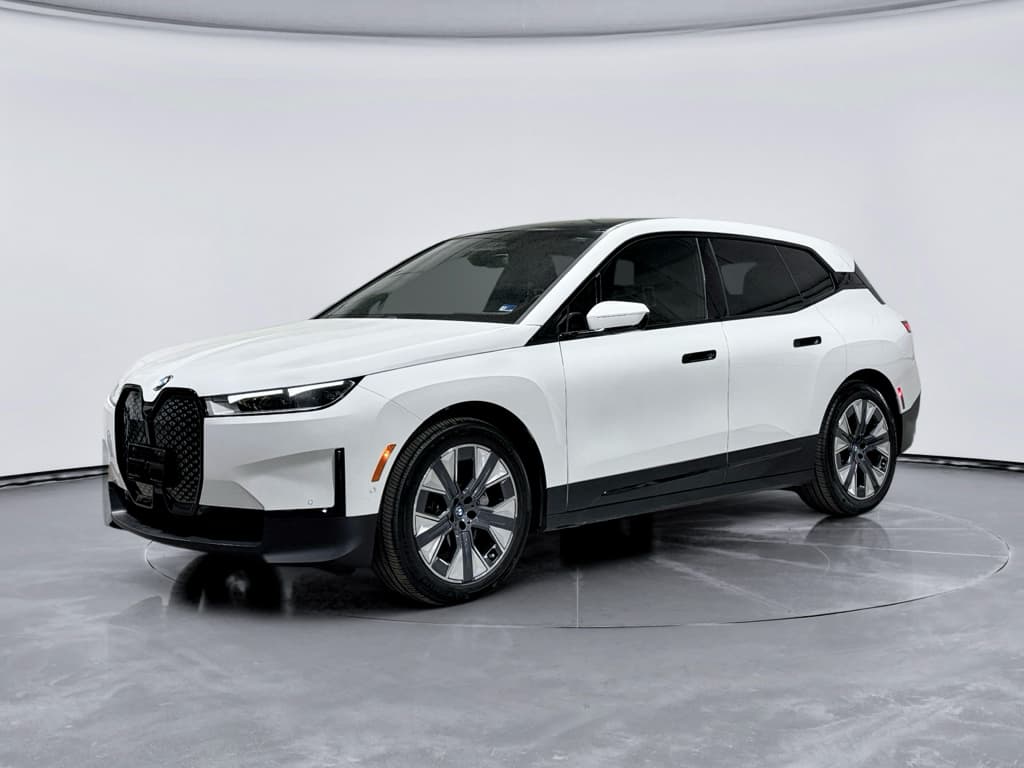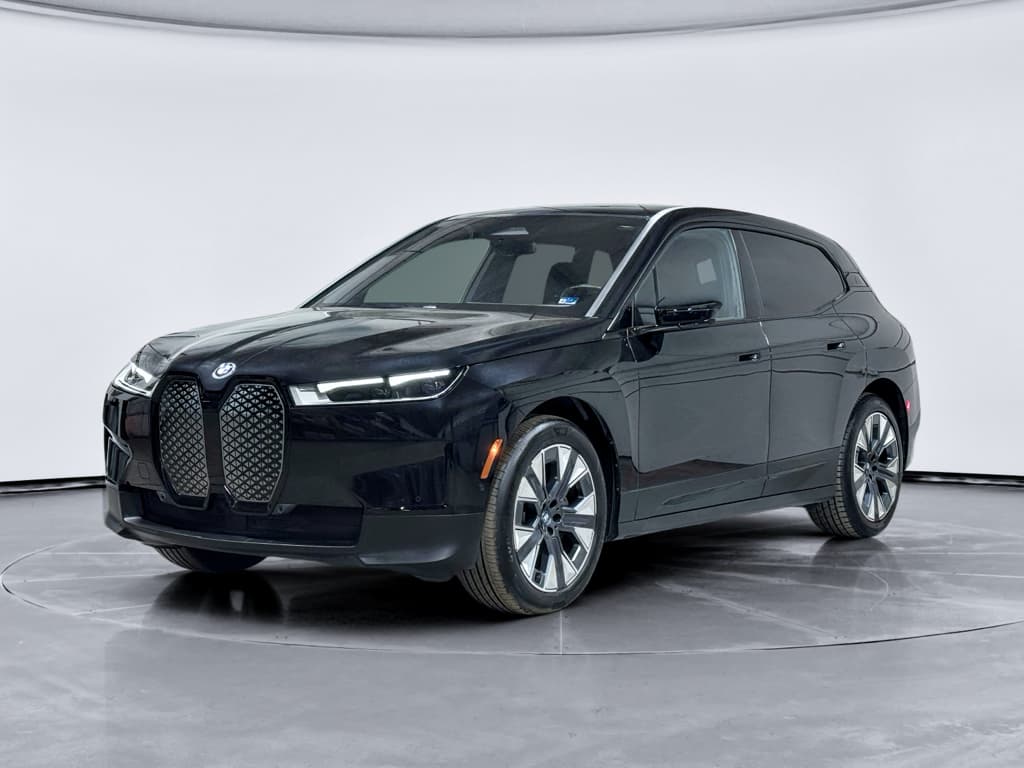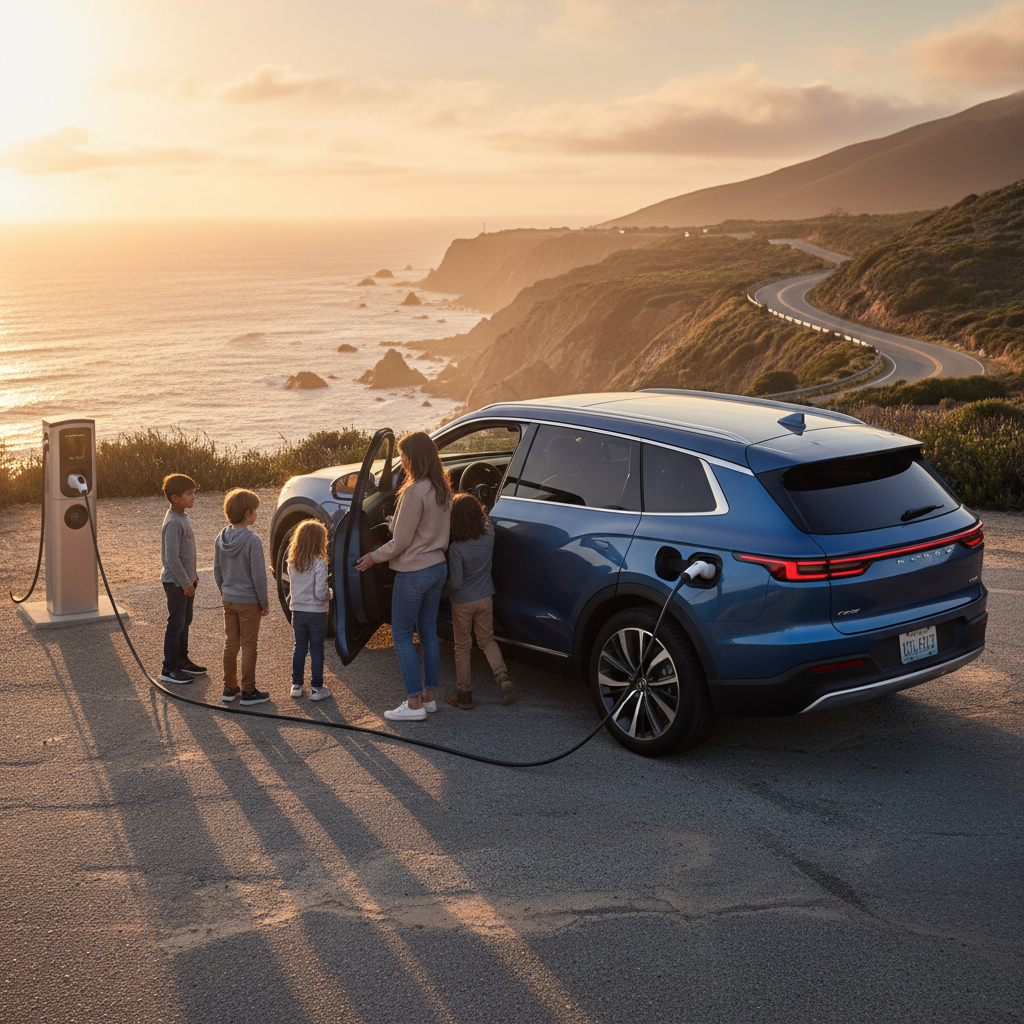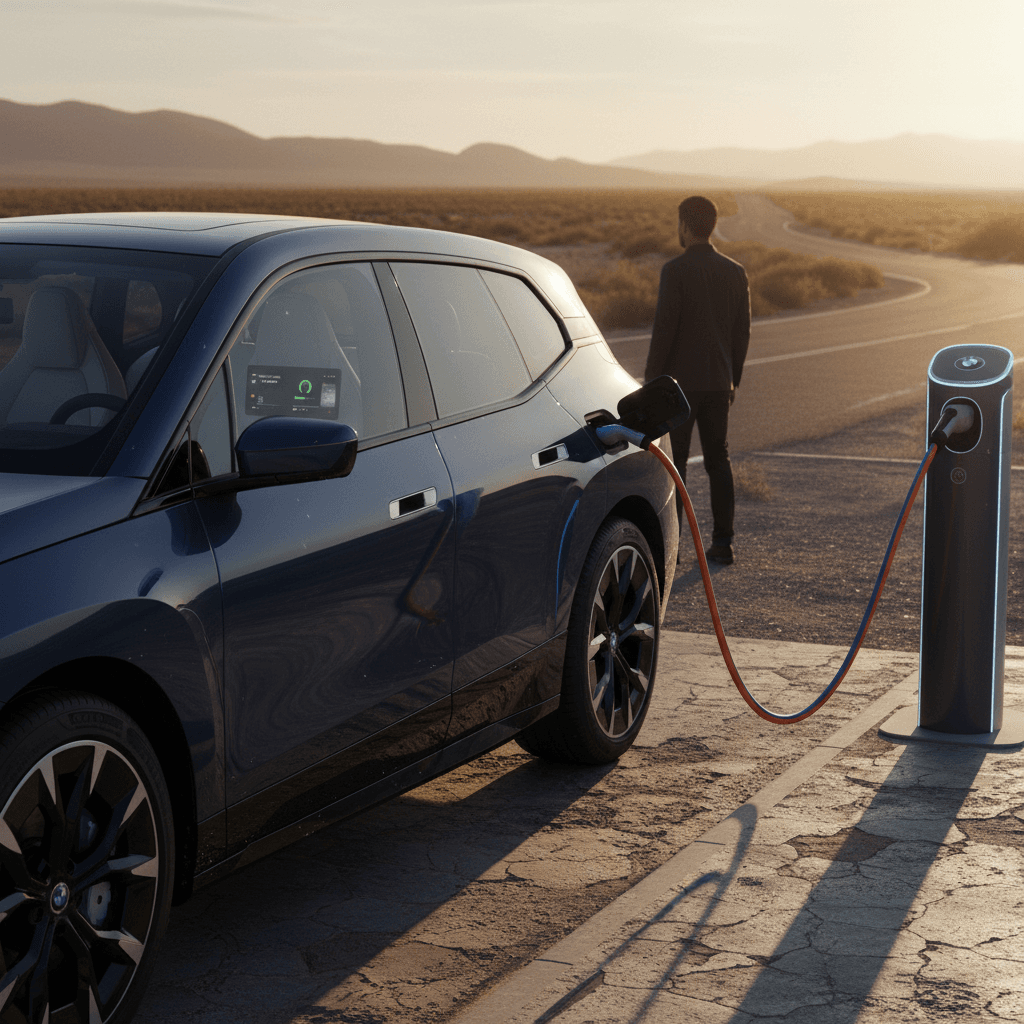
If you’re eyeing a long highway run in a BMW iX, or shopping a used one for road trips, you’re starting from a strong place. The iX combines a big battery, efficient aerodynamics and a calm, quiet cabin that make it one of the more relaxed long-distance EVs on the road. With a bit of planning and the right driving habits, you can turn it into an outstanding cross-country companion.
Big picture
Why the BMW iX excels at long-distance driving
Core long-distance strengths of the BMW iX
Why it feels more like a luxury GT than a science experiment
High real-world range
The iX’s large battery and slippery body let it hold its own at U.S. interstate speeds. Real-world highway tests around 70–75 mph routinely show 260–300 miles of usable range between fast charges when you operate between about 10–80% state of charge.
Stable at highway speeds
Compared with many EVs that lose a big chunk of range on the freeway, the iX’s efficiency doesn’t fall off a cliff at 70–75 mph. Independent testing has shown highway numbers that rival or even beat its combined EPA rating in some configurations.
Calm, comfortable cabin
Air suspension (on many trims), excellent seats, and a quiet interior make 400–600 mile days realistic. The lounge-like cabin helps you arrive less fatigued than in many traditional SUVs.
Good news for road trippers
Know your iX’s real-world highway range
BMW offers several iX variants (xDrive45, xDrive50/60, M60, and regional trims), but they share the same basic story: excellent highway range with a large pack. Where things diverge is wheels, tires, climate and your own right foot.
BMW iX highway range: What’s realistic?
Approximate real-world expectations at U.S. highway speeds for a healthy battery, mild temperatures and a sensible driver.
| Scenario | Typical efficiency (mi/kWh) | Usable pack approx. | Realistic highway range window* |
|---|---|---|---|
| Mild weather, 70–75 mph, light load | 2.4–2.7 | ~105–111 kWh | 260–300 miles between ~10–80% |
| Mixed driving (highway + suburban) | 2.8–3.1 | ~105–111 kWh | 300–330+ miles from near-full |
| Cold weather, 20–30°F, 70–75 mph | 1.9–2.3 | ~105–111 kWh | 220–260 miles between ~10–80% |
| Heavy rain/headwinds or 80+ mph | 2.0–2.2 or less | ~105–111 kWh | 200–240 miles between ~10–80% |
Use these as planning baselines, not guarantees, your route, weather and driving style will move the needle.
EPA range isn’t a promise
- Before your first big trip, run your iX from ~80% down to ~10–15% on a normal highway day, note the miles and kWh used, and calculate your personal mi/kWh baseline.
- If you’re buying a used iX, ask for a recent DC fast-charge session screenshot or range test, or use a battery report like the Recharged Score to confirm usable capacity is still close to original.
Smart route planning and charging strategy
Long-distance EV driving is less about squeezing every last mile out of the pack and more about arriving at chargers in the battery’s sweet spot. The iX fast-charges happiest and quickest between roughly 10–60% state of charge, with speeds tapering as you approach 80%.
BMW iX road-trip charging snapshot
Route-planning checklist for iX road trips
1. Anchor your route on fast chargers
In BMW’s navigation or an app like A Better Routeplanner, plot your trip around <strong>reliable DC fast chargers</strong> every 120–180 miles instead of driving until nearly empty.
2. Target 10–20% arrival, 60–80% departure
You’ll charge fastest and spend less total time stopped by arriving with a low state of charge and leaving before the car slows down above ~80%.
3. Build in a buffer
Plan each stop with 30–50 miles of buffer range beyond the charger you’re targeting. That gives you options if a site is full, offline or slower than expected.
4. Layer backup options
For every DC stop, identify a backup site within 20–30 miles, plus a couple of Level 2 stations near hotels or restaurants along your route.
5. Download the right apps ahead of time
Sign up for the major charging networks (Electrify America, EVgo, ChargePoint, local co-ops) before you leave so you’re not fighting with app signups in a parking lot.
Use multiple planners
Using BMW tech to your advantage on road trips
Let built-in navigation precondition the battery
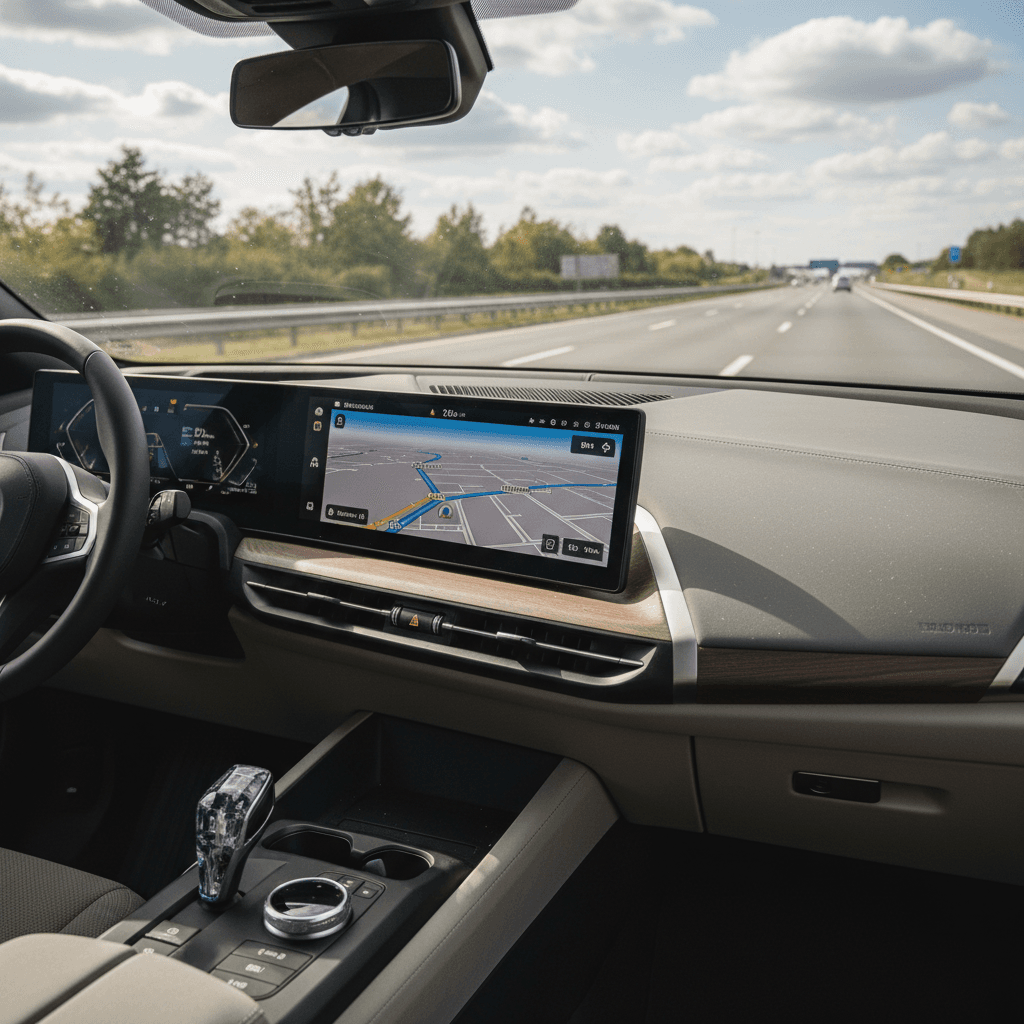
On most iX trims, if you set a DC fast charger as your destination in the factory navigation, the car will automatically start preconditioning the battery as you approach. That means warming or cooling the pack so it can accept higher power as soon as you plug in.
- Do this 20–30 minutes before arrival if possible.
- Look for a snowflake symbol or energy-flow graphic changing as the car works.
- If your route planner app finds stations, plug the final charger into BMW’s nav as a waypoint.
Use driver assistance the right way
Features like adaptive cruise control and lane centering are tailor-made for long iX highway stints. Used wisely, they reduce fatigue and can even smooth out your driving, which helps efficiency.
- Set a realistic cruising speed, often 70–75 mph is a good compromise between time and range.
- Avoid constant lane changes; every burst of acceleration costs energy.
- Use the head-up display and traffic alerts to plan gentle lifts off the throttle for upcoming slowdowns instead of late braking.
Driving modes and techniques to extend range
The BMW iX gives you several drive modes and regenerative braking options. For long-distance driving, your goal is a predictable, efficient setup you can settle into for hours without thinking about it.
Choosing the right driving mode in your iX
You don’t need to baby the car, but a few settings help
Efficient / Eco Pro
Ideal when range is your priority. It softens throttle response, tames climate settings slightly and nudges you toward smoother driving. Use this on days when you’re stretching between sparse chargers or in cold weather.
Comfort / Personal
Best all-round for many drivers. Keeps the iX feeling like a luxury SUV while still delivering solid efficiency. If you’re comfortably within range to your next stop, this tends to be the sweet spot.
Sport
Fun, but expensive in kWh. The sharp throttle and higher power use make sense for short bursts or mountain passes, not all-day cruising. If you use it, drop back to Comfort or Efficient once the road straightens out.
- Use high or adaptive regenerative braking in traffic or rolling hills so the car recaptures more energy when you lift off the accelerator.
- On steady interstate runs, a mild regen setting plus cruise control can feel more natural; pick what helps you drive smoothly without constant on–off throttle.
- Avoid jackrabbit starts and late braking; the iX is quick, but every 0–60 launch shows up on your energy graph later.
- Check tire pressures before you leave, low pressures can easily eat 3–5% of your range and make the car feel sloppy.
Speed is your biggest lever
DC fast charging your BMW iX like a pro
Most iX owners will home-charge on Level 2 and fast-charge on road trips. The key to quick highway days is understanding how your car behaves on DC chargers and matching your stops to its charging curve.
Fast-charging best practices for the iX
Arrive low, not empty
Aim to pull into DC fast chargers somewhere between 10–25%. You’ll see higher power right away, and you keep a safety buffer if a station is offline or clogged.
Don’t chase 100% on DC
Above ~80%, most iX variants slow charging dramatically to protect the battery. Topping to 100% at a fast charger can easily double your stop time for only a bit more range. Save 90–100% charges for Level 2 at hotels or home.
Watch the charger, not just the dash
Good stations show kW and kWh delivered. If you’re stuck at 40–60 kW on a 350 kW unit with warm weather and low state of charge, the <strong>station</strong> may be the problem, not your car.
Precondition anytime it’s cold
In cold weather, use BMW navigation to target the charger so the car warms the pack on the way. Without this, you’ll often see much slower initial charging until the battery self-warms.
Share sites considerately
On many U.S. sites, two posts share power. If possible, plug into a stand that isn’t paired with another car to give the iX the full power it can handle.
Avoid repeated 0–100% DC sessions
Weather, load and towing: How they hit range
Even a large-battery EV like the BMW iX can see big swings in range when you add winter temps, full passengers and cargo, or a trailer. Knowing how each factor behaves lets you set realistic expectations and avoid range surprises.
Cold weather
Sustained temps around freezing can trim 15–30% off your range, especially at highway speeds. The battery and cabin both need extra energy. Precondition the cabin while plugged in and expect shorter legs between chargers.
Heat and AC use
Hot weather is usually less punishing than deep cold, but hours of heavy A/C in triple-digit temps still add up. Park in the shade and use pre-cooling while plugged in at lunch stops to take the edge off.
Passengers, cargo and towing
Extra weight hurts efficiency, and towing can be especially costly in an SUV with boxy aerodynamics. With a moderate trailer, it’s reasonable to plan for roughly half to two-thirds of your normal highway range until you’ve tested your specific setup.
Winter buffer
Comfort, cargo and passengers on long days
One of the iX’s greatest strengths is that it still feels like a luxury SUV after eight hours in the saddle. A few thoughtful choices before and during the trip can keep everyone comfortable without torpedoing your efficiency.
- Use seat and steering-wheel heaters in cold weather instead of cranking cabin heat. They warm you faster and use less energy than heating all the air in the cabin.
- Distribute luggage so heavy items sit low and between the axles; that keeps the iX stable and predictable if you need to maneuver suddenly.
- Take advantage of the quiet cabin with longer but less frequent stops. A 30-minute fast charge every 2.5–3 hours often feels better than constant short breaks.
- Set climate to Auto, choose a reasonable temperature (around 68–72°F) and avoid constantly fiddling, which can overshoot and waste energy.
- If you’re traveling with kids or pets, use charging stops as movement breaks; that way, necessary family stops and necessary charging stops line up.
Make stops work for you
Protecting battery health on long trips
BMW backs the iX’s high-voltage battery with a long-term warranty, but how you charge and store the car still matters, especially if you’re thinking about resale value or shopping a used iX today.
Battery-care guidelines for frequent road trippers
Avoid living at 100% SOC
Use 100% charges strategically, before an especially long gap between chargers, rather than as your daily routine. For daily use, many owners stick to 70–80% targets.
Mix DC and Level 2 charging
There’s nothing wrong with using DC fast charging on trips, but if you’re doing back-to-back long days, work in some overnight Level 2 charges at 40–80% to give the battery an easier life.
Don’t panic about a few hard days
Modern packs, including the iX, are designed to tolerate occasional heavy use. A couple of 0–100% DC sessions on a once-a-year cross-country run won’t ruin the battery; patterns over years are what matter.
Keep software up to date
BMW periodically tweaks charging curves and thermal management in software updates. Keeping your iX current can improve both charging behavior and long-term health.
How a used iX is evaluated at Recharged
Used BMW iX road-trip checklist (if you’re shopping used)
If your goal is effortless long-distance cruising, the right used iX can be a sweet spot: someone else took the initial depreciation hit, and you still enjoy a modern battery pack and features. But you want to be sure the car is as road-trip-ready as you are.
Key checks before buying a used iX for road trips
Confirm battery health and range
Review a recent battery-health report, such as the <strong>Recharged Score</strong>, and compare expected usable capacity and range to original specs. Look for only modest degradation given age and mileage.
Test a highway run
If possible, do a 30–50 mile highway test drive at your typical speeds. Note efficiency (mi/kWh) and how stable the car feels in crosswinds and at speed.
Check fast-charging behavior
Do a short DC fast-charge session from roughly 15–20% up to 60–70% and observe the kW numbers. You’re checking that the car can still hit healthy power levels on a good charger.
Inspect tires and wheels
Oversized wheels and aggressive tires look great, but they can cost you range and comfort. Make sure the setup matches your priorities, efficiency, comfort or style.
Review service history
Look for regular maintenance, software updates and any high-voltage or charging-related repairs. A documented history is a good sign the previous owner cared for the car.
Where Recharged fits in
FAQ: BMW iX long-distance driving
Frequently asked questions about BMW iX road trips
Key takeaways for your next BMW iX road trip
The BMW iX is built for exactly the kind of long-distance driving that intimidates many first-time EV owners. With a large pack, strong highway efficiency and a genuinely comfortable cabin, it can cover serious miles while keeping you relaxed. If you plan your route around dependable DC fast chargers, arrive in the 10–20% range, leave around 60–80%, and respect how weather and speed affect efficiency, you’ll find that road tripping in an iX quickly feels routine.
If you’re in the market for an iX specifically to tackle long highway days, shopping used through Recharged adds another layer of confidence. You’ll see verified battery health via the Recharged Score, transparent pricing, and can tap into EV specialists who live this stuff every day. Whether you’re driving the iX you already own or choosing your first EV, the right prep, and the right car, turns long-distance electric driving from a question mark into something you genuinely look forward to.