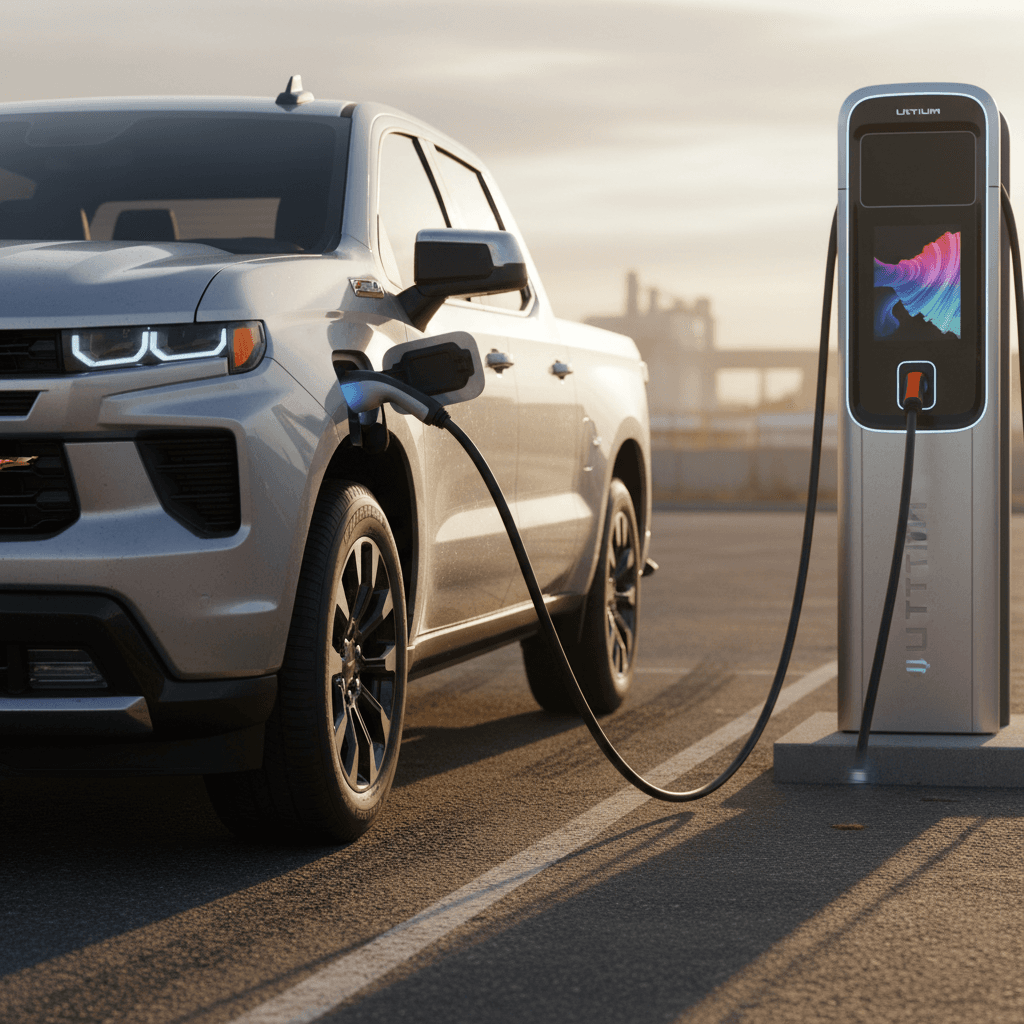
If you’re shopping for a BMW iX, or already own one, the big question is simple: **how fast does it really charge?** Spec sheets promise up to 195 kW DC fast charging and quick 10–80% times, but real‑world results depend on temperature, the charger you pick, and how you drive. This BMW iX charging speed test guide walks through the official numbers, independent charging‑curve data, and what you can actually expect at a highway fast charger or in your driveway.
Why charging speed tests matter
BMW iX charging speed overview
Key BMW iX charging speed numbers
Across its different trims (xDrive40, xDrive50/xDrive60, and M60), the BMW iX is built around a **large battery and relatively conservative charging curve**. Official BMW data and independent testing show most higher‑trim iX models can fast‑charge from 10–80% in roughly **33–35 minutes** when plugged into a powerful DC charger that can deliver the full 195 kW.
BMW iX charging specs by trim (summary)
Exact numbers vary slightly by model year and market, but this is the big picture.
iX xDrive40
- Smaller usable battery (~94–100 kWh)
- Max DC: 150–175 kW (region‑dependent)
- 10–80% DC: ~31–34 minutes
iX xDrive50 / xDrive60
- Usable battery ~105–111 kWh
- Max DC: up to 195 kW
- 10–80% DC: ~32–35 minutes
iX M60
- Same big pack as xDrive50/60
- Max DC: up to 195 kW
- 10–80% DC: ~34–35 minutes
Tip: Don’t chase 100% on fast chargers
BMW iX DC fast‑charging specs and what they mean
On paper, the BMW iX looks very competitive for DC fast charging. Most current xDrive50/xDrive60 and M60 models support a **maximum DC rate of around 195 kW**, with BMW quoting **10–80% in about 34–35 minutes** on a high‑power charger. That’s possible thanks to the iX’s big battery, roughly 105–111 kWh usable depending on model year and trim, and a 400‑V architecture tuned for sustained high power rather than just a quick peak.
BMW iX DC fast‑charging specs (typical U.S./EU figures)
Rounded, real‑world‑oriented numbers to help you compare trims. Always check your specific model year for exact specs.
| Model | Usable battery (approx.) | Max DC power | Typical 10–80% time | Energy added 10–80% (approx.) |
|---|---|---|---|---|
| iX xDrive40 | ~90–100 kWh | 150–175 kW | ~31–34 min | ≈55–60 kWh |
| iX xDrive50 / xDrive60 | ~105–111 kWh | Up to 195 kW | ~32–35 min | ≈70–80 kWh |
| iX M60 | ~105–111 kWh | Up to 195 kW | ~34–35 min | ≈70–80 kWh |
Fast‑charging performance is similar for the larger‑battery iX trims; the main variables are starting state of charge and temperature.
Independent charging‑curve testing on the iX xDrive60 shows a **peak of 195 kW**, with an **average of about 138 kW from 10–80%** and a 10–80% time just over **33 minutes** in ideal conditions. That’s exactly what you want to see: a high peak, but more importantly a healthy average across the middle of the battery pack, where you’ll actually spend your road‑trip time.
Charging curve in plain English
Real‑world BMW iX charging speed tests
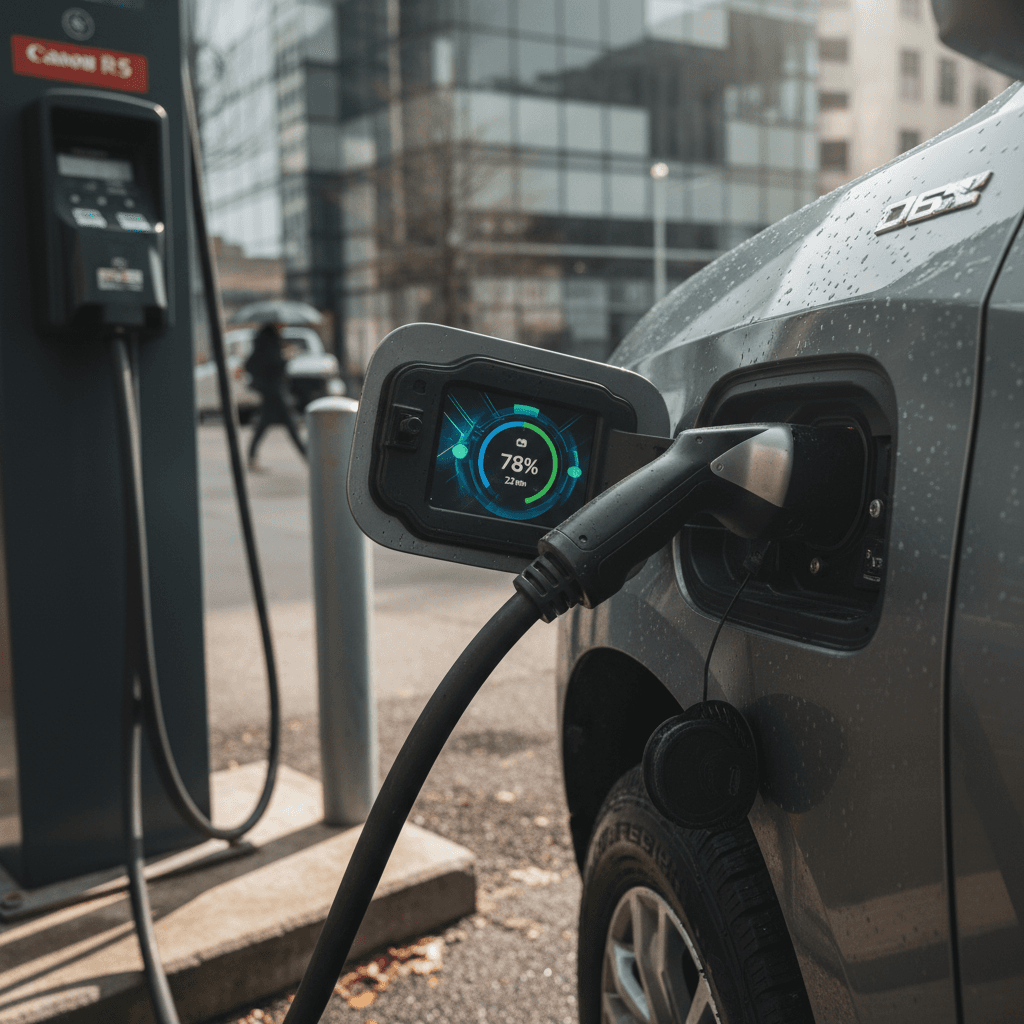
The real story comes when you plug into an actual fast charger. Long‑term testing on a 2024 BMW iX M60 at a 350 kW Electrify America site, starting at 10% state of charge in cold weather, showed the car **jumping immediately to roughly 192–195 kW** and holding that rate until around 30% SoC. Over a 35‑minute session, the iX added a little over **80 kWh**, landing right in the promised 10–80% window.
- In practice, you’ll usually see the **best speeds from roughly 10–50% SoC**. That’s the real “sweet spot” for road‑trip charging.
- From **50–80%**, speeds ramp down gradually but are still respectable; this is a good window if you’re stretching to the next stop.
- Above **80% SoC**, the iX slows dramatically, sometimes under 60 kW, so it’s rarely worth waiting unless you absolutely need the range.
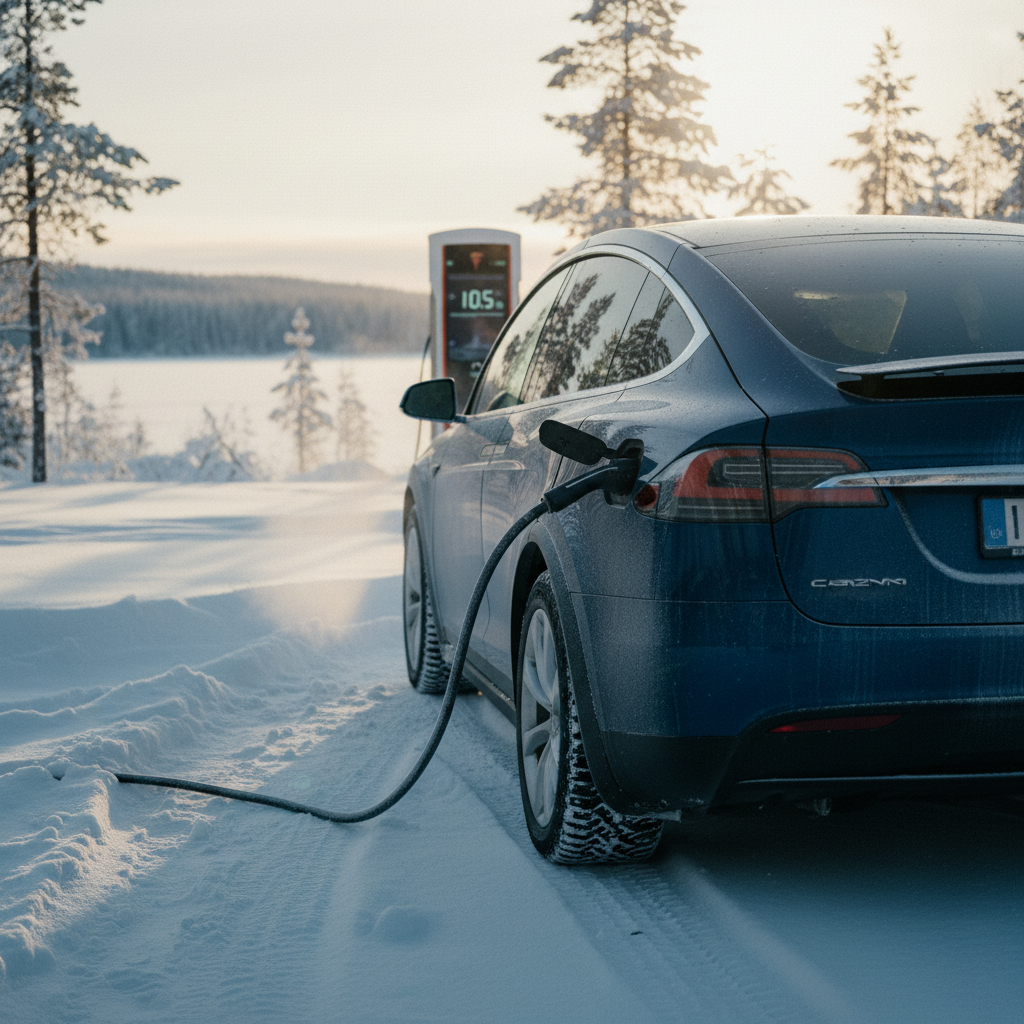
Cold batteries = slow charging
Range added per minute (typical)
- In the 10–80% window, tests show the iX xDrive60 can add roughly 9–11 miles of real‑world range per minute at its best.
- At highway speeds, that’s about 60–70 miles in a 6–7 minute top‑up if you arrive around 15–20% and unplug at 55–60%.
What that feels like on the road
- Drive 2–2.5 hours, arrive near 15–20%.
- Plug in, hit the restroom, grab a coffee.
- By the time you’re back, the iX is already climbing past 50–60% with enough range for the next leg.
That’s how modern EV road‑tripping works when you stay in the fast part of the charging curve.
Home charging speed: Level 1 vs Level 2 on the iX
DC fast charging grabs the headlines, but most BMW iX charging happens at home. Every iX includes onboard AC charging up to **11 kW**, which is perfect for an overnight top‑off. How fast that feels depends on whether you’re using a standard household outlet (Level 1) or a 240‑V Level 2 setup.
BMW iX home charging times (approximate)
Times assume the onboard 11 kW AC charger and typical U.S. electrical setups. Real results vary with exact outlet, wiring, and starting SoC.
| Charging type | Power (approx.) | Miles of range per hour | 0–100% time (large‑battery iX) | Best use case |
|---|---|---|---|---|
| Level 1 (120 V wall outlet) | ~1.4 kW | 3–4 mi/hr | 30+ hours | Emergency use only, or very low daily miles |
| Level 2 (240 V, 32–40 A) | 7.2–9.6 kW | 25–35 mi/hr | 11–14 hours | Typical home charging, plug in at night, full by morning |
| Level 2 (240 V, 48 A / 11 kW) | Up to 11 kW | 30–40 mi/hr | ≈10–11 hours | Dedicated wallbox or high‑power portable charger on a 60 A circuit |
Level 2 home charging unlocks the iX’s full overnight potential; Level 1 is for emergencies only.
Choosing the right home charger for your iX
Recharged can help you understand whether the **included portable Level 2 cable** is enough for your daily needs or whether a hard‑wired wallbox makes sense. When you buy a used iX through Recharged, an EV specialist can walk you through home‑charging options and what’s realistic for your panel and parking situation.
5 factors that make your BMW iX charge slower than the brochure
- Battery temperature. Cold pack? The iX will baby it with lower power until things warm up. Always enable battery preconditioning by setting the fast charger as your destination in the built‑in navigation.
- State of charge when you plug in. Show up at 50% and you’ll never see 195 kW. The fastest rates occur from roughly 10–40%.
- Charger capability. If you plug into a 50 kW DC unit at a small shopping center, that’s the ceiling, your iX can’t pull more than the station can deliver.
- Shared power on multi‑stall sites. Some highway sites split power between stalls. If the car next to you is also charging hard, each stall may get only part of the advertised kW.
- Software and conditions. The iX constantly protects the battery. Hot weather, repeated back‑to‑back fast charges, or outdated charger firmware can all trim a few kW off the top.
Don’t fight the taper
How to get the fastest possible charge in your BMW iX
Road‑trip checklist: squeezing the most out of your iX at fast chargers
1. Arrive with 10–20% state of charge
Plan your leg so you roll into the charger nearly empty. That’s where the iX delivers its highest power and biggest range gains per minute.
2. Use the BMW navigation to the charger
Set the DC fast charger as your destination so the iX can pre‑condition the battery on the way. A warm battery accepts high power more quickly, especially in cold weather.
3. Prefer 150–350 kW stations
Look for high‑power CCS stations from networks like Electrify America, EVgo, or high‑speed sites at dealerships. A 50 kW charger will cap your speed no matter what the car can handle.
4. Unplug around 60–70% on road trips
Once your charging speed drops below roughly 70–80 kW, you’re often better off leaving and driving to the next charger. Multiple shorter sessions beat one long one.
5. Avoid back‑to‑back 0–100% fast charges
Occasional 100% DC charges are fine, but making it a habit is hard on any battery. For pack health, reserve 100% for rare, range‑critical days and use Level 2 at home for full charges.
6. Keep your software and apps up to date
BMW and charging networks regularly improve compatibility and reliability. Updating your iX’s software and using the latest app versions reduces session glitches and mis‑reported charge speeds.
Good news for used iX shoppers
Ready to find your next EV?
Browse VehiclesCharging costs and road‑trip planning with the iX
Charging speed is only half the story; your wallet cares about **how much that energy costs**. The iX’s large battery and efficiency (often in the mid‑80s MPGe range depending on wheel size and trim) mean you’re moving a lot of metal very efficiently, but DC fast charging usually costs more per kWh than home charging.
Home charging (cheapest, but slowest)
- Typical U.S. residential electricity: $0.13–$0.25/kWh, depending on region.
- Filling ~100 kWh from low to full can cost roughly $13–$25 at home.
- On a cost‑per‑mile basis, that often beats gasoline by a wide margin.
DC fast charging (fast, but pricier)
- High‑power CCS networks often run $0.31–$0.55/kWh.
- A 10–80% session that adds ~70–80 kWh might cost $22–$44, depending on the station.
- Still usually cheaper than fueling a similarly quick gasoline SUV, especially if you mix in home charging.
Planning iX road trips
Used BMW iX: charging health and what to check
If you’re considering a **used BMW iX**, charging performance and battery health are every bit as important as leather quality or wheel size. A car that’s been fast‑charged hard from 0–100% day after day may still feel fine, but its long‑term capacity and peak charging speeds can suffer.
Charging‑related checks for a used BMW iX
These are the questions to ask and the data to hunt down before you sign.
1. Typical daily charging habits
Ask the previous owner (or dealer):
- Home Level 2 most of the time?
- How often DC fast charging?
- Did they routinely charge to 100%?
2. Observed fast‑charge speeds
During a test drive, plug into a strong DC charger from a low SoC. If the car struggles to climb above ~120 kW in good conditions, that’s worth investigating.
3. Independent battery health data
A proper battery health report gives you more than a dash‑estimate. At Recharged, every used iX gets a Recharged Score with verified pack health and charging performance so you know what you’re buying.
Because the iX uses a large, well‑managed pack and doesn’t chase the wildest charging peaks, we’re seeing **encouraging early‑life degradation behavior**. But no two lives are the same. A Recharged iX listing includes a **full Recharged Score Report**, fair‑market pricing, and EV‑specialist guidance on home and road‑trip charging so you can step into a big‑battery BMW without big unknowns.
BMW iX charging speed test FAQ
Frequently asked questions about BMW iX charging speed
The BMW iX isn’t chasing headline‑grabbing 350 kW peaks, but that’s not the point. In real‑world charging speed tests, it delivers exactly what road‑trippers need: a broad, usable fast‑charging plateau, honest 10–80% times in the mid‑30‑minute range, and easy overnight refills at home with an 11 kW Level 2 charger. If you understand its charging curve, and plan your stops around that 10–70% sweet spot, the iX turns into a relaxed, swift long‑distance machine. And if you’re exploring a used BMW iX, Recharged can put hard numbers behind the promise with a Recharged Score battery health report, transparent pricing, and EV‑savvy guidance from your first test drive to your first road trip.