If you’re eyeing a three‑row electric SUV, the 2025 Rivian R1S is probably on your short list. But with any relatively young brand, reliability quickly becomes the make‑or‑break question. Early data shows the 2025 Rivian R1S can be an outstanding daily driver and road‑trip rig, but it also brings more than its share of software bugs, trim issues and recalls compared with established brands.
Quick take
2025 Rivian R1S reliability overview
2025 R1S reliability snapshot
Rivian is still in the early innings compared with legacy automakers. That’s showing up in fit‑and‑finish, electronics and software reliability more than in catastrophic mechanical failures. In practice, that means many 2025 R1S owners are thrilled with how the SUV drives and tows, but a non‑trivial number are losing time to service visits, over‑the‑air (OTA) update glitches, squeaks, and rattles.
Key context for 2025
How consumer ratings score the 2025 R1S
Independent testing organizations that track owner surveys and repair history currently rate the 2025 Rivian R1S as less reliable than the average 2025 vehicle. Where it tends to lose points is in body hardware, things like doors, windows and locks, as well as suspension and steering components. That lines up with earlier‑model owner stories about half‑shaft wear, air‑suspension quirks and trim issues on higher‑mileage R1S and R1T trucks.
- Owner satisfaction often scores higher than reliability, drivers love the powertrain, design and cabin comfort.
- Reliability trouble spots cluster around body hardware (doors, seals, windows), electronics and suspension components.
- Powertrain and battery reliability look more promising so far, especially on newer dual‑motor setups.
How to read reliability scores
Common 2025 R1S problems emerging so far
Because the 2025 model year is still relatively new, most issues showing up today are either carry‑overs from earlier R1S builds or software behaviors tied to newer OTA updates. Here are the main problem categories owners and service departments are seeing:
Most reported 2025 Rivian R1S issues
What’s popping up in owner reports and service visits
Body & trim
- Door alignment or latching quirks
- Wind noise increasing with mileage
- Interior squeaks and rattles
- Occasional water leaks around seals
Electronics & software
- Glitches with proximity locking and key recognition
- Infotainment lag or random reboots
- Driver‑assist features needing resets
- OTA updates failing or hanging until a module is replaced
Suspension & ride
- Air‑suspension error messages
- Occasional ride‑height faults that resolve after a reset
- Premature wear of half‑shafts on earlier builds, with mixed reports on newer ones
Is every 2025 R1S affected by these problems? No. For every owner dealing with a glitchy OTA update or suspension warning, there’s another reporting tens of thousands of mostly trouble‑free miles. But as a shopper, you should assume these are the most likely areas to inspect and test on a test drive, especially if the vehicle already has 20,000+ miles on it.
Rare but serious complaints
Recalls and safety concerns
The 2025 Rivian R1S has already been the subject of multiple safety recalls, largely in line with the broader R1 platform. Many of these mirror earlier years, fasteners, steering components, airbag wiring, seat‑belt hardware or software behaviors, and are corrected via a mix of OTA updates and in‑person service.
Typical recall themes for the R1 platform
Examples of the kinds of issues that have triggered recalls on R1S/R1T models (exact campaigns vary by VIN and build date).
| Area | Type of concern | Typical fix | What to verify on a used R1S |
|---|---|---|---|
| Steering & suspension | Loose or incorrectly torqued fasteners, potential loss of control in extreme cases | Inspection and retorque or replacement at a Rivian service center | Confirm recall completion in the service history; test for noises or wandering on the highway. |
| Seat belts & airbags | Improperly installed sensors or hardware that may not protect occupants as intended | Parts inspection and replacement, plus software calibration | Check for open airbag or seat‑belt recalls and ensure repairs are documented. |
| Electronic systems | Incorrect fault detection or failure‑to‑warn for certain systems | OTA software updates or control‑module reprogramming | Verify the vehicle is on current software and that previous warnings haven’t returned. |
| Drive systems & cooling | Incorrect routing or protection of components that could impact thermal management | Hardware changes + software updates where needed | Review any history of thermal warnings, limp‑mode events or power‑loss complaints. |
Always run a VIN‑specific recall check before you buy.
How worried should you be about recalls?
Battery and drivetrain reliability
If there’s good news in the 2025 Rivian R1S reliability story, it’s this: the core EV hardware, battery pack and electric motors, has been holding up better than the body and software pieces so far. High‑profile battery failures or complete drive‑unit failures remain relatively rare in owner communities compared with the visibility of squeaks, rattles and software bugs.
- The 2025 R1S continues to offer long‑range battery options, and real‑world range tends to stay healthy, especially when owners follow charging best practices.
- Most reported drive‑unit issues tend to be isolated and handled under warranty, rather than systemic failures across the fleet.
- Rivian’s battery and drive‑unit warranty (8 years/175,000 miles for many configurations) significantly reduces the financial risk of a major EV‑component failure.
Protecting battery health on an R1S
Ownership experience: software and build quality
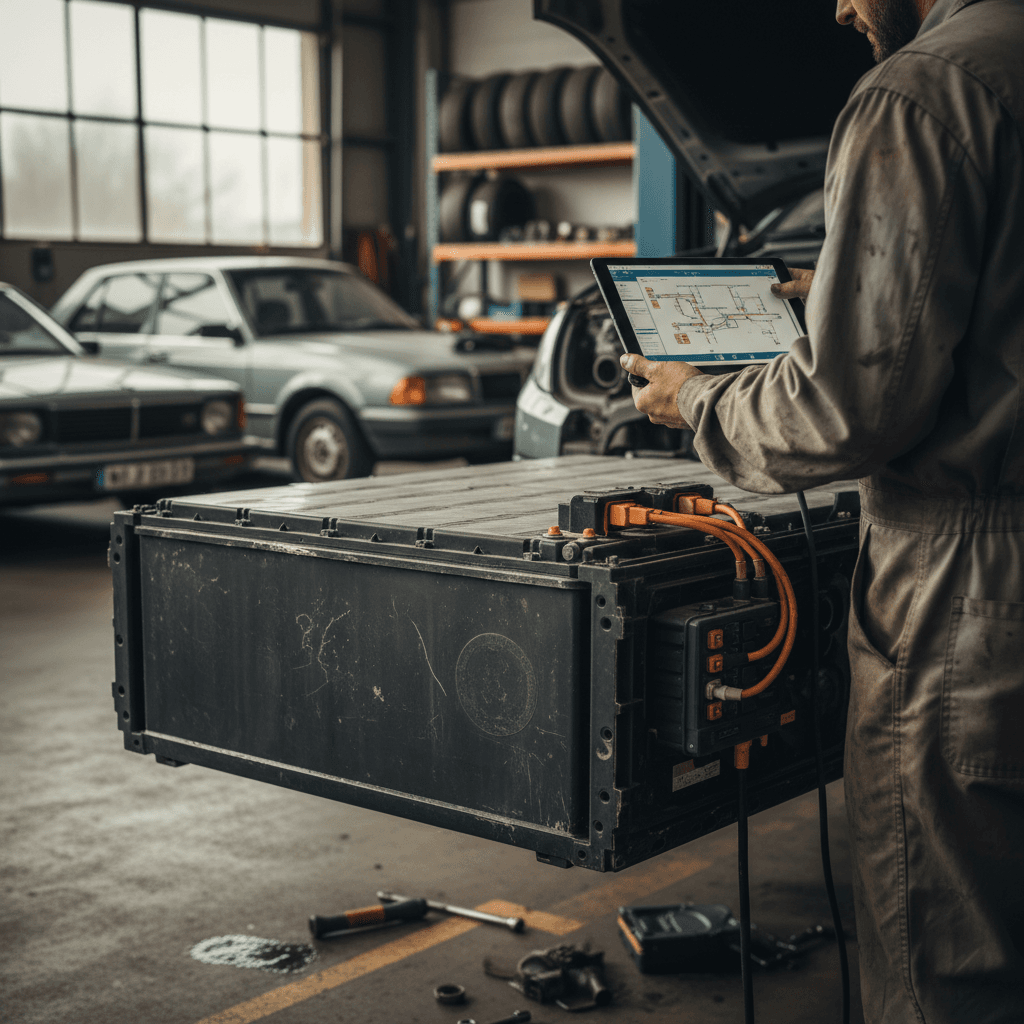
Rivian’s strength is its driving experience: massive torque, confident all‑weather traction, a quiet cabin when new, and genuinely good ride quality when the suspension is behaving. Where the 2025 R1S earns mixed reviews is in the day‑to‑day polish of its software and interior build.
Where owners praise, and criticize, the 2025 R1S
Real‑world themes from driver reports
What owners love
- Effortless acceleration and strong towing performance
- Comfortable, upscale cabin that fits families and gear
- Impressive off‑road capability for a three‑row EV
- Over‑the‑air feature additions over time (e.g., new drive modes, apps)
What frustrates owners
- Slow or buggy infotainment and Alexa voice integration
- Wind noise and trim rattles increasing with mileage
- Driver‑assist features that need frequent resets
- OTA updates that occasionally break as much as they fix
Software can make the car feel unreliable
What this means if you’re buying a used 2025 R1S
For used‑EV shoppers, the 2025 R1S is a classic risk‑reward play. You’re getting a highly capable, premium three‑row SUV with cutting‑edge EV hardware, but you’re also buying into a brand that’s still tightening up its reliability story. That doesn’t mean you should walk away, it means you should prioritize inspection, documentation and support.
Upsides of a used 2025 R1S
- Potentially lower purchase price versus new with incentives and early depreciation baked in.
- Battery and drive‑unit warranty likely still in full effect for many years.
- Many early issues may already have been fixed under warranty by the first owner.
- You get the full Rivian experience, performance, capability, and design, without absorbing all the initial ownership risk.
Downsides and risks
- Out‑of‑warranty items like suspension components, trim, and electronics can be costly.
- Service center coverage is still more limited than traditional brands, depending on where you live.
- Past software or hardware issues may not be obvious without a deep history review.
- More recalls and software updates may still land during your ownership window.
How Recharged helps de‑risk a used R1S
Ready to find your next EV?
Browse VehiclesHow the 2025 R1S compares to other EV SUVs
If you’re cross‑shopping the 2025 R1S against other electric SUVs, Tesla Model X, Kia EV9, Volvo EX90, Mercedes‑Benz EQS SUV, reliability becomes a key differentiator. None of these are perfect, but their patterns are a bit different.
2025 R1S vs. other three‑row EV SUVs (reliability lens)
High‑level tendencies based on early data and prior‑model history.
| Model | Reliability tendency | Where issues tend to show up | Owner‑reported upside |
|---|---|---|---|
| Rivian R1S | Below average (early data) | Body hardware, suspension components, software quirks, recalls | Exceptional performance, off‑road ability, distinctive design |
| Tesla Model X | Mixed | Electronics, falcon‑wing doors, interior trim | Access to Supercharger network, strong performance |
| Kia EV9 | Too new for full picture, but Kia has solid recent reliability | Infotainment bugs, occasional charging quirks | Mainstream dealer network, strong warranty, family‑friendly packaging |
| Volvo EX90 | Very early rollout, limited data | Software rollout delays and bugs | High safety focus, premium interior |
| Mercedes EQS SUV | Below average in some early surveys | Electronics, air‑suspension complexity, interior rattles | Luxury cabin, quiet ride, brand cachet |
Use this as directional guidance, not a substitute for model‑specific research.
From a pure reliability standpoint, mainstream brands with dealer networks in every metro area still have the edge. But if you prioritize adventure capability, design and uniqueness, and you’re willing to accept some teething issues, the 2025 R1S remains one of the most compelling EV SUVs on the market.
Maintenance, warranty and costs to expect
Like most EVs, the 2025 R1S eliminates oil changes and many traditional engine‑related maintenance items. Where costs can creep up is in tires, brakes (on heavy, high‑performance EVs), suspension parts and out‑of‑warranty electronics.
- Tires: Expect to replace them more frequently than on a typical crossover, especially if you drive aggressively or frequently tow or off‑road.
- Brakes: Regenerative braking helps, but the R1S is heavy. Inspect pads and rotors on any used example, especially with high mileage or mountain use.
- Suspension & steering: Air‑suspension components and half‑shafts are more expensive than on a basic gas SUV. Warranty coverage matters here.
- Electronics: If a screen, camera or sensor fails out of warranty, repair costs can add up. Thorough pre‑purchase testing is your best defense.
Know your coverage window
Checklist for evaluating a used Rivian R1S
Pre‑purchase checklist for a 2025 Rivian R1S
1. Run a full VIN history and recall check
Verify that all open recalls have been completed and that there’s no record of major accidents, flood damage or buyback events. Ask the seller for Rivian service records tied to the VIN.
2. Inspect body, doors and seals closely
Check panel gaps, door alignment, hatch operation and window sealing. Look for evidence of water leaks under the floor mats and around the windshield or liftgate.
3. Test suspension and steering on varied roads
Drive over rough pavement and at highway speeds. Listen for clunks, rattles, or clicking under acceleration and braking. Confirm the air‑suspension changes height smoothly without error messages.
4. Stress‑test software and electronics
Spend time with the infotainment system, cameras, Bluetooth/phone key, and driver‑assist features. Verify there are no persistent warning lights, and ask the seller about recent OTA updates and any post‑update issues.
5. Evaluate battery health and charging behavior
Confirm fast‑charging works properly, and ask about typical daily charging habits. A professional battery‑health report, like the Recharged Score assessment, can quantify degradation and spot red flags.
6. Confirm warranty status and support options
Document how much Rivian factory warranty remains, whether any transferable extended coverage exists, and where your nearest service solution is located. If you’re buying through Recharged, your specialist can walk you through this in detail.
Frequently asked questions about 2025 Rivian R1S reliability
2025 Rivian R1S reliability FAQ
Bottom line: is the 2025 R1S reliable enough?
The 2025 Rivian R1S isn’t a “set it and forget it” appliance SUV. It’s a fast, capable, charismatic electric truck‑based SUV from a young automaker that’s still working through early‑generation issues. If you’re ready for that trade‑off, and you back it up with solid inspection, documented service and strong warranty coverage, it can be a hugely rewarding daily driver and adventure rig.
If you’re looking at a used 2025 R1S, don’t go it alone. At Recharged, every EV comes with a Recharged Score battery‑health and history report, fair‑market pricing, and EV‑specialist support from your first question through delivery. Whether you want to shop used EVs online, trade in your current vehicle, or just understand how an R1S might fit into your life, we’re built to make EV ownership more transparent, and a lot less stressful.