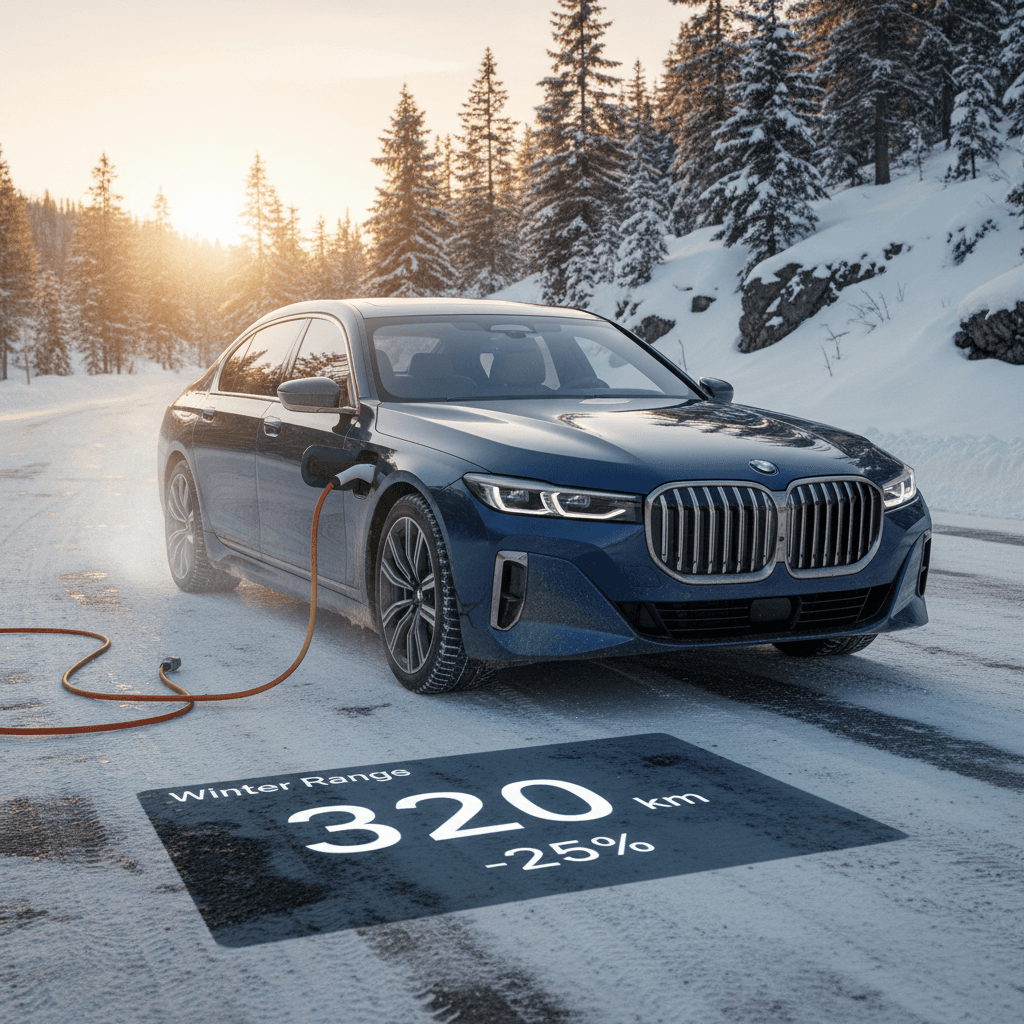
If you live where winters are cold and you’re considering a BMW i7, you’re probably wondering what kind of winter range loss percentage you’ll see. The short answer: in genuinely cold conditions, you should expect noticeably less range than the EPA number on the window sticker, but the i7 can still be a very capable year‑round luxury EV if you plan ahead.
Quick answer: BMW i7 winter range loss
BMW i7 winter range loss at a glance
BMW i7 winter range by the numbers (typical)
Those are realistic, not theoretical, numbers. BMW’s official EPA ratings for the i7 are based on laboratory tests at moderate temperatures. Once you introduce freezing temps, wet roads, winter tires, and heavy climate control use, your real‑world winter range percentage will be lower, just as it is for every EV on the market.
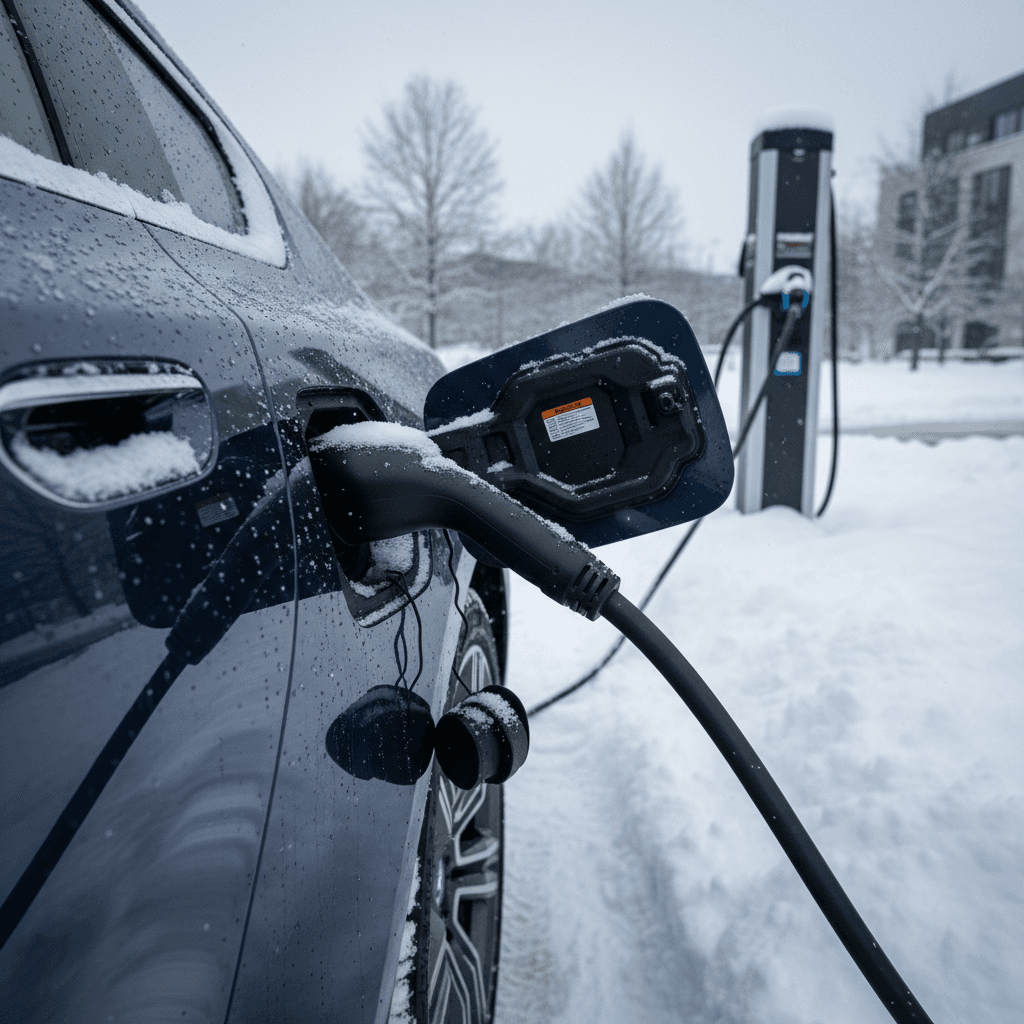
Why EVs like the BMW i7 lose range in winter
To understand BMW i7 winter range loss percentage, it helps to know why any EV suffers in the cold. The i7’s large battery and sophisticated thermal management help, but they don’t change the basic physics.
Four main reasons your i7 loses range in cold weather
The same forces hit every EV, luxury sedan or not
1. Cold batteries hold less usable energy
2. Cabin heat is energy‑hungry
3. Air density and rolling resistance
4. More auxiliary loads
Short winter trips are worst for range
Real-world BMW i7 winter range loss percentages
BMW offers the i7 with different battery and wheel combinations, so exact numbers vary. Instead of chasing a single figure, it’s more useful to think in bands of winter range loss percentage for typical scenarios. The ranges below assume a healthy battery.
BMW i7 winter range loss: typical scenarios
Approximate real‑world winter range loss percentages for a healthy BMW i7 in different conditions. These are directional planning numbers, not guarantees.
| Scenario | Temp & Conditions | Driving Style | Estimated Loss % | Typical Usable Range* |
|---|---|---|---|---|
| Mild winter city / suburb | 32–40°F, dry roads | Mostly city, 35–50 mph, eco climate | 10–20% | 270–310 mi |
| Mild winter highway | 32–40°F, dry roads | 70–75 mph, modest heat | 15–25% | 240–290 mi |
| Deep cold mixed | 10–25°F, some snow/slush | Mixed speeds, normal heat | 20–30% | 220–270 mi |
| Deep cold highway | 0–15°F, dry or light snow | 70–75 mph, warm cabin | 30–40% | 190–240 mi |
| Short errands in cold | Under 20°F, repeated cold starts | 3–10 mile trips, full heat | Up to 40%+ | Highly variable |
Use this as a planning tool, not a promise, your driving style and climate control settings can move you above or below these ranges.
*Usable range estimates are based on the larger‑battery i7 variants starting from roughly 300+ miles of EPA‑rated range. If you have smaller wheels, drive gently, and precondition regularly, you can land toward the high end of the estimates.
Think in percentage, then back into miles
5 factors that change your BMW i7 winter range
- Average speed: The single biggest lever. 75 mph in 20°F air can burn far more energy than 55 mph in the same conditions.
- Trip length: Longer trips let the battery and cabin reach steady temperature, reducing percentage losses versus short hops.
- Climate control habits: Cranking the cabin to 75°F and blasting defrost will noticeably cut range; using seat and wheel heaters instead is more efficient.
- Preconditioning: Warming the battery and cabin while plugged in can shift some of that energy load off the driving portion of your trip.
- Tires and wheels: Winter tires and larger wheels increase rolling resistance, shaving a bit off your efficiency.
Example 1: Highway commuter
You drive 40 miles each way at 70–75 mph, with temps around 25°F. You precondition at home but not at work.
- Expect roughly 25–30% loss versus EPA.
- A larger‑battery i7 should still comfortably cover your round trip with margin.
- If you also run a rooftop box or carry heavy cargo, plan on the higher end of that range.
Example 2: Urban errands
You do five short 3–5 mile trips per day in 15°F weather, with full cabin heat each time.
- Percentage loss can spike to 35–40% or more.
- Energy goes mostly into repeatedly heating the cabin and battery.
- Pre‑warming while plugged in and combining errands into fewer, longer trips makes a big difference.
How to reduce winter range loss in your BMW i7
You can’t beat physics, but you can stack the deck in your favor. The i7’s thermal management, seat heaters, and driving modes give you several ways to shrink that winter range loss percentage without turning your luxury sedan into a rolling igloo.
Practical steps to protect your BMW i7 winter range
1. Precondition while plugged in
Use the BMW app or in‑car scheduling to warm the cabin and battery while you’re still connected to AC power. This shifts a lot of heating load off the battery so more energy is available for driving.
2. Rely on seat and wheel heaters
Heated seats and steering wheel use far less energy than constantly heating cabin air. Set the cabin a few degrees lower than you would in a gas car and let the contact heaters do most of the work.
3. Use Eco Pro or efficient modes
BMW’s Eco‑focused drive modes soften throttle response and trim some climate control draw. They won’t transform range on their own, but they nudge you toward a smoother, more efficient driving style.
4. Plan charging stops a bit closer
If you’d normally plan 150–170‑mile legs in mild weather, consider 110–140‑mile legs in deep winter, especially on stretches with limited fast‑charging coverage.
5. Keep tires properly inflated
Tire pressure drops as temperatures fall, increasing rolling resistance and hurting efficiency. Check pressures as seasons change and follow BMW’s recommendations, especially on winter tires.
6. Minimize unnecessary roof loads
Roof boxes, ski racks, and bikes are aerodynamic penalties. If you don’t need them on a given trip, pull them off to recover a meaningful chunk of highway range.
Good news: loss shrinks in shoulder seasons
Charging a BMW i7 in cold weather
Winter doesn’t just affect how far you can drive on a charge, it also affects how quickly you can add miles back. Cold batteries resist fast charging, which is why your BMW i7 might initially pull less power from a DC fast charger on a frigid morning than it does in July.
Cold‑weather charging behavior to expect
Plan around these traits and winter road trips in an i7 become predictable
Slower first fast charge
Use preconditioning to your advantage
Highway driving helps warm the pack
Watch your arrival state of charge
Used BMW i7: what winter range can reveal
If you’re shopping the used market, you might wonder whether extra winter range loss means a tired battery. Sometimes it does, but more often, it reflects conditions, not degradation. Separating the two is key if you want to buy smart.
What winter range does not prove
- One or two cold‑weather drives that fall short of the EPA number don’t prove the battery is weak.
- Even a healthy pack can lose 30%+ effective range in sub‑freezing highway use with heavy heat.
- Online stories from extreme weather often reflect worst‑case scenarios, not day‑to‑day results.
What to look for when test‑driving
- Consistency: Does the predicted range drop in a stable, linear way as you drive, or does it fall off a cliff?
- Charging: Does the car accept a reasonable DC fast‑charge rate once the pack is warm?
- History: Ask for charging habits and service records, frequent DC fast‑charging or storage at 100% for long periods can accelerate degradation.
How Recharged helps on used BMW i7s
If you’re comparing multiple used BMW i7s, working with a marketplace that understands EV batteries can save you thousands over the life of the car. You can explore options, run payments, and even arrange nationwide delivery without leaving your couch.
BMW i7 winter range vs other luxury EVs
The BMW i7 doesn’t magically escape winter physics, but it also doesn’t lag behind the field. In typical cold‑weather use, its winter range loss percentage sits broadly in line with other large luxury EV sedans and SUVs.
Where the BMW i7 sits among luxury EVs in winter
High‑level comparison of typical winter behavior for large luxury EVs. Exact numbers vary by configuration and driving style.
| Model (example) | EPA Range (approx) | Typical Mild‑Winter Loss | Typical Deep‑Cold Loss | Winter Notes |
|---|---|---|---|---|
| BMW i7 (large pack) | 300+ mi | 15–25% | 25–35% | Strong thermal management; big, comfortable cabin to heat |
| Mercedes EQS sedan | 300+ mi | 15–25% | 25–35% | Similar winter behavior; very aero‑efficient body helps at highway speeds |
| Tesla Model S | 350+ mi | 10–20% | 20–30% | Excellent aero and efficient drivetrain; still loses range in deep cold |
| Large luxury EV SUV | 280–330 mi | 20–30% | 30–40% | Bigger frontal area and heavier weight can hurt winter highway efficiency |
Use this table as a directional guide if you’re cross‑shopping used luxury EVs for four‑season driving.
Shop for margin, not just a number
FAQ: BMW i7 winter range loss percentage
Common questions about BMW i7 winter range
Key takeaways for BMW i7 winter driving
If you’re drawn to the BMW i7 for its quiet power and luxury, winter doesn’t have to be a deal‑breaker. In honest conditions, most owners see a 15–30% winter range loss in light‑to‑moderate cold and up to 30–40% in deep‑freeze, high‑speed use, right in line with other large luxury EVs.
The key is to buy with realistic expectations and a margin of range for your lifestyle, then use the tools BMW gives you: preconditioning, efficient heaters, and smart route planning. Do that, and an i7 can be both a four‑season flagship and a car you genuinely look forward to driving on cold mornings.
If you’re considering a used BMW i7, Recharged can help you separate normal winter behavior from true battery wear. Every car we list includes a Recharged Score battery health report, transparent pricing, and EV‑savvy support, plus financing, trade‑in options, and nationwide delivery. That way, you can focus less on worrying about winter range percentages and more on enjoying the drive.