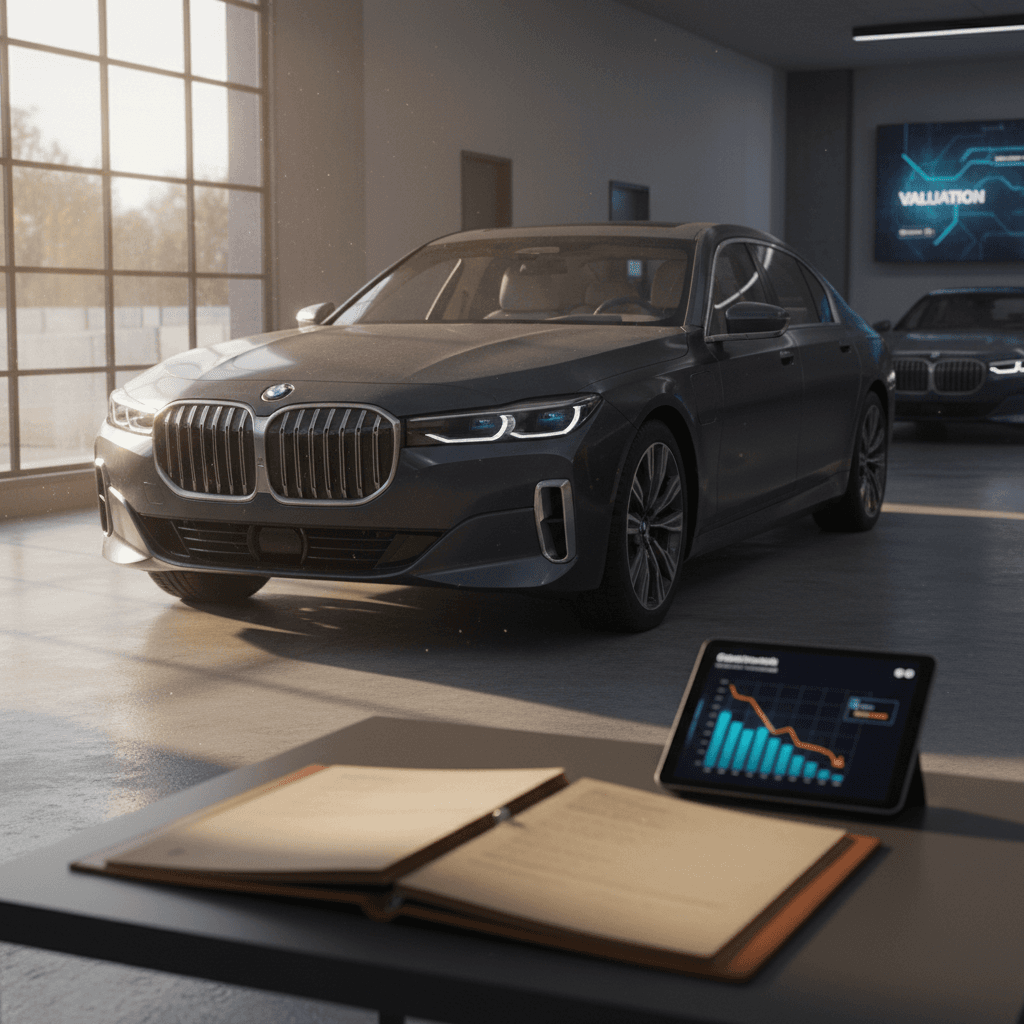
If you own a BMW i7 and you’re looking ahead to a trade‑in or sale in 2026, you’re asking exactly the right question: what is my electric 7 Series really worth, and how do I avoid leaving money on the table? Early data shows that BMW i7 trade‑in value in 2026 is shaped by steep luxury‑EV depreciation, battery health, and how you choose to sell.
Quick take on 2026 i7 values
Overview: BMW i7 trade‑in value in 2026
The i7 is a full‑size luxury EV with a six‑figure MSRP when new. That combination, flagship sedan plus fast‑moving EV tech, means aggressive depreciation in the first five years. Independent analyses of the 7 Series line show close to a 30% value loss after just 12 months and roughly 60%+ gone by year three, with early data suggesting the i7 actually underperforms the gas 7 Series on resale. In plain English: the car is spectacular, the resale hits hard.
BMW i7 value snapshot heading into 2026
Depreciation isn’t the whole story
How fast does a BMW i7 depreciate?
To understand 2026 trade‑in values, you have to start with depreciation. Historically, the 7 Series has been one of BMW’s fastest‑depreciating nameplates, with many gas‑powered cars losing over 60% of their value in five years. Early resale data suggests the i7 is even more aggressive: roughly 30% down in year one, around 55–62% down by year three, and roughly 75–77% down by year five in the U.S. market.
- Luxury flagship sedans almost always depreciate faster than smaller premium cars.
- EVs add another layer of uncertainty: rapid tech updates and incentives on new models weigh on used prices.
- The i7 launched with very high MSRPs, which magnifies dollar losses even if the percentage looks similar to rivals.
By 2026, that means even relatively young i7s, 2023 and 2024 model years, can already be worth only half, or even less, of what the original owner paid. That’s sobering if you bought new, but it also means there’s a deepening market for value‑oriented second (or third) owners.
Why model year matters less than you think
What your BMW i7 might be worth in 2026
Every car is unique, and only a proper appraisal will pin down your exact number. But based on current market data and typical depreciation, you can sketch a realistic range for 2026 trade‑in values.
Illustrative 2026 BMW i7 trade‑in ranges (U.S.)
These are broad, directional ranges for typical examples assuming clean history and average equipment. Your actual offer will depend on trim, options, mileage, battery health, and local demand.
| Model year & age in 2026 | Original MSRP when new | Typical mileage by 2026 | Estimated trade‑in % of original MSRP | Illustrative trade‑in dollar range |
|---|---|---|---|---|
| 2023 i7 (≈3 years old) | $120,000–$140,000 | 25,000–45,000 miles | ≈35–45% | ≈$45,000–$60,000 |
| 2024 i7 (≈2 years old) | $120,000–$145,000 | 15,000–30,000 miles | ≈45–55% | ≈$55,000–$75,000 |
| 2025 i7 (≈1 year old) | $125,000–$150,000 | 8,000–18,000 miles | ≈55–65% | ≈$70,000–$95,000 |
Use this table as a starting point, not a replacement for a real appraisal.
These are estimates, not offers
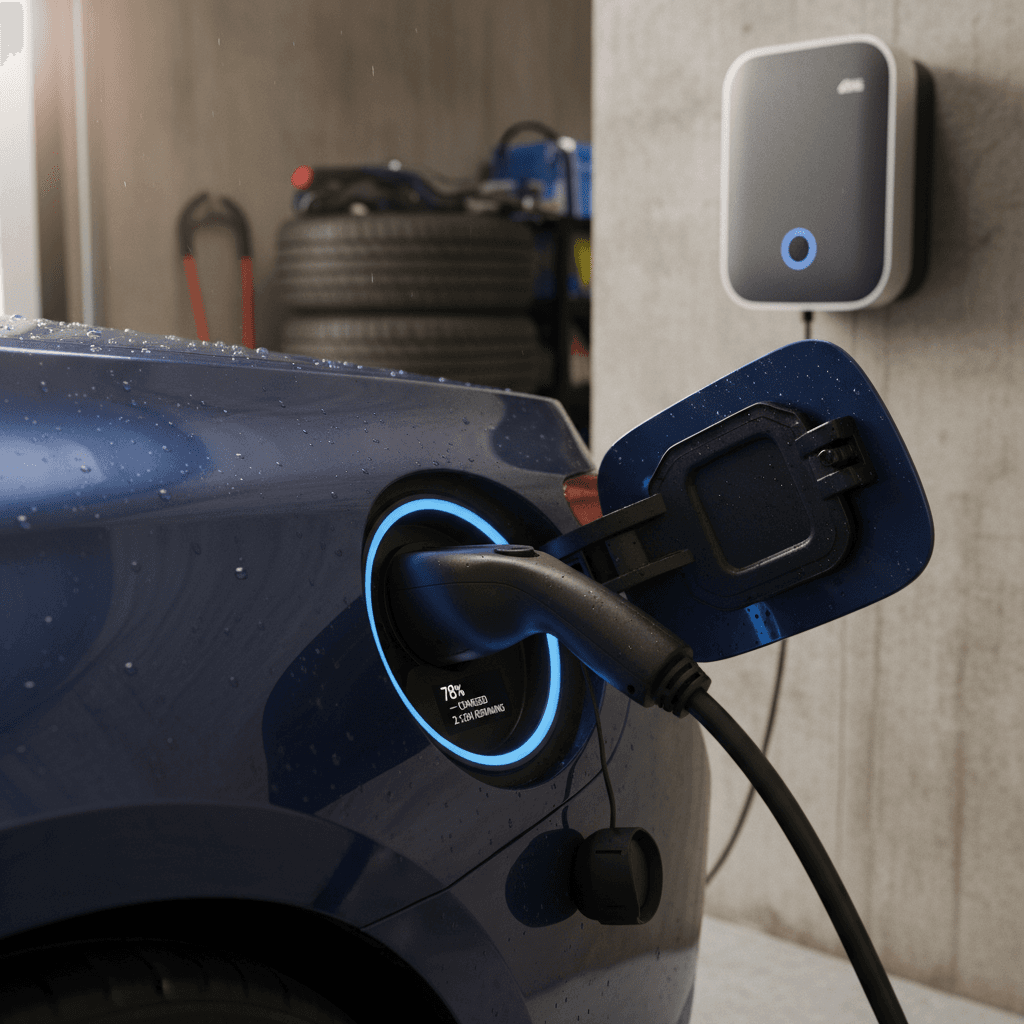
Factors that move your BMW i7 trade‑in value up or down
Key drivers of BMW i7 trade‑in value in 2026
You can’t change the model’s reputation, but you can absolutely influence where your car lands within the market range.
Mileage & usage
For a big luxury sedan, buyers expect lower miles. An i7 with 18,000 miles will almost always bring more than a similar car with 45,000.
- Under 8k/yr: Value booster
- 12–15k/yr: Market‑average
- 20k+/yr: Noticeable discount
Battery health
EV shoppers care more about battery state of health (SoH) than odometer alone.
- Stronger battery = more range, more confidence
- Documented diagnostics can separate your car from anonymous auction metal
Condition & maintenance
Luxury buyers expect the car to look and feel like a flagship.
- Clean Carfax, no paintwork preferred
- Fresh tires and brakes can swing a borderline deal into “top of range” money
Options & spec
Flagship‑level options like the rear Theater Screen, Executive Lounge seating, or premium audio can make your i7 easier to sell, but they don’t retain dollar‑for‑dollar value.
Region & season
All‑wheel drive, cold‑weather packages, and winter tires matter more in snow states. Selling just before or during winter in those markets can be worth real money.
How you sell
Instant wholesale quote, dealer trade‑in, consignment, or direct‑to‑consumer marketplace all land at different numbers. The more retail‑like the sale, the closer you can get to full market value, if you’re willing to do the work.
Don’t overvalue options
Battery health and warranty: Why they matter so much
With EVs, the battery pack is the heart of the car. The BMW i7 uses a large high‑voltage lithium‑ion battery backed by an 8‑year/80,000‑mile high‑voltage battery warranty in the U.S. In many cases, that warranty transfers to subsequent owners, which is a major selling point if you’re trading the car in while still within that window.
- A younger i7 (2024–2025) still has most of its battery warranty left in 2026, which supports stronger trade‑in offers.
- An early 2023 i7 with high miles may be closer to the mileage cap, putting more focus on real‑world battery health.
- Documented battery checks or a third‑party EV battery report can add confidence for the next owner and the buyer taking the risk.
How Recharged uses battery data
If your i7 still delivers range close to its original EPA figure and charging behavior is stable, that’s a meaningful value story. On the flip side, if there are signs of degradation beyond what’s typical for age and miles, you should expect buyers to price that risk in, just as they would a worn engine on an older gas car.
How to estimate your BMW i7 trade‑in value in 2026
Step‑by‑step: Estimating your 2026 BMW i7 trade‑in value
1. Gather the basics
Write down your i7’s exact trim (xDrive60, eDrive50, M70, etc.), current mileage, option highlights, and any packages like Executive Lounge or Theater Screen.
2. Check retail asking prices
Look up listings for similar i7s (same year, close mileage, similar equipment) on major car marketplaces. Focus on what dealers and private sellers are asking, not just one outlier.
3. Back into trade‑in from retail
Dealers and marketplaces need a margin. As a rough rule of thumb, <strong>trade‑in value is often 10–20% below realistic retail</strong>, depending on how fast the car will sell and how risky it is to hold.
4. Adjust for condition and history
If your i7 has flawless paint, no accidents, fresh tires, and full BMW service history, lean toward the high end of trade‑in. If it has bodywork, curbed wheels, or overdue maintenance, expect offers to fall toward the low end.
5. Get real quotes
Use your estimate as a sanity check, then get actual offers: BMW dealers, online instant‑offer tools, and EV‑focused buyers like <strong>Recharged</strong>. Multiple quotes will quickly reveal the true market range.
Use online tools, but don’t treat them as gospel
Maximizing your BMW i7’s value before you sell or trade
You can’t change the i7’s depreciation curve, but you can absolutely influence where your car lands on it. A few hours of preparation can translate into thousands of dollars of difference in 2026.
High‑impact ways to boost your i7’s value
Focus on the items that change how your car looks on a buyer’s screen or feels on a test drive.
Detail inside and out
A flagship sedan sells on first impressions. A thorough wash, clay, wax, and interior detail can move your car from “average” to “excellent” in a buyer’s eyes.
- Steam‑clean carpets and mats
- Condition leather seats and dash
- Remove personal items and clutter
Knock out obvious maintenance
Fresh tires, recent brake service, and up‑to‑date software give buyers confidence. A stack of recent receipts looks a lot better than, “It probably needs tires soon.”
Organize records
Printed or digital records of BMW maintenance, recalls, and any EV‑specific service instantly separate your i7 from anonymous auction cars. Don’t underestimate how much a neat folder of paperwork reassures a buyer.
Document battery health
If you have access to a high‑voltage battery report or a third‑party diagnostic scan, bring it to your appraisal appointment. It signals that you understand EV ownership and reduces perceived risk for the next owner.
Small fixes, big payoff
Should you trade in or sell your BMW i7 privately?
Dealer or instant trade‑in
- Pros: Fast, low‑friction, possible tax advantage if you’re buying another car (you pay tax on the price after trade‑in in many states).
- Cons: Typically the lowest dollar number, especially on complex premium cars dealers are wary of stocking.
- Best if: You value convenience over squeezing every last dollar out of the car.
Private sale or EV marketplace
- Pros: Often brings you closer to true retail value if you’re willing to handle photos, listings, and test drives.
- Cons: More time, more work, and some risk managing payment and paperwork.
- Best if: You’re comfortable selling high‑end vehicles or you partner with a service that handles the retail side for you.
Where Recharged fits in
How Recharged handles BMW i7 trade‑ins and used EV sales
Because the i7 depreciates so quickly, the used market can be confusing. One dealer might lowball you because they don’t want to stock a six‑figure EV; another might overpromise on trade‑in to make a new‑car deal look sweeter. Recharged is set up differently, specifically around used EVs.
- Dedicated EV focus: Recharged is built around buying and selling used electric vehicles, so we track EV‑specific pricing and demand rather than lumping your i7 in with gas 7 Series stock.
- Recharged Score battery diagnostics: Every i7 we purchase or list runs through a standardized battery‑health evaluation, which feeds into transparent pricing on both the buying and selling sides.
- Multiple selling paths: Depending on your goals, you can request an instant offer, trade in toward another EV, or let Recharged handle a more retail‑style sale through our marketplace.
- Digital‑first experience: From appraisal to paperwork and nationwide delivery, the process is designed to be handled online, with support from EV specialists, not generic desk managers.
Prefer to see the car in person?
Ready to find your next EV?
Browse VehiclesBMW i7 trade‑in value 2026: FAQ
Frequently asked questions about BMW i7 trade‑in value in 2026
Bottom line: Is 2026 the right time to move on from your i7?
By 2026, the BMW i7’s story is clear: it’s a spectacular luxury EV with heavy early‑year depreciation. If you bought new, that stings. If you’re exiting now, your goal is to understand the realistic trade‑in range, present the car in its best light, and choose a selling path that balances convenience and value.
If you’re ready to see what your BMW i7 is worth, start by gathering your details, trim, mileage, condition, and any battery documentation, and compare a few quotes. Then, if you’d like a data‑driven view from people who live and breathe used EVs, you can request an offer or explore trade‑in options with Recharged. The i7 may drop fast in value, but handled correctly, that value can be the down payment on your next, smarter EV purchase.