If you’re looking at a BMW i7 charging speed test, you’re probably asking one simple question: how fast can this 6,000‑pound electric limousine actually recharge in the real world? With a 100+ kWh battery, the answer matters for everything from daily commuting to cross‑country road trips.
At a glance
BMW i7 charging overview
BMW built the i7 on a 400‑volt architecture with a large, luxury‑class battery. That puts it in a different category than ultra‑fast 800‑volt cars like the Hyundai Ioniq 5 or Porsche Taycan. The i7 doesn’t win spec‑sheet drag races at the charger, but it delivers consistent, predictable charging that matches its long‑distance luxury mission.
Core BMW i7 charging numbers
Luxury EV mindset
Battery size and charging specs you need to know
All current BMW i7 variants, including the eDrive50, xDrive60, and M70, share essentially the same battery pack: 105.7 kWh gross, about 101.7 kWh usable. That big usable capacity is great for range, but it also means that every 10% of state of charge (SoC) is roughly 10 kWh of energy.
BMW i7 battery and charging specs (all trims)
Key charging and battery specifications that matter for speed tests.
| Spec | Value | What it means for you |
|---|---|---|
| Battery (usable) | ≈101.7 kWh | Big pack; more miles, but takes longer to refill than smaller batteries |
| Architecture | 400 V | Good, but not as fast as the latest 800 V systems at very high power |
| DC peak power | Up to ~195 kW | Strong peak, but speed is limited by pack size and taper |
| DC 10–80% time | ≈34–40 minutes | What you’ll usually see in real‑world fast charging sessions |
| AC onboard charger | Up to 11 kW (NA) | A 48A Level 2 home charger can refill overnight |
| Added range in 10 min DC | ~80–100 miles | Enough to turn a quick coffee stop into a meaningful boost |
Values are manufacturer or widely reported test figures for the current i7 generation.
Mind the trim, not the hype
BMW i7 DC fast charging speed test results
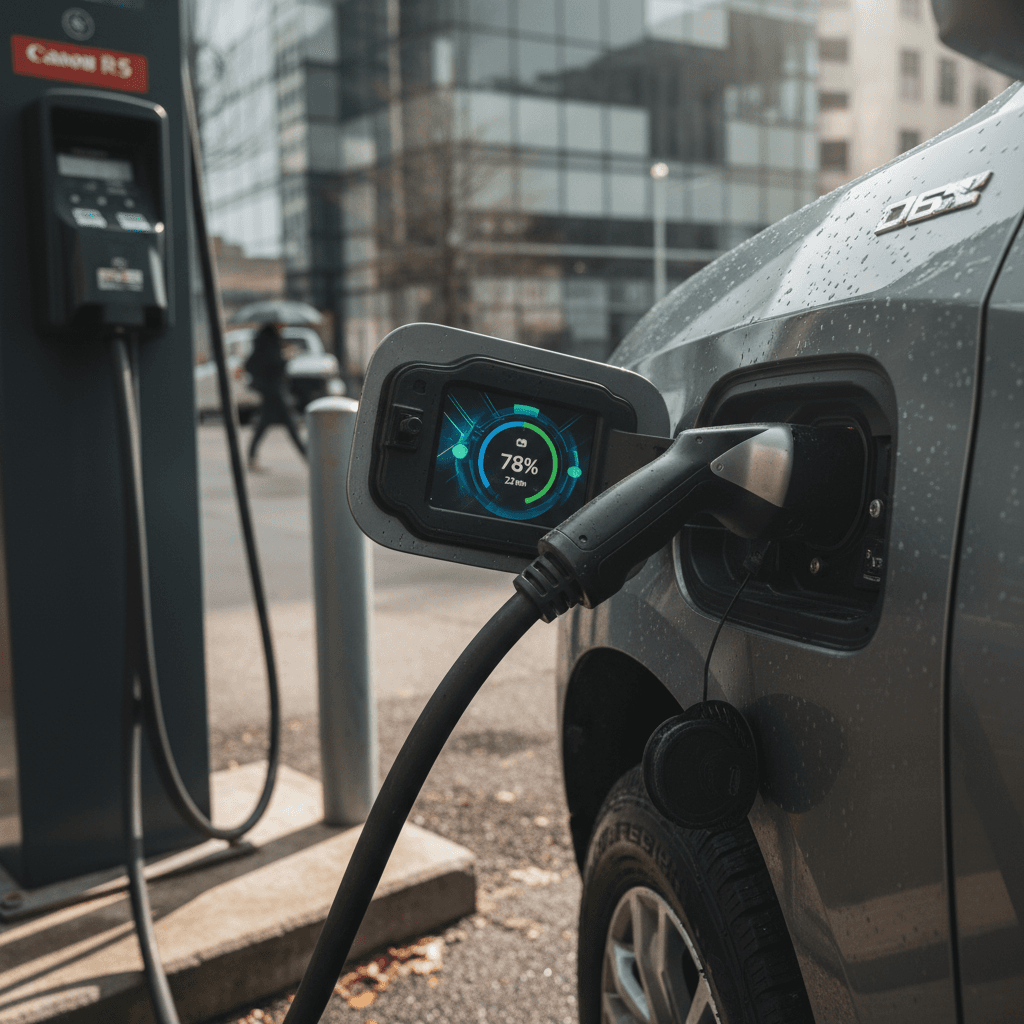
Let’s get into the numbers that actually define a BMW i7 charging speed test. Across multiple independent tests, the theme is consistent: the i7 hits its advertised peak, then holds a relatively flat plateau before tapering toward higher states of charge.
What real‑world DC fast charging tests show
Different test procedures, similar conclusions.
Peak power
Average power 10–80%
10–80% session time
In practice, those numbers translate to roughly 280–300 miles of real‑world highway range from 90–10% on an xDrive60, and a 10–80% DC session that adds about 200–230 miles in well under 40 minutes when conditions are ideal.
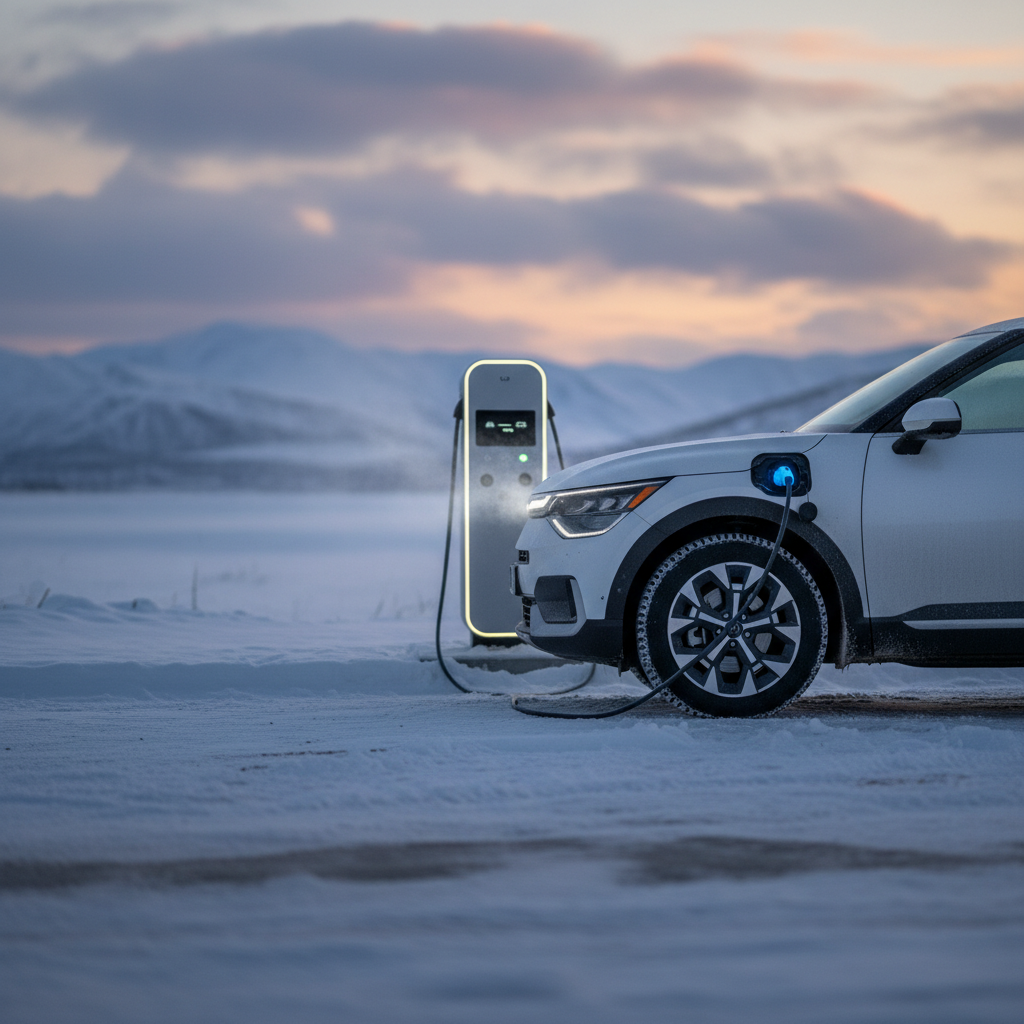
Heat helps, cold hurts
Early session: 10–40% SoC
If you plug in around 10–15%, you’ll usually see the i7 ramp quickly into the 180–195 kW range and hold near its peak until the low‑30s in SoC. This is the most efficient part of the curve, where most of your added miles per minute come from.
In this window, the car can add roughly 7–8 miles of range per minute on a high‑power DC charger when conditions are good.
Mid/late session: 40–80% SoC
After the low‑30s, charging power starts to taper, dropping through the 140–150 kW range around 50–60% and sliding lower as you approach 80%. By 80%, you’re often in the 80–100 kW range.
That’s why most road trip strategies target 80% and then get back on the road rather than waiting for the final 20%.
Real‑world vs advertised charging: what you actually experience
On paper, 195 kW peak and a 34‑minute 10–80% time sound competitive. In the real world, the i7’s big pack and 400‑V architecture make it respectably quick, but not segment‑leading. A Hyundai Ioniq 6 or Kia EV6, for example, can do similar 10–80% refills in under 20 minutes thanks to a smaller pack and 800‑V system.
Cold‑weather caveat
- Expect 10–80% in the mid‑30‑minute range on good hardware with a warm battery.
- If you plug in higher, say at 40–50%, you’ll see a shorter session, but the average kW will also be lower.
- The final 80–100% can take as long as the entire 10–80% window. For road trips, it usually isn’t worth it unless you must stretch to the next charger.
Home and Level 2 charging times for the BMW i7
Fast‑charging tests grab the headlines, but for most BMW i7 owners, Level 2 home charging is what actually determines daily convenience. With about 101.7 kWh usable, your home setup has to be sized like it would be for a big‑battery SUV or pickup.
BMW i7 AC charging options and approximate times
How long will it take to refill at home or work?
Level 1 (120 V wall outlet)
- Power: ~1.4 kW
- Time 0–100%: 60–70+ hours
- Use case: Only for emergencies or very low daily miles.
Level 2 (240 V, 32–48A)
- 32A / ~7.7 kW: 13–15 hours 0–100%
- 48A / ~11 kW: about 9–11 hours 0–100%
- Use case: Overnight charging; ideal for most i7 owners.
Dedicated wallbox
- Best mix of speed, convenience, and cable management.
- For U.S. cars, target a 40–48A Level 2 unit on a 60A circuit.
Public Level 2
- Often 6–11 kW in garages, hotels, and workplaces.
- Great for topping up several times a week if you can’t charge at home.
Plan your panel once
Road trip planning with the BMW i7
On a long highway run, the i7’s combination of comfort, quiet, and range is hard to beat. Where you’ll notice the charging profile is when you try to string together multiple DC sessions in a single day. To keep your stops efficient, it helps to think in terms of energy windows rather than charging to a fixed number every time.
BMW i7 road trip charging playbook
1. Target 10–20% arrival SoC
BMW’s built‑in route planner will often aim for arrival around 5–10%. That’s fine. You want to spend as much time as possible in the high‑power 10–40% window.
2. Use built‑in navigation to precondition
When you set a DC charger as your destination, the i7 will warm the pack en route. That can be the difference between a 32‑minute stop and a frustrating 45‑minute one in cold weather.
3. Stop charging near 80%
Beyond 80%, the taper steepens and your miles per minute fall off a cliff. Unless the next charger is truly far away, it’s usually faster overall to unplug around 75–80% and get moving.
4. Stack shorter stints
Two 25‑minute 10–70% sessions are often better than one 45‑minute 10–95% marathon. You’ll arrive less fatigued, and total travel time might not be much different.
5. Favor reliable sites over headline kW
A rock‑solid 150 kW station can beat a flaky “350 kW” unit that throttles down. Pay attention to operator reputation and station health in your area.
6. Think in miles, not just percent
On the highway, each 10% of charge is roughly 25–30 miles of usable range for many i7 drivers. Planning in percent *and* miles avoids range anxiety surprises.
Charging costs, Electrify America perks, and how to save
Charging speed tests don’t live in a vacuum, the cost side matters just as much. BMW currently includes a block of complimentary fast charging at Electrify America with new i7s, which can meaningfully lower your road‑trip operating costs in the first years of ownership.
Understanding session cost
- From 10–80%, the i7 typically pulls around 70–80 kWh from the charger.
- At $0.40/kWh, that’s about $28–$32 for a full 10–80% highway stop.
- Spread over ~220 miles of added range, you’re around $0.13–$0.15 per mile for DC energy.
Exact numbers vary by network pricing, driving speed, weather, and elevation.
How to lower charging costs
- Leverage complimentary kWh or discounted memberships that BMW or networks offer.
- Do most charging at home off‑peak, where rates are often far below public DC prices.
- Use route planning tools to hit reliable, competitively priced DC stations when you do need them.
How the BMW i7’s charging compares to rivals
Viewed in context, the i7 sits in the middle of the luxury EV pack on charging speed. It doesn’t match the absolute quickest 800‑V platforms, but it also avoids some of the worst charging‑curve drama we’ve seen on less mature systems.
BMW i7 charging vs key luxury EV competitors
High‑level look at DC fast charging behavior for road‑trip use.
| Model | Architecture | Usable battery | Peak DC power | Typical 10–80% time | Notes |
|---|---|---|---|---|---|
| BMW i7 xDrive60 | 400 V | ≈101.7 kWh | ≈195 kW | ≈34–40 min | Smooth curve, big pack, comfortable but not class‑leading speed. |
| Mercedes EQS 450+ | 400 V | ≈107.8 kWh | ≈200 kW | ≈30–35 min | Slightly faster in some tests, similar long‑range luxury vibe. |
| Tesla Model S Long Range | 400 V | ≈95 kWh | ≈250 kW+ | ≈25–30 min | Higher peak but more charger‑to‑charger variation; benefits from Supercharger network. |
| Hyundai Ioniq 6 | 800 V | ≈77.4 kWh | ≈235 kW | ≈18–20 min | Smaller pack and 800 V system enable much shorter stops. |
Times are approximate 10–80% DC fast charge on a strong charger with a warm battery.
Strength in consistency
Buying a used BMW i7: charging and battery health
If you’re shopping for a used BMW i7, fast‑charging performance is one of the best proxies for real‑world battery health. A pack that still charges close to factory times and power levels is generally a good sign, especially when paired with a clear service history.
How Recharged can help
Used BMW i7 charging checklist
Ask for recent DC fast‑charge data
If possible, look at a recent 10–80% fast‑charge session. Large deviations from the mid‑30‑minute norm on a healthy charger can justify deeper investigation.
Confirm home charging setup
A previous owner who consistently used a properly installed Level 2 charger is more likely to have treated the battery gently than someone relying on frequent DC fast charging.
Review software and service history
BMW regularly refines charging behavior via software updates. Confirm the car is up to date and check for any high‑voltage system repairs or alerts.
Use an independent battery health report
A third‑party or marketplace‑provided report, like the Recharged Score, can quantify remaining capacity and flag irregular degradation patterns.
BMW i7 charging speed test: FAQ
Frequently asked questions about BMW i7 charging
Key takeaways: making BMW i7 charging painless
The BMW i7 is not the quickest‑charging EV on the market, but its combination of a large, efficient battery and a solid 195 kW charging peak delivers exactly what most luxury‑car drivers want: long legs between stops and predictable, stress‑free charging sessions in the 30–40‑minute range. If you pair that behavior with a properly sized Level 2 home charger and smart road‑trip planning, charging becomes a background detail rather than the main event.
If you’re considering a used BMW i7, paying attention to charging‑speed behavior and verified battery health will tell you as much about the car’s future as its leather and screens. That’s where a marketplace like Recharged, with battery diagnostics, transparent pricing, and EV‑specialist support, can turn a complex luxury‑EV purchase into a confident step into electric ownership.