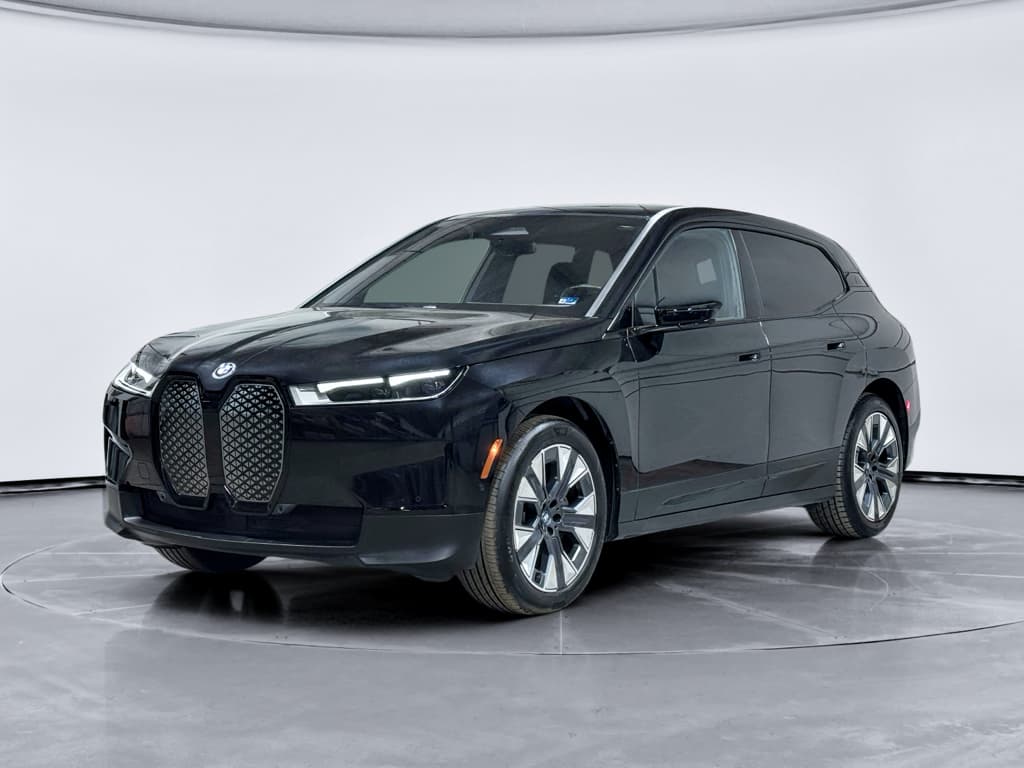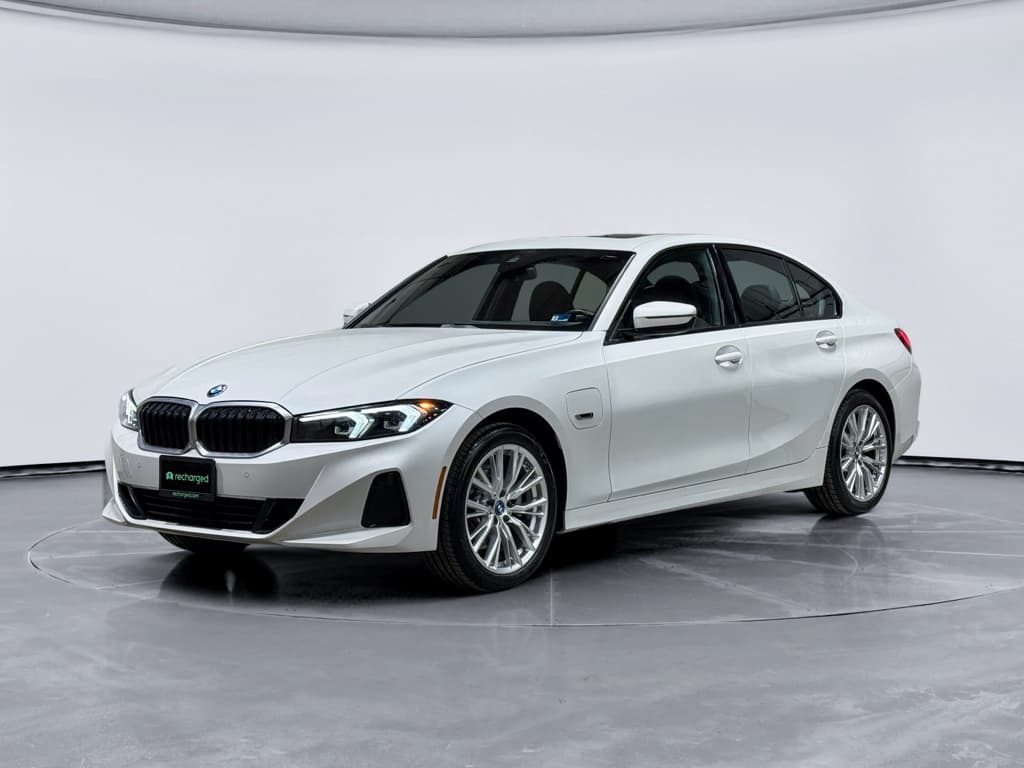
If you own a BMW i5 or you’re shopping for a used one in 2026, resale value is probably near the top of your mind. The i5 is a cutting-edge electric version of BMW’s 5 Series, but like most luxury EVs, it can shed value quickly in the first few years. This 2026 BMW i5 resale value guide walks you through current used prices, real-world depreciation, and practical strategies to protect your money whether you’re selling or buying used.
Where the BMW i5 sits in today’s market
BMW i5 resale value in 2026 at a glance
BMW i5 resale value snapshot (2026 estimates)
In other words, the BMW i5 is unlikely to be a resale-value hero like a Toyota hybrid, but it’s also not the worst offender in the luxury EV space. Understanding how and why it depreciates is the key to getting a fair deal in 2026.
How the BMW i5 is priced new (and why it matters for resale)
Resale value always starts with MSRP. The i5 launched in the U.S. as a 2024 model with two main trims: the rear‑drive i5 eDrive40 and the performance‑focused i5 M60 xDrive. Typical 2024 MSRPs landed roughly in the high‑$60,000s for the eDrive40 and mid‑$80,000s for the M60, before options. Well‑equipped examples easily crest $75,000 and $90,000 respectively.
- 2024 BMW i5 eDrive40: roughly $67,000–$70,000 new depending on wheels and packages.
- 2024 BMW i5 M60 xDrive: roughly $84,000–$87,000 new before heavy options.
- 2025+ models add the xDrive40 in some markets and see modest price adjustments, but the basic price ladder remains the same.
Why original MSRP is your baseline
BMW i5 depreciation curve: 1–7 years
The i5 is still a young model, so every forecast uses early data from 2024–2025 plus what we already know about BMW’s other EVs and competing luxury sedans. The pattern that’s emerging is familiar: a steep first‑year drop, slowing losses in years 2–5, then a gentler slope as the car ages.
Illustrative BMW i5 depreciation trajectory (eDrive40)
Approximate value path for a BMW i5 eDrive40 that originally stickered around $70,000, assuming average miles and condition. Numbers are ballpark, not guarantees.
| Vehicle age | Approx. value | % of original MSRP | Notes |
|---|---|---|---|
| Brand new (MSRP) | $70,000 | 100% | Typical MSRP for a well‑optioned eDrive40. |
| 1 year old | $52,000–$54,000 | 75–78% | Biggest single‑year drop once incentives are gone. |
| 3 years old | $40,000–$44,000 | 57–63% | Lease returns begin hitting the market; EV prices normalize. |
| 5 years old | $32,000–$36,000 | 46–51% | Battery warranty still active; miles and options matter more. |
| 7 years old | $24,000–$28,000 | 34–40% | Out of basic bumper‑to‑bumper warranty; battery still covered in most cases. |
Use this as a directional guide, then check live market data for your specific car.
Real‑world values can swing fast
eDrive40 vs. M60 vs. xDrive40: which i5 holds value better?
i5 eDrive40
The eDrive40 is the volume model and typically the easiest to sell. Rear‑wheel drive, solid range, and lower new‑car pricing help it hold a reasonable slice of its value. In early used‑market data, eDrive40s often show slightly stronger percentage retention than heavily optioned M60s, because the initial MSRP wasn’t as inflated by extras.
i5 M60 xDrive
The M60 commands higher absolute resale prices but tends to lose a bigger percentage of its original sticker. Performance buyers often lease, and deep discounts or lease credits on new cars can compress used values. If you’re buying used, a 1‑ to 3‑year‑old M60 can be a relative bargain versus buying new.
i5 xDrive40 (where available)
The xDrive40, offered in some markets after launch, slots between the other two. It combines all‑wheel drive with a more approachable price than the M60. Resale behavior is likely to mirror the eDrive40 on a percentage basis, with a small premium in snow‑belt regions that value AWD.
BMW i5 resale trends by trim (2026 overview)
What you can generally expect to see in the used market
eDrive40
- Best mix of price, range and equipment.
- Strongest buyer demand in the used market.
- Often the safest choice if your goal is balanced resale.
M60 xDrive
- Highest new and used prices.
- Fastest percentage depreciation but huge performance.
- Smart pick used if you value speed over dollars.
xDrive40
- AWD appeal in cold‑weather states.
- Likely to track eDrive40 on percentage retention.
- Still too new for full long‑term resale data.
Battery health & warranty: how much do they affect resale?
For any used EV, the battery pack is the big unknown. The BMW i5’s high‑voltage battery is covered in the U.S. by an 8‑year / 100,000‑mile warranty (and in some states, similar coverage up to 10 years on certain emissions‑related components). That warranty, plus BMW’s conservative battery management, is a major reason 3‑ to 6‑year‑old i5s are projected to keep a meaningful chunk of their value.
What buyers want to see on a used i5
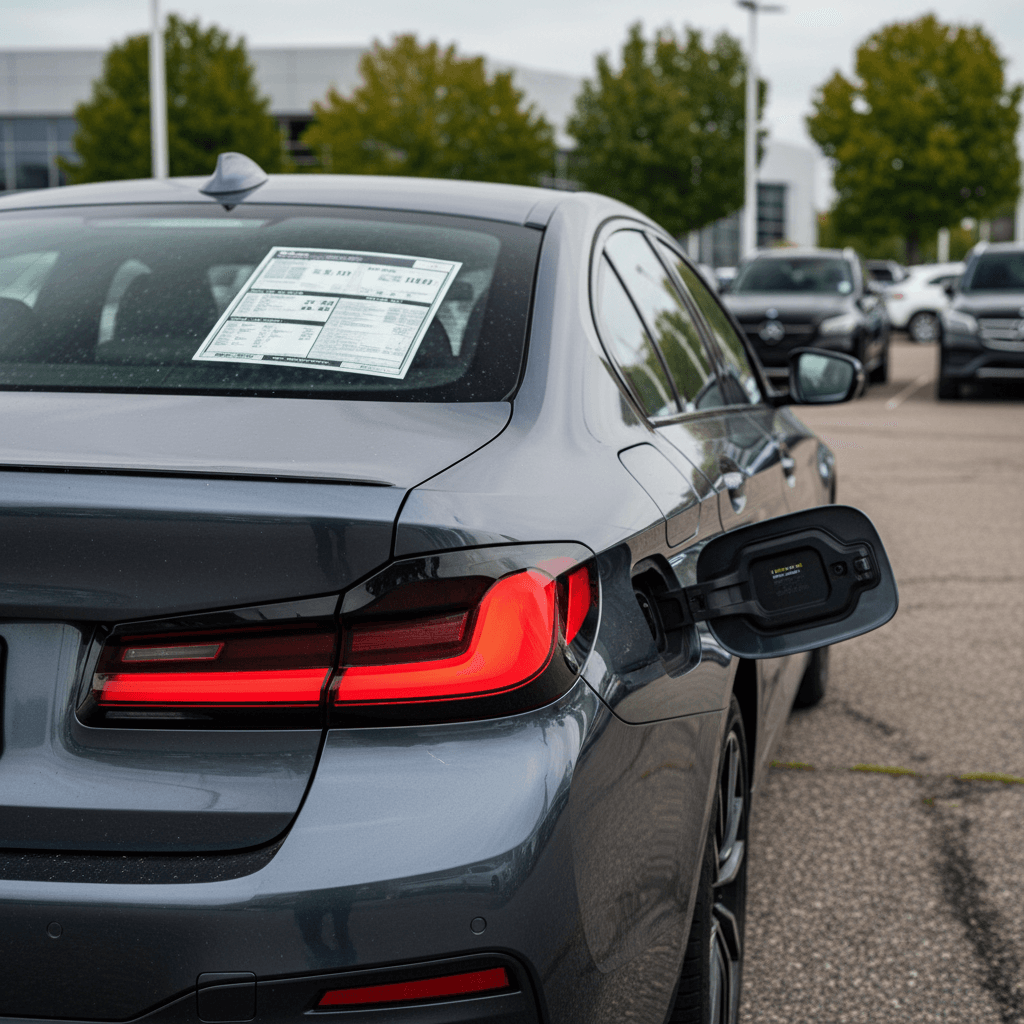
At Recharged, every BMW i5 we list comes with a Recharged Score battery health report based on diagnostics, not guesswork. That gives buyers a clearer picture of how the pack is aging and gives sellers a third‑party data point to justify their asking price. If you’re evaluating an i5 elsewhere, ask for written battery test results, not just verbal assurances.
Market forces shaping BMW i5 values in 2026
Four big forces behind i5 resale in 2026
Why the same car might be worth thousands more or less depending on timing and location
Luxury EV price resets
Charging network & tech pace
Regional differences
Lease residuals & incentives
Time your sale around demand spikes
How to price your used BMW i5 in 2026
When you’re ready to sell or trade your i5, start by narrowing in on a realistic range rather than chasing the single highest number you can find online. Asking prices on classifieds are just that, asks. What matters is what similar cars are actually transacting for.
Step‑by‑step: setting an asking price for your i5
1. Establish your car’s exact spec
Note model year, trim (eDrive40, xDrive40, M60), major packages, wheel size and standout options like Bowers & Wilkins audio. A loaded car should price higher than a base one, but don’t expect dollar‑for‑dollar returns on every option.
2. Gather live market comps
Look at multiple sources, major listing sites, dealer inventory, and EV‑focused marketplaces like <strong>Recharged</strong>. Filter for cars within one model year, similar miles and similar trim to see where your i5 realistically falls.
3. Account for mileage and condition
Average annual mileage of ~10,000–12,000 is the benchmark. Significant deviations up or down can swing value by thousands. Also be honest about cosmetic issues, wheel rash, windshield chips and interior wear.
4. Factor in battery documentation
If you have a recent battery health report or service record, you can justifiably ask for the upper end of the range. Without documentation, many buyers will mentally budget for risk and push you toward the lower end.
5. Decide your pricing strategy
If you want a quick sale, price slightly below the middle of your comp range. If you can wait, start near the top end but be prepared to lower your price after a few weeks if inquiries are light.
6. Consider instant‑offer vs. consignment
If you value convenience over squeezing every last dollar, a <strong>trade‑in or instant offer</strong> can make sense. If your i5 is low‑miles and well‑equipped, consignment through a specialist like Recharged can often net you more while still handling the legwork.
How Recharged can help you price intelligently
Ready to find your next EV?
Browse VehiclesBuying a used BMW i5 in 2026: inspection checklist
If you’re on the other side of the table and shopping for a used i5, your goal is simple: get modern tech and luxury for a price that already bakes in the steepest early‑year depreciation. Here’s how to separate the keepers from the headaches.
Essential checks before you buy a used BMW i5
Confirm remaining warranties
Verify in writing how much time and mileage are left on the basic warranty and the 8‑year/100,000‑mile battery warranty. A 3‑year‑old i5 with plenty of coverage left is far more reassuring than one already nearing its limits.
Review battery health documentation
Ask for a recent battery test printout or a third‑party battery health report like the <strong>Recharged Score</strong>. Walk away from sellers who refuse any form of battery verification on a high‑dollar EV.
Evaluate charging history
Look for clues about how the car was charged. A history of mostly home Level 2 charging is ideal. Heavy, daily DC fast‑charging can accelerate wear and may concern future buyers when you go to resell.
Inspect for collision repairs
Use a paint‑meter or trusted shop to check for previous bodywork, especially around the battery tunnel and high‑voltage components. Poor repairs can spook buyers later and hammer resale value.
Test all driver‑assist and infotainment features
Make sure adaptive cruise, lane‑keeping, parking assists, cameras, and the iDrive system work smoothly. Tech glitches are common negotiation points and can be expensive to fix out of warranty.
Drive it the way you’ll actually use it
Take a long enough test drive to simulate your commute or road‑trip expectations. Verify real‑world efficiency, cabin comfort, and whether any noises or vibrations emerge at highway speeds.
Don’t skip the high‑voltage inspection
Sell, trade or consign: what makes sense for your i5?
1. Traditional trade‑in or instant offer
If you want the simplest route, trading your i5 to a dealer or taking an instant offer will rarely yield the absolute top dollar, but it may make the most sense if:
- You’re rolling into another vehicle and care about minimizing hassle.
- Your i5 is higher‑mileage or has some cosmetic flaws.
- Time matters more than squeezing out the last 5–10% of value.
Recharged can provide a data‑driven instant offer based on your VIN, photos and battery health, and even arrange nationwide pickup.
2. Consignment or marketplace sale
If your i5 is relatively low‑miles, clean, and well‑optioned, consignment can often net you more while leaving the marketing and buyer screening to professionals.
- Specialists understand how to tell the EV story, including battery health and feature sets.
- You stay on title until the car sells, but deal with far less tire‑kicking.
- Platforms like Recharged combine a Recharged Score report, photos, pricing guidance and financing to connect you with qualified buyers nationwide.
When private‑party makes sense
BMW i5 resale value FAQ (2026)
Frequently asked questions about BMW i5 resale in 2026
Key takeaways for BMW i5 owners and shoppers
The BMW i5 combines 5 Series comfort with modern electric performance, but like any luxury EV, its resale value story is nuanced. Expect a sharp first‑year drop, then a more measured slide as the car moves through its warranty life. Trim choice, battery health, charging history, and regional demand all shape where your specific i5 will land on the curve.
If you already own an i5, focus on protecting value by keeping up with service, charging it gently, documenting everything, and timing your sale when demand is strongest. If you’re shopping used, target 2‑ to 4‑year‑old cars with strong documentation and let the previous owner pay for the steepest depreciation.
And whether you’re buying or selling, remember you don’t have to navigate this market alone. Recharged was built to make EV ownership simple and transparent, from fair pricing and battery‑health verification to financing, trade‑ins and convenient delivery. That way, your BMW i5 decision in 2026 is driven by clear numbers, not guesswork.