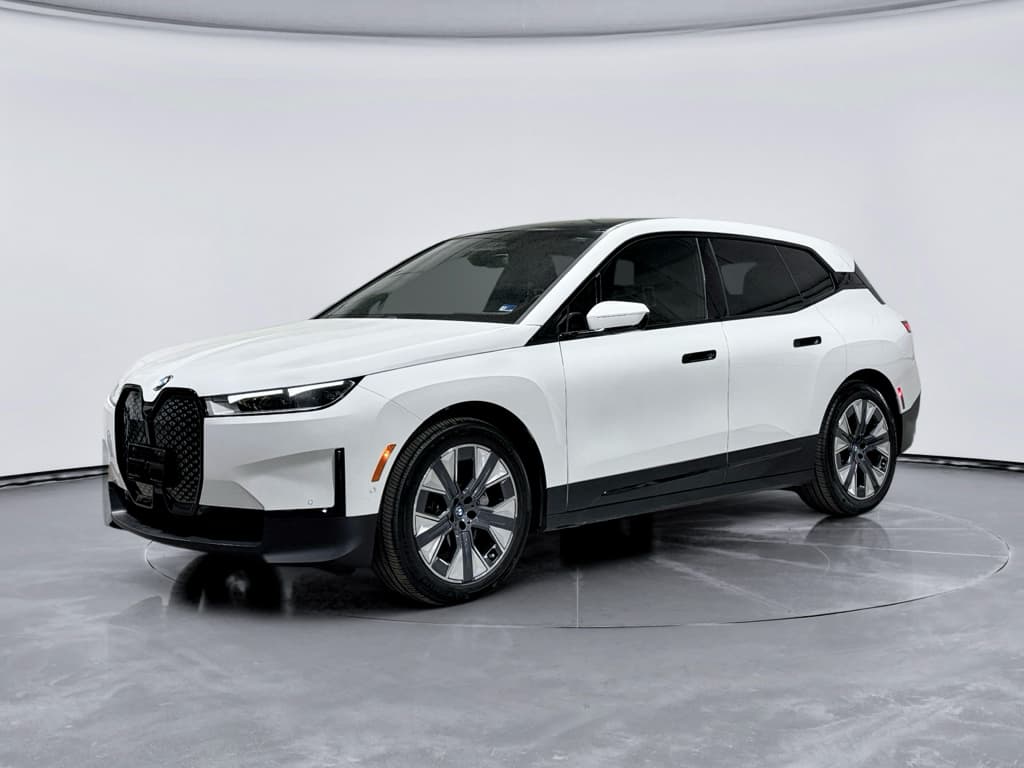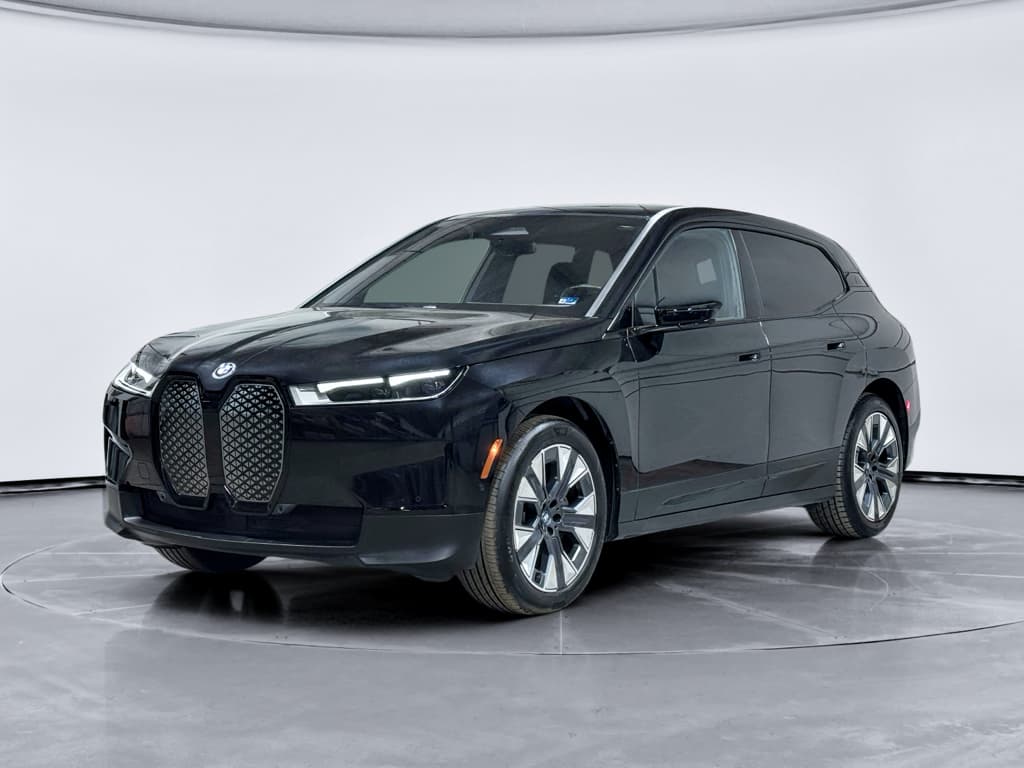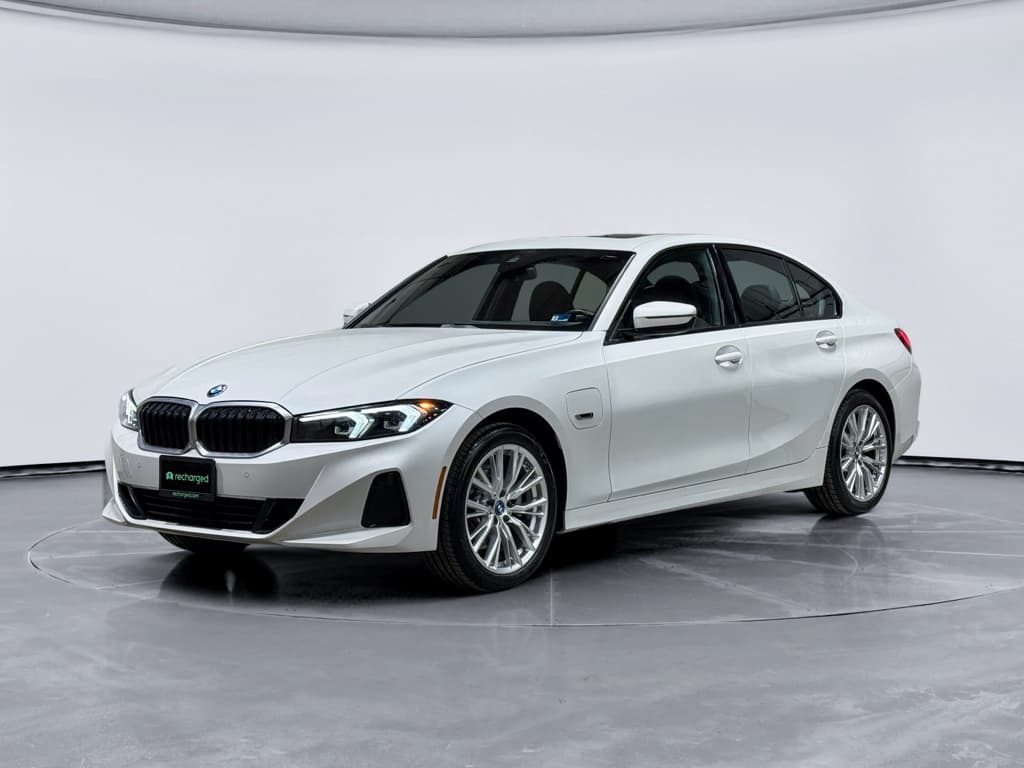
If you’re eyeing a sleek BMW i5, or already have one in the driveway, the big money question is simple: how fast will it depreciate? Electric luxury sedans can shed value quickly, but the BMW i5’s depreciation rate sits in an interesting middle ground between older EVs that nosedive and traditional gas 5 Series sedans that quietly slide down the curve.
Quick BMW i5 depreciation snapshot
BMW i5 depreciation overview
The BMW i5 is still a newcomer, but we already have enough data from pricing tools and early used listings to sketch a realistic depreciation picture. Several analyses of the 2024–2025 BMW i5 eDrive40 point to a **first‑year depreciation rate right around 25–26%**, taking a well‑optioned car from an MSRP in the high‑$60,000s to the mid‑$50,000s after one year of typical use. Other modeling that looks at 5‑year ownership suggests the i5 retains roughly **40–45% of its value after five years**, for a total loss in the neighborhood of 55–60% from original MSRP.
Key BMW i5 depreciation numbers
Those are averages, not guarantees. A **base i5 eDrive40** with modest options that you buy at a discount and care for meticulously will usually depreciate less than a fully loaded M60 with heavy miles. It also matters whether you’re in a hot coastal EV market or a region where chargers are still playing catch‑up.
How fast does a BMW i5 depreciate? Key numbers
Because the i5 only launched for the 2024 model year, we don’t yet have a decade of auction history. What we do have are **pricing‑tool projections, early used listings, and BMW EV trends** that line up surprisingly well. Put those together and you get a working rule of thumb:
- Around 25–30% depreciation in the first 12 months for a typical i5 eDrive40 or M60 with average miles.
- By **year three**, many i5s are on track to have lost **about 50–60%** of their original MSRP, depending on trim.
- By **year five**, several analysts expect the BMW i5 to be down roughly **55–65%** from new, with some aggressive projections pushing closer to 70% for heavily optioned cars.
Projecting from limited data
1–5 year BMW i5 depreciation curve
To make this practical, let’s walk through a simplified depreciation curve for a **2025 BMW i5 eDrive40** with an MSRP of about **$70,000** (a realistic figure for a reasonably optioned car). Assume normal driving (10,000–12,000 miles per year) and no major accidents or title issues.
Illustrative 5-year BMW i5 depreciation schedule
Approximate BMW i5 value trajectory based on current projections for a 2025 eDrive40 starting around $70,000 MSRP. Actual prices will vary by trim, mileage, region, and market conditions.
| Year of ownership | Approx. age | Estimated value | % of original MSRP | Total depreciation |
|---|---|---|---|---|
| Purchase | New | $70,000 | 100% | – |
| Year 1 | 1 year | $52,000–$55,000 | 75–79% | 21–25% |
| Year 3 | 3 years | $30,000–$32,000 | 43–46% | 54–57% |
| Year 5 | 5 years | $24,000–$28,000 | 34–40% | 60–66% |
A simplified curve helps you estimate what a BMW i5 might be worth over time.
If you plug similar numbers into mainstream valuation tools for the i5, you’ll see very similar curves: a **big step down in year one**, then a more gradual but still noticeable slide through year five. Higher‑spec trims like the M60, with their loftier MSRPs, often show a **larger dollar loss** even if the percentage loss is close.
Think in dollars, not just percentages
BMW i5 depreciation vs other luxury EVs
Depreciation only makes sense in context. On its own, “60% loss in five years” sounds brutal. But in the world of high‑end EVs, the BMW i5 is actually right in the thick of the pack, and in some cases, a little better than early first‑generation EVs that struggled with range and demand.
How the BMW i5 stacks up on depreciation
Broad, directional comparisons based on recent resale and market data.
BMW i5 vs gas 5 Series
The traditional 5 Series has long been known for steep depreciation, often losing around 40–45% in three years and roughly 60% by year five.
The i5’s projected ~55–65% 5-year loss is slightly worse in some scenarios but not dramatically out of line for a premium 5 Series–based sedan.
BMW i5 vs other luxury EVs
Many luxury EVs, think big electric sedans and performance models, lose 60% or more over five years. The BMW i5’s early data lands squarely in that same band, especially for well‑equipped trims.
In other words, the i5 is behaving like a typical premium EV, not an outlier.
BMW i5 vs mainstream EVs
More affordable EVs from Toyota, Hyundai, or Kia often retain value a bit better, especially when they qualify for strong incentives and appeal to a broader used‑car audience.
The tradeoff: they usually lack the i5’s cabin quality, performance, and brand cachet.
Luxury badge = faster fall
What drives the BMW i5 depreciation rate?
No single factor determines what your BMW i5 will be worth in three or five years. It’s a cocktail of **technology, incentives, buyer psychology, and how you care for the car**. Here are the big levers.
Major factors that shape BMW i5 depreciation
1. Battery health and range
For any EV, a healthy battery is the backbone of resale value. The i5 starts with competitive range, and early reports suggest solid battery longevity, but shoppers still scrutinize real‑world range and state of health. A car that has lost significant range will see its price soften quickly.
2. Tech and software pace
The 5 Series platform is loaded with screens, driver‑assist systems, and software features. As BMW rolls out updates or new generations, yesterday’s cutting‑edge tech can feel dated quickly, especially in a high‑end sedan, where buyers expect the latest and greatest.
3. Incentives and new‑car pricing
When new‑car incentives or price cuts hit, used values follow. Aggressive lease deals, factory rebates, or sudden MSRP reductions on new i5s can pull the rug out from under nearly new examples sitting on dealer lots.
4. Charging landscape and compatibility
Growing charging networks and connector standards play a role. As more automakers adopt new standards and as DC fast‑charging expands, older EVs that can’t keep up often see demand, and prices, slip.
5. Trim, options, and color choices
An i5 spec’d with unpopular colors, niche options, or very high original MSRP can be harder to move used. Conversely, tasteful colors, popular packages, and balanced equipment (not every box checked) tend to soften the depreciation blow.
6. General luxury‑car dynamics
Even in a world of EVs, classic luxury‑car math still applies: expensive sedans depreciate faster than practical crossovers and family EVs. Maintenance costs and perceived complexity can also nudge some buyers toward simpler alternatives, which weighs on resale.
Accidents and title brands are depreciation grenades
What BMW i5 depreciation means if you’re buying used
If you’re a used‑car shopper, the BMW i5 depreciation rate can actually be your friend. Someone else takes that first‑year $20,000–$25,000 hit so you don’t have to. The result: **two‑ to three‑year‑old i5s that deliver flagship‑level comfort and tech for the price of a new mainstream sedan or compact SUV.
Why a depreciated BMW i5 can be a smart buy
- Better value per dollar: You’re paying 40–60 cents on the dollar for a car that still feels brand‑new inside.
- Slower future depreciation: After the steep first few years, the curve usually flattens. Your annual loss, in dollars, is often smaller than what the first owner endured.
- Known reliability picture: By year two or three, early recalls and software bugs have often been addressed, and real‑world owner feedback is widely available.
What to watch closely on a used i5
- Battery state of health: Look for a detailed battery assessment, not just a dashboard range guess.
- Charging history: Heavy DC fast‑charging or extreme‑climate use can affect long‑term battery comfort and range.
- Software and service records: Confirm that major updates and campaigns have been performed at a BMW dealer.
How Recharged helps used BMW i5 buyers
Ready to find your next EV?
Browse VehiclesPlanning to sell or trade in your BMW i5?
If you already own an i5, the depreciation discussion feels very different, you’re not hunting for a bargain; you’re trying to **protect the equity you have left.** The good news: once you understand where most of the value drop happens, you can time your move and present the car in a way that maximizes what you get back.
Your main options when it’s time to move on
Each path interacts with depreciation a little differently.
Private sale
Often delivers the **highest sale price**, especially for well‑maintained, nicely optioned i5s.
Downside: more work, photos, listings, test drives, paperwork, and you’ll feel every market swing firsthand.
Dealer or marketplace trade‑in
Simpler and faster, which can be appealing if your i5 is already deep into its depreciation curve.
You may leave some money on the table, but you also avoid the hassle of selling it yourself.
Consignment or instant‑offer services
Some EV‑focused marketplaces, including Recharged, offer instant offers or consignment programs that blend convenience and fair pricing.
These can be a smart middle ground if you want more than trade‑in money without going fully DIY.
Documentation is money
How to protect your BMW i5 resale value
You can’t outrun depreciation entirely, but you can steer it. Think of your i5’s future resale value as a score you’re quietly building from day one. A few habits move the needle far more than others.
Practical ways to slow BMW i5 depreciation
1. Stay kind to the battery
Avoid routinely running the pack to 0% or charging to 100% unless you truly need the range. Using moderate charge limits for daily driving and minimizing unnecessary DC fast‑charging helps preserve long‑term capacity, an EV buyer’s first question.
2. Keep software and services current
Make sure you’re up to date on BMW software campaigns, recall work, and recommended maintenance. A car that’s fully current is easier to sell, and some software updates can even improve efficiency or features.
3. Protect the interior and exterior
Executive sedans live and die on presentation. Regular washes, paint protection where possible, careful parking, and prompt repair of wheel rash or interior wear can easily be worth thousands at resale time.
4. Choose your options wisely
If you’re ordering new, spec the car with the future buyer in mind: classic colors, popular driver‑assist packages, and restrained option lists tend to hold value better than oddball builds or ultra‑niche features.
5. Watch market timing
Major facelifts, new‑generation launches, or big incentive shifts can ding values quickly. If you know a heavily updated i5 or a wave of price cuts is coming, selling a bit earlier can soften the blow.
6. Get a professional health report before selling
Before you list your i5, consider a third‑party EV health check. At Recharged, our **Recharged Score battery diagnostics** give both you and potential buyers hard data, which can justify a stronger asking price and shorten time on market.
BMW i5 depreciation: FAQ
Frequently asked questions about BMW i5 depreciation
The BMW i5 depreciation rate tells a familiar story: fast‑moving technology, luxury‑car pricing, and an evolving EV market make for a steep early drop, but a compelling opportunity for smart used‑car shoppers. If you’re buying, target that 1–3‑year‑old sweet spot and insist on verified battery health. If you’re selling, present your i5 with great records and a clean bill of (battery) health to squeeze the most from a market that’s always watching the numbers. And if you’d rather not navigate that alone, Recharged is built to make the math, and the process, far less painful.