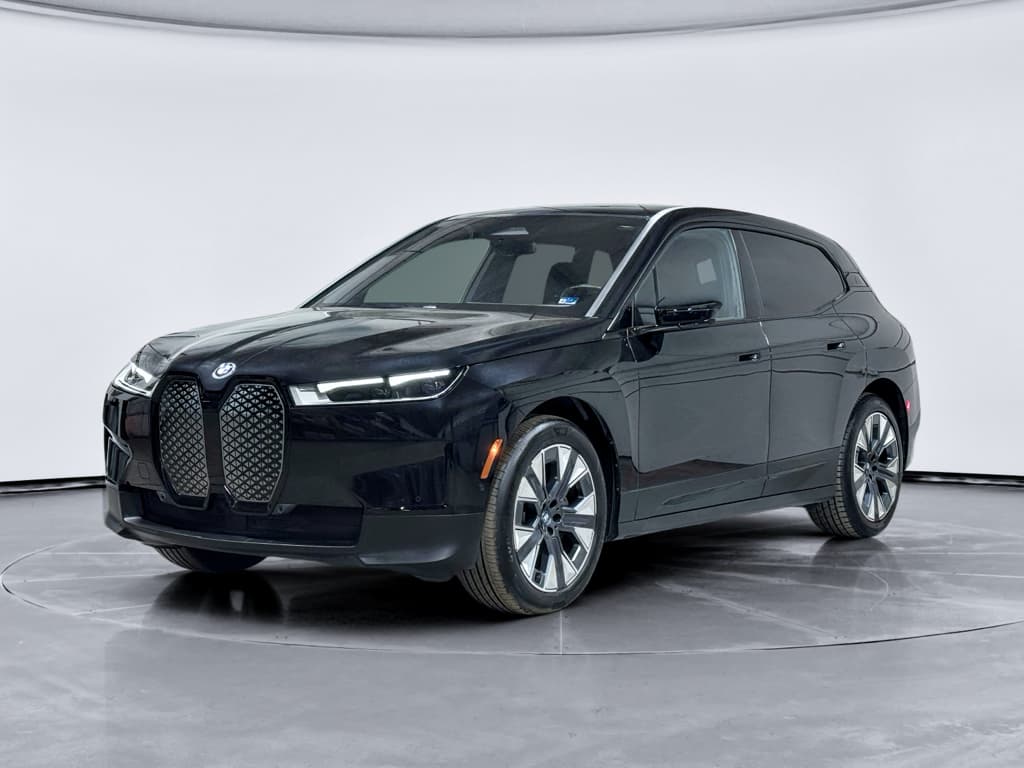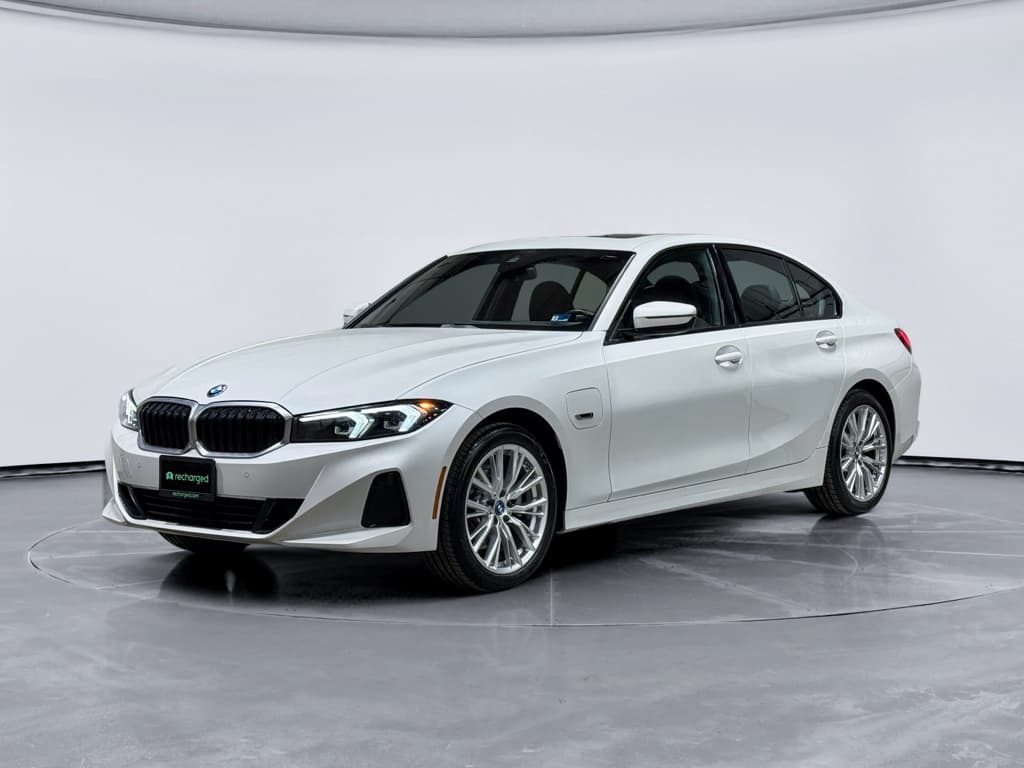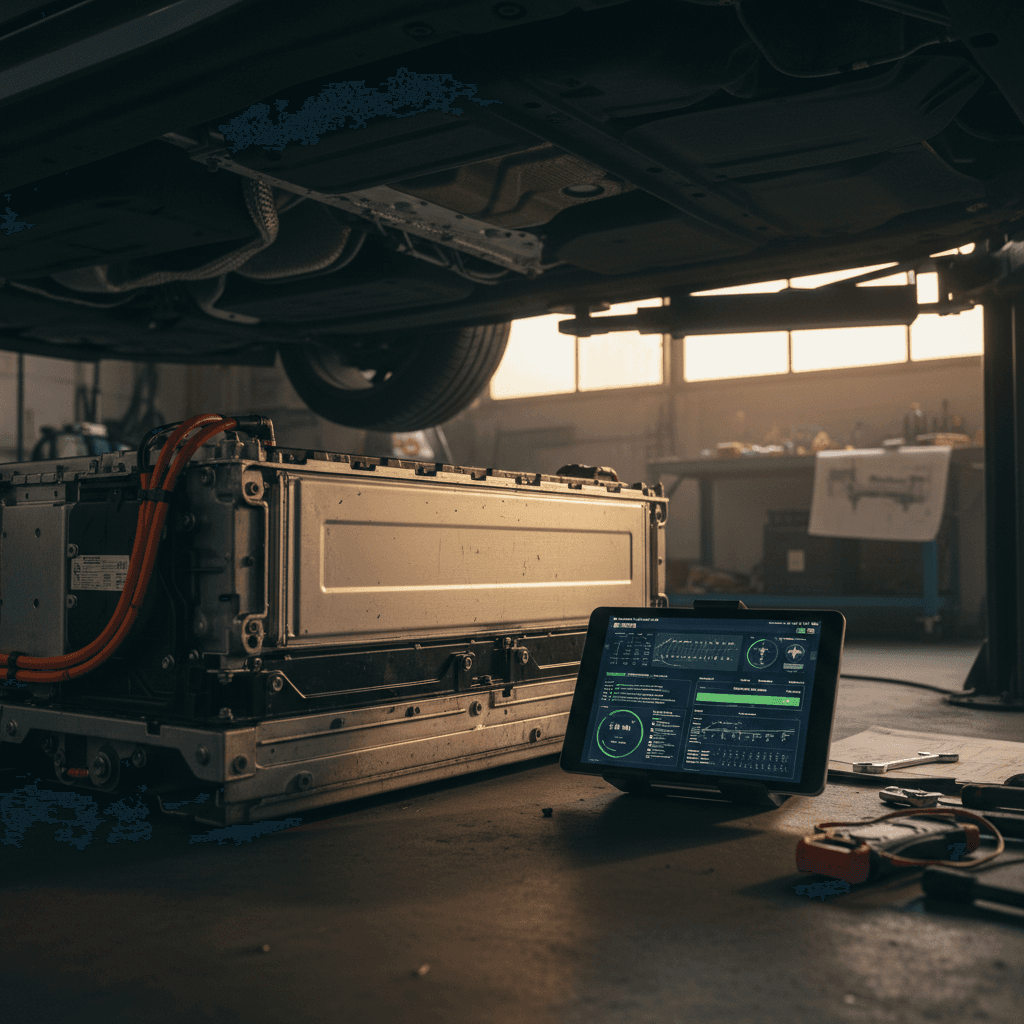
If you own, or are shopping for, a BMW i5, battery health is the single biggest factor behind real‑world range, long‑term reliability, and resale value. The good news: you don’t need a lab full of engineers to do a meaningful BMW i5 battery health check. With a few simple tests and the right tools, you can get a clear picture of how the pack is aging and whether a used i5 is a smart buy.
What this guide covers
Why BMW i5 battery health matters (especially if you’re buying used)
The BMW i5 uses a large, liquid‑cooled high‑voltage pack designed to last hundreds of thousands of miles, but it’s not immune to degradation. As the pack ages, usable capacity shrinks, real‑world range drops, DC fast‑charge speeds can taper, and resale values follow those trends. If you’re spending luxury‑sedan money, whether new or used, you want to know that the heart of the car is healthy.
What BMW i5 battery health actually affects
It’s more than just the percentage on the dash
Real-world range
Fast-charging performance
Resale and financing
Shopping used? Treat battery health like an engine compression test
BMW i5 battery basics and what actually degrades it
The pack in plain English
The i5’s high‑voltage battery is a large lithium‑ion pack mounted low in the floor. It’s managed by a sophisticated battery management system (BMS) that controls charging, temperature, and how much of the pack’s total capacity is exposed for daily use. BMW builds in a buffer, so 0–100% on the dash is not 0–100% of the actual cells.
What actually wears it out
- High mileage and energy throughput – More kWh in and out gradually reduce usable capacity.
- Frequent DC fast charging – Occasional use is fine, but relying on DC fast charging as your primary refill speeds aging.
- Heat and extreme cold – The pack is cooled, but repeated exposure to high temps accelerates wear; cold temporarily reduces usable range.
- Living at 100% or 0% – Keeping the car fully charged for days or frequently running it to near‑empty stresses cells.
Heat is the quiet battery killer
Quick BMW i5 battery health check in 5 minutes
Before you dive into detailed testing, you can do a surprisingly informative 5‑minute sanity check. This won’t give you an exact state‑of‑health (SOH) number, but it can quickly flag cars that deserve closer scrutiny.
5-minute BMW i5 battery health check
1. Note the odometer and model variant
Mileage and trim matter. An i5 eDrive40 with 80,000 miles that still delivers strong range tells a very different story than a 15,000‑mile M60 that charges sluggishly.
2. Compare state-of-charge to indicated range
At whatever SOC the car is currently at (say 70%), multiply the i5’s rated EPA range for that trim by that percentage. If the display shows dramatically less than expected, capacity may be down or the BMS may be conservative.
3. Check for battery or drivetrain warnings
On the central display and instrument cluster, look for any yellow or red warnings related to the high‑voltage system, charging, or drivetrain. Walk away from an i5 with unresolved HV warnings unless there’s a documented fix.
4. Review charging behavior
If you can plug into AC, verify that charging starts promptly and the car predicts a reasonable time‑to‑full. Long estimates at modest SOC can point to limits or issues.
5. Ask for charging and service history
Frequent DC fast charging and hot‑climate use aren’t dealbreakers if degradation is still low, but a transparent history helps you interpret the numbers you’ll gather in deeper tests.
Step-by-step BMW i5 range test you can do at home
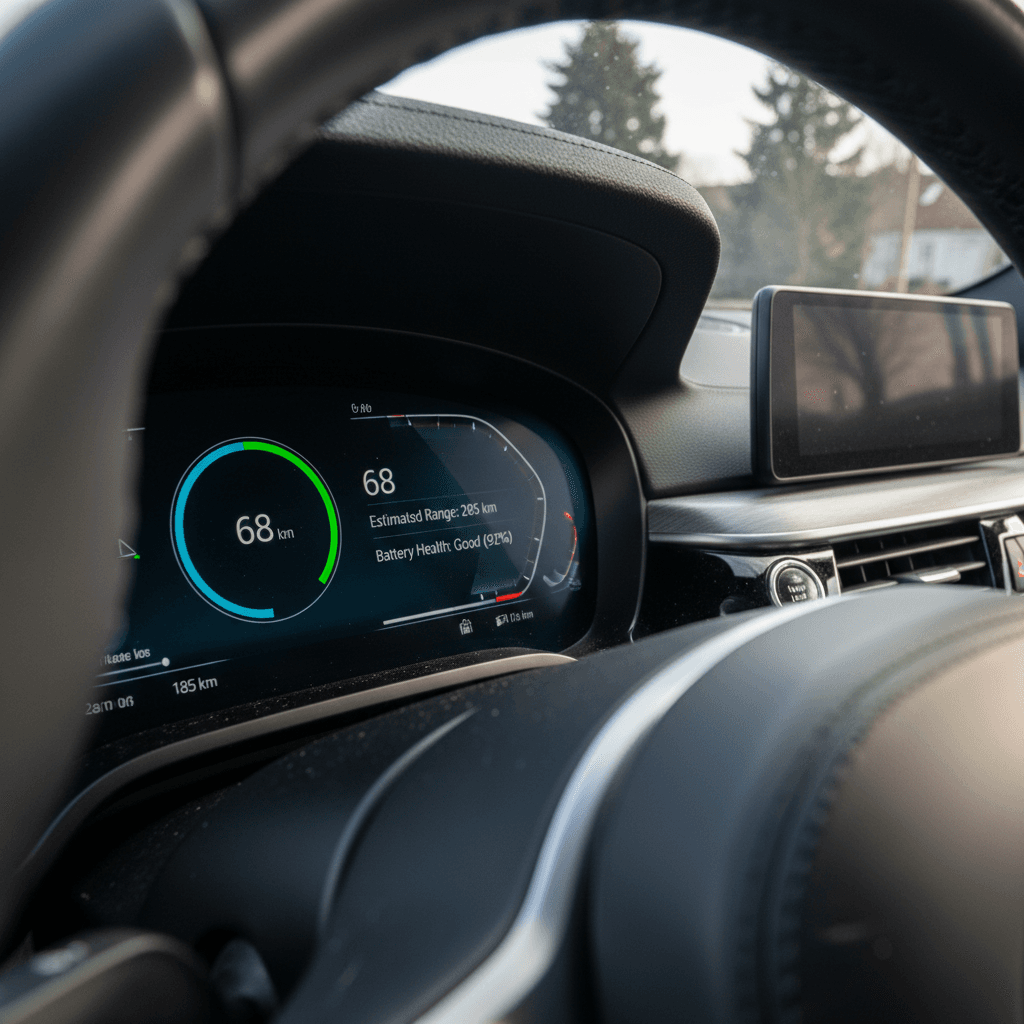
A controlled range test is the most practical way for an owner to approximate battery health without specialized tools. You’re essentially measuring how much real‑world distance you get from a known slice of the pack’s usable energy.
- Fully charge the i5 on AC to 100% right before you drive. Avoid letting it sit full for hours, plan to leave soon after it completes.
- Zero out the trip computer (distance and consumption) in iDrive so you capture fresh data.
- Drive a consistent loop or route at moderate speeds. Highway at 65–70 mph or mixed city/highway is fine, just keep your style steady.
- Aim to use at least 50–60% of the battery in one continuous session (for example, from 100% down to 40%). The larger the slice you use, the more accurate your inference will be.
- Record three numbers at the end of the drive: starting SOC, ending SOC, miles driven, and average kWh/100 mi or mi/kWh from the trip display.
- Use the data to estimate effective usable capacity and compare it to the original spec for your trim.
How to turn that drive into a rough SOH number
Rule-of-thumb BMW i5 degradation benchmarks
Using BMW diagnostics and apps to assess battery health
Range tests are useful, but if you want a clearer view, especially as a buyer, you’ll want to pair them with digital diagnostics. That means reading what the BMW i5’s BMS actually thinks about its own pack.
Three ways to get deeper BMW i5 battery data
From owner-friendly tools to specialist reports
1. BMW app & in-car data
2. OBD-II dongle + third-party app
3. Professional battery health report
Why a third-party report matters for used i5s
Interpreting results: what is “good” BMW i5 battery health?
Once you’ve done a range test and gathered some data, either via apps or a professional report, you still have to answer the big question: Is this good enough for how I’ll use the car? There’s no single magic number, but there are clear patterns.
How to read BMW i5 state of health (SOH) numbers
Use this as a directional guide; always interpret results in context of mileage, climate, and how you plan to drive.
| Estimated SOH | What it usually means | Typical use case fit | Buyer’s takeaway |
|---|---|---|---|
| 95–100% | Essentially as-new capacity | Any use case, including frequent long highway trips | Great. Expect near‑rated range and strong fast‑charge performance. |
| 90–94% | Mild but normal degradation | Most commuters and moderate trip takers | Good. Factor in a modest range haircut, but no major concern. |
| 85–89% | Noticeable but manageable loss | Shorter‑range commuters, urban driving | OK if priced right. Expect shorter legs on road trips and more frequent fast‑charge stops. |
| 80–84% | Significant capacity loss | Mainly city driving with easy access to charging | Proceed with caution. Needs a discount and very honest expectations about range. |
| Below 80% | Substantial degradation | Niche situations only | Treat as a high‑mileage engine: only makes sense at a steep discount, with clear eyes about limitations. |
SOH thresholds are guidelines, not absolute pass/fail lines. A 92% pack may be perfectly fine for your daily needs; an 83% pack might still work if you rarely road‑trip.
Red flags that matter more than 1–2% of SOH
When to get a professional BMW i5 battery inspection
You don’t need a lab test for every lease return or certified pre‑owned BMW i5. But there are clear scenarios where a professional battery health inspection is absolutely worth the time and cost, often paying for itself in negotiation room.
- You’re buying a higher‑mileage i5 (for example 50,000+ miles) and plan to keep it for many years.
- The car’s history suggests heavy DC fast‑charging or hot‑climate use.
- Your own testing suggests SOH in the mid‑80s or below, or range feels inconsistent with mileage.
- You see any past service records mentioning HV battery faults, contactors, or BMS updates.
- You’re comparing several used i5s and want hard data to pick the best pack.
How Recharged handles this for you
Ready to find your next EV?
Browse VehiclesHow to protect your BMW i5 battery for the long term
The best battery health check is the one you never have to worry about because you’ve treated the pack well from day one. BMW’s thermal management and charge buffers do a lot of the heavy lifting, but your habits still matter.
BMW i5 battery longevity best practices
Small habits that add up over 8–10+ years
Live in the middle of the pack
Favor AC over DC fast charging
Avoid baking the pack
Let the car manage itself
BMW i5 battery health checklist
Quick BMW i5 battery health checklist
Confirm basic specs
Know your exact i5 variant and original EPA range so you can interpret current range and SOH correctly.
Do the 5-minute visual & range sanity check
Note mileage, scan for warnings, and compare indicated range at a given SOC to the original rated range.
Run at least one structured range test
Start from a known SOC, drive a consistent route, and log distance plus consumption to back into effective capacity.
Pull digital battery data
Use the BMW app, in‑car displays, or an OBD + third‑party app to see SOH estimates, cell balance, and temperature behavior when possible.
Interpret SOH in context
Compare any SOH figure to mileage, climate, and use case. A lower number can be fine for short‑range city use if the price reflects it.
Get a professional report for big decisions
Before spending serious money on a used BMW i5, or selling one, you’ll want a third‑party battery health report, like the Recharged Score, to back up your decision.
BMW i5 battery health FAQ
Frequently asked questions about BMW i5 battery health
Battery health is the backbone of any electric car’s value proposition, and the BMW i5 is no exception. With a structured approach, quick visual checks, a thoughtful range test, smart use of apps, and professional diagnostics when the stakes are high, you can tell a truly healthy i5 from one that just looks good in photos. Whether you’re protecting the i5 already in your driveway or sizing up a used one on the market, a clear battery story today will save you range anxiety, surprise costs, and buyer’s remorse tomorrow.