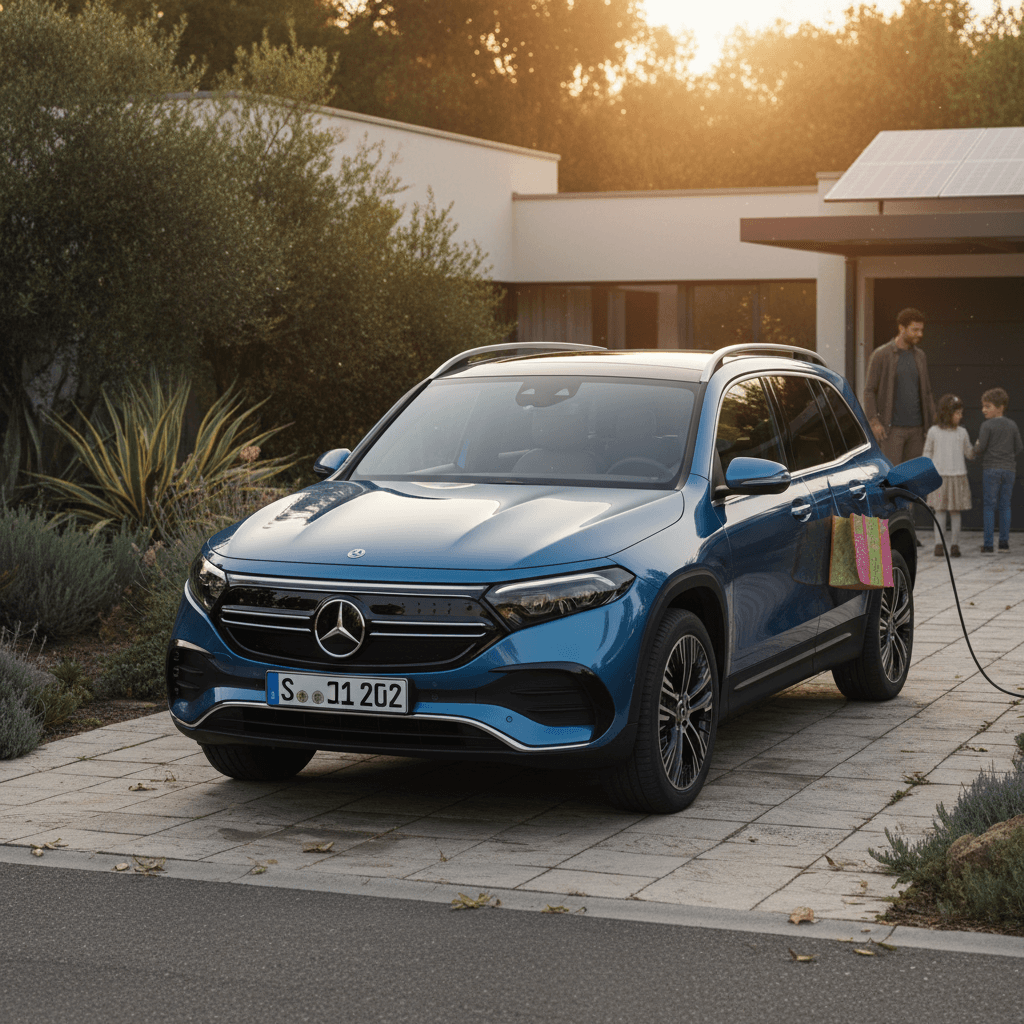
You could hardly pick two EVs that say “modern German luxury” more clearly than the BMW i4 and Mercedes‑Benz EQE. On paper, they both promise long range, fast charging, and a plush cabin. On the road, and in your wallet, they’re very different animals. If you’re cross‑shopping BMW i4 vs Mercedes EQE, especially on the used market, this guide walks you through how they really compare.
Sedan vs hatchback, midsize vs compact
BMW i4 vs Mercedes EQE: quick overview
Two luxury EVs, two very different personalities
Think of the i4 as a sharp sport sedan and the EQE as a rolling spa with a spaceship UI.
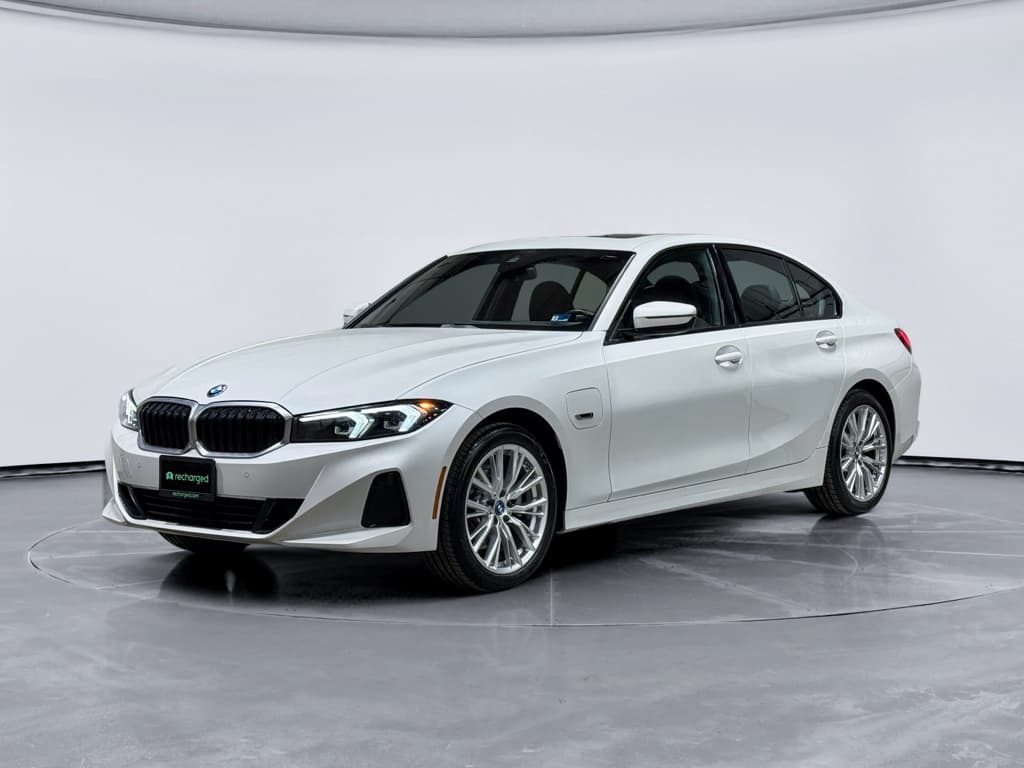
BMW i4: the driver’s EV
Body style: Compact 4‑door hatchback (Gran Coupe profile)
- Trims from efficient eDrive35 to ballistic M50
- Sharp steering, firm-ish ride, classic BMW feel
- Excellent efficiency and strong DC fast‑charging
- Interior is familiar BMW with a modern curved display
Mercedes EQE: the cocoon
Body style: Midsize luxury sedan (and separate EQE SUV)
- Soft, quiet, comfort‑first tuning
- Big cabin, more rear‑seat and trunk space
- Ultra‑techy MBUX interface, optional Hyperscreen
- Heavier, less efficient, but very refined
Note on EQE availability in the U.S.
Key specs: BMW i4 vs Mercedes EQE
BMW i4 vs Mercedes EQE: core specifications
Representative U.S. models as of 2024–2025. Always verify exact specs for the trim and model year you’re considering.
| Model | Typical body style | Powertrain highlights | Approx. usable battery | EPA range (best trims) | 0–60 mph (quickest trims) | Max DC fast‑charge |
|---|---|---|---|---|---|---|
| BMW i4 eDrive35 / eDrive40 | Compact 4‑door hatchback | Single rear motor, RWD | ~66–81 kWh | ~256–301 miles | ~5.4–5.7 seconds | Up to ~180–200 kW |
| BMW i4 xDrive40 / M50 | Compact 4‑door hatchback | Dual motors, AWD | ~81 kWh | ~245–279 miles | Down to ~3.7 seconds | Up to ~200 kW |
| Mercedes EQE 350+ Sedan | Midsize sedan | Single rear motor, RWD | ~90 kWh usable (varies) | ~300 miles | ~6 seconds | Up to ~170–170+ kW |
| Mercedes EQE 350 4Matic / 500 / AMG | Midsize sedan or SUV | Dual‑motor AWD | ~90 kWh usable (varies) | ~230–260 miles (sedan), less for SUV | Low‑to‑mid‑3s in AMG sedan | Roughly 170+ kW |
Specs will vary slightly by trim and model year, but this captures the character of each lineup.
Battery size vs real‑world range
Driving feel and performance
BMW i4: the old‑school sport sedan gone electric
If you grew up on inline‑six BMW sedans, the i4 is the closest EV equivalent. Steering is precise, body control is tight, and the car is always a little bit eager, sometimes borderline impatient, trading a bit of ride softness for driver engagement.
- eDrive35 / eDrive40: More than enough power for everyday use, with a playful rear‑drive balance.
- xDrive40: Adds all‑weather confidence and stronger acceleration without going full M.
- M50: Genuinely quick. 0–60 mph in the high‑3‑second range makes it an electric M3 in all but name.
If you enjoy back roads or just want your commute to feel alive, the i4 delivers that classic BMW “talkative” chassis in EV form.
Mercedes EQE: the lounge on 21‑inch wheels
The EQE, particularly as a sedan, drives like a shrunken EQS: hushed, unhurried, and soft around the edges. The steering is lighter, the damping more supple, and the cabin isolation is excellent.
- EQE 350+: Smooth and relaxed, not urgent. Perfect for long highway slogs.
- EQE 350 4Matic / EQE SUV: Extra traction and weight, with performance still tuned for comfort first.
- EQE 500 & AMG: Considerably faster, but even the AMG feels more like a high‑speed GT than a canyon‑carver.
If your ideal drive is more “podcast and heated massage seats” than “late‑braking into Turn 3,” the EQE is your car.
Test‑drive tip
Range and efficiency in the real world
Paper range numbers don’t tell you how often you’ll actually stop to charge. Weight, aerodynamics, and your right foot matter. This is where the BMW i4 quietly embarrasses a lot of larger luxury EVs, including the EQE.
Typical real‑world range for well‑specced trims
Watch the big‑wheel tax
Charging speed and road‑trip ability
Good news: neither of these cars is a slouch at DC fast charging. They both support peak rates around the 170–200 kW mark and can go from roughly 10% to 80% in about half an hour if you find a healthy fast charger and arrive with a warm battery.
Charging comparison: BMW i4 vs Mercedes EQE
Approximate best‑case DC fast‑charging performance on a capable charger with a warm battery.
| Model | Connector (U.S.) | Peak DC rate | 10–80% DC time (approx.) | Home AC max |
|---|---|---|---|---|
| BMW i4 (all trims) | CCS1 (transitioning to NACS via adapter) | ~180–200 kW | ~30–35 minutes | 11 kW (48A Level 2) |
| Mercedes EQE sedan | CCS1 | ~170+ kW | ~30–35 minutes | Up to ~9.6–11 kW (trim‑dependent) |
| Mercedes EQE SUV | CCS1 | Similar to sedan | ~30–35 minutes | Up to ~9.6–11 kW (trim‑dependent) |
Actual times will depend heavily on charger condition, temperature, and your state of charge when you plug in.
Real‑world road‑trip strategy
In the U.S., public‑charging experience can matter as much as raw charging speed. BMW has partnered with major networks like Electrify America, often bundling free fast‑charging sessions on new cars. Mercedes leans on the same big networks and is rolling into the new joint venture networks many automakers are building. On the used market, free‑charging promos may have expired, so think of them as a bonus if they’re still active, not a guarantee.
Interior comfort, space, and practicality
BMW i4: compact, classy, surprisingly useful
From the driver’s seat, the i4 feels like a familiar BMW 4 Series: low seating position, driver‑oriented dash, and that trademark thick‑rimmed steering wheel. The cabin is well screwed‑together, with a tasteful mix of leather, metal, and BMW’s latest curved display.
- Space: Front space is generous; the rear seat is adequate for adults but not limo‑like.
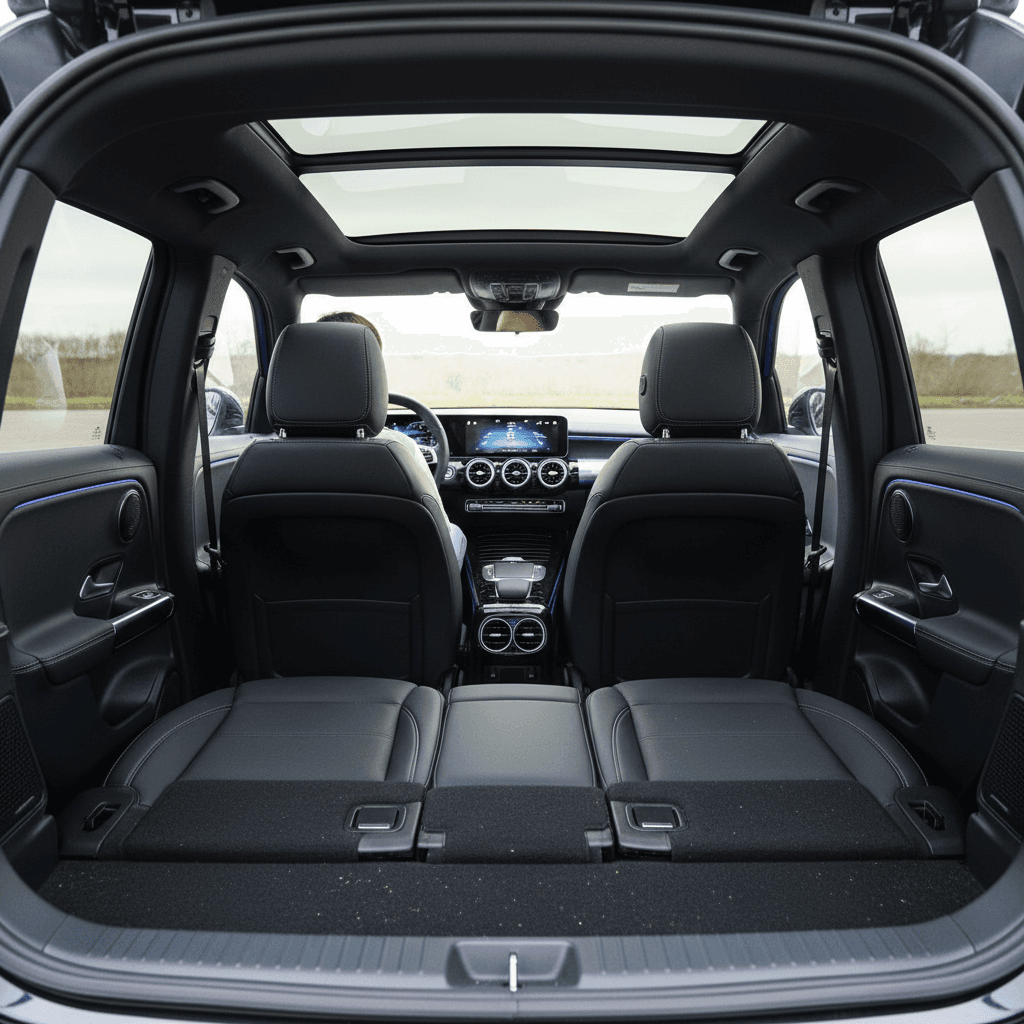
- Cargo: The hatchback is the hidden ace, around 470 liters of trunk volume and over 1,200 liters with seats folded, making Costco runs easy.
- Ride comfort: On smaller wheels, it’s comfortable; M50 with sport suspension can get busy on broken pavement.
Mercedes EQE: bigger, quieter, more opulent
The EQE sedan is a step up in cabin volume and ambiance. It has the “cocooned” sense of a modern S‑Class, just shrunk slightly. Materials are lush, the insulation is thick, and wind/road noise are extremely well suppressed.
- Space: More legroom and width than the i4, especially in the back seat.
- Cargo: Traditional trunk layout, but deeper and wider than the BMW’s; the EQE SUV adds the practicality of a full hatch.
- Ride comfort: Particularly soft on air suspension. Excellent for long distances, though some drivers will find it a bit floaty.
Family and cargo reality check
Tech, infotainment, and driver assistance
Both cars are rolling tech showcases, but they express that technology very differently. The Mercedes is a Vegas light show; the BMW is more understated, though its latest iDrive 8/8.5 systems are still plenty digital.
Tech philosophies: BMW vs Mercedes
Same goals, comfort, safety, convenience, very different user experiences.
Infotainment & UX
BMW i4: Curved display with iDrive 8/8.5, menu‑driven but logical once you learn it. Strong voice controls, wireless CarPlay/Android Auto, and physical volume and drive‑mode controls where you want them.
Mercedes EQE: MBUX with large central screen or full‑width Hyperscreen (trim‑dependent). Visually spectacular, with rich graphics and a steeper learning curve. CarPlay/Android Auto support is standard.
Driver assistance
Both offer adaptive cruise control, lane‑keeping assist, automatic emergency braking, and blind‑spot monitoring. Higher‑end packages layer on lane‑change assist, active steering on highways, and sophisticated parking aids.
In practice, BMW’s tuning feels more conservative and less intrusive. Mercedes often leans toward a more assertive, occasionally over‑helpful style.
Software & updates
Both support over‑the‑air updates for bug fixes and feature additions, and both can tie into branded apps for pre‑conditioning, remote lock/unlock, and route planning with charging stops.
For used buyers: verify that all recalls and major software updates have been applied, your Recharged Score Report will call this out.
Try the apps before you buy
Ownership costs, depreciation, and used-market realities
Luxury EVs depreciate faster than sensible crossovers and compact gas sedans. That’s bad news for the first owner and excellent news for you if you’re shopping used. The BMW i4 and Mercedes EQE are both riding that curve, but not equally.
Cost and value: where the money goes
Sticker price is just the opening bid. Running costs and depreciation tell the real story.
Pricing and depreciation
- New prices: Well‑optioned i4s typically undercut equivalent EQE sedans by a noticeable margin, especially the more powerful trims.
- Used values: EQE sedans and SUVs have seen aggressive discounting and incentives, which tends to drag used prices down faster.
- Result: As a used buy, an EQE can be a staggering amount of luxury per dollar. The i4 usually costs a bit more but holds value better.
Running costs and battery health
- Energy costs: The i4’s better efficiency means lower electricity bills for the same miles, especially if you do a lot of highway driving.
- Maintenance: Both benefit from EV‑simple drivetrains, no oil changes, fewer moving parts, but parts and labor are still premium‑brand expensive.
- Battery health: Actual degradation depends on how the car was used and charged. That’s where a Recharged Score Report is your best friend.
How Recharged de‑risks a used luxury EV
Which EV fits which driver?
Choose your character: driver’s tool or rolling lounge?
1. You crave a compact sport sedan feel
You want something that feels lithe in traffic and mildly mischievous on ramps, with a slightly firmer ride and tidy dimensions. That’s the BMW i4, especially in eDrive40 or M50 form.
2. You live on highways and hate fatigue
You’re doing long interstate runs, value a soft ride and outstanding noise isolation, and couldn’t care less about lap times. The Mercedes EQE sedan is tuned for this life.
3. You haul family and luggage often
Regularly carrying adults in the back and big suitcases? The EQE sedan, and even more so the EQE SUV, offer the cabin and cargo volume to match.
4. You want practicality without giving up style
You like a swoopy profile but need to load strollers, bikes, or big IKEA boxes. The i4’s hatchback layout is a secret weapon here, marrying style to usefulness.
5. You’re cost‑sensitive on energy and price
If you want lower charging costs and a more affordable entry price, the i4 generally wins on efficiency and transaction price. If you’re hunting a screaming deal on used luxury, a discounted used EQE can be unbeatable.
6. You care most about in‑car tech theater
You like big screens, dramatic ambient lighting, and a spaceship‑like cockpit. That’s squarely in the EQE’s wheelhouse, particularly with the Hyperscreen option.
How Recharged helps you choose confidently
Shopping used for a BMW i4 or Mercedes EQE can feel like defusing a glamorous, leather‑wrapped bomb. You’re balancing battery health, complex electronics, and fast‑moving market prices. This is exactly the problem Recharged was built to solve.
What you get when you shop BMW i4 or EQE with Recharged
Transparency on the stuff that actually matters with EVs.
Recharged Score battery diagnostics
Every vehicle comes with a Recharged Score Report, an independent assessment of battery health, charging history indicators, and how that compares to similar EVs. With luxury EVs, where a replacement pack is a five‑figure conversation, that clarity is huge.
Fair market pricing and financing
Recharged benchmarks each car against the broader EV market so you’re not overpaying for fancy badges. You can also finance directly through Recharged and even trade in your current vehicle, all in a fully digital experience.
Nationwide buying, local‑style support
Browse, compare BMW i4 and Mercedes EQE listings, lock in a deal online, and get nationwide delivery. Prefer to touch and feel first? Visit the Recharged Experience Center in Richmond, VA, for EV‑specialist guidance and test drives.
Ready to find your next EV?
Browse VehiclesBoiled down: the BMW i4 is for the driver who wants an efficient, compact sport sedan with a practical hatch and sharp manners. The Mercedes EQE is for the comfort‑first buyer who wants space, silence, and tech theater above all else. Either can be a brilliant used buy, provided you understand the trade‑offs and have solid data on battery health and value. That’s where letting Recharged do the forensic work turns a risky luxury EV leap into a calculated, confident step.