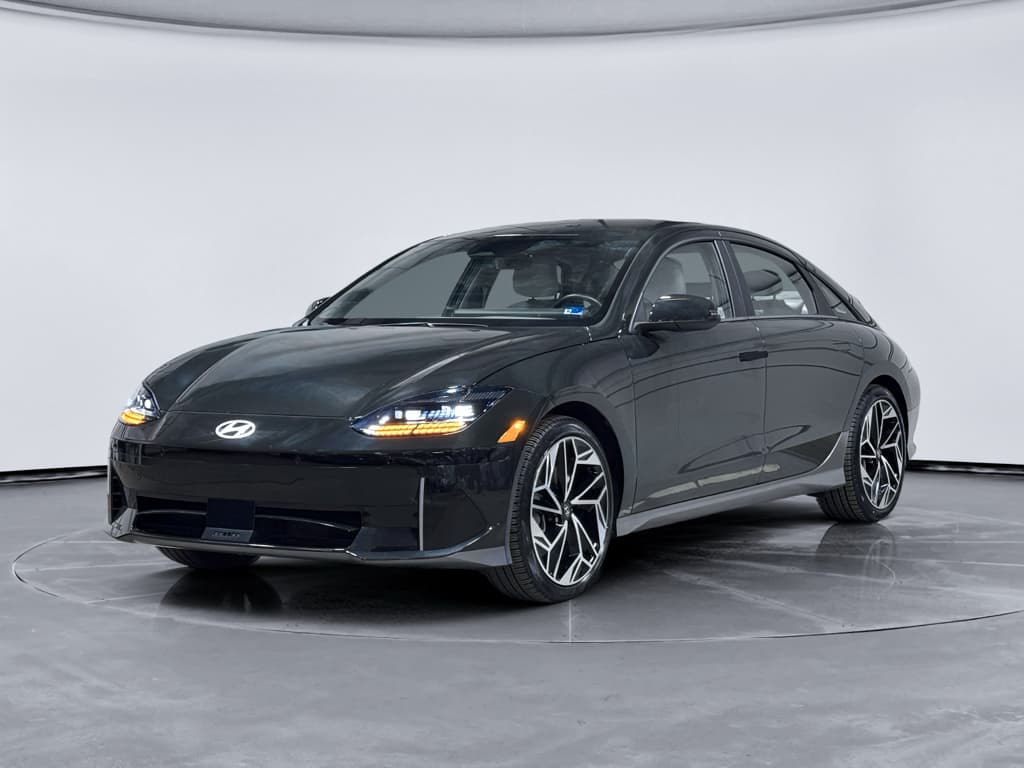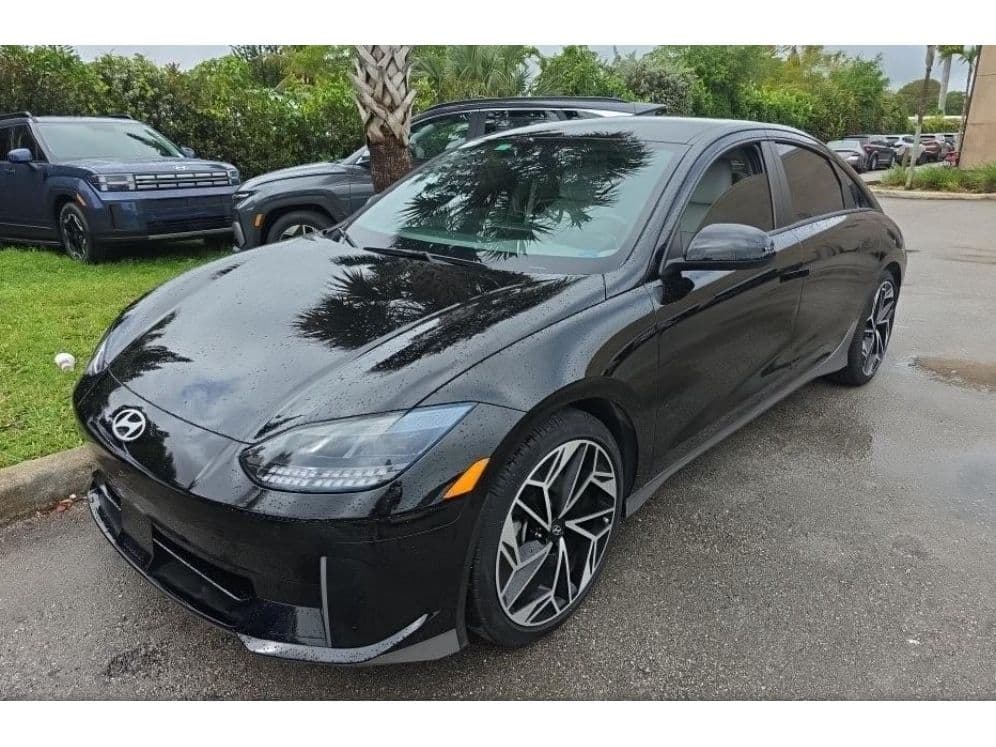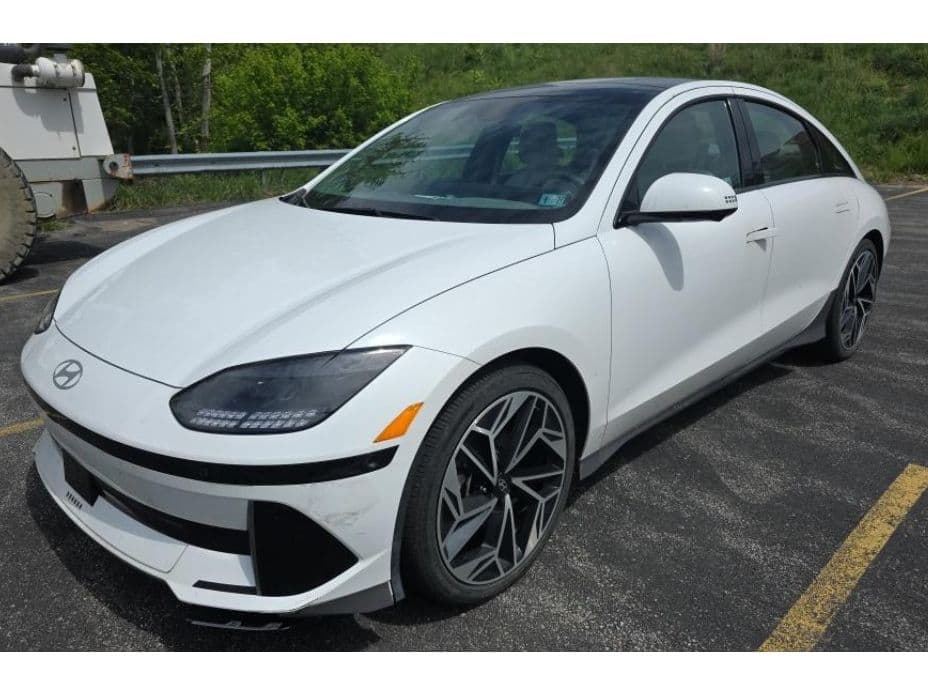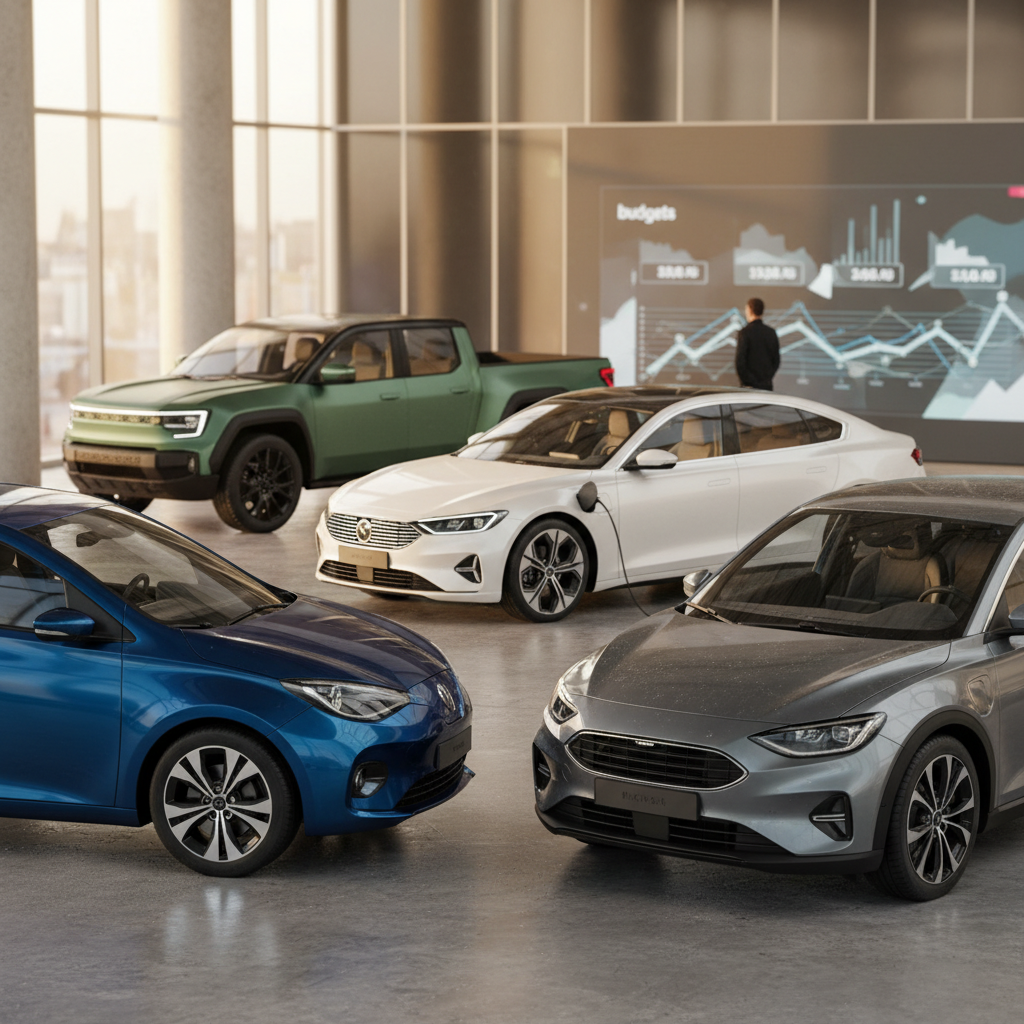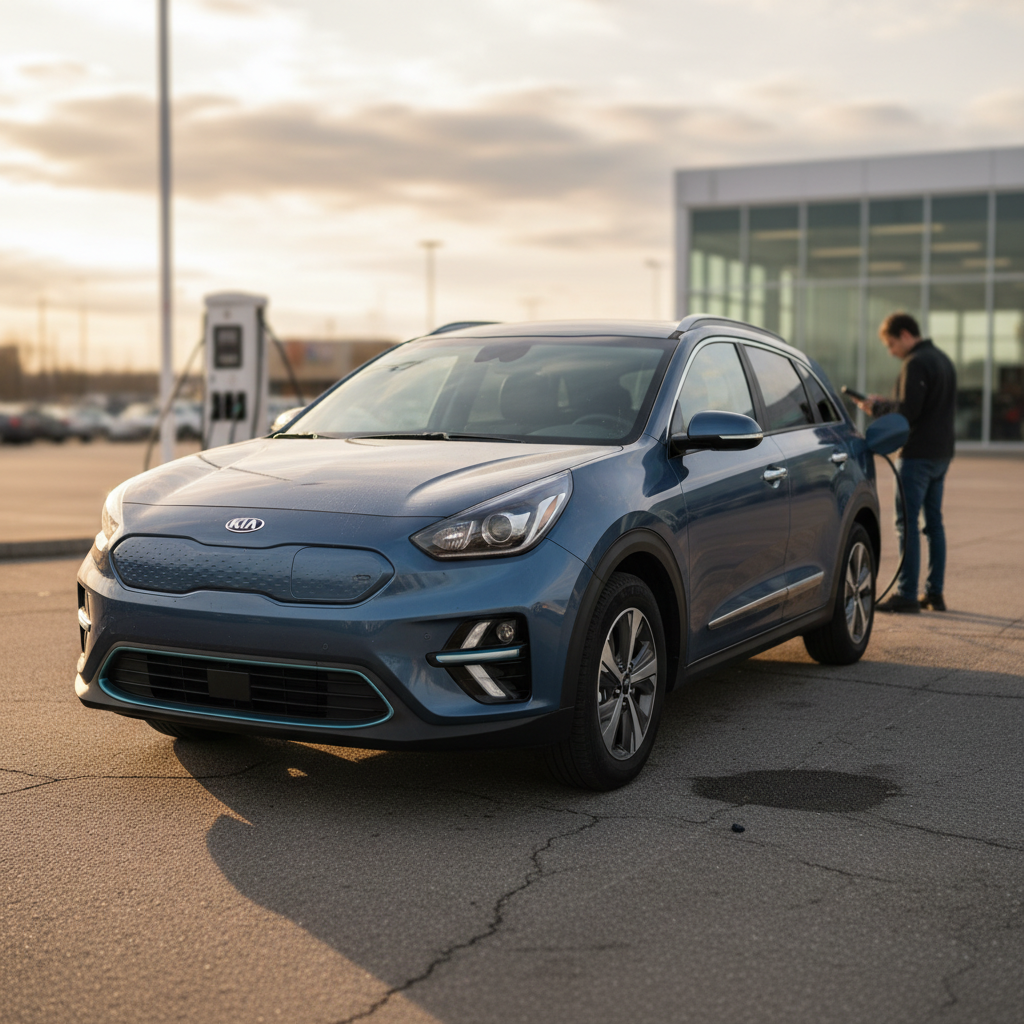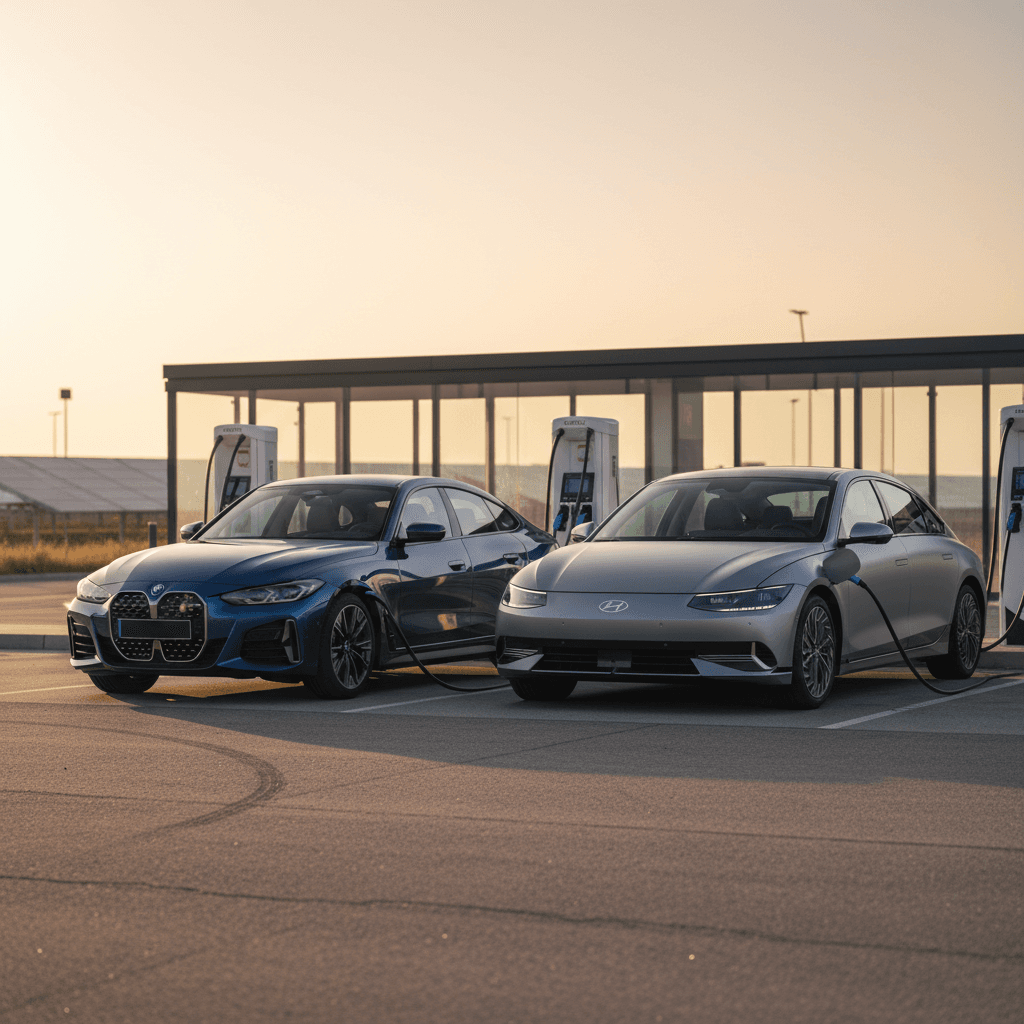
If you’re shopping for a sleek electric sedan, the BMW i4 and Hyundai Ioniq 6 are probably at the top of your list. Both offer serious range, fast charging, and eye‑catching design, but they approach the same mission very differently. This guide walks you through BMW i4 vs Hyundai Ioniq 6 on range, charging, performance, comfort, tech, and ownership costs, with a special eye toward shoppers considering a used EV.
Two very different takes on the electric sedan
Overview: BMW i4 vs Hyundai Ioniq 6
Think of the BMW i4 as the choice for drivers who care most about premium feel and performance. It offers multiple power levels, from a sensible eDrive35 to the genuinely quick M50, and a cabin that will feel familiar to BMW owners. The Hyundai Ioniq 6, by contrast, punches above its price with class‑leading efficiency, ultra‑fast DC charging, and strong standard tech. It’s arguably the more futuristic EV, especially if you use public fast charging often.
BMW i4 vs Hyundai Ioniq 6: high‑level takeaways
A quick feel for who each car suits best
BMW i4: why you’d pick it
- Sportier drive with RWD and powerful dual‑motor options
- Traditional luxury cabin and BMW brand appeal
- Multiple trims and power levels, including the M50 performance model
- Good DC fast charging and solid highway manners
Hyundai Ioniq 6: why you’d pick it
- Excellent efficiency and long range (up to the low‑360‑mile ballpark in certain RWD trims)
- Very fast DC charging thanks to 800‑volt architecture
- More standard tech and driver aids for the money
- Distinctive, ultra‑aero design and roomy rear seat for an EV sedan
Quick specs: BMW i4 vs Hyundai Ioniq 6
Core specs snapshot (typical 2024–2025 U.S. trims)
Approximate specs for popular configurations; always verify the exact trim and equipment on any car you’re considering.
| Model / Trim (typical) | Drivetrain | Approx. EPA range | 0–60 mph (approx.) | Peak DC fast‑charge rate | On‑board AC charger | Base MSRP when new |
|---|---|---|---|---|---|---|
| BMW i4 eDrive35 | RWD, single motor | ~260 miles | ~6.0 sec | up to ~180–200 kW | 11 kW | low $50,000s |
| BMW i4 eDrive40 / xDrive40 | RWD or AWD | roughly 280–300+ miles depending on wheels | ~5.4–5.6 sec (RWD) | up to ~200 kW | 11 kW | mid–high $50,000s |
| BMW i4 M50 | AWD, dual motor | around mid‑240s miles depending on wheels | roughly 3.7–4.0 sec | up to ~200 kW | 11 kW | around low $70,000s |
| Hyundai Ioniq 6 SE Standard Range | RWD, single motor | around 240 miles | ~8.0 sec | up to ~235 kW | 10.9 kW | around $37,500 |
| Hyundai Ioniq 6 SE Long Range RWD | RWD, single motor | up to about 360 miles in the most efficient trim | ~7.0 sec | up to ~235 kW | 10.9 kW | low–mid $40,000s |
| Hyundai Ioniq 6 Long Range AWD | AWD, dual motor | roughly 270–300 miles depending on wheels | ~5.1 sec | up to ~235 kW | 10.9 kW | upper $40,000s–low $50,000s |
Specs focus on mainstream trims you’re most likely to see new or on the used market.
Used‑car shoppers: trims matter
Range and efficiency: spec sheets vs real world
On paper, the Ioniq 6 has the edge in headline range and efficiency. In its most efficient long‑range RWD trim, it can reach into the low‑360‑mile neighborhood on the EPA cycle, which is excellent for an EV sedan. Many other trims still post 300‑plus‑mile ratings. The BMW i4 line is more varied: entry eDrive35 models land closer to the mid‑200s, while higher‑capacity trims can move into the high‑200s or better depending on wheels and configuration.
How their strengths play out in real driving
How to sanity‑check range when you shop used
Charging speeds and road trip usability
Both cars can be solid road‑trip companions, but they get there in different ways. The Ioniq 6 rides on an 800‑volt platform, which allows very high peak DC fast‑charge rates and short 10–80% times when you find a capable station. In practice, many Ioniq 6 owners can add roughly 200 miles in under 20 minutes at a strong DC fast charger. The BMW i4 uses a more conventional 400‑volt layout but still supports respectable DC rates (around the 180–200 kW zone on most trims), making 10–80% sessions in the ballpark of a half hour under ideal conditions.
Hyundai Ioniq 6: charging highlights
- 800‑volt architecture enables very high peak charging power on capable DC fast chargers.
- Well‑matched to networks that offer 350 kW hardware; short highway stops when everything lines up.
- On‑board AC charger around 10.9 kW: a full home charge on a 48‑amp Level 2 unit typically takes just over seven hours.
- Great fit if you road‑trip regularly or depend on public fast charging more than home charging.
BMW i4: charging highlights
- Strong but not class‑leading DC performance; still more than adequate for most highway use.
- 11 kW on‑board AC charger: with a properly sized Level 2 unit, an overnight charge from near‑empty is easy.
- Some trims are more efficient than others; heavier dual‑motor models will spend more time plugged in on trips.
- Ideal if you have reliable home Level 2 charging and use DC fast charging occasionally rather than daily.
Home charging realities
Performance, handling, and driving feel
Here the BMW walks away with it if driving enjoyment is your top priority. Even the mid‑level i4 trims have crisp steering, a rear‑drive bias, and confident highway stability. The M50 variant is legitimately quick, with power and acceleration figures that rival many performance cars. The Ioniq 6, especially in dual‑motor form, is far from slow, but Hyundai tunes it more for relaxed, efficient cruising than for sport‑sedan antics.
How they feel from behind the wheel
Subjectively very different, even at similar price points
BMW i4
- Sport‑luxury feel that’s familiar to 3/4 Series owners.
- RWD balance on single‑motor trims; strong traction on AWD models.
- More road feel and firmer ride, especially with big wheels.
Hyundai Ioniq 6
- Smooth, quiet, and light‑on‑its‑feet personality.
- Steering is accurate but less communicative than the BMW’s.
- Prioritizes comfort and efficiency over corner‑carving.
Acceleration snapshot
- i4 M50: roughly mid‑3‑second 0–60 mph territory in independent tests.
- Ioniq 6 AWD: around low‑5‑second 0–60 mph range.
- Both are more than quick enough for passing and on‑ramp duty; BMW offers the bigger grin factor.
Comfort, space, and practicality
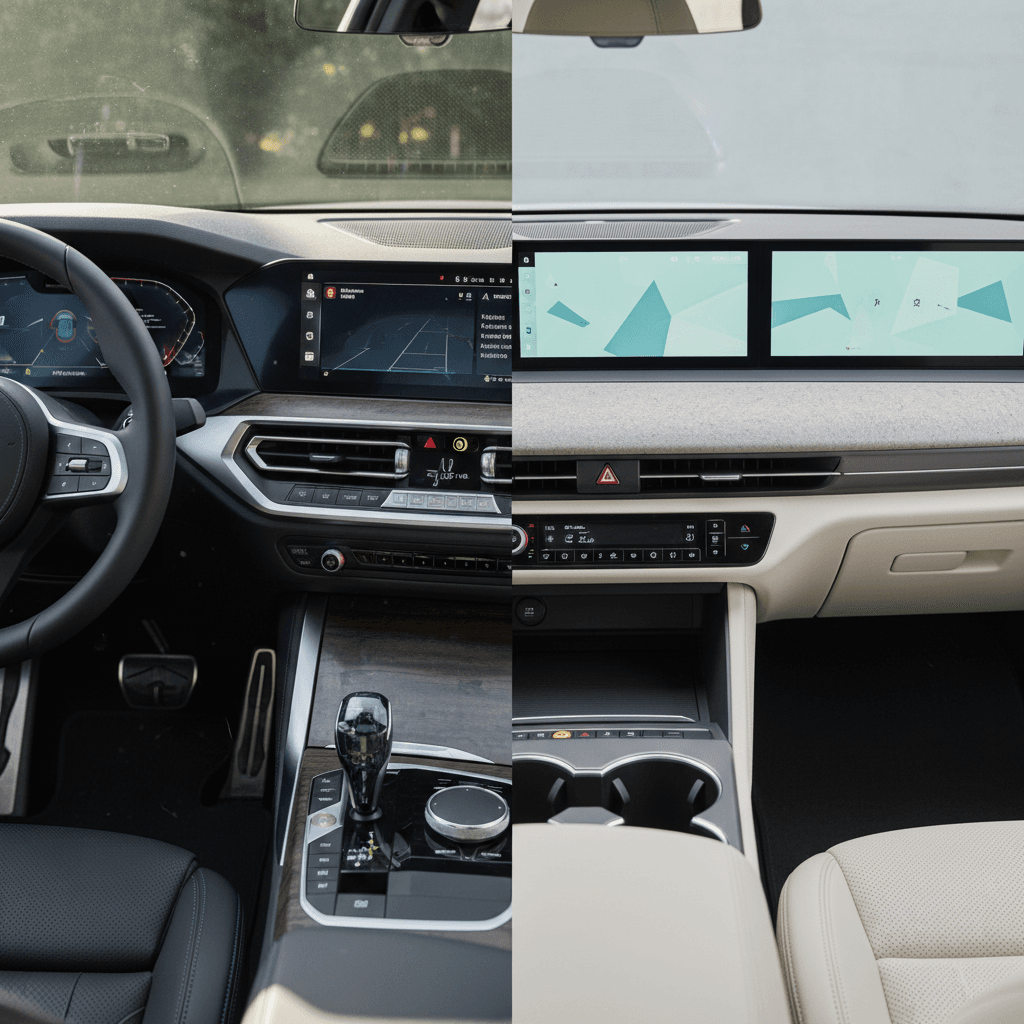
Both are sleek sedans with hatchback‑like practicality (the BMW i4 is a Gran Coupé hatch, the Ioniq 6 has a trunk with a wide opening), but they prioritize space differently. The i4 gives you that traditional BMW cockpit feel with solid materials and a slightly more intimate cabin. The Ioniq 6 focuses on airiness, rear‑seat comfort, and clever packaging on its dedicated EV platform.
BMW i4 practicality notes
- Hatchback cargo opening makes loading bulkier items easier than a typical sedan.
- Rear headroom can feel tight for taller adults due to the sloping roofline.
- Seats are supportive and adjustable, with that familiar BMW driving position.
- Cabin storage is adequate but not as creatively packaged as some dedicated EVs.
Hyundai Ioniq 6 practicality notes
- Excellent rear legroom thanks to the long wheelbase of the E‑GMP platform.
- Very low, coupe‑like roofline can still affect headroom, but overall space feels generous.
- Flat floor and open console designs give a more lounge‑like vibe.
- Trunk opening isn’t as versatile as a hatch, but everyday usability is good.
Family‑friendly pick
Technology, safety, and driver assistance
Both the BMW i4 and Hyundai Ioniq 6 bring strong tech game, but with different personalities. The BMW emphasizes a wide curved display, polished navigation, and premium options like advanced surround‑view cameras and high‑end audio. The Hyundai counters with a clean dual‑screen layout and a long list of standard safety and driver‑assist features that often cost extra on luxury brands.
Infotainment and safety: where they differ
Both are modern; Hyundai packs in value, BMW leans premium
BMW i4 tech highlights
- Large curved display with BMW’s latest infotainment software.
- Available premium audio and rich navigation features.
- Wide range of driver‑assist options, though some are bundled into pricey packages.
- Interface will feel familiar if you’ve owned late‑model BMWs.
Hyundai Ioniq 6 tech highlights
- Dual 12‑plus‑inch screens with a simple, EV‑first layout.
- Generous standard safety kit: adaptive cruise, lane‑centering, and more on most trims.
- Excellent highway driver‑assist behavior for this price point.
- Over‑the‑air update potential on many functions.
Ownership costs, depreciation, and resale
Up front, the Ioniq 6 usually undercuts the BMW i4 on price, especially when you factor in equipment levels. That’s true both new and on the used market. However, the BMW brand and luxury positioning can help i4 resale values, while Hyundai’s aggressive pricing and incentives may mean steeper initial depreciation on early Ioniq 6 examples.
- Electricity costs are low for both, but the Ioniq 6’s efficiency can trim your monthly energy bill a bit further if you drive a lot.
- Insurance can be higher for the BMW, reflecting its luxury positioning and repair costs.
- Hyundai’s long original warranties (often 10‑year powertrain in the U.S. when new) are a plus if you’re buying a relatively young used Ioniq 6.
- The BMW i4’s interior materials and perceived quality may age more gracefully, which can support used values.
How Recharged factors ownership costs
Used EV shopping: what to look for on each model
Shopping these cars used is where doing your homework really pays off. They’re both relatively new models, so most examples will still be within original battery warranties, but mileage, trim, and charging history still matter. Here’s how to evaluate each.
BMW i4: used‑buyer checklist
1. Confirm trim and battery size
An eDrive35 will behave very differently from an M50. Verify whether you’re looking at eDrive35, eDrive40, xDrive40, or M50 and match that to its original battery size and range rating.
2. Ask about wheel size
Big wheels look great but usually hurt range and ride comfort. If you care about efficiency, smaller OEM wheels with higher‑profile tires are preferable.
3. Review charging history
Frequent DC fast charging isn’t automatically a deal‑breaker, but it’s worth knowing whether the car lived on road trips or mostly on home Level 2.
4. Check battery health data
BMW makes battery state‑of‑health data accessible through service tools. At Recharged, our <strong>Recharged Score</strong> includes a battery health assessment so you can see how the pack is actually performing versus when it was new.
5. Inspect for curb rash and suspension wear
The i4’s weight and low‑profile tires can be hard on wheels and suspension over bad roads. Listen for knocks and rattles and inspect wheels closely.
Hyundai Ioniq 6: used‑buyer checklist
1. Identify battery and drivetrain
Make sure you know if you’re looking at the Standard Range pack or the larger Long Range pack, and whether it’s RWD or AWD. That combination drives both price and real‑world usability.
2. Confirm DC fast‑charge behavior
On a test drive, if possible, plug into a reputable fast‑charging network to confirm the car reaches and sustains healthy charging speeds as expected for an Ioniq 6.
3. Verify software and recall status
Ask for records showing software updates and any completed recalls. Over‑the‑air capability helps, but you still want documentation.
4. Inspect tires and alignment
Efficient cars often run relatively hard compounds. Uneven wear can hint at alignment issues or a lot of hard driving on rough roads.
5. Take a long highway test drive
Listen for wind noise and check that driver‑assist systems track smoothly. The Ioniq 6 should feel planted and relaxing at speed.
Don’t skip a battery health check
Which one is right for you? Key takeaways
BMW i4 vs Hyundai Ioniq 6: buyer profiles
Match the car to how, and where, you actually drive
Choose the BMW i4 if…
- You value sport‑sedan driving dynamics and a premium badge.
- You have reliable home Level 2 charging and use DC fast charging occasionally.
- You want a hatchback‑style opening for more flexible cargo space.
- You’re willing to trade a bit of ultimate efficiency for a more engaging drive.
Choose the Hyundai Ioniq 6 if…
- You prioritize maximum range and efficiency for the money.
- You rely more on public fast charging and want the advantage of 800‑volt hardware.
- You like a distinctive, EV‑first design and generous standard tech.
- You’re value‑focused and want a lower purchase price for similar or better range.
In day‑to‑day use, both the BMW i4 and Hyundai Ioniq 6 deliver quiet, quick, low‑running‑cost transportation. The right answer comes down to whether you lean more toward luxury‑sport character (i4) or efficiency and value (Ioniq 6). If you’re comparing specific used examples, that’s where a data‑driven inspection really matters. Recharged was built to make used EV shopping, including cars like the i4 and Ioniq 6, more transparent, with verified battery health, fair pricing, and expert EV support from first click to delivery.