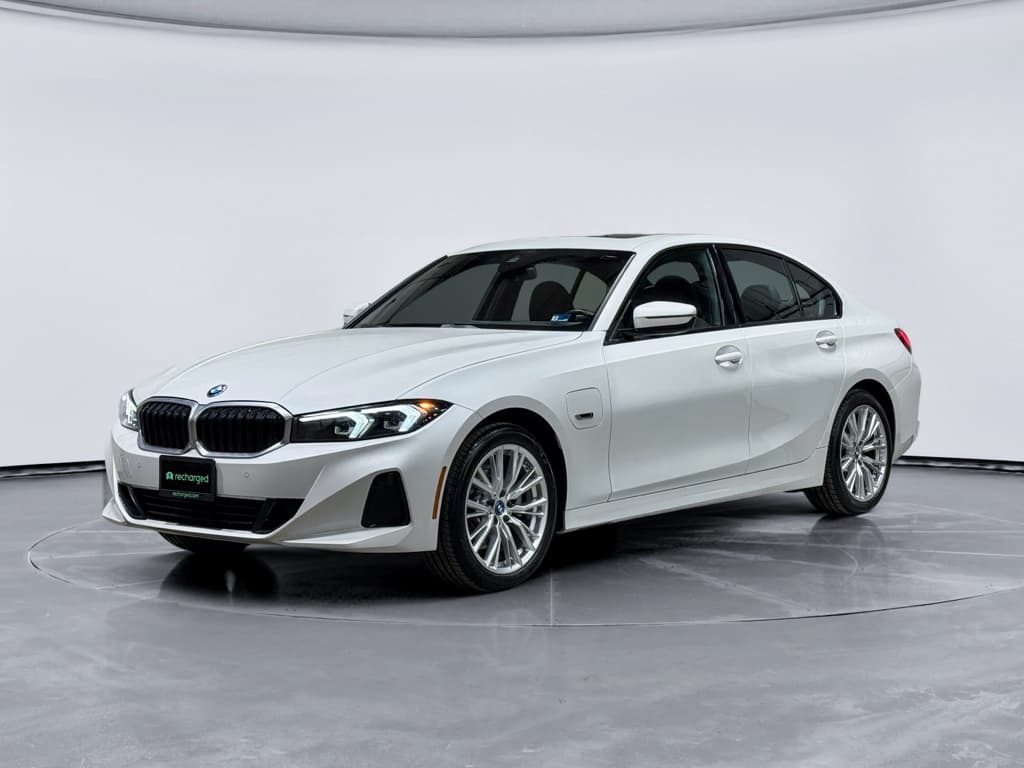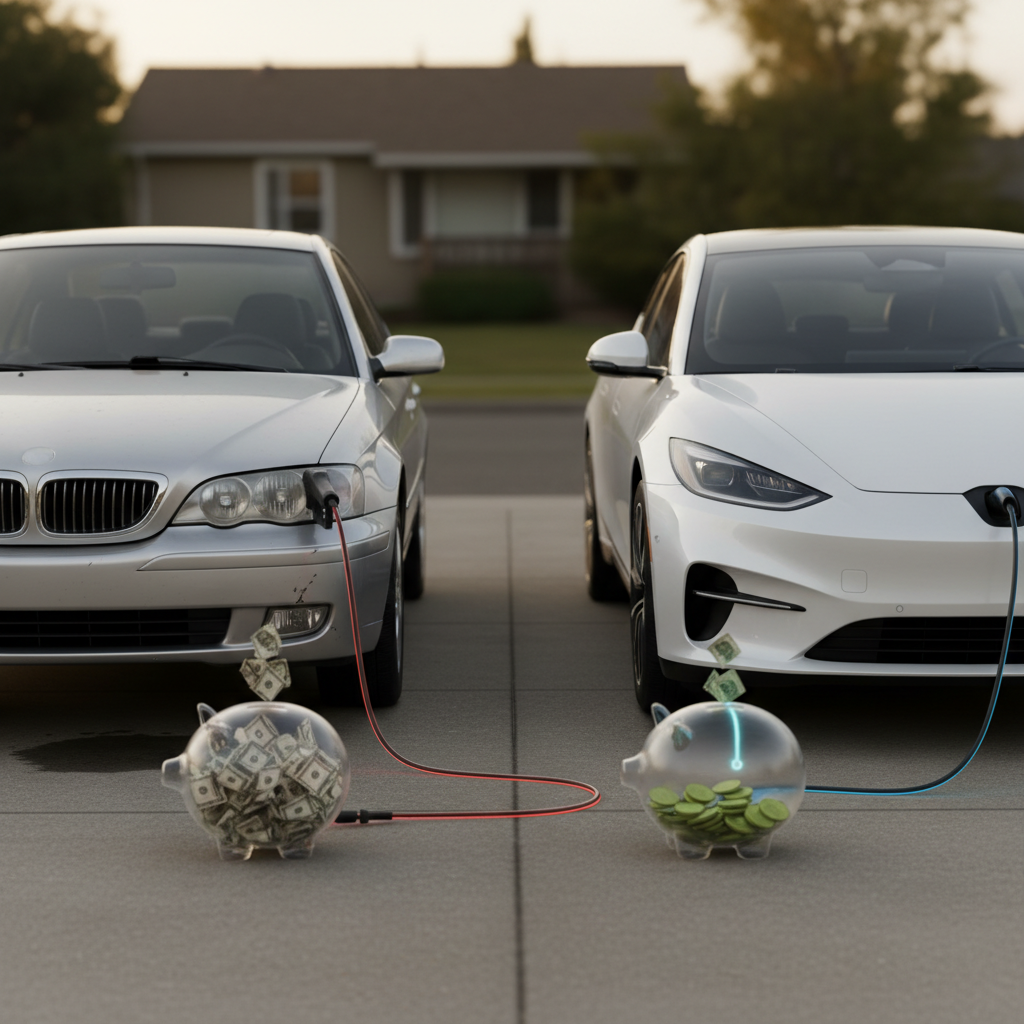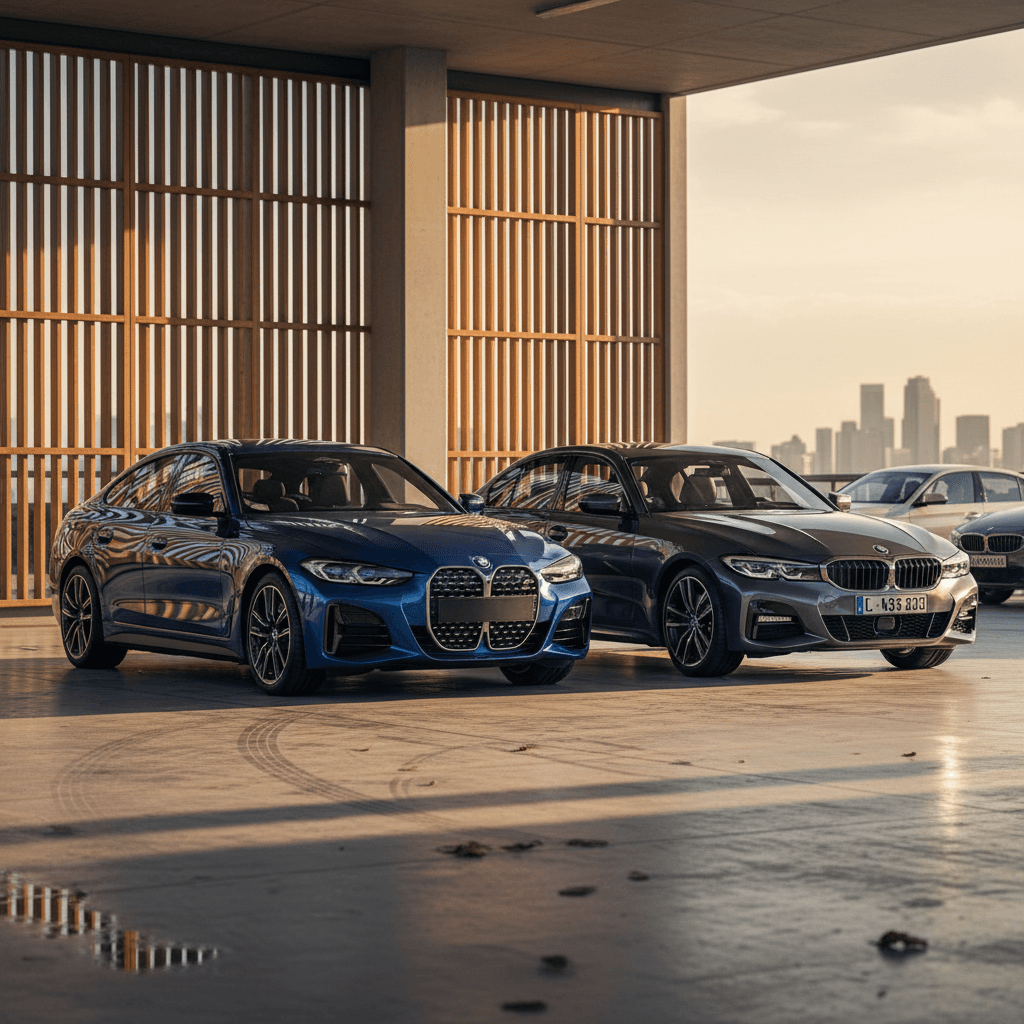
You’ve narrowed it down to two of BMW’s greatest hits: the all‑electric BMW i4 and the classic BMW 3 Series. On one side you have instant‑torque EV smoothness; on the other, the benchmark sports sedan with gas and plug‑in hybrid options. If you’re asking “BMW i4 vs BMW 3 Series – which should you buy?” this guide is built to walk you straight to an answer.
What this guide covers
BMW i4 vs 3 Series: quick overview
At a glance: BMW i4 vs BMW 3 Series
Same BMW DNA, very different powertrains and ownership experience
BMW i4 (eDrive40, xDrive40, M50)
What it is: Fully electric "Gran Coupe" (4‑door hatch) based on the 4 Series, sized similarly to a 3 Series.
- Electric only – no engine, no gas tank
- EPA ranges roughly in the 250–310 mile window depending on trim and wheels
- Performance from "quick" to "this‑should-be-illegal" (M50)
- Qualifies for many EV incentives and HOV perks where available
BMW 3 Series (330i, 330e, M340i)
What it is: BMW’s core compact sports sedan, available with gas and plug‑in hybrid powertrains.
- Gas turbo four‑cylinder (330i), plug‑in hybrid (330e), or turbo inline‑six (M340i)
- 400–500+ miles of highway range on a tank
- Faster to refuel but more ongoing maintenance
- Two body styles in the U.S.: sedan and a small run of wagons in older model years
A simple starting point
Engines, motors, and performance
Both cars deliver that familiar rear‑drive BMW balance, but they get there very differently. The 3 Series sticks with gasoline (and a plug‑in hybrid), while the i4 swaps pistons for battery cells and electric motors.
Popular trims compared: power and speed
Approximate U.S.‑market figures for current‑generation models. Exact numbers vary by model year and options, but this gives you the right ballpark.
| Model | Powertrain | Approx. hp | Drivetrain | 0–60 mph (approx.) |
|---|---|---|---|---|
| i4 eDrive40 | Single electric motor | ~335 | RWD | 5.4 sec |
| i4 xDrive40 | Dual electric motors | ~396 | AWD | 4.9 sec |
| i4 M50 | Dual electric motors | ~536 | AWD | 3.7 sec |
| 330i | 2.0L turbo gas | 255 | RWD/AWD | 5.5–5.8 sec |
| 330e | 2.0L turbo PHEV | ~288 combined | RWD/AWD | 5.6–5.7 sec |
| M340i | 3.0L turbo inline‑six | 382 | RWD/AWD | 4.1–4.3 sec |
BMW i4 and 3 Series power and performance at a glance.
Performance verdict
Range, fuel economy, and charging experience
Here’s where philosophy really splits. With the i4, you think in miles of range and charging stops. With the 3 Series, it’s mpg and gas stations. Both can work brilliantly; they just demand different routines from you.
BMW i4: driving on electrons
- Range: Most i4 trims land around 250–300+ EPA miles depending on battery, motors, and wheels.
- Charging at home: Level 2 (240V) charging at roughly 11 kW can refill from low to full overnight.
- Road trips: DC fast charging is needed; sessions typically take 20–45 minutes to go from low state of charge to about 80%.
- Energy cost: In many parts of the U.S., electricity is far cheaper per mile than gasoline, especially if you charge off‑peak.
BMW 3 Series: gas (and a bit of EV)
- Range: 330i and M340i can easily top 400–450 highway miles on a tank when driven calmly.
- Refueling: 5 minutes at any gas station gets you another few hundred miles; no route planning required.
- 330e plug‑in hybrid: Adds ~20–25 miles of electric range for short commutes, then behaves like a normal gas 3 Series on trips.
- Fuel cost: Great compared to many luxury cars, but still usually higher per mile than an EV charged at home.
Think about your infrastructure
Interior comfort, practicality, and tech
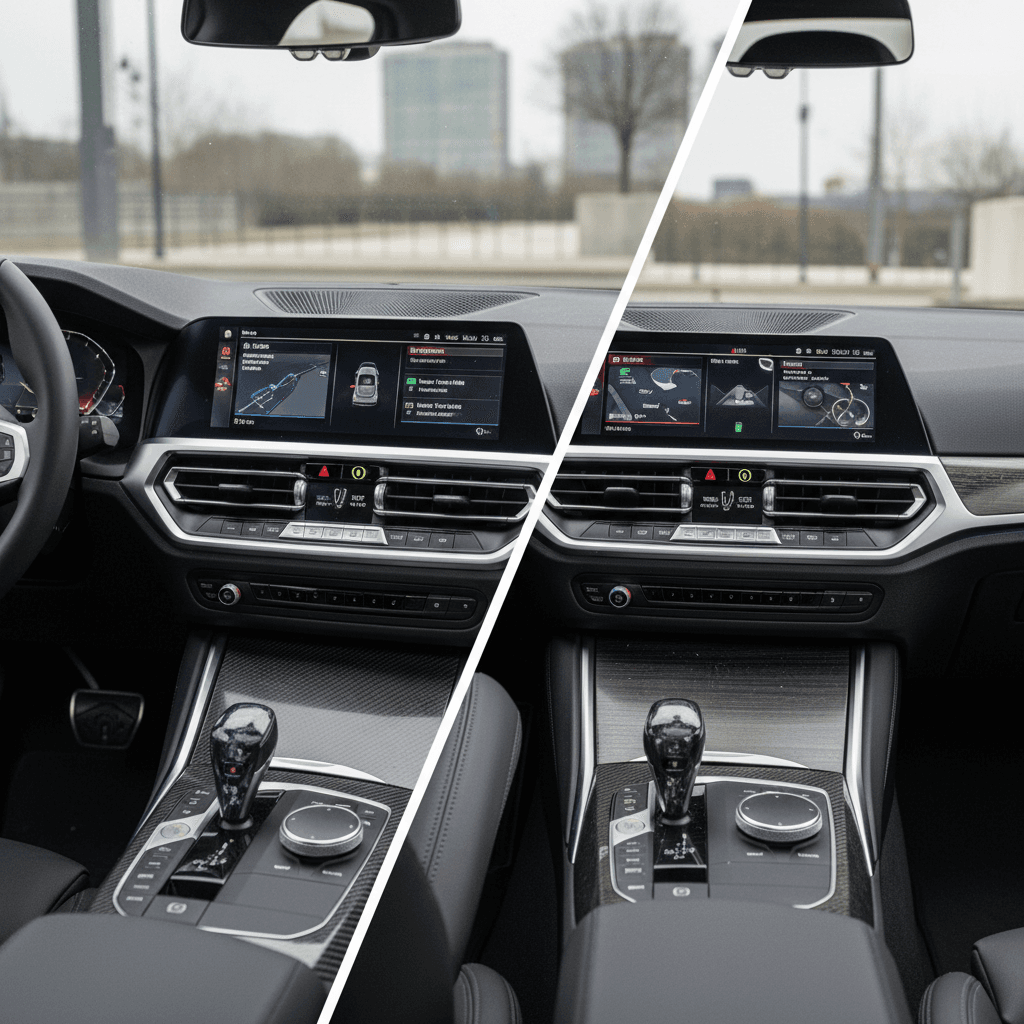
Slide into the driver’s seat of either car and you’ll recognize the modern BMW playbook: a low seating position, thick steering wheel, and a wide curved display sweeping across the dash. Under the skin, the i4 is closely related to the 4 Series Gran Coupe, so cabin space feels familiar if you’ve been in a recent 3 or 4 Series.
Cabin and practicality: where they differ
Same general layout, different priorities
Seating & space
- Both comfortably seat four adults; the fifth seat is best for short trips.
- Rear headroom is similar, but taller passengers may notice the i4’s sloping roofline more.
- Front seats in both are classic BMW: firm, supportive, and great for long drives.
Cargo & usability
- i4: Hatchback design with a big rear opening – great for strollers, bikes, or bulky boxes.
- 3 Series: Traditional trunk that’s secure and well‑shaped, but not as flexible for tall cargo.
Tech & infotainment
- Both offer BMW’s latest curved display and iDrive system, with wireless Apple CarPlay and Android Auto.
- Digital instrument clusters and advanced driver assistance systems are available on both.
- The i4 leans slightly more futuristic in its graphics and EV‑specific screens.
Noise and refinement inside
How they drive: feel, noise, and character
BMW built its reputation on how a 3 Series feels on a good back road. The i4 had to clear that bar while being heavier and electric. The result: both cars still feel like BMWs, but they speak different dialects.
Driving character: what you’ll notice from behind the wheel
Instant torque vs. building revs
The i4 lunges forward the moment you brush the accelerator, especially in xDrive40 or M50 form. The 3 Series makes you work the engine a bit more, which some drivers actually enjoy because of the evolving sound and feel.
Weight and handling balance
The i4 carries a heavy battery low in the chassis, so it feels planted and secure, but you’ll sense that extra weight in quick direction changes. A 330i or 330e feels lighter on its feet; the M340i combines that with big‑power muscle.
Braking and one‑pedal driving
In the i4 you can dial in strong regenerative braking, which lets you slow the car just by lifting off the accelerator. It’s addictive in daily traffic. The 3 Series relies on traditional friction brakes like any gas car, with a more familiar feel if you’re new to EVs.
Noise, vibration, and harshness
Around town the i4 is calmer – no engine noise, no shifts. On an open road, a 3 Series adds character via the engine note. If you’re sensitive to noise or love quiet commutes, the EV has the edge. If you live for a good exhaust sound, you’ll lean 3 Series.
Ownership costs, maintenance, and resale value
Running costs: what most owners actually feel
BMW i4: where you save, where you spend
- Save on fuel: Home charging at typical U.S. rates often undercuts gasoline costs, especially if you can charge overnight on off‑peak rates.
- Save on maintenance: No engine oil, spark plugs, or exhaust system. You’ll still need tires, brakes, cabin filters, and brake fluid over time.
- Spend up front: New i4s typically sticker a bit higher than a base 330i when similarly equipped.
- Charging gear: If you don’t already have a 240V outlet, you’ll need to budget for home charging installation.
BMW 3 Series: tried‑and‑true economics
- Fuel cost: You’ll pay market gasoline prices; great highway range but no way around rising fuel costs.
- Maintenance: Regular oil changes, occasional spark plugs and belts, plus the usual tires and brakes.
- Insurance: Often similar to the i4 when trims are matched, but quotes can vary by region and battery replacement assumptions.
- Resale: The 3 Series has a long track record of strong resale, especially clean, well‑optioned examples.
Leasing vs. buying
Which BMW fits your life? Common buyer profiles
Match the car to the life you actually live
Use these profiles as a reality check, not a prescription
Daily commuter with home charging
Best fit: BMW i4 eDrive40 or xDrive40.
- 50–80 miles of daily driving, mostly city or suburban.
- Garage or dedicated parking where you can install a Level 2 charger.
- Occasional road trips where you’re willing to plan charging stops.
High‑mileage highway driver
Best fit: BMW 330i or M340i.
- Frequent 300–600‑mile days, often in areas with thin charging coverage.
- Value quick gas stops over planning DC fast‑charge breaks.
- Care more about time flexibility than fuel savings.
Wants electric, but road‑trip flexibility
Best fit: BMW 330e plug‑in hybrid.
- Short commute you can cover mostly on electricity.
- Still take long trips where gas convenience matters.
- Can’t rely on public charging, or can’t install home charging yet.
Gut‑check question
Buying used: i4 vs 3 Series
The used market is where value hunters thrive – and where due diligence matters a lot more. A well‑cared‑for 3 Series has always been a smart buy. A used i4 can be, too, if you understand battery health and charging history.
Key used‑car differences
What to look for when shopping pre‑owned
Used BMW i4 checklist highlights
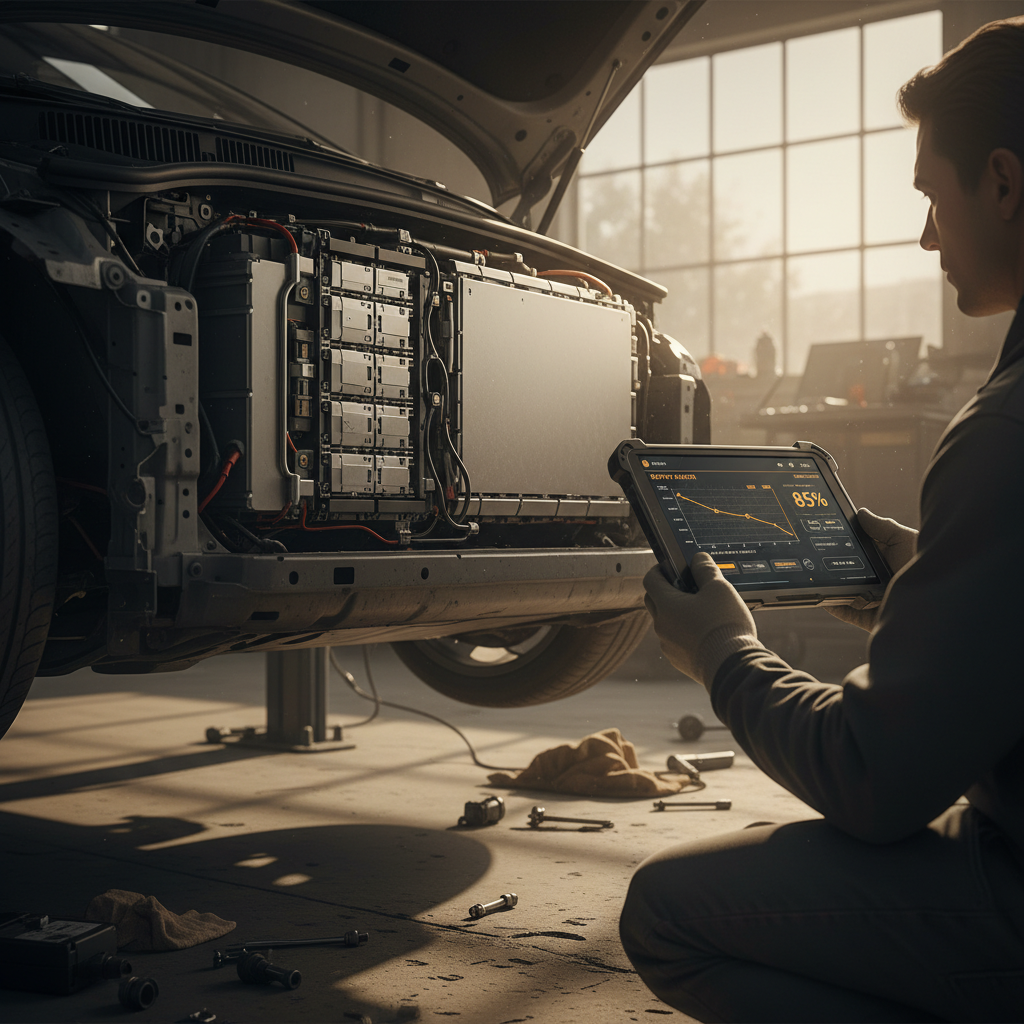
- Battery health: Ask for a recent battery health report. Every used EV sold through Recharged includes a Recharged Score Report with verified battery diagnostics, so you’re not guessing.
- Charging history: Cars that lived on gentle home charging often age better than ones fast‑charged daily.
- Software and warranties: Confirm remaining battery and drivetrain warranty coverage and that recall software updates are complete.
Used BMW 3 Series checklist highlights
- Service records: Oil changes, coolant, transmission service (where applicable), and any major repairs.
- Wear items: Suspension bushings, brakes, and tires can add up quickly if they’re all due at once.
- PHEV specifics (330e): Check hybrid system service history and make sure the car actually charges properly before you buy.
Where Recharged fits in
How to decide: a step-by-step checklist
5 steps to choosing between BMW i4 and BMW 3 Series
1. Map your typical week of driving
Write down how many miles you drive on an average weekday and weekend, plus how often you do 200+ mile trips. If most weeks are under 250 miles total, an i4 will feel easy to live with if you can charge at home.
2. Audit your charging options
Do you have a garage, driveway, or dedicated parking spot? Can you install a 240V outlet or wallbox? If the answer is “no” and your city’s public charging is sparse or unreliable, a 3 Series (or 330e) might be the lower‑stress option.
3. Compare real monthly costs
Get a rough estimate of your current fuel spend, then price out what home charging would cost at your local electricity rate. Add insurance and likely maintenance. Often, the i4 wins this math even if its purchase price is higher.
4. Decide how much you value sound and feel
Some people fall in love with the silence and smoothness of an EV. Others miss the feel of an engine and traditional shifts. A thorough test drive of both cars, back‑to‑back on the same roads, is worth every minute.
5. Look three to five years ahead
Are more chargers being built where you live? Are you planning a move, a new job with a long commute, or a growing family? The i4 is more future‑leaning, but a 3 Series is still a safe, flexible choice if your future is uncertain.
FAQ: BMW i4 vs BMW 3 Series
Frequently asked questions
Bottom line: BMW i4 or BMW 3 Series?
If you have access to regular charging and you’re ready to embrace electric, the BMW i4 is the smarter long‑term bet for most drivers. It’s quick, refined, and cheap to run once it’s in your driveway. If you live on the highway, in the sparse‑charging middle of the country, or you simply aren’t ready to think about kilowatts and charging curves, a BMW 3 Series remains a brilliantly complete, flexible choice – especially as a 330i or 330e.
The good news is that there isn’t a wrong answer here, only a better fit for your life. When you’re ready to explore a used BMW i4 with verified battery health, or compare it against other used EVs, you can browse inventory, get financing, or even trade in your current car entirely online with Recharged – and have an EV expert in your corner from first click to delivery.