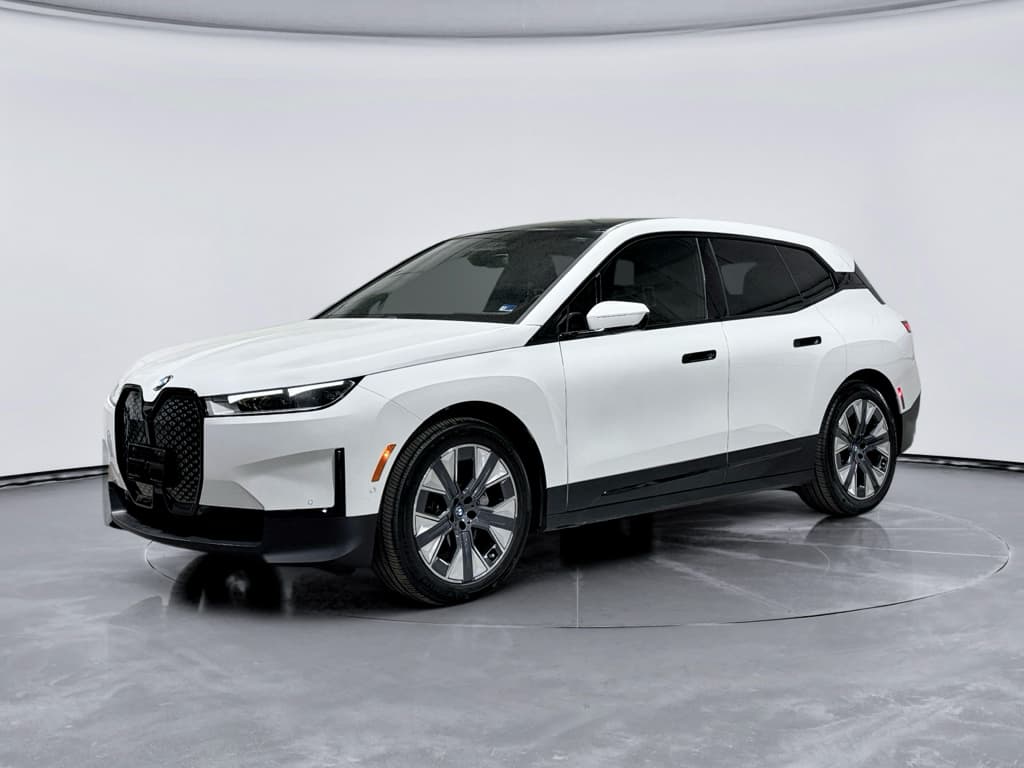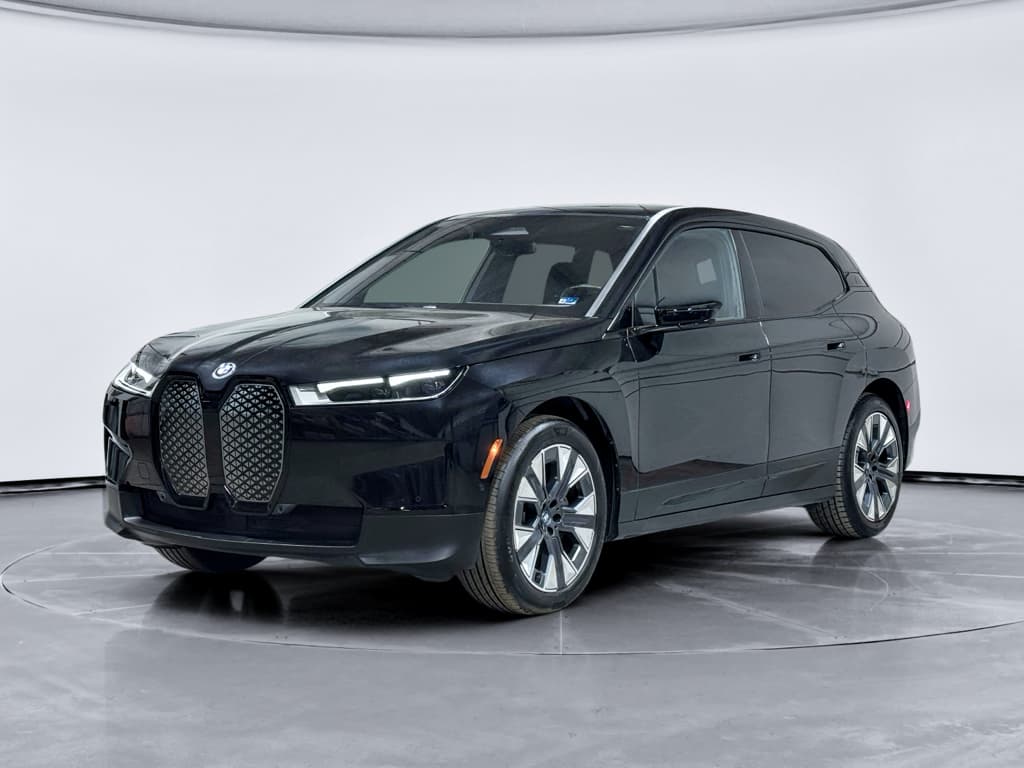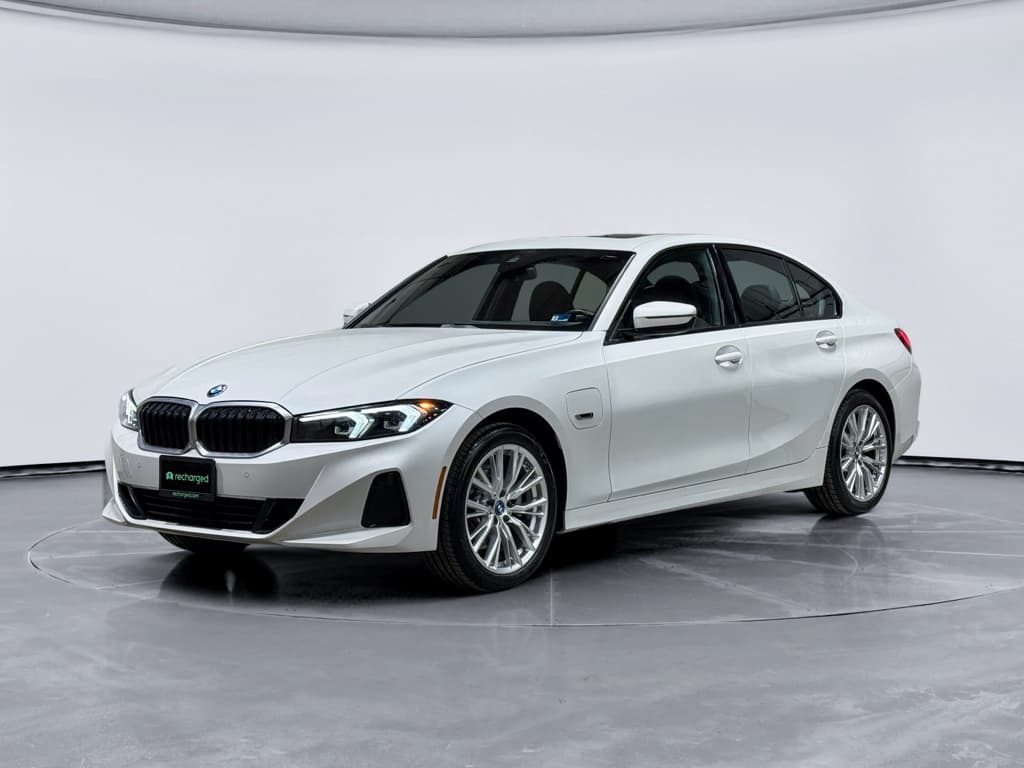
If you own a BMW i4, you’re probably wondering what it’s really worth before you hand over the keys. The BMW i4 is a sharp, fast, premium EV, but like most luxury electrics, its trade‑in value can fall faster than you’d expect. In this guide, we’ll unpack how BMW i4 depreciation works, what real‑world numbers look like today, and what you can do to get the strongest possible offer when you’re ready to trade in or sell.
Quick take
BMW i4 trade‑in value at a glance
BMW i4 value snapshot (U.S. market)
Online appraisal tools show 2025 BMW i4 trade‑in prices ranging from the low $30,000s to about $50,000 depending on trim and condition. A 2025 i4 eDrive35 in “clean” shape, for example, often appraises in the low‑to‑mid $30,000s, while a lightly used M50 or xDrive40 with low miles can still command around $45,000–$50,000 on trade. That’s the 30‑second story; now let’s dig into what that means for your specific car.
How much is my BMW i4 worth today?
Every BMW i4 is a little different, but there are solid benchmarks you can use before you start taking offers. As of early 2026, U.S. pricing data for 2025 models suggests an i4 trade‑in value range of roughly $31,000 to $50,000, depending on trim and condition. That’s a wide spread, which is exactly why preparation and where you sell matters so much.
Sample 2025 BMW i4 trade‑in estimates (national averages)
Illustrative trade‑in ranges based on public appraisal tools and typical mileage (~12,000 miles/year). Actual offers will depend on options, battery health, region, and market conditions.
| Trim (2025 MY) | Condition | Approx. trade‑in range | Notes |
|---|---|---|---|
| eDrive35 RWD | Rough–Average | $31,000–$33,000 | Higher miles, visible wear, basic options |
| eDrive35 RWD | Clean–Outstanding | $33,000–$35,000 | Lower miles, good history, minimal cosmetic work |
| eDrive40 RWD | Average–Clean | $35,000–$40,000 | Longer range trim, strong spec |
| xDrive40 AWD | Average–Clean | $38,000–$45,000 | All‑wheel drive is a plus in snow states |
| M50 AWD | Average–Outstanding | $42,000–$50,000 | Performance trim with desirable options can command top dollar |
Use this as a directional guide, not a guaranteed buy number.
These are estimates, not offers
If your i4 is a 2022 or 2023 model, expect those numbers to slide down by 15–30% depending on mileage and equipment. Early cars with higher miles, heavy wear, or spotty service records can dip into the mid‑$20,000s on trade, while clean, low‑mile examples still flirt with the low‑$30,000s, particularly in colder regions where winter traction and heated features are a plus.
What actually drives BMW i4 trade‑in value?
The big levers behind your BMW i4’s value
Some you can’t change, some you absolutely can.
Model year & incentives
BMW priced the i4 like a true luxury car from day one. When newer model years arrived, often with better tech and changing tax incentives, the earlier cars took a quick hit. The more heavily incentivized new EVs get, the more used values feel the pressure.
Mileage & usage
EV buyers watch mileage closely. A 25,000‑mile i4 will almost always out‑pull a 60,000‑mile twin. Short‑trip city use and frequent DC fast charging can also factor into how confident a buyer feels about long‑term durability.
Battery health
For EVs, this is the new "engine condition." A pack that still shows strong usable capacity makes your BMW i4 much more attractive, and is exactly why tools like the Recharged Score exist.
Condition & history
Clean CARFAX, documented maintenance, and no accident history can easily swing trade‑in offers by several thousand dollars. Curb rash, stained leather, or warning lights on the dash push you the other way.
Options & spec
Desirable wheels, premium audio, driver‑assist packages, and popular colors tend to help resale. Oddball colors, massive aftermarket wheels, or tinted taillights tend to hurt it.
Where you sell
A BMW dealer, a generic nationwide instant‑offer site, and an EV‑focused marketplace like Recharged will not see your i4 the same way. Who you talk to, and how many quotes you get, has a huge impact on the final check.
BMW i4 depreciation vs other EVs
Here’s the hard truth: the BMW i4 is a terrific car to drive, but it’s not a depreciation hero. Industry analyses generally show the i4 losing around 49–50% of its value in the first three years, and as much as roughly two‑thirds of its original MSRP after five years, depending on which study you read and how the car was optioned.
BMW i4 typical pattern
- Year 1: Mild drop if discounts were small; steeper if you bought before big incentives.
- Years 2–3: The heavy lift. This is where many i4s lose close to half their original value.
- Years 4–5: Depreciation slows, but you’re often looking at 60–70% total loss from MSRP.
This is normal for luxury EVs with high starting prices and rapid tech turnover.
Versus other premium EVs
- Tesla Model 3: Historically holds value better, thanks to pricing, demand, and charging network advantages.
- Polestar 2 & others: Many non‑Tesla luxury EVs show depreciation similar to or worse than the i4.
- Gas BMW 4 Series: Typically depreciates more slowly than the i4 over 3–5 years.
That higher depreciation is bad news when you trade in, but great news when you’re shopping used.
When depreciation can work in your favor
Realistic trade‑in ranges by i4 trim and year
Because BMW i4 pricing started high, the actual dollar amounts lost to depreciation can look shocking on paper. To ground this, here’s an illustrative snapshot of where trade‑in values often land in early 2026 for common i4 configurations, assuming average mileage and decent condition.
Sample BMW i4 trade‑in scenarios
Illustrative examples based on public price guides and typical dealer behavior. These are not offers from Recharged.
| Model year & trim | Original MSRP (approx.) | Miles today | Likely trade‑in ballpark | What that means |
|---|---|---|---|---|
| 2022 i4 eDrive40 | $58,000 | 36,000 | $28,000–$32,000 | About half the original price after three to four years. |
| 2022 i4 M50 | $72,000 | 40,000 | $32,000–$37,000 | Performance trim holds some value but was pricey new, so the drop feels big. |
| 2023 i4 eDrive35 | $54,000 | 24,000 | $30,000–$34,000 | Newer model and lower mileage support stronger offers. |
| 2024 i4 xDrive40 | $63,000 | 18,000 | $37,000–$44,000 | High‑spec AWD car in prime resale window. |
| 2025 i4 eDrive35 | $54,000 | 12,000 | $33,000–$36,000 | Effectively a "nearly new" car, most of the hit comes from initial drive‑off. |
Your results will vary by region, options, mileage, and battery health.
Watch the gap between trade‑in and retail
Why battery health matters more than almost anything
With a gas car, you can listen for a noisy engine or feel a slipping transmission. With an EV like the BMW i4, the most expensive part, the battery pack, does its aging quietly. That’s why measured battery health is becoming the single most important factor in used EV value, especially for savvy buyers.
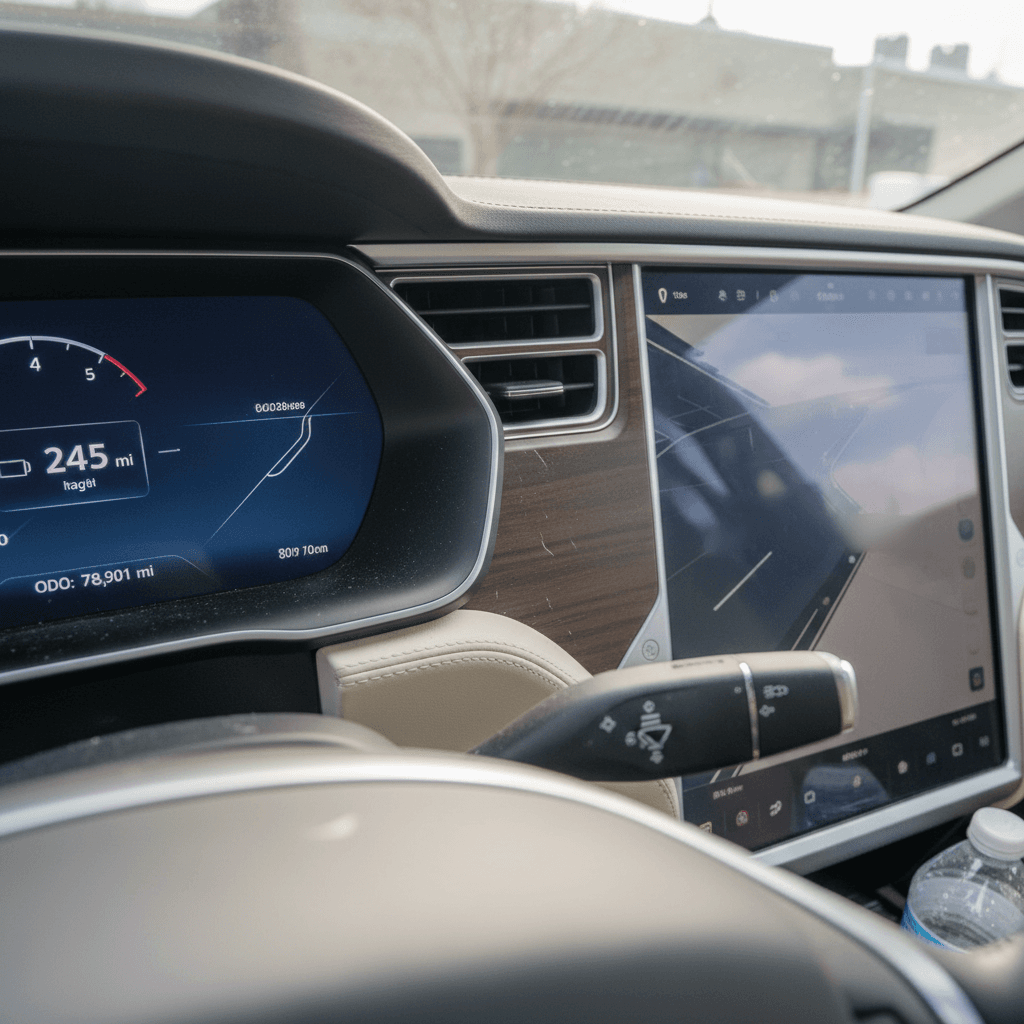
- A BMW i4 with a battery that still delivers close to its original usable capacity will almost always attract higher trade‑in and resale offers.
- Heavy DC fast‑charging use, frequent 100% top‑offs, or years in very hot climates can accelerate degradation and push offers down.
- Traditional dealers often guess at battery health, using mileage and age as blunt tools instead of proper diagnostics.
- Specialized EV buyers and marketplaces, like Recharged, rely on battery diagnostics and tools like the Recharged Score to price cars based on how healthy the pack actually is.
How Recharged uses battery data
7 ways to boost your BMW i4 trade‑in offer
Before you shop your BMW i4 around, do this
1. Fix the easy cosmetic stuff
Curb‑rashed wheels, a cracked windshield, or a missing charge‑port door spring are the kind of visible issues that give appraisers an excuse to lowball you. Getting quotes for minor reconditioning, and fixing what’s cheap, can pay for itself in a higher offer.
2. Clear the dash, and the trunk
Any warning lights or error messages are instant red flags. If you’ve been ignoring a tire‑pressure light or a service reminder, address it first. Then clean out the cargo area and interior so buyers see a cared‑for car, not a mobile storage unit.
3. Gather your paperwork
Service records, recall documentation, and proof of software updates all support a higher value. Print or save anything related to battery or charging work. A neat folder of records screams "responsible owner."
4. Highlight the right options
If your i4 has desirable options, drivers‑assist packages, premium audio, upgraded wheels, winter package, make sure they’re called out in any listing or appraisal questionnaire. Don’t assume the buyer will notice from photos alone.
5. Get more than one number
Never rely on a single quote. Combine a BMW dealer trade‑in offer, a couple of instant‑offer sites, and an EV‑focused marketplace like <strong>Recharged</strong>. Even if you don’t sell to the highest bidder, you’ll know where the true market is.
6. Consider timing
You’ll usually see stronger prices <strong>before</strong> a facelifted or heavily updated new i4 hits showrooms, and in spring/early summer when car buying is most active. When new‑EV incentives spike or interest rates jump, used values tend to slide.
7. Be upfront about flaws
You won’t hide reconditioning issues from professionals, but you can build trust by disclosing them clearly. That can actually help you in a marketplace or consignment setting, where transparency attracts serious buyers willing to pay for a well‑documented car.
Think beyond the trade‑in desk
Dealership, instant offer, or marketplace: where to sell your BMW i4
1. BMW dealer trade‑in
Pros: Easiest path if you’re buying another BMW; everything happens in one place and one afternoon.
Cons: Dealers juggle floorplan costs, auction risk, and reconditioning. That often means conservative offers, especially on EVs they’re not confident they can retail quickly.
2. Generic instant‑offer sites
Pros: Fast quotes, simple process, money in your account quickly.
Cons: These buyers live and die by volume and risk management. They may treat your carefully optioned i4 like any other high‑depreciation EV, with little credit for battery health or enthusiast‑friendly specs.
3. EV‑focused marketplaces (like Recharged)
Pros: Specialists who understand EV shoppers, battery reports, and real‑world range. Better positioned to justify higher resale prices, and therefore more competitive offers.
Cons: May take slightly longer than driving into a local dealer, especially if you choose consignment to maximize your return.
Why EV expertise matters for value
How Recharged handles BMW i4 trade‑ins and sales
Recharged is built from the ground up around used EVs, which makes cars like the BMW i4 feel right at home. Instead of treating your i4 like an awkward outlier in a gas‑heavy inventory, Recharged leans into what makes it special, quiet speed, BMW build quality, and genuine long‑distance capability when it’s properly charged and cared for.
What selling a BMW i4 with Recharged can look like
More transparency, less guesswork.
Transparent battery‑health driven pricing
Every BMW i4 gets a Recharged Score Report with verified battery health, charging history indicators, and fair‑market pricing based on real‑world EV data. That lets you see why your car is valued where it is, not just the final number.
Multiple ways to sell
Prefer speed? You can request an instant offer for your i4. Want to squeeze every last dollar from a rare spec or low‑mile car? Recharged can list it on their digital marketplace or via consignment, handling marketing, buyer questions, and paperwork.
Nationwide reach & delivery
Recharged isn’t limited to your ZIP code. With nationwide delivery and an EV Experience Center in Richmond, VA, your BMW i4 can find a buyer well outside your local market, especially important for niche trims or specific colors.
Financing & trade support
If you’re rolling into another EV, Recharged can help line up financing, evaluate a trade‑in, and even help you move into a different used EV that better fits your range, budget, or lifestyle.
Ready to find your next EV?
Browse VehiclesWho’s a good fit for Recharged?
BMW i4 trade‑in value: FAQs
Common BMW i4 trade‑in questions
The bottom line on BMW i4 trade‑in value
The BMW i4 is one of those cars that makes you smile every time you merge onto an on‑ramp, but its trade‑in value can make you wince if you’re not prepared. Expect above‑average depreciation for a luxury EV, and understand that factors like mileage, options, and especially battery health can swing offers by thousands. The key is to know your numbers, tidy up the details, and get more than one opinion before you hand over the title.
Whether you end up trading your BMW i4 at a local dealer, taking an instant offer, or working with an EV‑focused marketplace like Recharged, going in with a clear picture of its real‑world value puts you firmly in the driver’s seat. In a market that’s still figuring out how to price used EVs, that knowledge is your biggest advantage.