Regenerative braking does most routine slowing
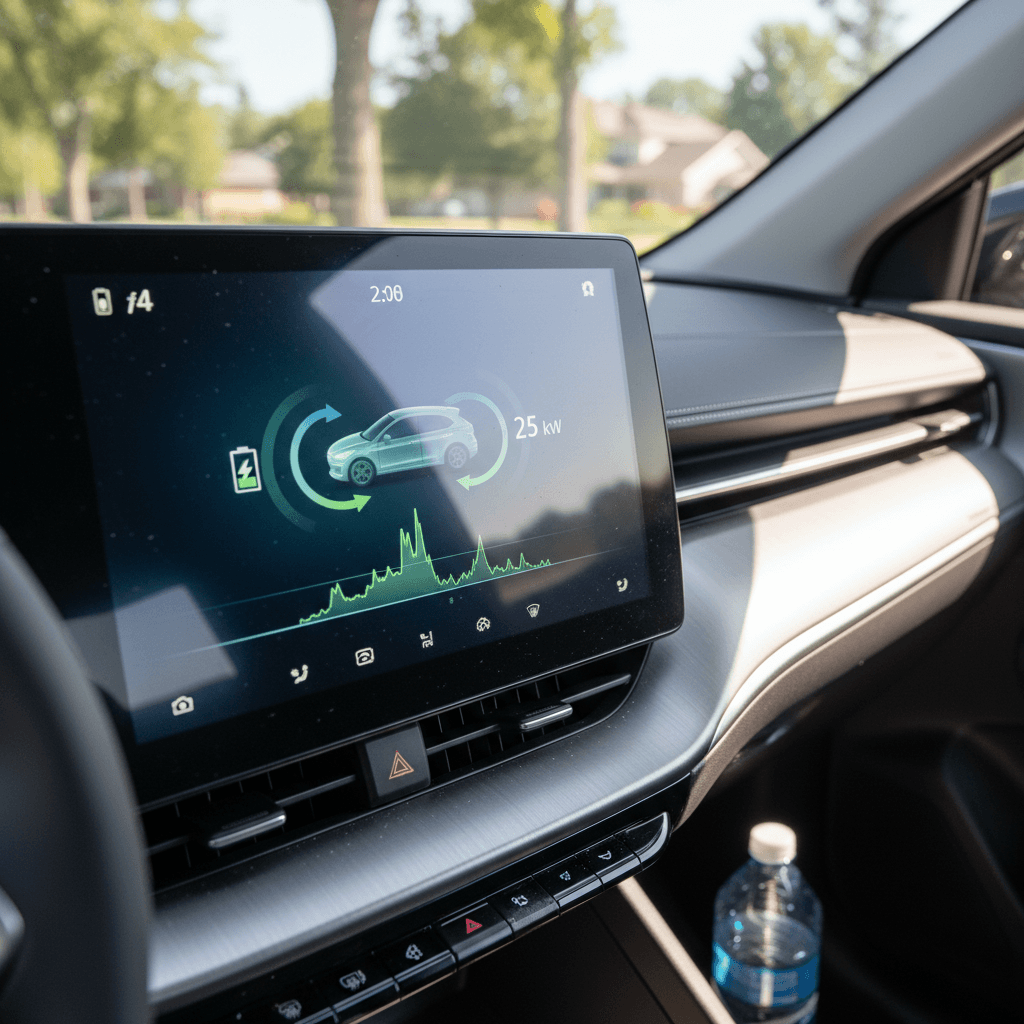
Regenerative braking extends brake-pad life by using the electric motor instead of relying entirely on friction. When you lift off the accelerator or press the brake pedal, depending on the vehicle, the motor can operate as a generator. It resists the wheels’ motion, slows the EV, and returns some recovered energy to the battery. That means less heat and abrasion at the pads and rotors during everyday driving; see how regenerative braking works for a closer look at the process.
When do an EV’s friction brakes engage?
An EV still uses conventional friction brakes whenever regeneration alone cannot provide the requested stopping force. Depending on the model and conditions, this can happen during hard or emergency stops, at very low speeds, when the battery is full or cold, or when traction limits energy recovery. Many EVs blend regenerative and friction braking automatically, so you may not feel the transition. Driving aggressively or frequently carrying heavy loads can therefore consume pads faster than gentle, anticipatory driving.
- Hard or emergency braking that exceeds available regenerative force
- Low-speed stopping where the motor provides less braking force
- Conditions that limit battery energy acceptance, such as a full or cold battery
- Slippery roads where the stability system adjusts braking at individual wheels
- Vehicle settings that reduce regenerative braking or one-pedal deceleration
One-pedal driving does not remove the brake system
Longer pad life can create a corrosion trade-off
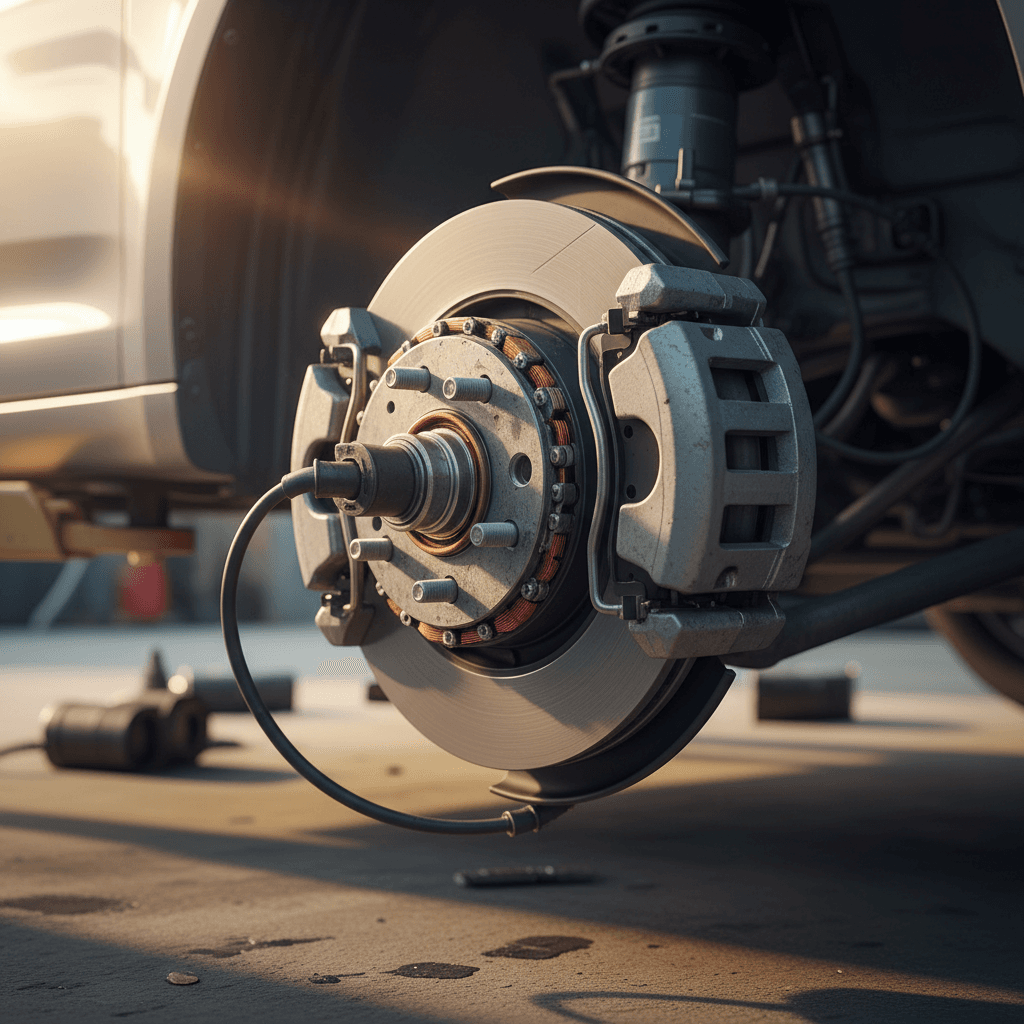
Reduced pad wear can allow rust, sticking components, or uneven rotor surfaces to become the more important maintenance issue. Moisture and road salt reach EV brakes just as they reach brakes on a gasoline vehicle, but frequent friction-brake use normally helps clean light surface oxidation from the rotor. If regeneration handles most stops, that cleaning action happens less often. A vehicle driven in a wet or salted climate may consequently need brake service even when plenty of pad material remains.
Long-lasting pads do not mean maintenance-free brakes
Recharged data
Used EV battery health
94%
avg remaining capacity
From Recharged battery inspections, not manufacturer estimates.
- Lowest
- 63%
- Median
- 95%
- Highest
- 100%
- Est. range
- 266 mi avg
- Cell balance pass
- 100%
- Quick charges
- 18 avg
- Slow charges
- 65 avg
Average cell imbalance: 7.3 mV
Based on vehicles Recharged tested
Recharged data
Used EV prices at Recharged
$30,997
median list price
Current list prices for matching inventory at Recharged.
- Lowest
- $12,996
- Average
- $34,803
- Highest
- $146,998
Average Recharged Score on these listings
4.8 / 5
Range
3.7 – 5.0
Based on available listings
Every EV is battery-tested with a Recharged Score. Nationwide delivery.
Battery health is not brake health
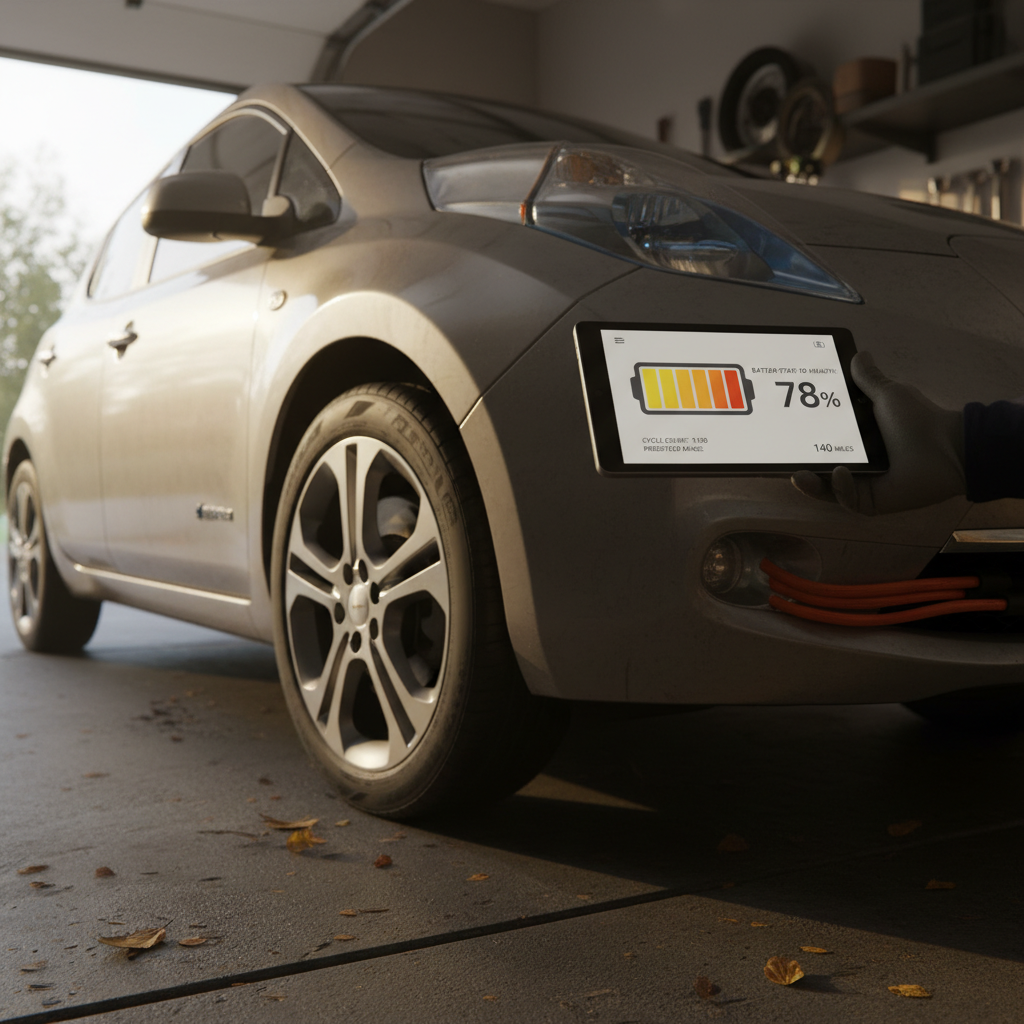
Recharged data shows why a used EV’s battery and mechanical condition must be evaluated separately. Across 2,242 Recharged Score battery diagnostics, tested remaining capacity averaged 93.9% of original capacity. That is useful evidence about the high-voltage battery, but it cannot tell you whether the brake pads are worn, the rotors are corroded, or the caliper slides are moving freely.
The takeaway is simple: verified battery health is a critical part of used-EV evaluation, not a substitute for a physical brake inspection. When comparing cars, review the battery report alongside service records and a mechanical condition check. You can learn more about checking used-EV battery health without overlooking conventional safety systems.
What should you inspect on a used EV?
A used-EV brake inspection should evaluate condition, operation, and maintenance history, not just pad thickness. Ask for a visual inspection and road test, especially if the car has lived in a coastal area or a region that uses road salt. Because regeneration can mask limited friction-brake use, smooth deceleration during a casual drive does not prove that every hydraulic component is healthy.
Used-EV brake checklist
Pad thickness
Check the inner and outer pads against the manufacturer’s wear limits; uneven wear can indicate a sticking component.
Rotor surfaces
Look for heavy rust, deep scoring, cracking, pronounced edges, or uneven contact patterns.
Calipers and hardware
Confirm that calipers, slide pins, hoses, and the parking-brake mechanism operate freely and show no leakage.
Brake fluid
Review fluid condition and service history using the manufacturer’s time-based maintenance schedule.
Road-test behavior
Check for pulling, vibration, noise, warning lights, inconsistent pedal feel, or an abrupt transition into friction braking.
Service records
Look for documented inspections and climate-related maintenance rather than assuming low pad wear means no brake work.
A pre-purchase inspection should cover these points along with tires, suspension, charging equipment, and recalls. Use a broader used electric car inspection checklist to keep a long-lasting set of brake pads from creating false confidence. After purchase, an electric-car maintenance plan should still include periodic brake checks.
Instant offer, trade-in, or consignment. Pickup available.
Frequently asked questions
The practical takeaway
Regenerative braking usually makes EV brake pads last longer, but it changes brake maintenance rather than eliminating it. Less friction means slower pad wear, while moisture, salt, infrequent use, and sticking hardware can make corrosion the deciding factor. Inspect the complete braking system on condition and schedule, not on the assumption that an electric car’s pads should last indefinitely.