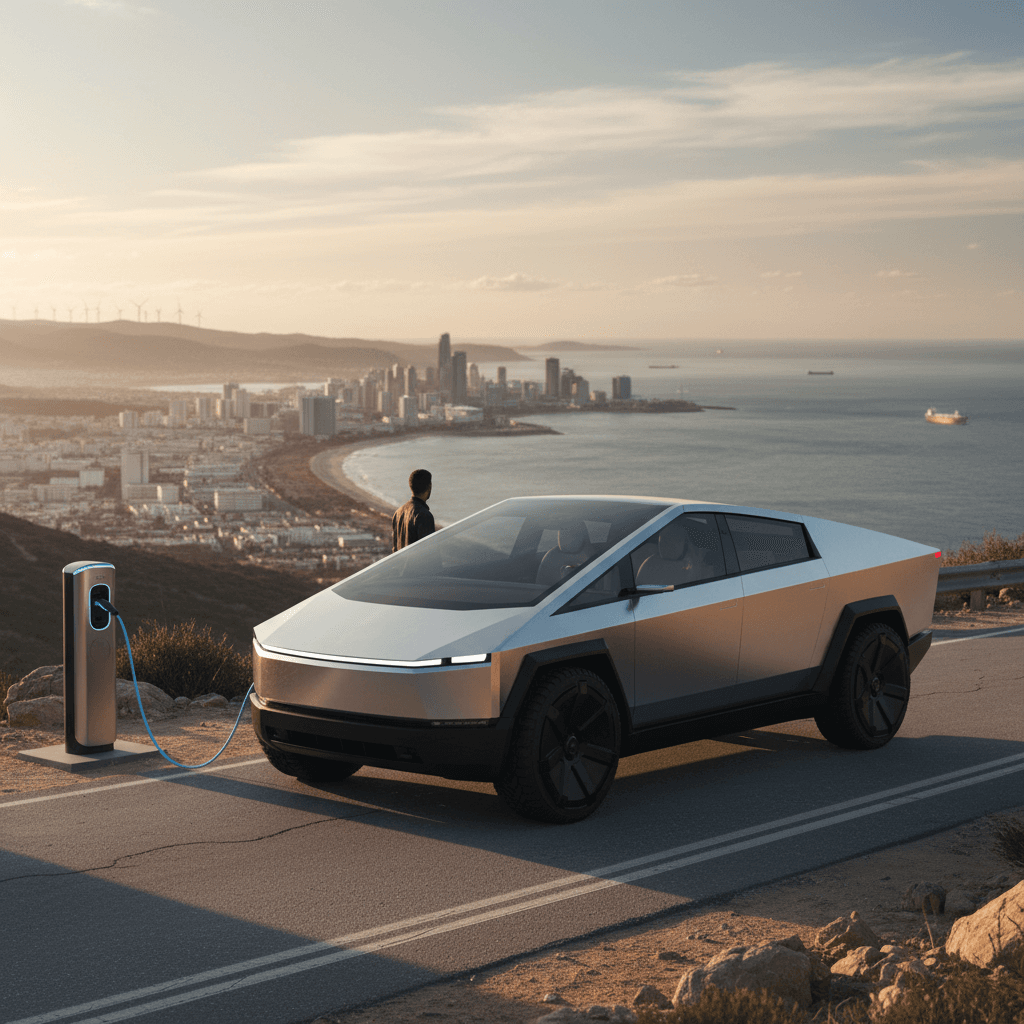
If you’ve been shopping for an electric vehicle, you’ve probably seen the term BEV car thrown around alongside acronyms like HEV and PHEV. In plain English, a BEV is a car that runs only on electricity, no gas tank, no tailpipe. This guide breaks down what that actually means for your daily driving, your budget, and what to look for if you’re considering a new or used battery electric vehicle in 2025.
Quick definition
What is a BEV car?
A BEV car is a battery electric vehicle. It stores energy in a large high‑voltage battery pack and uses one or more electric motors for propulsion. You plug it in to recharge the battery, at home, at work, or at a public charging station. There is no internal combustion engine, no exhaust system, and no need to stop for gas.
- Other common names: pure electric, all‑electric, fully electric vehicle
- Energy source: an onboard battery pack you recharge from the electric grid
- Motors only: propulsion comes solely from electric motors, not from a gasoline or diesel engine
- Zero tailpipe emissions: there’s no tailpipe because there’s no engine burning fuel
BEV cars in today’s market
Think of a BEV as a smartphone on wheels
How a BEV car works under the skin
Main components of a BEV car
- Battery pack: Typically 50–100 kWh of capacity in today’s mainstream BEVs, mounted low in the chassis for better handling.
- Electric motor(s): Drive the wheels directly. Some BEVs use one motor (front or rear), others use two for all‑wheel drive.
- Inverter and power electronics: Convert DC power from the battery into AC power for the motor and manage energy flow.
- Onboard charger: Handles AC charging from home or public Level 2 stations.
What’s missing compared with a gas car
- No engine or transmission: Most BEVs use a single‑speed reduction gear instead of a multi‑speed automatic.
- No exhaust system: No catalytic converter, muffler, or tailpipe.
- Fewer fluids: No engine oil changes, spark plugs, or timing belts to replace.
- Simpler driveline: Fewer moving parts overall, which can reduce long‑term maintenance.
Driving experience
BEV vs hybrid vs plug-in hybrid: what’s the difference?
Shoppers often confuse BEVs with other electrified vehicles. The distinction matters, especially for fueling, maintenance, and emissions. Here’s how a BEV car compares with common alternatives.
BEV vs HEV vs PHEV at a glance
How popular electrified powertrains differ in fuel source, range, and use case.
| Type | What powers it? | Gas tank? | Electric-only range | Typical use case |
|---|---|---|---|---|
| BEV (Battery Electric Vehicle) | Large battery + electric motor(s) | No | 150–350+ miles per full charge | Daily driving and road trips using charging network |
| HEV (Hybrid Electric Vehicle) | Gas engine + small battery + motor | Yes | 1–2 miles (can’t truly drive electric only) | Maximizing mpg, no need to plug in |
| PHEV (Plug‑In Hybrid) | Gas engine + larger battery + motor | Yes | 20–60 miles | Short trips on electricity, gas backup for longer journeys |
BEVs are the only mainstream passenger vehicles that run solely on electricity with zero tailpipe emissions.
Registration and incentives may differ
Key benefits of choosing a BEV car
Why drivers are switching to BEV cars
From running costs to performance, BEVs change more than just how you fuel up.
Lower running costs
Electricity is typically cheaper per mile than gasoline, especially if you can charge at home overnight. There’s also no oil to change and fewer moving parts to wear out.
Zero tailpipe emissions
A BEV car produces no tailpipe emissions. Over its lifetime, it can significantly reduce CO₂ output compared with a similar gas car, especially as the electric grid gets cleaner.
Smooth, instant power
Electric motors deliver torque instantly. That translates into quick responses from a stop and a quiet, refined driving experience.
Fuel at home
Instead of detouring to a gas station, you park, plug in, and wake up to a “full tank” most mornings. For many drivers, public fast charging is only needed on road trips.
Less maintenance
No engine means no spark plugs, timing belts, or exhaust system. Brake wear is lower thanks to regenerative braking that slows the car while recharging the battery.
Software and features
Many BEVs support over‑the‑air updates, advanced driver‑assistance systems, and refined smartphone integration, features that can keep the car feeling modern longer.
The BEV car market in 2025
Despite headlines about “EV slowdowns,” BEV car adoption continues to climb. Global battery electric vehicle sales reached an estimated 10.8 million units in 2024, a new record and a solid increase from 2023. Analysts expect BEVs to account for roughly the mid‑teens share of global passenger vehicle sales in 2025, with some markets, particularly in Europe and China, far ahead of that.
Where BEV cars are gaining ground
What this means if you’re buying used
Charging a BEV car: home and public options
Owning a BEV car is as much about where you charge as what you drive. Most owners do the bulk of their charging at home or work, then rely on public fast charging for road trips or occasional top‑ups.
Three main ways to charge a BEV car
Speed and convenience vary, but you can mix and match to fit your life.
Level 1: Standard household outlet
120V wall outlet using the portable cord that comes with many BEVs.
- ~3–5 miles of range per hour
- Best for low‑mileage drivers or overnight top‑ups
- No electrician needed if the outlet is in good condition
Level 2: Home or workplace
240V charging using a wallbox or upgraded portable charger.
- ~20–40 miles of range per hour
- Ideal if you regularly drive 30–80 miles per day
- May require a dedicated circuit installed by an electrician
DC fast charging (public)
High‑power stations along highways and in cities.
- ~150–250+ kW on many newer BEVs
- Typically 10–80% in 20–40 minutes, depending on car and charger
- Great for road trips; cost per kWh is usually higher than home charging
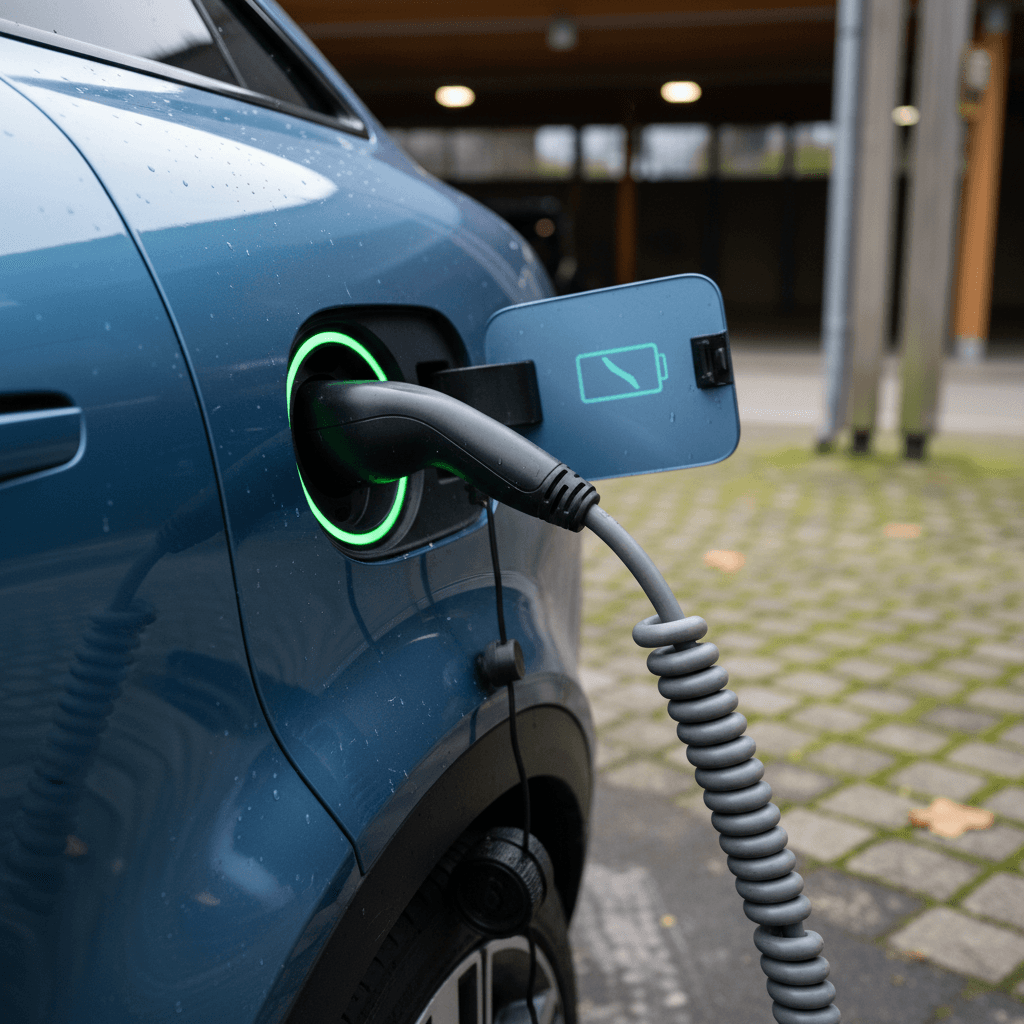
Check plugs and networks before you buy
BEV range, battery life, and degradation
Range and battery life are the heart of any BEV car conversation. The good news: modern BEV batteries are holding up better in the real world than many early skeptics predicted.
- Most mainstream BEVs today offer EPA‑rated ranges between about 220 and 320 miles, with some luxury models going even farther.
- Real‑world range depends on speed, temperature, terrain, tire choice, and how you drive, fast highway cruising and cold weather can significantly reduce range.
- Long‑term studies and fleet data increasingly show many BEV packs retaining 80–90% of their original capacity after well over 100,000 miles when properly managed by the car’s battery‑management system.
Battery warranties
Conditions that accelerate battery wear
What a BEV car really costs to own
Sticker price is only part of the story. A BEV car often costs more up front than a comparable gas vehicle, but lower energy and maintenance costs can more than make up the difference over several years, especially if you buy used and let the first owner absorb the initial depreciation.
Where BEVs save you money
- Fuel: On a cost‑per‑mile basis, home charging is typically equivalent to paying well under $2 per gallon of gas, depending on your local electricity rates.
- Maintenance: No oil changes, fewer filters, and less brake wear. Over 5–10 years, that can add up to hundreds or even thousands of dollars saved.
- Depreciation advantage used: Many BEV cars took steep early depreciation when new. As a used buyer, you often benefit from a lower entry price while still getting plenty of battery life.
Costs to budget for
- Home charging installation: A dedicated 240V circuit and Level 2 charger may cost from a few hundred to a couple of thousand dollars installed, depending on your home.
- Public fast‑charging: Great for convenience, but per‑kWh pricing is usually higher than home rates.
- Tires: Many BEV cars are heavier and have strong torque; that can mean slightly more frequent tire replacements if you drive aggressively.
Used BEV cars can be value sweet spots
Used BEV car buying checklist
Shopping for a used BEV car is different from buying a used gas car. You still care about accident history and service records, but battery health, charging history, and software support move to the top of the list.
Essential used BEV car checks
1. Verify battery health
Ask for a recent, <strong>independent battery health report</strong>, not just the dash range estimate. Tools like the Recharged Score use advanced diagnostics to estimate remaining capacity and detect abnormal degradation.
2. Review charging habits
If possible, learn how the previous owner charged. A mix of home Level 2 charging with occasional DC fast charging is ideal. Heavy fast‑charging every day isn’t necessarily a deal‑breaker, but it deserves a closer look at battery data.
3. Confirm connector type and adapters
Check whether the car uses CCS, CHAdeMO, or NACS and what adapters are included. This determines which fast‑charging networks you can use without extra hardware costs.
4. Check software update support
Make sure the automaker still supports over‑the‑air updates or dealer updates for your model. Updates can improve range, charging behavior, and infotainment features.
5. Examine tires and brakes
Because BEVs are heavier, uneven tire wear can be a sign of suspension issues or aggressive driving. Regenerative braking reduces pad wear, but rotors can still corrode if the car sits unused.
6. Test real‑world range
On a thorough test drive, start with a known state of charge and pay attention to how quickly the percentage drops on your typical routes. Compare that with what you’d expect from the original EPA rating.
How Recharged makes buying a used BEV easier
If you’re considering a used BEV car, the big unknown is almost always the battery. That’s exactly where Recharged focuses. Every vehicle we list comes with a Recharged Score Report that includes verified battery health, fair‑market pricing analysis, and a clear explanation of how the car has been used and charged.
What you get when you buy a used BEV through Recharged
EV‑specific checks plus a modern, digital buying experience.
Verified battery diagnostics
The Recharged Score uses specialized diagnostics to assess battery capacity, balance between cells, and charging behavior, so you’re not guessing about the most expensive part of the car.
Fair market pricing
We compare live market data, mileage, options, and battery condition to price each BEV car fairly. You see how the asking price stacks up before you make an offer.
EV‑specialist support
From comparing a BEV to a plug‑in hybrid to understanding home charging, our EV specialists can walk you through the details by phone or online, no dealership pressure.
Nationwide delivery
Find the right BEV car online and have it delivered to your driveway. Recharged supports a fully digital purchase process plus trade‑in, instant offer, or consignment options.
Financing built for EVs
With financing and pre‑qualification options, you can see estimated payments upfront, often with terms that reflect the lower running costs of an EV.
Experience Center in Richmond, VA
If you prefer to kick the tires in person, you can visit our Experience Center in Richmond, Virginia, to test drive curated used BEV and plug‑in models.
Ready to find your next EV?
Browse VehiclesBring your own trade-in
BEV car FAQ
Common questions about BEV cars
The bottom line on BEV cars
A BEV car isn’t just a different way to fuel your vehicle; it changes how you think about ownership, maintenance, and daily driving. For many households, especially those with access to home or workplace charging, BEVs now offer a compelling mix of performance, comfort, and total cost of ownership. The key is matching the car’s range and charging needs to your routine and, if you’re buying used, making sure the battery is as healthy as the rest of the vehicle.
If you’re ready to explore a used BEV, Recharged was built to make that process more transparent. With verified battery diagnostics, fair‑market pricing, EV‑savvy support, and nationwide delivery, you can focus on finding the electric car that fits your life, not worrying about what’s hidden under the floor.