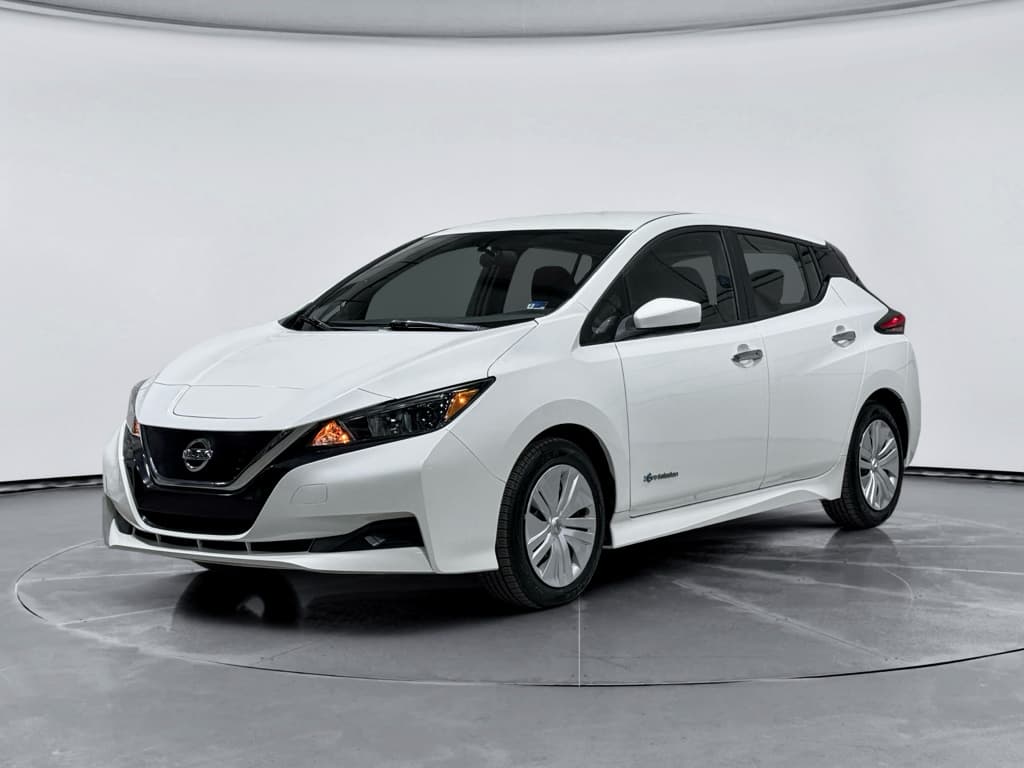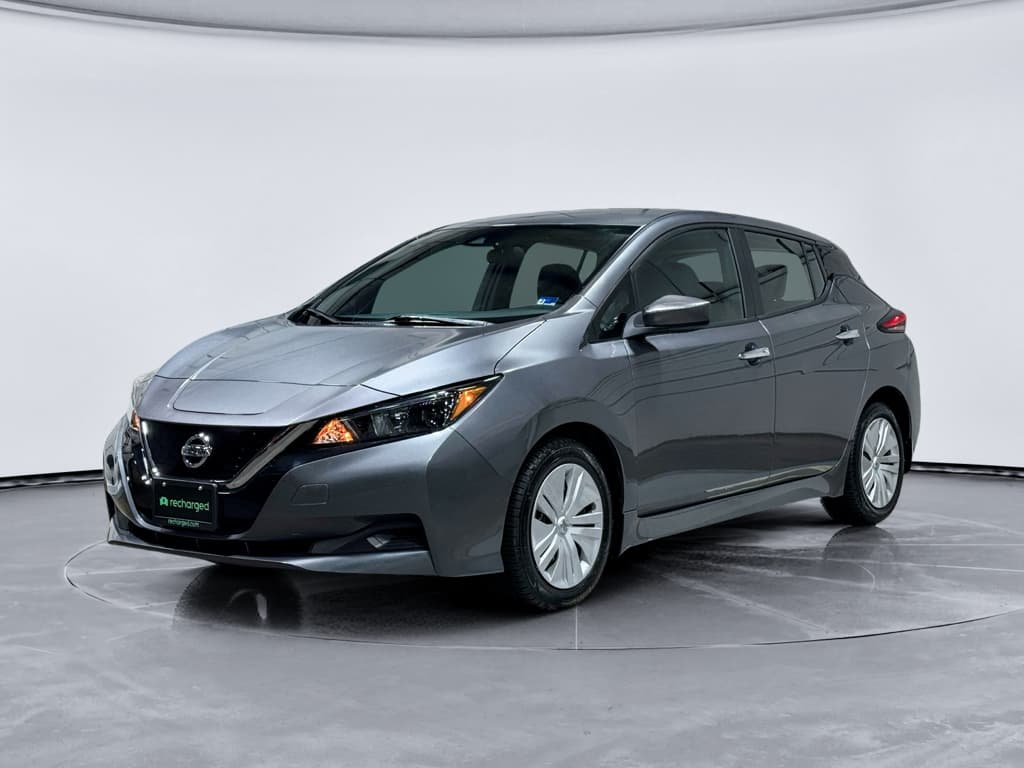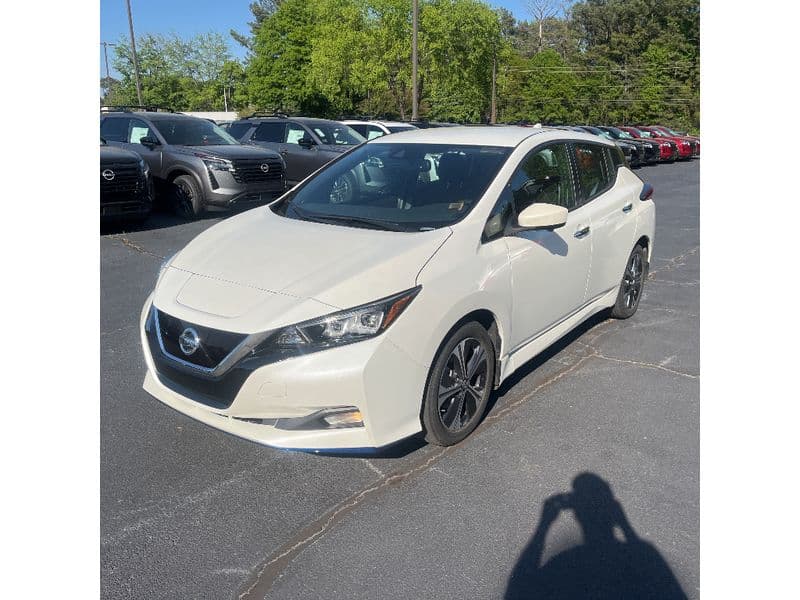
Shopping for the best used Nissan Leaf to buy in 2026 can feel like speed‑dating through a decade of EV history. You’ll see everything from $5,000 city runabouts to nearly new 62 kWh “Plus” cars that can replace a gas commuter outright. The trick is matching battery size, degradation, and charging limitations to the way you actually drive, without overpaying for range you’ll never use.
About this 2026-focused guide
Why a used Nissan Leaf is still worth a look in 2026
The Nissan Leaf isn’t the flashiest EV anymore, but as a budget city and suburban commuter it’s hard to beat. Depreciation has already done the dirty work, so you can often buy a Leaf for less than a comparable gas compact, especially if you don’t need 250+ miles of range. Insurance and maintenance are usually low, and the simple, front‑wheel‑drive layout has proven durable when the battery is healthy.
- Plenty of supply: the Leaf has been on sale in the US since 2011, so there’s a deep used pool at every price point.
- Simple powertrain: no turbo, no multi‑speed automatic, far fewer wear items than a gas car.
- Comfortable hatchback packaging: big cargo opening, easy to park, good visibility.
- Ideal for shorter daily driving: if you drive under 60–80 miles a day, even a modest‑range Leaf can work well.
The catch: battery and charging limitations
Quick answer: Which used Nissan Leaf is best in 2026?
Best used Nissan Leaf picks in 2026
Start with these three sweet spots, then fine‑tune for your budget and climate.
Best all‑around: 2019–2022 Leaf SV Plus / SL Plus (62 kWh)
Who it fits: Daily drivers and occasional highway commuters who want 180–200+ miles when the pack is healthy.
- 62 kWh pack with the strongest real‑world range cushion.
- Better battery chemistry than early cars.
- More modern safety and driver‑assist tech.
Best value commuter: 2018–2021 Leaf SV/SL (40 kWh)
Who it fits: Suburban commuters and families who generally drive under 120–140 miles per day.
- 40 kWh pack, 140–150 miles EPA when new.
- Good mix of price and usable range in 2026.
- Plenty of cars coming off lease.
Ultra‑budget city car: 2013–2015 Leaf SV/SL (24 or 30 kWh)
Who it fits: Short‑trip city drivers, second‑car households, or students with consistent access to home Level 2 charging.
- Very low purchase prices.
- Expect heavily reduced range; battery health check is critical.
- Avoid hot‑climate, heavily degraded packs.
Years and packs many shoppers should skip
Nissan Leaf generations and battery sizes explained
Before you can decide which used Nissan Leaf is best to buy in 2026, you need a rough mental map of generations and battery sizes. The Leaf has seen two main generations in the US, with several battery options that dramatically change real‑world usefulness.
Nissan Leaf US generations & key batteries (2011–2025)
Approximate EPA ranges when new; your real‑world range in 2026 depends heavily on battery health, climate, and driving style.
| Years | Generation | Battery sizes | EPA range when new | Notes |
|---|---|---|---|---|
| 2011–2012 | Gen 1 (ZE0) | 24 kWh | 73–75 mi | First Leafs; high degradation risk, especially in hot climates. |
| 2013–2015 | Gen 1 (AZE0) | 24 / 30 kWh | 75–107 mi | Improved chemistry; 30 kWh adds range but has mixed degradation history. |
| 2016–2017 | Gen 1 (AZE0) | 30 kWh | 107 mi | More range but widely reported as more degradation‑prone. |
| 2018–2022 | Gen 2 (ZE1) | 40 kWh | ~149 mi (S, US EPA) | Full redesign; better safety tech, more refined, still air‑cooled battery. |
| 2019–2024 | Gen 2 (ZE1 Plus) | 62 kWh (sometimes labeled 60) | ~215–226 mi | "Leaf Plus" models; best highway‑capable options in 2026. |
| 2025 | Late Gen 2 | 40 / 60 kWh | 149 / ~212 mi | Minor updates; tech and styling tweaks, mechanically similar to 2018–2024. |
Use this table to narrow your search to the Leaf generations and packs that fit your daily driving.
Trim names to know when browsing listings
Best used Nissan Leaf picks by budget
Under $10,000: City runabout and second car
In 2026, sub‑$10k Leafs are typically 2013–2015 cars with 24 or 30 kWh packs, often showing noticeable degradation. They can still make sense if:
- You mostly drive short city trips under 40–50 miles a day.
- You have reliable home Level 2 charging.
- Climate is moderate, not Phoenix or Las Vegas hot.
Look for SV or SL trims with the more efficient heat pump HVAC, and prioritize cars with documented bar counts and battery checks.
$10,000–$17,000: Value commuter sweet spot
This is where many shoppers find the best used Nissan Leaf to buy in 2026. You’re looking at 2018–2021 40 kWh cars, often with decent mileage and modern safety tech like ProPILOT Assist on higher trims.
- Real‑world range on a healthy pack: ~120–140 miles.
- Enough for most commutes with margin for errands and weather.
- Refined ride, quieter cabin than early cars.
If you rarely need more than 80–90 miles in a day, a good 40 kWh Leaf offers an excellent cost‑to‑usefulness balance.
$17,000–$25,000: Highway‑capable daily driver
In this range, focus on 2019–2022 Leaf SV Plus or SL Plus with the 62 kWh pack. For many buyers, this is the best all‑around used Leaf in 2026:
- Original EPA range north of 200 miles; even with degradation, many can still deliver 160–190 miles.
- Far more comfortable at highway speeds than early cars.
- Enough buffer for cold‑weather losses and occasional road trips, if you have CHAdeMO fast chargers along your route.
Just remember you’re getting close to the price of other used EVs (Bolt EV, Kona Electric, Model 3), which may offer CCS/NACS fast‑charging advantages.
When it’s better to walk away
If your budget can stretch to $25,000+ and you routinely take long highway trips, you may be better off with a different used EV that supports CCS or NACS fast charging, especially as CHAdeMO sites thin out. The Leaf can still work, but it stops being the obvious value play at those prices.
Rule of thumb for 2026 shoppers
Battery health: what matters more than model year
Two 2019 Leafs can feel like entirely different cars if one has a strong battery and the other has been fast‑charged to death in desert heat. When you’re deciding which used Nissan Leaf is best to buy in 2026, you need to treat battery State of Health (SOH) as seriously as mileage.
How degradation changes your usable Leaf range
How to quickly assess Leaf battery health
1. Count the capacity bars
On the right side of the Leaf’s dash display you’ll see smaller <strong>capacity bars</strong> separate from the big charge bars. A new pack shows 12. Each missing bar is a chunk of lost usable capacity. Under 10 bars, treat the car as a short‑range city machine.
2. Use a Leaf‑aware scan tool
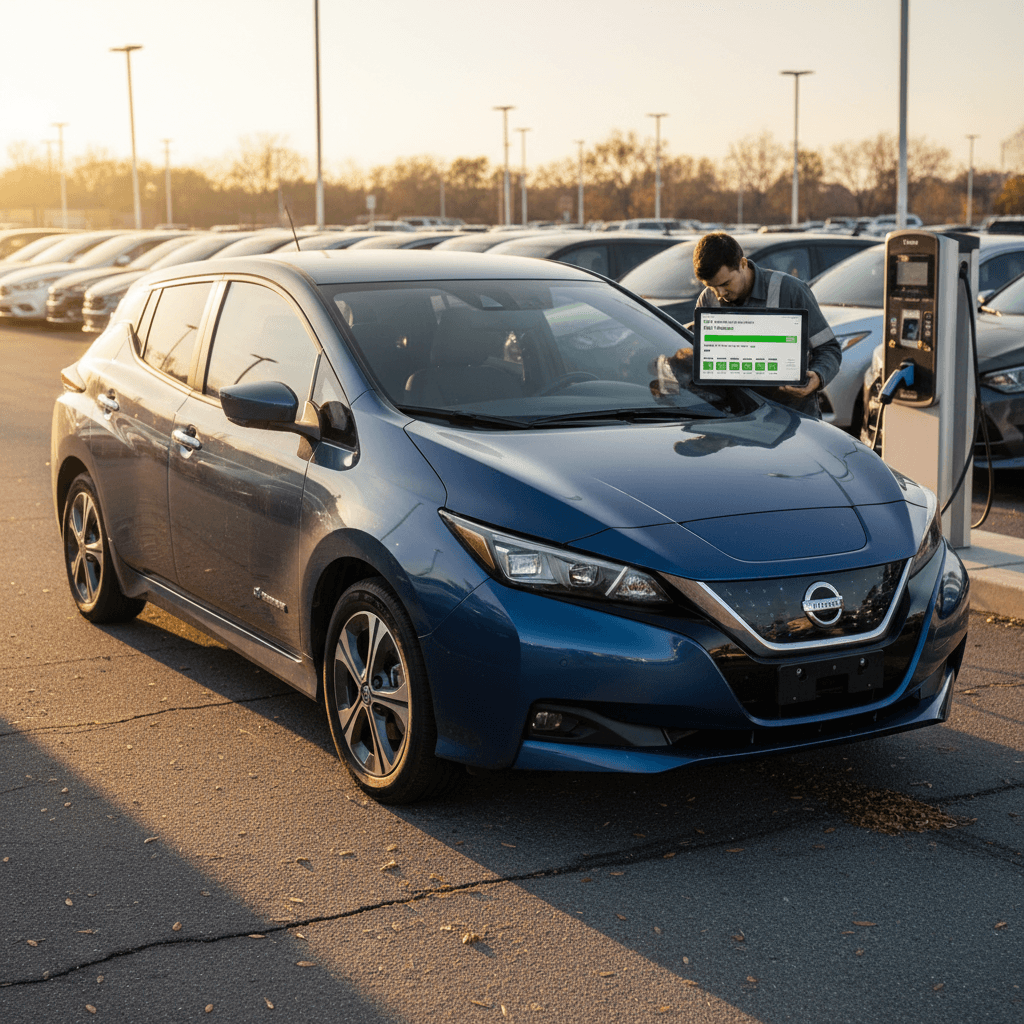
If the seller allows it, an OBD‑II dongle and an app like LeafSpy can show <strong>State of Health (SOH)</strong> as a percentage. Many buyers prefer to see 85%+ for 40 or 62 kWh packs, depending on age and price.
3. Look for hot‑climate history
Ask where the car has lived. Long stints in very hot regions accelerate degradation on all Leafs, especially early 24–30 kWh cars. A garage‑kept Seattle commuter will almost always have a happier pack than a Phoenix street‑parked twin.
4. Check DC fast‑charge history
Frequent CHAdeMO fast‑charging, especially to 100% and in hot weather, can speed up wear. Service records or an honest seller can give you a sense of how the car was used.
5. Test a full‑charge range estimate
Charge the car to 100% and note the predicted range (“Guess‑O‑Meter”). It’s not perfect, but if a 40 kWh Leaf shows only 80–90 miles after mixed driving, that’s a sign of noticeable degradation.
6. Confirm any remaining battery warranty
Many Leafs originally carried an 8‑year/100,000‑mile battery capacity warranty to about 9 bars. In 2026, only the newest 2019–2025 cars might still be covered. Ask for documentation rather than assuming.
Why early 30 kWh cars are controversial
CHAdeMO charging and future-proofing your Leaf
Every US‑market Leaf uses the CHAdeMO DC fast‑charging standard. In 2013 that was a selling point; by 2026 it’s a shrinking island in a CCS/NACS ocean. That doesn’t make the Leaf a bad buy, but it does change how you should think about trips away from home.
What CHAdeMO means for you in 2026
Fast‑charging isn’t useless, but it’s no longer the Leaf’s strong suit.
Check your local network first
Pull up PlugShare or your favorite charging map and filter for CHAdeMO. If there are only one or two stations within 50–60 miles, treat your Leaf as a primarily home‑charged commuter.
Plan conservative road trips
Because CHAdeMO sites are thinning out, you’ll want to plan shorter hops between chargers, especially with a 40 kWh car. A 62 kWh Leaf Plus is more flexible but still depends on the aging CHAdeMO network.
Prioritize home Level 2 charging
The happiest Leaf owners in 2026 are the ones who can plug in at home every night. A 240V Level 2 charger turns even a modest‑range Leaf into an easy daily driver.
Think of CHAdeMO as a backup, not a lifestyle
Inspection checklist before you buy
Once you’ve narrowed in on the years and batteries that make sense, use this checklist to separate the good used Leafs from the ones that have had a hard life.
Pre‑purchase checklist for a used Nissan Leaf
Verify pack size and trim
Confirm whether you’re looking at a 24, 30, 40, or 62 kWh car. Don’t rely solely on the seller’s ad, cross‑check VIN decoders, window stickers, or original brochures whenever possible.
Confirm capacity bars and SOH
Aim for 11–12 bars on newer 40/62 kWh cars, and be extra cautious of anything at 9 bars or fewer unless the price and your use case scream "city‑only beater." If you can, pull an SOH reading with a Leaf‑specific scan tool.
Look for battery‑related recalls or upgrades
Some Leafs have had <strong>software updates or battery replacements</strong>. A documented newer pack can transform an older car’s usefulness. Ask specifically about any EV‑system recalls and have a dealer run the VIN.
Check for rust and underbody damage
Like any used car, a Leaf can suffer from rust, especially in snowy states that use road salt. Pay special attention to brake lines, suspension arms, and the floor pan around the battery case.
Test HVAC and heated features
Heaters and A/C draw heavily from the battery. Make sure the heat pump or resistive heater works properly, as well as seat and steering‑wheel heaters if equipped. Weak heat can make winter range feel much worse.
Drive at highway speed
On your test drive, spend a few miles at 65–70 mph. Note how quickly the range estimate falls, how the car tracks, and whether there are vibrations or noises. This will tell you more about daily life with the car than a quick neighborhood spin.
Don’t skip a battery‑focused pre‑purchase check
Where a service like Recharged fits in
All of this homework, battery bars, SOH scans, recall checks, takes time and a bit of EV fluency. That’s exactly the friction Recharged was built to remove from the used‑EV process.
How Recharged can simplify a used Leaf purchase
Battery‑first transparency plus modern used‑car conveniences.
Recharged Score battery report
Every Leaf sold through Recharged comes with a Recharged Score Report that includes verified battery health, real‑world range estimates, and fair‑market pricing. You don’t have to guess whether that 40 kWh pack still has the legs you need.
Financing, trade‑in, and instant offers
If you’re moving out of a gas car, Recharged can value your trade‑in, help you finance the Leaf, or even give you an instant offer or consignment option on your current vehicle, all online.
Nationwide delivery & EV‑savvy support
Recharged supports a fully digital purchase with nationwide delivery and EV‑specialist guidance. If you’re near Richmond, VA, you can also visit the Recharged Experience Center to see vehicles in person.
Ready to find your next EV?
Browse VehiclesWhy this matters specifically for Leafs
Frequently asked questions about used Nissan Leafs in 2026
Used Nissan Leaf FAQ for 2026 shoppers
Bottom line: the best used Nissan Leaf to buy in 2026
If you’re hunting for the best used Nissan Leaf to buy in 2026, start by being brutally honest about how far you actually drive. For mostly local errands and commuting with home charging, a healthy 2018–2021 Leaf SV/SL 40 kWh is the sweet spot for value. If you want more highway confidence and can live with CHAdeMO’s limitations, step up to a 2019–2022 Leaf SV Plus or SL Plus and enjoy the bigger 62 kWh pack.
Whichever route you choose, remember that battery condition matters more than odometer readings, and your local charging map matters more than brochure range. Do your homework on SOH and charging options, or lean on a battery‑first marketplace like Recharged to do that legwork for you. Get those pieces right, and a used Leaf can still be one of the smartest, most affordable ways to go electric in 2026.