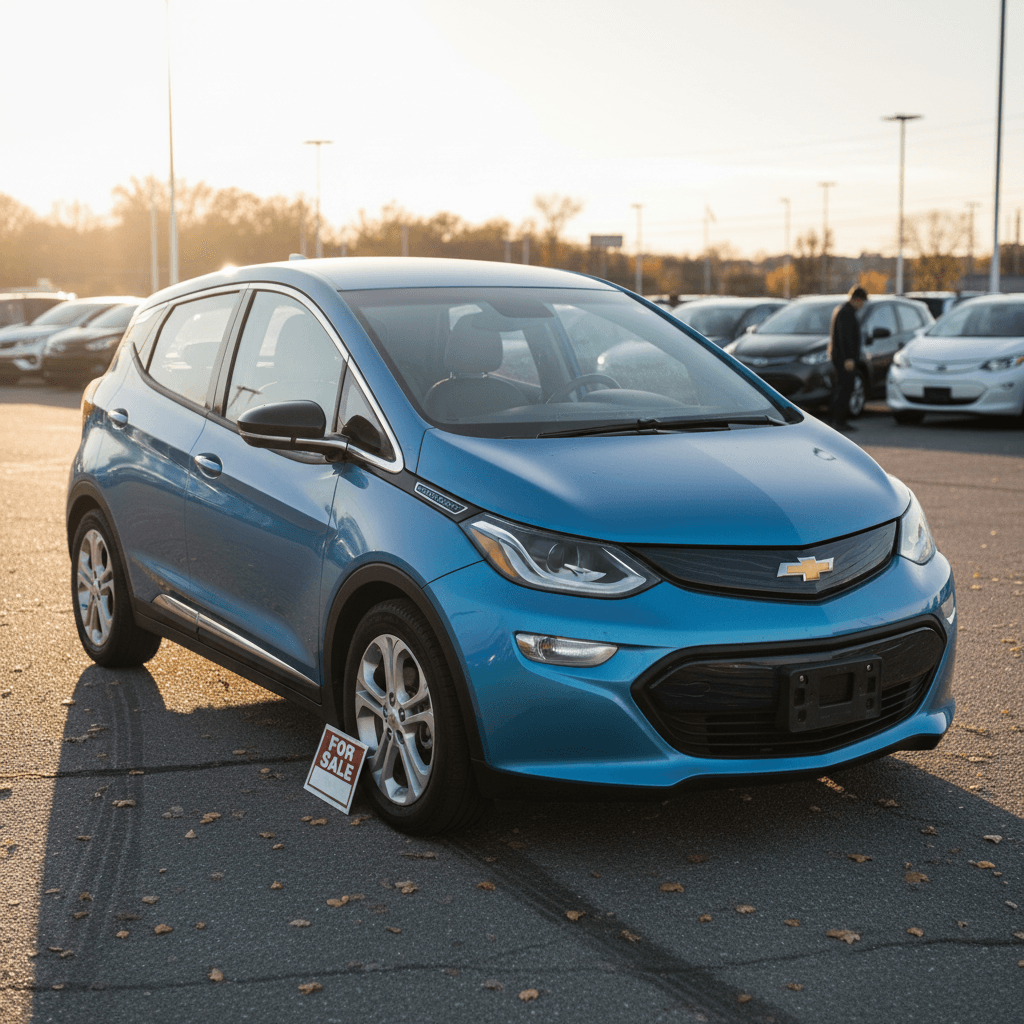
If you’re shopping for the best used EV under $25,000 in 2026, you’re in the market’s sweet spot. Used electric cars have finally fallen into “normal car money” territory, and $25K now buys real range, modern safety tech, and, if you choose carefully, a battery with plenty of life left.
The 2026 snapshot
Why $25,000 Is the Sweet Spot for Used EVs in 2026
Used EVs under $25K in 2026: By the numbers
At this price point, you’re past the quirky compliance cars and into EVs that can be your only car: 200+ miles of range, proper DC fast charging, and cabins that don’t feel like science projects. You’re also in the sweet spot of depreciation, someone else already took the brutal first‑owner hit, and you get the value.
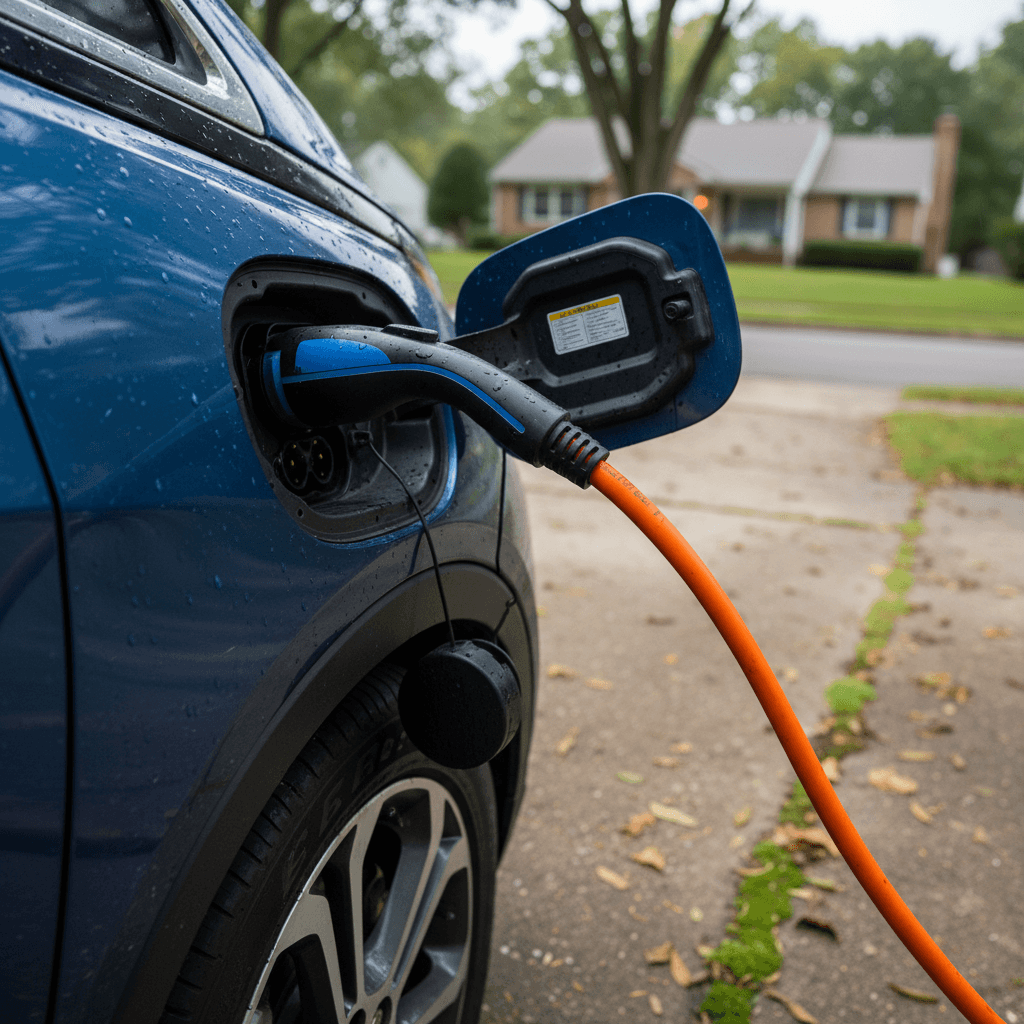
Quick glance: Best used EVs under $25,000 in 2026
Top used EV picks under $25K
These models show up again and again in 2026 value rankings.
Chevy Bolt EV / EUV
Best all‑around value. Compact, efficient, and now surprisingly affordable.
- Typical price (2019–2023): ~$15,000–$22,000
- EPA range: ~238–259 miles
- DC fast charging, roomy for the size
Hyundai Kona Electric
Long‑range budget champ. Small crossover feel with big‑car range.
- Typical price (2019–2022): ~$18,000–$24,000
- EPA range: ~258 miles
- Good efficiency, decent DC fast‑charge speeds
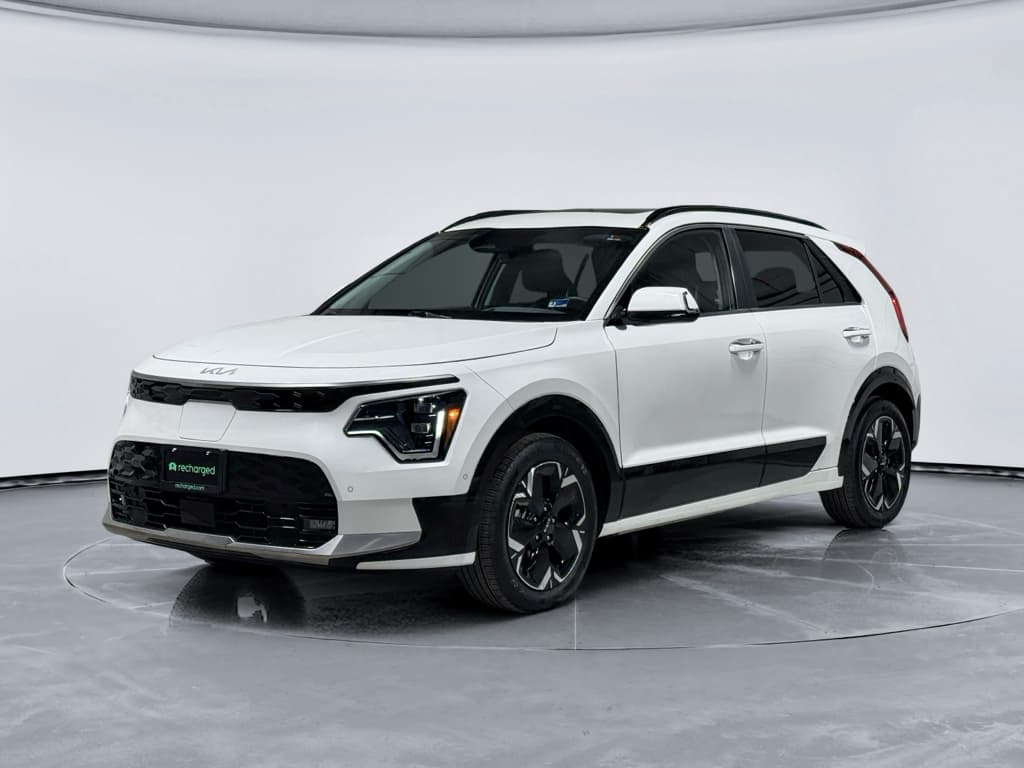
Kia Niro EV
Practical all‑rounder. Think small SUV with an honest 230‑ish miles.
- Typical price (2019–2022): ~$19,000–$25,000
- EPA range: ~239 miles
- More cargo space, calm ride
Also worth a look
These can be smart buys if they fit your use case.
Tesla Model 3 (early years)
Best under‑$25K EV for road‑trippers if you can find a clean one at this price.
- Typical price (2017–2020, higher miles): often in the low‑to‑mid $20Ks
- Range: ~220–310 miles depending on trim
- Access to Tesla Superchargers (now increasingly open to others too)
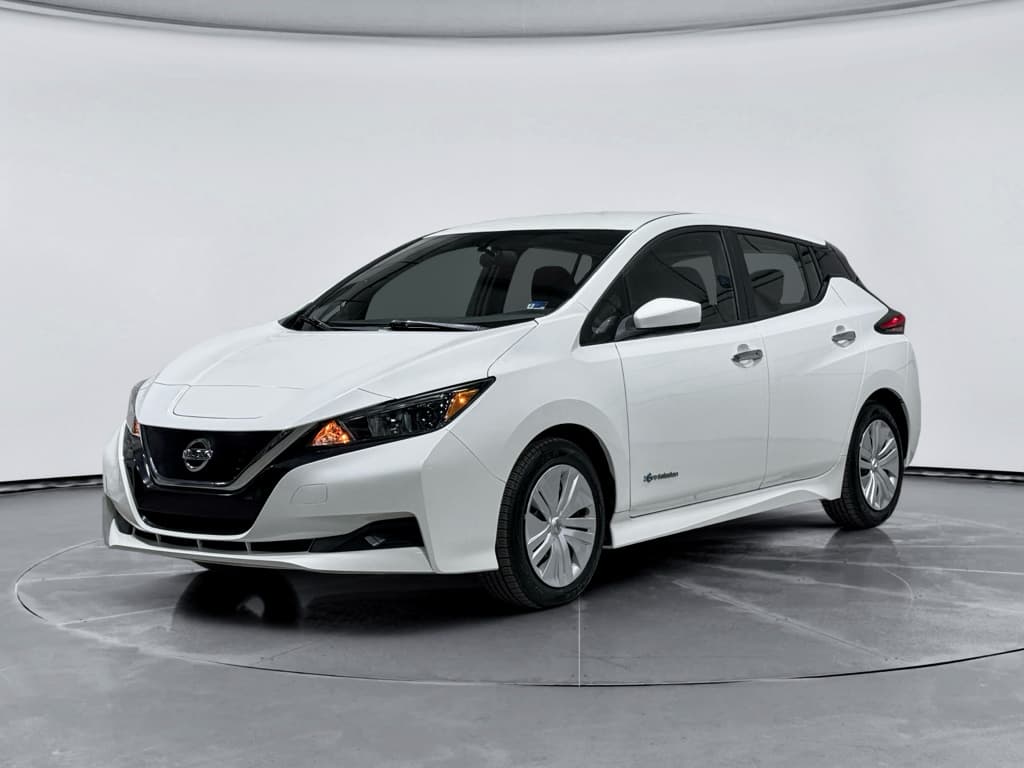
Nissan Leaf (40–62 kWh)
Urban value play. Excellent prices, but limited fast‑charging and shorter range.
- Typical price (2018–2022): often $10,000–$18,000
- Range: ~150–226 miles
- Great commuter; less ideal for frequent highway trips
Chevy Bolt EV/EUV: Best all‑around deal
The Chevrolet Bolt EV and Bolt EUV are the workhorses of the affordable EV world. In 2026, they’ve taken their depreciation lumps and settled into a very compelling zone: compact hatchbacks and crossovers with ~250 miles of range, decent DC fast charging, and prices that often start in the mid‑teens.
Why the Bolt tops so many lists
- Range that feels normal. Around 238–259 miles EPA, which means you’re not white‑knuckling the last 10 miles home.
- Real DC fast charging. Not the fastest in the world, but perfectly fine for road trips with some planning.
- Simple to live with. Easy to park, roomy cabin for the footprint, and familiar GM switchgear.
What to watch out for
- Battery recall history. Early Bolts were part of a major battery recall and pack replacement program. You want documentation that any recall work has been done.
- Seat comfort. Some drivers find the front seats narrow, test drive long enough to know which side you’re on.
- Chevy brand cachet. If you’re chasing status, a Bolt isn’t it; if you’re chasing value, it absolutely is.
Bolt buying tip
Hyundai Kona Electric: Long range on a budget
If you want maximum range per dollar, the Hyundai Kona Electric is your quiet overachiever. It’s a subcompact crossover that punches far above its weight in efficiency and real‑world distance, routinely landing on “best used EV” lists for 2025 and 2026.
- Typical 2019–2022 used prices in early 2026: about $18,000–$24,000 depending on miles and trim.
- EPA range around 258 miles, and many owners report similar or better in mixed driving.
- DC fast‑charging that, while not record‑setting, is good enough for regional trips without much drama.
Kona caution
Kia Niro EV: Balanced and practical
The Kia Niro EV is the pragmatic sibling in this story: a small crossover with good seating height, a sensible cabin, and roughly 239 miles of EPA range in earlier models. If the Bolt feels too small and the Kona too stiff‑riding, the Niro often hits the Goldilocks zone.
Kia Niro EV at a glance
Why families and practical buyers like it.
Where it shines
- Comfortable ride. Softer tuning than many compact EVs.
- Useful cargo space. Fold‑flat rear seats, easy‑to‑load hatch.
- Ownership costs. Kia’s long warranties help if you’re buying a younger used example.
Trade‑offs
- Not a rocket ship. Adequately quick, not thrilling.
- Interior flair. More functional than stylish.
- DC fast‑charge speed. Mid‑pack; it’ll do road trips, but you’re not setting lap records at the charger.
Tesla Model 3: When it drops below $25K
By 2026, early Tesla Model 3s are finally drifting into the sub‑$25K neighborhood, especially 2017–2020 cars with higher mileage or base trims. If you want the full Supercharger‑network lifestyle and a more premium feel, this is where things get interesting.
- Typical 2017–2020 prices in early 2026 often land from the high teens to mid‑$20Ks, depending on mileage, trim, and region.
- Range can vary widely: base cars in the low‑200‑mile zone, Long Range and Performance versions well over 300 miles when new.
- You get access to Tesla’s Supercharger network, now also used by more non‑Tesla brands, but with smoother integration when you’re in a Tesla.
Model 3 red flags
- Battery and drive‑unit warranty status, are you nearly at the mileage cap?
- Poor repairs from previous body damage; Teslas can be costly to fix correctly.
- Feature changes. Tesla has shuffled options (Autopilot, Full Self‑Driving, heated seats) via software over the years. Verify what’s actually included in *this* car, not just what the trim level suggests.
A high‑mile Model 3 with a healthy battery and clean Carfax can be the best used EV under $25K for drivers who road‑trip often. A rough one, bought on looks alone, can be the most expensive mistake on this list. This is where a transparent battery health report, like the Recharged Score, earns its keep.
Nissan Leaf: Great price, shorter range
The Nissan Leaf is the elder statesman here: once the poster child for affordable EVs, now the go‑to answer when someone says “I just need a cheap electric commuter.” If your daily driving is modest and you don’t live on the interstate, a Leaf can be a screaming deal.
- 2018–2022 Leafs with the 40 kWh pack often land in the $10,000–$15,000 range in 2026; 62 kWh "Plus" models cost more but can still slip under $25K.
- Range runs from ~150 miles (40 kWh) to ~226 miles (62 kWh) when new, but degradation on older Leafs can be more pronounced than on liquid‑cooled rivals.
- The CHAdeMO fast‑charging standard is fading in North America, so long‑distance fast‑charging options are shrinking over time.
Leaf reality check
Comparison table: Range, price, and charging
Best used EVs under $25K in 2026 (typical U.S. market snapshot)
Typical asking prices and specs for popular used EVs under $25,000 in early 2026. Actual prices vary by region, mileage, and condition.
| Model | Common model years under $25K | Typical price range (USD) | EPA range when new (mi) | DC fast charging | Best for |
|---|---|---|---|---|---|
| Chevy Bolt EV | 2019–2023 | $15,000–$21,000 | 238–259 | Yes (CCS) | Daily driving + affordable road‑trips |
| Chevy Bolt EUV | 2022–2023 | $18,000–$23,000 | 247 | Yes (CCS) | More rear legroom, small‑family use |
| Hyundai Kona Electric | 2019–2022 | $18,000–$24,000 | 258 | Yes (CCS) | Range‑first shoppers |
| Kia Niro EV | 2019–2022 | $19,000–$25,000 | 239 | Yes (CCS) | Practical small SUV feel |
| Tesla Model 3 | 2017–2020 (higher miles) | $19,000–$25,000+ | ~220–310+ | Yes (Tesla NACS) | Frequent highway driving, road‑trips |
| Nissan Leaf 40 kWh | 2018–2022 | $10,000–$15,000 | ~150 | Yes (CHAdeMO) | Short‑range commuting |
| Nissan Leaf 62 kWh (Plus) | 2019–2022 | $14,000–$22,000 | ~215–226 | Yes (CHAdeMO) | Budget longer‑range driving where CHAdeMO is still common |
Treat these as ballpark reference points, not guaranteed deals, and always verify battery health on any individual car.
How to read this table
Battery health: What matters more than the sticker price
With used EVs, the most important question isn’t “How many miles are on it?” but “How much battery is left?” A 220‑mile car that’s quietly turned into a 150‑mile car can still be useful, but only if you know that going in.
Battery questions to answer before you buy
1. What’s the real usable range today?
Don’t rely on brochure numbers. Ask for a recent full‑charge estimate, battery health readout, or third‑party diagnostic that shows remaining capacity as a percentage of new.
2. Any battery recalls or replacements?
For models like the Bolt and Kona, confirm recall work is completed and whether the pack was replaced. A newer pack can actually make an older car a better buy.
3. How was the car charged and stored?
Frequent DC fast charging and years spent baking in hot climates can accelerate degradation. Cars that mostly Level‑2 charge at home and park in garages tend to age more gracefully.
4. Is there independent verification?
Dealer claims are one thing; a proper health report is another. Recharged includes a <strong>Recharged Score battery report</strong> so you can see pack health, not just hear about it.
Why battery‑first inspections matter
Ready to find your next EV?
Browse VehiclesHow to choose the best used EV under $25K for you
There isn’t one single “best used EV under $25,000” in 2026. There’s the best one for your daily reality: your commute, your climate, your parking, your patience for road‑trip charging.
Pick your path: Match the EV to your life
City commuter (under 60 miles/day)
Prioritize price and simplicity over maximum range.
Nissan Leaf, Chevy Bolt EV, and older Kona Electrics are prime candidates.
Focus on battery health and local charging availability, not road‑trip dreams.
Suburban family (mixed driving)
Look for crossovers with usable back seats and cargo: Kia Niro EV, Bolt EUV, Kona Electric.
Aim for 220+ miles of usable range to handle errands, sports, and weekend trips.
Check DC fast‑charging speed if you take occasional highway vacations.
Highway commuter / road‑tripper
You’ll benefit most from a Bolt, Kona, Niro, or early Tesla Model 3 with the healthiest battery you can find.
DC fast‑charge performance and network coverage matter a lot, study your common routes in PlugShare or similar apps.
Consider how often you *really* road‑trip; you might be better off renting for the big journeys once or twice a year.
First EV, nervous about range
Be honest about your true daily miles and add a 30–40% buffer.
Test drive at least two different models to feel size, visibility, and regen behavior.
Favor cars with clear battery documentation (like Recharged’s diagnostics) so you’re not buying blind.
Financing and tax-credit checkup for 2026
From a policy standpoint, 2026 is a transition year. The federal used clean vehicle credit that once offered up to $4,000 on qualifying used EVs ended for purchases after September 30, 2025. Some states still offer their own rebates or tax credits, but the days of stacking easy federal money on any sub‑$25K EV are, for now, in the rear‑view mirror.
Make the money side work as hard as the car
Even without a federal used EV credit, you still have levers to pull.
Shop total cost, not just price
Compare monthly fuel and maintenance savings against slightly higher EV insurance in your area. In many cases, the fuel savings alone can effectively reduce your payment by $50–$100/month versus a comparable gas car.
Check state & utility incentives
Many states, utilities, and even cities still offer rebates for home chargers or per‑kWh discounts for off‑peak charging. These don’t show up on the car’s window sticker, but they materially change your running costs.
Consider EV‑friendly financing
Some lenders and platforms, Recharged included, offer financing designed for used EVs specifically. That can mean better terms, soft‑pull pre‑qualification, or integration with trade‑in offers so you see the full picture in one place.
How Recharged can help with the numbers
FAQ: Best used EVs under $25,000 in 2026
Frequently asked questions
Bottom line: Picking a used EV you won’t regret
The best used EV under $25,000 in 2026 isn’t the one with the most YouTube hype; it’s the one that fits your miles, your driveway, and your nerves. For many shoppers, that means a Chevy Bolt EV/EUV, Hyundai Kona Electric, or Kia Niro EV. If you value road‑trip ease and brand cachet, an early Tesla Model 3 can be a smart buy, provided you verify its battery and history instead of buying purely on the badge.
Whatever you choose, make battery health and real‑world range non‑negotiable, and treat $25,000 as a tool, not a target. If you can get everything you need for $18K, take the win. And if you’d rather not play detective in a sea of vague listings, shopping through Recharged means every car comes with a Recharged Score battery report, expert guidance, and the option for financing, trade‑in, and nationwide delivery, all handled online. That’s how you turn a used EV from a gamble into a genuinely smart buy.