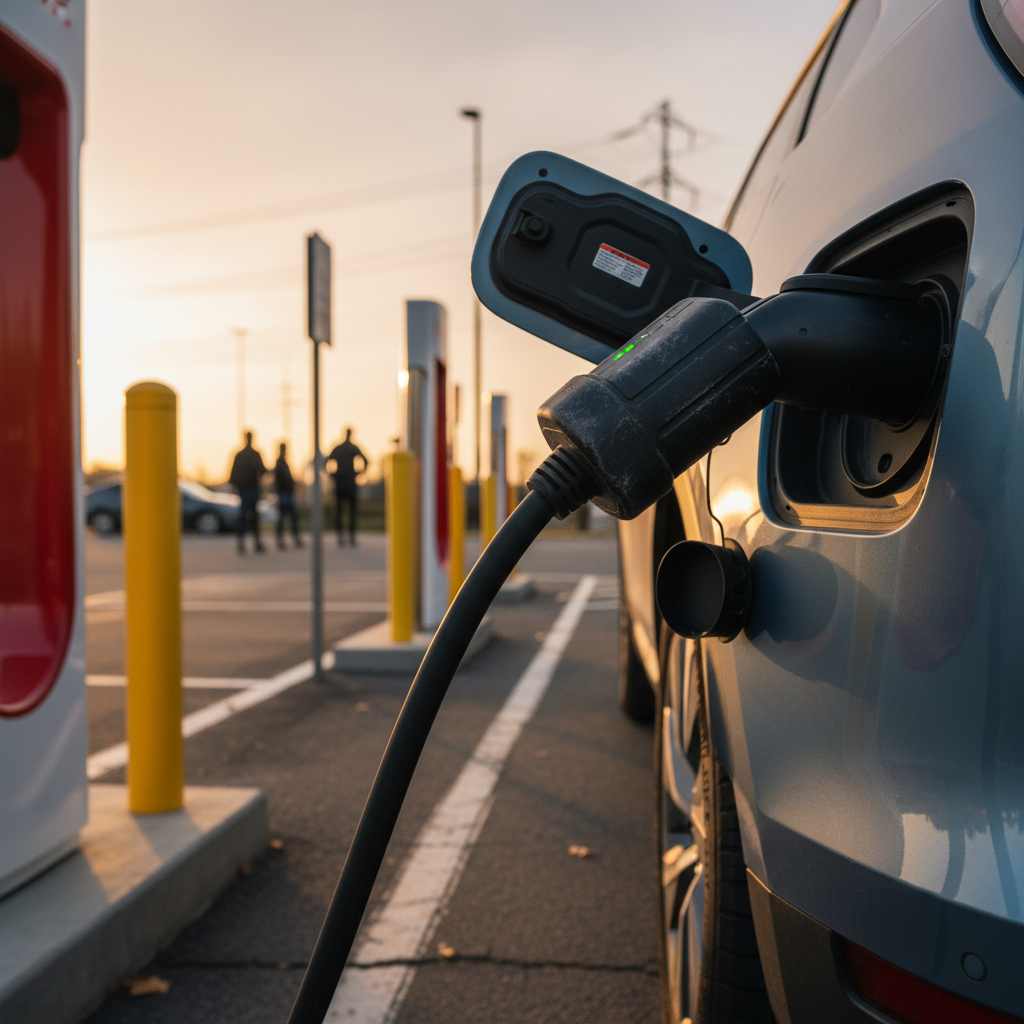
If you’re looking at a Genesis Electrified GV70, especially on the used market, the first question after range is simple: how fast does it actually charge? On paper this luxury SUV promises ultra‑rapid DC charging, but real‑world numbers from recent Genesis Electrified GV70 charging speed tests paint a much clearer picture of how long you’ll be parked at a station on your next road trip.
Why charging tests matter
Overview: How Fast Does the Electrified GV70 Charge?
The Electrified GV70 is one of the quickest‑charging luxury SUVs you can buy. Its 800‑volt architecture and ~77–84 kWh battery (depending on model year) let it take full advantage of today’s 250–350 kW DC fast chargers. Independent tests show peak DC power around 230–240 kW and a 10–80% fast‑charge in roughly 17–19 minutes when conditions are right.
Genesis Electrified GV70 headline charging metrics
Key takeaway
Battery size and charging specs at a glance
Before you dive into a charging speed test, it helps to understand the Electrified GV70’s basic battery and charging hardware. These specs are broadly similar across 2023–2025 model years, with some detail changes in the latest facelift.
Electrified GV70 battery and charging specifications
Core charging specs for North American Genesis Electrified GV70 models.
| Item | Spec | What it means for you |
|---|---|---|
| Battery capacity (usable) | ≈74–77 kWh early, ≈80+ kWh updated | Real energy you can charge and drive with; larger packs add a bit more highway range. |
| Architecture | 800V class | Enables very high DC fast‑charge power and short stop times. |
| Max DC fast‑charge power | ≈233–240 kW | One of the highest peaks in its class, provided the charger and battery temperature cooperate. |
| Typical 10–80% DC time | ≈17–19 minutes | Under good conditions on a 250–350 kW charger. |
| Onboard AC charger | 11 kW | At home on a 240V / 48‑amp Level 2, expect ~7–8 hours from empty to full. |
| Charge port type (NA) | CCS Combo 1 | Compatible with most public DC fast chargers today; NACS adapters will expand options over time. |
| V2L capability | Up to ~3.6 kW | Vehicle‑to‑load lets you power tools, camping gear, or appliances from the car. |
Numbers are rounded; always confirm exact figures for your specific model year and market.
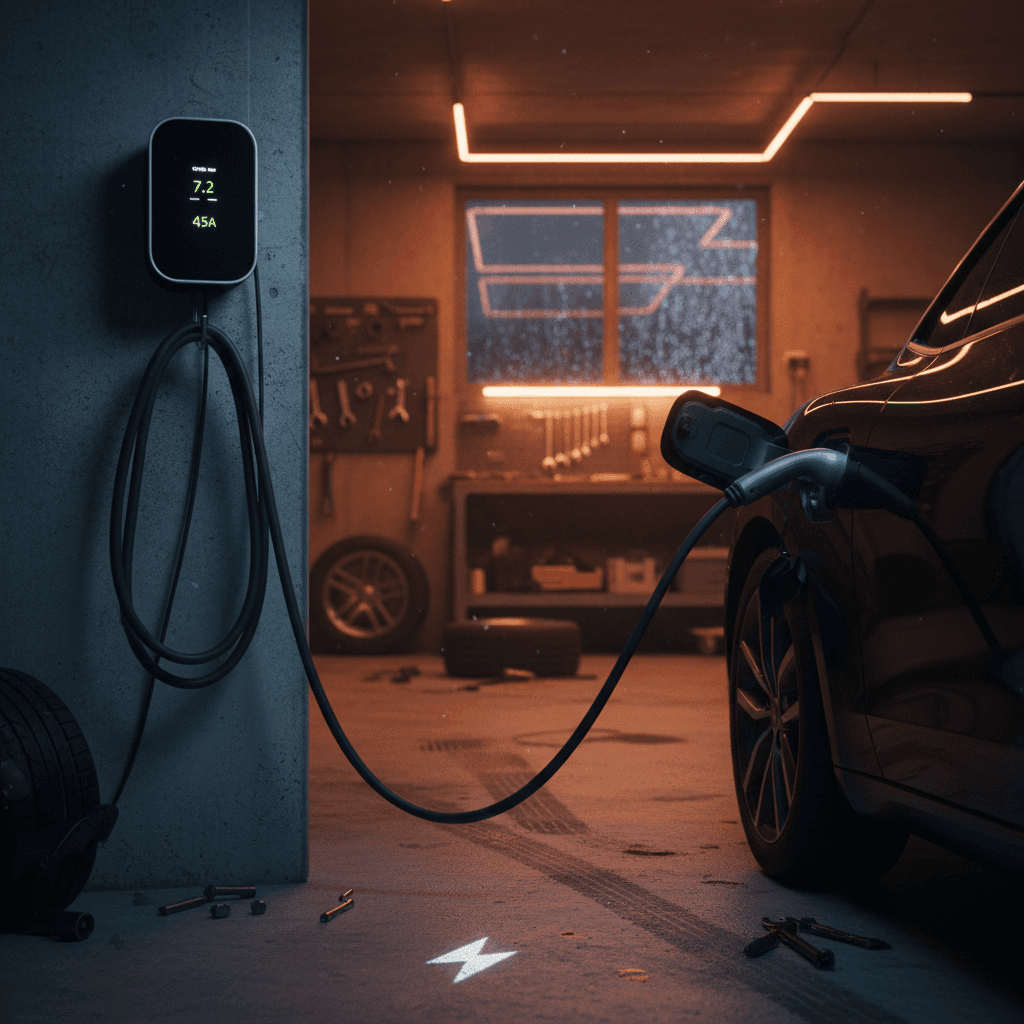
DC fast charging speed test: 10–80% results
Independent charging tests and charging‑curve analysis sites provide the clearest picture of how the Electrified GV70 behaves on a powerful DC fast charger. They look at how many kilowatts the car actually accepts at each state of charge and how long it takes to move from one percentage to another.
DC fast charging: what tests show
How the Electrified GV70 performs from a low battery to road‑trip ready
Peak charging power
Multiple tests show the Electrified GV70 reaching roughly 233–240 kW at its peak on a high‑power DC charger.
That’s near the top of the segment and similar to the best Korean and German luxury EVs.
10–80% charging time
From 10–80% state of charge, independent measurements typically land around 16.5–18 minutes when the battery is warm and the charger can deliver full power.
Genesis’ own claims of about 18–19 minutes line up closely with those numbers.
Energy & range added
During a 10–80% session, the Electrified GV70 takes on roughly 52 kWh of usable energy.
Depending on speed and weather, that usually translates to about 150–200 miles of real‑world driving range added per stop.
Some charging‑curve analyses report an average power of roughly 185–190 kW over that 10–80% window. That’s a strong number: many competitors might peak high but quickly taper to 100–120 kW, stretching stop times. The Electrified GV70 maintains high power over a wide state‑of‑charge band, which is exactly what you want for road‑trip efficiency.
Lab results vs. your results
Charging curve explained: Where the Electrified GV70 is quickest
A single 10–80% number doesn’t tell the full story. What really separates EVs is the shape of their charging curve, how long they hold near‑peak power before tapering off. Here the Electrified GV70 performs particularly well.
1. Strong pull from low SOC
From very low state of charge, around 5–10%, the Electrified GV70 ramps quickly toward its peak of roughly 230+ kW. Early in the session, that means you’re adding miles at a very rapid clip, which is ideal if you’ve run the pack down on the highway.
- 0–10%: Power rises quickly as the battery warms and the charger and car negotiate maximum current.
- 10–40%: The car spends a lot of time well north of 200 kW, which is excellent for short stops.
2. Wide high‑power plateau, then a gentle taper
Charging‑curve data shows the Electrified GV70 sustaining very high power, often above 170–180 kW, up into the mid‑70% range before beginning a more pronounced taper.
- Sweet spot: Roughly 10–76% is where the car is most efficient with your time.
- Above ~80%: Power drops more noticeably, so it’s usually best to unplug and get back on the road unless you truly need the extra range.
Why the 10–76% “window” matters
What this means for real‑world road trips
So what does a Genesis Electrified GV70 charging speed test translate to in the real world? For highway travel, you care about how often you have to stop and how long those stops take. With its strong charging curve, the Electrified GV70 is a confident road‑trip partner.
Road‑tripping in an Electrified GV70
How to turn charging data into a simple travel plan
Plan around 150–200‑mile legs
At typical U.S. highway speeds, many owners will see around 2.2–2.8 miles per kWh, depending on wheels, load, and weather.
That means a 10–76% charge can comfortably support roughly 150–200 miles between fast‑charge stops.
Budget ~25 min per stop
The raw 10–80% time may be ~17–19 minutes, but in real life you’ll spend a few extra minutes exiting, plugging in, and getting back on the road.
Plan on 20–25 minutes total per stop, and you’ll be pleasantly surprised when it’s quicker.
Use stops as natural breaks
This charging profile pairs well with meal and restroom breaks. Think:
• Morning coffee after the first leg
• Lunch at the second stop
• Short stretch break in the afternoon if needed.
Good news for used‑EV shoppers
Level 2 home charging: Overnight behavior
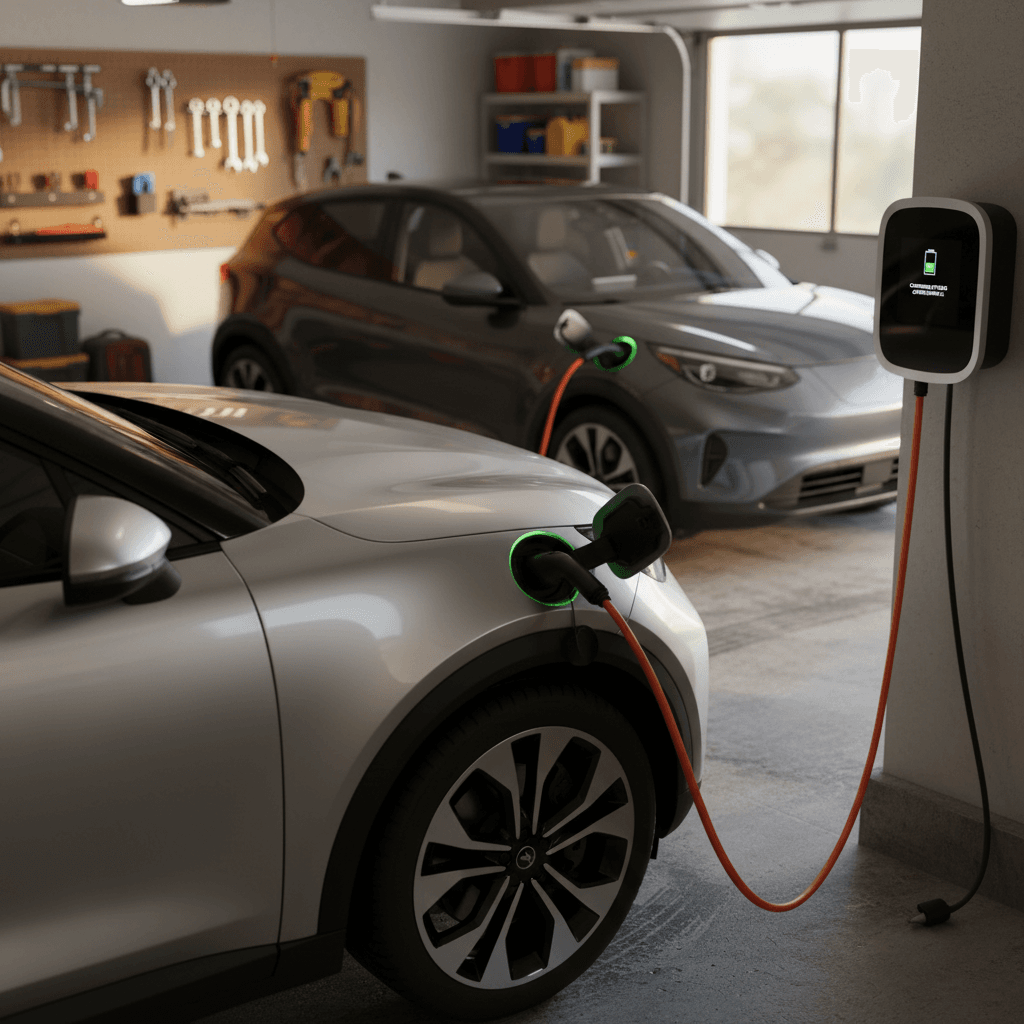
Fast‑charge performance gets the headlines, but most Electrified GV70 owners will do the bulk of their charging at home on a Level 2 (240V) charger. Here, the SUV is straightforward: an 11 kW onboard AC charger and a mid‑70s‑kWh‑plus battery mean simple overnight top‑offs.
Setting up home charging for an Electrified GV70
1. Confirm your electrical capacity
Ideally, you’ll have a dedicated 240V circuit that can support a 40–48 amp EVSE (charger). A licensed electrician can quickly tell you what your panel can handle.
2. Match the charger to the car
The Electrified GV70’s onboard charger tops out at 11 kW. A 48‑amp Level 2 unit at 240V is a perfect match; going bigger won’t make the car charge faster.
3. Expect ~7–8 hours from low to full
From a low state of charge, a full 0–100% session at home is typically done in roughly eight hours. In practice, most owners charge from 30–80% overnight, which is even faster.
4. Take advantage of off‑peak rates
If your utility offers time‑of‑use pricing, program the car or charger to start after off‑peak begins. You’ll reduce your fuel cost per mile significantly.
5. Keep a charging routine
Topping up a bit every night, rather than running down to near‑empty, keeps charging stress low and helps the car manage battery temperature more predictably.
Thinking about a used Electrified GV70?
Cold weather, battery conditioning, and charging speed
As with any modern EV, cold temperatures can significantly slow DC fast‑charging unless the battery is warmed up beforehand. Genesis has equipped the Electrified GV70 with battery conditioning, and recent updates give drivers even more control over that feature.
How cold impacts charging
- Colder pack, lower power: A cold battery resists taking on power quickly. You might see peak power stuck under 100–120 kW until the pack warms.
- Longer ramp‑up: Instead of jumping right to 230+ kW, the car may sit at modest power for several minutes as it conditions the cells.
- Plan for slower first stop: On a winter road trip, your first DC stop is often the slowest, after that, the warm battery lets later sessions hit peak speed more easily.
Battery conditioning and recent improvements
- Using navigation to route to a DC fast charger lets the Electrified GV70 pre‑heat the battery so it’s near ideal temperature on arrival.
- Updated versions let you manually trigger conditioning, which is especially handy if you use third‑party apps or plug in at a charger that isn’t loaded in the built‑in nav.
- New cooling strategies also help maintain good charging speed in very hot weather, not just the cold.
Avoid repeated 0–100% DC fast‑charges
Charging tips if you’re shopping a used Electrified GV70
If you’re considering a used Genesis Electrified GV70, charging performance should be part of your evaluation, right alongside price, features, and cosmetic condition. The good news is that this platform starts from a strong baseline, so a well‑cared‑for example should still charge impressively well.
Used Electrified GV70: charging questions to ask
How to make sure your future SUV still charges like it should
Ask for recent fast‑charging behavior
If the current owner uses DC fast‑charging regularly, ask what they typically see for 10–80% times and peak kW on a known high‑power charger.
Consistently very low numbers (for example, topping out under 80–100 kW on a 250+ kW unit with a warm pack) may warrant a closer look.
Check for battery health documentation
A high‑quality battery report, like the Recharged Score battery health diagnostics that comes with every EV on Recharged, reveals whether the pack is performing as expected for its age and mileage.
Healthy capacity is more important than chasing brochure charging claims.
Inspect the charge port and cables
Visually check the charge port for damage, corrosion, or poorly repaired impacts. If you test‑drive, plug into a Level 2 station and make sure the car starts and stops charging smoothly.
Test a fast‑charge if possible
If the seller and location allow, a short DC session from, say, 20–60% can confirm that the car pulls strong power and stays connected without errors.
Keep in mind that a cold battery or weak charger can mask the vehicle’s true capability.
How Recharged simplifies this process
Ready to find your next EV?
Browse VehiclesGenesis Electrified GV70 charging FAQ
Frequently asked questions about Electrified GV70 charging
Bottom line: Should charging speed influence your buy?
If rapid DC charging is a priority, the Genesis Electrified GV70 belongs near the top of your list. Real‑world testing shows that its 800‑volt architecture isn’t just marketing, it delivers genuinely short 10–80% charging sessions, with high average power across most of the usable battery range. That makes it a relaxed road‑trip companion and an easy EV to live with, even if you regularly cover long distances.
When you’re cross‑shopping or considering a used example, focus less on chasing the exact brochure peak kW number and more on the fundamentals: verified battery health, strong mid‑range charging performance, and a home‑charging setup that fits your routine. With those pieces in place, and with transparent tools like the Recharged Score to back up what you’re seeing, the Electrified GV70’s charging speed becomes a confidence‑builder, not a question mark.