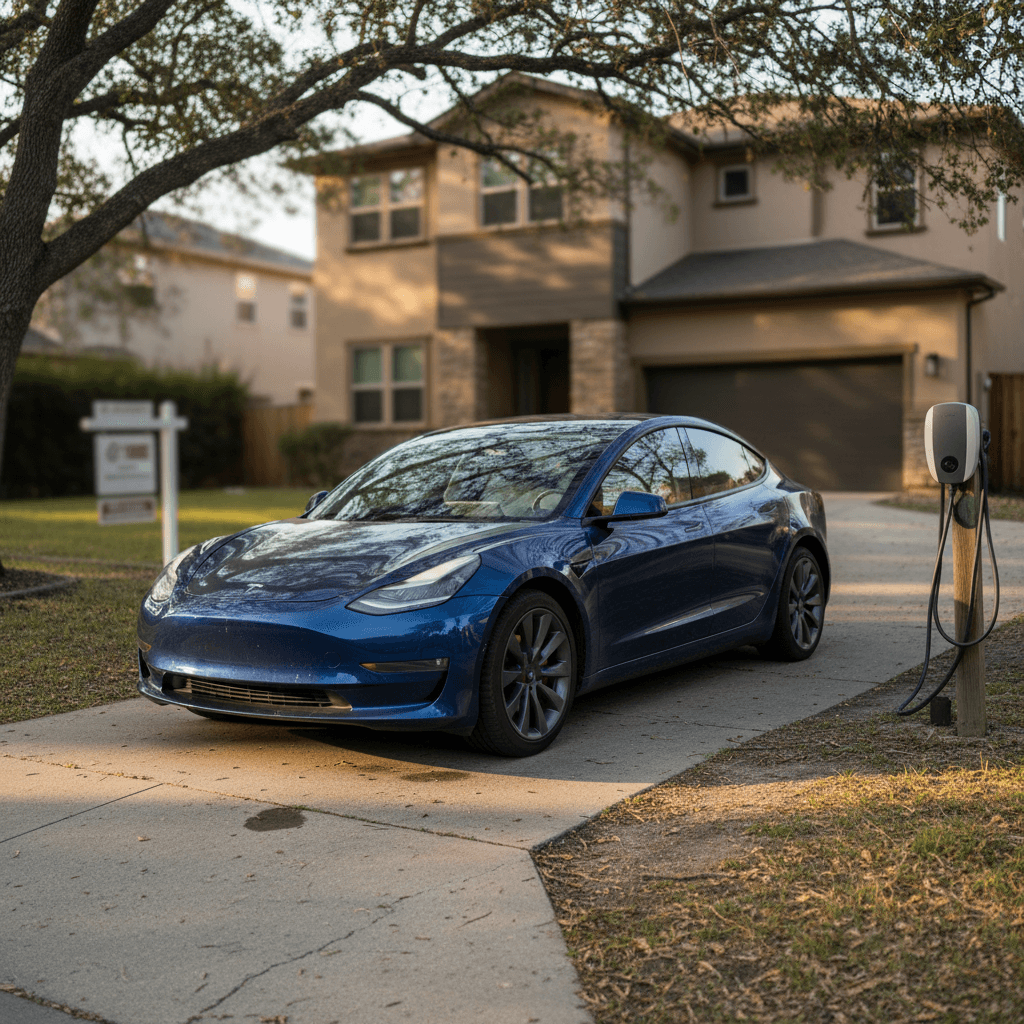
You’re shopping for the best used EV between $25,000 and $30,000, the Goldilocks zone where depreciation has done its dirty work, but the cars still feel modern, safe, and genuinely desirable. The good news: in 2026, this price band buys you real range, DC fast charging, and enough tech to make your old gas car feel like a rotary phone.
Context: Why This Price Range Rocks Right Now
Why $25,000–$30,000 Is the Used EV Sweet Spot
The Used EV Market Around $25k–$30k
In this price range, you’re out of the compliance‑car ghetto, no 80‑mile specials or CHAdeMO orphans unless you go looking for them, and into EVs with usable highway range, modern safety tech, and cabins that don’t feel like a rental‑spec economy car. You’re also old enough in model years to benefit from steep EV depreciation, which tends to be harsher than for comparable gas cars, especially in the first three years.
Quick Look: Which Used EV Is Best for You?
Best Used EVs Between $25k and $30k by Buyer Type
Match your daily life to the right car, not just the right price.
“I Want the Safest Bet”
Best pick: 2019–2023 Tesla Model 3 (RWD or Long Range)
- Excellent range and Supercharger access
- Strong resale and huge owner community
- Feels familiar if you’ve been eyeing Teslas for years
“I Have Kids and Cargo”
Best pick: 2022–2024 Hyundai Ioniq 5 or 2021–2023 Kia Niro EV
- Practical crossovers with hatchback utility
- Comfortable road‑trip manners
- Still modern inside, with good safety tech
“I Want Maximum Value”
Best pick: 2022–2023 Chevy Bolt EUV
- Often the cheapest way into long‑range EV ownership
- Small outside, roomy inside
- Great city car that can still handle a road trip
Top Used EVs Between $25,000 and $30,000 in 2026

Tesla Model 3 (2019–2023): Best Overall Used EV
The Tesla Model 3 is still the volume king of EVs, and that matters when you buy used. There are lots of cars to choose from, lots of parts, and lots of independent shops who know how to work on them. In the $25,000–$30,000 zone, you’re typically looking at 2019–2021 Long Range and 2020–2023 rear‑wheel‑drive cars with six figures of range and a long list of over‑the‑air upgrades behind them.
Tesla Model 3: What You Get for $25k–$30k
Typical specs for used Model 3s in this price range. Exact numbers vary by year and trim.
| Trim (Approx. Years) | Typical Price (Used) | EPA Range (mi) | Drivetrain | DC Fast Charge Peak |
|---|---|---|---|---|
| Standard Range / RWD (2020–2023) | $24k–$29k | 220–272 | RWD | ~170 kW |
| Long Range (2019–2021) | $27k–$32k | 310–358 | AWD | ~250 kW |
Always verify battery size and drive unit in the listing; names changed over the years but the fundamentals didn’t.
- Why it’s compelling: Class‑leading range, vast Supercharger access, and software that still feels ahead of many new competitors.
- What to watch: Wheel rash, panel gaps, and evidence of hard use, these were often driven, not coddled. Check for remaining battery and drive‑unit warranty coverage.
- Best for: Commuters and road‑trippers who want the safest all‑around bet and don’t mind a firm ride.
Model 3 Shopping Tip
Hyundai Ioniq 5 (2022–2024): Best Family Crossover
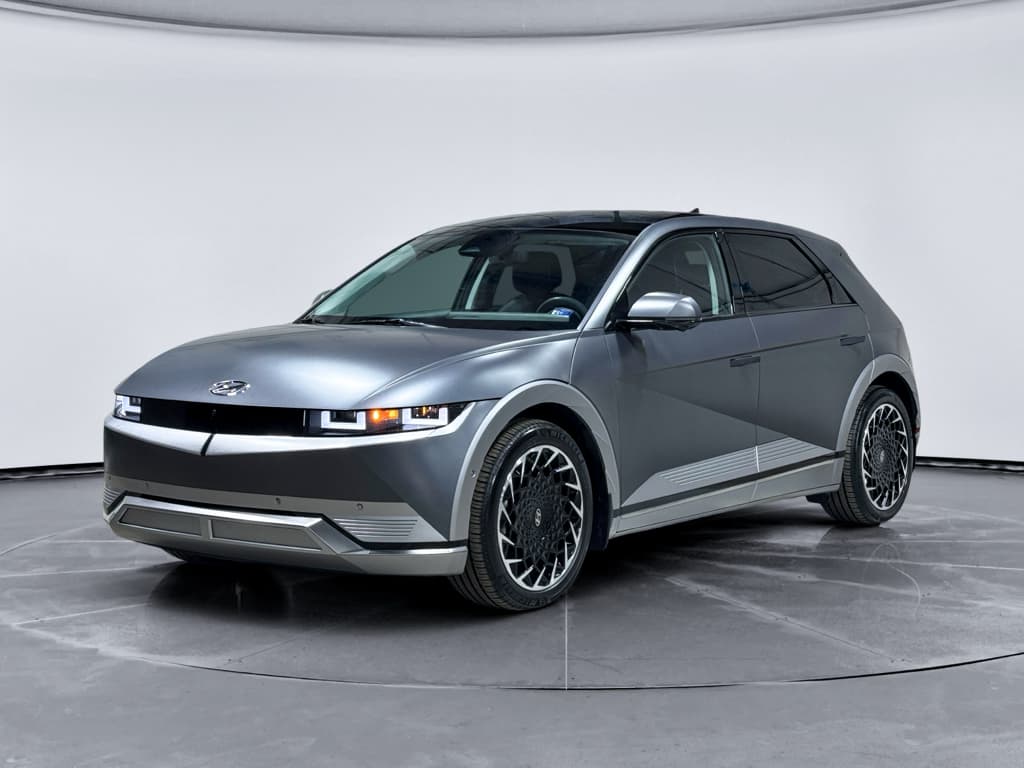
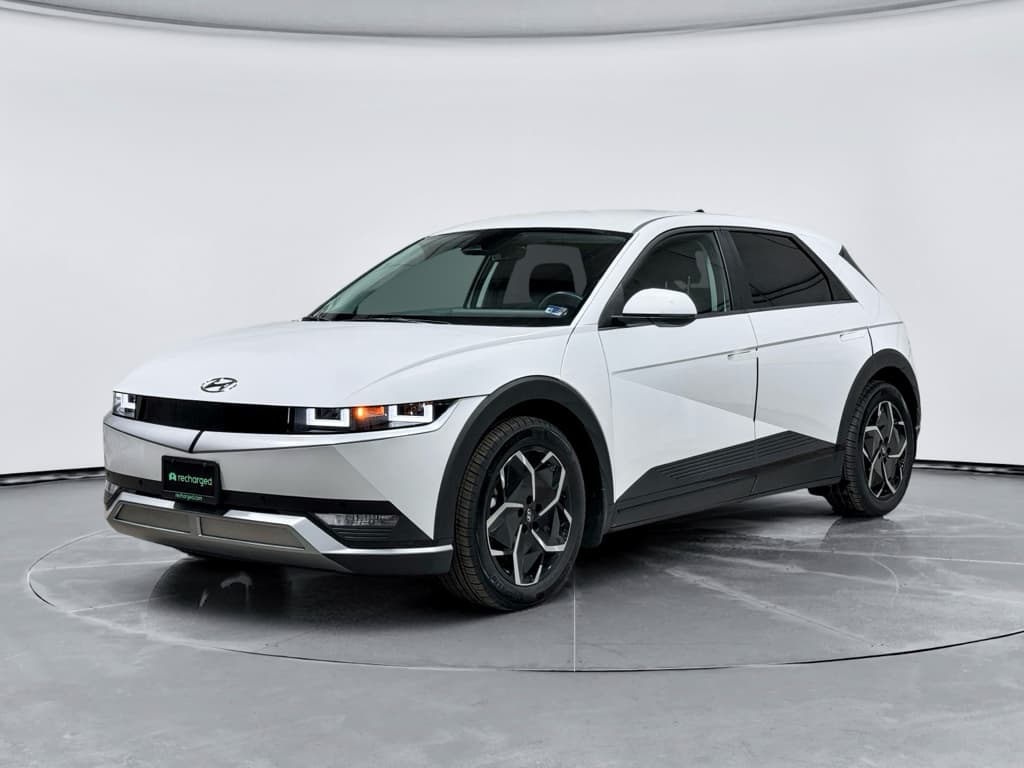
The Hyundai Ioniq 5 is the anti‑Tesla: retro‑future styling, big‑car comfort, and a dash layout that looks like a Scandinavian living room. Thanks to fast early‑life depreciation, some 2022–2023 Ioniq 5 SE and SEL trims have slipped into the high‑$20,000s, especially lower‑spec rear‑drive examples.
Ioniq 5: Typical Used Specs at $25k–$30k
RWD trims are most common in this budget; AWD models may creep just above $30k depending on miles and options.
| Trim | Typical Price (Used) | EPA Range (mi) | Drivetrain | Fast‑Charge (10–80%) |
|---|---|---|---|---|
| SE / SEL RWD (2022–2023) | $26k–$32k | 260–303 | RWD | ~18–20 minutes on strong DC chargers |
| Limited RWD (2022–2023) | $29k–$34k | 282–303 | RWD | Similar, with more features |
If you care about road trips, the Ioniq 5’s 800‑volt architecture and strong DC fast‑charge speeds are a major perk.
- Why it’s compelling: Lounge‑like interior, huge back seat, and truly fast charging, arguably the most road‑trip‑friendly EV in this segment.
- What to watch: Make sure any early software or charging bugs have been addressed with updates; confirm recall work is done.
- Best for: Families and commuters who want the space and comfort of a small SUV without the fuel bills.
Kia Niro EV (2021–2023): Range on a Budget
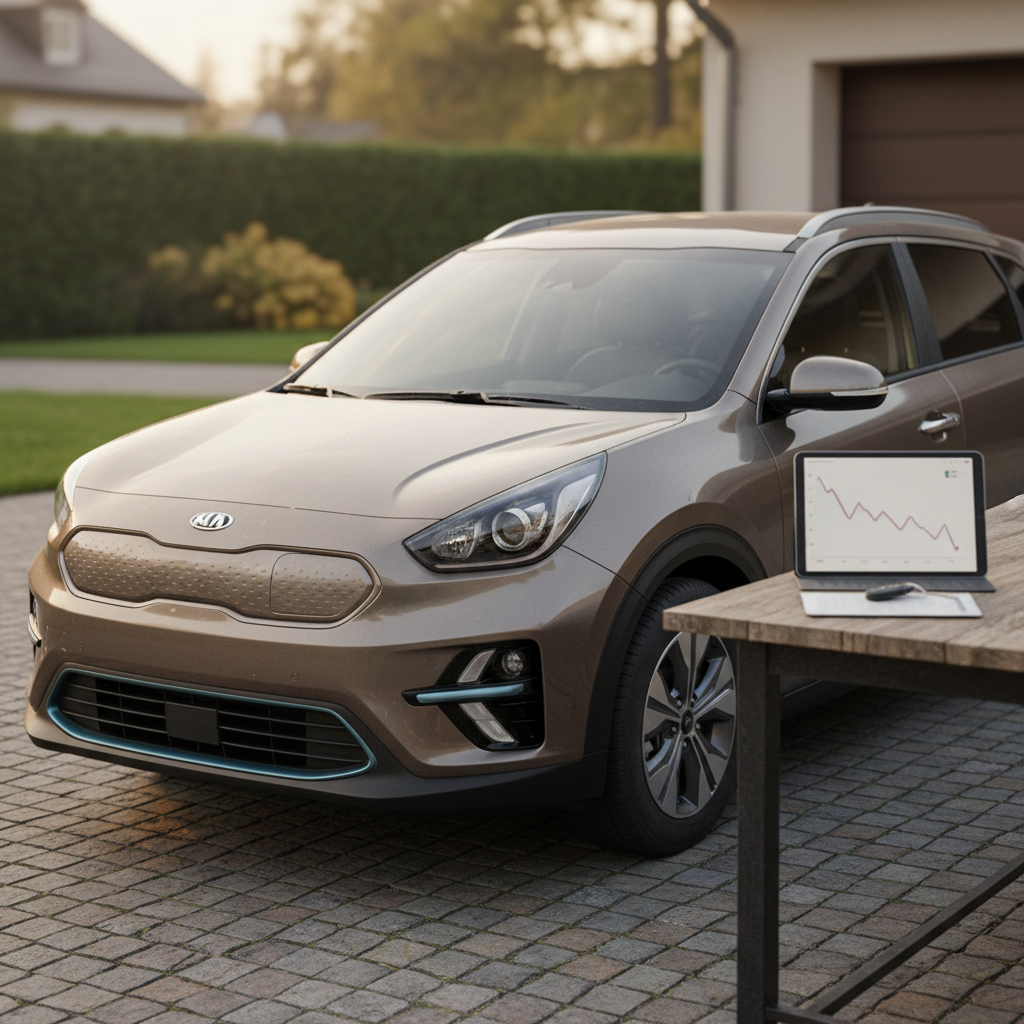
The Kia Niro EV is the stealth pick: compact crossover body, efficient drivetrain, and quietly brutal depreciation from new. A car that once lived in the mid‑$40,000s can now be found in the mid‑$20,000s with around 250+ miles of range and a nicely equipped interior.
Niro EV by the Numbers
- Why it’s compelling: Excellent efficiency, practical hatch, and a more traditional cockpit for drivers who don’t want the full sci‑fi Tesla experience.
- What to watch: Older Niro EVs may have more basic driver‑assist suites; check that key safety tech (blind‑spot monitoring, adaptive cruise) is actually on the car you’re considering.
- Best for: Buyers who care more about range and practicality than badge prestige or 0–60 sprints.
Chevy Bolt EUV (2022–2023): Compact Value Champ
If pure cost‑per‑mile is your north star, the Chevy Bolt EUV is hard to ignore. A 2023 EUV that stickered around the mid‑$30,000s routinely trades in the mid‑ to high‑teens for higher‑mile examples and creeps into the mid‑$20,000s for low‑mile, well‑equipped Premier trims. That means that within this $25k–$30k band, you’re often looking at very clean, low‑mile examples with plenty of battery warranty left.
Bolt EUV: What You Get
The EUV shares most of its hardware with the standard Bolt EV but adds space and available driver‑assist tech like Super Cruise on certain trims.
| Trim | Typical Price (Used) | EPA Range (mi) | Fast‑Charge Peak | Notable Features |
|---|---|---|---|---|
| LT / 1LT (2022–2023) | $20k–$26k | 247–259 | ~55 kW | Good standard safety tech, Apple CarPlay/Android Auto |
| Premier (w/ options) | $24k–$29k | 247–259 | ~55 kW | Available Super Cruise, nicer interior trim |
Don’t confuse DC fast‑charge speed with total trip time; the Bolt EUV’s modest peak speeds are offset by good efficiency.
About the Bolt Battery Recall
- Why it’s compelling: Utterly rational EV: compact footprint, decent range, bargain pricing, and dirt‑cheap running costs.
- What to watch: DC fast‑charging is slower than newer 800‑volt cars, so if you’ll fast‑charge weekly, factor that into your life.
- Best for: City and suburban drivers who want maximum EV for minimum money and only occasional long trips.
Wild Cards Worth a Test Drive
Nissan Ariya (Select Trims)
The Nissan Ariya arrived later to the party, but depreciation shows no mercy. Lower‑spec FWD trims with the smaller 63 kWh pack are starting to sniff the high‑$20,000s in some markets. You get a quiet ride, a mature cabin, and range that’s solidly competitive, if not class‑leading.
Best if: You value refinement and comfort over maximum range, and you’re okay not having the absolutely fastest charging around.
Older Luxury EV Bargains
Every now and then, a high‑mile Mercedes EQE, Jaguar I‑PACE, or early Audi e‑tron slides down into the $30k orbit. The value play is lush interiors and big‑car comfort for Camry money. The trade‑offs: higher running costs, more complex tech, and sometimes shorter range than newer mainstream EVs in this guide.
Best if: You’re range‑flexible and care a lot about luxury feel per dollar.
Key Factors Beyond Price: Range, Charging, and Space
Four Specs That Matter More Than Horsepower
Ignore the 0–60 times for a moment. These are what will shape your day‑to‑day experience.
Real‑World Range
Published EPA range is a starting point. In real life, expect 70–80% of that on the highway and less in winter. For most people, anything above 220 miles is comfortable; above 260 feels carefree.
Charging Speed
Look at peak DC fast‑charge power, but also how long the car holds that power. Ioniq 5–type cars with 800‑volt systems are in a different league from Bolts or older Leafs at road‑trip stations.
Connector & Network
North America is moving to NACS (Tesla’s plug), but CCS is still everywhere. A used Model 3 gives you Superchargers now; a CCS car increasingly gets access via adapters or built‑in support at many Tesla sites.
Interior Space
Compact sedans like the Model 3 feel tight for tall families but efficient for commuters. Crossovers like Ioniq 5 or Niro EV trade some efficiency for cargo and rear‑seat comfort.
Range Rule of Thumb
Depreciation, Battery Health & Total Cost of Ownership
EVs have taken some of the steepest early‑life depreciation in the car market. That’s bad news for first owners who bought new, great news for you. Models like the Niro EV, Kona Electric, and various Bolts have seen 50–60% of their original MSRP evaporate within five years. Tesla Model 3s typically hold value a bit better, but even they often land 45–55% below their new price by year five, still squarely in your budget.
About Battery Warranties
Battery Health: The New Odometer
On a used EV, battery health matters more than nearly any other single factor. A pack that’s lost 5–8% from new is normal. A pack that’s lost 20% or more starts to change how you can use the car, especially if its original range wasn’t heroic.
Ask for a verified battery health report rather than trusting range estimates from the dash. Tools like the Recharged Score use diagnostics to quantify remaining capacity instead of guessing from mileage alone.
Why Depreciation Is Your Friend
Because new‑EV incentives and discount wars hammered resale values, you’re often paying gas‑sedan money for EV running costs. Electricity is cheaper per mile than gasoline in most of the U.S., and EVs have fewer wear items, no oil changes, fewer brake jobs thanks to regen, and simpler drivetrains.
In other words, the sting of depreciation has already hit someone else. You’re walking in after the party, picking through the leftovers, and discovering they’re still pretty darn good.
How to Shop Smart for a $25k–$30k Used EV
Seven Steps to a Smarter Used EV Purchase
1. Start with Your Daily Use, Not the Car
Write down your real life: commute distance, parking setup, kids, hobbies, and how often you road‑trip. A Model 3 that’s brilliant for a solo commuter may be frustrating for a family of four with a big dog.
2. Decide Your Minimum Comfortable Range
Be honest about winter, high‑speed driving, and detours. In this price band, aim for at least 220 miles EPA, more if you’ll fast‑charge often or live in a cold climate.
3. Check Home and Local Charging First
Confirm whether you can install Level 2 (240V) at home or rely on public charging. A Bolt EUV with slow DC charging feels very different if your only reliable charging is at highway stations.
4. Focus on 3–6‑Year‑Old Cars
This is where depreciation and remaining warranty coverage intersect nicely. You avoid most early build quirks but don’t pay new‑car money for the privilege.
5. Demand a Battery Health Report
Treat pack health like compression numbers on a classic engine. Use objective diagnostics, not just the seller’s word or a hopeful range estimate on a half‑charged display.
6. Check for Recalls and Software Updates
From Bolt battery recalls to charging‑curve updates on E‑GMP cars, software and service history matter. Ask the seller for a full service printout and confirm recalls by VIN.
7. Compare Total Cost, Not Just Sticker
Look at insurance, energy costs, and local incentives. In many regions, <strong>charging at home turns a $28k EV into a lower monthly outlay</strong> than a cheaper gas car once fuel and maintenance are included.
Don’t Buy on Test‑Drive Vibes Alone
How Recharged Makes Used EV Shopping Less Risky
Buying a used EV isn’t like buying a used Civic. The battery is most of the car’s value, and the charging experience is half of your ownership happiness. That’s why Recharged was built as an EV‑only marketplace rather than a generic used‑car lot with a few plug‑ins hiding in the back.
What You Get with a Used EV from Recharged
Designed around the things gas‑era used‑car shopping never had to think about.
Recharged Score Battery Report
Every car comes with a Recharged Score that includes verified battery health, charging performance, and range insights, so you’re not guessing how much pack life is left.
Fair Pricing & Financing
Recharged uses market data and EV‑specific depreciation trends to price cars fairly, and offers financing with a fully digital process. You can pre‑qualify online with no impact to your credit.
Nationwide Delivery & Trade‑In
Shop online, get an instant offer or consignment help for your current car, and have your next EV delivered. If you’re near Richmond, VA, you can also visit the Recharged Experience Center to see cars in person.
Ready to find your next EV?
Browse VehiclesWhy This Matters in the $25k–$30k Range
FAQs: Best Used EVs Between $25,000 and $30,000
Common Questions About $25k–$30k Used EVs
Bottom Line: Which Used EV Should You Buy?
If you want the safest, most liquid choice in the $25,000–$30,000 used EV bracket, buy a well‑specced Tesla Model 3 with documented service and solid battery health. If you carry people and stuff and crave comfort, a Hyundai Ioniq 5 or Kia Niro EV makes every Costco run and road trip easier. If you’re a value hawk who loves beating the system, a clean Chevy Bolt EUV might be the cleverest use of your dollars.
Whichever way you lean, don’t let a shiny test drive blind you to the fundamentals: range, charging, battery health, and total cost of ownership. Get those right and a used EV in this price band will quietly make every gas station you pass feel like a museum exhibit. And if you’d like a guide in your corner, battery reports, fair pricing, trade‑in, financing, and even delivery, Recharged was built exactly for this moment in the EV market.