If you’re hunting for the best used EV between $15,000 and $20,000, you’re shopping in the new sweet spot of the electric market. Thanks to fast depreciation on early EVs and improving battery tech, that budget can now buy a genuinely useful, modern-range electric car, if you know where to look and what to avoid.
Used EV Prices Are Finally in Your Favor
Why $15,000–$20,000 Is a Sweet Spot for Used EVs
What $15k–$20k Buys in Today’s Used EV Market
Between $15,000 and $20,000, you’re usually looking at 4–8‑year‑old EVs. The best of these cars still have plenty of battery warranty left, real‑world ranges comfortably over 150 miles, and modern safety features like automatic emergency braking. That’s a big upgrade from the early "compliance car" era, when 80–100 miles of range was normal.
Aim for the Second Owner Sweet Spot
Quick Answer: Best Used EVs Between $15,000 and $20,000
Top Picks at a Glance
Best used EVs between $15,000 and $20,000 for 2026
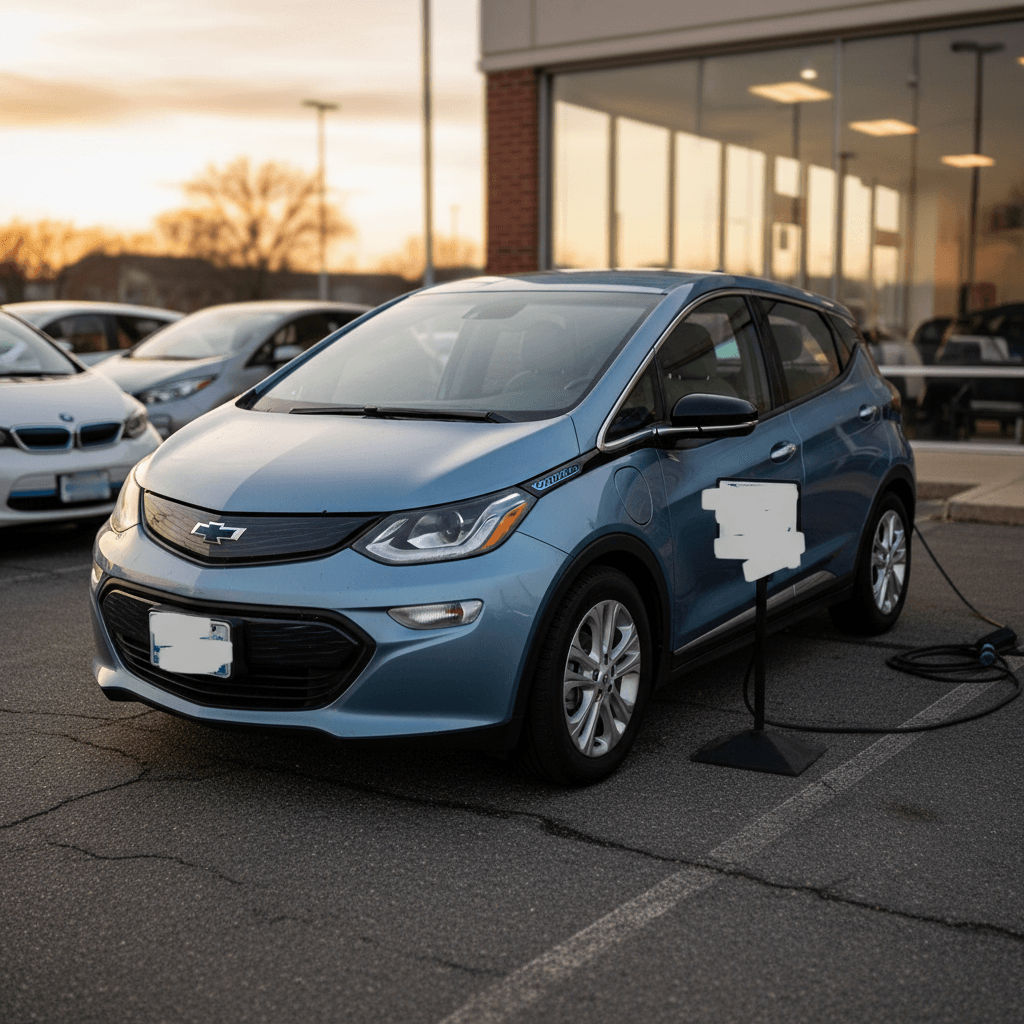
Best Overall: Chevy Bolt EV (2019–2021)
Why it wins: Big range, compact size, bargain pricing.
- Typical price: mid‑teens for 2019–2020, creeping toward $20k for low‑mile 2021s.
- EPA range: ≈238 miles.
- Great for: commuters, first EV owners, one‑car households.
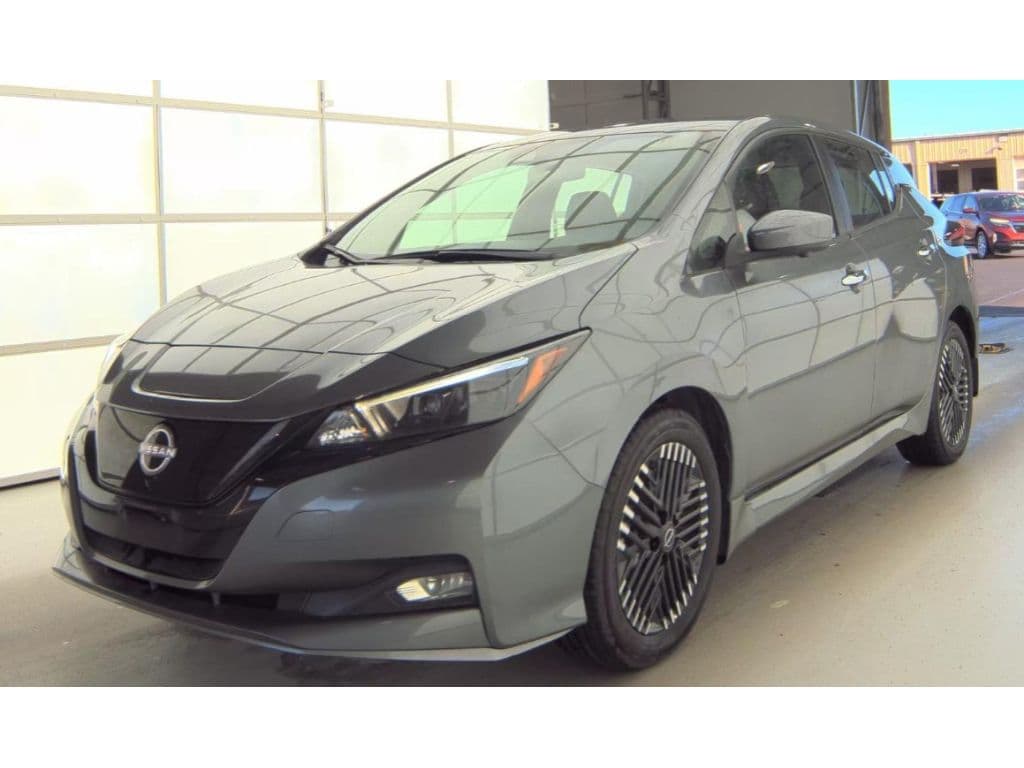
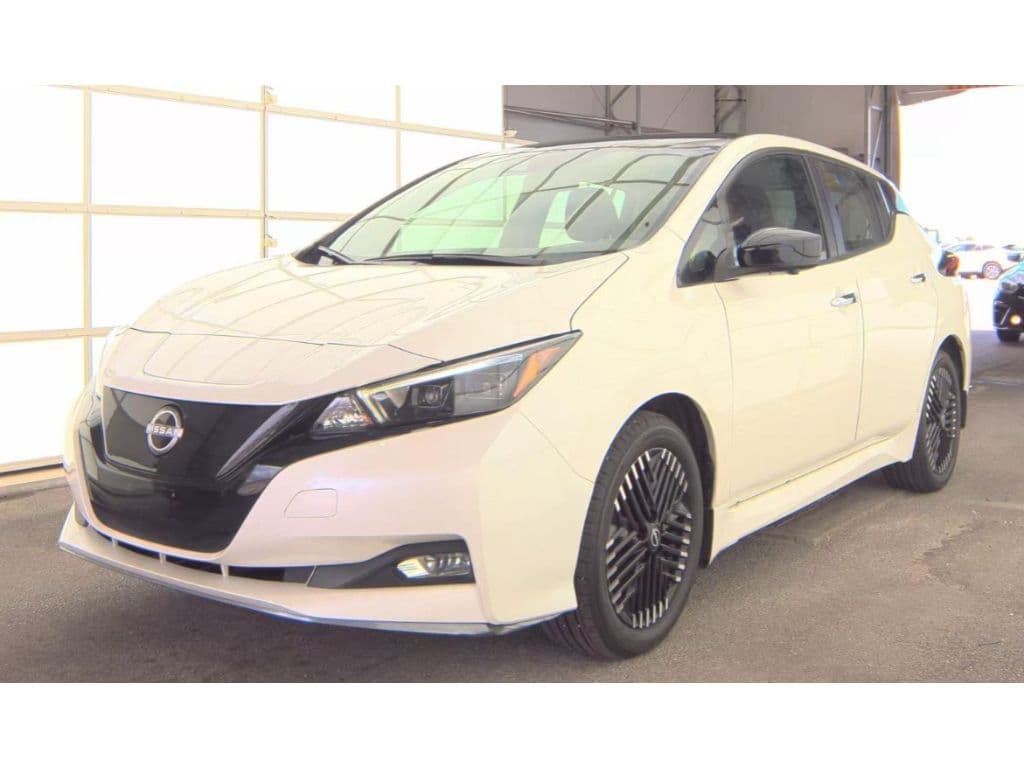
Best Budget City Car: Nissan Leaf (2018–2020, 40 kWh)
Why it’s here: Cheapest way to go electric with modern safety tech.
- Typical price: often $12k–$17k depending on mileage and trim.
- EPA range: ≈150 miles (40 kWh pack).
- Great for: short‑range commuting, urban drivers, second car.
Best Long‑Range Value: Hyundai Kona EV & Kia Niro EV (2019–2021)
Why they stand out: Road‑trip range without luxury‑brand pricing.
- Typical price: high teens for earlier model years.
- EPA range: around 239–258 miles.
- Great for: families, longer commutes, mixed city/highway driving.
You’ll also see quirky but capable options like the BMW i3, or older first‑generation EVs such as the Ford Focus Electric, VW e‑Golf, or early Kia Soul EVs drift into this bracket. They can be terrific deals if your daily driving is light, but they’re not as versatile as the cars above.
How Far $15k–$20k Really Gets You: Range & Battery Health
The big question with a used EV is always, "How much range will I really get now, not just when it was new?" Large recent studies of thousands of EVs suggest that average battery capacity loss is on the order of around 2% per year, with many cars retaining 85–90% capacity after 7–8 years, assuming normal use and charging habits. In plain English: today’s EV batteries are aging better than early fears suggested.
- A 238‑mile Chevy Bolt EV might realistically deliver 190–210 miles on a mild‑weather highway drive today, depending on age and how it’s been used.
- A 150‑mile Nissan Leaf 40 kWh might be closer to 110–130 miles if it’s lived a hard life in a hot climate, or still near its original range if it’s been babied.
- Heat, repeated fast‑charging, and high‑mileage ride‑share use can all accelerate degradation. A well‑cared‑for pack can feel almost new even at 60,000–70,000 miles.
Watch the Fine Print on Battery Warranties
Chevy Bolt EV: Best All‑Around Used EV Pick
If you asked me to name one best used EV between $15,000 and $20,000 for a wide range of American drivers, I’d point you to a 2019–2021 Chevrolet Bolt EV. It’s not perfect, but in this price band it’s the rare mix of real‑world range, practicality, and price that just works.
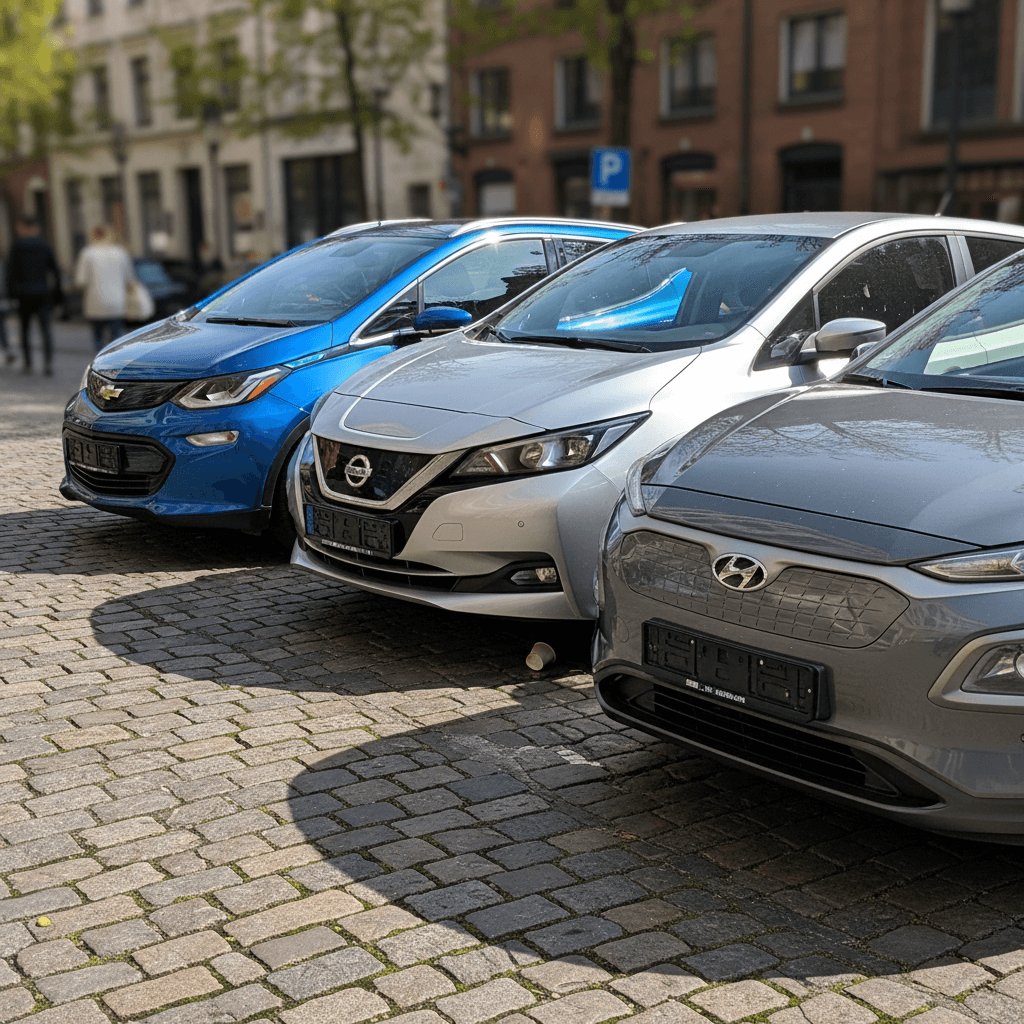
- EPA range when new: about 238 miles for 2017–2021 Bolt EV.
- Typical price in early 2026: roughly $14,000–$18,000 for 2017–2020 cars with average mileage; clean 2021 models can brush the top of this budget.
- Body style: tall hatchback, small outside, roomy inside, with a true adults‑fit rear seat and a usable cargo area.
- Charging: standard DC fast‑charging (CCS) on most used examples; Level 2 home charging will refill from near‑empty overnight.
About That Bolt Battery Recall
Chevy Bolt EV: What to Check Before You Buy
1. Confirm Recall Completion
Ask for service records showing that all battery recall campaigns are complete. A completed recall plus a recent pack can mean effectively "reset" battery life.
2. Verify DC Fast‑Charge History
Heavy DC fast‑charging isn’t a deal‑breaker, but a car that fast‑charged daily for ride‑share duty will age differently than a commuter that lived on slow Level 2 at home.
3. Inspect Tires and Brakes
Bolt EVs are quick off the line and heavy for their size. Uneven tire wear or neglected brakes can hint at hard driving or infrequent maintenance.
4. Check Infotainment and Safety Features
Look for a car with key safety tech enabled, automatic emergency braking, lane‑keep assist, and updated infotainment software all make daily use easier.
Who the Bolt EV Fits Best
Nissan Leaf: Best Budget Urban Commuter
The Nissan Leaf remains the entry ticket to EV ownership for a lot of people, and your $15,000–$20,000 goes a long way here. You’ll see two main flavors in this range: the 2018–2020 Leaf with the 40 kWh battery, and some 62 kWh "Plus" models poking up toward $20,000 depending on mileage and trim.
Why the Leaf Makes Sense
- Price: 2018–2020 40 kWh Leafs often land in the $12k–$17k range, leaving room in budget for taxes, fees, or a home charger.
- Comfort: Soft ride, simple controls, and easy visibility, great if you’re downsizing from a compact or midsize sedan.
- City duty: Instant torque in traffic, small footprint, and quiet operation make it a relaxed commuter.
Where the Leaf Falls Short
- CHAdeMO fast‑charging: Most public networks in the U.S. now prioritize CCS and NACS; CHAdeMO support is shrinking.
- Battery longevity in heat: Older Leafs without active thermal management can lose range more quickly in hot climates.
- Highway trips: Aero drag, modest range, and sparse CHAdeMO can make long‑distance drives a chore.
Tip for Leaf Shoppers
Hyundai Kona EV & Kia Niro EV: Long‑Range Value
If you crave range but don’t want a luxury badge, the Hyundai Kona Electric and Kia Niro EV deserve a long look. Early 2019–2020 examples have trickled into the high‑teens, especially with 50,000–80,000 miles on the clock, making them prime candidates in the $15k–$20k window.
- EPA range when new: around 239–258 miles depending on year and trim.
- Body style: both are more upright and SUV‑like than a Bolt or Leaf, with easier rear‑seat access and family‑friendly cargo shapes.
- Charging: CCS fast‑charging plus healthy on‑board AC charging speeds for home Level 2 use.
- Warranty reputation: Hyundai and Kia have been aggressive with battery warranties and EV coverage, which helps confidence in a higher‑mileage example.
Mind the Market Ceiling
Other Contenders: BMW i3 and Older Compliance EVs
Not every shopper needs 200 miles of range. If your world is a 20‑mile radius and you like a bargain, or something a little different, there are a few other names worth knowing in the $15,000–$20,000 bracket.
Niche But Interesting EVs Under $20k
Best for shorter trips and specific use cases
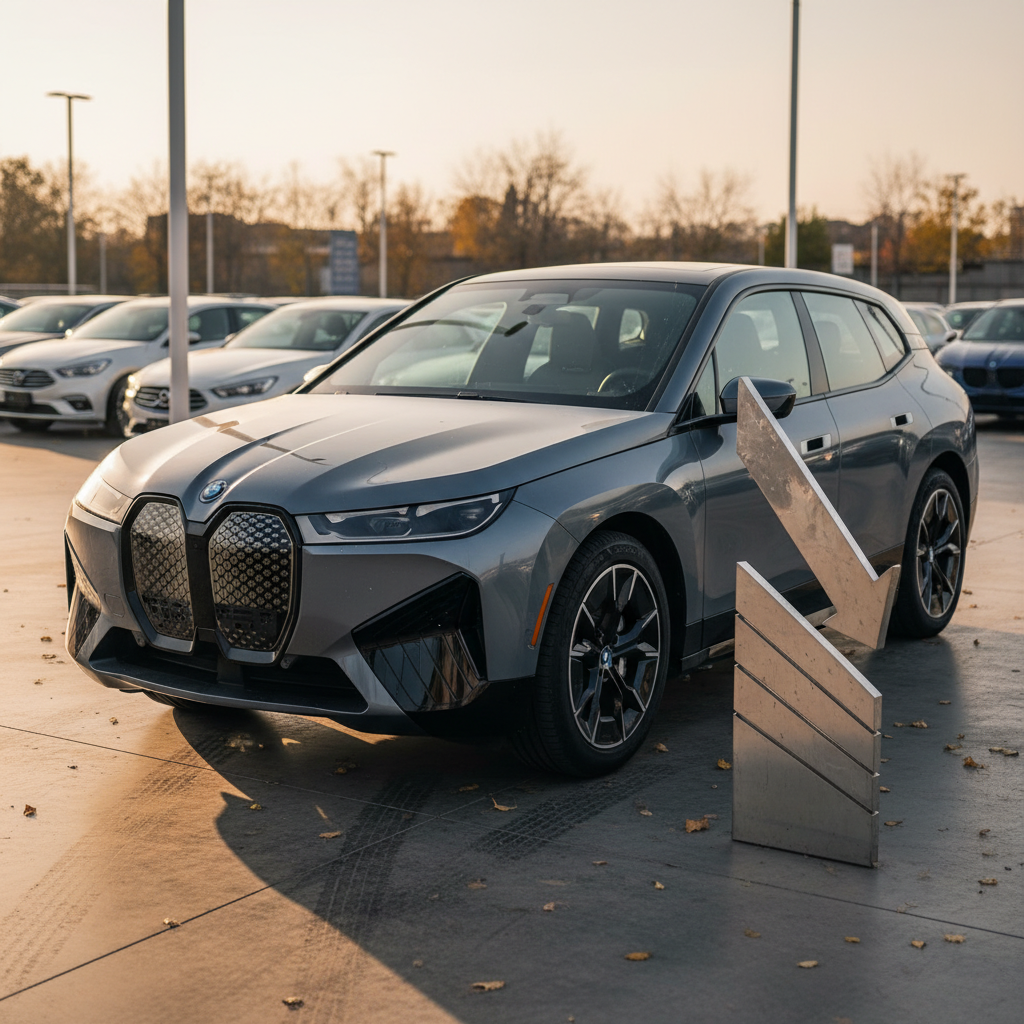
BMW i3 (BEV or REx)
Quirky city car with premium trimmings.
- Typical price: often $10k–$18k depending on year, battery, and range‑extender.
- Range: 80–153 miles electric, more with gasoline REx.
- Best for: urban commuters who value compact size and unique design over cargo space.
VW e‑Golf, Ford Focus Electric
Feels like a regular car that happens to be electric.
- Range: roughly 80–125 miles when new, less now.
- Best for: short‑range suburban or city use, buyers who prioritize familiar driving feel.
Early Kia Soul EV & Others
Boxy charm, modest range.
- Older Soul EVs often fall well below $15k.
- Great for: low‑mileage households that want cheap, cheerful local transport.
When a Cheap EV Is Too Cheap
Comparison Table: Best Used EVs $15k–$20k
Core Used EVs Between $15,000 and $20,000
Approximate U.S. pricing and specs for common models in this budget as of early 2026. Actual prices vary by region, mileage, trim, and condition.
| Model | Typical Model Years in Budget | Approx. Price Range | EPA Range When New | Best For |
|---|---|---|---|---|
| Chevy Bolt EV | 2017–2021 | $14,000–$20,000 | ≈238 mi | All‑around daily use, one‑car households |
| Nissan Leaf (40 kWh) | 2018–2020 | $12,000–$17,000 | ≈150 mi | Budget commuters, urban driving |
| Nissan Leaf Plus (62 kWh) | 2019–2020 (higher miles) | $17,000–$20,000 | ≈215–226 mi | Drivers who like the Leaf but need more range |
| Hyundai Kona EV | 2019–2020 | $18,000–$22,000* | ≈239–258 mi | Longer commutes, small families (*some trims above budget) |
| Kia Niro EV | 2019–2020 | $18,000–$22,000* | ≈239 mi | Cross‑over feel, mixed city/highway (*some trims above budget) |
| BMW i3 (94–120 Ah) | 2017–2019 | $10,000–$18,000 | ≈114–153 mi | Style‑minded city dwellers, short trips |
Use this as a starting point, then verify local pricing and battery condition for any specific car.
How to Choose the Right Used EV for You
Once you know which models fit your budget, the real question becomes: which one fits your life? A Chevy Bolt that’s perfect for a 70‑mile daily commute might be overkill for someone who rarely drives more than 15 miles a day.
Key Questions to Match an EV to Your Life
1. How Many Miles Do You Really Drive in a Day?
Look at a "normal" week, not your once‑a‑year road trip. Add a 30–40% buffer for bad weather and detours. If you truly only use 40–60 miles most days, a shorter‑range EV might be fine and cheaper.
2. Where Will You Charge Most Often?
Home Level 2 charging makes used EV ownership dramatically easier. If you rely on public chargers, prioritize models with CCS or NACS fast‑charging and strong network coverage in your area.
3. Do You Need This to Be Your Only Car?
If it’s your household’s only vehicle, aim for at least 180–200 miles of healthy real‑world range. If it’s a second car, you can comfortably live with 110–150 miles.
4. What Safety and Driver‑Assist Features Matter?
Decide whether you care about adaptive cruise control, lane‑keeping, blind‑spot monitoring, and automatic emergency braking, then focus on trims and years that include them.
5. How Long Do You Plan to Keep It?
If you’ll keep the car deep into its second decade, lean toward models that have a strong track record for battery health and, ideally, a fresh or recently replaced pack.
Checking Battery Health on a Used EV
Battery health is where used EV shopping diverges sharply from gas‑car shopping. An engine with 120,000 miles can feel tired; an EV motor with the same miles might still be fresh, but if the battery has lost too much capacity, the car can become frustrating to live with.
What You Can Check Yourself
- Range estimate when fully charged: Charge the car to 100% and note the displayed range. Compare it to the original EPA number as a rough check.
- Owner‑accessible battery info: Some models expose State of Health (SoH) or kWh remaining through a service menu or companion app.
- Warning lights: Any high‑voltage or battery icons on the dash are red flags until explained by documentation.
What a Pro or Platform Like Recharged Adds
- Scan‑tool diagnostics: A proper scan reveals pack voltage, cell balance, and sometimes a precise SoH percentage.
- Thermal‑history clues: Data can show if the car has overheated, fast‑charged excessively, or lived through repeated deep discharges.
- Structured test drive: Observing how the battery behaves over a known route reveals issues a quick spin around the block will never show.
How the Recharged Score Helps
Financing, Incentives & Shopping With Recharged
The good news about buying in the $15,000–$20,000 range is that you’re often looking at monthly payments comparable to a used compact gas car, with lower fueling and maintenance costs to help offset them. Many buyers are surprised how affordable a solid, long‑range used EV can be once they run the numbers.
- Some used EVs bought from dealers under certain price caps may qualify for federal or state incentives; check current rules where you live, as they change frequently.
- Insurance for many mainstream EVs is now in line with, or only modestly above, comparable gas cars, especially as repair networks get more comfortable with EVs.
- Routine maintenance, no oil changes, fewer wear items, can help claw back part of your monthly cost versus a gas car of the same age.
Make Financing Work for You
Recharged can also appraise your current car for a trade‑in or instant offer, or help you sell via consignment. That’s particularly helpful if you’re moving out of a gas car with strong resale value into your first EV and want to keep the process as simple as possible.
FAQs: Best Used EVs Under $20,000
Frequently Asked Questions
Bottom Line: The Best Used EV Between $15,000 and $20,000
In today’s market, the best used EV between $15,000 and $20,000 for most American drivers is a well‑chosen Chevy Bolt EV, with the Nissan Leaf, Hyundai Kona EV, Kia Niro EV, and a few quirky city cars like the BMW i3 filling in important niches. Your job is to match one of these personalities to your daily life, then make sure the specific car you’re buying has the battery health, range, and warranty coverage to back it up.
That’s where a transparent, EV‑focused marketplace like Recharged earns its keep. Every car comes with a Recharged Score battery‑health report, fair‑market pricing, and EV‑specialist support from first click to final signature, plus financing, trade‑in, and nationwide delivery options. In a used‑EV world still catching up to what buyers need, that kind of clarity turns a nerve‑wracking purchase into a confident one.