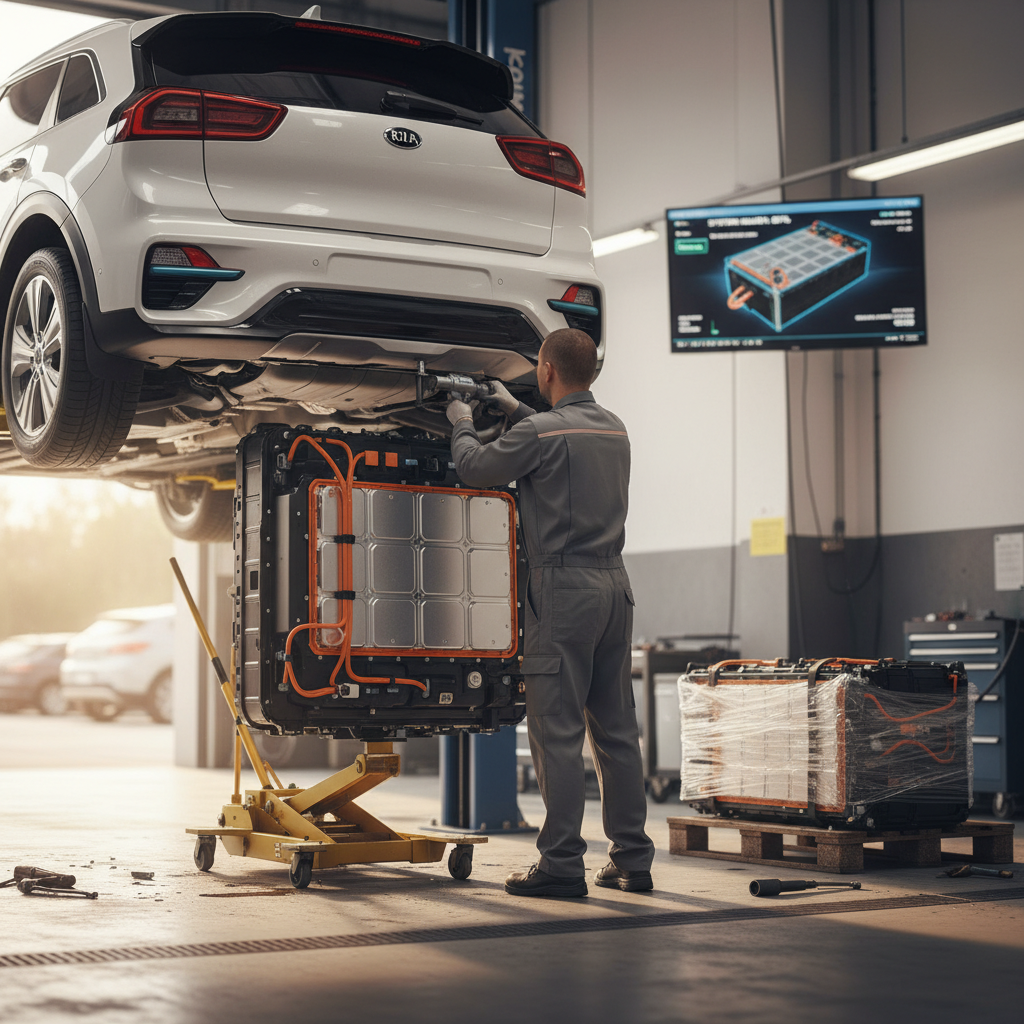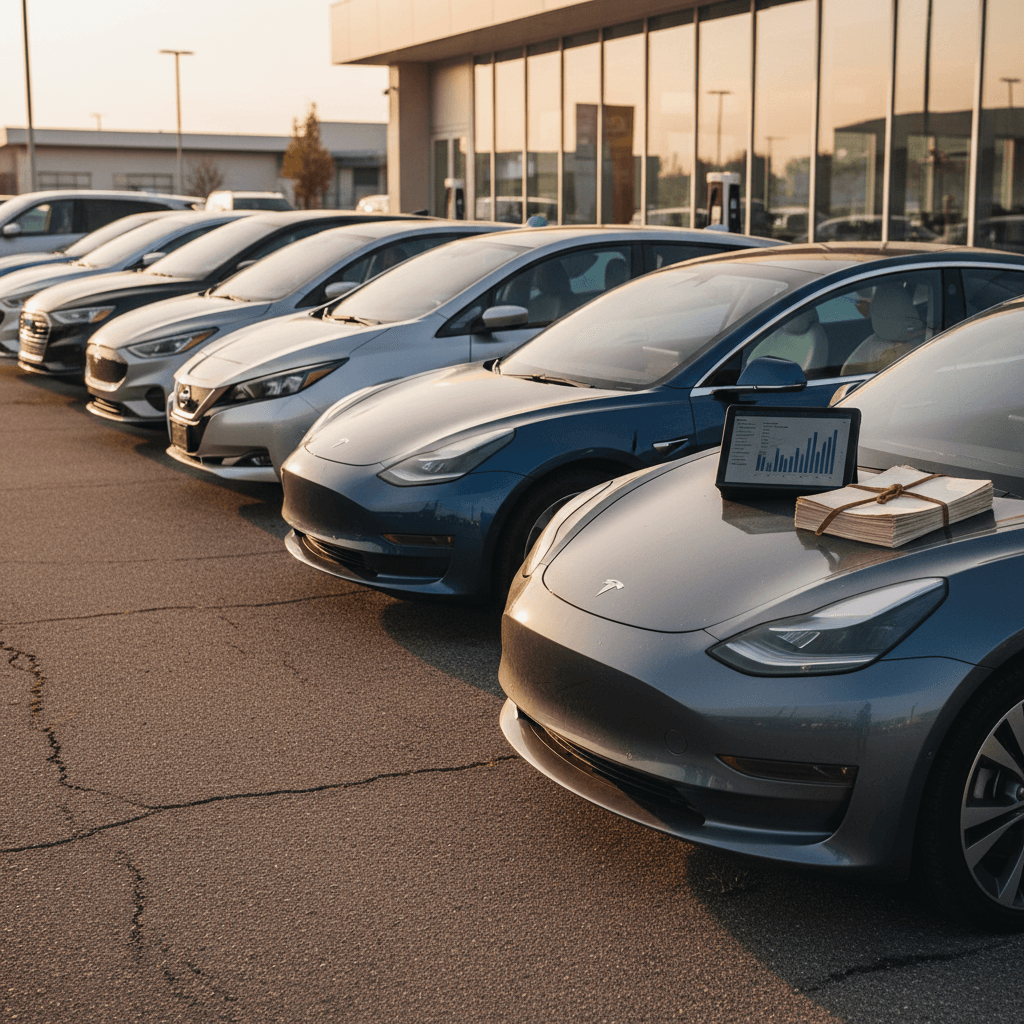
If you’ve been watching used-car prices and wondering when to jump into an electric, 2026 is finally your moment. After a steep reset over 2024–2025, used electric cars in 2026 are often priced within about a thousand dollars of similar gas models, yet they still deliver far lower fueling and maintenance costs. The catch: not every used EV is a smart buy. This guide walks you through the best used electric cars for 2026, what makes them stand out, and how to shop confidently, especially around battery health and fast-charging capability.
Quick snapshot: used EV market in early 2026
Why used electric cars are so compelling in 2026
Used EV market at a glance (2026)
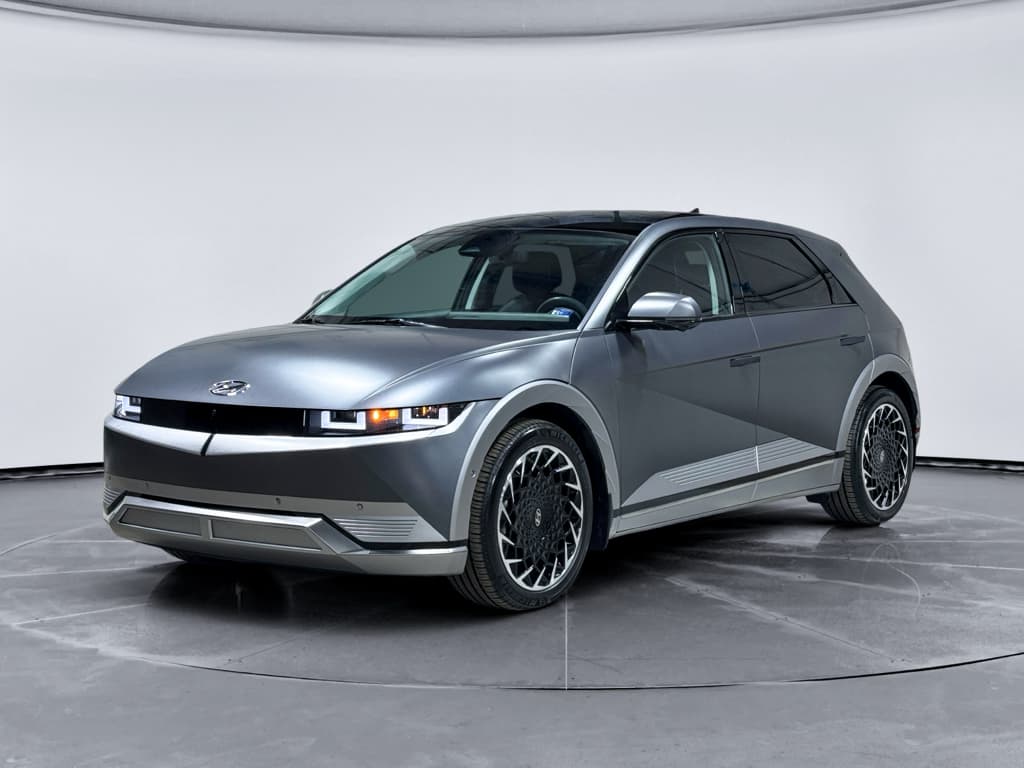
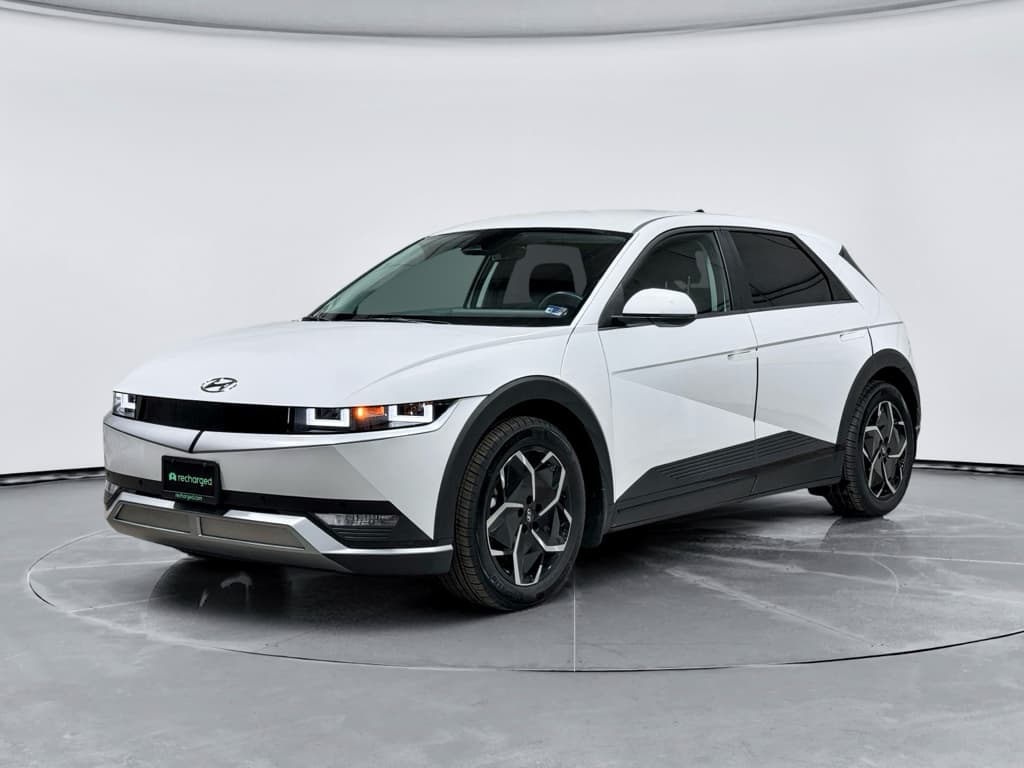
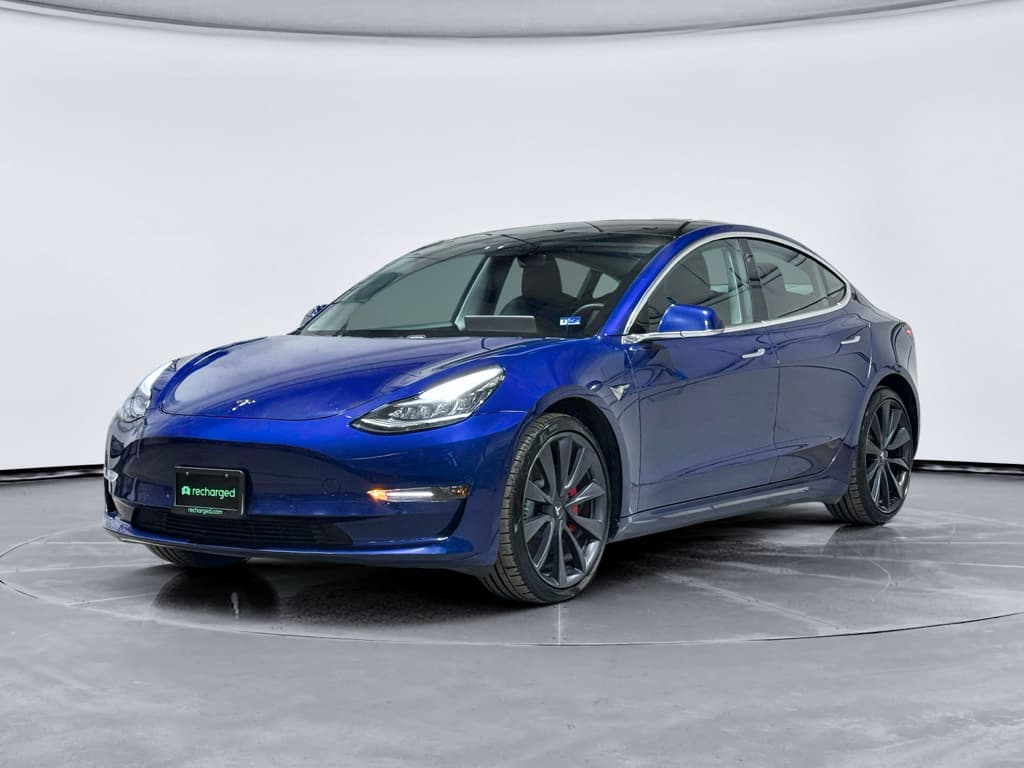
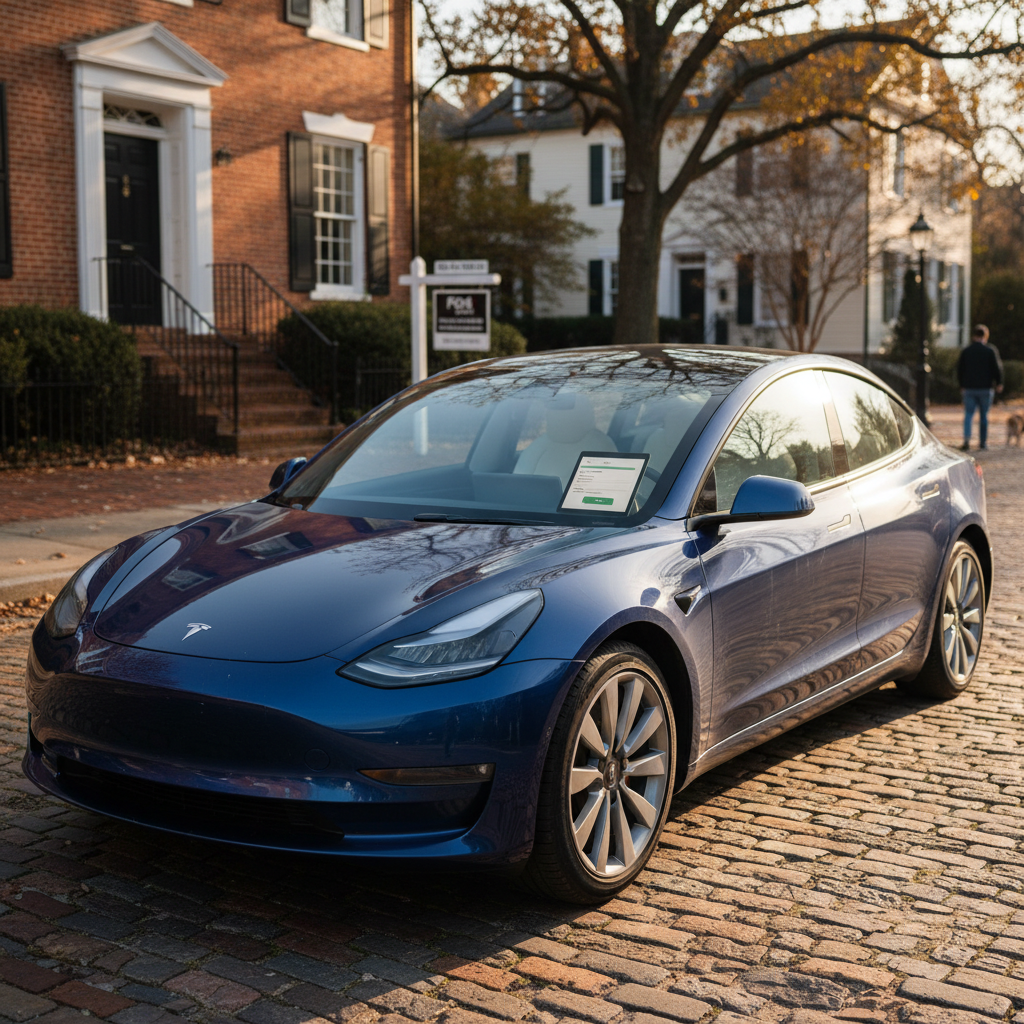
For shoppers in 2026, those numbers translate into real leverage. Models that were hot commodities in 2021 or 2022, think Hyundai Ioniq 5, Tesla Model 3, and Chevrolet Bolt EV, have moved into the used market in serious volume. Strong initial incentives and rapid new‑EV price cuts pushed their resale values down faster than gas cars. As a buyer, you capture the benefit: newer tech, long range and modern safety features for thousands less than they cost new.
Not every cheap EV is a good deal
How we picked the best used electric cars for 2026
The "best" used electric car isn’t just the one with the longest range or the biggest screen. For this 2026 list, we prioritized EVs that balance value, reliability signals, range, and charging performance. We looked at market data, independent testing, and real‑world owner feedback, then filtered that through what we see daily in the used‑EV marketplace.
- Value for money: How far has the vehicle depreciated relative to its original MSRP, and what equipment do you get for today’s used price?
- Battery and reliability track record: Reported issues, recalls, and how well the packs are holding up in real‑world use.
- Real‑world range: EPA ratings plus independent tests and owner reports, not just marketing numbers.
- DC fast‑charging performance: Peak charging speed is less important than how quickly the car adds 150–200 miles in the real world.
- Usability and comfort: Cabin space, ride quality, noise levels, and driver‑assist tech that still feels current in 2026.
- Availability in the U.S. used market: We focused on models you can realistically find nationwide or in multiple regions.
How Recharged evaluates used EVs
Core shortlist: the best used electric cars for 2026
Here’s a focused list of standout used electric cars for 2026, organized by role: everyday commuter, family hauler, value champ, and long‑range road‑trip machine. We’ve kept this to mainstream, widely available models that make sense for most U.S. shoppers.
Best used electric cars for 2026: core picks
Approximate U.S. used‑market conditions as of early 2026; prices vary by trim, mileage, and region.
| Model & years | Typical used price* | Est. range (new) | Why it’s a top pick |
|---|---|---|---|
| Tesla Model 3 (2018–2023) | Mid‑$20ks to mid‑$30ks | 220–358 mi | Most common used EV in the U.S.; strong range, fast Supercharging, and abundant parts and support. |
| Hyundai Ioniq 5 (2022–2024) | Upper‑$20ks to mid‑$30ks | 220–303 mi | Spacious, comfortable crossover with ultra‑fast 800‑V DC charging and modern interior tech. |
| Chevrolet Bolt EV / EUV (2019–2023) | Mid‑teens to low‑$20ks | 238–259 mi | Outstanding efficiency and value; many got new battery packs under recall, effectively "resetting" pack age. |
| Kia EV6 (2022–2024) | Low‑$30ks to high‑$30ks | 232–310 mi | Sporty drive, long range, and some of the fastest DC charging in the segment. |
| Hyundai Kona Electric (2019–2023) | Low‑ to mid‑$20ks | 258 mi | Compact, efficient, and often cheaper than Ioniq 5; great for commuters who don’t need a big cabin. |
| Nissan Leaf (2018–2024, 40–62 kWh) | Low‑teens to low‑$20ks | 150–226 mi | One of the cheapest ways into an EV; best as a local commuter due to older fast‑charging standard. |
| Volkswagen ID.4 (2021–2024) | Low‑ to mid‑$30ks | 209–291 mi | Roomy family crossover with decent range; attractive when priced below Ioniq 5 / EV6 peers. |
| Audi e‑tron / Q8 e‑tron (2019–2023) | High‑$20ks to mid‑$30ks | ~204–300 mi | Luxury SUV that’s depreciated hard; comfortable and quiet if you can live with modest range. |
Always confirm current pricing and battery health for any individual vehicle, these ranges are directional, not offers.
If you just want the short answer…
Best used electric cars by use case
Pick a short list that matches how you actually drive
Daily commuter & city driver
Best bets: Chevy Bolt EV/EUV, Hyundai Kona Electric, Nissan Leaf (62 kWh).
- Easy to park and efficient.
- Plenty of range for sub‑60‑mile days.
- Often the lowest purchase prices.
Family hauler & road‑tripper
Best bets: Hyundai Ioniq 5, Kia EV6, VW ID.4.
- Roomier back seats and cargo holds.
- Stronger DC fast‑charging than early EVs.
- Comfortable for multi‑hour highway stints.
Luxury & comfort first
Best bets: Audi e‑tron/Q8 e‑tron, higher‑trim Model 3.
- Quieter cabins and better materials.
- Advanced driver‑assist features.
- Big depreciation = smaller used‑price gap to mainstream EVs.
Best used electric cars by budget in 2026
If you’re shopping by monthly payment instead of model name, it helps to think in budget bands. Below are realistic targets for U.S. used‑EV shoppers in 2026; exact prices will swing by region, mileage, and trim level.
Best used EVs by price band (2026)
Directional pricing only; assumes clean titles and typical mileage for age.
| Budget band | Typical candidates | What you can expect |
|---|---|---|
| Under $15,000 | Older Nissan Leaf (40 kWh), early Chevy Bolt EV, older BMW i3, first‑gen Hyundai Ioniq Electric | Shorter range or older tech, but great for local driving if you have home charging. |
| $15,000–$25,000 | Chevy Bolt EV/EUV, Hyundai Kona Electric, newer Nissan Leaf (62 kWh), some early Model 3s and ID.4s with higher miles | Strong commuting range and modern safety tech; best balance of price and capability. |
| $25,000–$35,000 | Tesla Model 3 (most years), Hyundai Ioniq 5, VW ID.4, Kia Niro EV, some Kia EV6 | Mainstream sweet spot for many buyers: ~250+ miles of range, road‑trip capability, and newer batteries. |
| $35,000+ | Kia EV6 GT‑Line and AWD trims, newer long‑range Model 3, Audi e‑tron/Q8 e‑tron, higher‑spec Ioniq 5 | Late‑model, better‑equipped EVs with advanced driver assistance and longer warranties still in force. |
Remember to compare total cost of ownership, fuel and maintenance, rather than sticker price alone.
Stretching your budget the smart way
Range, charging, and whether a used EV actually fits your life
Before you fall in love with a specific model, sanity‑check how it fits your daily routine. In practice, the "best" used electric car in 2026 is the one that comfortably covers your typical driving with a buffer, has a realistic fast‑charging plan for road trips, and works with your home or workplace setup.
Know your real daily range needs
- Add up a normal weekday: commute, errands, kid drop‑offs.
- Multiply that distance by 1.5 for a comfortable buffer.
- Compare against the car’s expected usable range today, not the original EPA number.
For many U.S. households, that means anything rated 200 miles or more when new still feels generous in daily use, especially with overnight home charging.
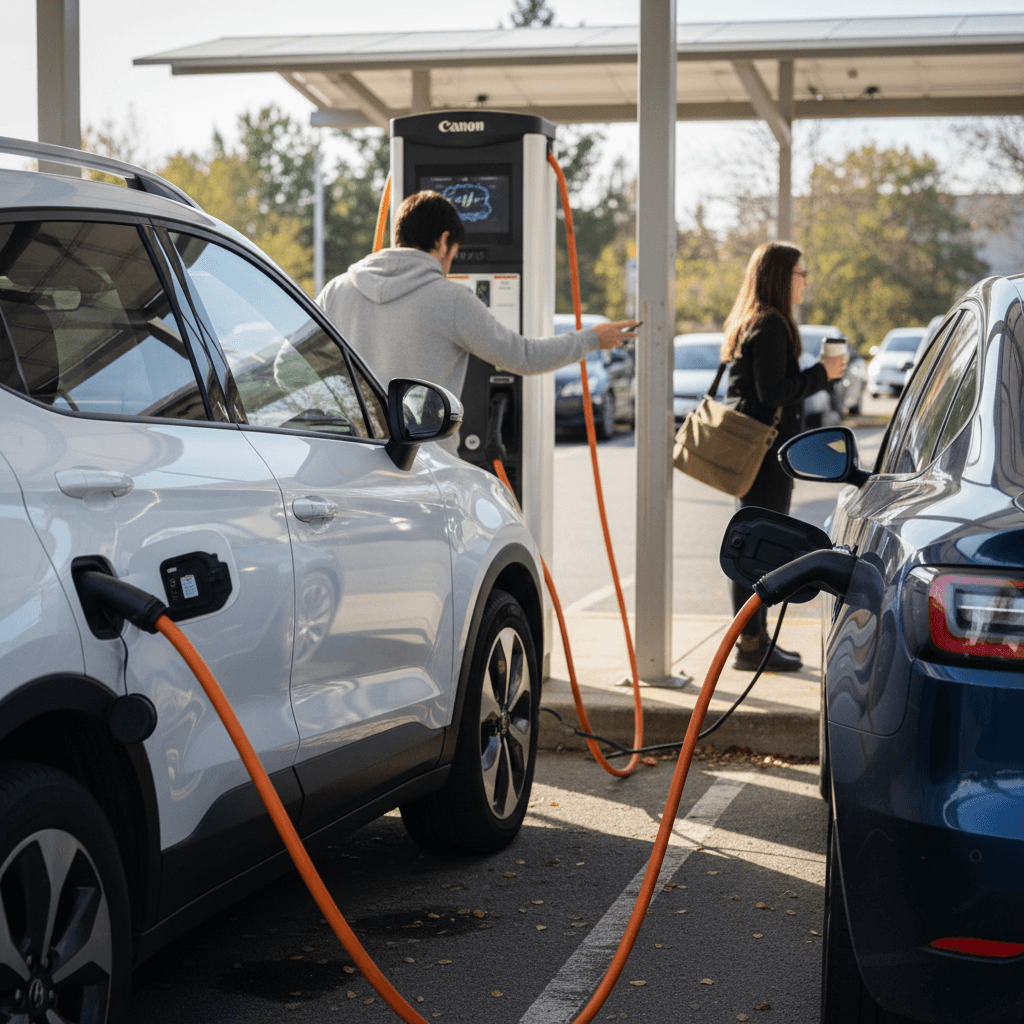
Map out your charging reality
- If you have a driveway or garage, plan to install at least a Level 2 (240‑V) charger.
- If you rent or park on‑street, scout reliable public Level 2 and DC fast chargers near home and work.
- Check whether the car supports DC fast charging and NACS/CCS access for highway trips.
Newer EVs from Hyundai, Kia, Ford, GM and others increasingly offer access to Tesla Superchargers via the North American Charging Standard (NACS), which further boosts their long‑distance usability in 2026.
CCS vs. NACS on a used EV
Battery health: what really matters on a used EV
Battery health is the single most important variable for any used electric car. A well‑cared‑for EV battery can comfortably last 10+ years for typical drivers; a neglected pack or one that’s been repeatedly fast‑charged hard in hot climates may show noticeable range loss sooner.
Four pillars of healthy used‑EV batteries
You can’t see battery health in photos, dig deeper before you buy
State of health (SoH)
Represents the pack’s usable capacity vs. when new. Many good used EVs still show 85–95% SoH after several years.
Climate history
EVs that spent life in very hot regions and sat fully charged frequently are more likely to show degradation.
Charging patterns
Occasional DC fast charging is fine. Constant fast charging from 0–100% can accelerate wear compared with mostly Level 2 charging.
Software & recalls
Some packs (like many Bolts) received new batteries under recall or software updates that improved longevity and safety.
How Recharged handles battery checks
Battery‑health questions to ask before you buy
1. What’s the measured battery state of health?
Ask for a recent diagnostic report, not just "it still gets good range." A healthy used pack often shows 85%+ SoH, depending on age and mileage.
2. Has the car had any battery recalls or pack replacements?
A recall‑related battery replacement (common on Bolts) can be a positive, effectively giving you a newer pack than the model year suggests.
3. How was the car usually charged?
Look for cars whose owners mostly used home Level 2 charging and avoided leaving the battery at 100% for long periods.
4. What’s the real‑world range today?
On a full charge, how many miles does the dash estimate? Compare that to the original EPA rating and owner reports for the same model.
5. Is the high‑voltage battery warranty still active?
Many OEMs cover the pack for 8 years / 100,000 miles or more. A car still under battery warranty can reduce long‑term risk.
Pricing, deals, and when to buy in 2026
Used‑EV pricing has been choppy the last couple of years. After sharp drops in 2024 and 2025, values started to stabilize, but they’re still influenced by new‑EV discounts, interest‑rate moves, and regional incentives. In early 2026, that leaves shoppers with a rare combination: plenty of choice and still‑soft prices on many late‑model EVs.
What’s driving used‑EV prices in 2026?
Where the best deals tend to be
- High‑MSRP luxury EVs: Audi e‑tron/Q8 e‑tron, some premium trims of EV6 and Ioniq 5, and earlier luxury sedans often take steep depreciation.
- Short‑range but efficient models: Older Leafs and BMW i3s can be bargains for city use.
- Models that were heavily incentivized new: Vehicles with big lease or purchase subsidies in 2022–2024 often show up as used bargains in 2026.
When to time your purchase
- Lease‑return waves often peak late in the model year, adding inventory and modest downward pressure on prices.
- If a new‑model refresh is coming, outgoing models may soften further as dealers clear late‑model used inventory.
- Watch interest‑rate trends; a drop in rates can improve affordability even if sticker prices don’t move much.
Financing and trade‑ins with Recharged
Ready to find your next EV?
Browse VehiclesChecklist: how to test-drive and inspect a used EV
Evaluating a used electric car feels different from a gas vehicle. You’re less worried about oil leaks and more focused on range, software, and how the car charges. Use this checklist as a structured way to vet any EV you’re serious about.
On‑the‑ground used‑EV inspection checklist
1. Confirm battery health and charging history
Review a recent battery health report, ask how the car was usually charged, and look for documentation of any recall or pack replacement.
2. Inspect tires and brakes
EVs are heavy; worn tires or brakes are more common. Uneven wear can signal alignment issues that will cost money down the road.
3. Test Level 2 and fast charging (if possible)
If you can, plug into a Level 2 charger and a DC fast charger during your test period. Confirm it charges at expected speeds and doesn’t throw errors.
4. Check driver‑assist and infotainment features
Confirm that adaptive cruise control, lane‑keeping, parking sensors, and the touchscreen system all work as expected. Software glitches can be annoying and pricey to resolve out of warranty.
5. Listen for unusual noises on the road
EVs are quiet, so wind noise, rattles, or suspension clunks are easier to hear. Drive over rough pavement and at highway speeds to expose issues.
6. Verify included accessories
Make sure the portable charging cable, any adapters (especially NACS/CCS), cargo covers, and second keys are included, they’re expensive to replace.
Red flags that should make you walk away
FAQ: best used electric cars in 2026
Frequently asked questions about the best used electric cars for 2026
Bottom line: choosing the right used EV for 2026 and beyond
In 2026, the real opportunity in electric cars has shifted from brand‑new models to the used market. Depreciation has done a lot of the work for you: well‑equipped EVs with 200–300 miles of range and serious fast‑charging capability are now priced within striking distance of comparable gas vehicles. The key is to focus less on the badge and more on how the car fits your driving, how healthy its battery is, and how it charges on the routes you actually use.
Start with a short list, Tesla Model 3, Hyundai Ioniq 5, Kia EV6, Chevy Bolt EV/EUV, and Hyundai Kona Electric for commuters, then compare real‑world range, battery‑health data, and charging options. If you’d like a head start, you can browse Recharged’s inventory of used EVs, each with a Recharged Score Report, transparent pricing, financing, trade‑in support, and nationwide delivery. However you shop, take your time, ask detailed questions about the battery, and you’ll be well‑positioned to make 2026 the year you go electric on your terms.