If you’re hunting for the best used electric car under $15,000, you’re shopping in the sweet spot of today’s EV market. Depreciation has pushed a wave of early and mid‑2010s electric cars into true budget territory, but battery health and range can vary wildly from car to car.
What this guide covers
Why $15,000 Is a Sweet Spot for Used EVs
In 2025–2026, the first big generation of mass‑market EVs, cars like the Nissan Leaf, Chevrolet Spark EV, Fiat 500e, BMW i3 and Kia Soul EV, has fully filtered into the sub‑$15,000 bracket. New EV prices climbed during the pandemic; now the opposite is happening in used EVs as supply finally catches up. That’s why you’re seeing five‑figure discounts versus original MSRPs on models that still make solid commuter cars.
The sub‑$15K used EV market at a glance
The catch: batteries and fast charging
Quick answer: best used electric cars under $15K
Below are the models most shoppers in the U.S. will actually see under $15,000 today. Exact pricing varies by mileage, battery health, and region, but these cars consistently show up near or below that mark.
Best used EVs under $15,000 (2025–2026)
Core picks you’ll actually find at this price point
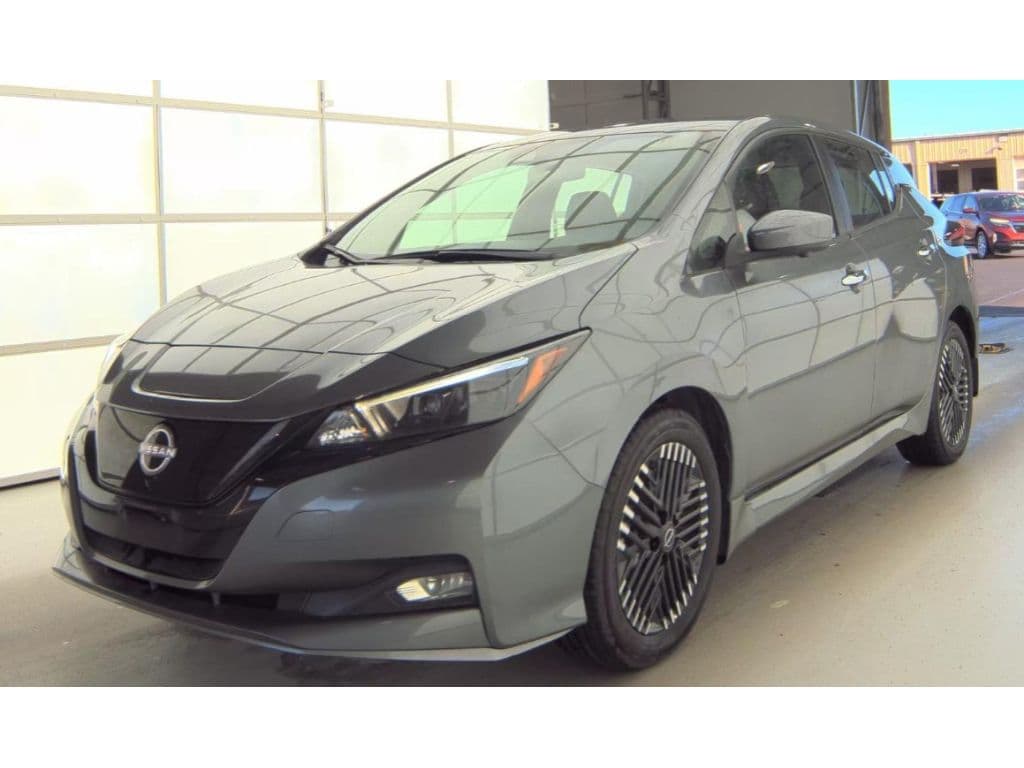
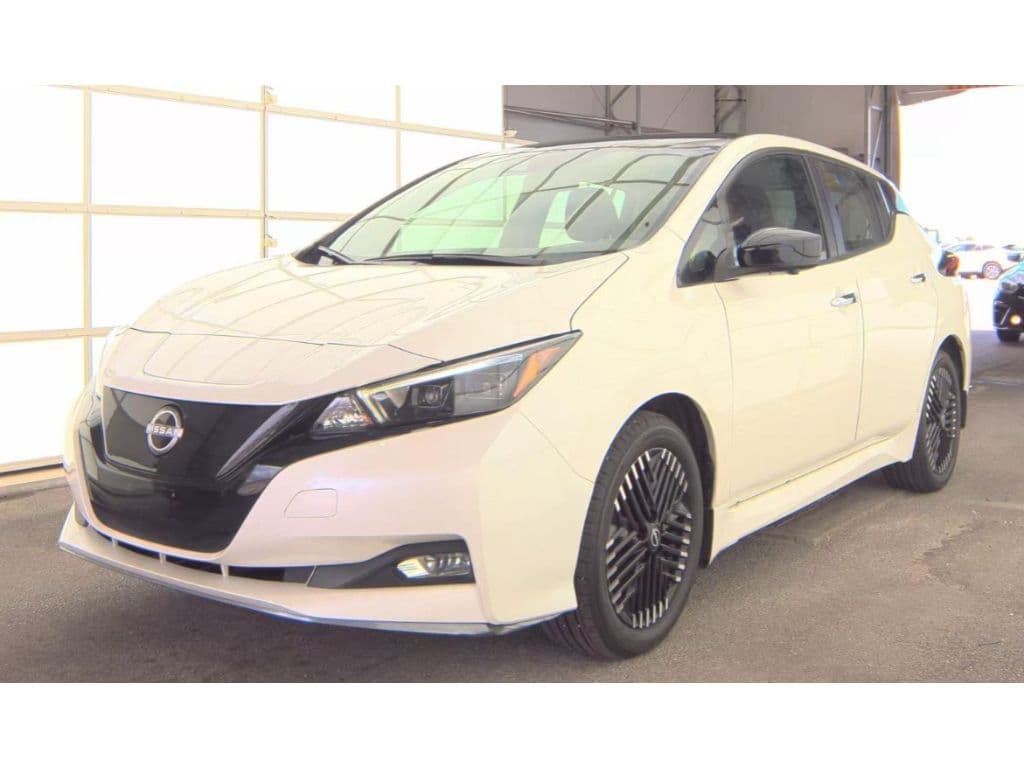
Nissan Leaf (2013–2018)
Why it’s a contender: By far the most common cheap used EV, with huge parts and service support.
- Typical price: often $7,000–$13,000 depending on year and miles
- Original EPA range: ~84–151 miles (battery size and year matter)
- Best for: Short‑to‑medium commutes, predictable daily driving
Chevrolet Spark EV (2014–2016)
Why it’s fun: Tiny footprint, big torque, and serious value when you find a clean one.
- Typical price: frequently under $10,000
- Original EPA range: ~82 miles
- Best for: City driving, second car, students
Fiat 500e (2013–2019)
Why people love it: Style and character first, with enough range for urban life.
- Typical price: often $8,000–$12,000
- Original EPA range: ~84 miles
- Best for: Style‑conscious city commuters, low‑mileage drivers
BMW i3 (2014–2017 BEV & REx)
Why it’s special: Lightweight carbon‑fiber structure, premium interior, and strong efficiency.
- Typical price: early high‑mile examples near $12,000–$15,000
- Original EPA range: ~81–114 miles for early BEV; REx adds a gas backup.
- Best for: Drivers who want a premium feel and unique design.
Kia Soul EV (2015–2018)
Why it’s practical: Boxy shape, usable rear seats, and a more conventional feel.
- Typical price: often in the low‑ to mid‑teens
- Original EPA range: ~93–111 miles
- Best for: Families needing extra headroom and cargo height.
Volkswagen e‑Golf, Ford Focus Electric & others
Why they’re sleepers: Familiar compact‑car dynamics with all‑electric drivetrains.
- Typical price: usually under $15K with higher miles
- Original EPA range: generally 80–125 miles
- Best for: Shoppers who want a normal‑looking hatchback that just happens to be electric.
Can you find a Chevy Bolt EV under $15K?
How far they really go: range expectations under $15K
Original EPA range tells only part of the story. A 2015 EV that launched with 84 miles of range may only deliver 60–70 usable miles now, depending on climate, fast‑charging history, and how the previous owner drove and charged it.
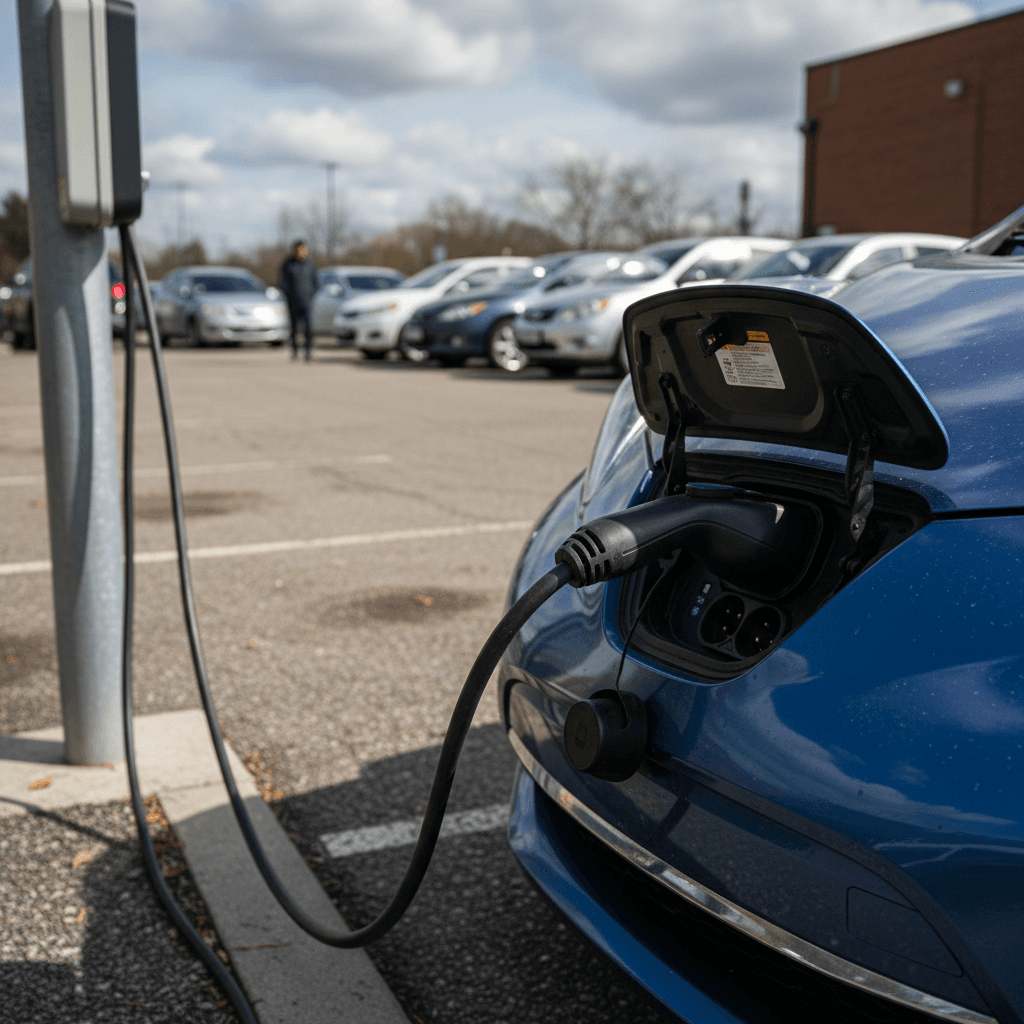
Original vs likely real‑world range on popular sub‑$15K EVs
Approximate ranges assume several years of typical use and some battery wear. Individual cars can be better or worse.
| Model (typical years under $15K) | Original EPA range (mi) | Likely comfortable daily range today* | Fast‑charging? (DC) |
|---|---|---|---|
| Nissan Leaf (2013–2017 24–30 kWh) | ~84–107 | 50–70 | Some trims; early cars often CHAdeMO only |
| Nissan Leaf (2016–2018 30–40 kWh) | ~107–151 | 70–100 | Yes (CHAdeMO) on most |
| Chevrolet Spark EV (2014–2016) | ~82 | 45–65 | Yes (CCS) on many, check options |
| Fiat 500e (2013–2019) | ~84 | 45–65 | No DC fast charge; Level 2 only |
| BMW i3 BEV (2014–2017) | ~81–114 | 55–80 | Early cars CCS optional; later more common |
| BMW i3 REx (2014–2017) | ~72–97 EV + gas backup | 45–70 electric, plus gas range | CCS similar to BEV; confirm per car |
| Kia Soul EV (2015–2018) | ~93–111 | 60–80 | Yes (CHAdeMO) |
| VW e‑Golf (2015–2017) | ~83–125 | 55–85 | Yes (CCS) on most |
| Ford Focus Electric (2015–2018) | ~76–115 | 50–80 | 2017+ models add CCS fast charge |
Use this as a starting point, then verify with a battery health report for the specific car you’re considering.
Think in round trips, not headlines
Battery health: the make-or-break factor
On a used EV under $15K, battery state of health (SOH) is more important than leather seats or a moonroof. Two identical 2016 Leafs can differ by 20–30% in remaining capacity depending on climate and how they were charged. That’s the difference between a great commuter and a car you outgrow in a year.
What hurts an EV battery
- Hot climates: Long exposure to heat, especially in cars without active thermal management (like early Leafs), accelerates degradation.
- Lots of DC fast charging: Occasional fast charging is fine, but constant DCFC over years can add wear.
- Always charging to 100% and sitting full: Keeping a pack at max charge for days isn’t healthy long‑term.
- High mileage without maintenance records: Not a deal‑breaker by itself, but it raises questions you should answer.
What helps an EV battery
- Cooler climates: Mild temperatures are generally friendly to lithium‑ion packs.
- Mostly Level 2 or Level 1 charging: Slower charging is gentler on the chemistry.
- Charging to 70–80% for daily use: Many owners use charge limits to reduce stress on the pack.
- Documented dealer service: Shows software updates and potential warranty work were handled on schedule.
Don’t trust dashboard bars alone
On Recharged, every vehicle comes with a Recharged Score Report that includes verified battery diagnostics. Instead of guessing from dashboard bars, you see capacity and estimated real‑world range based on lab‑grade testing, not just the car’s own estimate.
Which model fits you? City commuter vs flexible all‑rounder
“Best” used electric car under $15K depends less on internet rankings and more on how you’ll actually drive. A student with street parking in the city has a different ideal car than a suburban commuter with a two‑car garage and a 40‑mile round trip.
Match a sub‑$15K EV to your driving profile
Start with how you’ll use the car most days, then work backward to the right model.
Primarily city / short‑hop driving
Typical profile: Under 30–40 miles a day, plenty of stop‑and‑go, tight parking.
- Best fits: Chevrolet Spark EV, Fiat 500e, early Nissan Leaf, Smart ED.
- What to prioritize: Maneuverability, easy charging near home or work, low price.
- What to watch: Range in winter; these cars can drop below 60 comfortable miles in cold weather.
Suburban commuter with home charging
Typical profile: 30–70 miles per weekday, driveway or garage for overnight Level 2 charging.
- Best fits: 30–40 kWh Nissan Leaf, Kia Soul EV, VW e‑Golf, Ford Focus Electric, early BMW i3.
- What to prioritize: Battery health reports, remaining factory battery warranty, comfortable seating.
- What to watch: CHAdeMO vs CCS fast‑charge ports if you ever take occasional road trips.
Second family car / shared runabout
Typical profile: School runs, errands, local weekend trips, alongside a gas car for longer journeys.
- Best fits: Almost any under‑$15K EV with a healthy battery and 70+ miles of realistic range.
- What to prioritize: Back‑seat space, cargo flexibility, ease of child‑seat installation.
- What to watch: Insurance and repair costs on premium brands like BMW vs mainstream models.
Occasional longer trips, lots of errands
Typical profile: Mostly local driving, but 2–3 times a month you need 100+ miles in a day.
- Best fits: Higher‑capacity Leaf (30–40 kWh), BMW i3 REx (with gas backup), or stretching budget toward an early Chevy Bolt EV if you can.
- What to prioritize: Largest usable battery, reliable fast‑charging standard in your region.
- What to watch: Don’t underestimate how much range you lose at highway speeds and in winter.
Key specs comparison: used EVs under $15K
Here’s a side‑by‑side look at some of the most common used EVs under $15,000, focusing on what matters most to budget shoppers: approximate pricing, original range, and standout traits.
Popular used EVs commonly found under $15,000
Approximate U.S. retail prices as of early 2026; your local market may be higher or lower.
| Model | Typical used price range | Original EPA range (mi) | Drive type | Notable pros | Watch‑outs |
|---|---|---|---|---|---|
| Nissan Leaf (2013–2017, 24–30 kWh) | $7,000–$12,000 | ~84–107 | FWD | Huge availability, simple to service, comfortable ride. | Passive‑cooled battery more prone to degradation in hot climates. |
| Nissan Leaf (2016–2018, 30–40 kWh) | $10,000–$15,000 | ~107–151 | FWD | More range headroom, still budget‑friendly. | Higher‑capacity packs often used heavily, battery test is critical. |
| Chevrolet Spark EV (2014–2016) | $6,000–$10,000 | ~82 | FWD | Very quick around town, CCS fast charging on many cars. | Tight back seat and cargo space, limited highway comfort. |
| Fiat 500e (2013–2019) | $8,000–$12,000 | ~84 | FWD | Charming design, fun to drive, often well‑equipped. | No DC fast charging; best as a pure city car. |
| BMW i3 BEV/REx (2014–2017) | $12,000–$15,000+ | ~72–114 (EV) | RWD | Premium feel, light and efficient, available with gas range extender. | Rear‑hinged doors not for everyone; BMW maintenance costs can be higher. |
| Kia Soul EV (2015–2018) | $11,000–$15,000 | ~93–111 | FWD | Boxy practicality, good seating position, friendly to taller drivers. | Earlier CHAdeMO fast charging; double‑check pack health and warranty. |
| VW e‑Golf (2015–2017) | $10,000–$15,000 | ~83–125 | FWD | Drives like a regular Golf, high quality interior. | Limited nationwide availability; check fast‑charge capability per trim. |
| Ford Focus Electric (2015–2018) | $9,000–$14,000 | ~76–115 | FWD | Familiar compact feel, reasonable cargo space. | Earlier years lack fast charging; battery warranty terms vary. |
Always verify the exact battery size and trim; they can change range and fast‑charging support significantly.
Why you see so many Leafs
Red flags and deal-breakers on cheap used EVs
Even at $10,000–$15,000, a used EV is still a major purchase. Here are the warning signs that should make you slow down, or walk away completely.
Red flags to watch for on sub‑$15K EVs
Battery bars or SOH clearly below peers
If comparable cars from the same year and mileage show 10–15% more battery health, that bargain price may be hiding heavy degradation. Ask for a third‑party battery report before proceeding.
No fast-charging on a car you want to road‑trip
Many early EVs lack DC fast‑charging hardware or use standards (like CHAdeMO) with shrinking public support. For city‑only driving this may be fine; for road trips it’s a deal‑breaker.
Accident or flood history involving the high‑voltage system
Minor fender‑benders aren’t necessarily an issue, but serious damage near the battery pack or underbody can be costly and risky. Review vehicle history closely and consider a pre‑purchase inspection by an EV‑savvy shop.
Unusually cheap for the year, miles and trim
If one 2017 Leaf is listed for thousands less than comparable examples with similar mileage, ask why. There may be hidden battery or title issues that don’t appear in photos.
No service records, no charger, no key details
Missing documentation isn’t always a deal‑breaker, but when combined with vague answers about charging habits and usage, it’s a sign to be cautious, especially from private sellers.
Seller can’t explain battery warranty status
Many EVs carry 8‑year battery warranties from their original in‑service date. If no one can tell you whether the pack is still covered, call a dealer with the VIN or work with a retailer that verifies this for you.
Don’t forget cold-weather range loss
How to shop smart for a used EV under $15K
Finding the best used electric car under $15,000 isn’t just about picking the right model name. It’s about stacking the odds in your favor on battery health, charging fit and total cost of ownership.
Step‑by‑step: buying a used EV under $15,000
1. Define your minimum usable range
Write down how many miles you actually drive on a typical day, including side trips, and decide your comfort buffer. For many buyers, a realistic 70–100 miles is plenty if you can charge nightly.
2. Decide where you’ll charge 90% of the time
Home Level 2 charging in a driveway or garage unlocks the most value from a budget EV. If you rely on public stations, look at connector types (CCS vs CHAdeMO) and network coverage where you live.
3. Shortlist 2–3 models that fit your use case
Use the tables above to pick a few candidates rather than chasing every cheap listing. Focus searches on those models so you learn their quirks and pricing patterns.
4. Check battery warranty status and recalls
Use the VIN to confirm the original in‑service date and whether the high‑voltage battery is still within the factory warranty window. Look for open recalls, especially on charging hardware or packs.
5. Get independent battery health data
Ideally, use a proper diagnostic tool or a retailer that provides a lab‑grade battery report. At Recharged, this is built into the Recharged Score, so you’re not guessing from dash bars or seller claims.
6. Compare total value, not just sticker price
Factor in charging equipment (do you need to buy a Level 2 charger?), potential tax incentives on used EVs, and any dealer fees. A slightly more expensive car with a healthier battery is usually the cheaper choice long‑term.
Leverage EV‑specific marketplaces
Why buy through an EV specialist like Recharged
You can absolutely find a solid sub‑$15K EV from a private seller or traditional dealer. But most of those listings were built for gas cars: odometer, trim, and a long list of generic features. For an EV, the story is different, battery health, fast‑charging support, and software history carry far more weight than chrome wheels.
What Recharged adds for budget EV buyers
- Recharged Score battery diagnostics: Every car includes a detailed battery health and range report, so you can see how much capacity is left before you buy.
- Fair market pricing: Listings are benchmarked against real‑world transaction data, so a "cheap" EV is cheap for the right reasons, not because of a hidden battery problem.
- EV‑specialist support: You can talk to a team that lives and breathes electric, ideal if this is your first EV and you’re nervous about picking the wrong one.
- Financing, trade‑in, and digital paperwork: You can handle everything online, from pre‑qualification to signing, with nationwide delivery available.
Why this matters under $15,000
- Thin margins amplify mistakes: When you’re working with a $10K–$15K budget, a bad battery can be the difference between a great deal and a car you need to unload in a year.
- Better transparency, less guesswork: Reports that translate raw battery data into estimated real‑world range make it easier to see whether that cute city EV really fits your commute.
- Help with incentives and logistics: Recharged can walk you through financing options, used‑EV tax credits when available, and getting the car to your driveway.
If you approach it methodically, the best used electric car under $15,000 can be an incredibly low‑stress daily driver: cheap to run, easy to park, and quiet in traffic. Focus on the right models for your use case, insist on clear battery health information, and don’t be afraid to lean on EV‑specialist marketplaces like Recharged to do the heavy lifting on diagnostics and pricing. Your first budget EV doesn’t have to be a science experiment, it can simply be the smartest used car you’ve ever bought.