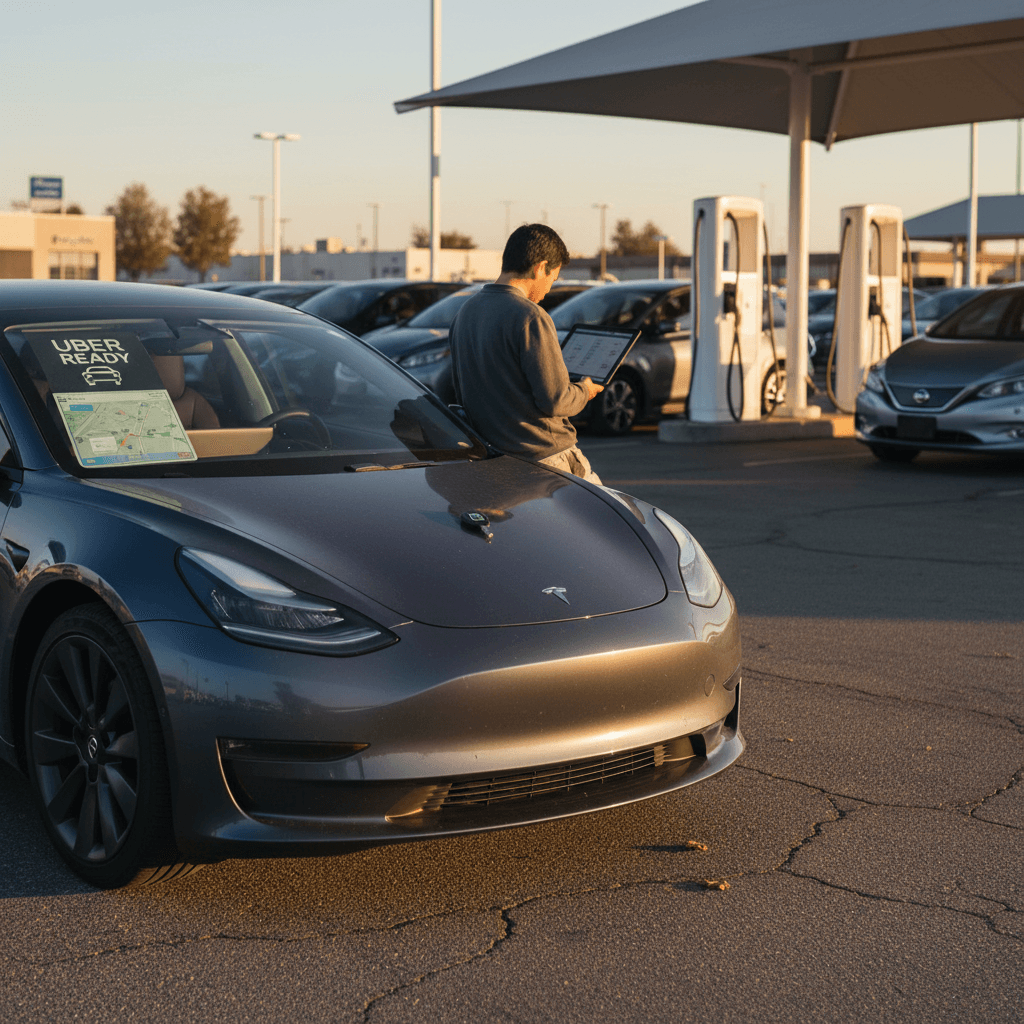
If you’re an Uber or Lyft driver, your car isn’t just transportation, it’s your business. Picking the best used electric car for Uber drivers can mean the difference between grinding for gas money and actually keeping more of every fare. The right used EV cuts fuel and maintenance costs, keeps passengers comfortable, and still fits your budget today.
Quick takeaway
Why a used EV can be ideal for Uber
Why more rideshare drivers are eyeing EVs
As a rideshare driver, you live and die by cost per mile. A used EV helps on three fronts: cheap “fuel” if you can plug in at home, fewer moving parts to repair, and access to electric‑only incentives or bonuses when platforms offer them. Independent cost‑of‑ownership studies already show many EVs undercut comparable gas cars over a five‑year span, especially for high‑mileage drivers who rack up 20,000–30,000 miles per year.
Not every EV works for rideshare
How to choose the best used electric car for Uber
Key criteria when you’re an Uber driver first, EV owner second
Think like a business owner, not just an enthusiast
Real‑world range
Passenger comfort
Charging speed & access
Cost per mile
Battery health & warranty
Uber eligibility & safety
Pre‑purchase checklist for a used Uber EV
Confirm Uber eligibility in your city
Before you fall in love with any used EV, check the vehicle requirements in your Uber driver app, including age limits, body style, and trim rules for tiers like UberX, Comfort, and Electric.
Target 200+ miles of real‑world range
Subtract 15–25% from the original EPA range to estimate real‑world range on a used battery. If that number isn’t at least ~200 miles, your workday will be dominated by charging stops.
Verify battery health professionally
Don’t rely on the dash alone. Use a trusted marketplace that provides independent battery diagnostics, for example, every car at Recharged includes a Recharged Score Report with verified battery health.
Test rear seat space and cargo
Bring a friend to sit behind you with your normal driving position. Check knee room, headroom, child‑seat fit, and whether the trunk/hatch swallows luggage, strollers, or airport bags easily.
Study local charging options
Open PlugShare or your preferred charging app and map out DC fast chargers near airports, downtown hot spots, and your home. A great EV in a charging desert is a bad business decision.
Run the numbers on cost per mile
Estimate monthly miles, electricity rates, payment, insurance, and maintenance. Compare to what you spend now on gas. Long‑term rideshare winners are the cars that make every mile cheaper.
Best used electric cars for Uber drivers: data‑backed picks
There’s no single “best” car for every Uber driver. Your market, budget, and charging situation all matter. But after looking at range, comfort, charging performance, battery track records, and used pricing in 2025, these used EVs consistently float to the top for U.S. rideshare use:
Shortlist: Best used EVs for Uber & Lyft
Each shines for slightly different reasons, match the car to your business
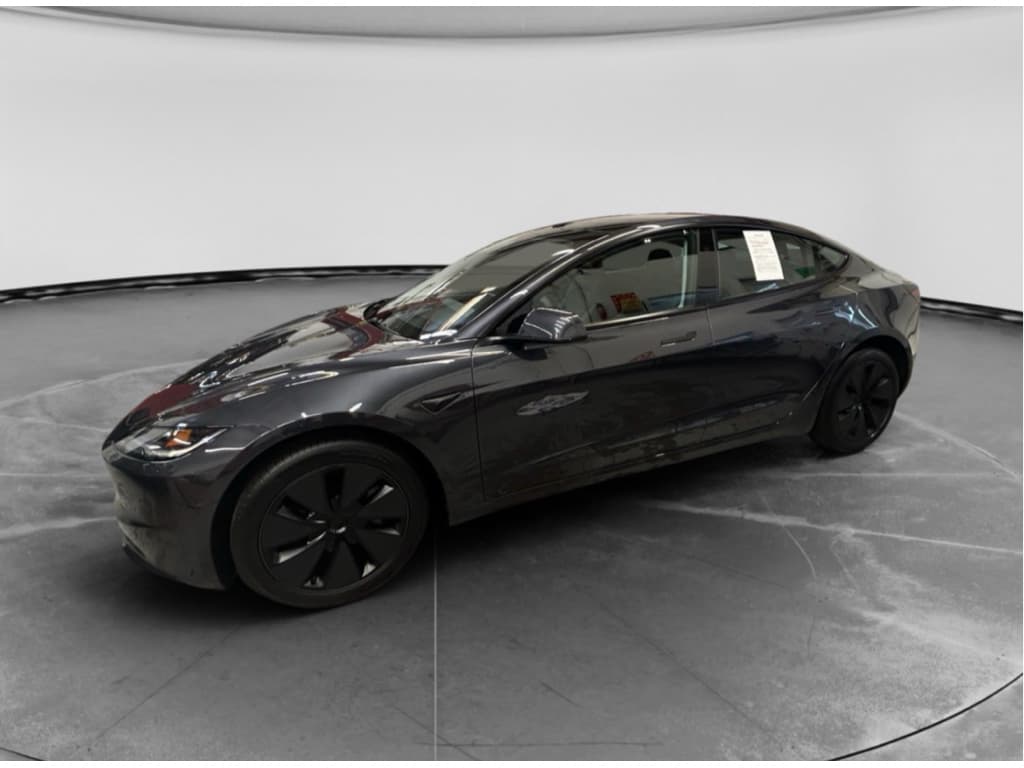
Tesla Model 3 RWD (2018–2023)
Chevy Bolt EV & EUV (2019–2023)
Hyundai Kona Electric (2019–2022)
Kia Niro EV (2019–2022)
Hyundai Ioniq 5 (2022–2023)
Tesla Model Y (2020–2023)
Think “trim” and wheels, not just model

Key spec comparison for top Uber‑friendly EVs
Snapshot: used EVs that work for Uber
Approximate specs for common U.S. trims. Always verify exact range and charging numbers for the year and configuration you’re considering.
| Model | Original EPA range (mi) | Typical used real‑world range (mi) | DC fast charge peak (kW) | Rear seat space | Cargo practicality |
|---|---|---|---|---|---|
| Tesla Model 3 RWD | 220–272 | 185–230 | 170–250 | Good (flat floor) | Good trunk + frunk |
| Tesla Model Y Long Range | 316–330 | 250–280 | 170–250 | Very good | Excellent hatch + frunk |
| Chevy Bolt EV | 238–259 | 190–210 | 55 | Adequate | Excellent tall hatch |
| Chevy Bolt EUV | 247 | 195–210 | 55 | Better legroom than Bolt EV | Excellent tall hatch |
| Hyundai Kona Electric | 258 | 200–215 | 70–77 | Adequate | Good hatch |
| Kia Niro EV | 239–253 | 195–215 | 70–77 | Good | Very good hatch |
| Hyundai Ioniq 5 (RWD) | 220–303 | 210–260 | 230+ | Excellent | Excellent hatch |
Focus on usable range, rear space, and charging speed, three pillars of a good rideshare EV.
Why real‑world range is lower than EPA
Battery health and high‑mileage Uber driving
When you’re stacking 1,500–2,500 miles per month, battery health moves from theory to bottom‑line reality. A pack that has lost 20–25% of its capacity isn’t just a number on a screen, it means extra charging stops that eat into your paid time, especially during peak hours.
What to watch for in a used EV battery
- State of health (SoH): Look for clear data on remaining capacity, not just a vague "good" rating.
- Fast‑charging history: Heavy DC fast‑charging doesn’t automatically ruin a pack, but repeated 100% fast charges can accelerate wear.
- Climate history: Cars that lived in very hot regions tend to show more degradation, especially if parked outdoors.
- Software limits: Some brands quietly cap usable capacity as the pack ages; know what’s normal for the model you’re shopping.
How Recharged helps de‑risk battery guessing
On a traditional used car lot you’re often guessing about an EV’s battery. Recharged takes a different approach:
- Every EV listed includes a Recharged Score Report with verified battery health data.
- Pack diagnostics look at capacity, charge cycles, and historical charging behavior where available.
- You can compare cars by effective range today, not just the number printed on a Monroney sticker years ago.
That’s exactly the kind of confidence you want when the car is going to be your paycheck, not just weekend transportation.
Red flags on a rideshare EV battery
Charging strategy: home, fast charging, and downtime
Your charging setup can turn a great EV into a headache, or a quiet money printer. The most profitable Uber EV drivers usually have reliable home Level 2 charging and treat DC fast charging as a strategic backup, not their daily plan.
Which charging setup fits your driving pattern?
Match your lifestyle and market before you pick a car
Home Level 2 + part‑time driving
Home Level 2 + full‑time driving
No home charging (apartment)
Charge when riders are quiet
Cost per mile, depreciation, and your real profit
At the end of the week, what matters isn’t gross earnings, it’s what you keep after fuel, payments, maintenance, and depreciation. High‑mileage Uber driving accelerates depreciation on any car, but EVs often claw that back with much lower energy and service costs, especially when bought used at today’s softer EV prices.
How a used EV can beat gas on cost per mile
- Energy: Home charging can cost the equivalent of paying $1–$1.50 per gallon in many regions, compared to whatever your local pump is charging.
- Maintenance: No oil changes, timing belts, spark plugs, or exhaust work. Brake wear is lower thanks to regeneration.
- Depreciation: The first owner already absorbed the steepest drop. You benefit from a lower entry price while still enjoying years of useful life.
Simple way to compare cars
When you’re comparing two candidates, a used gas car and a used EV, or two EVs, estimate:
- Monthly miles × fuel or electricity cost per mile
- Payment + insurance + maintenance allowance
- Likely resale value after 3–5 years based on current used‑EV trends
That gives you a rough profit per mile. If one car clearly leaves you with more after all expenses, that’s the better business asset, even if its purchase price is a bit higher.
Where Recharged fits in
Ready to find your next EV?
Browse VehiclesFinancing and buying a used EV for Uber
Because you’re effectively buying a work tool, the wrong financing structure can eat up the savings you hoped to get from going electric. Think about payment flexibility, total interest, and how long you realistically plan to keep piling miles on this car.
Smart financing moves for rideshare EV buyers
Keep the term aligned with expected mileage
If you plan to put 25,000 miles a year on the car, a 72‑ or 84‑month loan may outlast your willingness to keep it. Aim for a term where the loan balance falls faster than the car’s value as miles climb.
Watch total cost, not just monthly payment
A lower monthly number often hides a longer term and higher interest costs. Compare total paid over the life of the loan across offers.
Consider pre‑qualification before you shop
Getting pre‑qualified lets you understand your budget before test‑driving. Recharged offers financing options tailored to used EVs, so you can see estimated payments up front without affecting your credit score.
Budget for insurance and downtime
EVs are often competitive on insurance, but high‑mileage commercial use may bump your rate. Build a small reserve for the rare days when the car is in the shop or at a charger instead of on the road.
Leave room for future upgrades
Don’t stretch so far on your first EV that you can’t upgrade later. As the market evolves, you might move from a Bolt to a faster‑charging crossover once your business grows.
FAQ: Best used electric cars for Uber and Lyft
Frequently asked questions
Bottom line: Which used EV is best for you?
If you drive a lot of hours for Uber or Lyft, a smartly chosen used EV can turn volatile fuel bills into predictable electricity costs and cut your maintenance headaches way down. For most drivers, a Tesla Model 3 or Chevy Bolt EUV balances range, comfort, and purchase price extremely well. If you haul lots of luggage or families, a Kia Niro EV, Tesla Model Y, or Hyundai Ioniq 5 may make more sense.
The key is to treat your car as a business decision. Verify battery health, understand your charging reality, and run the numbers on cost per mile, not just the monthly payment. A marketplace like Recharged can simplify that process with transparent pricing, the Recharged Score for battery health, EV‑savvy financing options, and nationwide delivery, so you can put the right car to work wherever you drive.