If you love to camp, haul dirt bikes, or tow a small boat, the **best used electric car for people who tow** isn’t just the one with the biggest battery. It’s the one that can *legally* tow your trailer, keep enough range in reserve, and give you confidence when the forecast calls for headwinds and hills. Let’s walk through which used EVs really work for towing, and how to shop smart so you don’t discover the limits the hard way at the bottom of a long grade.
Quick reality check
Why towing with an electric car is different
On paper, electric motors are a tower’s dream: instant torque, smooth power delivery, and excellent control at low speeds. In practice, **aerodynamic drag** and **energy consumption** change the towing game compared with gas trucks and SUVs. A slab-sided camper behind an EV can double the energy needed per mile, turning a 280‑mile SUV into a 120–150‑mile rig once you’re hitched up and at highway speed.
How towing feels in an EV
- Instant torque: Easy launches on ramps and grades, often smoother than a traditional automatic.
- Strong regen braking: Feels like an integrated trailer brake controller on light loads, easing stress on the friction brakes.
- Low center of gravity: Battery weight keeps the rig planted, especially in crosswinds.
Where EV towing is tougher
- Range loss: Expect 40–60% less range with a typical camper or cargo trailer.
- Charging logistics: Not every fast charger has trailer‑friendly access, and backing a rig into tight stations gets old fast.
- Heat management: Long grades at high load can trigger power limits sooner than in a heavy‑duty diesel.
Not all EVs are tow-rated
What makes a used electric car good for towing
Key specs to prioritize in a used EV for towing
For most people who tow, the sweet spot is a used electric SUV or truck with a **factory tow package**, a battery around **90–135 kWh**, and a tow rating in the **3,500–7,500‑pound** range. That gives you room for a small bunkhouse camper or boat while still leaving some margin for cargo and bikes without blowing past the vehicle’s payload rating.
- A **full factory tow package** (hitch, wiring, cooling, sometimes self‑leveling suspension)
- An official **tow rating in the U.S. owner’s manual**
- All‑wheel drive or dual‑motor variants for better traction and higher ratings
- Strong **thermal management** for battery and motors (critical for mountain towing)
- Good **DC fast‑charging capability** and access to dense charging networks
Trailer type matters as much as weight
Best used electric SUVs for towing
If you want three rows, weather capability, and real towing muscle, used electric SUVs are often the **best used electric cars for people who tow**. Here are standouts that show up more and more often on the used market.
Top used electric SUVs for towing
All of these are tow‑rated in North America when properly equipped. Always confirm the rating for the exact year and trim you’re considering.
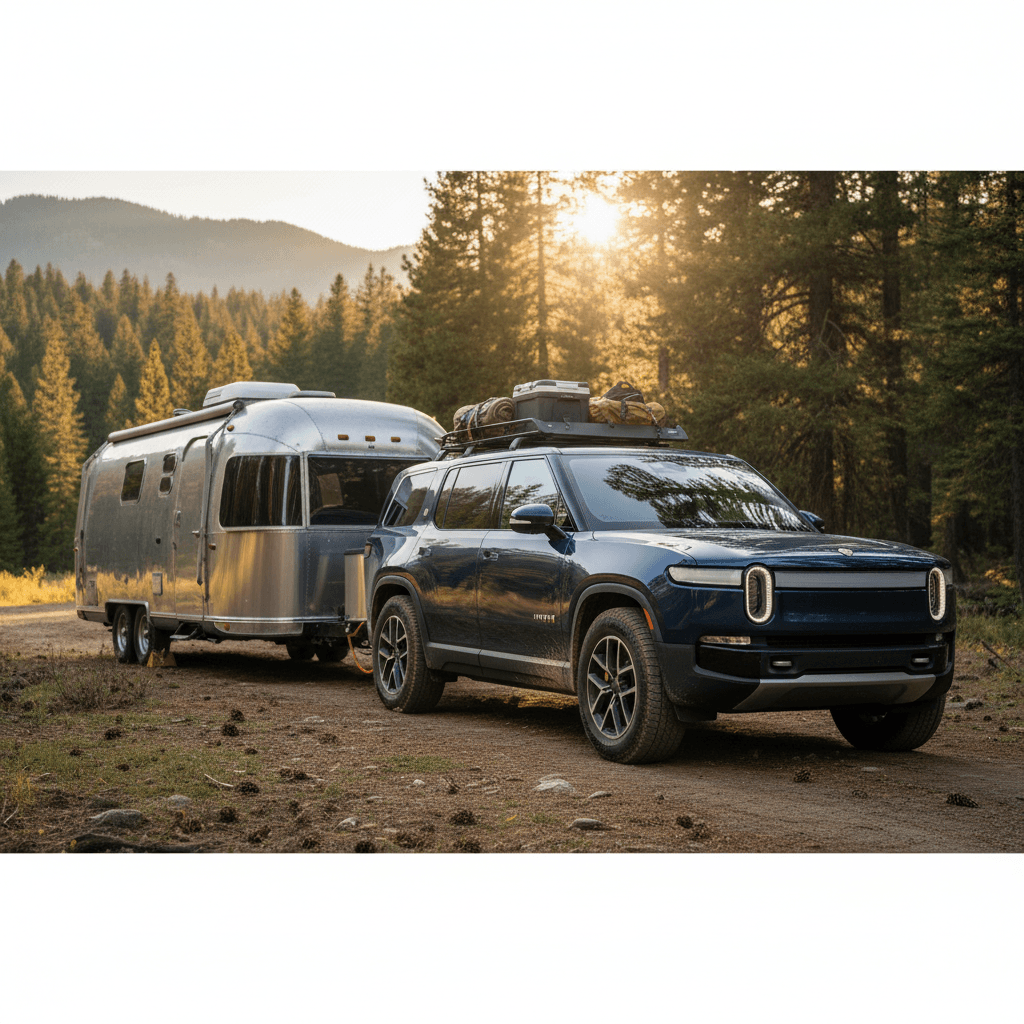
Rivian R1S
Why it’s great: Adventure‑first three‑row SUV with a serious tow rating and off‑road chops.
- Tow rating: up to **7,700 lbs** with factory tow package
- Battery: roughly 105–135 kWh depending on pack
- Best for: families towing campers, boats, or enclosed utility trailers
Earlier R1S models are now filtering into the used market, often heavily optioned by first owners who wanted every adventure box checked.
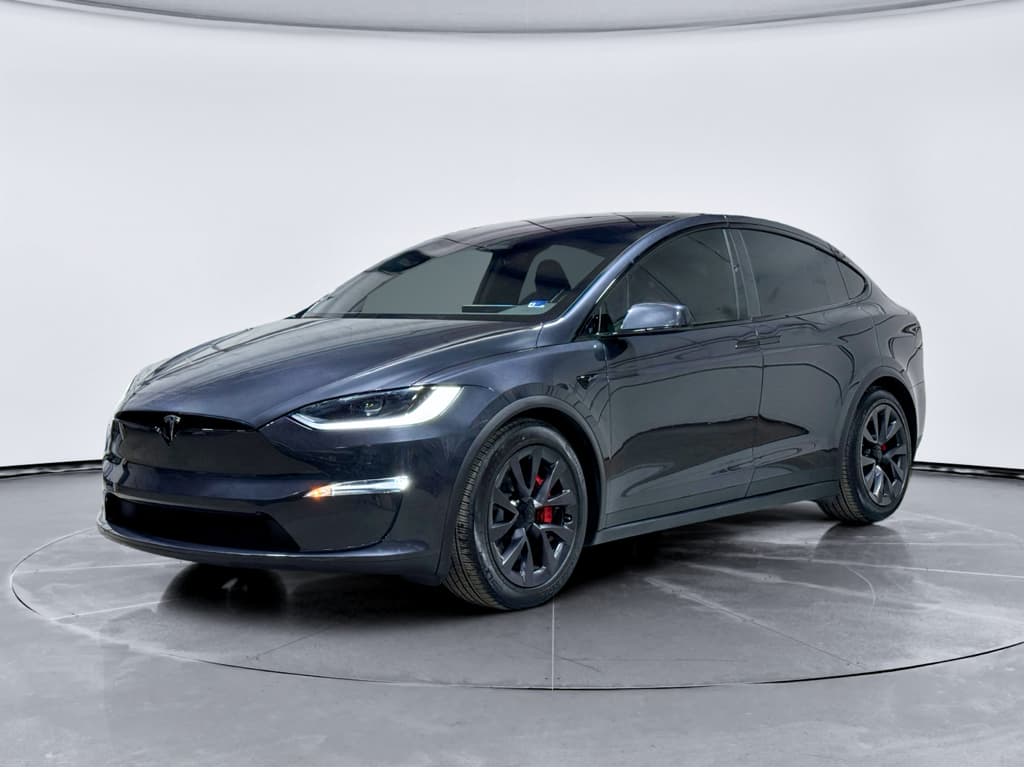
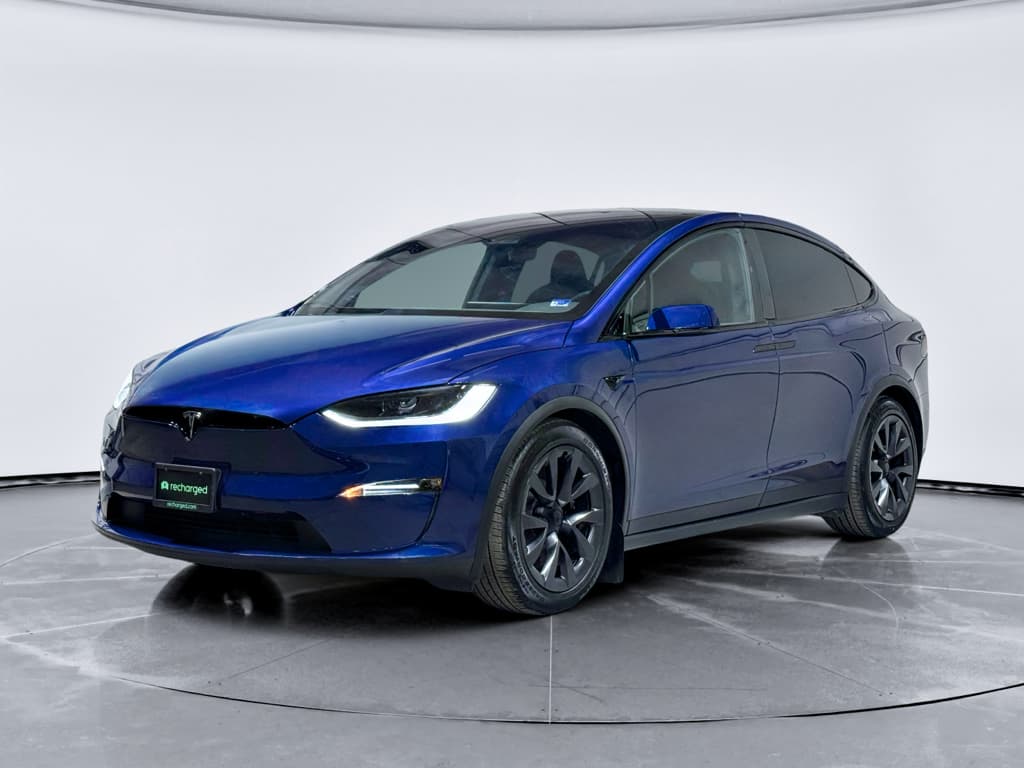
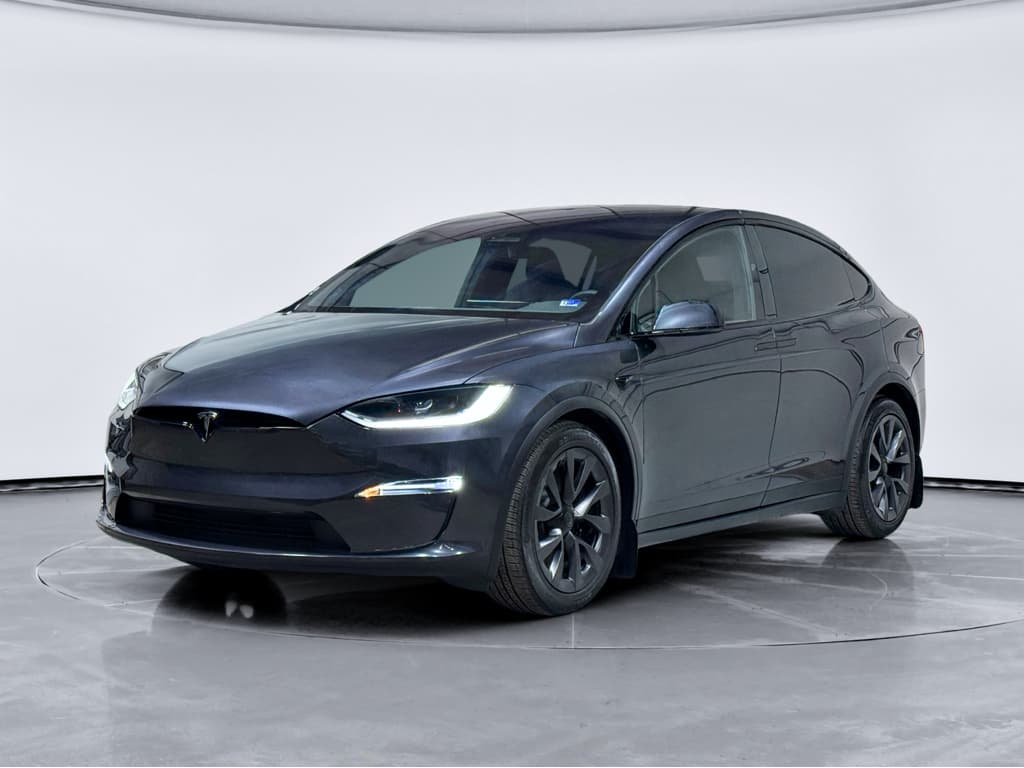
Tesla Model X
Why it’s great: One of the earliest electric SUVs rated to tow, with a long real‑world track record.
- Tow rating: up to **5,000 lbs** when equipped with the factory tow package
- Battery: 90–100 kWh on common used examples
- Best for: lighter campers, small boats, and utility trailers
Model X owners have been towing since the mid‑2010s, so you’ll find plenty of anecdotes, and lessons learned, about real‑world range.
Audi Q8 e‑tron
Why it’s great: Comfortable luxury SUV with a usable tow rating and a refined ride.
- Tow rating: around **4,000 lbs** when properly equipped
- Battery: roughly 95 kWh usable
- Best for: small travel trailers or single‑axle utility trailers
As leases end, more Q8 e‑trons are landing on used lots, a good fit if you want an upscale tow rig without trucklike bulk.
Used SUV towing sweet spot
Best used electric trucks for towing
If you’re used to a full‑size pickup and want to keep that capability in an electric world, used EV trucks deliver the highest tow ratings, but you’ll want to be realistic about range once you hook on a heavy trailer.
Used electric trucks with serious tow ratings
Approximate maximum tow ratings for popular electric pickups when properly equipped. Always verify the rating for your exact year, trim, and tow package.
| Model | Typical used model years (US) | Max tow rating (lbs) | Best for |
|---|---|---|---|
| Ford F‑150 Lightning | 2022–2024 | Up to 10,000 | Large campers, car haulers, heavy boats |
| GMC Hummer EV Pickup | 2022–2024 | Up to ~8,000–8,500 | Toy haulers, big enclosed trailers |
| GMC Hummer EV SUV | 2024–2025 | Up to 7,500 | Mid‑size campers, off‑road toys |
| Chevrolet Silverado EV (early fleet/WT) | 2024–2025 | Up to 10,000 (varies by trim) | Work trailers, heavier loads |
Tow ratings are manufacturer maximums under ideal conditions. Your safe, comfortable limit may be lower depending on payload, terrain, and trailer type.
Respect payload, not just tow rating
Light-duty towing: best used EV crossovers
Not everyone is hauling a bunkhouse. If you tow a pair of kayaks, a teardrop camper, or a small utility trailer, you may be happier in a smaller, more efficient crossover that can still handle a modest load.
Used EV crossovers for lighter towing
Good fits if your trailer is well under 3,500 lbs loaded and you value everyday efficiency as much as tow capacity.
Volkswagen ID.4 (non‑US tow rating caveat)
In Europe, the ID.4 is rated to tow up to roughly **2,700 lbs**, but many U.S. versions historically carried **no official tow rating** despite sharing hardware. In North America, follow the U.S. manual: if it says no towing, assume no towing.
Best use case: In regions where it’s legally tow‑rated, it’s a comfortable daily driver that can handle a light camper or small cargo trailer.
Kia EV6 / Hyundai Ioniq 5
These platform cousins offer brisk performance and, in some markets, tow ratings around the **2,000–3,500‑lb** range when properly equipped.
Best use case: Streamlined, lighter trailers and owners who mostly drive unhitched but tow a few times a year.
Premium crossovers (Jaguar I‑Pace, Genesis Electrified GV70, etc.)
Several luxury crossovers carry modest tow ratings, often around **1,500–3,500 lbs**. They’re best thought of as **occasional tow vehicles** rather than primary workhorses.
Best use case: Small boats, single motorcycle trailers, or ultralight campers, plus a lot of solo commuting in comfort.
Stay well under the sticker
How much range you actually get when towing
Here’s the number most brochures skate past: hitch anything with real frontal area behind your EV and you’ll likely see **40–60% range loss** at highway speeds. Low‑profile, lightweight trailers may do better, and tall toy haulers may do worse. The pattern is consistent across brands, Rivian, Tesla, Ford, GMC, Audi, because physics doesn’t play favorites.
Example: how towing crushes EV range
Illustrative examples assuming a mid‑size travel trailer that cuts range roughly in half. Your results will vary with speed, weather, terrain, and trailer shape.
| Vehicle example | EPA range (solo) | Typical highway range (solo) | Estimated range while towing |
|---|---|---|---|
| Rivian R1S Large Pack | up to ~390 mi | ~260–280 mi | ~130–160 mi |
| Ford F‑150 Lightning Extended Range | up to ~320 mi | ~220–240 mi | ~110–140 mi |
| Tesla Model X Long Range | up to ~330 mi | ~230–250 mi | ~115–150 mi |
| Audi Q8 e‑tron | up to ~300 mi | ~210–230 mi | ~100–140 mi |
These are ballpark planning numbers to keep you from over‑promising a 300‑mile day to your campsite.
Plan around chargers, twice as often
Buying a used EV for towing: checklist
Shopping for the best used electric car for people who tow is different from shopping for a city commuter. You’re not just buying a vehicle, you’re buying the confidence to pull 3,000 pounds of camper over a mountain pass without white‑knuckling the gauge.
Pre‑purchase checklist for a used EV you plan to tow with
1. Verify a real tow rating in the U.S. manual
Ask the seller for the <strong>owner’s manual</strong> or look up the digital manual for that exact year and trim. Confirm an official tow rating, not just a pretty hitch receiver.
2. Confirm factory tow package and wiring
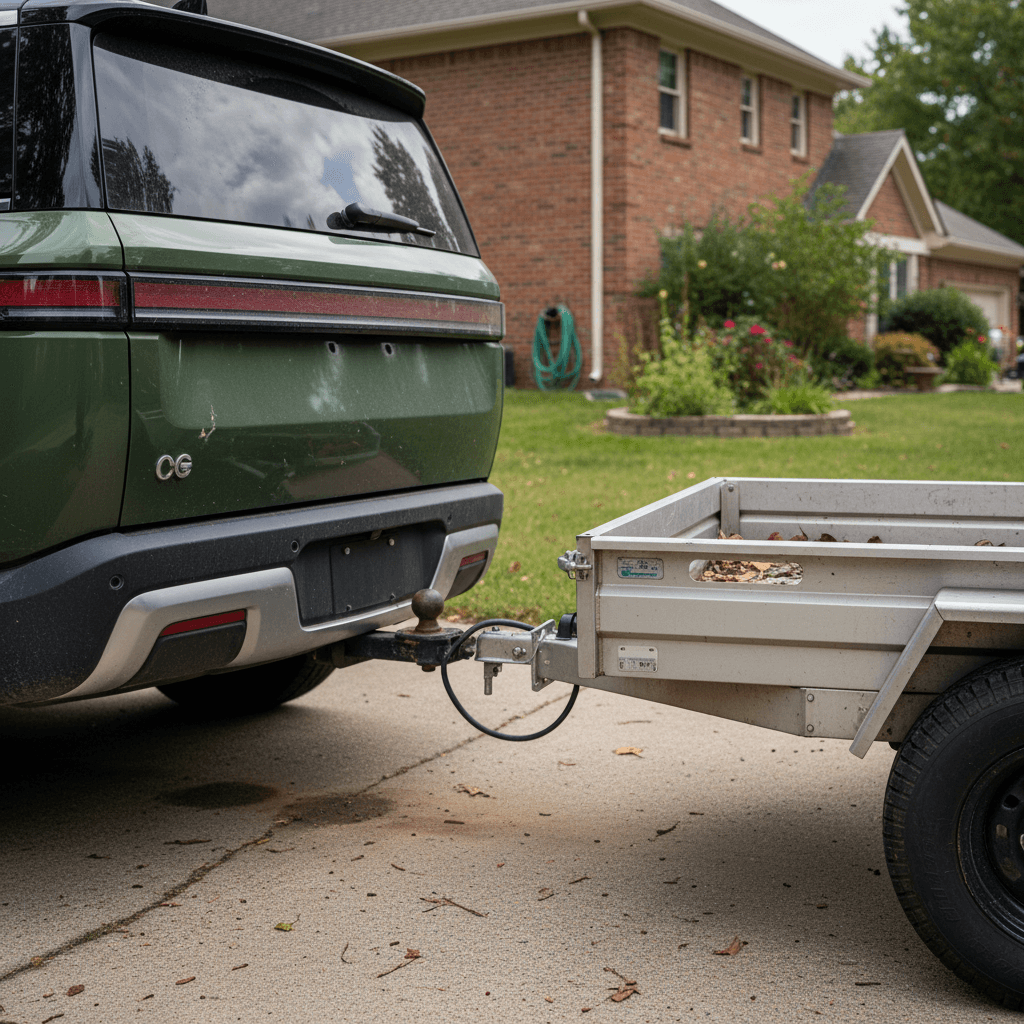
Look for a <strong>2" receiver</strong>, 7‑pin/4‑pin wiring, upgraded cooling, and sometimes self‑leveling rear suspension. Aftermarket hitches on a non‑rated EV can leave you uninsured if something goes wrong.
3. Check payload on the door sticker
Open the driver’s door and read the yellow tire‑and‑loading label. Subtract passengers, gear, and the trailer’s tongue weight to be sure you’re not exceeding payload before you even leave the driveway.
4. Ask about towing history
Light, occasional towing is one thing; a life of **max‑load, long‑grade towing** is another. Ask what the previous owner towed, how often, and over what distances.
5. Review battery health carefully
Towing is hard on batteries and cooling systems. Look for a <strong>third‑party battery health report</strong>, like a Recharged Score, so you know how much usable capacity you’re really working with.
6. Inspect tires, brakes, and suspension
An EV that has towed a lot may have accelerated wear on rear tires, shocks, and bushings. Have a trusted mechanic, or an EV‑savvy inspector, check for uneven wear and heat‑soaked brakes.
Where the Recharged Score fits in
Test drive and tow package verification tips
A smart test drive can tell you a lot about whether a used EV will make a confident tow vehicle, or a nervous one.
What to do on the test drive
- Find a stretch of highway and a decent hill. You want to feel how the EV accelerates and recovers speed, even without a trailer.
- Toggle through drive modes, especially any Tow/Haul or trailer stability settings, if present.
- Pay attention to regen braking. Strong, predictable regen will make downhill towing more relaxing.
Paperwork and physical checks
- Match the VIN on the paperwork to the truck/SUV and to any build sheet or window sticker that lists the factory tow package.
- Check for factory‑style welds and mounting points on the hitch, sloppy aftermarket hardware is a red flag.
- Confirm the presence of a functioning 7‑pin connector if you use electric trailer brakes.
Bring your trailer plug tester
How Recharged helps if you tow with a used EV
When you tow, the stakes are higher. You’re not just buying any used EV, you’re buying a partner for long weekends and long grades. That’s where a curated marketplace built around EVs, like Recharged, can make your life easier.
Why towers like shopping used EVs on Recharged
More transparency, less guessing, especially when you’re asking more from your vehicle than grocery runs.
Verified battery health
Financing built for EVs
Nationwide delivery & EV‑savvy support
Ready to find your next EV?
Browse VehiclesIf towing is part of your life, the best used electric car for people who tow is rarely the cheapest EV on the lot. It’s the one with a verified tow rating, a healthy battery, enough payload for your family and gear, and a seller who can hand you paperwork that backs all of that up. Get those pieces right, and an electric SUV or truck can pull your toys with surprising confidence, and a lot less noise, on the way to your next campsite or boat ramp.