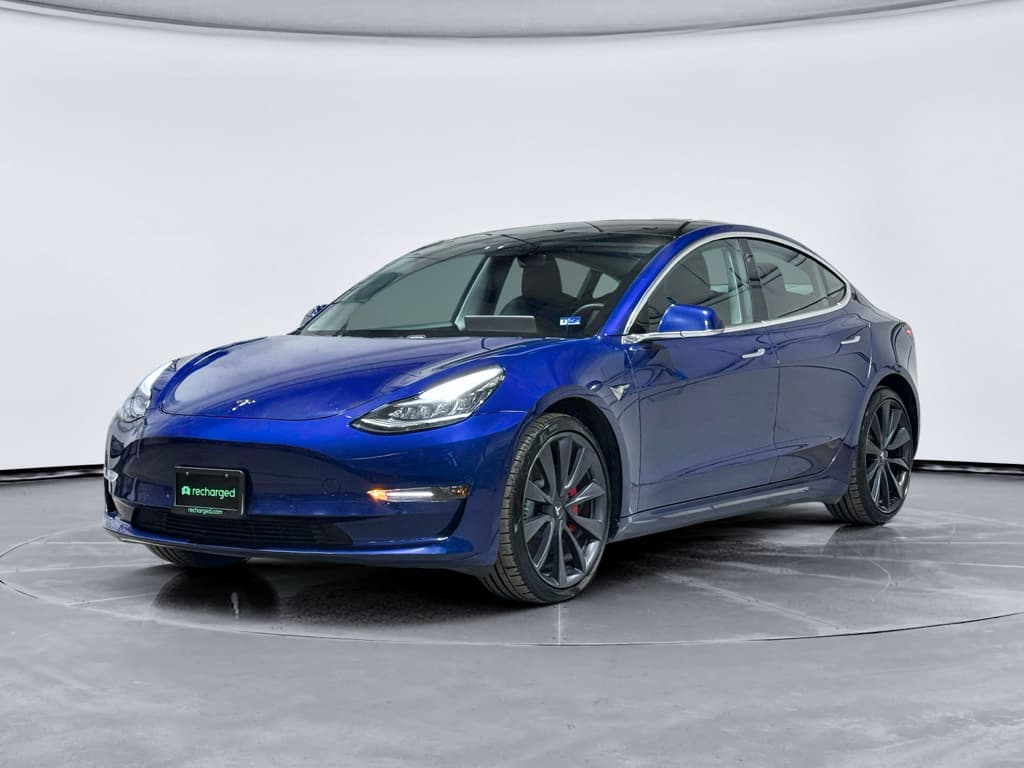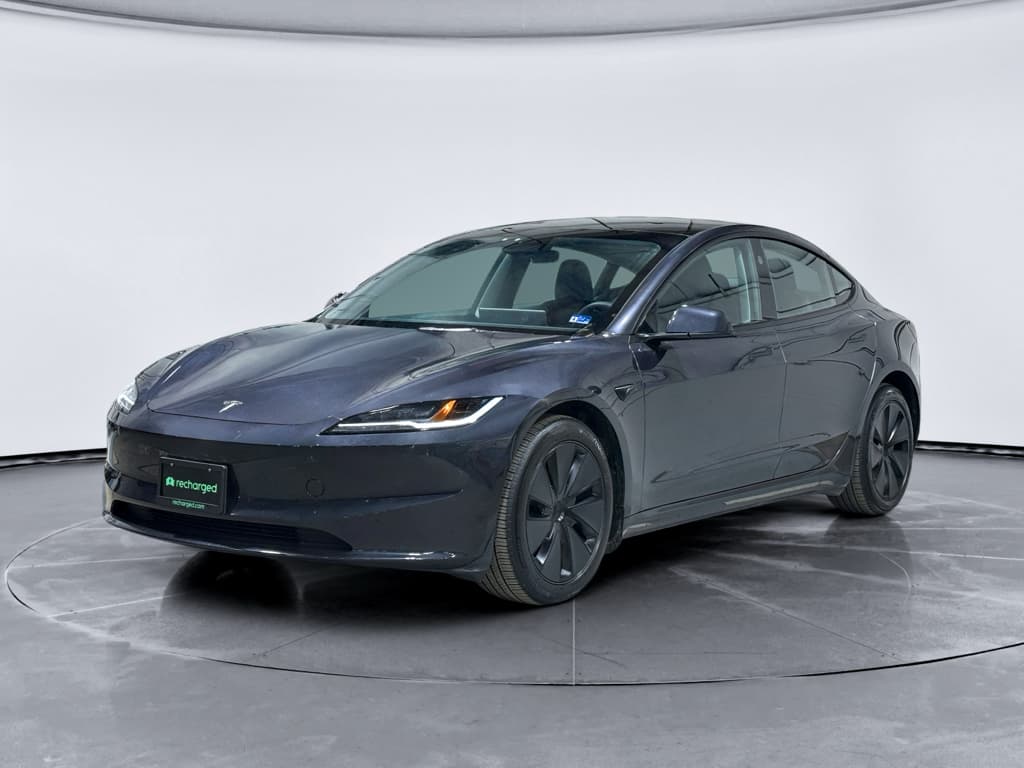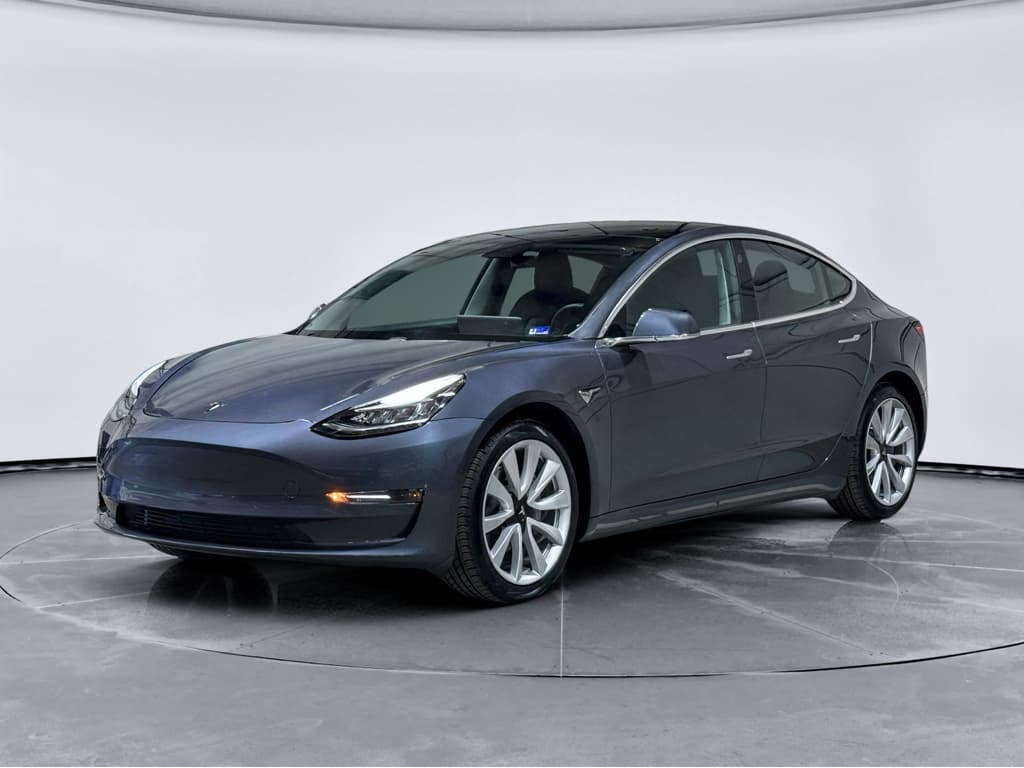
If you’re shopping for a used EV, a 2020 Tesla Model 3 is probably on your shortlist. It hits a sweet spot: newer hardware than the earliest cars, but enough age and miles that prices are finally approachable. This 2020 Tesla Model 3 review for used buyers walks through trims, real-world prices, battery health, reliability, and how to evaluate a specific car so you don’t overpay, or inherit someone else’s problems.
Why focus on the 2020 Model 3?
2020 Tesla Model 3 as a Used Buy in 2026: Quick Take
2020 Model 3 Used Snapshot (U.S., 2025–2026)
From a value perspective, the 2020 Tesla Model 3 is one of the strongest used EV plays right now. Used Tesla prices fell sharply after Tesla cut new‑car MSRPs and flooded the market with off‑lease inventory, and 2020 cars are now frequently priced below the overall U.S. used‑car average while delivering low running costs and plenty of range.
Who the 2020 Model 3 fits best
2020 Tesla Model 3 Trims, Range and Key Specs
For 2020, the Tesla Model 3 lineup in the U.S. centered on three main variants: Standard Range Plus (RWD), Long Range (AWD), and Performance (AWD). Understanding how they differ will help you compare listings and explain why two cars that look similar on the surface might be thousands of dollars apart.
2020 Tesla Model 3 Trims and Core Specs
Approximate original EPA ratings and headline numbers. Real‑world range today will be lower, and options like wheel size can change these figures.
| Trim | Drivetrain | Original EPA Range | 0–60 mph (approx.) | Notable Traits |
|---|---|---|---|---|
| Standard Range Plus (SR+) | RWD, single motor | ~250 miles | 5.3 sec | Best value, lightest, most efficient; usually 18" wheels |
| Long Range | Dual‑motor AWD | ~322 miles | 4.4 sec | Longest range, strong all‑weather traction |
| Performance | Dual‑motor AWD | ~299 miles | 3.2 sec | Track‑ready acceleration, larger wheels, sportier suspension |
Use this table to decode used listings and match them to the correct 2020 trim.
Watch the wheels
In daily use, all three trims feel quick compared with mainstream sedans. The Standard Range Plus has more than enough punch for city and highway driving, while the Performance trim genuinely feels like a sport sedan. The Long Range model splits the difference: more range than SR+ and more comfort‑oriented than Performance, which is why it often commands the strongest used prices.
Used 2020 Tesla Model 3 Prices in 2025–2026
Used Tesla pricing has been a moving target, but by late 2025 and into 2026, Model 3 values have largely reset. Industry data and Recharged’s own marketplace analytics show that 2019–2020 Model 3s often land in the low‑ to high‑$20,000s, depending on configuration and mileage. That’s a far cry from the days when any used Model 3 commanded a premium.
Typical U.S. Price Bands for 2020 Model 3 (Early 2026)
Ballpark figures assuming clean history and average equipment. Local markets can vary.
Standard Range Plus (RWD)
~$21,000–$25,000 for most cars with 50k–80k miles.
- Lower‑mileage, single‑owner examples may creep higher.
- High‑mileage cars or cosmetic wear can dip below $21,000.
Long Range (AWD)
~$24,000–$29,000 in many markets.
- Range and AWD make these especially desirable in colder regions.
- Expect to pay a premium for low‑mile or well‑optioned cars.
Performance (AWD)
~$26,000–$32,000, depending on miles and condition.
- Valued mainly by buyers who truly care about 0–60 times.
- If you don’t, a Long Range is usually the smarter buy.
How 2020 Model 3 pricing compares to the market
What makes the biggest difference on price isn’t just model year, it’s mileage, battery health, and history. A high‑mileage Long Range car that’s been fast‑charged heavily can be worth less than a lower‑mile SR+ that’s been babied and charged at home. That’s why Recharged leans so heavily on objective battery data in every Recharged Score report.
Battery Health, Range and Degradation on 2020 Model 3s
Battery health is the number‑one concern for most used EV shoppers, and rightly so. The good news: real‑world owner data suggests that many Model 3 packs lose only a modest slice of their capacity in the first 100,000 miles. The caveat is that individual cars can deviate sharply based on how they were driven and charged.
Typical degradation you might see
- Early “settling” drop: It’s common to see 5–8% capacity loss in the first 30,000–50,000 miles as the pack stabilizes.
- Slower decline afterward: Many owners report around 10% loss near 100,000 miles.
- Usage‑driven outliers: Heavy DC fast‑charging, frequent 100% charges, or extreme climates can push degradation higher.
What this means in miles of range
- A 2020 SR+ originally rated around 250 miles might realistically show 215–230 miles at 100% today.
- A Long Range rated around 322 miles might show 270–295 miles, depending on how it was treated.
- Software‑reported range is an estimate, not a lab test, use it as a guide, not gospel.
Red flags on a used battery
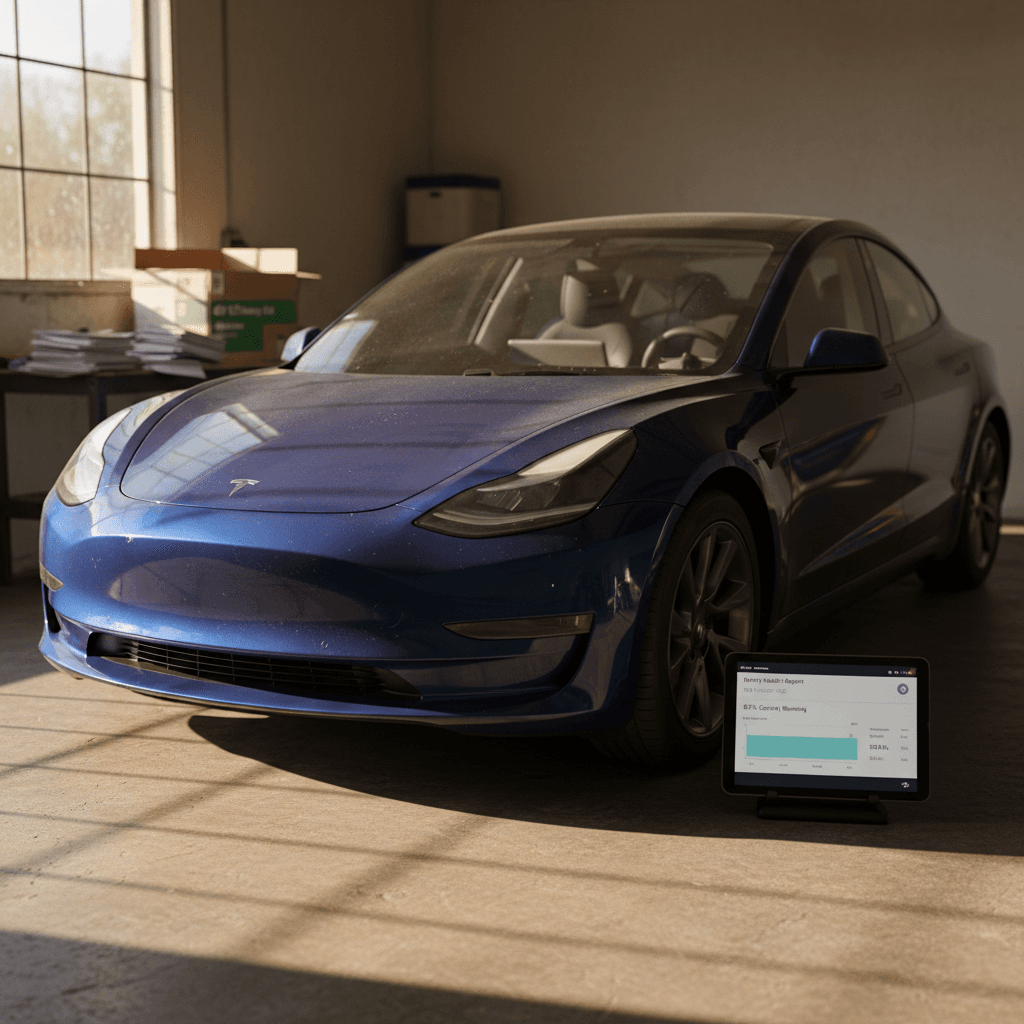
Every vehicle sold on Recharged includes a Recharged Score battery‑health diagnostic. That report goes beyond the in‑car guessometer, analyzing pack condition, charging patterns, and estimated remaining capacity, so you can see whether a specific 2020 Model 3 is aging normally or has been pushed hard.
Reliability and Common Issues on a 6-Year-Old Model 3
By 2026, the earliest 2020 Model 3s are 6 years old, and plenty have logged well over 80,000 miles. Overall, owner reports and repair‑cost data suggest that the Model 3 ages reasonably well compared with many gas sedans, but it’s not trouble‑free. The car’s simplicity helps, no oil changes, no timing belts, but there are patterns worth watching.
Common 2020 Model 3 Used‑Car Issues
Not every car will see these problems, but they’re frequent enough to check for.
Paint and exterior wear
- Thin paint and soft clearcoat can show rock chips early.
- Door edges and lower rocker panels are common chip zones.
- Look for mismatched paint that might indicate prior repair work.
Suspension & tire wear
- Heavier EV curb weight plus instant torque is hard on tires.
- Performance trims on 20" wheels often eat tires fastest.
- Listen for clunks over bumps that might signal worn links or bushings.
Door handles & seals
- Flush handles and frameless windows depend on precise alignment.
- Check for wind noise at highway speed and water leaks after rain.
- Make sure every door opens, closes, and latches smoothly.
Software quirks & sensors
- Camera or sensor faults can disrupt Autopilot and safety features.
- Occasional infotainment glitches are usually fixable via updates.
- Verify that key features (backup camera, parking sensors where equipped) work reliably.
The upside: fewer traditional wear items
As with any 6‑year‑old car, history matters. A high‑mileage car that spent its life on the highway may be healthier than a lower‑mile car that saw harsh winters, curb hits, and constant fast‑charging. Pulling service records, examining Carfax‑style history reports, and inspecting the vehicle in person, or leaning on a trusted marketplace like Recharged, helps you separate the solid drivers from the stories.
What Warranty Is Left on a 2020 Tesla Model 3?
Warranty coverage is a big reason the 2019–2021 Model 3 window is so attractive in 2025–2026. Tesla’s policies have varied slightly by trim, but most 2020 cars fall into one of two buckets for the high‑voltage battery and drive unit warranty:
- Standard Range / SR+ models: typically 8 years or 100,000 miles with at least 70% battery capacity retained over the warranty period.
- Long Range and Performance models: typically 8 years or 120,000 miles with at least 70% battery capacity retained over the warranty period.
Where that leaves you in 2026
If you’re evaluating a specific car, check the in‑car or app‑based warranty screen, confirm the in‑service date, and look at the odometer. A 2020 Long Range car with 60,000 miles in early 2026 still has substantial high‑voltage coverage left, which can be a meaningful hedge against worst‑case battery issues.
Shopping Checklist: How to Inspect a Used 2020 Model 3
Before you get lost in color and wheel choices, step back and approach the car like a used‑car pro. The checklist below is tailored to the 2020 Model 3’s quirks and the realities of buying a 6‑year‑old EV.
Pre-Purchase Checklist for a 2020 Tesla Model 3
1. Verify battery health and range
Look at the displayed estimated range at 90–100% charge and compare it with original ratings for that trim. Ask for a recent battery health report or diagnostic; on Recharged, this comes built into the Recharged Score.
2. Review charging history
Ask how often the car was fast‑charged versus charged at home. A car that lived on DC fast chargers is more likely to show accelerated degradation. Frequent 100% charges without road trips to justify them can also be a yellow flag.
3. Inspect tires, brakes and suspension
Uneven tire wear can point to alignment issues or aggressive driving. Check for vibration at highway speed and listen for clunks over bumps during a test drive. Lightly used brakes are normal on EVs thanks to regenerative braking, but corroded rotors from sitting can create noise.
4. Check exterior and glass closely
Walk the car in good light looking for paint mismatch, overspray, or panel gaps that signal prior repairs. Inspect the roof glass for chips or cracks and confirm there’s no evidence of leaks in the headliner or trunk.
5. Test every door, window and handle
Open and close each door, verifying that the frameless windows drop and rise correctly. Confirm that all handles present and retract smoothly. Look for wind noise on a highway test drive that might indicate misaligned glass or seals.
6. Run through the software and features
Pair your phone as a key, test Bluetooth and navigation, check the backup camera and parking sensors (where equipped), and verify that Autopilot or Full Self‑Driving features match what’s advertised in the listing.
7. Confirm history and recalls
Pull a vehicle history report to check for accidents, salvage titles, or odometer issues. Make sure any open safety recalls or service campaigns have been addressed, or factor a trip to a Tesla service center into your plans.
Don’t rely solely on the dash
How Recharged Simplifies Buying a Used 2020 Model 3
If you’re new to EVs, or just don’t want to decode battery graphs and auction records on your own, working through a specialist marketplace can take a lot of stress out of buying a used 2020 Model 3. That’s exactly where Recharged comes in.
What You Get With a 2020 Model 3 from Recharged
More than a listing: Recharged is built around battery transparency and a smoother EV buying experience.
Recharged Score battery report
Every Recharged vehicle includes a Recharged Score that quantifies battery health, charging behavior, and remaining capacity.
Instead of guessing, you see how this specific 2020 Model 3 compares to peers.
Fair, data-backed pricing
Pricing on Recharged is benchmarked against live market data for year, trim, mileage, and condition.
You see how a particular 2020 Model 3 stacks up, no need to cross‑check half a dozen sites.
Financing, trade‑in and delivery
Recharged can help you finance your purchase, get an instant offer or consignment value for your current car, and arrange nationwide delivery or pickup from the Richmond, VA Experience Center.
Ready to find your next EV?
Browse VehiclesGuided, EV‑savvy support
Whether you browse entirely online or visit the Recharged Experience Center in Richmond, Virginia, the goal is the same: make a used Tesla feel as approachable as a certified pre‑owned gas car, with far more transparency around the one component that matters most, the battery.
FAQ: 2020 Tesla Model 3 Used
Frequently Asked Questions About the 2020 Tesla Model 3 (Used)
Bottom Line: Is a Used 2020 Tesla Model 3 Worth It?
Viewed through a 2026 lens, the 2020 Tesla Model 3 is one of the most compelling used EVs on the market. You’re getting a car with modern safety tech, plenty of real‑world range, access to Tesla’s charging ecosystem (with growing options for non‑Tesla networks via adapters), and a driving experience that still feels ahead of many new gas sedans, often for less than the cost of a typical used crossover.
The flip side is that you’re buying a 6‑year‑old, tech‑heavy vehicle where battery health, software configuration, and history matter more than on a conventional car. If you approach it with the right tools, battery diagnostics, careful inspection, and realistic expectations about range and wear, the 2020 Model 3 can be a smart, future‑leaning purchase instead of a gamble.
If you’d rather not navigate all of that alone, shopping through Recharged means every used EV comes with a Recharged Score battery report, fair‑market pricing, expert EV guidance, financing support, trade‑in options, and nationwide delivery from a team that thinks about used EVs all day. That can turn a complex used‑Tesla decision into a confident next step toward owning an electric car.