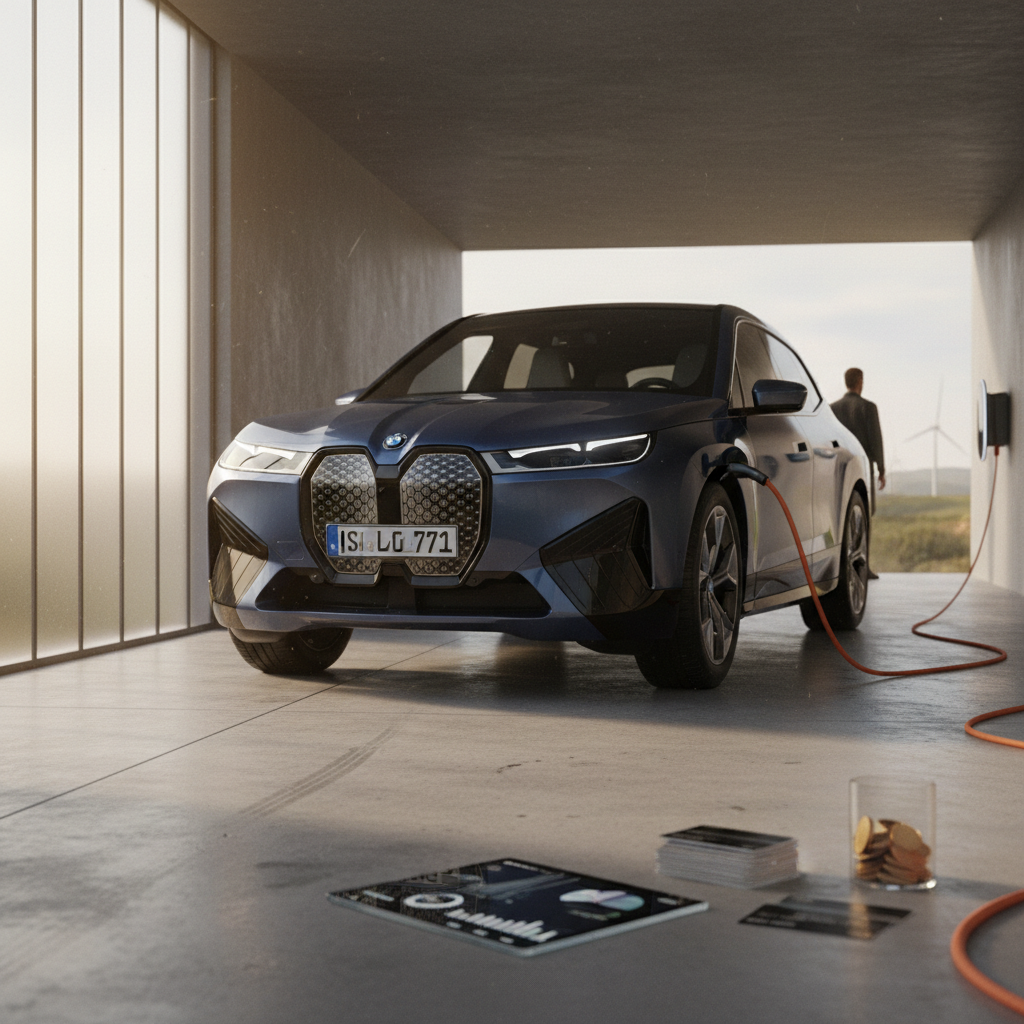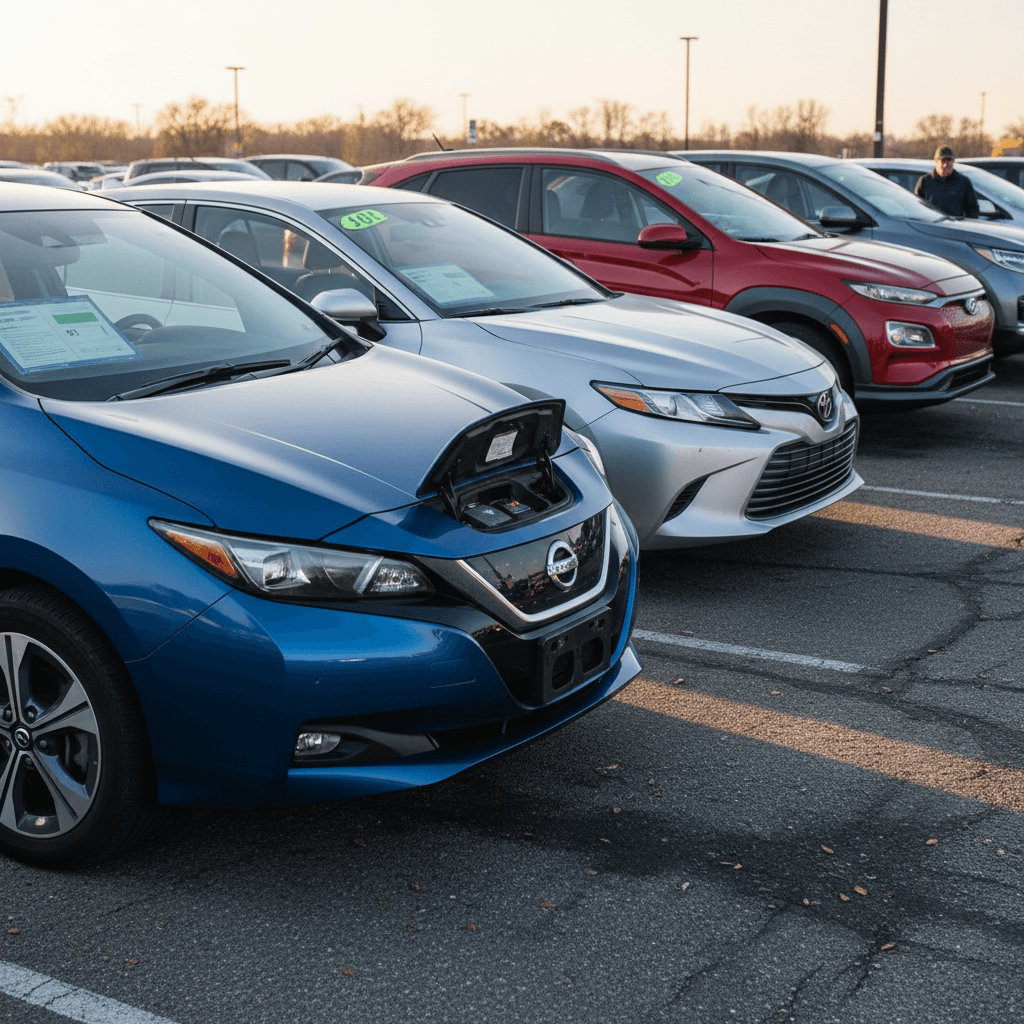
If you’re shopping for the best used cars around $20,000 in late 2025, you’re in a much more interesting market than just a few years ago. That budget now reaches solid, reliable gas and hybrid cars, plus a growing number of used electric vehicles whose prices have fallen sharply over the last two years.
Good news for 2025 buyers
Why $20,000 is a Sweet Spot in 2025
Snapshot of today’s used-car market
A $20,000 budget used to confine you to compact sedans and higher‑mileage crossovers. Today, it can buy you a late‑model compact or midsize car with modern safety tech, or an early‑to‑mid‑cycle electric vehicle with real‑world range that works for most daily driving. That said, you still have to be strategic: prices vary heavily by region, powertrain, and brand reputation.
Quick list: Best used cars around $20,000
At-a-glance picks around $20K
Exact prices vary by mileage, trim, and region, but these models commonly transact near $20,000 in late 2025.
City & commuter cars
- Toyota Corolla (gas or Hybrid)
- Honda Civic
- Hyundai Elantra / Kia Forte
- Chevrolet Bolt EV (early years)
Small SUVs & crossovers
- Honda CR‑V (older, higher miles)
- Toyota RAV4 (gas; hybrids usually higher)
- Mazda CX‑5
- Hyundai Kona Electric (earlier years, higher miles)
Budget-friendly EVs
- Nissan Leaf (especially 2018 and earlier)
- Chevy Spark EV / Kia Soul EV in some markets
- Occasional Chevy Bolt EV or Kia Niro EV near $20K, depending on mileage
Think in ranges, not exact prices
Best used gas & hybrid cars around $20K
If you simply want the most hassle‑free transportation for the money, it’s hard to beat the usual suspects: Toyota, Honda, Mazda, and Hyundai/Kia compact sedans and small crossovers. These are the models that dominate reliability rankings and still come in under $20K with reasonable mileage.
Toyota Corolla & Corolla Hybrid
The Corolla is the definition of safe money in the used market. Around $20K you’re often looking at a 3–5‑year‑old car with modern safety features (Toyota Safety Sense), Apple CarPlay/Android Auto, and 30+ mpg in real‑world driving. The Corolla Hybrid commands a bit of a premium but can still show up near $20K with higher mileage.
- Pros: Exceptional reliability, cheap maintenance, great fuel economy.
- Cons: Not exciting to drive; rear seat and trunk are adequate, not huge.
Honda Civic & Mazda3
The Honda Civic and Mazda3 skew a bit more fun to drive while still being practical. A $20K Civic might be a few years old but will still feel modern; a Mazda3 delivers a near‑premium interior for this money.
- Pros: Strong reliability (especially Civic), good safety ratings, pleasant road manners.
- Cons: Hatchbacks sometimes carry a price premium; sporty trims can have higher insurance costs.
Small SUVs & hybrids worth a look
Stretching your dollar in the used crossover market.
Honda CR‑V & Toyota RAV4
These are the default answers for people who want a small SUV that "just works." Around $20K, expect either:
- Older/lower‑trim examples (6–8 years old) with moderate mileage, or
- Newer examples with higher mileage (80–110K miles).
They’re sensible choices if you prioritize cargo space and all‑weather confidence over cutting‑edge tech.
Hybrids under $20K
Hybrids like the Toyota Prius and older Camry Hybrid or Accord Hybrid can dip near $20K, especially with higher mileage. They deliver outstanding efficiency and lower fuel bills.
Watch for: battery age, service history, and any dashboard warning lights, hybrid packs are robust, but replacement isn’t cheap.
Be realistic about SUVs at $20K
Best used electric cars under or around $20K
Thanks to steep price declines, used EVs are where the real disruption is happening. Average late‑model used EV prices have fallen much faster than gas or hybrid models, and some early EVs are now well under $20K. That doesn’t automatically make them a good deal, but it does mean more options if your driving pattern fits their strengths.
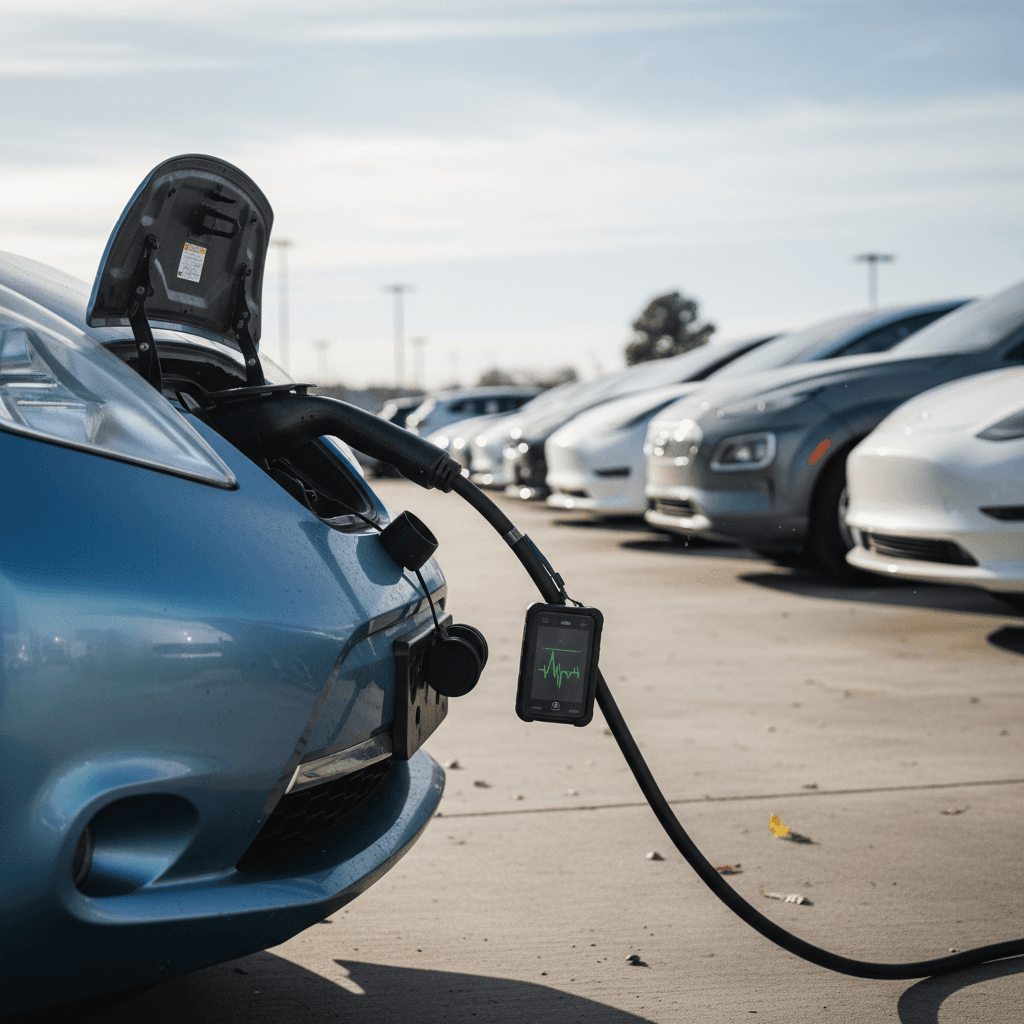
- Nissan Leaf (esp. 2015–2019) – One of the most common used EVs under $20K. Earlier models have smaller batteries (and more degradation risk), but later 40 kWh versions can still offer 120–150 miles of real‑world range if the pack is healthy.
- Chevrolet Spark EV & Kia Soul EV – Quirky, city‑focused EVs that often sit well below $20K. Great for urban commuting, less ideal for long highway trips due to limited range and fast‑charging speed.
- Chevrolet Bolt EV – In some markets, higher‑mileage Bolts and earlier model years are getting very close to $20K. They deliver genuinely useful range (200+ miles when new) and DC fast‑charging capability.
- Hyundai Kona Electric / Kia Niro EV – Prices are mostly still above $20K for clean, low‑mile examples, but you’ll occasionally find older, higher‑mileage units near that budget. Strong real‑world efficiency and decent fast‑charging make them compelling if the battery checks out.
Don’t buy an EV blind
Comparison: gas vs EV at the $20,000 price point
What $20,000 typically buys you in late 2025
These are broad patterns, individual deals can be better or worse, but they show the tradeoffs between gas and electric at the same budget.
| Aspect | Used Gas/Hybrid Car (~$20K) | Used EV (~$20K) |
|---|---|---|
| Vehicle age | 3–7 years old, often with 50–100K miles | 5–9 years old, mileage varies widely |
| Range / refueling | 350–500 miles per tank; minutes to refuel | 100–250 miles of real‑world range depending on model and battery health; charging takes longer |
| Running costs | Fuel and maintenance add up; oil changes, exhaust, transmission, etc. | Much lower fuel and routine‑maintenance costs; no oil changes, fewer moving parts |
| Weather sensitivity | Range mostly unaffected by cold/heat | Cold weather and highway speeds can significantly cut range |
| Long trips | Easy, gas stations are everywhere | Doable but requires planning, fast‑charging access, and tolerance for longer stops |
| Risk factor | Typical used‑car risks (engine, transmission, rust) | Battery health risk is the big one; pack replacement can cost more than the car is worth |
Gas cars usually win on flexibility; EVs can win on running costs if the battery is healthy.
How to shop smart with a $20,000 budget
Step-by-step: making $20K go further
1. Define your non‑negotiables
List what you truly need: body style, number of seats, must‑have safety tech (automatic emergency braking, blind‑spot monitoring), and whether home charging is available. This keeps you from overpaying for things you don’t actually care about.
2. Decide: gas, hybrid, or EV
If you can’t charge at home or work, an EV may frustrate you. If you drive mostly short trips and have a plug, a used EV can save serious money on fuel.
3. Set an out‑the‑door number
Factor in tax, registration, doc fees, and any add‑ons. A $20,000 advertised price can easily become $22–23K out the door, especially at traditional dealers.
4. Use total‑cost‑of‑ownership math
Estimate fuel + maintenance for 3–5 years, not just the purchase price. A $20K EV with a healthy battery might cost less than a $17K gas car over the same period once you factor in fuel and upkeep.
5. Get inspection AND vehicle history
For gas/hybrid cars, a pre‑purchase inspection is mandatory. For EVs, you also want a battery health report, this is where Recharged’s <strong>Score Report</strong> comes in.
6. Be willing to travel or buy online
Inventory is uneven. If you’re open to buying digitally and having the car delivered, you’ll see more options and better pricing, especially for EVs clustered in certain states.
Where Recharged fits in
Ready to find your next EV?
Browse VehiclesBattery health: the make-or-break factor for used EVs
For gas cars, mileage is a rough stand‑in for remaining life. For EVs, battery health is the real odometer. Two identical‑looking cars can have wildly different remaining range and resale value depending on how they were charged, stored, and driven.
Key questions to ask about a used EV
You don’t need to be an engineer, just focus on these basics.
How much capacity is left?
Many EVs display a battery health indicator or at least a full‑charge range estimate. You want to know how that compares to the original EPA range.
A Recharged Score battery report translates this into a simple percentage so you know what you’re getting.
What’s the charging history?
Frequent DC fast charging and hot‑climate use can accelerate degradation. Ask where the car lived and how it was usually charged (home Level 2 vs. fast‑charging on road trips).
Any battery warranty left?
Many EVs launched with 8‑year battery warranties from the original in‑service date. Knowing when that clock started and ends is crucial.
If the pack is still under warranty, your downside risk is much lower.
Look past headline range
Financing and total cost of ownership
At $20,000, most buyers are still financing rather than paying cash. That makes your monthly payment and running costs just as important as the sticker price.
Monthly payment reality check
Roughly speaking, every $1,000 financed adds about $20–$25 to your monthly payment, depending on term and rate. Moving from an $18K to a $22K car doesn’t sound huge, but it can mean another ~$80–$100 per month.
That’s why it’s smart to treat $20K as a ceiling and look for cars that leave room for tax and fees.
Why EVs can win on ownership cost
Even when priced similarly to gas cars, EVs often win the long game:
- Electricity is usually cheaper per mile than gasoline.
- No oil changes and fewer wear items (no exhaust, fewer fluids).
- Regenerative braking can extend brake life.
The caveat: this math only works if the battery is healthy. That’s where a verified battery health report, like Recharged’s, changes the risk profile.
Pre-qualifying with no drama
Used EV vs used gas: what makes sense for you?
Which $20K path fits your life?
You’re a commuter with home charging
Daily driving under 60 miles, mostly city or suburban.
You can install or already have a Level 2 charger at home.
Occasional road trips, but you’re okay planning stops.
→ A used EV with solid battery health can be an excellent fit, especially a Bolt EV, Leaf, Kona Electric, or Niro EV.
You live in an apartment with no guaranteed charging
Street parking or shared garage with no dedicated outlet.
Unpredictable access to public chargers.
You can’t always leave the car plugged in overnight.
→ A fuel‑efficient gas or hybrid sedan (Corolla, Civic, Prius) is likely the less stressful choice.
You road-trip often or drive long rural distances
Regular 200+ mile trips through areas with spotty charging infrastructure.
You value quick refueling and minimal planning.
You tow or carry heavy loads frequently.
→ A conventional gas or hybrid SUV may be worth the extra fuel cost for the flexibility.
You want lowest total cost of ownership
You track expenses and plan to keep the car 5+ years.
You have predictable daily driving and access to home charging.
You’re willing to learn a bit about charging and battery health.
→ A carefully vetted used EV, bought with strong battery data, will often be the cheapest to run overall.
FAQs: Best used cars around $20,000
Frequently asked questions
Bottom line: finding the best used car around $20,000
A $20,000 budget in 2025 is a powerful tool, if you use it strategically. On the gas side, it buys you proven, low‑drama transportation like a Corolla, Civic, or compact SUV with modern safety tech. On the EV side, it opens the door to early‑generation electric cars whose prices have finally come back down to earth.
The key is understanding trade‑offs: flexibility and simplicity favor gas and hybrids, while lower running costs and a smoother drive favor EVs, as long as the battery checks out. That’s where data, not guesswork, should drive your decision.
If you’re leaning electric, Recharged was built to make that decision simple. Every vehicle gets a Recharged Score Report with verified battery health and fair‑market pricing, plus EV‑savvy support from first browse to delivery. Whether you end up in a rock‑solid Corolla or a well‑vetted used EV, the best $20,000 car is the one that fits your life, your budget, and your appetite for change.