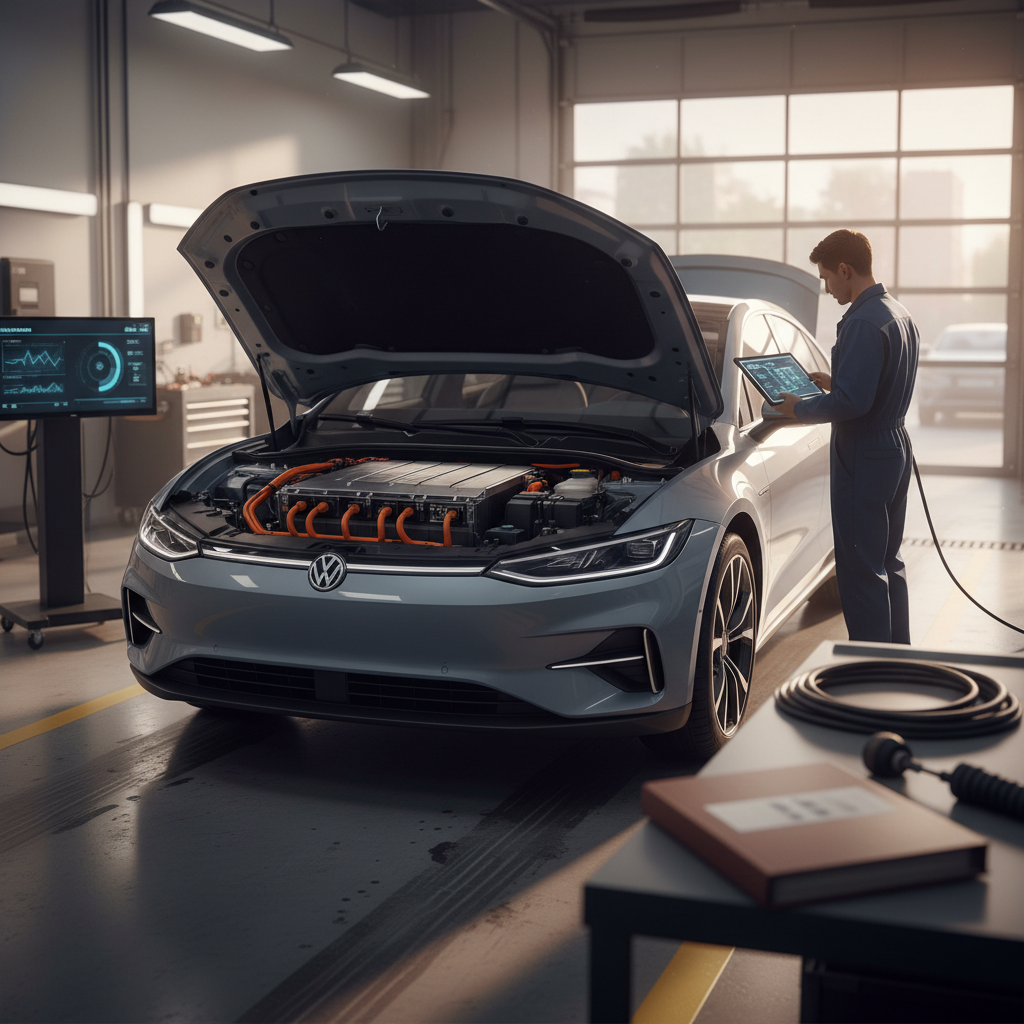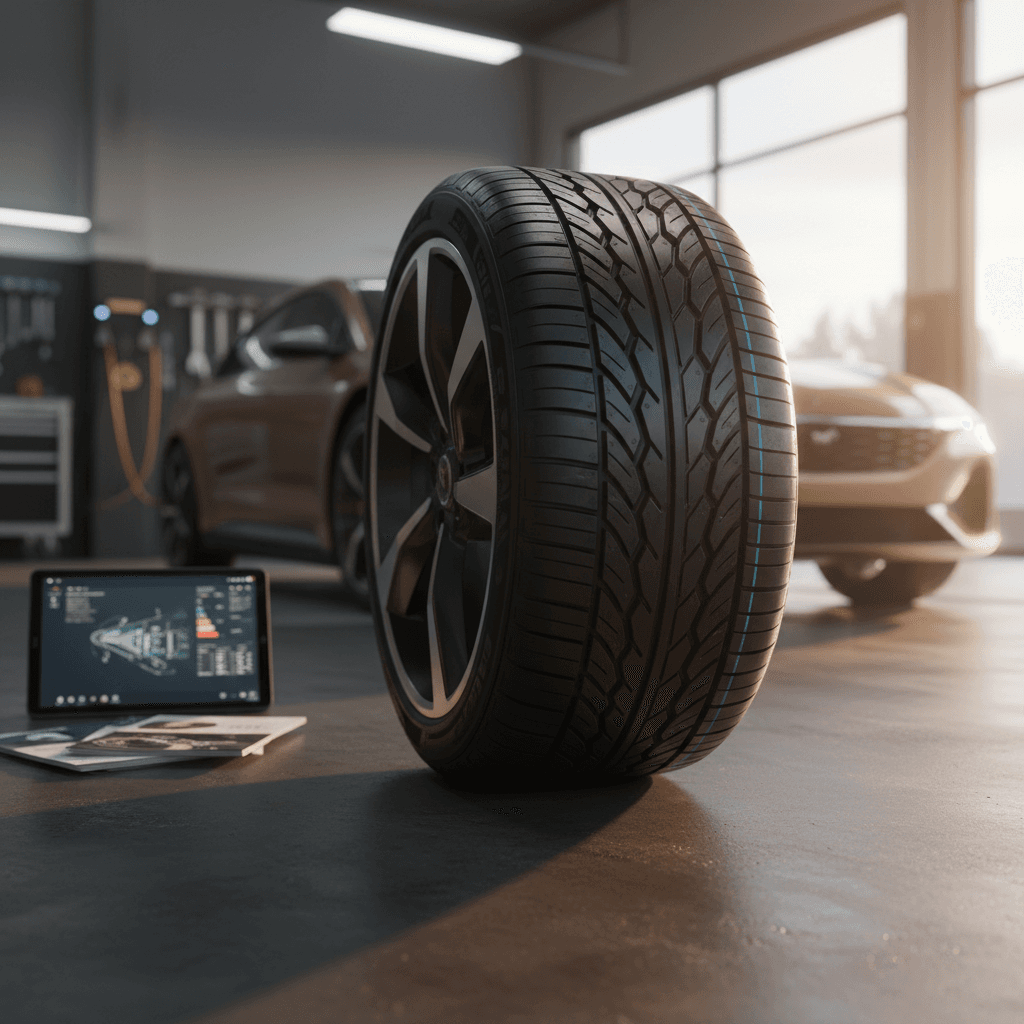
If you own an electric vehicle, the best tires for your electric vehicle aren’t necessarily the same ones you’d buy for a gas car. EVs are heavier, deliver instant torque, run more quietly, and many owners care deeply about range. All of that puts your tires right at the center of safety, comfort, and efficiency.
Quick take
Why EV tires matter more than you think
EV tires are becoming a big business
On an internal‑combustion car, a slightly noisier, less efficient tire can hide behind engine sound and a big fuel tank. In an EV, there's nowhere to hide. A poor tire choice shows up as less range, more road roar, and sometimes longer stopping distances. EV‑specific tires exist for a reason: they’re engineered to handle the extra load and torque while keeping rolling resistance, and your energy consumption, as low as practical.
How electric vehicles wear tires differently
1. Extra weight
Most EVs carry a heavy battery pack low in the chassis. That often makes them several hundred pounds heavier than a similar gas car. More weight means more load on the tire, especially during cornering and braking. Tires designed for EVs typically use reinforced casings and higher load indices to cope with that stress.
2. Instant torque
Electric motors deliver maximum torque almost instantly. That satisfying snap off the line also scrubs rubber off the tread. EV‑oriented tires use compounds and tread designs tuned for high-torque launches so they don’t melt away after two summer road trips.
3. Quieter powertrain = louder tires
Without engine noise, you hear far more of what the tires are doing. Pattern hum, coarse‑chip whine, and impact noise over expansion joints are all more apparent, especially at highway speeds. That’s why many EV tires now integrate acoustic foam liners to damp low‑frequency noise inside the cabin.
4. Regenerative braking behavior
With regen, a lot of your braking happens through the motors instead of the friction brakes, often on the same driven axle. That can change wear patterns versus a conventional car. Choosing tires with good wet and dry braking and rotating them on schedule is crucial on an EV.
Watch your load rating
What makes a tire “good” for an EV?
Key qualities of a great EV tire
Safety comes first, but range, noise, and comfort matter too.
Safety & grip
Short stopping distances in wet and dry conditions and predictable handling under emergency maneuvers are non‑negotiable. Look for strong independent test results and wet‑grip ratings.
Efficiency & range
Low rolling resistance helps your EV travel farther per kWh. It won’t double your range, but a well‑optimized tire can add several miles to every charge.
Noise & comfort
EV‑specific noise‑reduction technologies, like acoustic foam and optimized tread patterns, keep your cabin quiet so the car still feels premium at 70 mph.
Load & durability
Extra‑load (XL) construction and compounds tuned for high torque keep tread wear reasonable and maintain stability with a heavy battery pack.
Climate suitability
Choose the right category for your climate and driving: all‑season, summer performance, or dedicated winter. Don’t expect one tire to master every condition.
Total cost of ownership
Factor in mileage warranty, typical tread life on EVs, and energy savings. A slightly pricier tire that lasts longer and preserves range can be cheaper over 40,000 miles.
Best all-season tires for electric vehicles in 2025
All‑season tires are the default choice for many EV drivers in the U.S. because they aim to balance dry grip, rain performance, light‑snow capability, and year‑round comfort. Here are standout options frequently recommended for mainstream electric vehicles in 2025.
Top all-season EV-friendly tires (2025)
Representative sizes and average U.S. retail pricing; check local fitment and availability for your specific EV.
| Tire model | Typical use | Approx. price (per tire) | Key strengths | Best for |
|---|---|---|---|---|
| Continental EcoContact 6 | EV-focused summer/all-season touring | $150–$190 | Low rolling resistance, quiet ride, good range | Drivers prioritizing efficiency and comfort |
| Goodyear ElectricDrive 2 | EV all-season touring | $190–$230 | Acoustic foam, sustainable materials, balanced performance | Daily commuters wanting quiet and eco‑credentials |
| Goodyear ElectricDrive GT | Performance‑leaning all-season | $150–$200 | Low rolling resistance, sound‑dampening, confident grip | Livelier EVs that still need efficiency |
| Continental ProContact RX | Grand‑touring all-season | $150–$200 | Strong wet/dry braking, quiet ride | Luxury EV sedans and crossovers |
| Michelin CrossClimate 2 | All‑weather (3PMSF) | $190–$250 | Excellent wet/snow traction, stable feel | Mixed‑climate drivers who see real winter but don’t want full snows |
Prices and scores are approximate; always compare current local offers before buying.
Check OE fitment on your EV
Best performance tires for sporty EVs
Got a performance‑oriented Tesla Model 3, Hyundai Ioniq 5 N, Mustang Mach‑E GT, or similar? You’re probably more interested in steering precision and cornering grip than squeezing out the last two miles of range. Performance EV tires try to balance that equation instead of chasing maximum efficiency at all costs.
Popular performance tire choices for EVs
Summer and performance‑leaning options commonly fitted to more powerful electric cars.
| Tire model | Category | Approx. price (per tire) | What it does well | Trade‑offs |
|---|---|---|---|---|
| Michelin Pilot Sport EV | Max‑performance summer (EV‑specific) | $230–$320 | Stronger dry/wet grip than many OE tires, low rolling resistance, EV load ratings | Slightly less ultimate wet grip than non‑EV ultra‑high‑performance options |
| Michelin Pilot Sport 4S (or similar UHP tire) | Ultra‑high‑performance summer | $220–$310 | Outstanding steering feel and wet braking, huge grip | Higher rolling resistance; can trim range vs EV‑specific options |
| Pirelli P Zero Elect | Performance summer (EV‑tuned) | $230–$320 | Tuned for EV noise and efficiency, strong dry grip | Often pricier; still a summer‑only solution |
| Goodyear Eagle F1 Asymmetric (EV fitments) | Max‑performance summer/all‑season variants | $210–$290 | Sporty feel with decent efficiency in some EV‑tuned versions | Performance focus can reduce tread life on heavy EVs |
Always check temperature guidelines, most max‑performance summer tires are not suitable near freezing.
For most EV drivers, the smartest move is to buy as much wet and emergency‑maneuver grip as your budget allows, then look for efficiency and quietness within that subset.
Best winter tires for electric vehicles
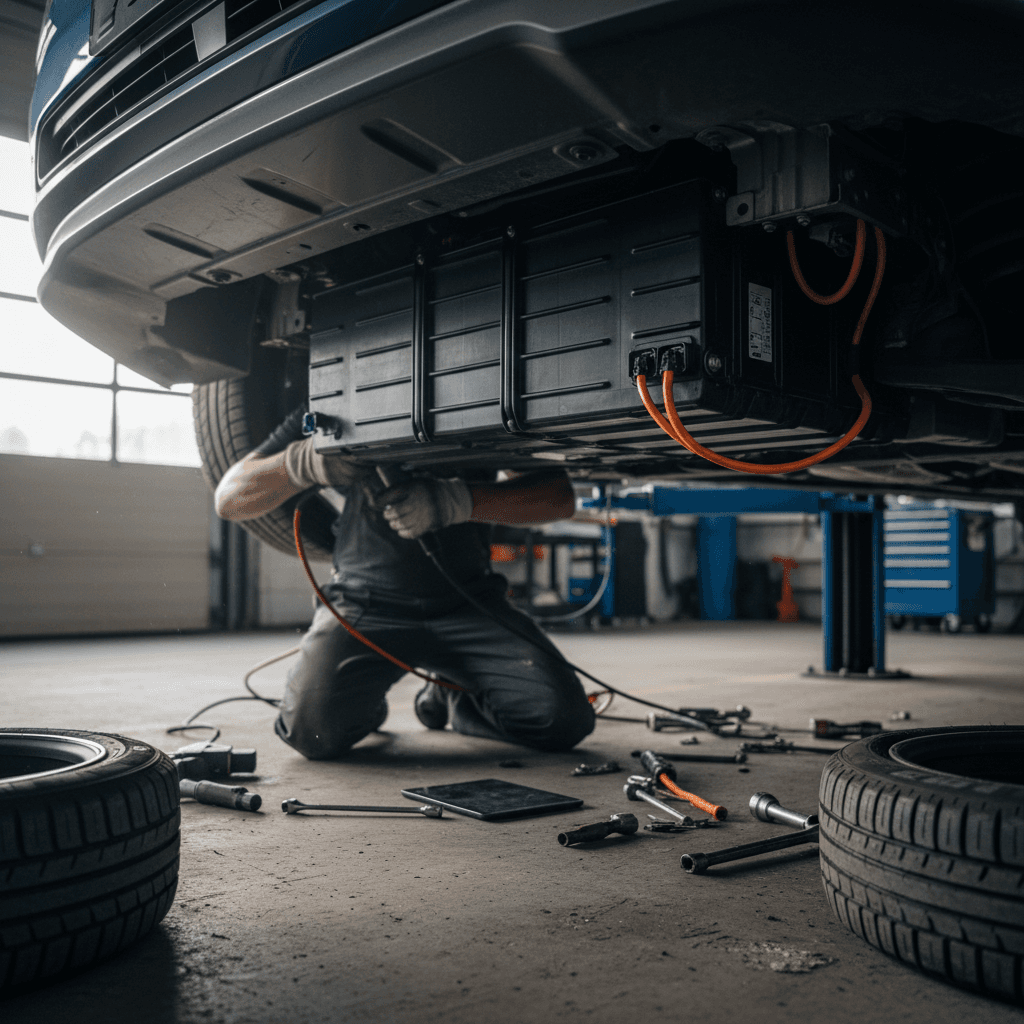
If you regularly see snow and ice, the best tires for your electric vehicle in winter are not all‑seasons; they’re dedicated winter tires. EV‑compatible winter tires are built to stay flexible in deep cold and handle the weight and torque of a battery‑electric car without feeling sloppy.
- Nokian Hakkapeliitta 10 EV – Studded winter tire with a construction and tread pattern tuned for heavier, more powerful EVs. Superb ice traction and braking; some road noise from the studs comes with the territory.
- Michelin X‑Ice Snow – Well‑regarded non‑studded winter tire with excellent grip on snow, slush, and ice and reasonably quiet operation for winter rubber.
- Bridgestone Blizzak WS90 (EV fitments) – Not EV‑specific, but commonly used on electric cars in snowbelt states thanks to strong ice traction and predictable feel. Choose XL/load‑appropriate sizes.
Don’t run summer or worn all‑seasons in real winter
How tires affect EV range, noise, and comfort
For EV owners, three questions come up again and again: How much range will I lose or gain? How loud will the car be? Will it still ride nicely? Tires influence all three more than most people realize.
Rolling resistance & range
Rolling resistance is the force your car must overcome to keep the tires turning. EV‑focused tires like the Michelin Pilot Sport EV are engineered with lower rolling‑resistance compounds and construction. In some internal testing, switching from a more conventional performance SUV tire to an EV‑specific version yielded over 10% more driving range on a single charge under controlled conditions. Real‑world gains will vary, but a 5–10% swing isn’t unusual when you move from an aggressive performance tire to an efficiency‑tuned EV tire.
Noise and cabin refinement
Because electric powertrains are nearly silent, tire noise dominates at highway speeds. EV‑specific tires often add features like foam liners bonded to the inner tread to damp the low‑frequency droning that can make a quiet EV feel coarse. Tread block layout and pitch sequencing also matter; a good EV tire can turn that coarse freeway into more of a muted “whoosh” than a constant roar.
Ride comfort vs. sharp handling
Stiffer sidewalls improve steering response but transmit more expansion‑joint impact into the cabin. Many EV‑oriented tires split the difference, using reinforced casings for weight but compounds that take the harsh edge off. Test‑driving or reading EV‑specific reviews is critical if you’re sensitive to ride quality.
Tread life and cost per mile
EVs can chew through soft high‑grip compounds quickly. Expect aggressive performance tires to wear faster than conservative all‑season EV tires. When you compare options, think in terms of total cost per mile, not just sticker price. A tire that lasts 10,000 miles longer and saves a bit of energy may win over the life of the set.
EV tire buying checklist
Step-by-step checklist before you buy EV tires
1. Confirm size and load rating
Match the size on your door‑jamb sticker and ensure the load index and speed rating meet or exceed the factory specification. EVs often require XL (extra‑load) tires.
2. Decide what you care about most
Rank your priorities: safety (always first), range, noise, steering feel, winter performance, and price. That makes trade‑offs much clearer when comparing models.
3. Choose the right category
Mild climate and calm driving? All‑season touring is fine. Spirited driving in warm weather? Consider performance summer. True winter? Budget for a second set of dedicated winter tires.
4. Look for EV-specific features
Search for EV markings, acoustic foam, low‑rolling‑resistance claims, and XL load indices. These aren’t marketing fluff; they’re usually meaningful design differences for electric cars.
5. Read EV-focused reviews
Many tire tests now include efficiency and noise scores for EVs. Prioritize reviews that measure range impact and interior decibels, not just dry lap times.
6. Plan your install and alignment
Have a shop familiar with EV jacking points and weight balance do the work. A fresh four‑wheel alignment protects your investment and keeps the car tracking straight.
How Recharged fits in
Ready to find your next EV?
Browse VehiclesMaintenance tips to make your EV tires last longer
Even the best tires for an electric vehicle can wear out quickly if you don’t treat them right. The good news: a few simple habits can extend tread life, preserve range, and keep the car feeling sharp.
- Check pressure at least monthly. EVs are sensitive to under‑inflation. Running even a few psi low increases rolling resistance, cuts range, and builds heat that accelerates wear.
- Rotate on a shorter schedule. Many EV owners rotate every 5,000–7,500 miles instead of stretching to 10,000. This helps equalize wear between driven and non‑driven axles, especially on powerful rear‑ or all‑wheel‑drive EVs.
- Get alignment checked yearly, or after impacts. Hitting a serious pothole or curb can knock alignment out just enough to chew up a set of tires in a few thousand miles. If the steering wheel isn’t straight or the car drifts, get it checked.
- Ease up on full‑throttle launches. Instant torque is fun, but it’s hard on rubber. Dialing back the drag‑strip starts will noticeably extend tire life without making your EV boring.
- Store seasonal tires properly. If you run a winter/summer setup, store the off‑season set in a cool, dark place, bagged and stacked correctly, to prevent flat spots and cracking.
Think ahead when buying a used EV
EV tire FAQs
Frequently asked questions about EV tires
Bringing it all together
Choosing the best tires for your electric vehicle is about more than finding the right size on sale. It’s about matching your EV’s weight and power to a tire that can stop quickly in bad weather, stay quiet on the highway, and support the kind of range you expect. Whether you favor an efficiency‑oriented touring tire, an EV‑specific performance model, or a dedicated winter setup, the key is understanding the trade‑offs before you buy.
If you’re also weighing which used EV to put in your driveway, that’s where Recharged comes in. Every vehicle we sell comes with a Recharged Score battery health report, transparent pricing, and EV‑savvy specialists who can talk you through real‑world tire costs, range expectations, and maintenance. The right car on the right tires makes EV ownership simpler, safer, and a lot more enjoyable.