If you’ve watched gas prices bounce around and EV headlines whiplash over the last few years, it’s fair to ask a specific question, not a vague one: what’s the best time to switch from gas to electric in 2026? The honest answer isn’t a single date circled on the calendar. It’s a mix of policy deadlines, used-EV pricing, your driving pattern, and how long you’ll keep your next car. This guide walks through those moving parts so you can decide if 2026 is your year, or if you should hold your fire.
A quick 2026 reality check
Is 2026 the right year to switch from gas to electric?
EV vs gas in 2026: high-level snapshot
Those numbers explain why many households are running the math in 2026. But whether this year is actually the *best* time for you to jump depends on three levers you control: how much you drive, what you drive now, and whether you’re open to a used EV instead of a brand‑new one. For a lot of drivers who log 10,000–15,000 miles per year and are already eyeing a replacement, this is a very strong year to move, especially into a 2–5‑year‑old EV.
What changed since 2024–2025: the new 2026 landscape
1. The federal tax-credit era cooled off
From 2023 through late 2025, many U.S. buyers could stack federal EV tax credits on top of state incentives. By late 2025, most of those broad credits either expired or narrowed to a smaller list of qualifying models and incomes. In early 2026, you can’t assume a blanket $7,500 rebate on a new EV or $4,000 on a used one the way you could a couple of years ago.
That means your timing decision now leans more on total cost of ownership and less on snagging a one‑time check from Washington.
2. EV prices cooled while gas costs stayed volatile
New‑EV sticker prices have drifted down from their 2022 peak as more mainstream models hit the market and competition intensified. At the same time, average U.S. gas prices have spent the last few years bouncing between painful and annoying, while electricity costs have risen more slowly.
The result: the upfront premium for an EV is smaller than it was a few years ago, and the fuel savings gap per mile remains significant in most states.
Don’t overlook your electric bill
Key signs you personally are ready to switch
Four green lights that 2026 is your year
If two or more of these sound like you, it’s worth running the numbers seriously.
You drive at least 10,000 miles a year
The more you drive, the faster the lower fuel and maintenance costs of an EV work in your favor. Below ~7,500 miles a year, the savings come slower; above 12,000, they add up quickly.
Your gas car is entering the “expensive years”
If your current car is out of warranty and starting to need big‑ticket items, transmission service, exhaust systems, timing components, you’re staring at future repair bills. Swapping into an EV in 2026 can trade that uncertainty for a simpler maintenance profile.
You can reliably charge at home or work
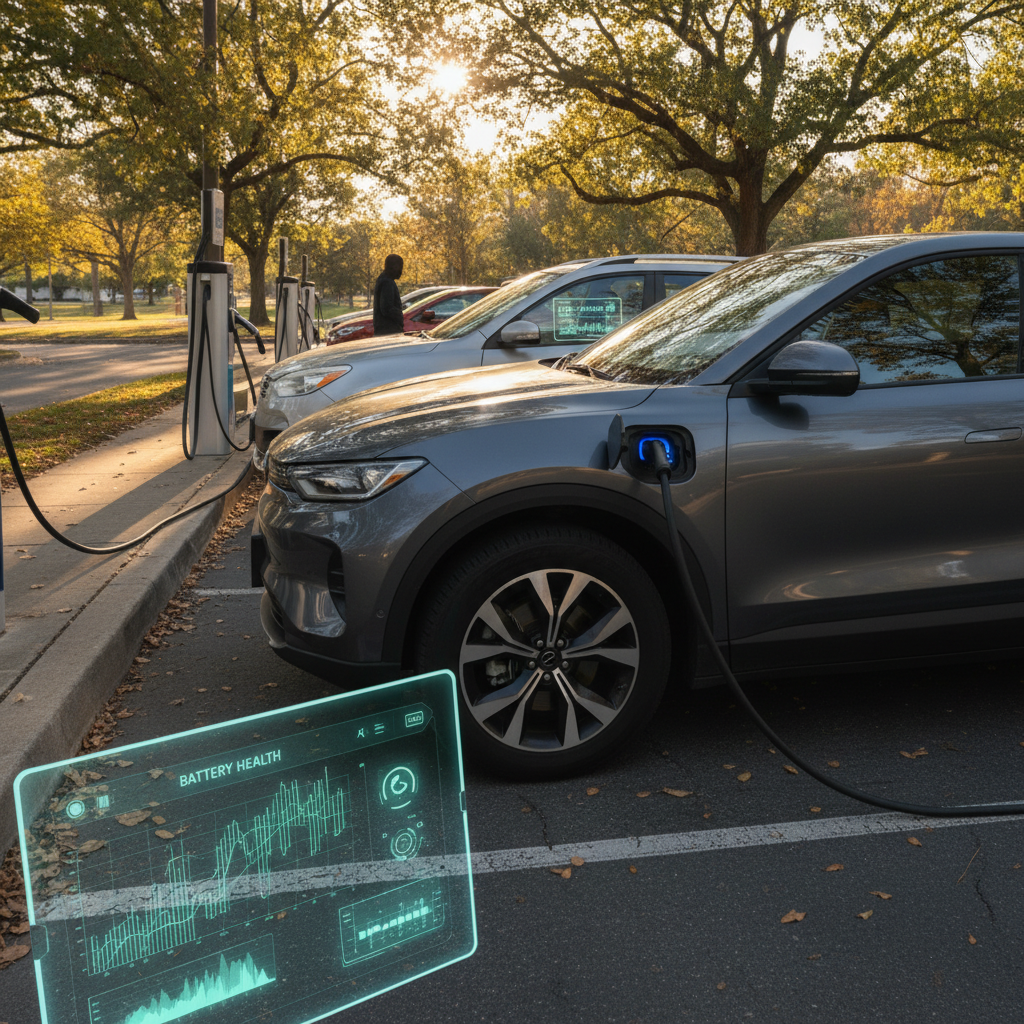
A driveway, garage outlet, or consistent workplace charger is a huge signal you’re ready. Home charging turns your EV into a "full tank every morning" appliance and protects you from public‑charging hassles.
You’ll keep your next car 5+ years
EVs tend to shine on 5‑ to 10‑year horizons. If you swap cars every 24–36 months, the fuel and maintenance savings have less time to outrun any upfront price premium.
A red light: unstable housing or job
When the numbers most strongly favor switching in 2026
Let’s step away from slogans and look at where the math is most compelling. In 2026, the best time to switch from gas to electric is usually when three cost lines cross: fuel, maintenance, and depreciation on your current car.
Scenarios where switching in 2026 pays off fastest
These are directional examples, not quotes, but they mirror what recent cost-of-ownership studies and dealer data show in the U.S. market.
| Your situation in 2026 | What’s happening with your gas car | EV option to look at | Why 2026 timing works |
|---|---|---|---|
| Commute-heavy household (15,000–20,000 mi/yr) | Frequent fuel stops, rising maintenance; out of warranty | 3–5‑year‑old used EV sedan or crossover | High annual mileage turns lower fuel and maintenance into quick payback, even without big tax credits. |
| Gas SUV or truck with poor MPG | $80–$120 fill‑ups, 14–18 MPG, looming repair items | Used or new EV crossover with reasonable range | Swapping from 15 MPG to efficient EV driving can cut energy cost per mile by half or more. |
| Two-car household, one vehicle aging out | One older gas car nearing replacement, one newer vehicle fine | Replace the older gas car with a used EV; keep the other | You diversify: one EV, one gas car. That makes public‑charging and road‑trip planning lower‑stress. |
| You’re already paying for parking with power | Garage, driveway outlet, or workplace chargers included | Used EV that fits existing parking situation | You’re already paying for the infrastructure; 2026 becomes the year you start using it to save real money. |
If you recognize your situation below, 2026 is likely a strong year to move to an EV, especially a late‑model used one.
Where used EVs tilt the scales
Scenarios when it actually pays to wait
Not every household should sprint toward an EV this year. There are clear cases where waiting a year or two, or simply driving your paid‑off gas car longer, makes more financial sense.
- You drive very little. If you log under ~6,000 miles per year, fuel savings pile up slowly. A paid‑off, reliable gas car you barely drive is hard to beat financially, even if an EV is more efficient on paper.
- Your current car is nearly new and efficient. Trading out of a late‑model hybrid or high‑MPG compact just to go electric can burn money in depreciation. Use this time to watch the market and charging build‑out instead.
- You can’t charge at home and public options are thin. If the nearest fast charger is 25 miles away and your apartment complex has no EV infrastructure, a 2026 switch will hinge on lifestyle sacrifices you may regret.
- Your budget is tight and credit is expensive. With interest rates still elevated by historical standards, stretching for a brand‑new EV with a long loan can erase some of the operating-cost advantage. In that case, watching the used market for a year may be smarter.
A bad reason to rush: hype and FOMO
How used EVs in 2026 change the timing math
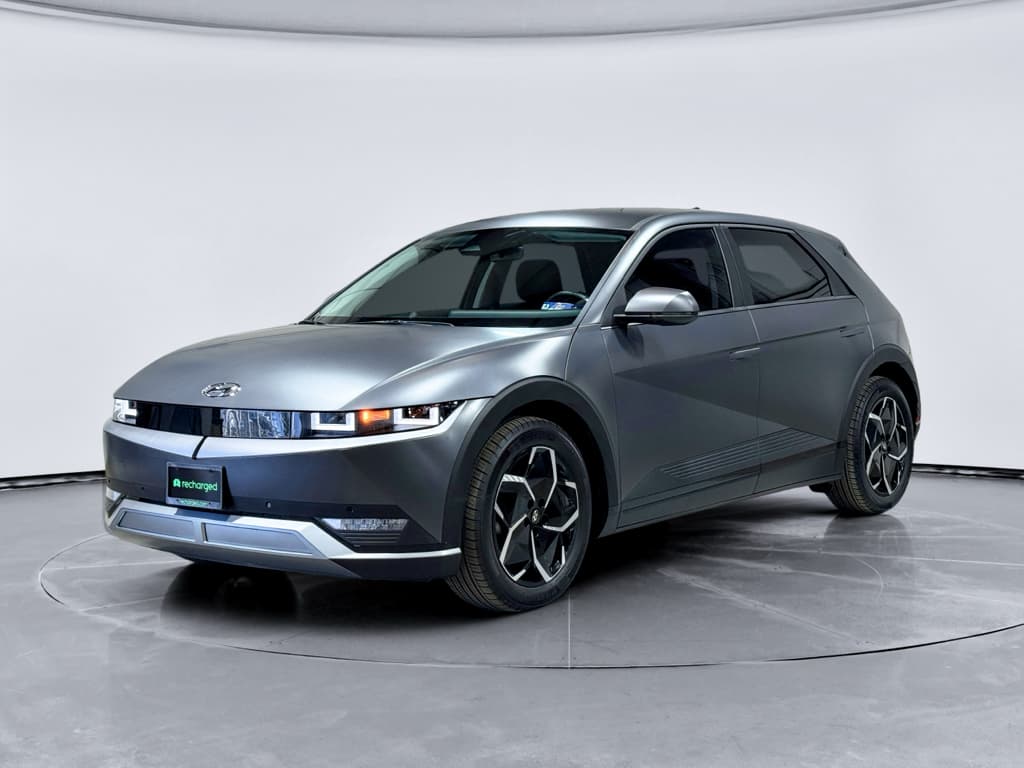
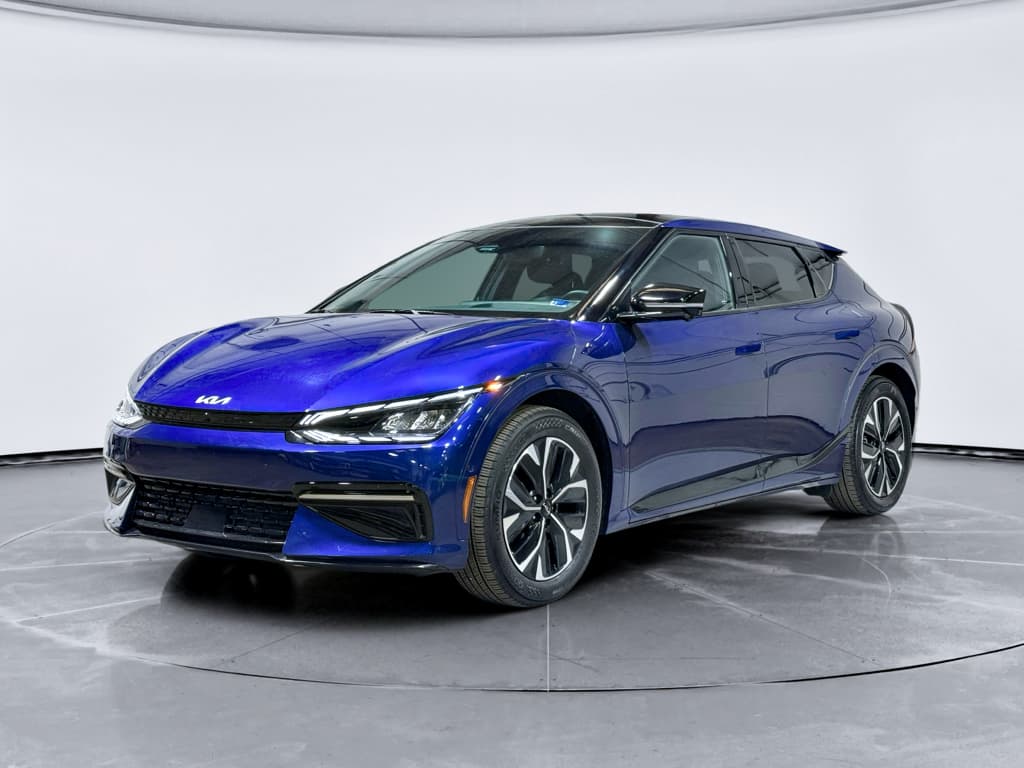
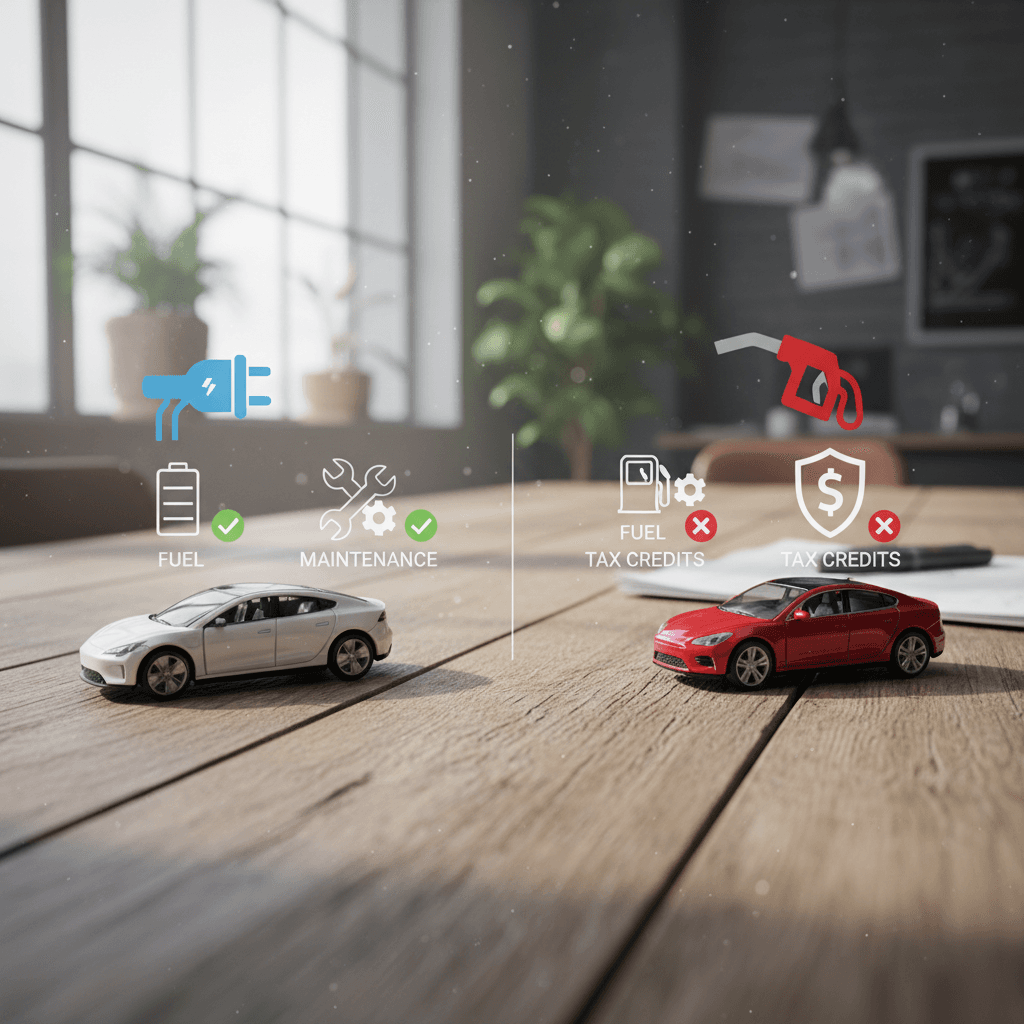
For timing, the biggest difference between 2022 and 2026 is simple: there’s finally a real used EV market. Early mainstream models from Tesla, Chevy, Hyundai, Kia, Ford and others have been in circulation long enough that off‑lease and trade‑in volume is meaningful. That matters because the most cost‑efficient time to go electric is often with a late‑model used car, not a fresh‑off‑the‑line one.
Why 2026 is a sweet spot for used EVs
Three trends dealers and remarketers are watching closely.
More inventory, more price pressure
Lease returns and first‑wave trade‑ins are pushing more EVs onto used lots. That volume tends to pull prices down and gives shoppers leverage.
Real‑world battery data
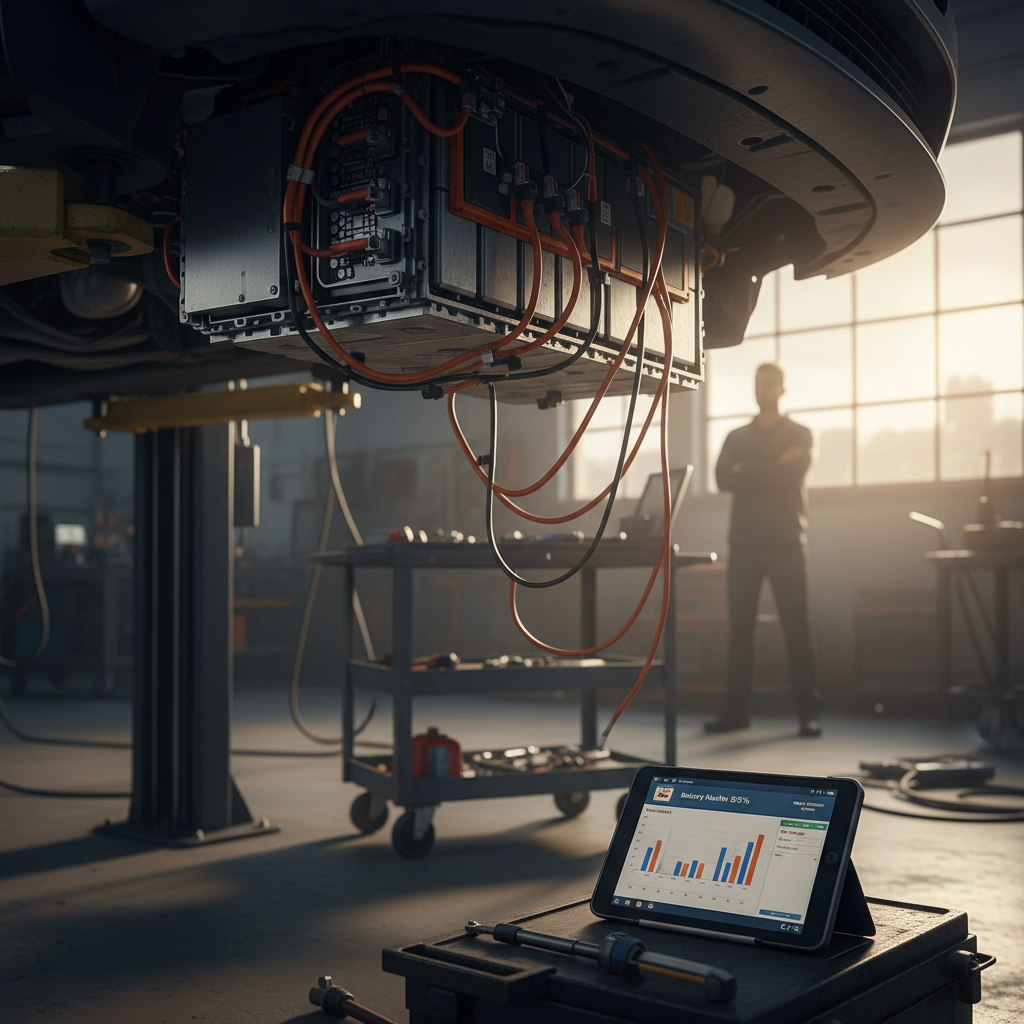
We now have multi‑year data showing how most EV batteries age in everyday use. That reduces the fear factor and helps separate strong models from weak ones.
Better diagnostics and reports
Specialized tools, like the Recharged Score battery health diagnostics, let you see a used EV’s pack health instead of guessing. That transparency makes 2026 a more comfortable year to buy used electric.
At Recharged, every used EV listing includes a Recharged Score Report that covers verified battery health, pricing versus the market, and key ownership costs. If you’re timing a gas‑to‑EV switch around long‑term value rather than headlines, those details matter more than whether you buy in April versus October.
Timing your switch around credits and incentives
In early 2026, federal EV incentives look very different than they did a few years ago. Broad tax credits that once covered many new and used EVs have largely sunset or narrowed to a subset of models and buyers. That doesn’t mean incentives are gone, it means they’re patchwork and local.
1. Federal: don’t assume a blanket deal
Eligibility now depends heavily on where a vehicle is built, where its battery materials come from, and your income. Some 2026 buyers will still qualify for meaningful federal help; others won’t. The smart move is to run your VIN and tax situation through an up‑to‑date eligibility checker or talk to a tax professional before you let a hypothetical credit drive your timing.
2. State and local: the sleeper discounts
Plenty of states, utilities, and cities offer their own rebates, discounted electricity rates, or charger installation credits. These are often smaller dollar amounts than the headline federal incentives, but they can stack, and they’re sometimes refreshed on an annual budget cycle.
If you’re flexible, it can be worth timing your purchase for when a state rebate pool opens or a utility launches a new off‑peak EV rate.
How to time for incentives in 2026
Ownership cost breakdown: EV vs gas in plain English
To decide when to switch, you need a simple picture of total cost of ownership, not just sticker price. Here’s how the major buckets line up in 2026 for a typical U.S. driver putting about 12,000–15,000 miles per year on the odometer.
Five-year cost buckets: mainstream EV vs comparable gas car
Illustrative comparison for similar-size vehicles. Actual numbers vary by model, region and financing, but the pattern is consistent across many independent studies.
| Cost bucket (5 years) | Typical gas car | Typical EV | What it means for 2026 timing |
|---|---|---|---|
| Fuel/energy | Highest ongoing cost; sensitive to gas-price swings | Significantly lower per mile; more stable pricing | The more you drive in 2026–2031, the more this favors an EV, especially if gas spikes again. |
| Maintenance & repairs | Oil changes, spark plugs, exhaust, transmission work; costs ramp as car ages | Tires, brakes, cabin filters; fewer moving parts, lower routine spend | Waiting until your gas car is out of warranty and aging lets you dodge its costly phase by switching. |
| Depreciation | Moderate if you bought used; steeper on new cars | EVs used to depreciate faster; patterns are stabilizing as demand grows | Buying a used EV in 2026 can put you on the flatter part of its depreciation curve. |
| Insurance | Often lower on older, cheaper cars | Sometimes higher on newer EVs; varies by market and model | If insurance quotes are your sticking point, compare specific VINs before deciding on timing. |
| Home charging setup | N/A | One-time cost if you add a Level 2 charger at home | If you’re already hiring an electrician for other work this year, bundling charger installation can save on labor. |
This is why timing your switch for when your gas car is about to hit its expensive years can be powerful, the EV’s running costs are front-loaded savings.
Where home charging fits into the timing
Checklist: are you ready to go electric in 2026?
10-point readiness check for a 2026 gas-to-EV switch
1. Map your real annual mileage
Pull insurance records, maintenance invoices, or app data and nail down how many miles you actually drive in a year. Over 10,000–12,000 miles strengthens the case for switching now.
2. Audit your current car’s next 3–5 years
List upcoming maintenance: tires, brakes, timing components, fluids, potential repairs. If that list looks expensive, a 2026 switch may save you from writing those checks.
3. Confirm your charging baseline
Do you have a driveway or garage with at least a 120V outlet? Can you add 240V? Is workplace charging reliable? The steadier your access, the easier 2026 ownership will be.
4. Get realistic quotes on home upgrades
Talk to an electrician about adding a 240V outlet or Level 2 charger. Ask your utility about EV rates. Knowing the one‑time cost makes your timing decision concrete.
5. Shop used EV pricing, not just new
Browse used listings for EVs that fit your needs. On Recharged, you can compare <strong>verified battery health</strong> and fair market pricing to see how far your budget goes in 2026.
6. Run a 5-year cost comparison
Use a calculator or spreadsheet: fuel, maintenance, insurance, and depreciation for your gas car vs. a short list of EVs. Focus on 2026–2031, not just this year.
7. Check your credit and payment comfort zone
Pull your credit score and pre‑qualification offers. On Recharged, you can <strong>pre‑qualify for financing online with no impact to your credit</strong> and see real payment ranges before you commit.
8. Clarify your road-trip plan
Decide how you’ll handle long drives: keep a second gas car in the household, rent for trips, or use fast‑charging corridors. Having an answer up front prevents regret.
9. Verify incentives you actually qualify for
Look up current federal, state, and local incentives and filter by your income and the specific models you’re eyeing. Treat any credit as a bonus, not the backbone of your decision.
10. Decide how long you’ll keep the EV
If you expect to own the vehicle 5–10 years, you’re in the sweet spot for 2026 switching. Shorter horizons may favor waiting or aiming squarely at the value end of the used market.
FAQ: best time to switch from gas to electric in 2026
Frequently asked questions about timing your switch
Bottom line: how to make the 2026 switch smart
There’s no universal “best day” on the 2026 calendar to abandon gas and plug in. But there is a best time for you, and it usually shows up when a few lines cross: your gas car is heading into its expensive years, you’ve locked in a practical charging solution, and a used or new EV pencils out over the next five years even without leaning hard on incentives. That’s when switching isn’t a lifestyle gamble; it’s a financially defensible move.
If you’re close to that point, 2026 is a strong year to act. The technology is mature, the used market is deep enough to offer real choice, and the ownership-cost gap versus gas is clearer than it’s ever been. From there, the smart play is methodical: verify your charging plan, run the total‑cost numbers, and shop EVs with transparent battery health and market‑based pricing. Recharged was built around exactly that process, so when you do decide it’s time to switch from gas to electric, you’re doing it with your eyes open, not chasing a headline.