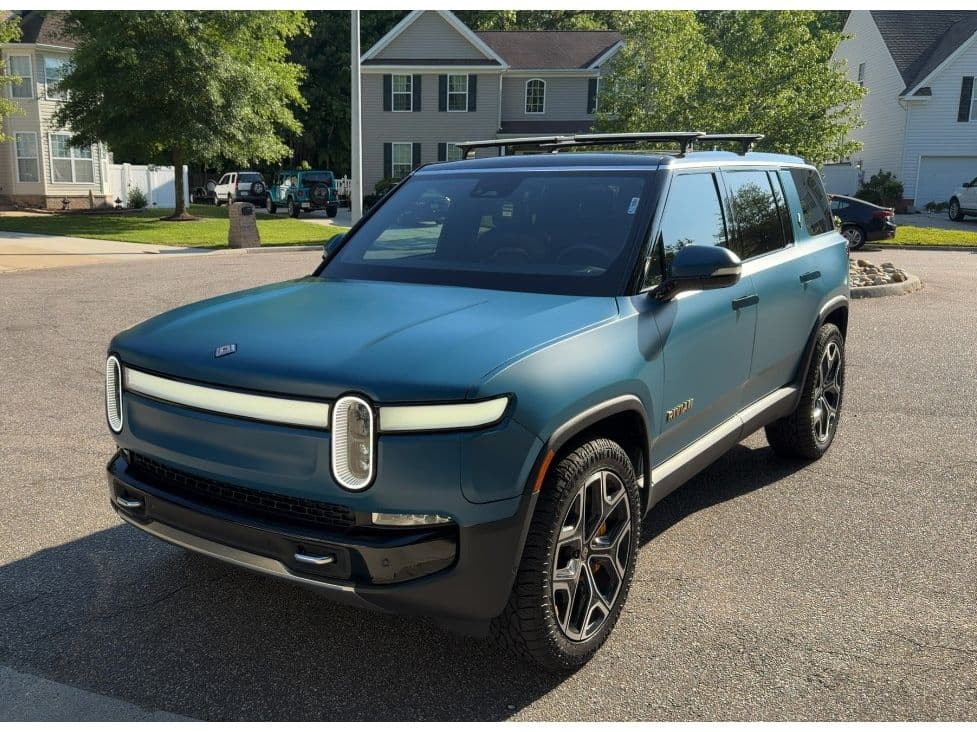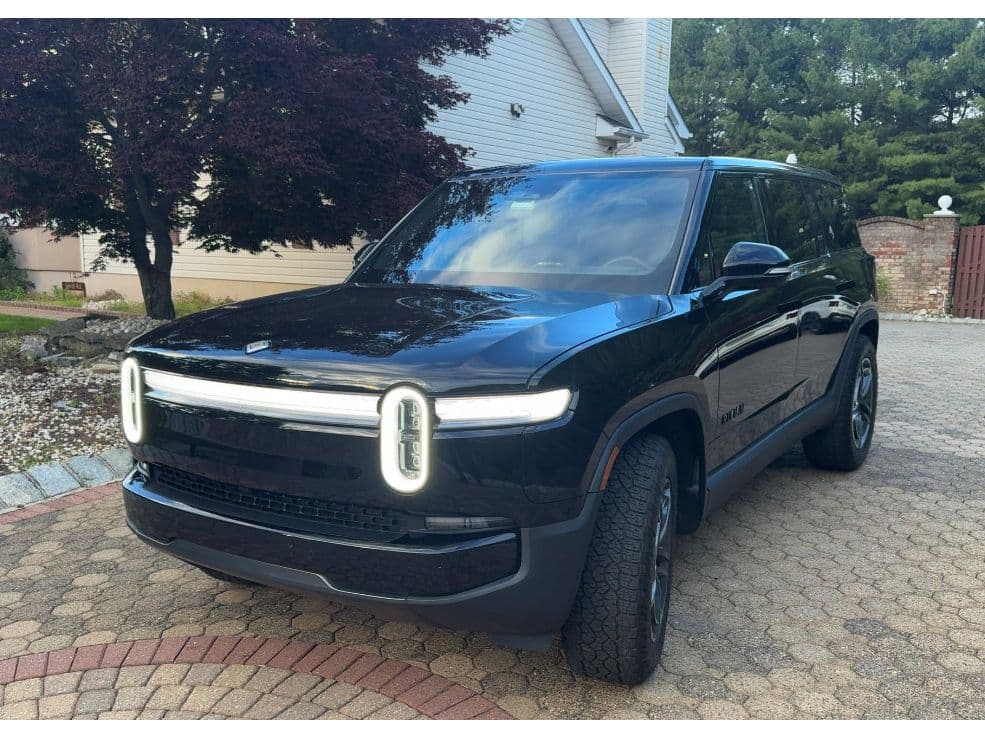
If you own a Rivian R1S, you’re sitting on one of the most desirable electric SUVs on U.S. roads. But the EV market moves fast. Incentives come and go, new models undercut old ones, and a poorly timed sale can quietly cost you five figures. Knowing the best time to sell a Rivian R1S isn’t trivia, it’s money.
The Rivian moment
Why timing matters for Rivian R1S sellers
All vehicles depreciate, but EVs depreciate differently. Their values are tied not only to mileage and condition, but to software updates, charging standards, tax credits, and new model launches. Rivian adds an extra wrinkle: it’s a young brand, still scaling production and adjusting pricing, which makes early resale values more volatile than, say, a Lexus GX.
Four forces that drive R1S resale value
Understand these levers before you pick a time to sell
1. EV market mood
When EV demand is hot, used prices rise; when headlines scream about EV slowdowns, values soften. The R1S is insulated by being a premium adventure SUV, but it’s not immune.
2. Battery confidence
Buyers watch battery health, real‑world range and charging speeds closely. A strong battery report and clean DC fast‑charging history can be worth thousands.
3. Incentives & tax rules
Federal and state incentives on new EVs move used prices. A big tax credit on a new Rivian effectively lowers the ceiling on what buyers will pay for yours.
4. Rivian’s own pricing
When Rivian adjusts MSRPs or introduces cheaper models (like the upcoming R2), used R1S values re‑price almost overnight. Early sellers often fare better than late ones after a change.
Quick answer: the best time to sell a Rivian R1S
Rule of thumb timing
What the market is signaling about R1S depreciation
None of these numbers are destiny, but they sketch the outlines of a resale sweet spot: sell while your R1S still feels essentially “like new” to the next owner, before the crowd of high‑mileage trucks floods the used market.
How Rivian R1S depreciation currently works
Rivian sits in a strange place: a startup brand, but with Range Rover money on the window sticker. That mix produces a depreciation curve that’s steeper than a Toyota but, so far, less brutal than many early‑run luxury EVs.
Years 0–1: hype tax wears off
Early owners pay a premium, both in MSRP and in the initial depreciation hit. Once your R1S leaves Rivian’s hands, the odometer’s first 10–15,000 miles and first 12 months usually account for the single largest dollar drop.
That said, very low‑mileage, nearly new R1S models can still sell near MSRP in tight local markets, especially with sought‑after colors or options.
Years 2–5: rational money shows up
By the second and third year, values settle into a more predictable pattern. Forecasts for 2025+ R1S models point to around 45–50% depreciation over 5 years from new MSRP, putting it near the top of the luxury EV SUV pack.
If you’re going to sell in this zone, you want to exit before a big price cut, incentive change, or facelift lands.
Watch for brand‑level shocks
Mileage and age milestones: when values dip
You don’t have to sell your R1S at some arbitrary birthday, but buyers absolutely use mileage brackets as mental price bands. Crossing each threshold doesn’t kill the deal, but it does stiff‑arm your negotiating power.
Key mileage bands for Rivian R1S resale
How different odometer readings feel to used‑EV shoppers and dealers.
| Odometer | Buyer perception | Timing takeaway |
|---|---|---|
| 0–15,000 miles | Essentially new, still in honeymoon phase | Great time to sell if you’re bailing early or flipping into a newer spec. |
| 15,000–30,000 miles | Normal use, minimal visible wear | Strong resale if service history is clean; ideal for 18–30 month trade‑ins. |
| 30,000–50,000 miles | Daily‑driver territory, still modern | Sweet spot for value buyers; sell before 50k to avoid psychological barrier. |
| 50,000–75,000 miles | “High mileage” to some luxury buyers | Price sensitivity kicks in; battery report and maintenance history become critical. |
| 75,000+ miles | Hard use, even if well kept | Expect steeper discounts; best to hold and drive long‑term unless you must exit. |
If you’re on the fence about selling, these are the mileage cliffs to keep on your radar.
Age milestones that matter for R1S value
1. End of basic warranty
Buyers love the safety net. Selling while a meaningful portion of the <strong>original warranty</strong> remains can unlock a broader audience and better offers.
2. Before major facelift or new generation
A design or interior refresh makes earlier builds feel dated overnight. If you know a refresh is coming, consider selling <strong>6–12 months before</strong> it hits showrooms.
3. After big over‑the‑air upgrades
When Rivian pushes a substantial software update that boosts range, performance, or UI, your used R1S gets more attractive. That’s often a smart moment to list.
4. Before tires and brakes are due
Fresh tires and brakes are expensive on a 7,000‑lb SUV. If all four corners are coming due, either replace them and advertise that fact, or sell <strong>before</strong> the bill hits.
Market cycles and news that move Rivian values
Beyond your odometer, there’s the wider world: interest rates, EV headlines, even trade policy. Rivian has already trimmed production plans and broken ground on a new Georgia plant, and every such move nudges used values.
Market signals to watch before you sell
You don’t have to be an analyst, just look for these tells
1. Rivian news cycle
Big headlines, new funding, plant delays, major recalls, affect buyer confidence. A positive news run is a kinder time to sell than during a storm of uncertainty.
2. Interest rates & payments
High rates shrink what buyers can afford monthly, which pressures used prices. When rates ease, payment‑sensitive shoppers can stretch further for a premium EV.
3. New‑car incentives
If Rivian (or the government) layers extra incentives onto new R1S or upcoming R2 models, your used truck has to be meaningfully cheaper to look compelling.
4. Competing EV launches
When a rival off‑road EV SUV launches at a lower price, used R1S listings may need to follow it down. If you’re near a major competitor release, consider selling ahead of it.
5. Supply vs. demand locally
Some markets, Denver, Seattle, parts of California, have outsized appetite for adventure EVs. Others don’t. A short‑term glut of local R1S inventory will soften offers.
6. Seasonal patterns
Adventure rigs tend to sell better before and during summer. Listing your R1S in late spring, when people are dreaming of road trips, rarely hurts.
Pro move: sell at the start of a season, not the end
Battery health: how much buyers really care
Battery anxiety is the new rust. A used‑EV shopper will forgive a curb‑rashed wheel faster than a tired battery. The good news: Rivian’s pack chemistry and smart thermal management mean early R1S trucks haven’t shown catastrophic degradation in normal use.
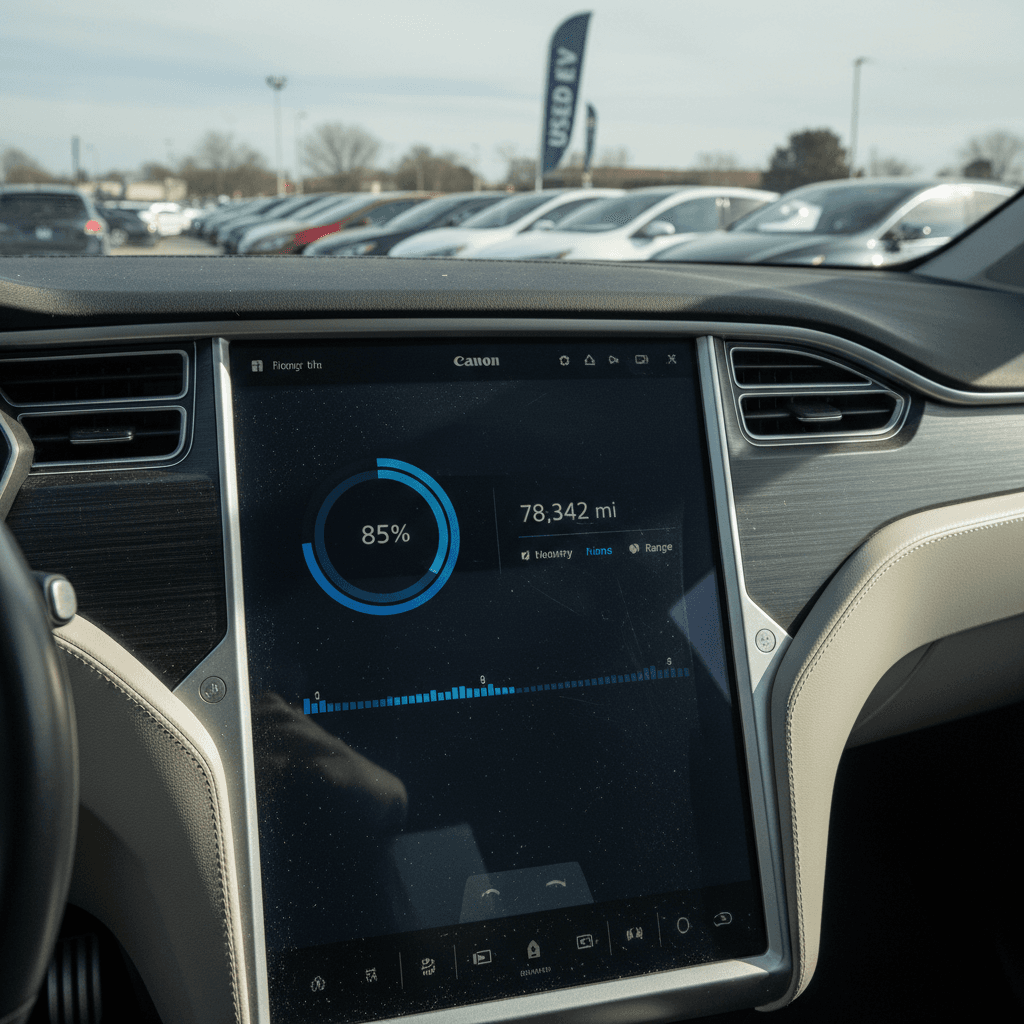
- Most buyers are comfortable with a small range drop versus EPA ratings, especially on 2–4 year‑old trucks.
- Once perceived range loss creeps past ~15–20%, buyers begin to factor in replacement or repair risk.
- Fast‑charging‑heavy usage (lots of DC fast‑charge sessions) can raise more questions than a life spent mostly on Level 2 at home.
- Transparent documentation, a third‑party battery health report and clear charging history, goes a long way toward disarming skepticism.
How Recharged helps here
Personal signs it’s time to sell your R1S
The best time to sell isn’t just about charts; it’s about you. An R1S is a wonderfully over‑engineered way to carry seven people and their mountain bikes, but if your life no longer looks like a Rivian commercial, the spreadsheet may already be tilting toward “sell.”
Seven common triggers that say “it’s time”
1. Your usage doesn’t match the vehicle
If you’ve gone from camping trips to school drop‑offs and 4‑mile commutes, you may be paying luxury‑EV money for a job a compact EV could do for less.
2. You’re bumping against warranty limits
As your R1S approaches major warranty milestones, risk shifts onto your shoulders. Selling while coverage remains can be smarter than gambling on big‑ticket repairs.
3. Insurance, taxes, and payments feel heavy
If the monthly outlay has started to sting, or you’re eyeing lower payments, strong used values today might make more sense than squeezing every last year out of the truck.
4. A new model or feature you really want
If Rivian’s next‑gen driver assistance, interior update, or R2 platform speaks to you, selling your R1S into a strong market can help you step across with minimal cash outlay.
5. Garage or lifestyle changes
Moving to a city apartment, losing driveway charging, or downsizing to one car are all good reasons to lock in current value rather than force the R1S into a bad fit.
6. You’re close to a pricey maintenance moment
Big‑ticket wear items, tires, brakes, suspension components after repeated off‑roading, are invitations to run the numbers on selling beforehand.
7. You’re simply not in love anymore
There’s a premium on vehicles that still feel loved. If you’re bored, you may start under‑maintaining it. Better to cash out while the truck still presents like a cherished toy.
How to maximize your R1S resale price
Once you decide it’s time, the goal is simple: make your Rivian the easiest “yes” in its price range. That’s about presentation, paperwork, and picking the right sale channel.
High‑impact ways to add value before selling
Most of these cost little but photograph well
Detail it like a dealer would
Professional interior and exterior detailing, paint correction on obvious scuffs, and clean wheels are table stakes in the R1S price bracket. A tired‑looking truck bleeds leverage.
Assemble a clean paper trail
Organize service records, recall completions, tire rotations, and accessory purchases. A tidy folder, or PDF, signals a conscientious owner.
Fix the simple stuff
Chipped glass, curb‑rashed wheels, a malfunctioning charge port door: these are small repairs that buyers use as battering rams during negotiation.
Shoot honest, flattering photos
Photograph the R1S clean, in good light, with a consistent backdrop. Include close‑ups of wheels, tires, interior, and screen, what people will zoom in on anyway.
Get a battery health report
Being able to show an independent battery assessment instantly separates your listing from the herd. This is where Recharged’s Score‑style reporting shines.
Price where the market really is
Study comparable R1S listings in your region by year, mileage, and spec. Underpricing leaves money on the table; overpricing leaves you relisting in 60 days.
Think in thousands, not hundreds
Where to sell: dealer, marketplace, or private sale?
Timing and venue are joined at the hip. Listing at the right moment but in the wrong channel is like streaming a blockbuster to an empty theater. Different sellers need different tools.
1. Franchise or Rivian‑adjacent dealers
Pros: Fast, low‑friction trade‑ins. Good if you’re rolling equity into another vehicle.
Cons: You’re paying for the convenience; offers are usually the lowest of the three options.
2. Digital marketplaces & consignment
Pros: Platforms like Recharged specialize in used EVs, with nationwide reach, battery health diagnostics, and EV‑literate buyers. Consignment or instant‑offer models split the difference between dealer ease and private‑sale pricing.
Cons: Some options may involve fees or a short wait for the right buyer, but you’re typically netting more than a straight trade‑in.
3. Private sale
Pros: Maximum potential price if you’re willing to photograph, list, show, and negotiate.
Cons: Time‑consuming. You handle financing questions, test drives, and title transfer. Not everyone wants strangers test‑driving a 7,000‑lb EV with supercar torque.
How Recharged fits into your timing
Ready to find your next EV?
Browse VehiclesFAQ: best time to sell a Rivian R1S
Common questions about timing your R1S sale
Bottom line: should you sell your R1S now or wait?
If your Rivian R1S is still under roughly 50,000 miles, carrying solid warranty coverage, and the payments or lifestyle fit are starting to chafe, you are very likely in the optimal window to sell. The EV market is maturing, new Rivian models are on the horizon, and the days of early‑adopter pricing power are fading.
On the other hand, if you love the truck, your costs are comfortable, and you’re not staring down a major maintenance bill, there’s nothing wrong with driving it deeper into its lifespan. You’ll get fewer dollars back later, but you’ll squeeze more value out of the ones you’ve already spent.
Either way, don’t guess in the dark. Get a real‑world valuation, a battery health report, and a clear comparison of your selling options. That’s exactly what Recharged was built to provide, so when you finally hand over the key fob to your R1S, you’ll know you picked the right moment, not just the first convenient one.