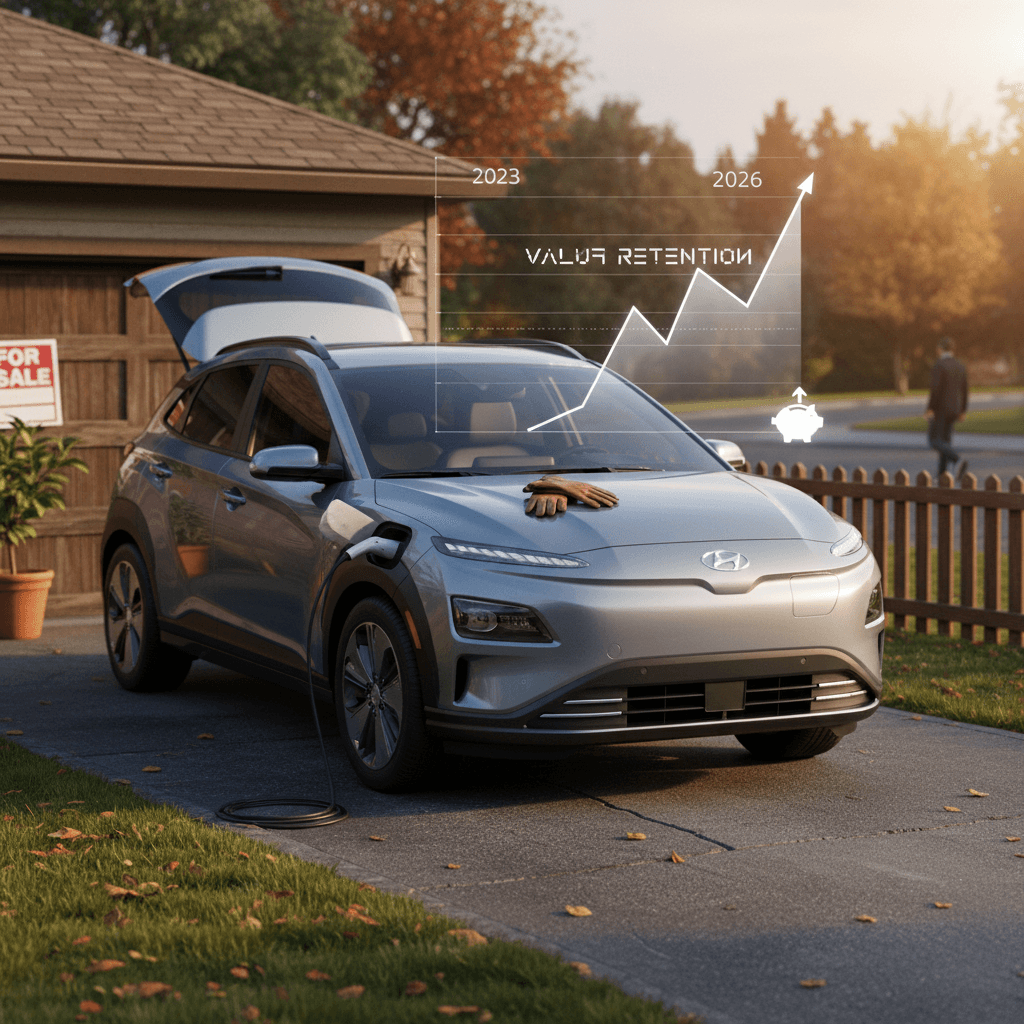
If you own a Hyundai Kona Electric, you’re sitting on one of the more approachable EVs on the used market. The snag? EV values can move faster than a stock chart, and picking the best time to sell a Hyundai Kona Electric can mean thousands of dollars gained, or lost. This guide walks through depreciation, tax-credit deadlines, seasonal patterns, and real‑world market dynamics so you can time your sale instead of guessing.
Quick answer
Why timing matters for Kona Electric sellers
Timing always matters when you sell a car, but with EVs, and the Kona Electric in particular, it matters more. Used prices are being pushed around by three separate forces at once: **fast early depreciation**, **shifting federal tax credits**, and a **fickle used‑EV shopper who’s not yet sure what a fair price looks like**.
What’s moving Kona Electric resale value right now?
Three forces you can actually plan around
Depreciation curve
EVs tend to lose value more quickly in the first 3–4 years, then level off. Selling before the steepest part flattens protects thousands in value.
Incentive cliff
The federal used clean vehicle credit of up to $4,000 is scheduled to disappear for vehicles acquired after September 30, 2025. That deadline can pull demand forward, or leave a soft spot after.
Battery confidence
Buyers fixate on battery health and warranty status. A strong diagnostic report and time left on warranty meaningfully lift what shoppers will pay.
Kona Electric vs. gas Kona
How the Hyundai Kona Electric depreciates
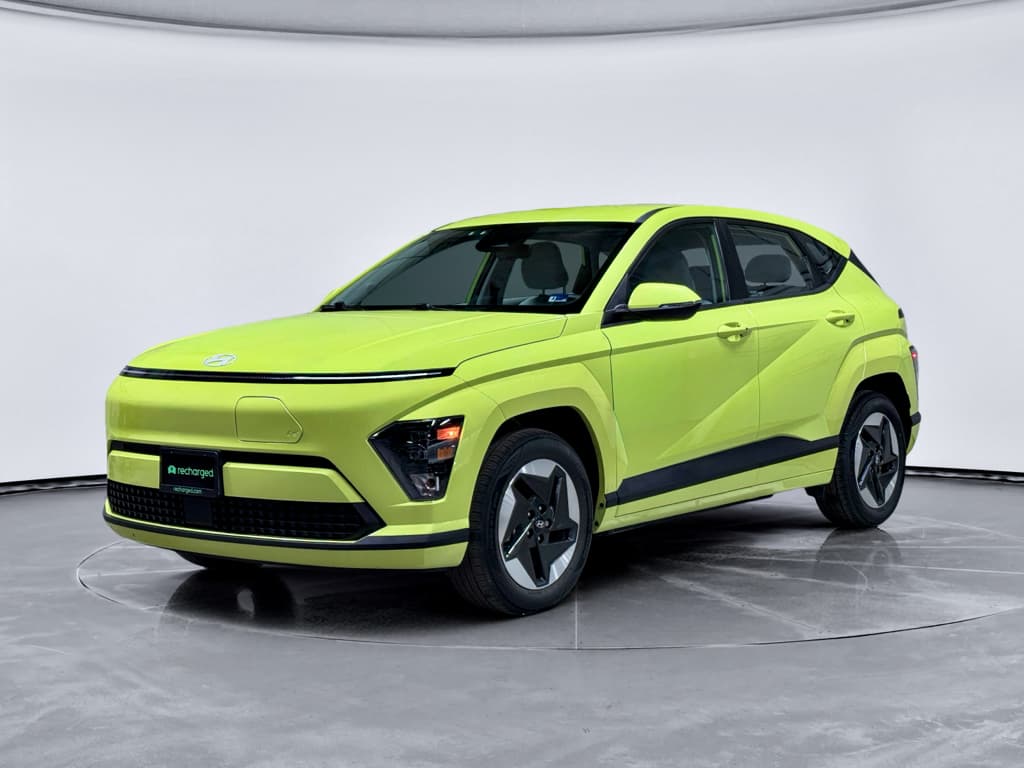
Let’s talk numbers. Sites like Kelley Blue Book and resale analyses from automotive outlets show that recent Kona Electric models sold new in the low‑ to mid‑$30,000s are now trading in the low‑ to mid‑$20,000s just a couple of years later, depending on trim and mileage. That’s a **drop on the order of 35–45% in the first 3 years** for many examples.
Typical Hyundai Kona Electric value drop
The crucial point: **depreciation isn’t a straight line**. The first three years tend to be the steepest, years 4–7 are less dramatic, and after that, values are governed more by battery health and maintenance history than by model‑year snobbery.
Use depreciation to your advantage
Best time to sell a Kona Electric by model year
Because the Kona Electric line spans multiple generations and battery packs, your exact timing playbook depends on **which model year** you have and how long you’ve owned it. Here’s a practical breakdown for U.S. sellers in 2025–2026.
Suggested sale timing by Kona Electric model year
Approximate guidance for U.S. owners considering a sale in 2025–2026.
| Model year | If you bought new… | If you bought used… | Suggested sale timing (2025–2026) |
|---|---|---|---|
| 2020–2021 | You’re 4–6 years in; depreciation has already bitten hard but battery warranty time remains. | You likely bought at a discount; focus on battery report and condition. | Consider selling **now through early 2026**, especially if mileage is under ~80,000. |
| 2022–2023 | 3–4 years old in 2025–2026, right at the end of the steepest depreciation window. | 2–3 years of ownership is a sweet spot if you bought CPO or off‑lease. | For maximum value, target a sale **between mid‑2025 and late 2026**, before hitting big mileage milestones. |
| 2024 | Relatively new body style with fresh tech; strong appeal if priced right. | If you snagged a deal in 2024–2025, you’ve already let someone else take the initial hit. | Best window is **2026–2027**. In 2026, you can still get out while it feels nearly new and under warranty. |
| 2025+ | Very new; selling is more about life changes than optimization. | Used values haven’t fully established a pattern yet. | Unless you must sell, it’s usually worth holding at least **2–3 years** to avoid the worst early‑sale loss. |
Always adjust for your own mileage, condition, and local demand.
Warranty cliffs matter
2025–2026 market factors that shape the best time to sell
Usually, advice about the “best time to sell” sounds like astrology for car people. But for Kona Electric owners in 2025–2026, there are some very real calendar dates and policy cliffs to keep in view.
- Federal tax-credit sunset (September 30, 2025): Federal credits of up to $7,500 for new EVs and up to $4,000 for qualifying used EVs are scheduled to end for vehicles acquired after September 30, 2025. That deadline is already pulling buyers into the market ahead of time.
- Contract loophole into 2026: Buyers who sign a binding contract and make a payment by September 30, 2025, can still claim credits even if the car is delivered later. Dealers may use this to keep deals flowing into early 2026, temporarily supporting prices.
- Post‑credit hangover (late 2025–2026): When that incentive rug gets yanked, some shoppers simply vanish or move back to hybrids and efficient gas cars. That can soften used EV prices for a while, especially for value‑oriented models like the Kona Electric.
If you plan to sell in 2025
How tax credits affect your price
When a buyer can stack a used clean vehicle credit on top of your asking price, they have more room to pay up. For example, a buyer who qualifies for a $4,000 credit on a $22,000 Kona effectively experiences it as an $18,000 car. That flexibility tends to support stronger resale values while the program is alive.
After the credits disappear
Once the federal incentives go dark, the math gets blunter. Your buyer is now paying the full price out of pocket or with conventional financing. Expect a period where **used EV prices adjust downward** until buyers recalibrate what they’re willing to spend without that tax sweetener.
Seasonal and mileage milestones to watch
Even in the high‑tech EV world, we’re still human beings shopping on old‑fashioned cycles. Seasonality and odometer psychology both matter when you’re choosing the week, or even the day, to let your Kona Electric go.
Seasonality and mileage: when the numbers work for you
Blend calendar timing with odometer optics
Spring & early summer
Best seasonal window. Tax refunds have landed, weather is pleasant for test drives, and back‑to‑school families start planning ahead. Used‑EV interest is typically strongest from **March through June**.
Winter doldrums
In colder climates, EVs pick up a reputation for reduced winter range. Listings in January–February can linger longer and earn more lowball offers, unless you price very sharply.
50k & 70k mile lines
Shoppers tend to mentally sort cars into buckets: **under 50k**, **under 75k**, **under 100k**. If your Kona is creeping up on one of these numbers, listing it **2–3k miles before** can make it easier to defend a higher price.
Time your last service smartly
Signs it’s time to sell your Kona Electric
Beyond charts and policy memos, there are some down‑to‑earth signals that your Kona Electric may be approaching its personal “sell‑me” moment.
6 practical signs it’s time to sell
1. Your daily use is outgrowing its range
If you’re routinely arriving home with single‑digit range or nursing the heater to make it, your needs have outrun the battery, even if the car is technically fine. That’s when you sell from a position of rationality rather than desperation.
2. Battery health is sliding, but still decent
A little degradation is normal. If a diagnostic shows modest capacity loss but healthy cells overall, it can be easier to sell now, while you can still present a strong report, than to wait until the number starts to spook buyers.
3. You’re nearing a warranty cliff
Once you’re within ~2 years or ~30,000 miles of the battery warranty limit, some buyers start to look elsewhere. Selling just before that cliff can preserve value.
4. Your use case has changed
New job with a long commute, a move to an apartment with no charging, a second child and more cargo needs, these real‑life changes are valid reasons to capitalize on current value and reposition into a different EV.
5. Local demand is peaking
If your area just added new public charging, EV‑only parking, or HOV incentives, local appetite may spike for affordable, efficient EVs like the Kona. That’s a great time to be a seller.
6. The math stops adding up
If you run the numbers, insurance, registration, opportunity cost, and keeping the car no longer makes financial sense, that’s your sign. Sometimes the smartest car is the one you sell.
Pricing strategy: how to maximize your sale price
Once you’ve nailed your timing window, the next lever is price. Kona Electric shoppers tend to be value‑focused and well‑researched, they’ve seen a lot of listings. The goal is to price **at the confident top end of fair**, not in fantasyland.
1. Start with real market data
Begin with sources like KBB, local listings, and online EV marketplaces. Look specifically for same‑generation Kona Electrics with similar mileage and options in your region. Note both the asking prices and the cars that actually disappear quickly, it’s the latter that tell you where the market really is.
If you sell through Recharged, your car’s Recharged Score Report folds in battery health, local demand, and recent sales to triangulate a realistic price band.
2. Adjust for battery & condition
Two Konas with identical mileage can be thousands of dollars apart if one has a healthier battery, clean history, and fresh tires. Invest in a **battery health diagnostic** and be prepared to show it. Think of it as your EV equivalent of a home inspection, buyers pay more when they can see what they’re getting.
- Aim to list your Kona at the **upper half of the fair‑market range** if you’ve got strong battery health and complete service records.
- If the battery report shows noticeable degradation or your tires and brakes are due, either address those items or price a bit under market to keep interest high.
- Be prepared to move 3–5% on price in negotiation; bake that into your initial ask rather than slashing later in panic.
- Update your price if the car hasn’t had serious interest in 2–3 weeks, especially if federal incentives or local inventory have shifted.
Leverage a transparent report
Trade-in vs. private sale vs. EV marketplace
How you sell can matter almost as much as when you sell. The Kona Electric occupies a slightly nerdy corner of the market; you’ll get very different experiences walking into a generalist dealer versus an EV‑first platform.
Where to sell your Hyundai Kona Electric
Pros and cons of each path
Traditional trade‑in
- Pros: Quick, easy, one‑stop transaction when you’re buying another car.
- Cons: Dealers often under‑value EVs, especially if they’re unsure about battery health or local demand. Convenience tax is real.
Private sale
- Pros: Often yields the highest price if you find the right buyer.
- Cons: You handle listings, inquiries, test drives, and paperwork. Many shoppers are still nervous about used EVs without expert backing.
Specialized EV marketplace (like Recharged)
- Pros: EV‑savvy pricing, nationwide visibility, and baked‑in battery diagnostics.
- Cons: May involve a listing fee or commission, but you’re trading hassle for reach and expertise.
Think beyond your ZIP code
How Recharged helps Kona Electric owners sell smarter
If this all sounds like a lot, tax‑credit cliffs, depreciation curves, warranty cliffs, that’s exactly why platforms like Recharged exist. We’re built around one idea: making used‑EV ownership and selling **simple and transparent**, especially for models like the Hyundai Kona Electric that live in the real‑world, not in Super Bowl commercials.
What you get when you sell a Kona Electric with Recharged
Tools that turn your timing decision into real dollars
Recharged Score battery health diagnostics
Every Kona Electric we list gets a Recharged Score Report that verifies battery health, estimates remaining useful life, and explains it in plain English. Buyers see real data instead of guessing, and you don’t have to memorize kilowatt‑hour trivia to defend your price.
Nationwide reach & EV‑savvy pricing
Recharged combines local market data with national search demand to help you choose a price band and timing that make sense. You can opt for instant offer, consignment‑style listing, or trade‑in toward another EV, all with EV specialists walking you through the options.
Ready to find your next EV?
Browse VehiclesYou can sell fully online, or visit our **Experience Center in Richmond, VA** if you prefer to see people instead of pixels. Either way, the focus is the same: a clean, well‑documented sale that respects both you and the next owner.
FAQ: Best time to sell a Hyundai Kona Electric
Frequently asked questions
The best time to sell a Hyundai Kona Electric isn’t about chasing a headline or the latest hype cycle. It’s about catching the moment when **your car’s story, the buyer’s incentives, and the policy calendar briefly line up in your favor**. For most owners, that means a well‑cared‑for Kona, 3–5 years old, sold in a strong season and backed by a clear battery‑health story. If you’re ready to explore your options, Recharged can turn that timing into a painless, data‑driven sale, so your Kona’s next chapter is as smart as its first.